
REVIEW · MIYAJIMA ISLAND TOURS
From Hiroshima: Hiroshima & Miyajima 1 Day Tour with Lunch
Hiroshima’s most important sights come in two very different forms: the quiet, sobering monuments of Peace Memorial Park and the bright red torii gate of Miyajima, appearing to float in the bay. This eight-hour bus and ferry tour links both in a single day, with a live English guide to explain what you are seeing.
I especially like the practical route and the lunch. You avoid piecing together buses and ferries, and the okonomiyaki gives the day a proper taste of Hiroshima. The main compromise is time: one hour at the Peace Memorial Museum and one hour of free time on Miyajima can feel short if you want to read everything or explore beyond the main shrine area.
Guides including Joe, Hiro, Miyuki, Azusa, and Takane have led different departures, and the strongest part of the experience is often the clear, personal commentary. Headsets help you hear the guide even when you are walking a little way behind the group, though this is a shared tour, not a private one.
In This Review
- Key points to know before booking
- Why this Hiroshima and Miyajima combination works
- Meeting at Hiroshima Station at 9:45
- The A-Bomb Dome and Peace Memorial Park
- A 45-minute lunch of Hiroshima-style okonomiyaki
- Crossing Hiroshima Bay by ferry
- Itsukushima Shrine and the floating torii gate
- One hour to explore Miyajima
- The ride back and planning your Shinkansen
- How the guides shape the day
- Who gets the best value from this $116 tour
- Should you book it?
- FAQ
- How long does the Hiroshima and Miyajima tour last?
- Where does the tour meet?
- Is lunch included?
- Can I request a vegetarian or allergen-friendly lunch?
- Are the museum, shrine, and ferry included?
- Can I take the Shinkansen after the tour?
Key points to know before booking
- Two major Hiroshima sights in one day: Visit Peace Memorial Park, the A-Bomb Dome, the museum, and Miyajima without arranging separate transport.
- A ferry crossing adds real atmosphere: The ten-minute ride across Hiroshima Bay turns the journey to Miyajima into part of the experience.
- Lunch is Hiroshima-style okonomiyaki: Choose the regular version or request one of the pork-free options when booking.
- The schedule is efficient but tight: You see a lot, but free time at both the museum and Miyajima is limited.
- English headset commentary is useful: Guides can explain history and practical details while the group moves between stops.
- Plan your evening carefully: If you are taking the Shinkansen afterward, book a departure after 6:30 p.m.
Why this Hiroshima and Miyajima combination works
At $116 per person, this tour is priced as a full sightseeing day rather than a simple transfer. The cost includes an air-conditioned coach, the return ferry to Miyajima, admission to Itsukushima Shrine, admission to the Hiroshima Peace Memorial Museum, and lunch.
That package matters in Hiroshima. You could arrange the city and island independently, but you would need to manage local transport, ferry tickets, museum entry, and the timing of a restaurant stop. Here, the route is arranged so the serious historical visit comes first, followed by a change of mood on Miyajima.
I like that contrast. Hiroshima’s Peace Park asks for quiet attention. Miyajima offers water views, traditional religious architecture, shops, and time to wander. The two places belong together on a first visit, yet they do not feel like copies of one another.
The tour is not private, and the exact group size is not provided. Expect to share the coach, restaurant, ferry, and walking portions with other participants. That brings structure and ease, but it also means you must keep to the schedule. The bus will not wait for late arrivals.
More miyajima island tours in Hiroshima:
- Peaceful Hiroshima & Miyajima UNESCO 1 Day Bus Tour
★ 5.0 · 5,309 reviews - Hiroshima: Hiroshima and Miyajima UNESCO Sites 1-Day Tour
★ 4.9 · 2,330 reviews - Hiroshima / Miyajima Full-day Private Tour with Government Licensed Guide
★ 5.0 · 1,298 reviews
Meeting at Hiroshima Station at 9:45
The meeting point is on the second floor of Hiroshima Station at the Shinkansen gate, North Gate, near gate 2. Arrive by 9:45 a.m. for the 10 a.m. departure.
Look for the guide holding a sign with the company name HIS. This is one place where I would not cut things close. Hiroshima Station has several levels and exits, and a scheduled coach departure leaves no room for a last-minute coffee stop or a wrong turn.
The tour provides an air-conditioned bus for the road sections. That is especially useful in summer, when walking between the park, museum, restaurant, and transport connections can become tiring. In colder months, bring layers, since the day moves between indoor spaces, streets, the ferry, and the open areas of Miyajima.
You can leave luggage in the bus luggage compartment during the tour. Drinks are not included, so carry water for the walking sections, but do not bring your own food or drinks into the restaurant.
The first ride takes about 15 minutes and passes Hiroshima Castle. It is a scenic drive rather than a castle visit, so do not expect time to go inside. Still, the passing view gives you a quick sense of the city before the day turns to its central subject.
The A-Bomb Dome and Peace Memorial Park
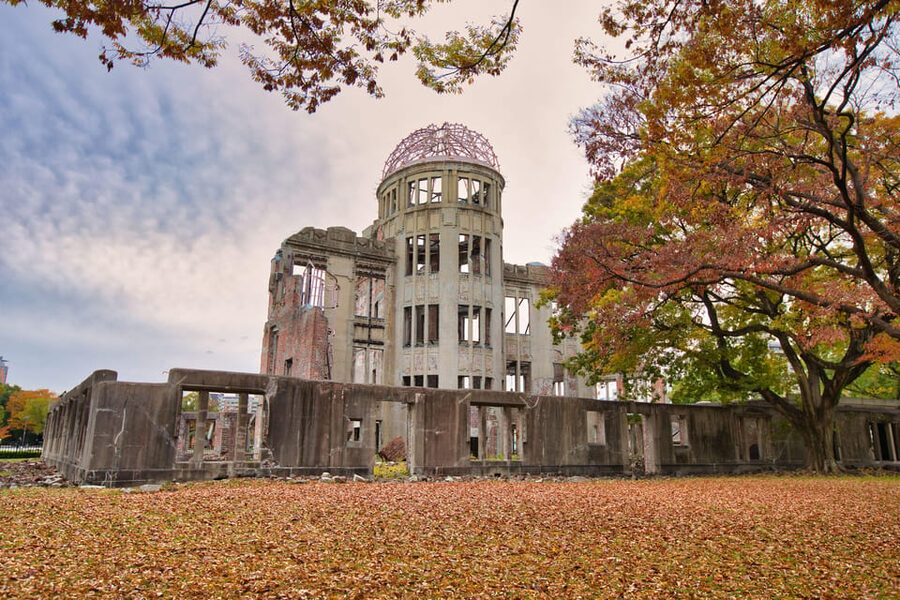
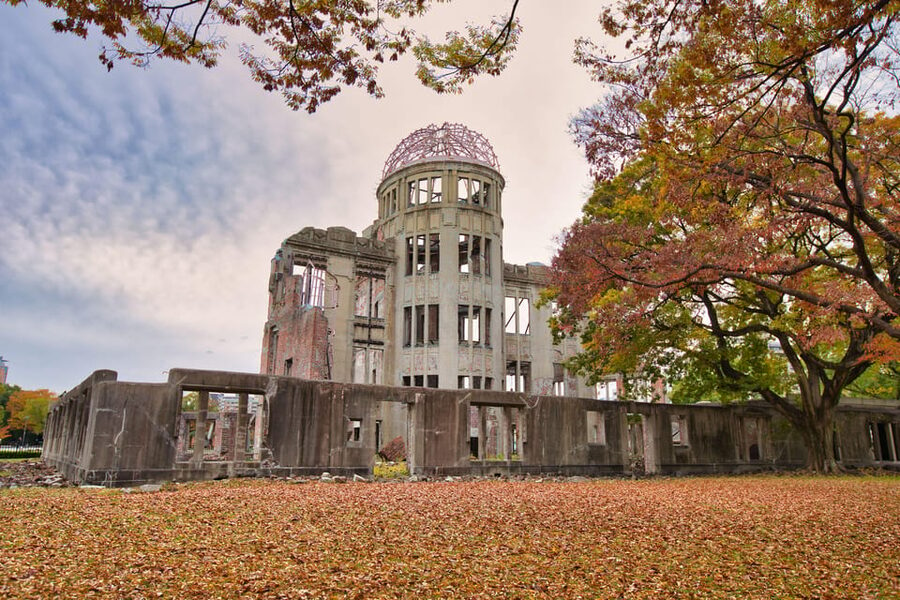
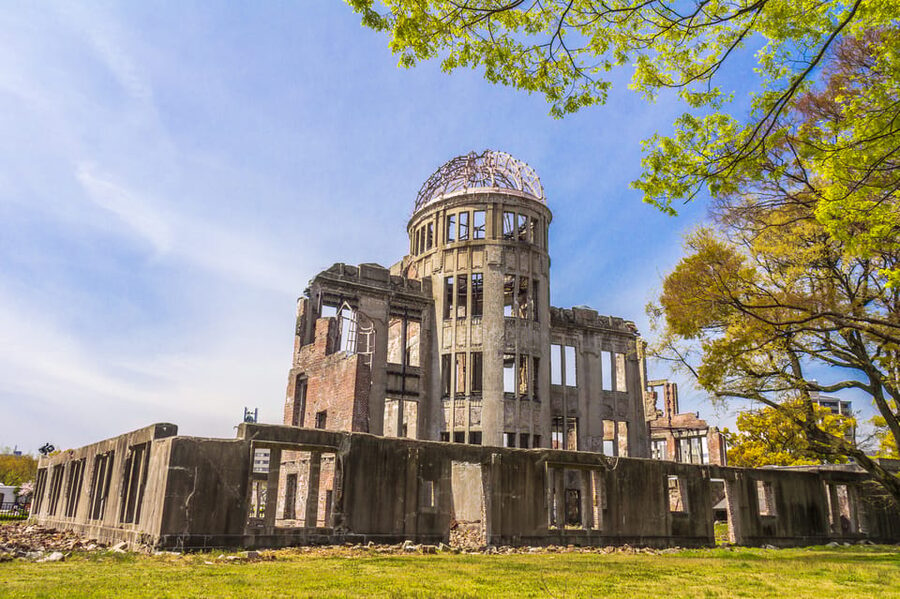
The first major stop is the A-Bomb Dome, with about 30 minutes for the visit. The building ruins are a direct and stark reminder of the atomic blast. You are not simply looking at an old structure. You are looking at a preserved fragment of a city that was changed forever.
The tour guide provides historical context and explains why the dome remains a memorial. Guides such as Joe, Hiro, Miyuki, and Azusa have been especially valued for making the subject clear without losing its human weight. Some guides also share personal connections to Hiroshima, which can give the visit a more immediate sense of place.
The schedule then allows about one hour inside the Hiroshima Peace Memorial Museum. Admission is included, which is helpful because the museum is one of the main reasons to visit Hiroshima.
Give this part your full attention. The displays address the bombing and its effects on people, families, buildings, and the city. The experience can be emotionally difficult, and the museum is not a light sightseeing stop. It is the part of the day that asks you to slow down and think.
The drawback is the clock. An hour gives you an important introduction, but it may not be enough to read every display or spend much time in the surrounding park. If you want a careful, unhurried museum visit, plan to return independently on another day or schedule additional time in Hiroshima.
The tour moves efficiently between the dome and museum, and that helps you cover the key sites. It also limits the chance to wander through the wider Peace Memorial Park at your own pace. I would treat this portion as a focused first visit, not the final word on Hiroshima’s memorials.
If the museum is closed, the itinerary changes to the Hiroshima National Peace Memorial Hall for the Atomic Bomb Victims. The museum is closed on December 30 and 31, and from February 16 through 21.
A 45-minute lunch of Hiroshima-style okonomiyaki
Lunch follows the museum, at a local restaurant, and lasts about 45 minutes. The meal is Hiroshima-style okonomiyaki, a savory pancake made with pork, cabbage, bean sprouts, fish powder, noodles, and eggs.
This version is different from the Osaka style many people know. The noodles and layered ingredients make it a filling meal, and watching the dish being prepared adds a small bit of local food culture to a tightly scheduled day.
The regular option includes pork, fish powder, and eggs. You can request one of three choices:
- Regular okonomiyaki
- Okonomiyaki without pork, with eggs
- Okonomiyaki without pork, fish powder, or eggs
Tell the operator about allergies or dietary restrictions when booking. Menu changes cannot be made on the day, so this is not the moment to wait until you sit down. Vegetarian arrangements have been handled successfully, but advance notice is essential.
The meal is generally a strong part of the tour, though it is simple rather than elaborate. One practical point deserves attention: drinks are excluded, and water is not automatically part of the package. Bring money for a drink, and do not expect refills to be included.
Forty-five minutes is enough for lunch, but not for a leisurely meal. That is a fair trade on a day covering two major destinations. I like that the tour includes a distinctly Hiroshima dish instead of defaulting to a generic restaurant meal.
A few more Hiroshima trips to weigh up
- 3 Departures: Hiroshima & Miyajima Trip with Indian Lunch
★ 4.8 · 65 reviews - Bike Tour Exploring North Kyoto plus Lunch
★ 5.0 · 1,087 reviews - Tokyo: Mt.Fuji & Lake Kawaguchiko 1-Day Bus Tour w/Optional Lunch
★ 4.5 · 839 reviews - Osaka/Kyoto: Arashiyama, Nara & Fushimi Inari Shrine w/Lunch
★ 4.4 · 754 reviews
Crossing Hiroshima Bay by ferry
After lunch, the coach ride takes about 30 minutes to the ferry connection. The ferry crossing to Miyajima lasts around ten minutes.
The short ride is one of the day’s pleasant transitions. The city gives way to open water, and the island arrival feels different from the morning’s memorial sites. You are not taking the ferry as a technical necessity only. It gives you a proper approach to Miyajima and its famous shrine setting.
The tour includes a return ferry ticket, so you do not need to sort out payment at the dock. Keep your group and guide in sight, since ferry timing is tied to the coach’s return schedule.
Itsukushima Shrine and the floating torii gate
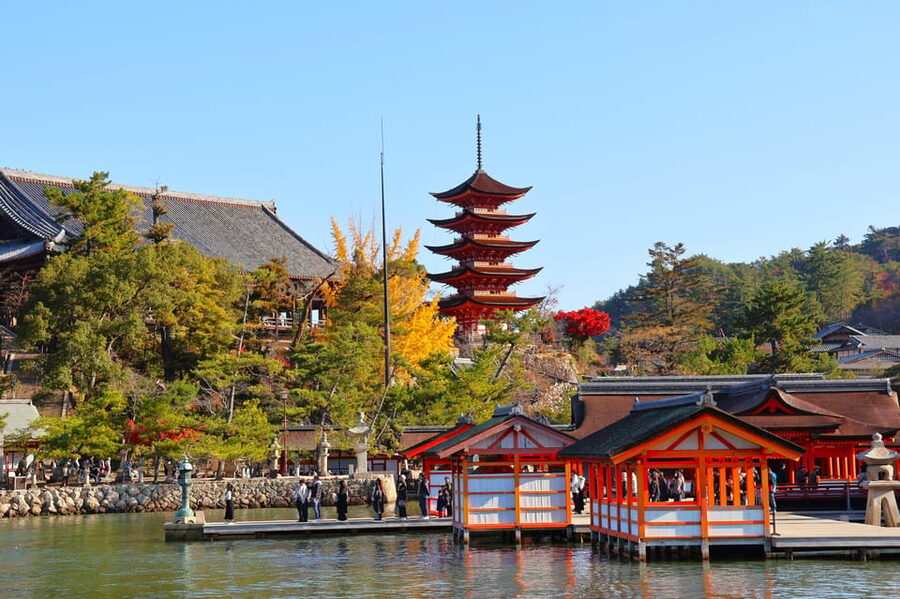
On Miyajima, the tour spends about an hour sightseeing at Itsukushima Shrine. Entry is included, and the guide explains the shrine’s importance as a Shinto site and a UNESCO World Heritage Site.
The best-known feature is the red torii gate in the water. Its appearance changes with the tide, so the exact view depends on conditions during your visit. The gate and shrine buildings create the classic Miyajima scene, but the value of a guided visit is learning how the religious setting fits together rather than simply stopping for a photograph.
The shrine visit is structured, which helps you see the main feature without losing track of the group. It also means you will not have unlimited time to linger at every viewpoint. Listen to the guide’s meeting instructions carefully before you split off for free time.
One hour to explore Miyajima
After the guided shrine visit, you get about one hour of free time on Miyajima. This is enough for a short walk, photographs, and a quick look at the shops and nearby sights.
It is not enough for a full island exploration. You may find additional shrines, food stalls, and small streets that deserve more time, but the return ferry and 50-minute bus ride to Hiroshima Station set a firm limit. Some people will consider the hour just right after a full morning. Others will wish for two or two and a half hours.
I would use the free time with a plan. If the torii gate and shrine are your priority, take photographs first and browse afterward. If you want local snacks or small souvenirs, leave the shrine area promptly. Do not wander far without checking the meeting time.
Miyajima is beautiful in poor weather too, but rain can make the walking sections slower. Comfortable shoes are important, since the day involves a lot of walking and is not suitable for wheelchair users. If walking is difficult for you, this is not the right excursion.
The ride back and planning your Shinkansen
The return ferry takes about ten minutes, followed by roughly 50 minutes by coach back to Hiroshima Station. The advertised day lasts eight hours, placing the return around the early evening.
If you plan to take a Shinkansen after the tour, book a departure after 6:30 p.m. That buffer allows for traffic, unloading luggage, finding your platform, and the possibility that the group returns a little later than planned. I would not pair this tour with a tightly timed onward train.
The station finish is convenient for anyone staying near Hiroshima Station or continuing by rail. Hotel pickup and drop-off are not included, so you must reach the meeting point yourself and make your own way onward.
How the guides shape the day
The guide is more than a voice explaining dates. The best guides on this route connect the memorial sites to Hiroshima today, then help you shift from a solemn morning to a more relaxed afternoon on Miyajima.
Joe has been praised for his warmth and ability to include everyone. Hiro has been described as energetic, funny, and highly personal in her approach, even playing a flute at the end of one departure. Miyuki, who was born and raised in Hiroshima, has offered local perspective alongside the main historical account.
Azusa, Takane, Tom, Chikako, and other English-speaking guides have also led departures. English ability can vary slightly by guide, but the provided earphones make it easier to follow commentary while walking.
Handle the earphones carefully. They must be returned, and loss or damage can bring a replacement charge of up to 18,000 yen. That is an unusually high possible fee for a small device, so do not leave yours on a bench or in the restaurant.
Who gets the best value from this $116 tour
I would recommend this tour to you if Hiroshima is a one-day stop and you want a clear first look at both the city and Miyajima. The included transport and admissions remove much of the planning burden, and the lunch makes the price easier to justify.
It also suits people who prefer context while sightseeing. The guides provide real-time explanations, historical stories, and practical direction throughout the day. Parents or older relatives may appreciate the coach, especially during hot weather, though the walking total remains substantial.
It is less suitable if you want to set your own pace. Museum readers, photographers, and anyone hoping to explore Miyajima beyond the shrine area may find the fixed timetable restrictive. The tour gives you an overview, not unlimited time at each place.
For food restrictions, book early and state your needs clearly. For mobility concerns, skip this one because the operator says it is not suitable for wheelchair users and advises against booking if walking is difficult.
Free cancellation is available up to 24 hours before the tour for a full refund, and you can reserve now and pay later. Those policies add flexibility, but the key decision is still the pace.
Should you book it?
Book this Hiroshima and Miyajima day tour if you want the two essential experiences arranged in one well-managed route: a serious visit to the Peace Memorial Park and Museum, followed by Itsukushima Shrine and the torii gate on Miyajima.
The strongest reasons are the included ferry, museum and shrine admissions, air-conditioned bus, local okonomiyaki, and English headset guidance. The main warning is simple: time is limited. If you have several days in Hiroshima, explore these places independently afterward. If you have only one full day, $116 buys a practical and thoughtful introduction.
FAQ
How long does the Hiroshima and Miyajima tour last?
The tour lasts eight hours. It departs Hiroshima Station at 10 a.m. and returns to the same station after visiting Peace Memorial Park, the museum, Miyajima, and Itsukushima Shrine.
Where does the tour meet?
Meet at Hiroshima Station’s Shinkansen gate on the second floor, North Gate, near gate 2. Arrive at 9:45 a.m. The guide holds an HIS sign, and the bus leaves at 10 a.m. without waiting for late arrivals.
Is lunch included?
Yes. The tour includes Hiroshima-style okonomiyaki with pork, cabbage, bean sprouts, fish powder, noodles, and eggs. Drinks are not included.
Can I request a vegetarian or allergen-friendly lunch?
You can request one of the listed alternatives when booking. Options include regular okonomiyaki, one without pork but with eggs, and one without pork, fish powder, or eggs. Menu changes cannot be made on the tour day.
Are the museum, shrine, and ferry included?
Yes. The price includes admission to the Hiroshima Peace Memorial Museum, admission to Itsukushima Shrine, and a return ferry ticket to Miyajima. It also includes the air-conditioned bus and lunch.
Can I take the Shinkansen after the tour?
Yes, but the operator recommends booking a Shinkansen departure after 6:30 p.m. This allows time for the return to Hiroshima Station and onward station arrangements.
More 1-Day Tours in Hiroshima
- Hiroshima and Miyajima Day Trip with Itsukushima Shrine & Ferry
★ 5.0 · 378 reviews - Miyajima Half-day Trip Historical Walking Tour
★ 5.0 · 284 reviews - Day Trip to Hiroshima & Miyajima with Itsukushima Shrine
★ 4.6 · 124 reviews - From Hiroshima: Miyajima Island Day Trip with Ropeway Ride
★ 5.0 · 17 reviews
Just added around Hiroshima
- The Journey of Hiroshima from Tragedy to Peace★ 4.8 · 44 reviews
- Miyajima: Private Rickshaw Tour to Itsukushima Shrine★ 4.9 · 45 reviews
- Hiroshima: Miyajima Half-day Historical Walking Tour★ 4.7 · 100 reviews
- Hiroshima:Guided Virtual Tour/PEACE PARK TOUR VR★ 5.0 · 29 reviews
- Hiroshima/Miyajima Private Custom Tour with Local Guide★ 5.0 · 134 reviews
- Hiroshima: Tour of Atomic Bomb Dome & Peace Memorial Museum★ 5.0 · 20 reviews
- Hiroshima: Saijo Sake Tasting at 7 Breweries Guided Tour★ 4.8 · 29 reviews
- Hiroshima: Private Walking Tour with a Local★ 4.6 · 70 reviews
Miyajima Island Tours, compared.
Peaceful Hiroshima & Miyajima UNESCO 1 Day Bus Tour
Read our review →
Hiroshima and Miyajima UNESCO Sites 1-Day Tour
Read our review →
Hiroshima / Miyajima Full-day Private Tour with Government Licensed Guide
Read our review →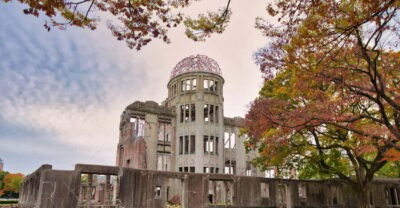
Osaka/Kyoto: Hiroshima Miyajima Bus Tour & Shinkansen Ticket
Read our review →
Hiroshima and Miyajima Day Trip with Itsukushima Shrine & Ferry
Read our review →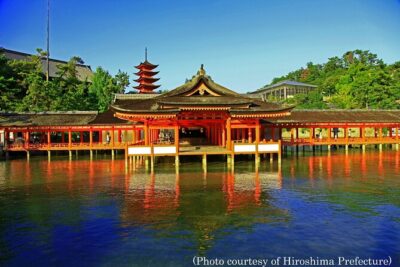
Full Day Hiroshima and Miyajima Bus Tour from Hiroshima
Read our review →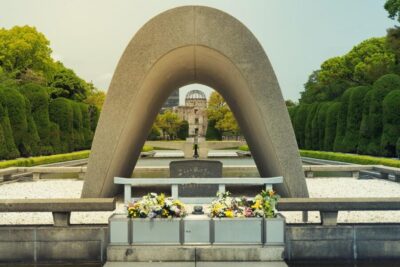
Miyajima Peace Memorial Icons of Peace and Beauty
Read our review →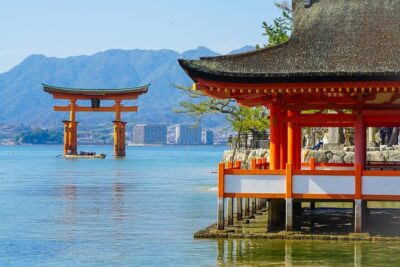
Miyajima Half-day Trip Historical Walking Tour
Read our review →Browse the lists this tour appears in