
REVIEW · MIYAJIMA ISLAND TOURS
Hiroshima & Miyajima All-Inclusive Tour w/Licensed guide Pancho
Hiroshima makes the most sense when you see its two sides in one day: the solemn Peace Memorial Park and the spiritual world of Miyajima. Pancho, a Hiroshima native, connects those places with local stories, family perspective, and a flexible pace rather than a string of hurried facts.
I especially like the private format, which lets you ask questions, adjust the rhythm, and request help with vegan or gluten-free food. I also like that the price covers the shrine ticket and essential public transport, so you are not fumbling with fares while changing from train to ferry.
The main consideration is the travel time. You use local trains, a ferry, and buses, and one visitor found the day heavier than expected because the transit took a large share of the schedule. The Peace Memorial Museum is not part of the guided visit, so museum time requires a separate plan.
In This Review
- Key points to know before booking
- Why this Hiroshima and Miyajima pairing works
- Starting with Miyajima and its famous torii gate
- Entering Itsukushima Shrine
- Daishoin Temple adds a quieter stop
- A thoughtful route through Peace Memorial Park
- Why the Peace Memorial Museum is handled separately
- Pancho’s guiding style and flexibility
- Transport, pace, and physical demands
- Who gets the best value from this day
- Should you book Pancho’s Hiroshima tour?
- FAQ
- How long does the Hiroshima and Miyajima tour last?
- Is this a private tour?
- Is pickup available?
- Is private transportation included?
- Is the Itsukushima Shrine entrance fee included?
- Is the Peace Memorial Museum included?
- How much is the Peace Memorial Museum entrance fee?
- Is lunch included?
- Can the guide help with vegan or gluten-free food choices?
- Is the tour suitable for wheelchair users?
- What is the cancellation policy?
Key points to know before booking
- Pancho’s local connection: Hiroshima native Pancho brings family perspective to the city’s wartime story and answers questions in fluent English.
- Two major sights in one day: You visit Miyajima and the Peace Memorial Park in roughly 7 hours 30 minutes.
- Public transport is included: JR train, ferry, and bus costs are covered, but private car service is not.
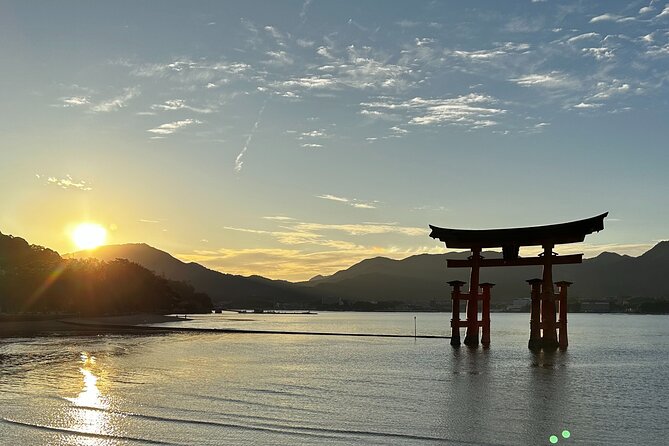
- Itsukushima Shrine admission is included: The famous shrine and its tide-dependent torii gate receive dedicated time.
- The Peace Museum is separate: You receive guided context outdoors, then may visit the museum privately for about ¥200 if you choose.
- A real walking day: Daishoin Temple can be difficult for wheelchair access, and moderate physical fitness is advised.
Why this Hiroshima and Miyajima pairing works
Hiroshima and Miyajima offer very different kinds of meaning. The city’s Peace Memorial Park asks you to confront the human cost of the atomic bombing. Miyajima, reached by ferry, offers shrines, Buddhist buildings, traditional religious imagery, and the changing view of the sea around the torii gate.
Putting both together creates a full day rather than two disconnected outings. You see how Hiroshima remembers 1945, then move into a place associated with Shinto and Buddhist practice. Pancho’s role matters here because the tour is not simply about checking off the Atomic Bomb Dome and Itsukushima Shrine. He explains how the sites fit into local life and makes room for questions.
This is a private activity, so only your own group participates. That changes the feel of the day. You can ask for more explanation at a serious stop, pause for photographs, or request a little flexibility if someone in your group needs a slower pace. Pancho has also helped groups rearrange the day around return travel and other plans.
The tour is priced at $340 per person. That is a serious outlay, especially for a family, but the comparison is not just with a basic group bus tour. You are paying for a licensed guide, a private group, the Itsukushima Shrine ticket, and essential local fares by JR, ferry, and bus. Lunch, drinks, and the Peace Memorial Museum ticket remain extra.
For a solo visitor or couple on a tight budget, the price may be hard to justify. For a family or small group that wants personal guidance and a single organized day, it can make better sense. Group discounts may be available, so check the final price for your party before deciding.
More private guided tours with driver in Hiroshima:
- Hiroshima / Miyajima Full-day Private Tour with Government Licensed Guide
★ 5.0 · 1,298 reviews - Hiroshima City 4hr Private Walking Tour with Licensed Guide
★ 5.0 · 437 reviews - Hiroshima & Miyajima: Full-Day Private Tour & Licensed Guide
★ 4.8 · 252 reviews
Starting with Miyajima and its famous torii gate
The Miyajima portion takes about 3 hours 10 minutes, making it the longer half of the outing. You travel by public transport rather than private vehicle, which keeps the tour tied to ordinary local movement but also means you need to be ready for changes between train, ferry, and bus.
The ferry crossing is part of the pleasure. Miyajima’s Giant Torii Gate is the image most often associated with the island, but its appearance changes with the tide. At higher water, it can seem to float offshore. At lower water, the relationship between gate, beach, and shrine is quite different.
Pancho uses vantage points around the island to help you frame photographs and explains details that are easy to miss when you only stop for a quick picture. The gate is not just a photo prop. It marks the approach to Itsukushima Shrine and reflects the old idea of entering sacred space by sea.
Tide conditions matter. The schedule gives you time to see the torii gate, but the exact visual effect depends on the water level on the day you visit. If the floating appearance is especially important to you, ask Pancho about the expected tide when you book or confirm the tour.
The island section includes walking, so wear comfortable shoes. You may also encounter a slower pace if your group stops for photographs or takes time at religious sites. The tour is private, which makes those pauses easier than they would be in a large group.
Entering Itsukushima Shrine
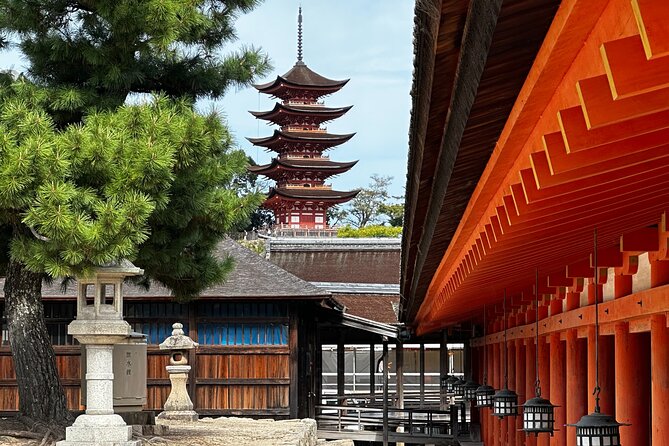
Itsukushima Shrine is a UNESCO World Heritage Site and the only place on this tour with an included admission ticket. You receive about 30 minutes inside the shrine, enough for an introduction to its unusual design and setting.
The shrine’s relationship with the water is what makes it memorable. Rather than treating the sea as a distant view, the structure is designed around the shore and the changing tide. Pancho explains the religious meaning and the features that set it apart from more familiar Japanese shrines.
Half an hour is useful for orientation, but it is not a long, unhurried study of every building. If you love architecture or want extended time for photography, tell Pancho early. He can advise how best to use the available time, though the full day still has to fit both Miyajima and Hiroshima.
The included admission is a small but helpful part of the value. You do not need to arrange this ticket yourself, and the guide can provide context as you move through the complex. Remember that the famous torii gate is also viewed separately from suitable points around the shrine and island.
Daishoin Temple adds a quieter stop
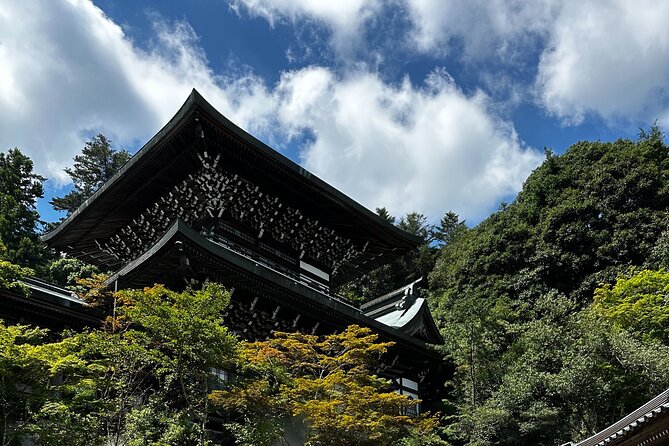
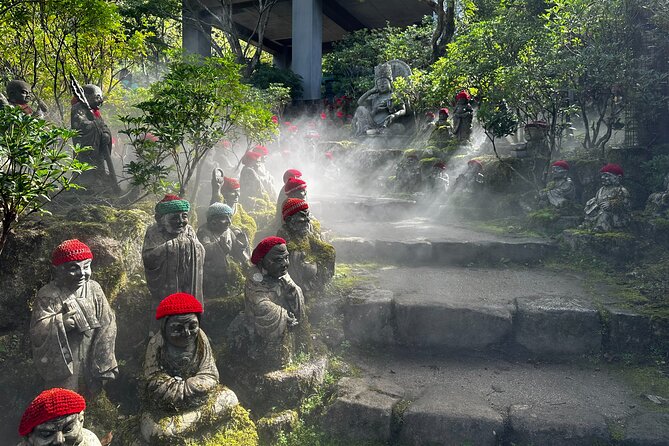
Daishoin Temple receives about 40 minutes and is one of Pancho’s favorite places on Miyajima. The stop gives the island visit a different tone from Itsukushima Shrine, with a more intimate Buddhist setting and plenty of visual detail.
Pancho can explain the temple’s religious and cultural role while pointing out picturesque areas. Optional nearby sights include the Five-Story Pagoda and Senjokaku Pavilion, although the available time and your group’s interests determine how much you can see.
This is also the stop where access deserves careful thought. The temple is difficult for wheelchair users, and the tour advises moderate physical fitness. If someone in your party has knee trouble or may need a wheelchair, raise the issue before the day begins. Pancho has worked with groups that planned for mobility concerns in advance, but you should not assume every part of the route will be easy.
The temple helps prevent Miyajima from becoming only a torii-gate photo stop. You get a closer look at the island’s spiritual side and a break from the busiest sightseeing rhythm. Still, visitors wanting a long temple visit, a mountain walk, and extensive free time on Miyajima may find this itinerary too full.
More miyajima island tours in Hiroshima:
- Peaceful Hiroshima & Miyajima UNESCO 1 Day Bus Tour
★ 5.0 · 5,309 reviews - Hiroshima: Hiroshima and Miyajima UNESCO Sites 1-Day Tour
★ 4.9 · 2,330 reviews - From Hiroshima: Hiroshima & Miyajima 1 Day Tour with Lunch
★ 4.7 · 395 reviews - Hiroshima and Miyajima Day Trip with Itsukushima Shrine & Ferry
★ 5.0 · 378 reviews
A thoughtful route through Peace Memorial Park
After Miyajima, the tour spends about 50 minutes on a lunch break near Hiroshima Peace Memorial Park, followed by roughly 1 hour 50 minutes at the park and its key monuments. Food is not included, but Pancho can help you consider local choices.
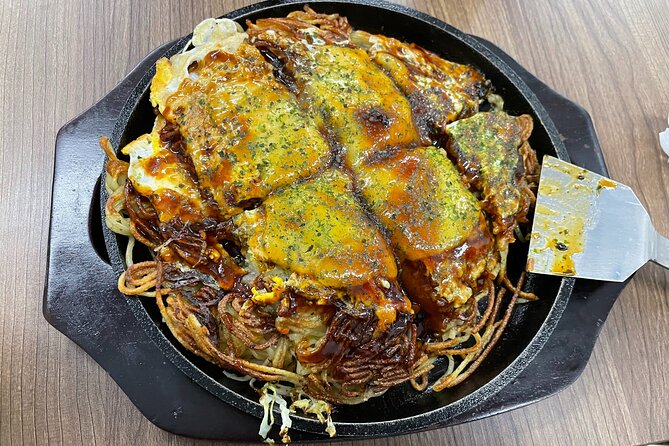
Options listed for the break include ramen, casual sushi, okonomiyaki, tsukemen, and lighter meals. Vegan and gluten-free needs can also be discussed. Since this is not a food tour, the break is practical rather than leisurely, and you should not expect lunch to be part of the $340 price.
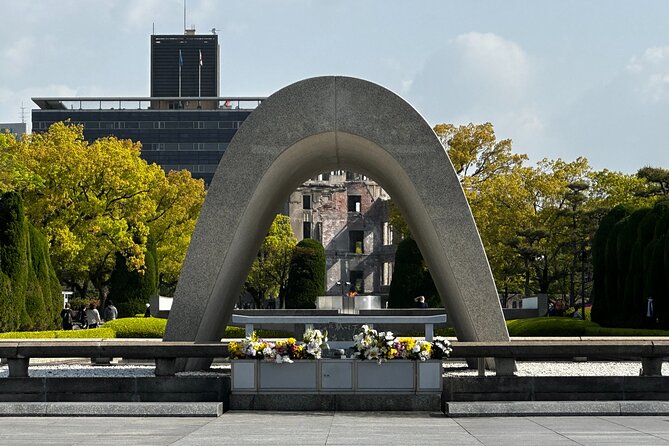
The first memorial stop is the Atomic Bomb Memorial Mound, a small monument at ground level near the point where the bomb detonated in the air. The location gives you a physical reference for the blast’s center and sets a serious tone before you walk farther through the park.
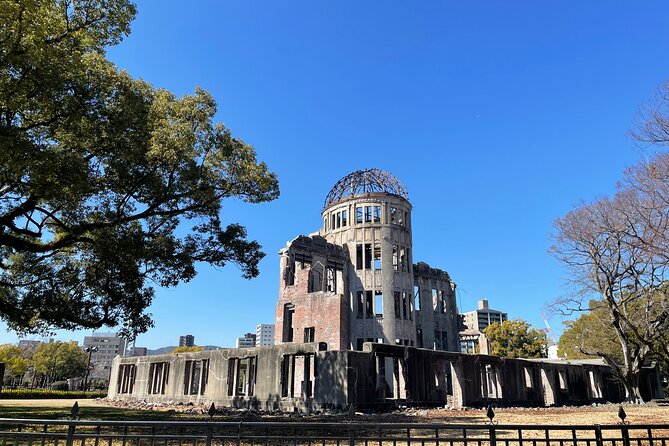
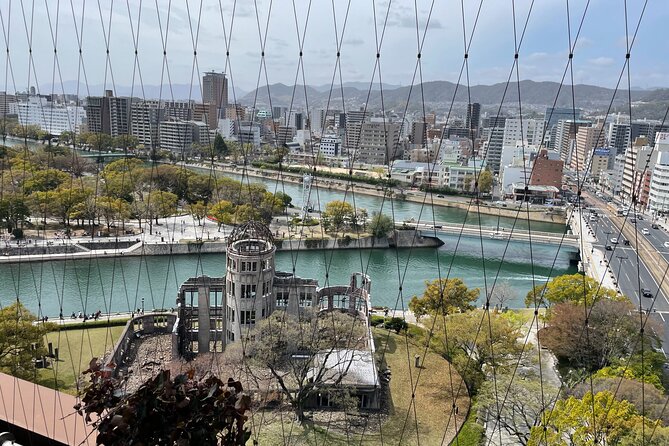
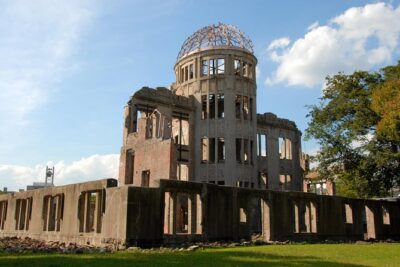
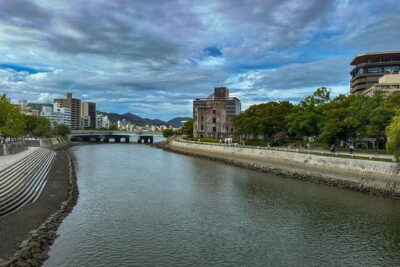
You then see the Atomic Bomb Dome, one of Hiroshima’s most recognizable buildings. It survived the 1945 bombing despite being close to the detonation point, and Pancho explains how it endured, why Hiroshima was selected, and how local people experienced the disaster and the city’s recovery.
The Dome is powerful partly because it is so concrete. You are not looking at an abstract historical marker. You are looking at a damaged building within a living city, with modern Hiroshima continuing around it. Pancho’s family perspective can add a personal layer to the public story, though the subject remains heavy.
The longer walk through Peace Memorial Park includes the Children’s Peace Monument, associated with Sadako Sasaki and the paper-crane tradition. Pancho may also demonstrate how to fold an origami crane, a hands-on cultural moment that fits naturally with the monument’s message of peace.
The park section is the emotional center of the day. Pancho aims to share stories of resilience and hope, not only facts about destruction. He also knows when a serious place needs a quieter approach. That balance is important because the subject can be difficult, particularly for children or anyone with a close connection to war history.
Why the Peace Memorial Museum is handled separately
The tour does not provide a guided visit inside the Peace Memorial Museum. Instead, Pancho gives fuller context at the outdoor monuments and leaves the museum experience for private reflection.
That choice will suit some people and disappoint others. A guide can help you understand the museum’s background, but the exhibits themselves are personal and emotionally demanding. Moving through them alone lets you set your own pace and take a break when needed.
The museum is not generally a stop on this experience, and its entrance fee is separate, listed as ¥200 per person. If you want to visit, you should allow extra time beyond the guided itinerary and confirm how it fits with your schedule. Do not assume the 7-hour-30-minute tour includes museum entry or a guided museum tour.
If the museum is your main reason for coming to Hiroshima, book a separate visit before or after this activity. If you prefer a guide to explain the city outdoors and then want quiet time with the exhibits, the arrangement is sensible.
Pancho’s guiding style and flexibility
Pancho is described as a licensed local guide and Hiroshima native. His strongest asset is not simply the number of facts he can deliver. It is his ability to keep a conversation going, answer questions, and connect the public story to his hometown.
That personal approach comes through in practical ways. He has welcomed visitors arriving by bullet train, met groups at hotels, helped with return plans, and adjusted the pace when needed. You still need to agree on pickup details, since the stated meeting point is at 1-2 Matsubaracho in Hiroshima’s Minami Ward and private transport is not included.
English communication is a clear part of the experience. Pancho responds to messages before the tour and uses strong English during the day. That matters in Hiroshima, where the questions often go beyond dates and buildings. You may want to ask about family memories, reconstruction, Japanese religious customs, or how the city is viewed by people who live there.
The friendly tone does not erase the seriousness of the subject. The strongest version of this day lets you have lighter moments at Miyajima and lunch while treating Peace Park with care. That mix can make a long historical day more manageable for a family ranging from young adults to older relatives.
Transport, pace, and physical demands
The all-inclusive transport promise means the guide covers essential fares for JR trains, the ferry, and buses. It does not mean a private vehicle. You should expect the normal rhythm of Japanese public transit, including walking between stops, waiting, boarding, and changing modes.
This is both a benefit and a drawback. Public transport places you in the setting of everyday Hiroshima and avoids the cost of arranging a private car. It also takes time, and the transit can feel substantial when combined with the ferry and the walking at both destinations.
The total duration is approximately 7 hours 30 minutes. The schedule is full but not designed as a dawn-to-midnight expedition. Because Miyajima and Peace Park are far enough apart to require transit, some of your day will be spent getting from one place to another rather than standing at monuments.
A moderate fitness level is recommended. Daishoin is particularly difficult for wheelchair access, and anyone with knee problems should communicate before the tour. One useful advantage of a private booking is the ability to discuss mobility needs and possible adjustments in advance.
Pickup is offered, but the published start and end point is the Hiroshima meeting address. Confirm where Pancho will meet you, especially if you are arriving by train or staying at a hotel. The tour returns to the meeting point.
Who gets the best value from this day
I would consider this tour for a first Hiroshima visit when you want both the city’s memorial sites and Miyajima without organizing every train, ferry, admission, and route yourself. It also fits families who want one guide for different ages and interests.
The private setup is useful for couples who prefer conversation over a fixed group script. It is also a good choice for anyone who wants help with vegan or gluten-free lunch options, photography stops, or a gentler pace.
You should think twice if you want a cheap introduction, extensive free time, or a full museum visit led by a guide. The $340 per-person price is not a bargain tour, and the food and museum ticket are extra. You also need to be comfortable using public transportation and walking.
For a group, compare the total cost with separate admission and transport expenses, then decide how much personal guidance is worth to you. The included JR, ferry, and bus fares simplify the day, but the main value is Pancho’s attention and local perspective.
Should you book Pancho’s Hiroshima tour?
Book it if you want a private, tightly organized introduction to Hiroshima and Miyajima, with a local English-speaking guide who can answer questions and adapt the pace. The combination of Itsukushima Shrine, Daishoin Temple, the torii gate, and Peace Memorial Park gives you a rounded day.
Before booking, confirm three things: the pickup point, the tide conditions for Miyajima, and your plan for the Peace Memorial Museum. Also be honest about mobility needs and remember to budget for lunch.
I would skip it if your top priority is spending hours inside the museum, traveling by private car, or exploring Miyajima at leisure. For everyone else, Pancho’s personal style and the included local transport make this a strong way to see two very different sides of Hiroshima in one meaningful day.
Free cancellation is available up to 24 hours before the start time for a full refund. Changes or cancellations made later are not accepted for a refund.
FAQ
How long does the Hiroshima and Miyajima tour last?
The tour lasts approximately 7 hours and 30 minutes.
Is this a private tour?
Yes. Only your own group participates in the activity.
Is pickup available?
Pickup is offered. The listed meeting point is 1-2 Matsubaracho, Minami Ward, Hiroshima, and the activity ends back at the meeting point.
Is private transportation included?
No. Private transportation is not included. The all-inclusive transport coverage applies to essential public transportation, including JR trains, the ferry, and buses.
Is the Itsukushima Shrine entrance fee included?
Yes. Admission to Itsukushima Shrine is included in the tour price.
Is the Peace Memorial Museum included?
No. The tour does not generally stop at the Peace Memorial Museum and does not provide guided entry inside it.
How much is the Peace Memorial Museum entrance fee?
The listed entrance fee is ¥200 per person, paid separately.
Is lunch included?
No. Food and drinks are not included. Lunch options near Peace Memorial Park include ramen, casual sushi, okonomiyaki, tsukemen, and light meals.
Can the guide help with vegan or gluten-free food choices?
Yes. The tour information states that Pancho can advise on vegan and gluten-free options.
Is the tour suitable for wheelchair users?
A moderate level of physical fitness is recommended, and Daishoin Temple is difficult to access by wheelchair. Discuss mobility needs before the tour.
What is the cancellation policy?
You can cancel at least 24 hours before the experience start time for a full refund. Cancellations or changes made less than 24 hours before the start time are not refunded or accepted.
Just added around Hiroshima
- The Peace Memorial to Miyajima : Icons of Peace and Beauty★ 4.5 · 31 reviews
- Private Full Day Hiroshima Tour★ 4.5 · 29 reviews
- Okunoshima Rabbit Island Cycling Tour with Local Guide★ 4.5 · 17 reviews
- Shore Excursion from Hiroshima Port : Private Tour in Hiroshima★ 5.0 · 17 reviews
- Hiroshima Saijo Sake Tasting Tour with visit to 7 Breweries★ 5.0 · 104 reviews
- Miyajima Guided Tour and Fresh Oyster Farm Tour★ 5.0 · 20 reviews
- Hiroshima Country Cycling: Explore Rural Life 1 HR from City★ 5.0 · 22 reviews
- Mitaki Peace Tour Beyond Central Hiroshima★ 5.0 · 18 reviews
Miyajima Island Tours, compared.
Peaceful Hiroshima & Miyajima UNESCO 1 Day Bus Tour
Read our review →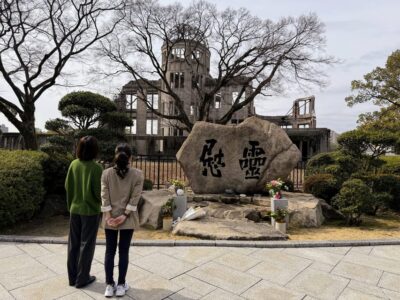
Hiroshima and Miyajima UNESCO Sites 1-Day Tour
Read our review →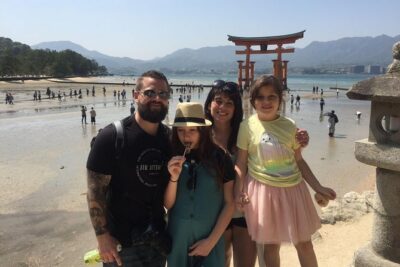
Hiroshima / Miyajima Full-day Private Tour with Government Licensed Guide
Read our review →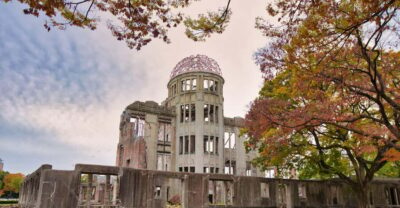
Osaka/Kyoto: Hiroshima Miyajima Bus Tour & Shinkansen Ticket
Read our review →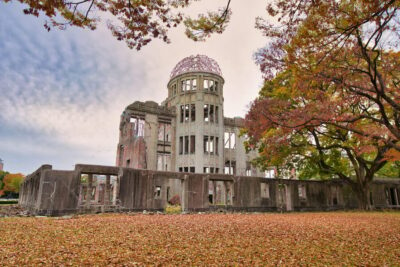
Hiroshima and Miyajima Day Trip with Itsukushima Shrine & Ferry
Read our review →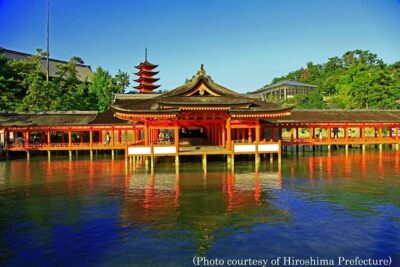
Full Day Hiroshima and Miyajima Bus Tour from Hiroshima
Read our review →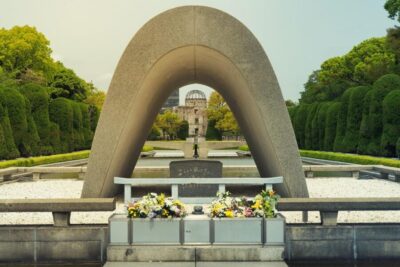
Miyajima Peace Memorial Icons of Peace and Beauty
Read our review →Browse the lists this tour appears in