
REVIEW · MIYAJIMA ISLAND TOURS
Hiroshima: Miyajima Peace Memorial Icons of Peace and Beauty
Hiroshima and Miyajima make a powerful pair: one asks you to face the human cost of war, while the other offers sea views, shrine architecture, snacks, and quiet island paths. This 8-hour tour handles the public transport and ticket details, so you can focus on what you are seeing rather than on tram platforms and ferry times.
I especially like the careful shift from the Peace Memorial Museum to the beauty of Itsukushima Shrine, and I like the small-group format, which allows room for questions. Guides such as Ken, also called Kensuke, are praised for keeping the day moving and helping with photos, food choices, and connections. The main drawback is pace: with so much ground to cover, the museum and Miyajima can feel short for anyone who prefers a slow visit.
In This Review
- Key points at a glance
- A morning of memory at Peace Memorial Park
- The Peace Memorial Museum needs your full attention
- The tram and ferry journey to Miyajima
- Itsukushima Shrine and the sea
- Senjokaku Pavilion and traditional architecture
- Lunch, local sweets, and an hour to wander
- How the transport and timing work
- Is $163 good value?
- The guide can shape the whole day
- Who should book this Hiroshima and Miyajima tour?
- Should you book it?
- FAQ
- How long does the Hiroshima and Miyajima tour last?
- What languages are available?
- Are transportation and entrance fees included?
- Is lunch included?
- Is there free time on Miyajima?
- Can a solo visitor book the tour?
Key points at a glance
- Two very different sides of Hiroshima: Begin with the Atomic Bomb Dome and Peace Memorial Museum, then continue to Miyajima’s shrine, hills, shops, and sea.
- Public transport is part of the experience: Tram and ferry fares are included, along with the pleasant crossing to Miyajima.
- Guides make the history easier to understand: Ken, Minori, and Alex are among the guides named in the feedback, with Ken receiving especially strong praise for his planning and clear English.
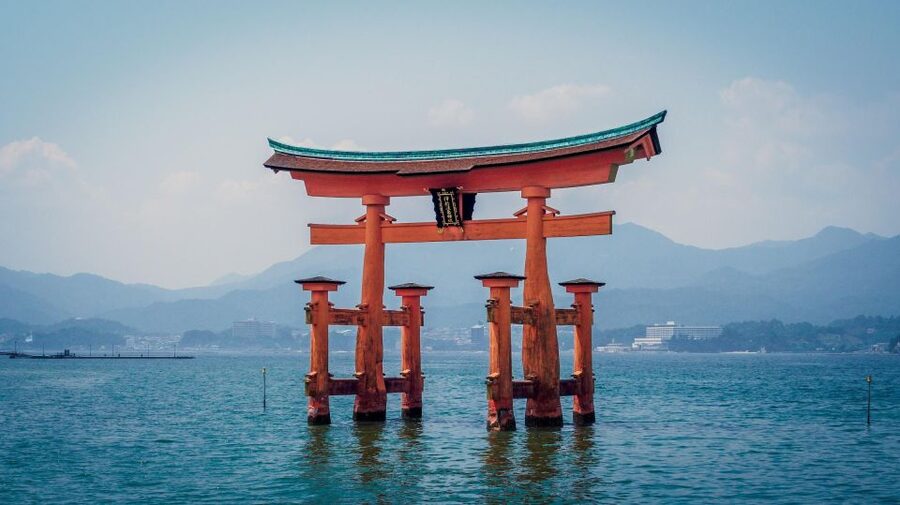
- Itsukushima Shrine at the water’s edge: At high tide, the shrine appears to float above the Seto Inland Sea.
- Free time matters: You have time for lunch, Momiji Manju, tea houses, handicrafts, and personal shopping.
- Plan for a full day on foot: Comfortable shoes are essential, and the tour may be tiring if you have mobility limits.
A morning of memory at Peace Memorial Park
Meet your guide at the 7-Eleven directly outside Hiroshima’s Peace Memorial Park. This is a handy starting point because you are already close to the first sites, rather than spending the morning crossing the city to reach them.
The park’s open paths, greenery, and water create a calm setting, but the mood is serious. Your guide begins by helping you understand what happened in Hiroshima on August 6, 1945, and how the city remembers it today. That background is useful because the monuments can otherwise feel like a series of solemn objects without a clear thread connecting them.
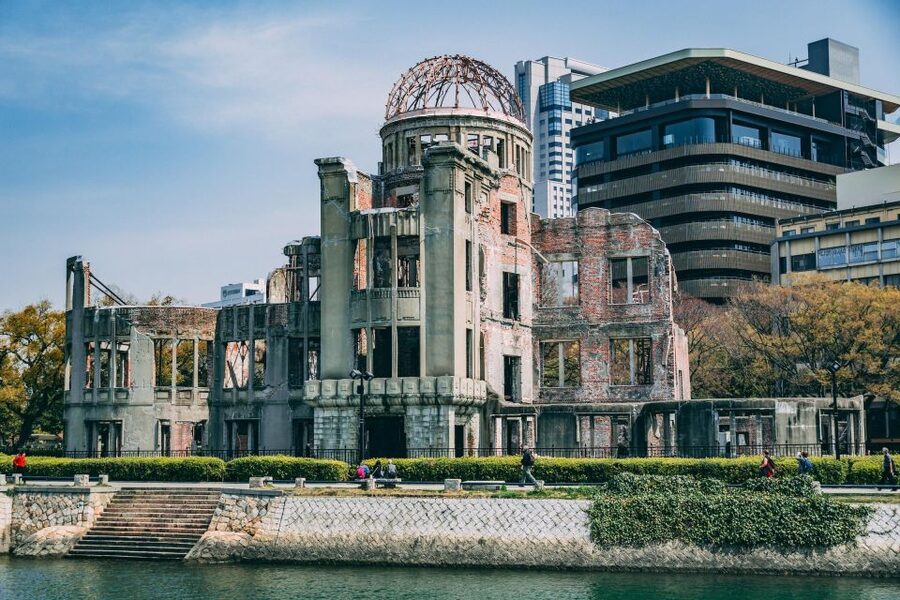
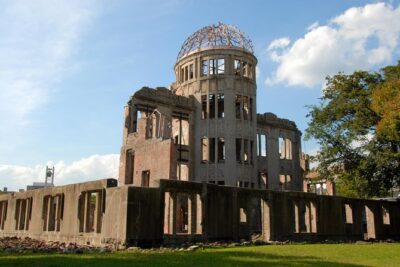
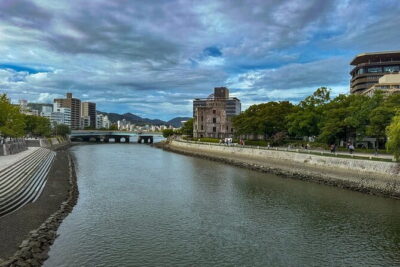
The Atomic Bomb Dome is the first major landmark. Its damaged structure is one of Hiroshima’s most recognizable sights and is protected as a UNESCO World Heritage Site. You see the remains from outside and hear about its place in the city’s memory. The building is not grand in the usual sightseeing sense. Its force comes from the fact that it survived when almost everything around it was destroyed.
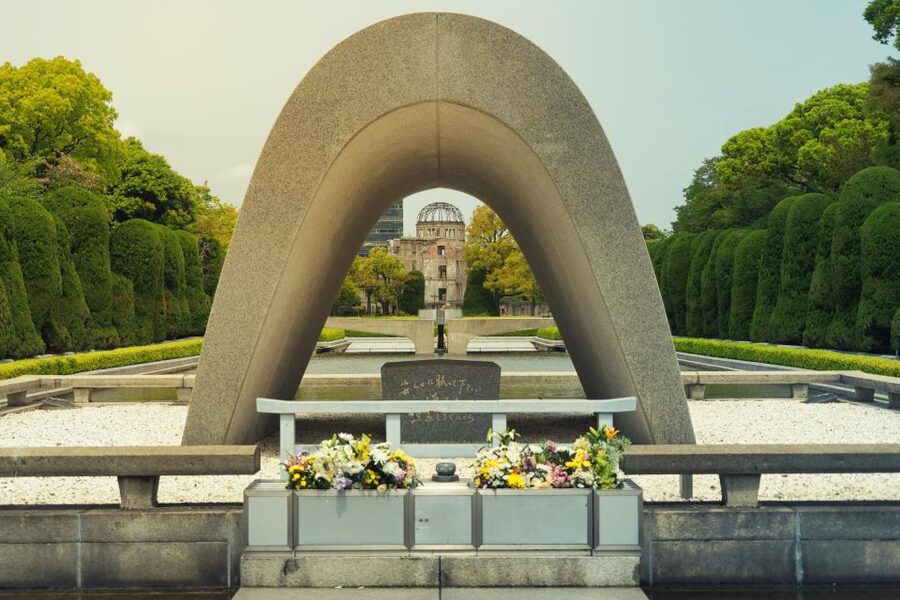
Next comes the Cenotaph for the A-bomb Victims, along with the Eternal Flame of Peace. Paper cranes appear throughout the park, carrying a simple wish for peace. Your guide can add context to these symbols and explain how the park connects grief with a hope for a world without nuclear weapons.
The scheduled park and Atomic Bomb Dome visits allow about 30 minutes each. In practice, the exact balance can depend on the guide, group, and walking pace. You have enough time to see the key memorials, but not enough for a long, unhurried walk through every corner of the park. If the subject is especially important to you, consider returning on your own after the tour.
More miyajima island tours in Hiroshima:
- Peaceful Hiroshima & Miyajima UNESCO 1 Day Bus Tour
★ 5.0 · 5,309 reviews - Hiroshima: Hiroshima and Miyajima UNESCO Sites 1-Day Tour
★ 4.9 · 2,330 reviews - Hiroshima / Miyajima Full-day Private Tour with Government Licensed Guide
★ 5.0 · 1,298 reviews
The Peace Memorial Museum needs your full attention
The Hiroshima Peace Memorial Museum is the emotional center of the morning. The one-hour visit covers the atomic bombing of Hiroshima and Nagasaki, its human effects, and the city’s continuing call for peace.
This is not light sightseeing. Some displays are difficult, and you may want quiet time afterward. I recommend treating the museum as a place for reflection rather than trying to rush through it to collect facts. A good guide can help you understand the wider context before you enter and answer questions afterward, but the museum itself deserves your own attention.
Several people who took this tour appreciated having a guide explain the history in a clear, respectful way. That matters in Hiroshima, where a short visit can leave you with big questions about war, memory, responsibility, and peace. Ken’s personal connection to the city also added weight for some groups. He has explained that his grandmother saw the mushroom cloud from the bombing, a detail that brings the event closer without turning the visit into a performance.
The hour can pass quickly. One person found the museum and later island visit a little rushed, and that is the fairest criticism of the schedule. You receive a broad introduction to Hiroshima, not an exhaustive museum study. If you want to read every panel, this tour may not give you enough time.
The tram and ferry journey to Miyajima
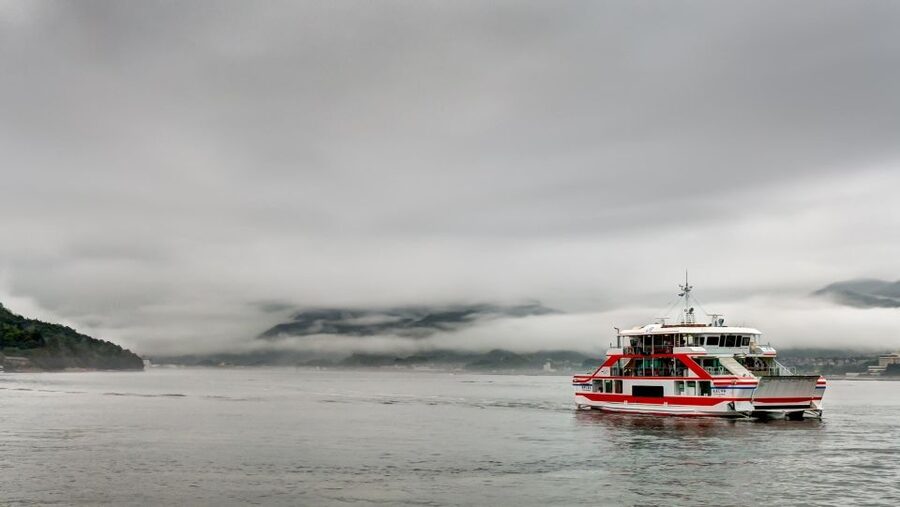
After the museum, the day changes tone. Public transportation takes you toward Miyajima, with tram and ferry fares included in the tour price. The ferry crossing is more than a transfer. It gives you a welcome break after the museum and opens views across the Seto Inland Sea as the island comes into sight.
This part of the day is also where a guide earns the fee. Hiroshima’s trams, ferry arrangements, entrance lines, and timing are manageable, but they take attention. Ken is repeatedly praised for preparing tickets, avoiding unnecessary waits, and thinking ahead about the next connection. That leaves you free to look out the window, talk with your group, or simply process the morning.
The schedule allows about an hour for the ferry portion, though exact transport time can vary. Keep your day flexible enough for ordinary public transport delays. The guide’s role is to manage the route, but no city tour can control every departure or crowd level.
Itsukushima Shrine and the sea
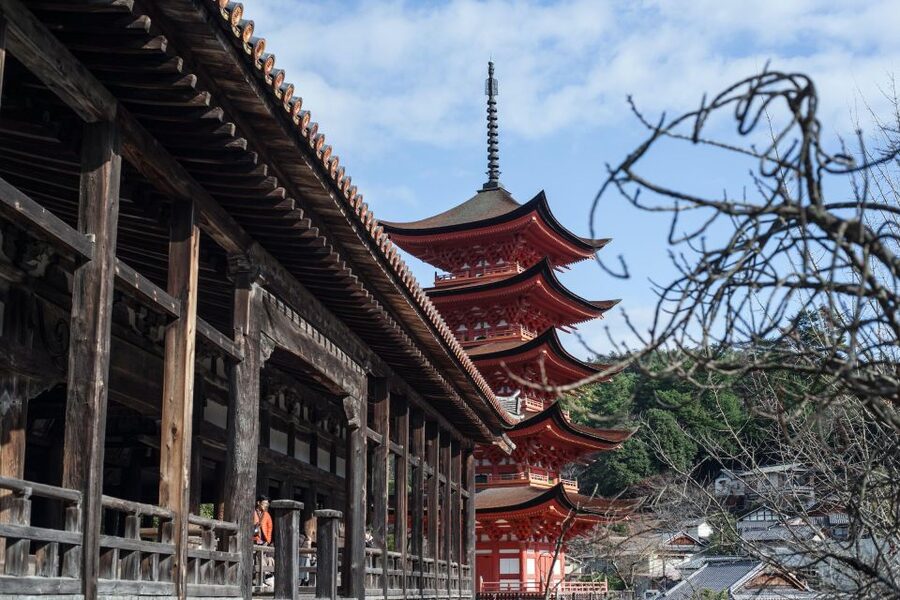
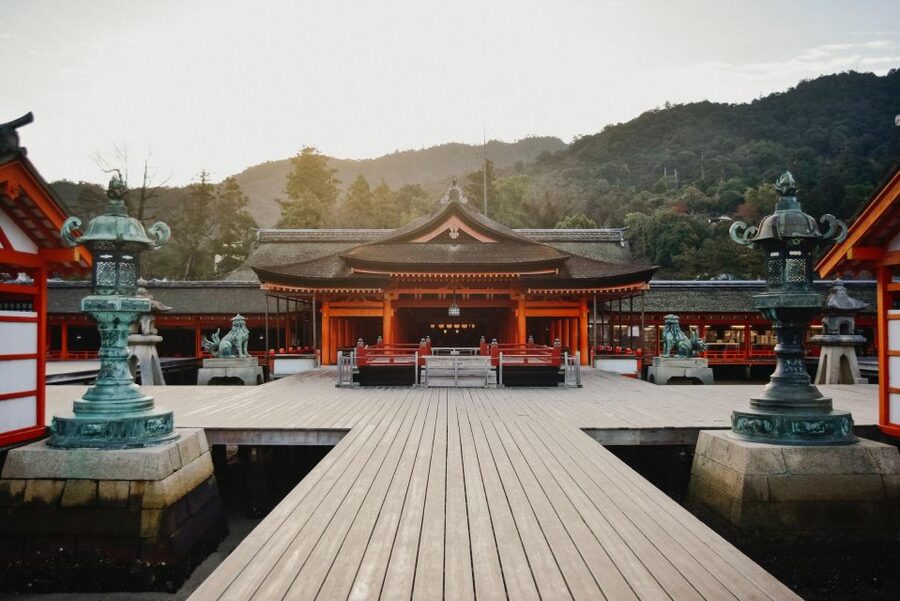
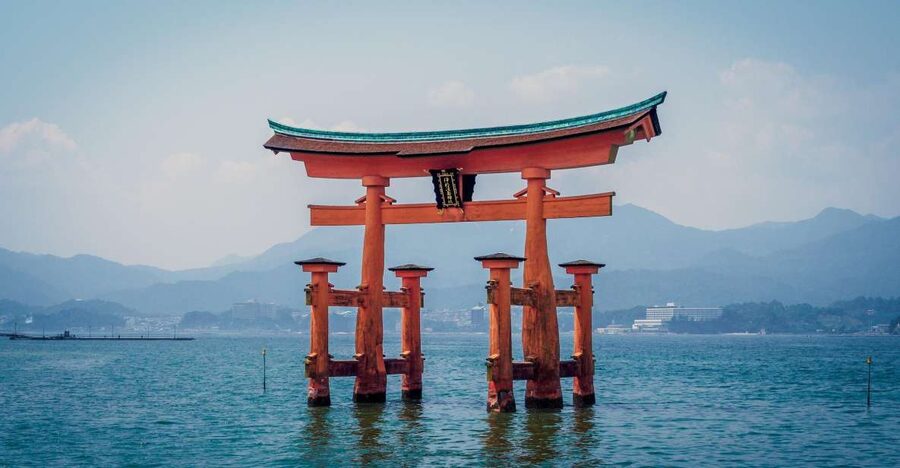
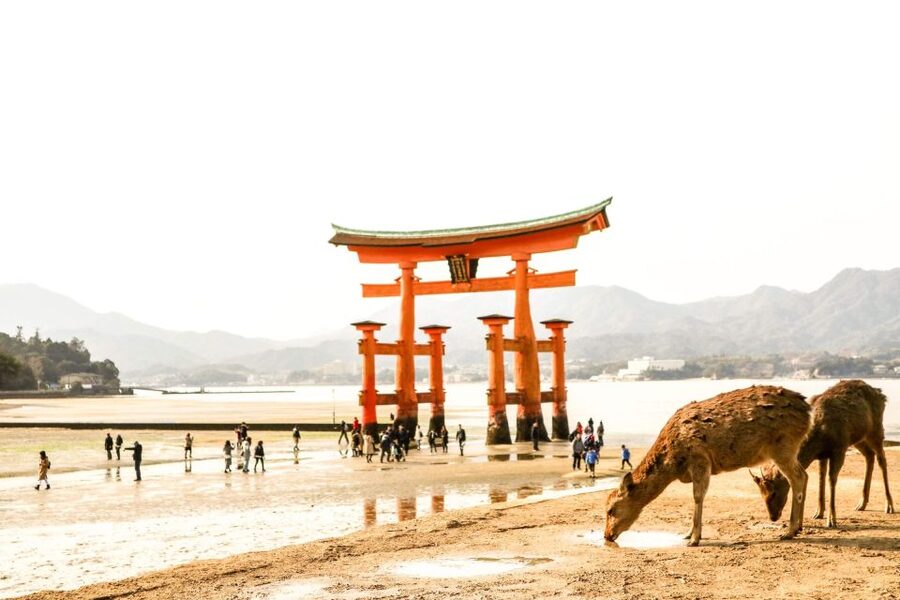
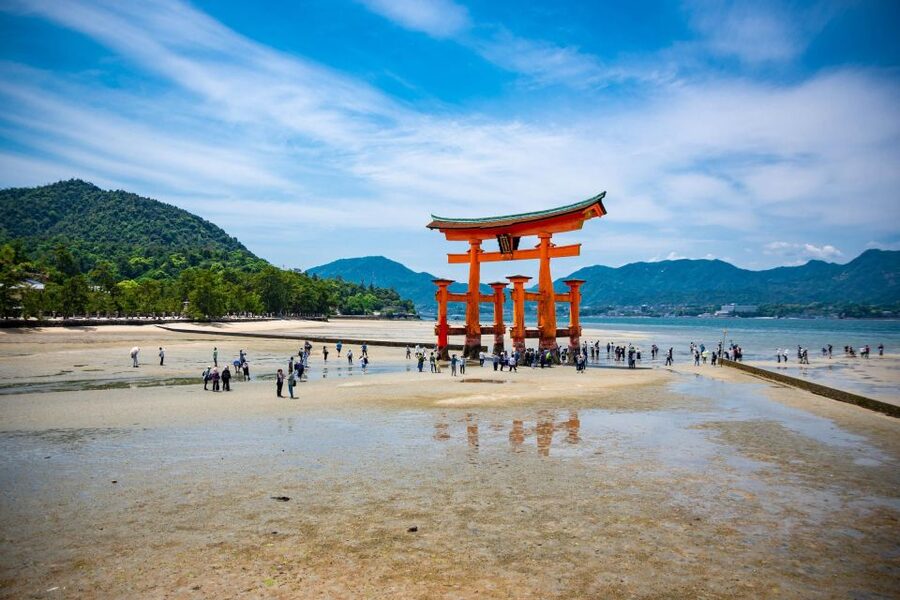
Miyajima’s main draw is Itsukushima Shrine, a Shinto complex built along the edge of the water. At high tide, parts of the shrine appear to float above the Seto Inland Sea, creating one of Japan’s most memorable architectural views.
The effect depends on the tide and weather. At the right water level, the shrine’s red structures and walkways seem to hover between land and sea. On a gray or rainy day, the scene can feel quiet and restrained. On a clear day, the water and surrounding hills give the shrine a brighter, more open setting.
The guided visit lasts about 45 minutes. That is enough to understand the shrine’s layout, purpose, and design, but you may want more time for photographs or close inspection. Your guide can help you get through the entrance process and point out details you might miss while moving with the crowd.
Miyajima is popular, especially during peak seasons. Ken’s ability to plan around busy periods is one reason this tour appeals to people who do not want to spend their day waiting in lines. Still, do not expect the island to feel empty. The value is in having someone organize the visit and help you use your limited time well.
Same city, a completely different kind of day:
- Hiroshima Historical Walking Tour – Why A-Bomb was Dropped
★ 4.8 · 893 reviews - Hiroshima Peace (Heiwa) Walking Tour at World Heritage Sites
★ 5.0 · 872 reviews - Hiroshima in a Nutshell: Morning Bike Adventure
★ 5.0 · 524 reviews - Hiroshima City 4hr Private Walking Tour with Licensed Guide
★ 5.0 · 437 reviews
Senjokaku Pavilion and traditional architecture
The next stop is Senjokaku Pavilion, also known as the Pavilion of Heavenly Spirits. Its broad wooden interior and tatami flooring offer a different mood from the shrine below. Instead of focusing on a single famous view, you get a chance to notice traditional Japanese building methods and the calm proportions of the space.
The visit lasts around 45 minutes. Your guide can explain the pavilion’s role and architectural details, while you take in the wooden structure at a slower pace. This stop also gives you a change from the main shrine route and a wider sense of Miyajima’s religious and cultural setting.
The itinerary names this site as Tenshinkaku in the description and Senjokaku Pavilion in the schedule. For booking purposes, these refer to the pavilion visit on Miyajima. It is worth checking the exact route with your guide at the start of the day if this distinction matters to you.
Lunch, local sweets, and an hour to wander
Lunch is not included, which gives you flexibility but means you should budget separately. The schedule sets aside about 45 minutes for lunch on Miyajima. Guides can suggest places and help with ordering, and one group received assistance finding a vegan option. Still, dietary requests should be raised before or at the start of the tour so your guide has time to help.
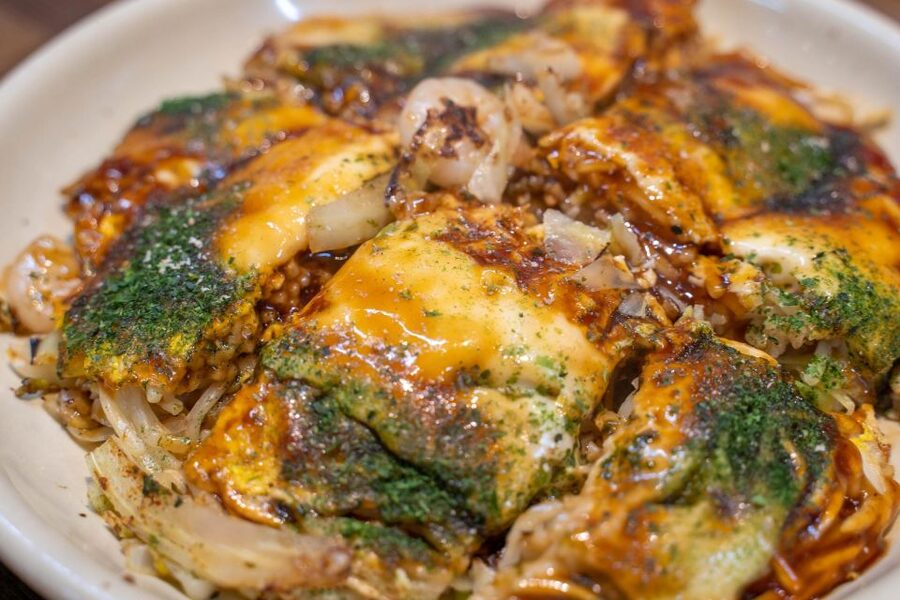
Miyajima is a good place to sample local food. Look for Momiji Manju, a maple-leaf-shaped cake filled with sweet or savory ingredients. It is easy to carry and makes a pleasant snack while you walk through the shopping streets.
You can also find eel dishes and other local meals, along with tea houses and small shops selling handcrafted souvenirs. The appeal here is not simply buying something. The streets show how a sacred island also functions as a living destination, with food, craft, and daily commerce arranged around the shrine.
After the guided sightseeing, you receive about an hour of free time. Use it for a second look at a shop, a quiet tea, photographs, or a short walk toward the wooded hills behind the shrine. The free hour is useful, but it is not long enough to cover every part of the island. You will need to choose between shopping, food, extra photographs, and a longer walk.
How the transport and timing work
This is a physically active day. You walk through the memorial park, museum, shrine grounds, pavilion area, shopping streets, and transport connections. Comfortable shoes are specifically recommended, and the amount of walking may be difficult for someone with mobility issues.
The tour begins at the 7-Eleven outside Peace Memorial Park and finishes at Hiroshima Station. That end point is practical if you are catching a train or continuing your time in the city. One guide even helped a group make its departing train, but you should still avoid booking a very tight connection after an 8-hour public transport tour.
Private and small-group options are available. A small group gives you more opportunity to ask questions and makes it easier for the guide to keep everyone together on trams and ferries. The guide languages are English and Spanish.
There is one important solo booking condition. If fewer than two people book, the operator may offer a different date, request a ¥16,000 solo supplement, or provide a full refund. If you are traveling alone, check this point before building your Hiroshima schedule around the tour.
Is $163 good value?
At $163 per person, this is not the cheapest way to see Hiroshima and Miyajima. You could arrange public transportation and admission yourself for less. The real question is how much you value planning, explanation, language help, and a full day without having to manage the route.
The price includes the guide, tram and ferry fares, the Peace Memorial Park and Itsukushima Shrine entrance fees, and time for personal exploration. Lunch is extra. You are paying for convenience as much as admission.
I think the value is strongest if you have only one day in Hiroshima, feel unsure about public transport, or want historical explanation instead of simply walking from monument to monument. It is also useful for a first visit when you want help finding the main sites and local food.
If you are comfortable with Japanese transit, have plenty of time, and prefer to spend two or three hours in the museum alone, a self-guided visit may suit you better. The tour’s schedule is efficient, but efficiency always limits lingering.
The guide can shape the whole day
The most consistently praised part of this experience is the guiding. Ken, or Kensuke, is singled out for clear English, fast communication, careful timing, local recommendations, and a friendly manner. He has helped with shrine tickets, found food options, pointed out collectible stamps, taken photographs, and offered restaurant suggestions at the end of the day.
Minori is described as kind and well informed, while Alex is praised for being respectful, attentive, and helpful with questions. The guide assigned to your date may vary, so you should not assume Ken will lead every departure.
The strongest guides do more than recite dates. They connect the memorial sites with present-day Hiroshima, explain Japanese customs, answer questions about daily life, and adjust the pace when possible. That personal exchange is a major reason to choose this experience instead of simply following a map.
A professional photo option is also available. With this version, guide-photographers take photographs at the Peace Memorial Park and Miyajima. It may suit couples or families who want images of the day without passing a phone back and forth, though you should confirm the extra cost and exact inclusions before booking.
Who should book this Hiroshima and Miyajima tour?
I would choose this tour if you want the essential Hiroshima experience in one day and prefer a guide to handle transport. It suits first-time visitors, families, solo visitors who want company, and anyone who values historical explanation.
It is especially good for people who want an emotional morning followed by a more scenic afternoon. That contrast is carefully built into the day, but you should be ready for the memorial portion to feel heavy.
I would hesitate if you dislike fixed schedules, need long museum visits, or want a slow island day with extended hiking. The tour covers a lot, and the free time is useful but limited. Wear supportive shoes, bring water, and leave room in your budget for lunch and snacks.
Should you book it?
Book it if you have one day for Hiroshima and want the city’s two essential experiences, the Peace Memorial sites and Miyajima, explained and linked by someone who knows the route. The 4.9 rating from 361 bookings reflects strong satisfaction with the guides, organization, and transport handling.
Skip it if you want to set your own pace or spend most of the day inside the museum. For everyone else, this is a well-planned introduction to Hiroshima, with enough free time to keep the day from feeling like a nonstop march. The emotional weight of the morning and the beauty of Miyajima complement each other in a way that is difficult to arrange as neatly on your own.
FAQ
How long does the Hiroshima and Miyajima tour last?
The tour lasts 8 hours, beginning at the 7-Eleven directly outside Hiroshima’s Peace Memorial Park and finishing at Hiroshima Station.
What languages are available?
Live guiding is available in English and Spanish.
Are transportation and entrance fees included?
Yes. Tram and ferry fares are included, along with entrance fees for the Peace Memorial Park and Itsukushima Shrine.
Is lunch included?
No. Lunch is not included, and you should budget separately for your meal. The schedule provides about 45 minutes for lunch on Miyajima.
Is there free time on Miyajima?
Yes. The day includes about one hour of free time for personal exploration, shopping, tea houses, local snacks, photographs, or a short walk.
Can a solo visitor book the tour?
A solo visitor can book, but if the minimum of two people is not met, the operator may offer another date, request a ¥16,000 solo supplement, or issue a full refund.
Just added around Hiroshima
- The Journey of Hiroshima from Tragedy to Peace★ 4.8 · 44 reviews
- Miyajima: Private Rickshaw Tour to Itsukushima Shrine★ 4.9 · 45 reviews
- Hiroshima: Miyajima Half-day Historical Walking Tour★ 4.7 · 100 reviews
- Hiroshima:Guided Virtual Tour/PEACE PARK TOUR VR★ 5.0 · 29 reviews
- Hiroshima/Miyajima Private Custom Tour with Local Guide★ 5.0 · 134 reviews
- Hiroshima: Saijo Sake Tasting at 7 Breweries Guided Tour★ 4.8 · 29 reviews
- Hiroshima: Tour of Atomic Bomb Dome & Peace Memorial Museum★ 5.0 · 20 reviews
- Hiroshima: Private Walking Tour with a Local★ 4.6 · 70 reviews
Miyajima Island Tours, compared.
Peaceful Hiroshima & Miyajima UNESCO 1 Day Bus Tour
Read our review →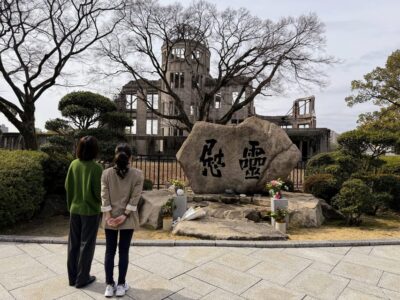
Hiroshima and Miyajima UNESCO Sites 1-Day Tour
Read our review →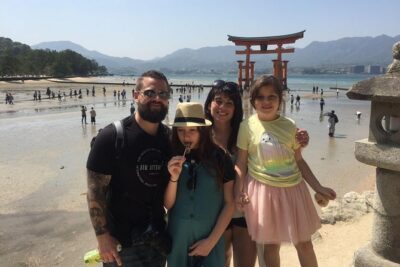
Hiroshima / Miyajima Full-day Private Tour with Government Licensed Guide
Read our review →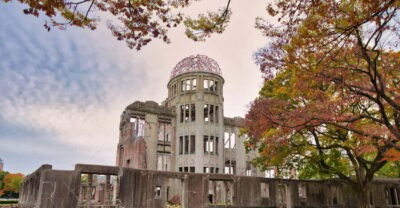
Osaka/Kyoto: Hiroshima Miyajima Bus Tour & Shinkansen Ticket
Read our review →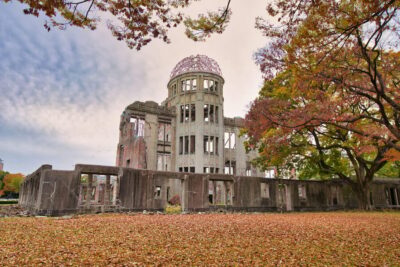
Hiroshima and Miyajima Day Trip with Itsukushima Shrine & Ferry
Read our review →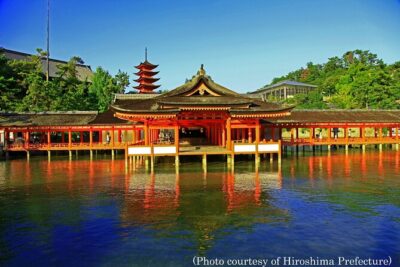
Full Day Hiroshima and Miyajima Bus Tour from Hiroshima
Read our review →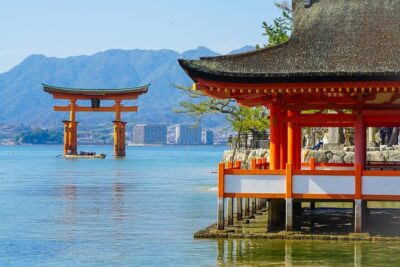
Miyajima Half-day Trip Historical Walking Tour
Read our review →Browse the lists this tour appears in