
REVIEW · MIYAJIMA ISLAND TOURS
Full Day Hiroshima and Miyajima Bus Tour from Hiroshima
Miyajima’s famous red torii gate and Hiroshima’s solemn Peace Memorial Park make a powerful pair, and this 8-hour-20-minute tour fits both into one organized day. You ride an air-conditioned bus, cross by ferry, and have admission and transport handled for you.
I like the included ferry, shrine admission, and visitor tax, and I like the chance to learn from a licensed English guide rather than trying to piece the history together alone. The main drawback is the large group, which can make a soft-spoken guide hard to hear, especially outdoors.
In This Review
- Key points to know before booking
- Why this Hiroshima and Miyajima pairing works
- Meeting at Hotel Granvia Hiroshima at 10:10
- The ferry approach to Miyajima
- Itsukushima Shrine, one hour among the sea pillars
- Lunch on Miyajima, with one hour to choose
- The Atomic Bomb Dome and Hiroshima’s difficult history
- One hour at the Peace Memorial Museum
- Guide strengths and the large-group issue
- Is the $152.54 price fair?
- Who should book this day tour?
- My verdict: efficient, moving, and guide-dependent
- FAQ
- How long does the tour last?
- Where does the tour begin?
- Where does the tour end?
- Is lunch included?
- Are ferry and admission costs included?
- Is the tour conducted in English?
- Can children join the tour?
- Can I use a Japan Rail Pass to reach the meeting point?
- What happens if I need to cancel?
Key points to know before booking
- Two World Heritage sites in one day: Visit Itsukushima Shrine on Miyajima and Hiroshima’s Atomic Bomb Dome and Peace Memorial Museum.
- Lunch is on your own: You get about an hour for food on Miyajima, with oysters, okonomiyaki, and conger eel rice bowls widely available.
- A ferry ride is included: The crossing gives you the classic approach to the shrine island and avoids the need to arrange local transport yourself.
- The schedule is efficient, not leisurely: You see the main sights, but there is little room for a long ropeway ride, extended shopping, or a slow museum visit.
- Guide quality matters: Guides including Masako, Azusa, Tomoko, Hikari, Kyoko, and Taeko have received strong praise, though some groups found it hard to hear commentary.
- The meeting point is simple: Start at the Hotel Granvia Hiroshima lobby at 10:10 a.m. and finish at Hiroshima Station around 6:00 to 6:30 p.m.
Why this Hiroshima and Miyajima pairing works
Hiroshima and Miyajima offer very different experiences. Miyajima is associated with sacred Shinto space, sea views, deer, food stalls, and the elegant Itsukushima Shrine. Hiroshima’s Peace Memorial Park asks you to slow down and confront the human cost of war and nuclear weapons.
Seeing both in one day gives you a fuller picture of the region. You begin with beauty and religious tradition, then move into a place of remembrance. The change in mood is sharp, but meaningful.
The tour is especially useful if you have only one full day in Hiroshima or if you prefer not to arrange the bus, ferry, shrine admission, and Peace Park visits yourself. It also helps if you want historical explanation along the way. Several guides have been praised for explaining Japanese customs, local traditions, and Hiroshima’s wartime past in clear English.
The tradeoff is control. You follow a fixed schedule and a group of up to 40 people. If you prefer to linger at every exhibit, hike Mount Misen, or spend half a day photographing the shrine, independent travel will give you more freedom.
More miyajima island tours in Hiroshima:
- Peaceful Hiroshima & Miyajima UNESCO 1 Day Bus Tour
★ 5.0 · 5,309 reviews - Hiroshima: Hiroshima and Miyajima UNESCO Sites 1-Day Tour
★ 4.9 · 2,330 reviews - Hiroshima / Miyajima Full-day Private Tour with Government Licensed Guide
★ 5.0 · 1,298 reviews
Meeting at Hotel Granvia Hiroshima at 10:10
The tour begins in the lobby of Hotel Granvia Hiroshima, beside JR Hiroshima Station. This is a practical starting point, particularly if you are staying near the station or arriving by train.
Arrive early. The required meeting time is 10:10 a.m., and the tour cannot wait for late arrivals. This matters if you are coming from Kyoto or Shin-Osaka by Shinkansen. You need an early enough train to reach the hotel lobby on time, not simply Hiroshima Station sometime that morning.
The tour ends at Hiroshima Station around 6:00 to 6:30 p.m. From there, you make your own way to your hotel or onward train. This finish is useful for rail connections, but leave enough time if you have a tightly timed departure.
The vehicle is air-conditioned, an important comfort in Hiroshima’s hot and humid months. Still, much of the day is outdoors. Bring water, sun protection, and an umbrella or light rainwear. One guide and driver received special praise for handing out water bottles on a muggy day, but you should not rely on that as a standard feature.
The ferry approach to Miyajima
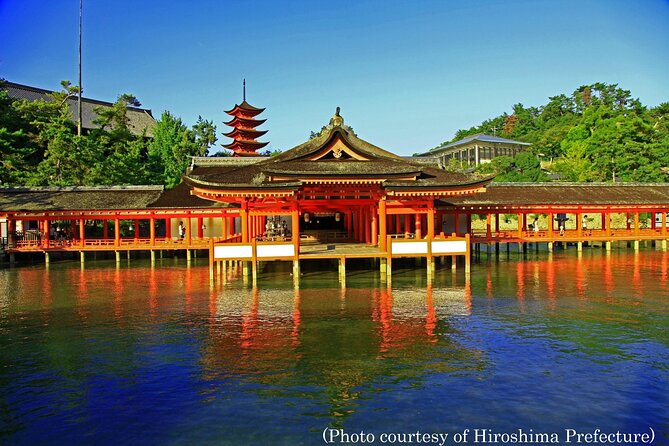
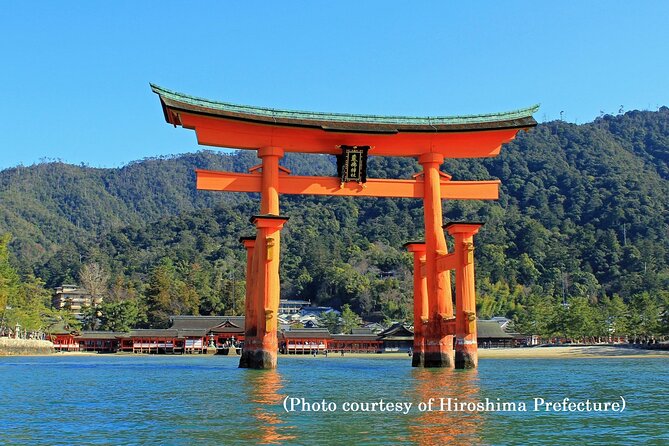
The ride to Miyajima is part of the appeal. The island’s name means shrine island, and the ferry gives you a memorable approach across the water toward Itsukushima Shrine.
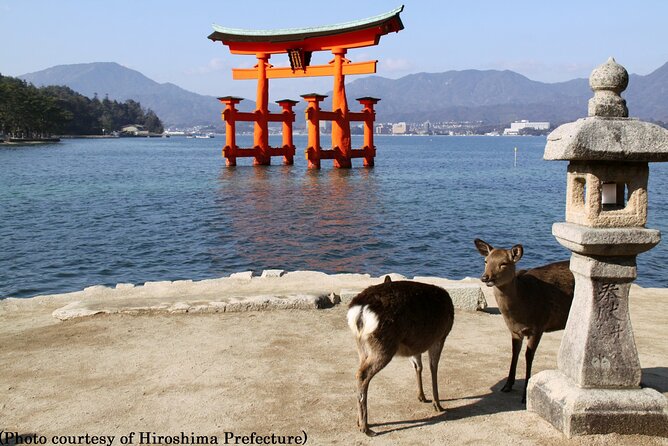
At high tide, the great red torii appears to float offshore. That view is one of Japan’s most recognizable scenes, but the exact appearance depends on tide levels and weather. At low tide, the gate may no longer seem to rise from the sea.
Miyajima is also known for deer, which wander around the island. You may see them near the shrine and shopping streets. They are accustomed to people, but remember that the animals are still wild and should be treated with care.
The tour’s ferry and local transport costs are included, so you do not need to sort out each ticket. That saves time and reduces the small logistical snags that can slow an independent day.
Itsukushima Shrine, one hour among the sea pillars
Itsukushima Shrine is the visual and cultural centerpiece of Miyajima. Established in the sixth century, it is known for its Shinden-zukuri design, an architectural style linked to the residences of Japan’s nobility.
The shrine’s buildings sit over the water on wooden pillars. Depending on the tide, the surrounding sea changes the whole mood of the place. At high water, the shrine seems to float. At low water, the exposed shore gives you a closer look at the engineering and structure.
You get about one hour here, with admission included. That is enough to see the main shrine complex and hear the essential explanation from your guide. It is not a generous amount of time for long photography sessions, a relaxed visit to every corner, or a separate trip up Mount Misen.
Guides such as Azusa have been praised for explaining the island’s past while also helping with photographs. Masako has been praised for patience, clear explanations, and helping people continue smoothly after the tour. Those small touches can matter in a crowded religious site where it is easy to lose track of the group.
Keep your ears open during outdoor explanations. Some groups found that commentary was difficult to hear when the guide spoke to a large crowd, especially if people had not yet gathered. Staying near the guide is the simplest fix.
A few more Hiroshima trips to weigh up
- Hiroshima & Miyajima: Full-Day Private Tour & Licensed Guide
★ 4.8 · 252 reviews - From Tokyo: Mount Fuji Full-Day Sightseeing Trip
★ 4.5 · 4,970 reviews - Mount Fuji Full-Day Private Tour from Tokyo (Customizable)
★ 4.9 · 1,470 reviews - Tokyo Private Full-Day Tour by Car or Van
★ 5.0 · 684 reviews
Lunch on Miyajima, with one hour to choose
Lunch is not included, but the schedule allows about one hour to eat on Miyajima. That gives you freedom to choose instead of being tied to a set menu.
The island is known for oysters, Hiroshima-style okonomiyaki, and conger eel rice bowls. You will also find shops selling smaller meals and snacks. Since the food stop is independent, check the time carefully and do not wander too far from the meeting point.
This hour is also the main chance to browse the island’s shops. It is enough for a meal and a quick look around, but not enough for every side street, a long café break, and a mountain excursion.
The ropeway to Mount Misen is generally not realistic within the group schedule. You might be able to leave the group, but doing so means giving up part of the planned visit and managing your own timing. If Mount Misen is a priority, plan a separate Miyajima visit rather than expecting this tour to cover it.
The Atomic Bomb Dome and Hiroshima’s difficult history
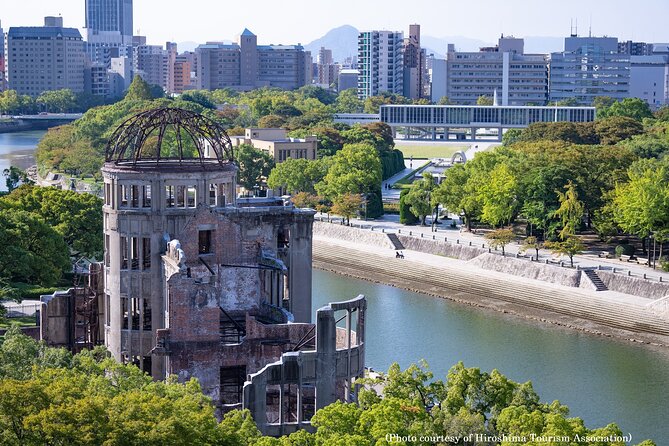
After Miyajima, the tour turns to Hiroshima Peace Memorial Park. The emotional shift is considerable.
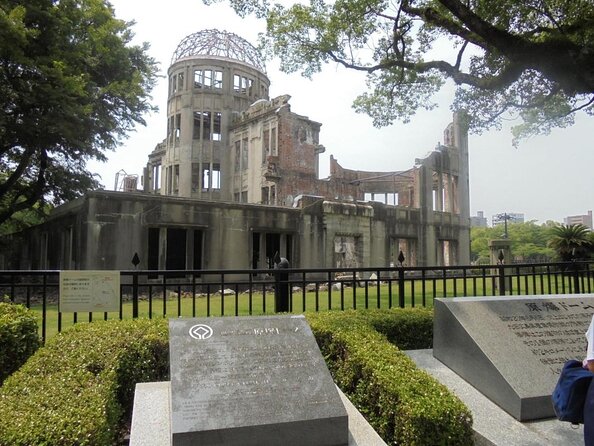
The Atomic Bomb Dome is the skeletal remains of a building that partially survived the atomic blast of August 1945. It has been preserved as a reminder of the destruction and as a symbol of peace. You view it for about 40 minutes, usually with time to look at the structure and hear its place in Hiroshima’s story.
This is not a light sightseeing stop. The Dome can be difficult to look at, precisely because its damaged frame is so direct and physical. A guide can help place what you are seeing within the wider story of the city, the bombing, and the long human consequences.
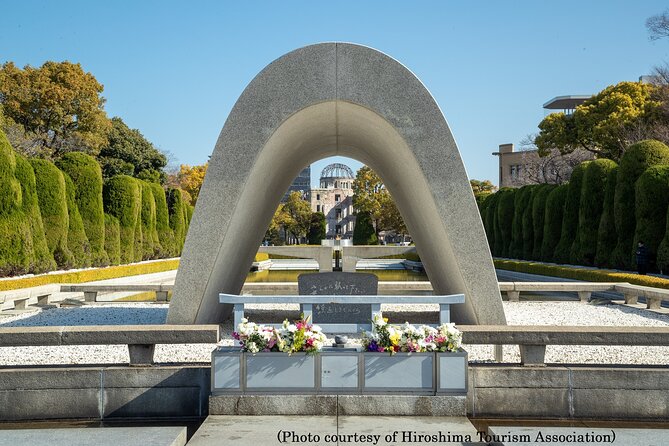
The tour also visits monuments in the park, including the Memorial Cenotaph for Atomic Bomb Victims and the Cenotaph for Korean Victims. The cenotaph’s list of names is long and difficult to absorb in one visit. Give yourself a quiet moment rather than treating the park as a series of quick photo stops.
Several guides from Hiroshima have shared personal connections to the city. Taeko, for example, has been praised for sharing family stories connected with Hiroshima at the time. That kind of local perspective can make the visit feel less like a textbook lesson and more like a human account.
One hour at the Peace Memorial Museum
The Peace Memorial Museum is included, with about one hour set aside for the visit. The museum presents objects, photographs, accounts, and records connected with the bombing and its aftermath.
An hour allows you to see major displays, but it is a compressed visit. You will not have time to read every panel at length. Some exhibits are upsetting, so move at your own pace and do not feel obliged to rush through every room.
The museum visit is largely self-guided. Guides may explain the setting and key points before or after entry, but you should expect to spend much of the hour viewing the exhibits independently. This arrangement suits people who want quiet time with the material, though it may disappoint anyone expecting a continuous guided explanation inside the museum.
The Peace Park and museum are the part of the day most likely to stay with you. The experience is not designed as entertainment. It asks you to pay attention, reflect, and consider why Hiroshima remains a global symbol of peace.
Guide strengths and the large-group issue
The strongest part of this tour can be the guide. Guides including Tomoko, Azusa, Hikari, Kyoko, Taeko, Minnie, Takeshi, and Nob have been praised for clear explanations, historical knowledge, kindness, humor, and careful group management.
Hikari has been praised for detailed explanations at both Miyajima and the Atomic Bomb Dome. Tomoko used visual aids for key meeting instructions and brought enthusiasm to the subject. Nob was especially appreciated for maintaining a good attitude during heavy rain. These examples show how much the day depends on the person leading it.
But guide quality is not perfectly predictable. A few groups had guides who spoke too softly or read from notes while seated on the bus. Others had trouble hearing outdoor commentary because the group was large. The tour may use a radio system, though one report noted problems with the equipment.
Your best strategy is simple: stay near the guide, especially at the shrine and Peace Park, and ask politely if you cannot hear. The tour’s maximum size is 40 people, though some groups have been smaller. A group of around 20 is easier to manage, while a full coach will feel less personal.
Is the $152.54 price fair?
At $152.54 per person, this is not the cheapest way to see Miyajima and Hiroshima. You are paying for convenience, a licensed English guide, air-conditioned transport, ferry travel, admission fees, and a full-day structure.
Independent travel can cost less, particularly if you are comfortable using local trains, buses, ferries, and separate admission counters. Going alone also lets you spend longer at the museum or stay on Miyajima for the ropeway.
The tour earns its price if you value time and guidance. You do not need to plan the ferry, coordinate the two areas, or work out how to connect Miyajima with the Peace Park. You also get explanations that can add meaning to places that might otherwise seem disconnected.
The value is best for a first visit, a short stay, families who prefer organized transport, and anyone uneasy about managing a full day in an unfamiliar city. It is less compelling for confident independent sightseers who already understand Hiroshima’s transit system and want a flexible schedule.
Lunch is extra, as are any purchases or fees not listed as included. Keep that in mind when comparing the total cost with a self-guided day.
Who should book this day tour?
I would choose this tour if I had one main day in Hiroshima and wanted both headline sights without spending hours planning connections. It is also a sensible option if historical context matters as much as getting from place to place.
It suits people who like a clear schedule, shared transport, and a guide who can explain shrine customs and Hiroshima’s past. It can work for families, though children under five may join free without a bus seat. If a seat is needed, the child rate applies.
You should think twice if you want a slow, private, or highly flexible visit. The schedule leaves little room for Mount Misen, long shopping, or a museum visit at your own pace. The emotional weight of the Peace Park also means this is not a casual sightseeing day.
Free cancellation is available up to 24 hours before the start time. Changes or cancellations inside that window are not accepted for a refund.
My verdict: efficient, moving, and guide-dependent
I recommend this tour for a first-time visit when you want Miyajima and Hiroshima’s Peace Park in one day. The pairing is powerful, the transport is practical, and the included admissions remove several small chores.
Go in with realistic expectations. Miyajima receives about an hour at the shrine plus lunch time, while the museum receives about an hour. You will see the main places, not every corner.
The biggest variable is the guide’s volume and group control. A strong guide can make the day thoughtful and memorable, as Masako, Azusa, Hikari, Tomoko, and others have done. A soft voice or poor radio connection can weaken the experience.
Book it if efficiency and explanation matter more to you than freedom. Choose an independent day if you want Mount Misen, a long museum visit, or the luxury of setting your own pace.
FAQ
How long does the tour last?
The tour lasts approximately 8 hours and 20 minutes. It begins at 10:10 a.m. and usually ends at Hiroshima Station around 6:00 to 6:30 p.m.
Where does the tour begin?
The meeting point is the Hotel Granvia Hiroshima lobby at 1-5 Matsubaracho, beside JR Hiroshima Station.
Where does the tour end?
The tour ends at Hiroshima Station. You make your own way to your next destination from the station.
Is lunch included?
No. Lunch is not included. You have time to eat on Miyajima, where oysters, Hiroshima-style okonomiyaki, and conger eel rice bowls are available.
Are ferry and admission costs included?
Yes. The tour includes the Miyajima visitor tax, other listed admission fees, transportation costs, ferry travel, and admission to Itsukushima Shrine and the Peace Memorial Museum.
Is the tour conducted in English?
Yes. A National Government Licensed English Guide Interpreter leads the tour.
Can children join the tour?
Children up to five years old may join free of charge, but they will not receive a bus seat unless booked under the child rate. Participants under 18 need written parental permission. Anyone under 15, or not yet enrolled in middle school, must be accompanied by a parent or guardian.
Can I use a Japan Rail Pass to reach the meeting point?
Yes. If you are coming from Kyoto or Shin-Osaka by Shinkansen, you need to choose a train that reaches Hiroshima early enough for you to arrive at the Hotel Granvia lobby by 10:10 a.m.
What happens if I need to cancel?
You can cancel up to 24 hours before the local start time for a full refund. Cancellations and changes made less than 24 hours before the start time are not accepted for a refund.
Just added around Hiroshima
- The Journey of Hiroshima from Tragedy to Peace★ 4.8 · 44 reviews
- Miyajima: Private Rickshaw Tour to Itsukushima Shrine★ 4.9 · 45 reviews
- Hiroshima: Miyajima Half-day Historical Walking Tour★ 4.7 · 100 reviews
- Hiroshima/Miyajima Private Custom Tour with Local Guide★ 5.0 · 134 reviews
- Hiroshima:Guided Virtual Tour/PEACE PARK TOUR VR★ 5.0 · 29 reviews
- Hiroshima: Saijo Sake Tasting at 7 Breweries Guided Tour★ 4.8 · 29 reviews
- Hiroshima: Tour of Atomic Bomb Dome & Peace Memorial Museum★ 5.0 · 20 reviews
- Hiroshima: Private Walking Tour with a Local★ 4.6 · 70 reviews
Miyajima Island Tours, compared.
Peaceful Hiroshima & Miyajima UNESCO 1 Day Bus Tour
Read our review →
Hiroshima and Miyajima UNESCO Sites 1-Day Tour
Read our review →
Hiroshima / Miyajima Full-day Private Tour with Government Licensed Guide
Read our review →
Osaka/Kyoto: Hiroshima Miyajima Bus Tour & Shinkansen Ticket
Read our review →
Hiroshima and Miyajima Day Trip with Itsukushima Shrine & Ferry
Read our review →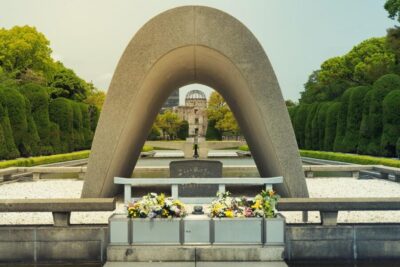
Miyajima Peace Memorial Icons of Peace and Beauty
Read our review →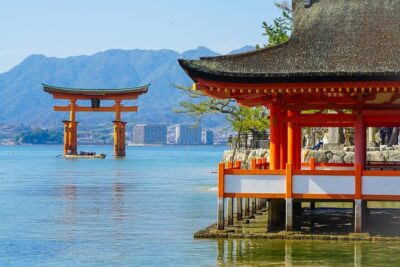
Miyajima Half-day Trip Historical Walking Tour
Read our review →Browse the lists this tour appears in