
REVIEW · MIYAJIMA ISLAND TOURS
The Peace Memorial to Miyajima : Icons of Peace and Beauty
Hiroshima’s most powerful day combines two very different places: the quiet, difficult story of the Peace Memorial Park, followed by Miyajima’s sea views, deer, old streets, and famous red torii gate. Guides such as Ken, Kensuke, and Yuka help connect the sites with clear explanations and local perspective.
I like the small group of no more than eight, which gives you room to ask questions and move at a sensible pace. I also like that tram, bus, and ferry fares are included, making a full day across Hiroshima easier to manage.
The main drawback is the amount of public transport and walking. This is not a private-car outing, and some of your time goes to changing between transit services. Lunch is not included, and the $167.44 price is fair only if you value a guide’s help with Hiroshima’s difficult history and the city’s transport system.
In This Review
- Key points to know before booking
- A full day built around Hiroshima’s contrasts
- Peace Memorial Park: a quiet setting for hard facts
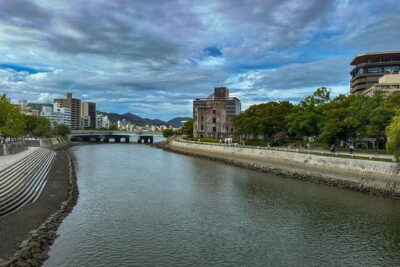
- Atomic Bomb Dome: Hiroshima’s most recognizable reminder
- Hiroshima Peace Memorial Museum: allow time for a difficult visit
- Getting to Miyajima by public transport
- Miyajima Island: scenery, deer, and old streets
- Itsukushima Shrine and the famous floating gate
- How the small group changes the experience
- Is $167.44 a fair price?
- Who should book this Hiroshima day tour?
- Should you book it?
- FAQ
- How long does the Hiroshima and Miyajima tour last?
- Where does the tour begin?
- Where does the tour end?
- How many people can join the tour?
- Are public transportation fares included?
- Is lunch included?
- How much walking is involved?
Key points to know before booking
- Two sides of Hiroshima in one day: You begin with the 1945 atomic bombing sites, then head to Miyajima’s shrine, coast, and deer.
- A genuinely small group: The maximum is eight people, a useful size for questions and personal attention.
- Guides make the difference: Ken and Kensuke receive especially strong praise for clear English, local knowledge, patience, and help with trains and ferries.
- Public transport is part of the tour: Tram, bus, and ferry fares are covered, but the day includes several transfers.
- Plan for serious walking: The operator asks for moderate fitness, and warm weather can make the eight-hour schedule tiring.
- Bring money for lunch: Food is not included, so you can choose your own meal on Miyajima or elsewhere along the route.
A full day built around Hiroshima’s contrasts
This tour works because it places Hiroshima’s two major draws side by side. In the morning, you confront the human cost of August 6, 1945. Later, you reach Miyajima, where shrine buildings, wooded hills, tidal water, and free-roaming deer create a much lighter mood.
That contrast can feel abrupt, but it also gives you a more complete picture of the area. Hiroshima is not only a place of remembrance. It is also a living Japanese city with food, transport, religion, nature, and a strong public commitment to peace.
The schedule begins at 8:30 a.m. near the 7-Eleven Hiroshima Motoyasubashi East Store in central Hiroshima. The day lasts about eight hours and ends at Hiroshima Station. Since travel time counts toward that total, you should think of this as an efficient overview rather than a slow, leisurely visit to every site.
The small group matters here. With only eight people, a guide can usually answer questions without turning every stop into a formal lecture. Ken and Kensuke are repeatedly praised for being friendly, flexible, and good at explaining both the sites and modern life in Hiroshima. Yuka is also singled out for her command of the subject and her ability to make Miyajima memorable.
More miyajima island tours in Hiroshima:
- Peaceful Hiroshima & Miyajima UNESCO 1 Day Bus Tour
★ 5.0 · 5,309 reviews - Hiroshima: Hiroshima and Miyajima UNESCO Sites 1-Day Tour
★ 4.9 · 2,330 reviews - Hiroshima / Miyajima Full-day Private Tour with Government Licensed Guide
★ 5.0 · 1,298 reviews
Peace Memorial Park: a quiet setting for hard facts
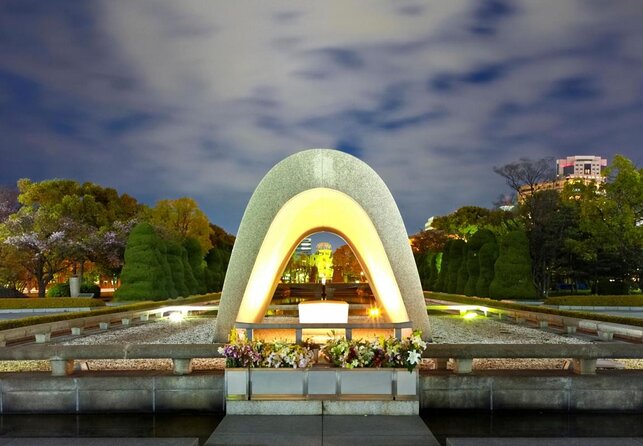
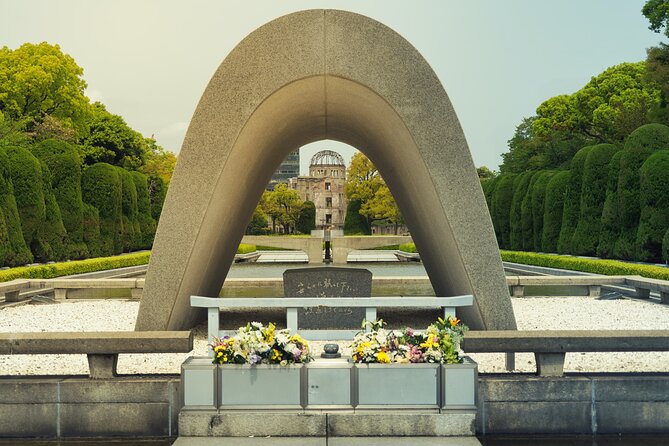
The first major stop is Hiroshima Peace Memorial Park, where you spend about two hours. The park’s greenery and waterways create a calm setting, but the calm is intentional rather than accidental. The open grounds place the city’s wartime story in a public space where remembrance and hope are part of daily life.
A guide is especially useful here because the park contains several memorials, each with its own meaning. Without context, you may see a collection of monuments and walkways. With a guide, you can better understand how the park recalls the victims, the destruction, and Hiroshima’s appeal for world peace.
Expect a serious tone. This is not a stop to rush through with a camera in hand. You will have time to look, listen, and ask questions, but the emotional weight can be considerable. One useful strength of the tour is its balance between guided explanation and personal time.
The park is also where the day’s walking begins in earnest. You will be outdoors, moving between memorial sites, so comfortable shoes are a must. On hot days, the long open stretches and steady pace may be tiring.
Atomic Bomb Dome: Hiroshima’s most recognizable reminder
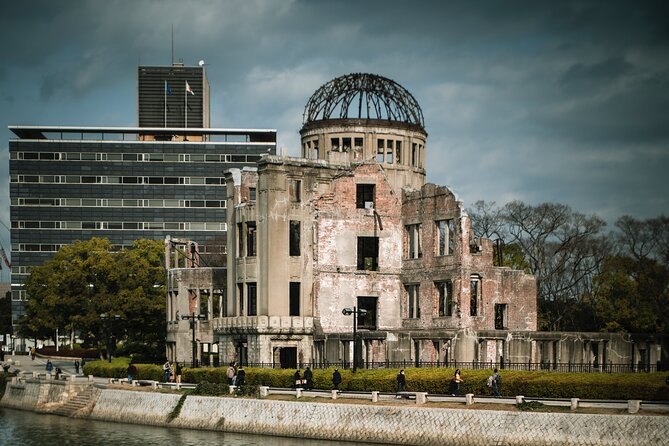
The Atomic Bomb Dome receives about 20 minutes. The admission is free, and the building is viewed from outside as part of the Peace Memorial area.
The ruined structure is striking because it is not polished or restored into something comfortable. Its exposed remains preserve a direct link to the bombing and to the city’s decision to keep the building as a memorial. It became a UNESCO World Heritage Site, and its location beside the river makes it one of Hiroshima’s most recognizable scenes.
Twenty minutes is enough to hear the key background, see the building from several angles, and take photographs. It is not enough for a long independent study, but the guide’s explanation helps you use the short stop well.
I would not judge this visit by its length. The power comes from standing near a real surviving structure, not from spending hours there. The nearby museum and park provide the fuller historical context.
Hiroshima Peace Memorial Museum: allow time for a difficult visit
The Peace Memorial Museum receives about one hour, with admission included. This is the most emotionally demanding section of the tour, and you should prepare for exhibits that explain the bombing and its aftermath in direct human terms.
The museum gives you more than a date and a military summary. Its purpose is to show what happened to ordinary people and how the attack changed Hiroshima. A guide can explain the larger setting before you enter, then help you understand how the museum fits into the rest of the morning.
One hour gives you a useful introduction, but you may want more time if you read every display carefully. This is one of the tour’s tradeoffs. The complete day includes Miyajima, so the museum visit is necessarily limited by the afternoon schedule.
Some guides handle this timing well. Ken and Kensuke are praised for keeping the day moving while still allowing enough time to take in the museum. If you are strongly focused on Hiroshima’s wartime history, you may prefer a dedicated Peace Memorial tour with more museum time. If you want both Hiroshima and Miyajima in one day, the one-hour visit is a practical compromise.
Do not expect the guide to soften the material. The best part of the experience is the chance to ask questions and receive a human explanation of a difficult subject. You can also expect moments when you will want quiet time alone.
Same city, a completely different kind of day:
- Hiroshima Historical Walking Tour – Why A-Bomb was Dropped
★ 4.8 · 893 reviews - Hiroshima Peace (Heiwa) Walking Tour at World Heritage Sites
★ 5.0 · 872 reviews - Hiroshima in a Nutshell: Morning Bike Adventure
★ 5.0 · 524 reviews - Hiroshima City 4hr Private Walking Tour with Licensed Guide
★ 5.0 · 437 reviews
Getting to Miyajima by public transport
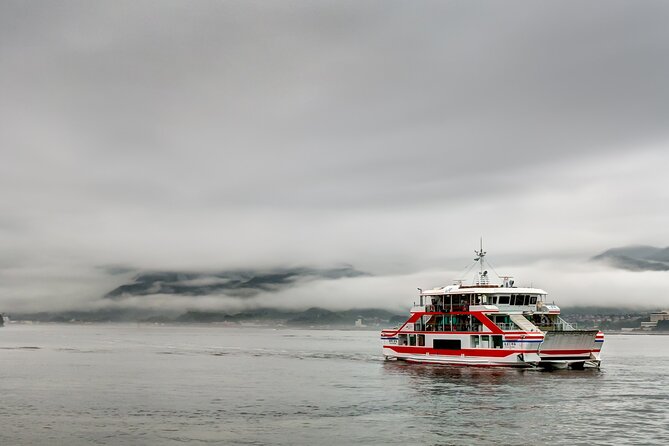
After the Peace Memorial area, the tour heads to Miyajima using public transportation. Tram, bus, and ferry fares are included, which removes the need to sort out separate tickets as you go.
The transport section is both useful and imperfect. Guides know the rail and ferry system well, and one guide even helped a group with Shinkansen tickets after the scheduled tour. That kind of practical help can save time and reduce stress, especially if you are unfamiliar with Hiroshima’s network.
On the other hand, public transport takes time. You may change services and walk between stops. One dissatisfied participant felt that a smaller cruise boat from near the museum would have been faster and would have left more time at the museum. The operator’s position is that public ferries are more dependable in poor weather or at low tide and are less likely to sell out.
That explanation is worth considering. A private or direct boat might sound more scenic, but this tour is built around regular public services. You are paying for a guided day at a middle point between a large bus tour and a private car excursion. If you dislike transfers, the travel portion may feel inefficient. If you want help navigating the city without paying for a private vehicle, the arrangement has real value.
Miyajima Island: scenery, deer, and old streets
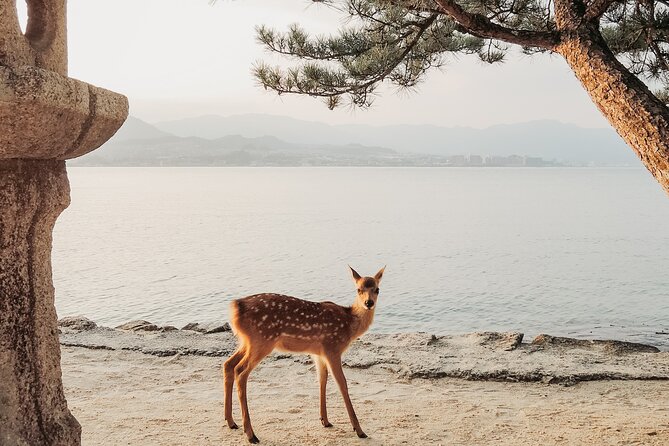
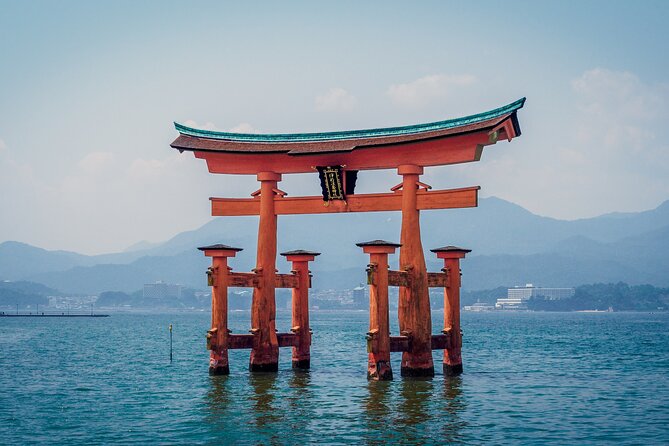
Miyajima receives about two hours before the visit to Itsukushima Shrine. The island is known for its floating red torii gate, traditional buildings, wooded hills, and deer that wander near the visitor areas.
This portion gives the day a welcome change of pace. After the solemn morning, you can walk through lanes, look across the water, and enjoy the island’s distinct atmosphere. Several people especially enjoyed the deer, comparing them with those in Nara, as well as the scenery and local food.
The two-hour island visit is enough for a first look, but Miyajima offers more than this schedule can cover. You will not have unlimited time for wandering, shopping, a long meal, or a mountain visit. The point is to see the principal cultural setting and enjoy a taste of the island, not to explore every corner.
Food is not included, so Miyajima is the natural place to buy lunch or a snack if the timing allows. The information provided does not specify a restaurant or fixed meal break, so bring a payment method and be prepared to make your own choice. Japanese food and desserts were a highlight for one group, but the tour price does not cover them.
Keep an eye on your belongings around the deer and follow the guide’s instructions. The animals are part of the island experience, but they are still animals, not tame props for photographs.
Itsukushima Shrine and the famous floating gate

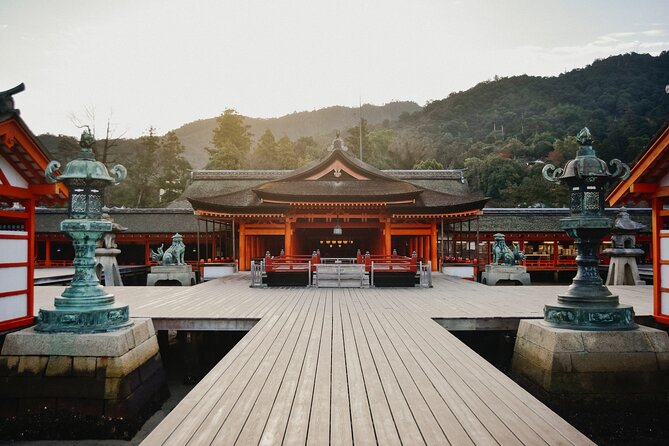
The final major stop is Itsukushima Shrine, with about 90 minutes and admission included. The shrine is built beside the water, creating the famous effect of buildings and red gates appearing to float when the tide is high.
Tide conditions affect how the shrine looks. The supplied information does not provide a tide schedule, so you should not assume the gate will have the same appearance in every photograph. Even so, the shrine’s red architecture, coastal setting, and religious design make it one of the most memorable places in the region.
Ninety minutes gives you time to enter the shrine, hear the guide’s explanation, and take in the setting without sprinting. It also gives you a little flexibility if the group has moved at different speeds during the day.
This is where a guide’s cultural explanation adds real value. A quick independent visit can give you beautiful pictures, but it may not explain why the shrine was built by the sea or how its design relates to the island’s sacred character. Yuka’s ability to explain the shrine and surrounding scenery is one reason this section can become the favorite part of the day.
How the small group changes the experience
The tour allows no more than eight people. That is small enough for a guide to notice when someone needs a clearer explanation or a little extra time. It also makes it easier to stay together through stations and ferry connections.
Ken and Kensuke receive the strongest praise. You can expect a guide who explains the monuments, answers questions, and offers a local view of Hiroshima. Ken is described as somewhat soft-spoken, so you may need to stay close in noisy areas. His flexibility also appears useful when a group arrives late or needs a different drop-off arrangement.
English ability can vary by guide. Most of the supplied feedback describes strong communication, but one person found the language support poor and felt the day was badly organized. The operator acknowledged the concern and explained that an additional guide had been used during a particularly busy period. That means you should not treat every guide’s style as identical.
The option to book with a professional photographer-guide may appeal if you want help with images as well as sightseeing. The available details do not specify how much photography instruction is included, so ask before booking if that feature is central to your decision.
Is $167.44 a fair price?
At $167.44 per person, this is not a cheap day out. The price includes the guide, admissions to the museum and Itsukushima Shrine, and public transportation fares on the tram, bus, and ferry. Lunch is extra.
I see the value in three things. First, you can cover the Peace Memorial sites and Miyajima in one day without planning the routes yourself. Second, a small group gives you a better chance to ask questions than a large coach tour. Third, a good guide can add meaning to places that might otherwise become a quick sequence of photographs.
The price is harder to justify if you are comfortable using Japanese public transport and prefer to set your own museum and island schedule. You could also find a private car tour, but those generally cost much more. This experience aims for the middle ground: more personal than a large group, less expensive than a private vehicle.
Because the day includes transit, you are not getting eight full hours at monuments and shrines. You are getting about eight hours of guided movement through the area. That distinction matters when comparing prices.
Who should book this Hiroshima day tour?
I would choose this tour if you have limited time in Hiroshima and want the two major area highlights in one outing. It is especially useful for first-time visitors who want historical context, help with transit, and a group small enough to feel personal.
It also suits you if Hiroshima’s wartime story is important but you do not want the entire day to focus on museums and memorials. The switch to Miyajima provides space to breathe, eat, take photographs, and see a different side of the region.
You may want another plan if you need a wheelchair-friendly or low-walking day, since the operator requires moderate physical fitness and the schedule includes substantial walking and public transport. You should also look elsewhere if you want a private vehicle, a long museum visit, or complete control over lunch and sightseeing time.
The tour is booked an average of 36 days ahead, so advance planning is sensible, particularly if you want a specific guide or the photographer option. Free cancellation is available until 24 hours before the start time. The experience requires good weather, with a different date or full refund offered if poor weather causes cancellation.
Should you book it?
Book this tour if you want a well-organized introduction to Hiroshima’s painful past and Miyajima’s beauty, and you are comfortable with a full day of walking and public transit. The strongest reason to choose it is the guide: Ken, Kensuke, and Yuka can turn a packed route into a more personal day.
Skip it if you want to linger in the Peace Memorial Museum, avoid transfers, or explore Miyajima at your own pace. At $167.44, the value comes from guidance and convenience, not from luxury. For many first visits, that trade is worthwhile.
FAQ
How long does the Hiroshima and Miyajima tour last?
The experience lasts about eight hours, including travel time.
Where does the tour begin?
It begins at 8:30 a.m. at the 7-Eleven Hiroshima Motoyasubashi East Store, located at 1-chōme-5-20 Ōtemachi, Naka Ward, Hiroshima.
Where does the tour end?
Drop-off is in central Hiroshima at Hiroshima Station.
How many people can join the tour?
The group has a maximum of eight participants.
Are public transportation fares included?
Yes. Tram, bus, and ferry fares are included in the tour price.
Is lunch included?
No. Lunch is not included, so you should budget separately for food.
How much walking is involved?
The operator requires a moderate level of physical fitness because the day includes a good deal of walking and public transportation.
Just added around Hiroshima
- Private Full Day Hiroshima Tour★ 4.5 · 29 reviews
- Hiroshima & Miyajima All-Inclusive Tour w/Licensed guide Pancho★ 5.0 · 54 reviews
- Hiroshima Saijo Sake Tasting Tour with visit to 7 Breweries★ 5.0 · 104 reviews
- Okunoshima Rabbit Island Cycling Tour with Local Guide★ 4.5 · 17 reviews
- Shore Excursion from Hiroshima Port : Private Tour in Hiroshima★ 5.0 · 17 reviews
- Miyajima Guided Tour and Fresh Oyster Farm Tour★ 5.0 · 20 reviews
- Hiroshima Country Cycling: Explore Rural Life 1 HR from City★ 5.0 · 22 reviews
- Mitaki Peace Tour Beyond Central Hiroshima★ 5.0 · 18 reviews
Miyajima Island Tours, compared.
Peaceful Hiroshima & Miyajima UNESCO 1 Day Bus Tour
Read our review →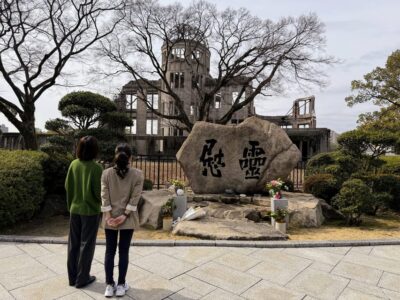
Hiroshima and Miyajima UNESCO Sites 1-Day Tour
Read our review →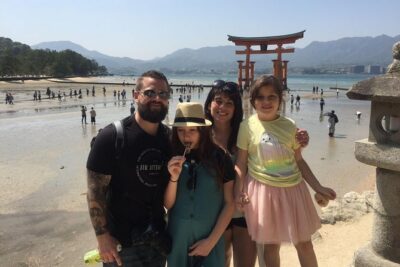
Hiroshima / Miyajima Full-day Private Tour with Government Licensed Guide
Read our review →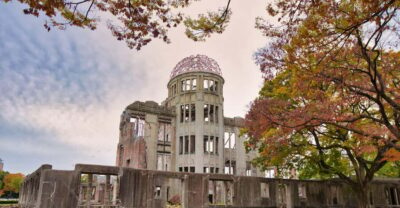
Osaka/Kyoto: Hiroshima Miyajima Bus Tour & Shinkansen Ticket
Read our review →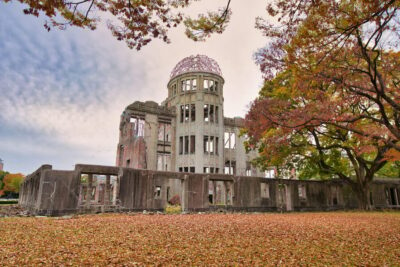
Hiroshima and Miyajima Day Trip with Itsukushima Shrine & Ferry
Read our review →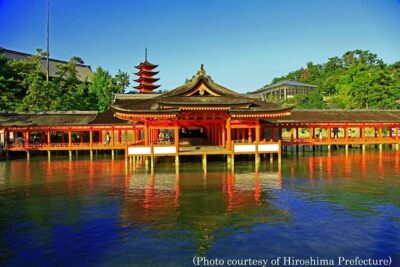
Full Day Hiroshima and Miyajima Bus Tour from Hiroshima
Read our review →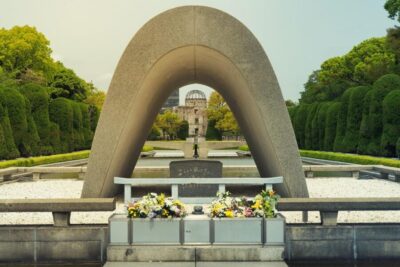
Miyajima Peace Memorial Icons of Peace and Beauty
Read our review →Browse the lists this tour appears in