
REVIEW · WALKING TOURS
Hiroshima: History and Hidden Gems Tour
Hiroshima is easiest to understand on foot, and this tour links its most important sites in a thoughtful order. You move from the Peace Memorial Museum and Park to memorials, bridges, and buildings that survived the atomic bombing, then toward the castle and Shukkeien Garden.
I like two things here: Awais tailors the pace and route to your interests, and he adds small sites many visitors would pass without noticing. The English is clear, and he has helped guests adjust plans in rain, shorten museum time, or spend longer on the outdoor memorials.
The main consideration is the amount of walking and the subject matter. Three hours can also become longer if you ask many questions or accept extra sightseeing, so keep some space in your schedule afterward.
In This Review
- Key points to know before booking
- Why this Hiroshima tour works
- Starting at the Peace Memorial Museum
- Walking through Peace Memorial Park
- Aioi Bridge and the Atomic Bomb Dome
- Hiroshima Castle and the city beyond the bombing
- Shukkeien Garden, Hiroshima’s quieter finish
- Awais as your English-speaking guide
- Timing, comfort, and practical value
- Who should book this Hiroshima walking tour
- Should you book it?
- FAQ
- Where does the tour begin?
- How long does the Hiroshima tour last?
- Is the tour offered in English?
- Which major sights are included?
- Does the tour include the Peace Memorial Museum?
- Does the tour include Hiroshima Castle and Shukkeien Garden?
- Is the tour wheelchair accessible?
- What should I bring?
- Can I cancel or pay later?
Key points to know before booking
- The Peace Memorial Museum begins the tour: You get a guided introduction before continuing through the park and its memorials.
- The route includes lesser-known memorials: Look for the Korean Atomic Bomb Victims Cenotaph, Atomic Bomb Memorial Burial Mound, Aioi Bridge, and Children’s Peace Monument.
- Awais is the named guide: His clear English, flexibility, and knowledge of Hiroshima’s past and present are central to the experience.
- The tour connects difficult history with living Hiroshima: The castle and Shukkeien Garden show the city beyond its wartime story.
- Expect a real walking outing: Wear comfortable shoes, bring sun protection, and dress for the weather.
- The $57 price buys context, not just sightseeing: The guide helps you understand what you are seeing, but confirm exactly which admission fees are covered when booking.
Why this Hiroshima tour works
Hiroshima has a small core of major sights, but the meaning of those sights is not always obvious when you see them alone. A guide can explain why a bridge matters, how a memorial differs from another nearby memorial, and how the city remembers people from different communities.
That is the useful part of this experience. You are not simply taken to the Atomic Bomb Dome for a photograph. You walk through a sequence of places that moves from personal suffering to public remembrance, then into Hiroshima’s older cultural and architectural identity.
The tour costs $57 per person for three hours. That is a fair price if you want a clear framework for the Peace Park and museum, especially on a first visit. You are paying for an English-speaking guide who can answer questions and change the emphasis to suit your group.
The value is less obvious if you prefer to read every museum panel alone and move at your own speed. The museum itself requires quiet attention, and some people may want more time there than a guided schedule allows. You can ask Awais to shorten the museum portion and give more time to the outdoor sites, but the exact balance depends on your group.
More Walking Tours in Hiroshima
- Hiroshima Historical Walking Tour – Why A-Bomb was Dropped
★ 4.8 · 893 reviews - Hiroshima Peace (Heiwa) Walking Tour at World Heritage Sites
★ 5.0 · 872 reviews - Hiroshima City 4hr Private Walking Tour with Licensed Guide
★ 5.0 · 437 reviews
Starting at the Peace Memorial Museum
The meeting point is the Hiroshima Peace Memorial Museum, though you can arrange another meeting point with the guide. Starting here makes sense because the museum gives you the basic timeline and human cost before you walk among the memorials.
Expect a serious beginning. The museum presents survivor accounts and the stories of those who died, so this is not a light sightseeing stop. Awais handles the subject with a calm, compassionate approach and can explain difficult points without turning the visit into a lecture.
The listing indicates a guided museum visit and skip-the-line access. Even so, the museum needs time. If you want to examine displays closely, tell your guide early. If your priority is the whole Peace Park, you can spend less time inside and continue outdoors.
I would not schedule a rushed lunch, train, or ferry immediately after this tour. The museum may affect your pace, and the walk continues through several sites. Plan for three hours at minimum, with a little extra room if you want questions answered or accept additional stops.
Walking through Peace Memorial Park
After the museum, the route continues through Peace Memorial Park. This open area is not just a green break between buildings. It is a carefully arranged place of memory, with monuments that mark different groups and aspects of the bombing.
The Hiroshima National Peace Memorial is one of the key stops. The Children’s Peace Monument is another. Its connection to young victims gives the park a personal focus, while the many folded-paper offerings nearby help you understand how remembrance continues in daily life.
You also visit the Atomic Bomb Memorial Burial Mound. This is an important stop because it represents victims whose remains could not be identified or returned to families. It can be easy to walk past without context, which is exactly why a guide adds value here.
The route also includes the Korean Atomic Bomb Victims Cenotaph. Its presence broadens the story beyond a single national viewpoint and points to the many communities affected by the bombing. Awais can connect these memorials to the wider history of Hiroshima and the war.
The park is wheelchair accessible, but that does not mean the tour is effortless. You will be outside and on your feet for much of the time. Comfortable shoes are essential, and a hat, sunscreen, and weather-appropriate clothing will help in warm or wet conditions.
Aioi Bridge and the Atomic Bomb Dome
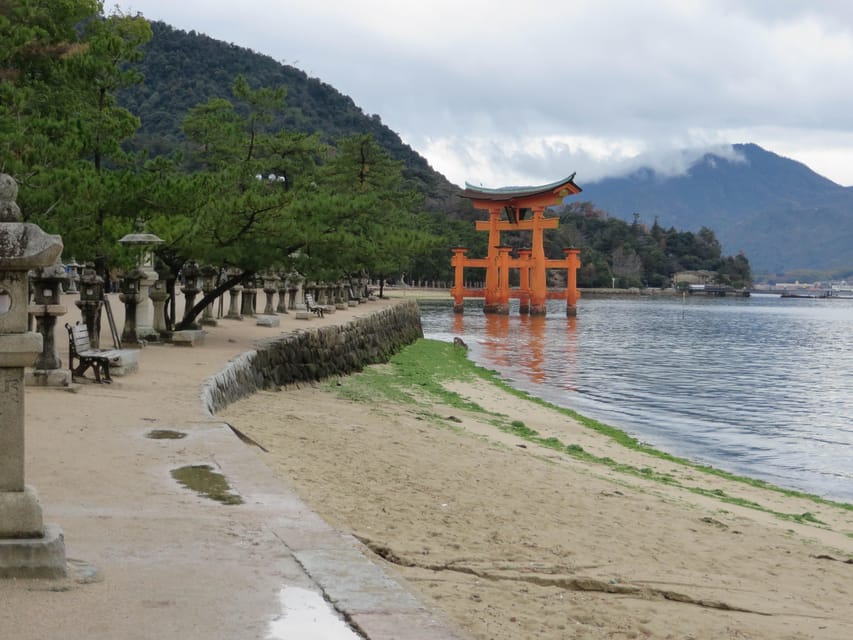
Aioi Bridge is a brief but meaningful stop on the route. It helps you orient yourself within the central Hiroshima area and understand the location of nearby memorial sites.
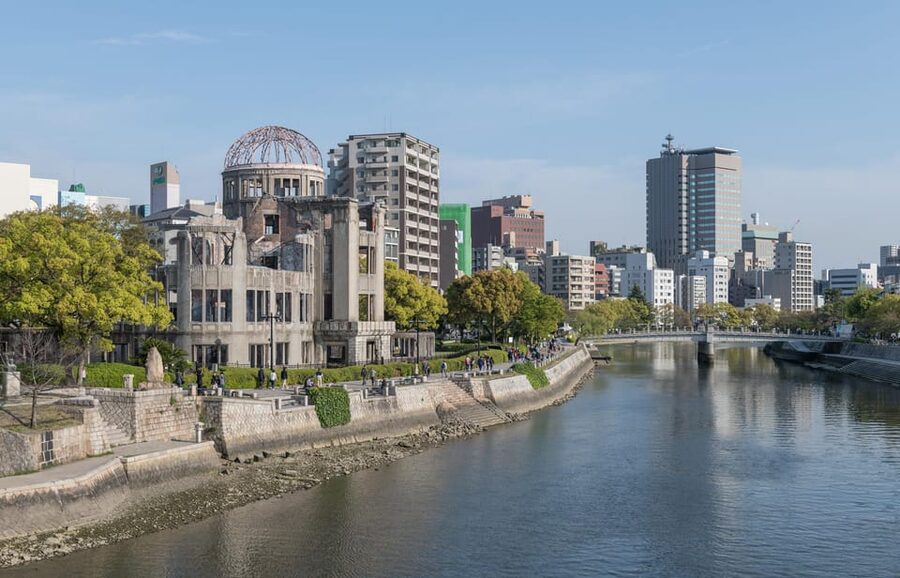
The Atomic Bomb Dome is the tour’s most recognizable structure. Its exposed framework is powerful in person, but a photograph alone cannot explain why it survived when so much around it was destroyed. The guide’s explanation gives the building a place in the larger story.
I like the way this route places the dome after the museum and several memorials. You reach it with more context, rather than treating it as an isolated landmark. The sequence also gives you time to notice how modern Hiroshima surrounds a building tied to one of the twentieth century’s most devastating events.
The itinerary includes several blank or lightly described guided stops around the park. That likely reflects short pauses at memorials and points of interest rather than separate major attractions. Your experience may vary with weather, museum timing, and the questions your group asks.
Same city, a completely different kind of day:
- Peaceful Hiroshima & Miyajima UNESCO 1 Day Bus Tour
★ 5.0 · 5,309 reviews - Hiroshima: Hiroshima and Miyajima UNESCO Sites 1-Day Tour
★ 4.9 · 2,330 reviews - Hiroshima / Miyajima Full-day Private Tour with Government Licensed Guide
★ 5.0 · 1,298 reviews - Hiroshima in a Nutshell: Morning Bike Adventure
★ 5.0 · 524 reviews
Hiroshima Castle and the city beyond the bombing
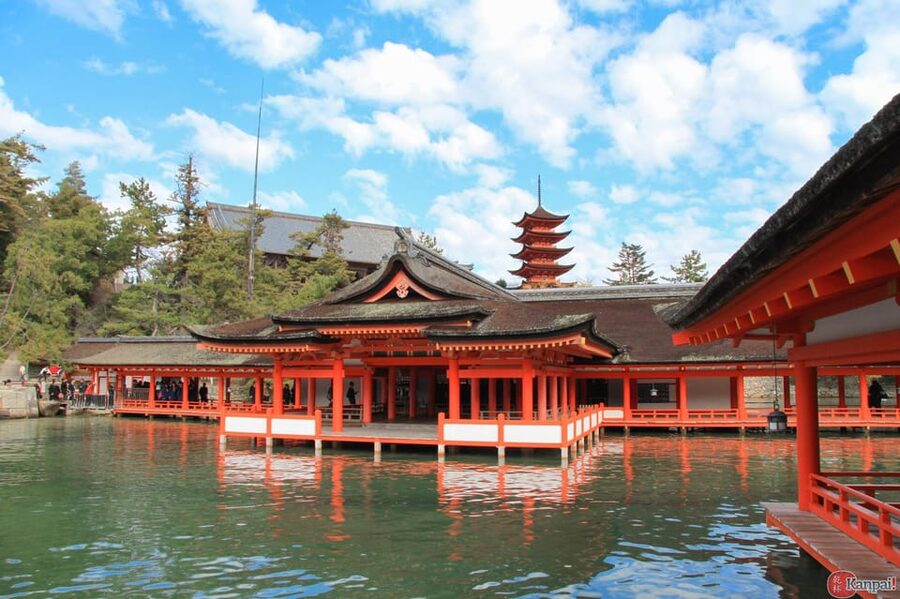
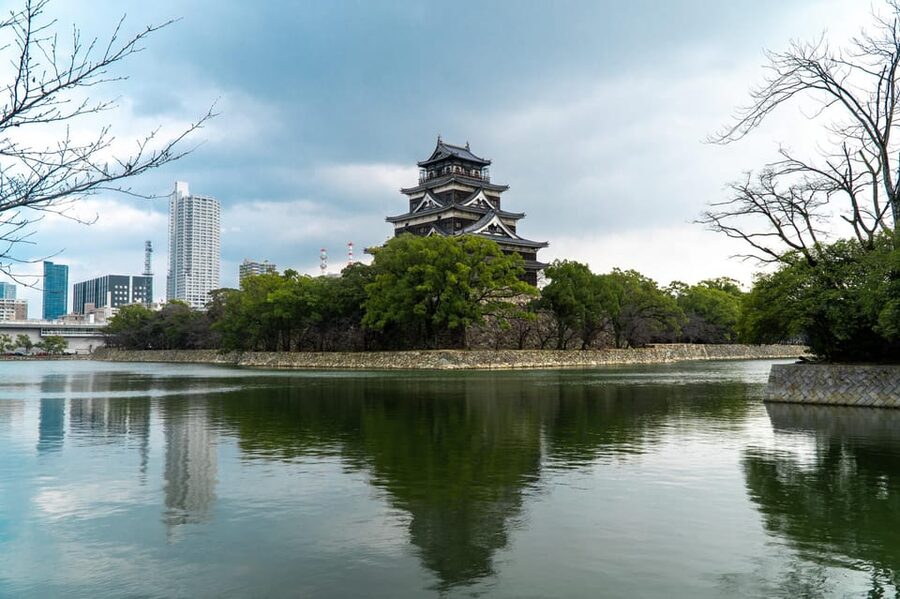
Hiroshima Castle gives the tour a different tone. The park and museum focus on 1945 and its aftermath, while the castle points you toward Hiroshima’s earlier political and cultural life.
The experience description presents the castle as one of the city’s best-known historical buildings and encourages going inside rather than waiting in line. That wording suggests the guide can help you make efficient use of your time, but you should confirm current admission arrangements and whether the entry fee is included.
The castle stop is especially useful if this is your first day in Hiroshima. It prevents the city from being reduced to a single historical event. You get a sense of prewar Hiroshima and its traditional architecture, then see how the modern city grew around the remains and memorials.
Do not expect a long castle visit within the basic three-hour schedule if you also want a careful museum visit and the full Peace Park route. If the castle matters most to you, say so at the start. The guide has adjusted routes for groups that had already visited another memorial site, and that same flexibility can help here.
Shukkeien Garden, Hiroshima’s quieter finish
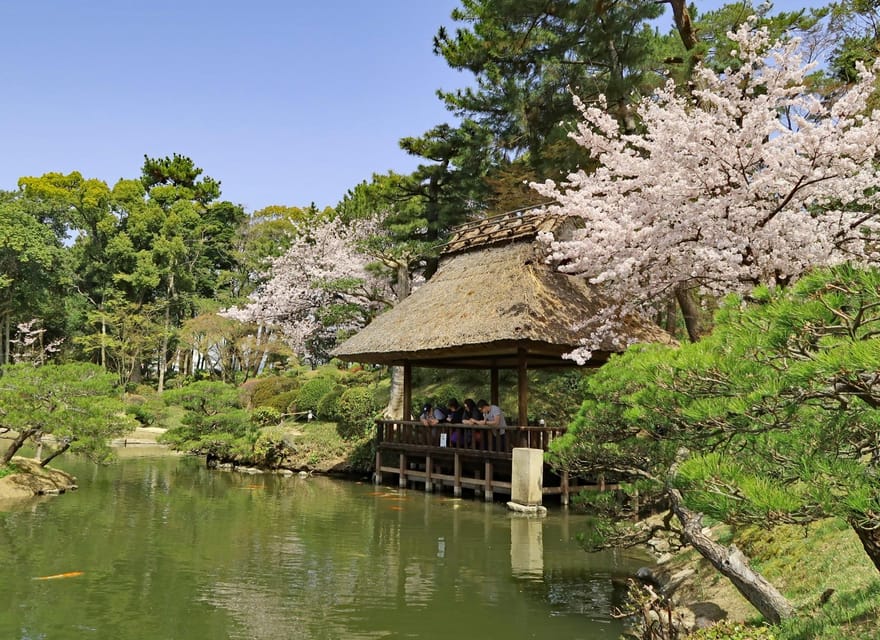
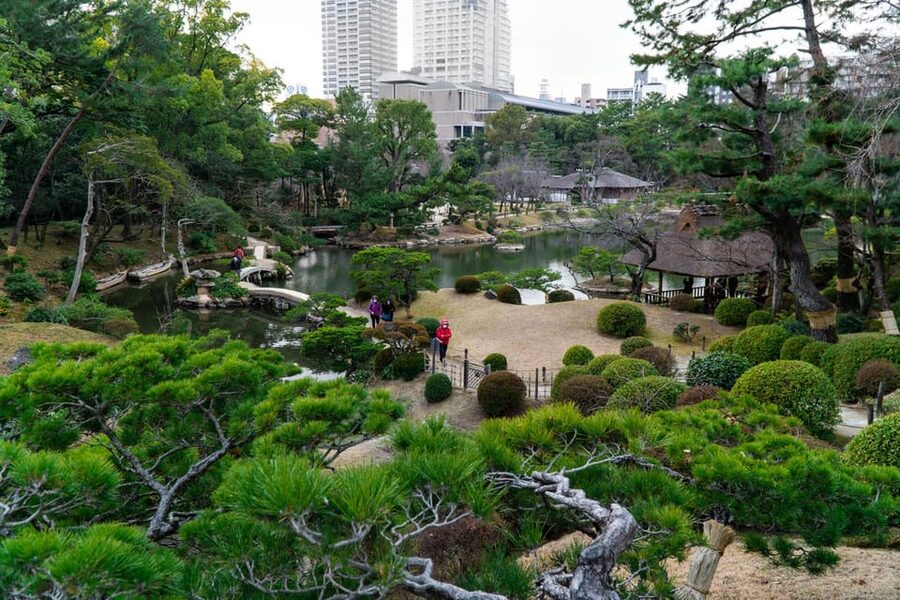
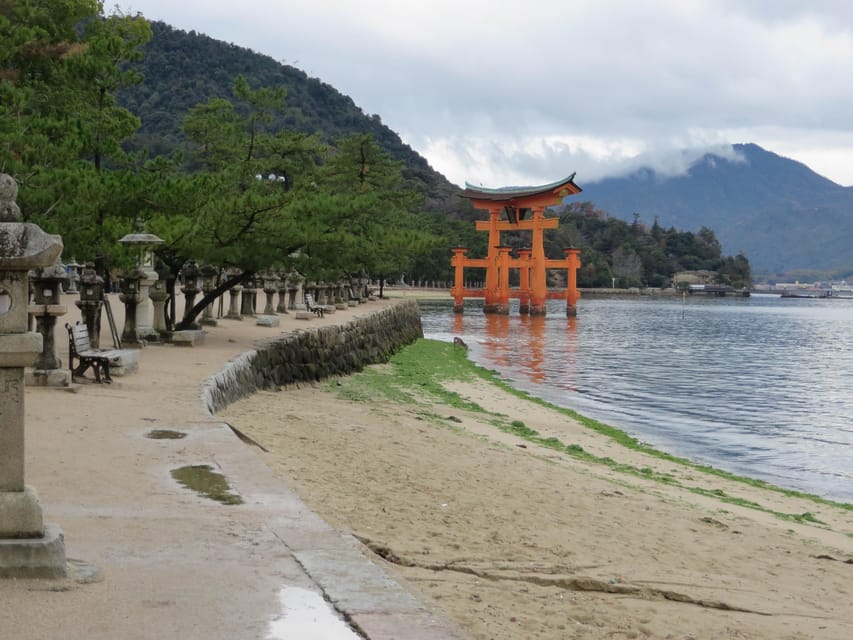
Shukkeien Garden is a welcome change after the intensity of the Peace Park. The garden dates to the sixteenth century and offers a look at Japanese design, with carefully arranged views and a slower rhythm.
The garden is described as the oldest in Hiroshima, and the tour uses it to connect the city’s past with its present. I like this contrast. You finish not with another war memorial, but with a place that shows the cultural life Hiroshima has carried forward.
A guide can point out the garden’s design and explain its place in the city’s story. Still, gardens reward unhurried looking. If you want time for photographs or a quiet walk, make that clear. One guest found the garden to be the highlight, while another guide extended the visit to include the garden and castle.
The listed drop-off locations are Shukkeien Garden and the Peace Memorial Museum. That gives you a useful choice at the end. You can continue from the garden or return toward the museum area, depending on your plans.
Awais as your English-speaking guide
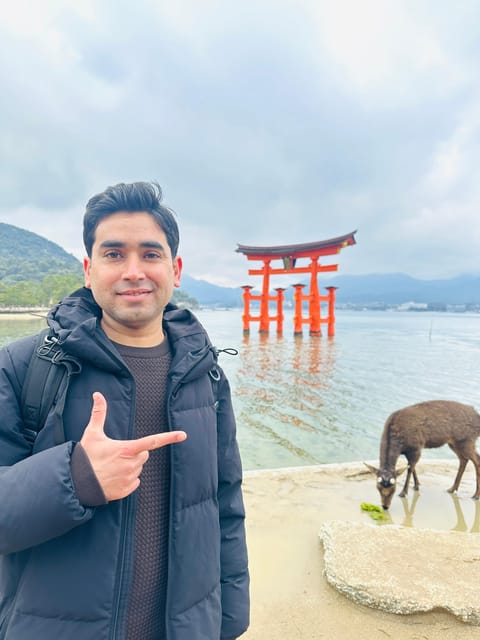
Awais is the named experience provider, and the strongest praise centers on his guiding style. You can expect clear English, patient answers, and a willingness to adjust the route.
He has tailored tours for couples, families, and small groups. He has also shortened the museum visit when guests wanted more outdoor time, changed the route when someone had already seen another memorial, and offered alternatives when walking became difficult.
That flexibility matters in Hiroshima. The museum can be emotionally demanding, and weather can change the practical feel of the route. In heavy rain, Awais has kept parts of the tour sheltered and helped guests continue comfortably. A coffee stop has also been arranged during a rainy outing.
His approach seems best suited to people who want conversation rather than a fixed script. You can ask about World War II, the atomic bombing, Japanese culture, and present-day Hiroshima. He also gives recommendations for the rest of your visit, which can be useful if this is your first time in the city.
The experience is not only for history specialists. Families with teenagers have found the Peace Park engaging, and the guide can explain the material at a pace that suits the group. Still, expect serious subject matter and a fair amount of walking.
Timing, comfort, and practical value
Three hours is enough for a strong overview, but not enough for a slow inspection of every museum display, memorial, castle room, and garden path. Think of this as an orientation tour with real historical depth, not a full-day study visit.
The walking pace can be adjusted, and taxis are an option if you do not want to walk every section. The activity is wheelchair accessible, but you should still discuss your preferred route and meeting point in advance.
Bring:
- Comfortable walking shoes
- A hat
- Sunscreen
- Weather-appropriate clothing
Rain deserves special attention. Hiroshima’s open park areas offer limited shelter, and the route is much more pleasant with suitable clothing. If the forecast is poor, ask where to meet, since the usual starting point can be changed.
The tour offers free cancellation up to 24 hours before the start, and you can reserve now and pay later. Those terms help if your Japan itinerary is still shifting. The activity is offered in English, with a live guide.
The included services are the Hiroshima historical tour and English-speaking guide. The information does not clearly list every admission fee, even though some booking details describe museum and garden entry as part of the experience. I would confirm this before paying, especially if you are comparing the $57 price with a self-guided visit.
Who should book this Hiroshima walking tour
I would choose this tour if you are visiting Hiroshima for the first time and want the Peace Park to make sense as a whole. It suits you if you prefer asking questions, learning the background of small memorials, and adjusting the balance between museum time and outdoor sightseeing.
It is also a good choice for a short stay. The route brings together the museum, park, dome, castle, and garden, giving you a useful city overview without requiring separate planning for each area.
Families may appreciate the adaptable pace, while solo visitors and couples can benefit from the guide’s recommendations afterward. History-focused visitors will value the detailed explanations, but the garden and castle keep the experience from becoming one-note.
I would hesitate if you want a completely private, silent museum visit or dislike walking in changing weather. I would also avoid placing a tight appointment immediately afterward. This is a guided conversation that can run beyond the advertised three hours.
Should you book it?
Book it if you want Hiroshima explained by a local guide rather than reduced to a list of famous sites. The best reasons are Awais’s clear English, his willingness to adapt, and the route’s mix of major landmarks with memorials that are easy to miss.
The $57 cost is sensible for a three-hour guided introduction, particularly when your time is limited. Just confirm admission details, wear proper shoes, and reserve enough time for the museum and the possibility of a longer walk. For a first visit, this is a thoughtful way to meet Hiroshima on both its hardest and most hopeful terms.
FAQ
Where does the tour begin?
The usual starting point is the Hiroshima Peace Memorial Museum. You can also arrange a different meeting point with the guide.
How long does the Hiroshima tour last?
The advertised duration is three hours. You should allow extra time, since the tour can run longer when the group asks questions or spends additional time at the sites.
Is the tour offered in English?
Yes. It includes a live English-speaking guide, and Awais is the named guide for the experience.
Which major sights are included?
The route covers the Hiroshima Peace Memorial Museum, Peace Memorial Park, Hiroshima National Peace Memorial, Children’s Peace Monument, Atomic Bomb Memorial Burial Mound, Aioi Bridge, Korean Atomic Bomb Victims Cenotaph, Atomic Bomb Dome, Hiroshima Castle, and Shukkeien Garden.
Does the tour include the Peace Memorial Museum?
The tour begins at the museum and includes a museum visit. Confirm the precise admission arrangements when booking, since the included services specifically list the historical tour and English-speaking guide.
Does the tour include Hiroshima Castle and Shukkeien Garden?
The experience takes you to Hiroshima Castle and Shukkeien Garden, with Shukkeien Garden listed as one of the possible drop-off locations. Confirm current entry arrangements before booking.
Is the tour wheelchair accessible?
Yes, the activity is listed as wheelchair accessible. Because it involves walking between several sites, discuss your preferred route and pace with the guide.
What should I bring?
Bring comfortable shoes, a hat, sunscreen, and clothing suited to the weather. The route includes outdoor walking through Peace Memorial Park.
Can I cancel or pay later?
You can cancel up to 24 hours in advance for a full refund. The reserve-now, pay-later option lets you book without paying at the time of reservation.
More Historical Tours in Hiroshima
- Miyajima Half-day Trip Historical Walking Tour
★ 5.0 · 284 reviews - Hiroshima: History of Hiroshima Group Walking Tour
★ 4.8 · 266 reviews - Hiroshima: Peace Walking Tour of World Heritage Sites
★ 4.9 · 190 reviews - Hiroshima: Miyajima Half-day Historical Walking Tour
★ 4.7 · 100 reviews
Just added around Hiroshima
- The Journey of Hiroshima from Tragedy to Peace★ 4.8 · 44 reviews
- Miyajima: Private Rickshaw Tour to Itsukushima Shrine★ 4.9 · 45 reviews
- Hiroshima: Miyajima Half-day Historical Walking Tour★ 4.7 · 100 reviews
- Hiroshima:Guided Virtual Tour/PEACE PARK TOUR VR★ 5.0 · 29 reviews
- Hiroshima/Miyajima Private Custom Tour with Local Guide★ 5.0 · 134 reviews
- Hiroshima: Tour of Atomic Bomb Dome & Peace Memorial Museum★ 5.0 · 20 reviews
- Hiroshima: Saijo Sake Tasting at 7 Breweries Guided Tour★ 4.8 · 29 reviews
- Hiroshima: Private Walking Tour with a Local★ 4.6 · 70 reviews
Walking Tours, compared.
Kyoto Geisha Walking Tour: Gion District & Hidden Gems
Read our review →
Tokyo Tsukiji Fish Market Food and Culture Walking Tour
Read our review →
Gion Magical Night Walking Tour with Geisha Trivia
Read our review →
Imperial Palace and Shogun Historical Walking Tour
Read our review →
Gion Geisha District Walking Tour – Stories of Geisha
Read our review →
Asakusa Walking Tour with Sensoji Temple Visit
Read our review →
Kyoto Gion Geisha District Walking Tour – The Stories of Geisha
Read our review →Browse the lists this tour appears in