
REVIEW · TEA CEREMONY EXPERIENCES
Hiroshima: Morning Hiking Tour with Open-air Tea Ceremony
Hiroshima has an experience that gets you away from memorial halls and city streets without taking you far from the station. You climb Futaba Mountain, pass old shrines through the trees, and finish with matcha prepared outdoors above Hiroshima. The morning light, mountain air, and wide view make this feel quite different from a standard city tour.
I especially like the visit to Hiroshima Toshogu Shrine, where the architecture gives the walk a strong cultural start, and the open-air tea ceremony at Kinko Inari Shrine. Forest bathing is another welcome touch, though you should know it means a quiet sensory meditation in the woods, not swimming or soaking. The main drawback is the climb: expect roughly 500 steps, with plenty more on the way back down.
In This Review
- Key points at a glance
- Why this short hike feels different from a city tour
- Meeting the guide at Hiroshima Station
- Hiroshima Toshogu Shrine and the first 30 minutes
- Kinko Inari Shrine and the wooded ascent
- The Peace Pagoda viewpoint
- Nodate tea with Hiroshima below
- Forest bathing is a quiet sensory activity
- The guides shape the experience
- Is $106 a fair price?
- Who should book this mountain morning?
- Should you book the Futaba Mountain tea tour?
- FAQ
- Where does the Hiroshima hiking tour meet?
- How long does the activity last?
- How many people can join the tour?
- Which languages are available?
- How many steps are on the hike?
- Is the tour suitable for someone with heart problems?
- What does forest bathing mean on this tour?
- Is breakfast included?
- Is hotel pickup included?
Key points at a glance
- A mountain walk from the train station: You reach Futaba Mountain on foot from Hiroshima Station, with no hotel transfer needed.
- Shrines before the climb: Hiroshima Toshogu Shrine and Kinko Inari Shrine add cultural interest before the scenic payoff.
- A broad morning view: From the Peace Pagoda, you can look over Hiroshima City, the Seto Inland Sea, and Miyajima.
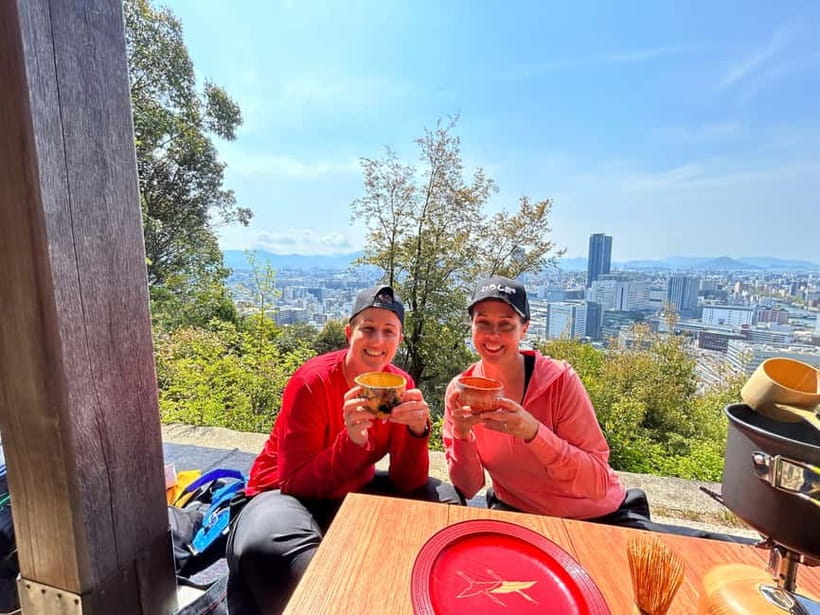
- Tea in the forest: The guide prepares green tea outdoors in a relaxed form of nodate, with the city below.
- Small groups: Numbers are limited to six, so you can ask questions and keep a comfortable pace.
- A real physical effort: The route includes about 500 steps and is not suitable for people with heart problems.
Why this short hike feels different from a city tour
This is not a sightseeing bus outing with a quick photo stop. The mountain is close to Hiroshima Station, yet the route soon moves into woodland, where shrines, stone steps, and mountain paths replace traffic noise. You still learn about Hiroshima, but the focus broadens to Shinto practices, local landmarks, Japanese tea, and the way people care for a shared natural and cultural site.
The tour usually lasts three hours and works best as an early start. One past departure began at 7:30 in the morning, which is useful in warm weather and gives you a better chance of seeing the city in clear morning light. Starting times vary, so check the available slot when booking.
The group limit of six matters here. On a narrow trail or at a shrine, a small party feels less awkward than a large procession. You can stop for photos, ask about a ritual detail, or take a short breather without holding up a busload of people. Guides who have led this experience include Naomi, Nana, Michiyo, Mimi, Stephanie, and others, and the strongest part of the guiding is the personal attention.
More tea ceremony experiences in Hiroshima:
- Hiroshima Local guided Hiking Tour&Open-air Tea Ceremony
★ 5.0 · 213 reviews - Kyoto: Tea Ceremony in a Traditional Tea House in Kiyomizu
★ 4.9 · 3,519 reviews - Kyoto: Tea Ceremony Ju-An at Jotokuji Temple
★ 4.9 · 3,207 reviews
Meeting the guide at Hiroshima Station
You meet on the deck on the second floor of Hiroshima Station, in front of the Shinkansen North Exit, near the Seven Bank ATM. This is a practical meeting point if you arrive by train, but give yourself time to find the correct station level. Hiroshima Station is busy enough that rushing straight from a platform to the meeting point could make the morning needlessly tense.
There is no hotel pickup or drop-off. The activity begins and ends around Hiroshima Station, with the listed drop-off points including the station and Seven Bank ATM area. That makes the tour easy to pair with a hotel nearby or with a later train, though allow extra time after the official three hours. One account of the walk ran slightly over, so do not schedule a tight lunch reservation or train connection.
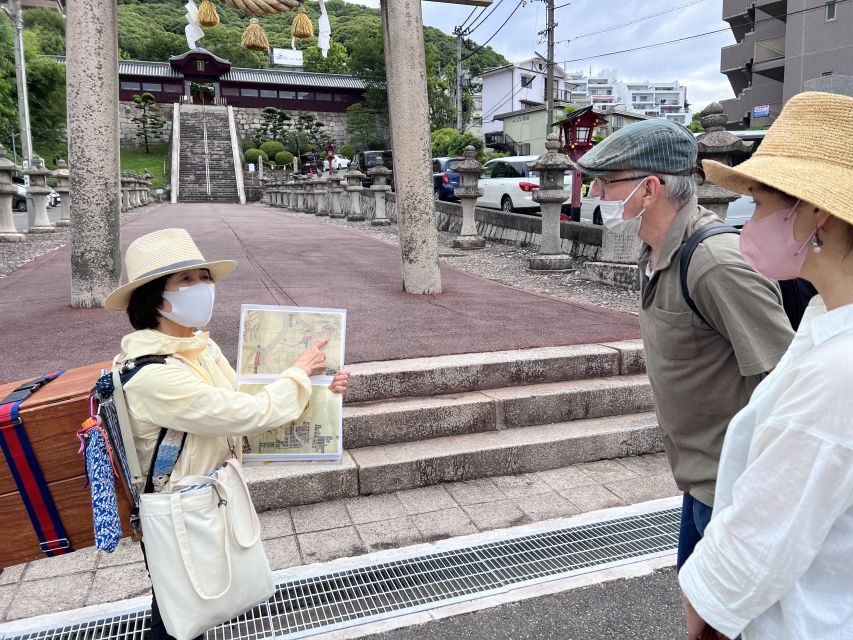
Before setting off, the guide explains the route and what you will see. This short briefing is useful because the walk is not simply a stroll. You will be moving between shrine grounds, steps, and a mountain path, so comfortable shoes are essential.
Hiroshima Toshogu Shrine and the first 30 minutes
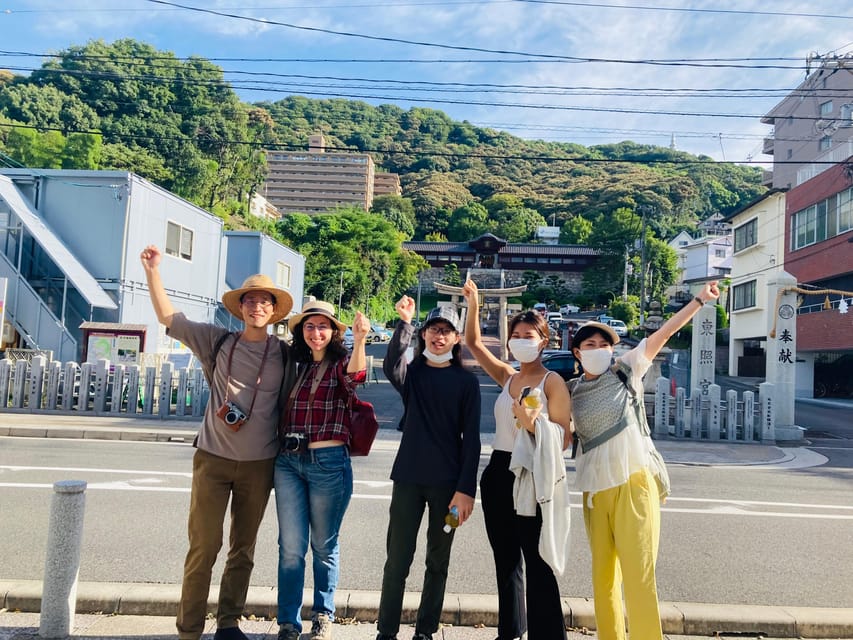
The first major stop is Hiroshima Toshogu Shrine. The shrine is known for traditional architecture and important cultural assets on its grounds, giving you an early look at the craftsmanship and religious setting that shape the rest of the morning.
Your guide explains what you are seeing as you walk around for about 30 minutes. The value here is not only the buildings themselves. You begin to understand the difference between a place built for worship and a place visited mainly for photographs. If you have already spent time around Hiroshima Peace Memorial Park, this is a useful change of subject and setting.
Some visitors will want more detailed answers about shrine worship or particular buildings. The guide can provide useful context, but this is not a priest-led tour, and a shrine worker does not accompany the group. If a specific religious question matters to you, ask early and be prepared for the answer to be limited.
Kinko Inari Shrine and the wooded ascent
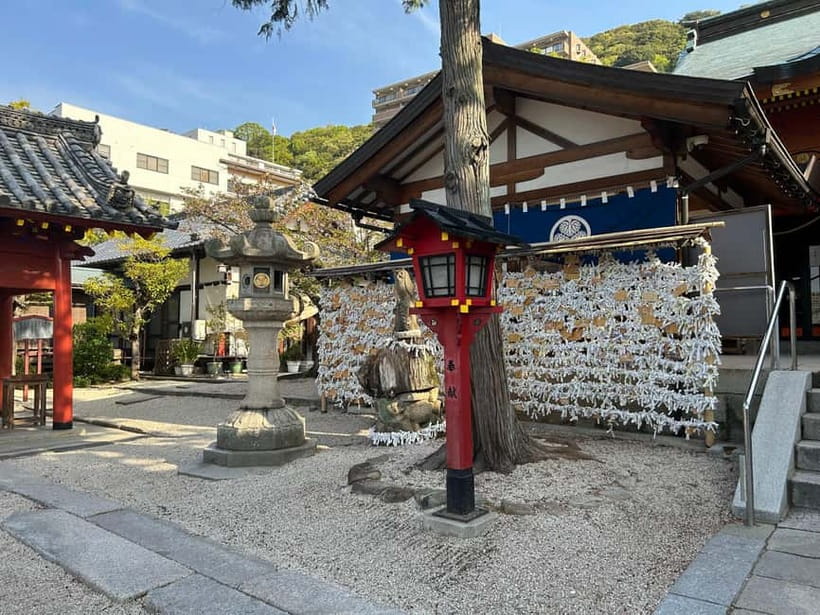
From Toshogu Shrine, the route continues toward Kinko Inari Shrine and into the wooded part of Futaba Mountain. The walk to the next stop takes about 25 minutes, but the effort comes from the stairs and incline rather than distance alone.
This is where you should judge the activity honestly. The climb is manageable for a reasonably active person who can take breaks, but it is not a flat nature walk. The tour information warns of about 500 steps. One participant counted 466, while another described more than 500 on the way up and nearly as many coming down. The sensible expectation is roughly 500 steps, with a serious descent still to come.
The guide builds in pauses, and the pace can include time to look at the shrines, take photos, and notice the woodland. That makes the physical work less punishing than a timed ascent, but it does not remove the stairs. Wear shoes with good support, bring water, and avoid treating the tour as a gentle morning coffee walk.
Kinko Inari Shrine also gives the climb a sense of place. You are not simply using a hill as a workout. The route passes religious sites and mountain views, while the guide explains local customs and the area around Futaba Mountain. The woodland setting is especially appealing in the morning, when the heat is lower and the city feels far away.
A few more Hiroshima trips to weigh up
- Fushimi Inari Hidden Hiking Tour (Private Option Available)
★ 5.0 · 1,750 reviews - Kyoto: 3-Hour Fushimi Inari Shrine Hidden Hiking Tour
★ 4.9 · 270 reviews - Hiking the Historic Nakasendo Trail [1 Day Tour from Nagoya]
★ 5.0 · 104 reviews - Kyoto: Hike and Hot Springs in Kurama
★ 5.0 · 49 reviews
The Peace Pagoda viewpoint
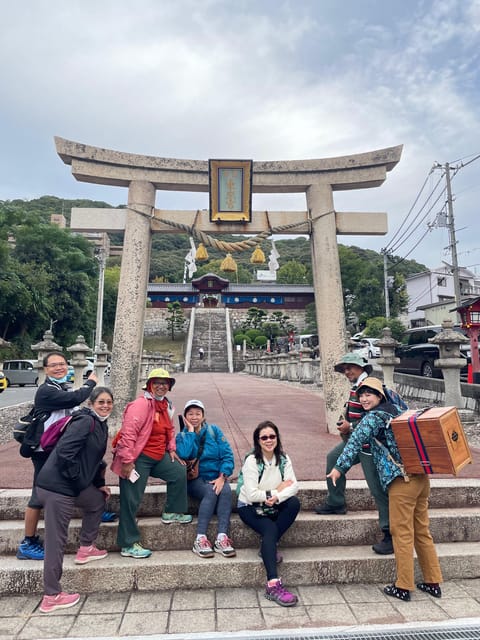
After the uphill section, you reach the Hiroshima Peace Pagoda, also called the Peace Tower in some descriptions. The stop lasts about 35 minutes and includes time for photographs, sightseeing, and the view.
From here, you can look across Hiroshima City toward the Seto Inland Sea and Miyajima. The view gives you a useful sense of Hiroshima’s setting, with the city spread below and the water and island country beyond it. It also changes the way you picture Hiroshima. The city is not only a place of memorials and urban streets. It is surrounded by hills, water, and green slopes.
This is the main scenic reward for the climb, so take your time. Morning sunshine can make the view especially clear, though exact conditions depend on the day. The guide provides information along the way and leaves room for photographs rather than pushing you immediately to the next activity.
The viewpoint is also a natural rest point. Your legs have done the hardest work, and the next part moves at a much slower pace. If you are traveling with children or someone who needs frequent breaks, this is one place where you can settle down before the tea ceremony.
Nodate tea with Hiroshima below
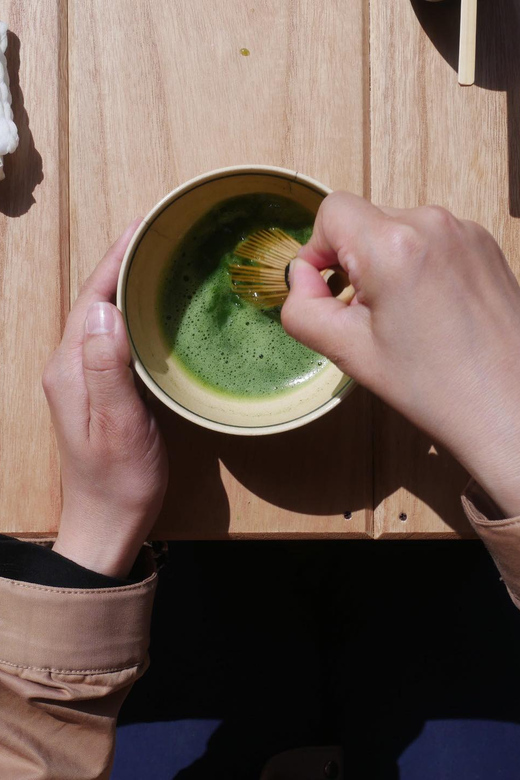
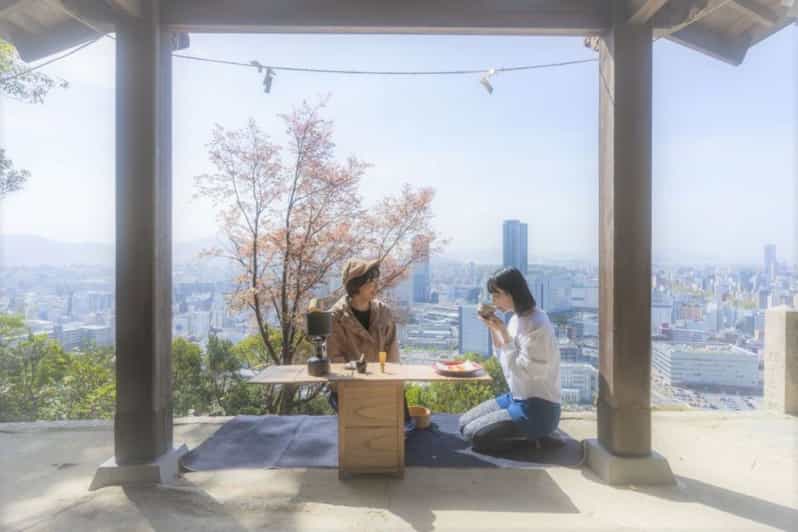
The open-air tea ceremony takes place near Kinko Inari Shrine and lasts about an hour, including a break, tea preparation, and time to enjoy the setting. Nodate is a traditional outdoor form of tea service. It is different from a formal indoor ceremony held in a private tea room, and that is exactly its appeal here.
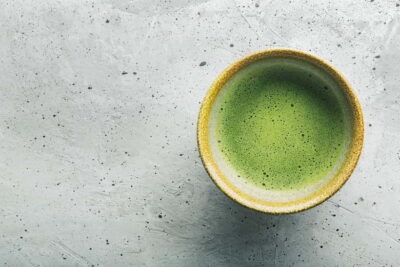
Your guide prepares green tea in the forest, with the city view and mountain air forming part of the experience. You may also receive a small sweet to eat with the tea. The setting is informal compared with a room-based ceremony, but the guide still demonstrates the method and explains the meaning behind it.
The guides do more than hand you a cup. Naomi involved a child in making matcha, and Nana and Michiyo are among the guides praised for explaining Japanese customs in a friendly, clear way. Depending on the guide and group, you may have the chance to help prepare the tea yourself. This makes the ceremony more memorable than simply drinking matcha at a café.
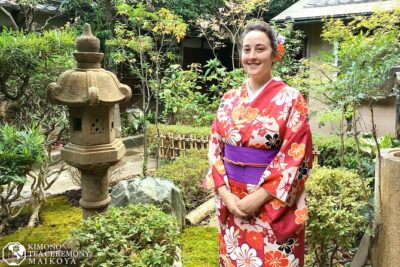
Keep your expectations realistic. You will not be wearing a kimono or entering a formal tea house. You will be sitting outdoors after a climb, likely in practical hiking clothes, with a panoramic view rather than tatami and a tokonoma alcove. For many people, that casual setting makes the tea feel easier to approach.
Forest bathing is a quiet sensory activity
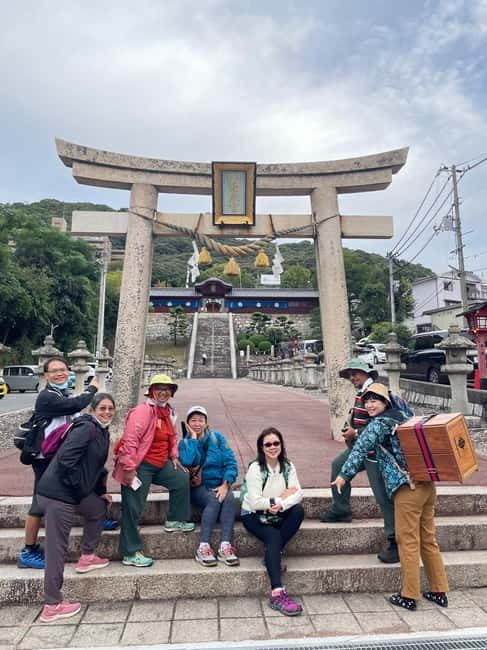
Forest bathing is included after the walk and around the tea experience. The phrase can be confusing, since it does not involve a bath or a swim. Here it means a sensory meditation in the woods, using stillness and attention to connect with the surrounding nature.
The guide may lead you through simple participation and quiet observation. One person described it as a pleasant sensory meditation after initially expecting a water-based activity. That distinction is worth knowing before you book.
I like this part because it slows the morning down. The hike gives you effort and views, while forest bathing asks you to stop trying to get somewhere. You listen, look, breathe, and notice the trees around you. It may feel unusual at first, especially if you are used to tours packed with facts and constant movement, but the activity fits the mountain setting well.
It also gives you a different way to experience Hiroshima. The morning is not built only around monuments or difficult wartime subjects. You have time to appreciate the ordinary natural setting that surrounds the city.
The guides shape the experience
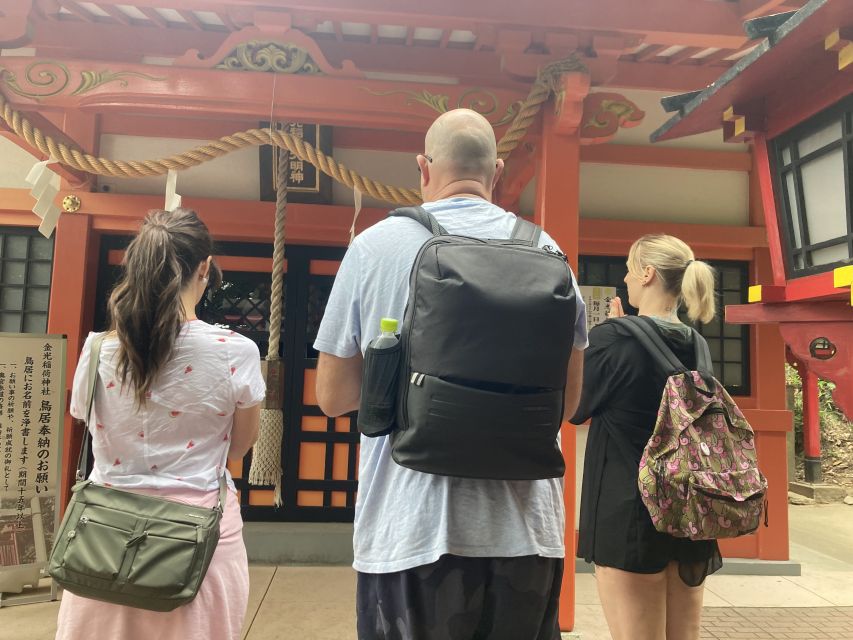
The tour is offered in Japanese and English, with a live guide and a maximum of six participants. That small size is a major advantage on a route that mixes cultural explanation, personal questions, physical exertion, and a tea demonstration.
Guide names appearing with this activity include Naomi, Nana, Michiyo, Mimi, Stephanie, and others. The most useful qualities are warmth, patience, and clear explanations. Some guides have used photos to explain what you are seeing, while others have helped participants take part in tea preparation or added a little yoga-style movement to the forest bathing session.
You should not expect every guide to deliver the exact same performance. The experience has a basic structure, but the human element matters. The guide may spend more time on Shinto customs, the local setting, tea, or nature depending on your questions and the group.
Is $106 a fair price?
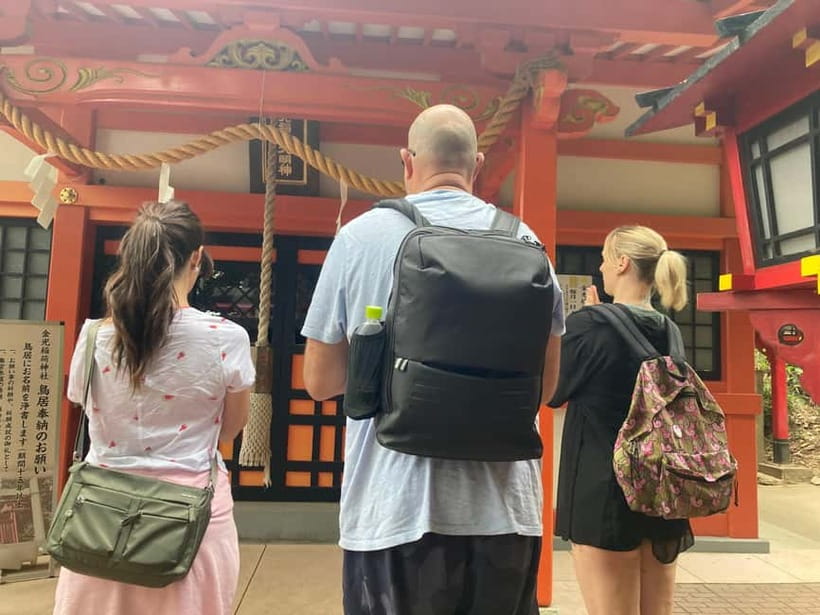
At $106 per person, this is not the cheapest way to see Hiroshima. You are paying for a private-feeling small group, an English-speaking guide, shrine visits, route interpretation, forest bathing, and an outdoor tea ceremony. Breakfast is included only if you select the breakfast option, so check the exact package rather than assuming food is part of the base price.
The value is strongest if you want cultural contact and a guided activity rather than simply reaching a viewpoint. A self-guided walk would cost less, but you would miss the explanations at Toshogu Shrine, the help with the tea ceremony, and the structure that turns a steep climb into a complete morning.
The price is less attractive if your main goal is only a city panorama. You are doing a lot more than taking a photograph, and the climb takes real effort. If you dislike stairs or would rather spend the morning in museums, this is not a good bargain for you.
Free cancellation is available up to two days in advance for a full refund. That gives you some flexibility when planning around weather and energy levels, but you still need to choose a departure time that fits your schedule.
Who should book this mountain morning?
I would choose this tour if you want to see another side of Hiroshima and are comfortable with a sustained uphill walk. It suits people who enjoy small groups, local culture, quiet time outdoors, and hands-on activities more than quick sightseeing.
It is also a good fit for an early riser. The morning departure helps avoid the strongest heat and makes the tea stop feel calm. Families can enjoy it if everyone can handle the stairs, though younger children may need patience and regular pauses.
You should think twice if you have heart problems, since the activity is specifically not suitable for people with heart conditions. You may also want another option if you have a tight schedule, poor footwear, or little interest in Shinto shrines and tea customs.
Bring comfortable shoes and plan for the descent. The route may feel moderate to someone used to hills, but the repeated steps can leave your legs tired for the rest of the day. That is not a flaw, but it is part of the price of the view.
Should you book the Futaba Mountain tea tour?
Book it if you want a morning that combines shrines, woodland, a mountain panorama, and matcha in one compact outing. The best parts are the personal guiding, the quiet forest setting, and the unusual tea ceremony above Hiroshima. You get cultural detail without spending the entire morning indoors.
Skip it if you need an easy walk, have heart concerns, or want a formal tea ceremony in traditional dress. For everyone else, this is a thoughtful way to add depth to a Hiroshima visit, especially after you have seen the central memorial sites. Just respect the 500-step warning, wear proper shoes, and leave your schedule loose enough to enjoy the morning rather than race away from it.
FAQ
Where does the Hiroshima hiking tour meet?
Meet your guide on the deck on the second floor of Hiroshima Station, in front of the Shinkansen North Exit, near the Seven Bank ATM.
How long does the activity last?
The stated duration is three hours. One past participant noted that the tour can run a little over three hours, so allow extra time afterward.
How many people can join the tour?
The group is limited to six participants.
Which languages are available?
The live guide service is available in Japanese and English.
How many steps are on the hike?
You should expect roughly 500 steps. The tour information gives 500 steps, while one participant counted 466, so the exact count may vary by route or counting method.
Is the tour suitable for someone with heart problems?
No. The activity is specifically listed as unsuitable for people with heart problems.
What does forest bathing mean on this tour?
It is a sensory meditation activity in the forest, not swimming or bathing in water.
Is breakfast included?
Breakfast is included only if you select the breakfast option. It is not part of every package.
Is hotel pickup included?
No. Hotel pickup and drop-off are not included. The tour begins and ends at listed locations around Hiroshima Station.
More Morning in Hiroshima
- Hiroshima in a Nutshell: Morning Bike Adventure
★ 5.0 · 524 reviews - Kyoto Early Morning Tour with English-Speaking Guide
★ 5.0 · 1,427 reviews - Kyoto: Early Morning Tour with English-Speaking Guide
★ 4.9 · 1,128 reviews - Kanazawa: World Heritage Shirakawa-go Morning Guided Tour
★ 4.9 · 988 reviews
Just added around Hiroshima
- The Journey of Hiroshima from Tragedy to Peace★ 4.8 · 44 reviews
- Miyajima: Private Rickshaw Tour to Itsukushima Shrine★ 4.9 · 45 reviews
- Hiroshima: Miyajima Half-day Historical Walking Tour★ 4.7 · 100 reviews
- Hiroshima:Guided Virtual Tour/PEACE PARK TOUR VR★ 5.0 · 29 reviews
- Hiroshima/Miyajima Private Custom Tour with Local Guide★ 5.0 · 134 reviews
- Hiroshima: Saijo Sake Tasting at 7 Breweries Guided Tour★ 4.8 · 29 reviews
- Hiroshima: Tour of Atomic Bomb Dome & Peace Memorial Museum★ 5.0 · 20 reviews
- Hiroshima: Private Walking Tour with a Local★ 4.6 · 70 reviews
Tea Ceremony Experiences, compared.
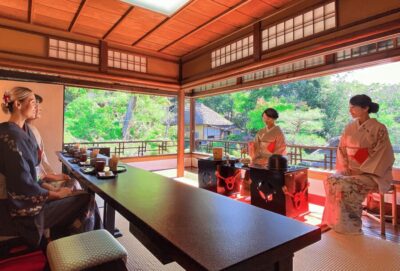
Tea Ceremony in a Traditional Tea House in Kiyomizu
Read our review →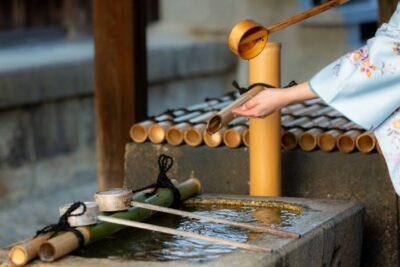
World Heritage Kyoto & Nara Uji Authentic Matcha Experience
Read our review →
Browse the lists this tour appears in