
REVIEW · HIKING & TREKKING
Kyoto Hiking Tour: The Nature and Legends of Kurama and Kibune
The best part of this day is the change of pace. Kyoto’s crowded temple lanes give way to cedar forest, mountain shrines, old legends, and cool air. You walk through the sacred world of Mount Kurama, then continue toward Kibune with a private guide who can explain what you are seeing instead of leaving you to guess.
I like two things right away: hotel pickup removes the fuss of finding a distant meeting point, and the private format lets the guide adjust the pace. Guides such as Mariko, Yuki, Miyo, Mizuho, Akari, and Yoji have been praised for clear English, local stories, patience, and good judgment on the trail. The main drawback is simple: this is not a flat countryside stroll. Expect plenty of stairs, uneven ground, and a moderate level of exertion.
In This Review
- Key points before you book
- Why Kurama and Kibune make such a good Kyoto day
- Yuki Shrine and the old cedar tree
- Mount Kurama, Reiki, and the mountain’s spiritual pull
- The forest walk to Kurama-dera
- Okunoin Maoden and the darker mountain legends
- Kifune Shrine and the god of water
- The inner shrine and the boat legend
- What the private guide adds
- Price, transfers, and what the $191.60 covers
- Weather, clothing, and how hard the hike feels
- Who should book this Kyoto mountain tour?
- Should you book the Kurama and Kibune hike?
- FAQ
- How long does the Kyoto Kurama and Kibune hiking tour last?
- Is hotel pickup included?
- Is this a private tour?
- Is an English-speaking guide included?
- What places are visited?
- Are temple entrance fees included?
- Is lunch included?
- How difficult is the hike?
- Can the tour be changed because of rain?
- What is the cancellation policy?
Key points before you book
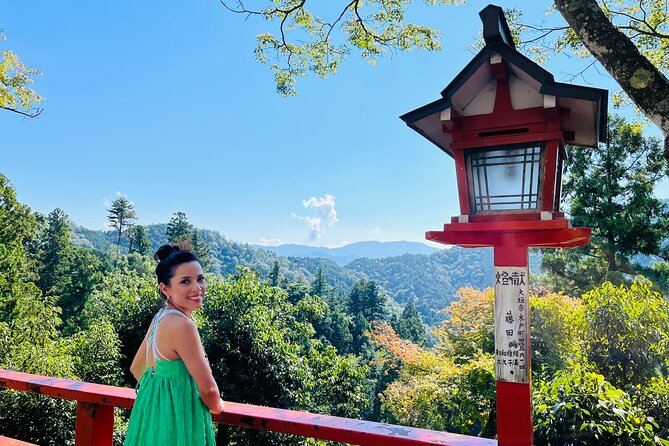
- Sacred Mount Kurama: Learn why the mountain is linked with Reiki, Buddhist practice, and local spiritual legends.
- A forest route between major sights: The walk from Yuki Shrine toward Kurama-dera takes about 25 minutes, followed by more stairs and uneven surfaces.
- Four included temple and shrine visits: Admission to Kurama-dera and the listed shrines is covered in the tour price.
- Private guiding: Only your group participates, so you can ask questions and request a manageable walking pace.
- Hotel transfers in the Kyoto urban area and Kurama area: Pickup and drop-off are included, while private transportation by taxi, car, or bus may cost extra.
- Weather matters: Poor weather can lead to a changed date or a full refund, and heavy rain may require the forest walk to be canceled.
Why Kurama and Kibune make such a good Kyoto day
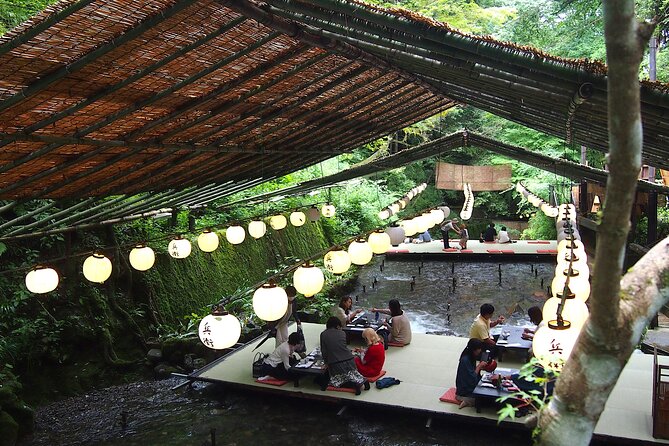
Kyoto has famous temples by the dozen, but the northern mountains offer a different kind of visit. Here, religious sites are tied closely to trees, springs, rocks, mountain paths, and old stories. You are not simply moving from one building to another. You are walking through a setting that gives the shrines and temples much of their meaning.
This tour lasts about eight hours and begins at 9:00 a.m. That length matters. Kurama and Kibune are outside central Kyoto, and visiting both on your own takes more planning than the short distance on a map suggests. With a private guide, you can spend less energy on directions and more on the details around you.
I especially like the private format for this route. A guide can stop to explain a symbol, pause while you catch your breath, or adjust the pace for an older member of the group. One 66-year-old participant described the climb as manageable because the guide kept a suitable pace and made frequent stops. Another couple in their seventies found the walk more like a slow outing than a session on a stair machine, thanks to the guide’s explanations and steady rhythm.
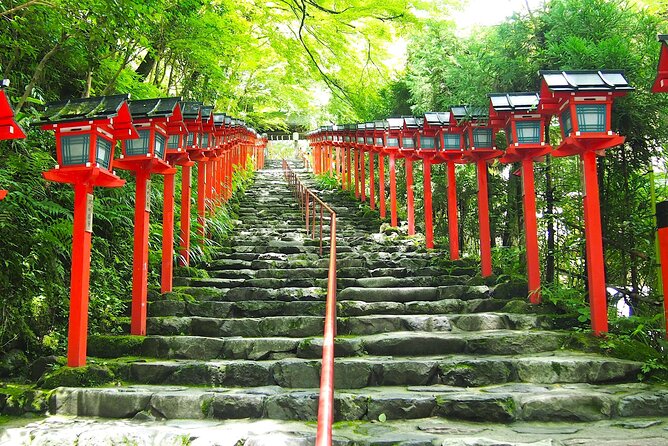
Still, do not book this expecting an easy walk in a park. The trail includes many steps going up and down. Surfaces can be uneven, and the effort increases in warm or wet weather. Good walking shoes and a moderate level of fitness are sensible.
A few more Kyoto trips to weigh up
- Fushimi Inari Hidden Hiking Tour (Private Option Available)
★ 5.0 · 1,750 reviews - Kyoto: 3-Hour Fushimi Inari Shrine Hidden Hiking Tour
★ 4.9 · 270 reviews - Kyoto: Hike and Hot Springs in Kurama
★ 5.0 · 49 reviews
Yuki Shrine and the old cedar tree
The day begins at Yuki Shrine, a mountain shrine with a story that reaches back to 940. It was first built in central Kyoto and later moved to Kurama to guard the area against mysterious evil. That relocation gives the visit a useful starting point: the shrine is not just a pretty stop, but part of the reason Kurama developed as a sacred mountain community.
You have about 20 minutes here. Look for the 800-year-old cedar tree, one of the most memorable features of the grounds. The scale of an old tree can be hard to appreciate in a photograph, so this is a good place to slow down and let the guide explain the shrine’s role.
The short visit also helps set expectations for the rest of the day. You will encounter a mixture of formal religious buildings and natural features. A private guide can explain the difference between the sites and point out details you might otherwise pass without noticing.
Mount Kurama, Reiki, and the mountain’s spiritual pull
Mount Kurama is best known outside Japan for its connection with Reiki, the holistic healing practice founded by Mikao Usui. According to the tradition described on the tour, Usui meditated on the mountain for 21 days in the early twentieth century and received Reiki healing energy there.
You have about an hour at Mount Kurama. The value of this stop depends partly on your interests. If you are curious about spiritual practices, Japanese religion, or the way modern healing traditions connect themselves to older sacred places, the guide’s explanation adds real interest. If Reiki is not your main reason for coming, the mountain still offers forest paths and a setting far removed from central Kyoto.
It is useful to approach the Reiki story as a spiritual tradition rather than a scientific claim. That keeps the visit grounded and lets you appreciate the cultural meaning without expecting a demonstration or treatment. The tour is about place, belief, and history, not a Reiki session.
The forest walk to Kurama-dera
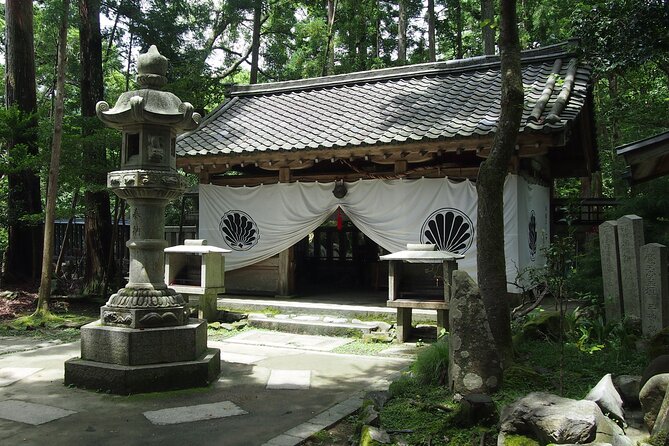
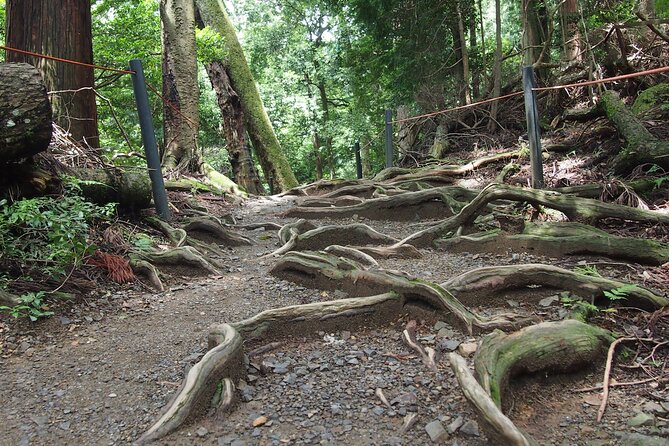
After Yuki Shrine, the route continues through the forest toward Kurama-dera. The listed walk takes about 25 minutes, but the overall visit involves additional climbing and stairs. This is where the tour feels most like a proper mountain outing rather than a series of roadside stops.
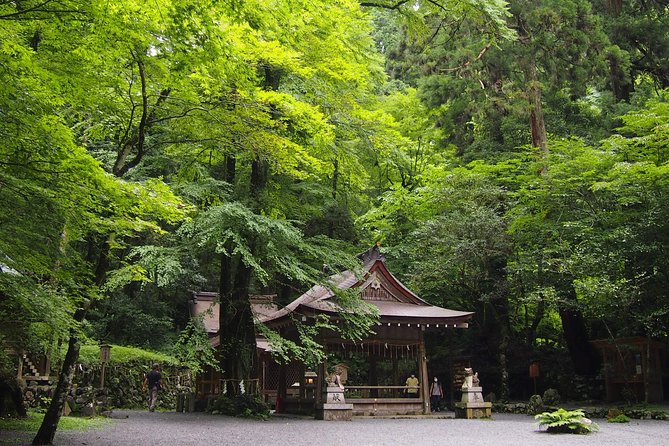
Kurama-dera was founded in the eighth century and is dedicated to the Buddhist deity Bishamonten. Its position in the forest is part of its appeal. Trees frame the path, the air feels cooler than in central Kyoto, and the buildings appear as part of the mountain rather than separate from it.
You have around 45 minutes at Kurama-dera, with admission included. That saves you from dealing with another ticket and gives the guide time to explain the temple’s religious importance. The site is also a good point to enjoy the visual contrast between dark timber, stone paths, and thick forest.
The catch is the climb. Several people describe the stairs as the hardest part of the tour, even while calling the full day rewarding. If you have knee trouble, an injury, or difficulty with uneven steps, tell the guide before setting out. One guide changed plans for a participant with an injury, which shows why the private setup can be useful.
Same city, a completely different kind of day:
- PERFECT KYOTO 1-Day Bus Tour
★ 5.0 · 13,518 reviews - Kyoto: Fushimi Inari, Kinkakuji, Bamboo Grove 1 Day Bus Tour
★ 4.8 · 4,316 reviews - Kyoto: Tea Ceremony in a Traditional Tea House in Kiyomizu
★ 4.9 · 3,519 reviews - Kyoto Geisha Walking Tour: Gion District & Hidden Gems
★ 4.7 · 3,273 reviews
Okunoin Maoden and the darker mountain legends
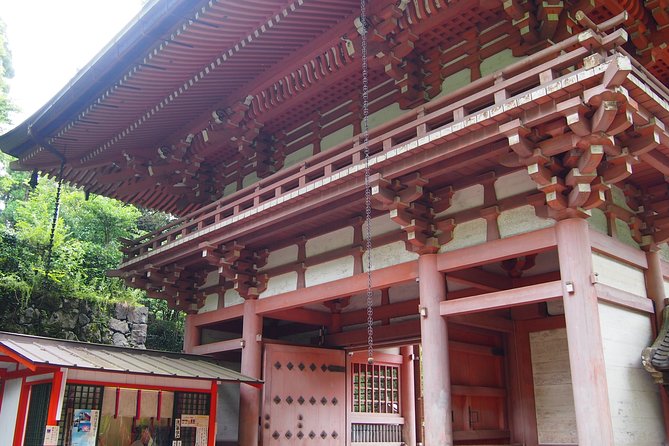
The route continues to Okunoin Maoden, a small temple area reached deeper in the mountains. You have about ten minutes here, so this is a brief stop rather than a long temple visit.
The atmosphere is described as mysterious, and local legend says that demons reign in this area. That darker story gives the forest a different mood from the more formal shrine and temple grounds. It is the kind of short stop that works best when your guide explains the folklore and lets you notice the setting around you.
Do not expect a large complex or a long guided tour at this point. The appeal is the mountain atmosphere and the legend attached to it. If you enjoy old tales tied to specific places, this may be one of the most memorable moments of the day.
Kifune Shrine and the god of water
The route then reaches Kifune Shrine, also spelled Kifune in the tour information. This shrine is dedicated to the god of water and rain, and sailors traditionally came here to pray for luck on voyages.
You have about 30 minutes at the main shrine. One detail to look for is the pure mountain water, which you can drink at designated places. That small act connects the shrine’s religious role with the physical setting around it. Water is not merely a theme here. It is part of the mountain’s identity.
Kifune is also a good place to ask your guide about the relationship between nature and worship in Japan. The tour brings together a shrine for protection, a mountain linked with Reiki, a Buddhist temple, a site associated with demons, and a water shrine. The guide helps you see these as related parts of a larger cultural picture rather than isolated attractions.
The inner shrine and the boat legend
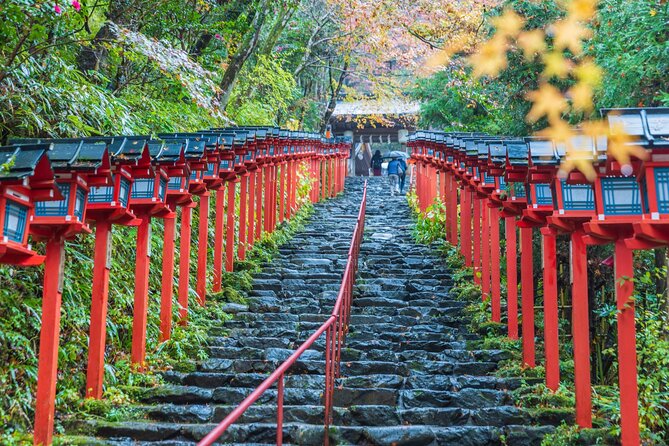
The final listed stop is Kifune’s inner shrine, visited for about 25 minutes. According to legend, a goddess traveled from Osaka by boat up the river into these mountains. The inner shrine is said to house the boat she used.
This is another short visit, but it gives the day a strong closing story. After walking through the forest and seeing the shrine’s connection with water, the legend of a boat traveling inland feels tied to the geography around you.
The final section of the day can also feel rewarding because you have moved from the higher mountain paths toward the small mountain town of Kibune. The tour information does not include lunch, but several guides have added value by helping arrange or suggest a soba lunch. You should treat lunch as an extra expense, not as part of the package.
What the private guide adds
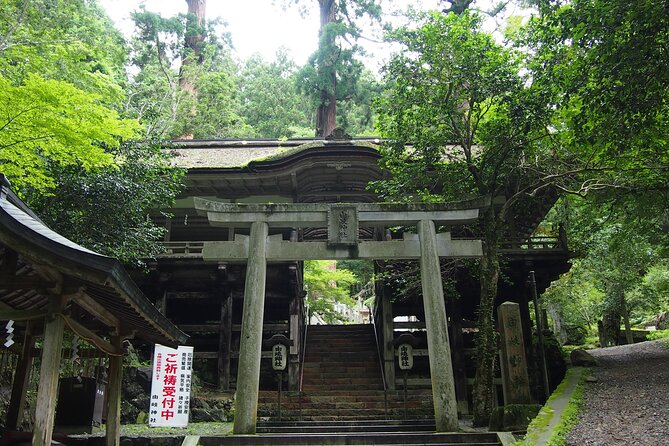
The guide is the heart of this experience. The route is not especially long by mountain-hiking standards, but the stories give each stop purpose. Guides including Yuki, Miyo, Mizuho, Akari, Mariko, and Yoji have been singled out for patience, strong English, cultural explanations, and attention to walking speed.
I would value that help most at the religious sites. A guide can explain why Yuki Shrine moved to Kurama, how Kurama-dera fits into Buddhist tradition, why Kifune is linked with water and sailors, and how the Reiki story relates to the mountain. The guide can also point out less obvious places if your group has a particular interest.
The private format also helps when conditions change. During heavy rain, one guide canceled the forest portion for safety, took the group to easier-to-reach shrines, arranged transportation, and suggested another cultural site for the spare time. That is exactly the sort of practical judgment you want in mountain weather.
The tour includes photos of the group, another small benefit for anyone who would rather enjoy the walk than constantly take pictures. Just remember that the exact guide is not guaranteed, so you should not book solely because of one particular name.
Price, transfers, and what the $191.60 covers
At $191.60 per person, this is a significant day-trip expense. The value depends on the size of your group and how much you value private guiding. Hotel pickup and drop-off in the Kyoto urban area and Kurama area are included, along with taxes, entrance to Kurama-dera, the English-speaking guide, and participant photos.
For two people, the per-person cost may feel high compared with using public transportation and visiting the sites independently. But a self-guided day requires planning the route, finding the right trains or buses, handling the mountain walk, and interpreting the religious sites on your own. The tour saves time and reduces the chance of missing a turn or skipping a place because you cannot work out the connections.
The private format becomes better value for a family or small group, especially if group discounts apply to your booking. Private transportation by taxi, private car, or bus is listed as available for an extra fee, so confirm exactly what transportation is included for your pickup location before paying.
Lunch is not included. Budget separately for food, and do not assume that a meal suggested by the guide forms part of the tour price.
Weather, clothing, and how hard the hike feels
Your clothing can make or break the day. Wear shoes with a firm grip, since the path includes stairs and uneven surfaces. Bring water and be ready for changing conditions in the mountains. The information provided does not specify a seasonal clothing list, so use the day’s Kyoto forecast and remember that mountain weather can feel different from the city.
The tour requires moderate physical fitness. The walk is manageable for many people when taken at a steady pace, but the frequent stairs are the real challenge. Plan for stops, not speed. The point is to see the forest and shrines, not to race from one entrance to the next.
Rain deserves special attention. The experience requires good weather, and heavy rain can lead to a revised route or cancellation. If the operator cancels because of poor weather, you are offered another date or a full refund. You can cancel for a full refund up to 24 hours before the 9:00 a.m. start time. Changes or cancellations inside that window are not refunded.
Who should book this Kyoto mountain tour?
I would choose this tour if you want a full day away from central Kyoto and enjoy combining walking with culture. It suits couples, families, and small private groups who want a guide’s explanation rather than a quick look at shrine buildings.
It is also a good choice for older walkers who can handle stairs but prefer a patient pace and help with route planning. The private format lets you discuss concerns before and during the hike.
I would skip it if you want a relaxed, flat outing, dislike stairs, or have a serious mobility concern. The tour is also less attractive if you are happy navigating public transportation and reading about the sites yourself. Its main value is the combination of transport help, private attention, cultural context, and access to several mountain sites in one day.
Should you book the Kurama and Kibune hike?
Book it if you want Kyoto’s quieter mountain side, enjoy folklore and religious history, and are prepared for a real stair workout. The strongest reasons are the private guide, included hotel transfers, and the way the route links forests, shrines, temples, Reiki tradition, and water legends.
Before booking, confirm your pickup area and ask about any extra transportation charge. Tell the operator about injuries or pace concerns, and check the weather forecast. If you can accept the physical effort, this is a thoughtful way to spend a day beyond Kyoto’s busiest sights.
FAQ
How long does the Kyoto Kurama and Kibune hiking tour last?
The experience lasts about eight hours and begins at 9:00 a.m.
Is hotel pickup included?
Yes. Hotel pickup and drop-off are included for the Kyoto urban area and Kurama area.
Is this a private tour?
Yes. Only your group participates in the activity.
Is an English-speaking guide included?
Yes. An English-speaking guide is included.
What places are visited?
The route includes Yuki Shrine, Mount Kurama, Kurama-dera, Okunoin Maoden, Kifune Shrine, and the inner shrine of Kifune.
Are temple entrance fees included?
Yes. Admission to Kurama-dera is included, and the tour information also lists admission included for the shrine and temple stops.
Is lunch included?
No. Lunch is not included in the price.
How difficult is the hike?
You should have a moderate level of physical fitness. The route includes many stairs, uneven surfaces, and sections going uphill and downhill.
Can the tour be changed because of rain?
Yes. The experience requires good weather. If poor weather leads to cancellation, you are offered another date or a full refund. The guide may also adjust the route for safety.
What is the cancellation policy?
You can cancel at least 24 hours before the start time for a full refund. Cancellations or changes made less than 24 hours before the start time are not accepted for a refund.
Just added around Kyoto
- Private Guided Traditional Buddhist Cooking in Japan★ 5.0 · 16 reviews
- Kyoto: Gion Geisha District & Sake-in-Hand Walking Tour★ 5.0 · 37 reviews
- Your Private Vacation Photography Session In Kyoto★ 5.0 · 110 reviews
- Kyoto: Zen Meditation at a Private Temple with a Monk★ 5.0 · 25 reviews
- Traditional Japanese Washi Papermaking- Kyoto morning★ 5.0 · 77 reviews
- Kyoto Wagashi(Japanese sweets) Cooking Class near Fushimiinari★ 5.0 · 60 reviews
- Private Pewter Sake Cup Experience with a Kyoto Artisan★ 5.0 · 31 reviews
- Kyoto Private 6 hour Tour: English Speaking Driver Only, No Guide★ 5.0 · 88 reviews
Hiking & Trekking, compared.
Hiroshima Local guided Hiking Tour&Open-air Tea Ceremony
Read our review →
Hiking the Historic Nakasendo Trail [1 Day Tour from Nagoya]
Read our review →
Full Day Hiking Tour at Mt.Takao including Hot Spring
Read our review →
Hike Japan Heritage Hakone Hachiri with certified mountain guide
Read our review →Browse the lists this tour appears in