
REVIEW · SPA & HOT SPRINGS
Kyoto: Hike and Hot Springs in Kurama
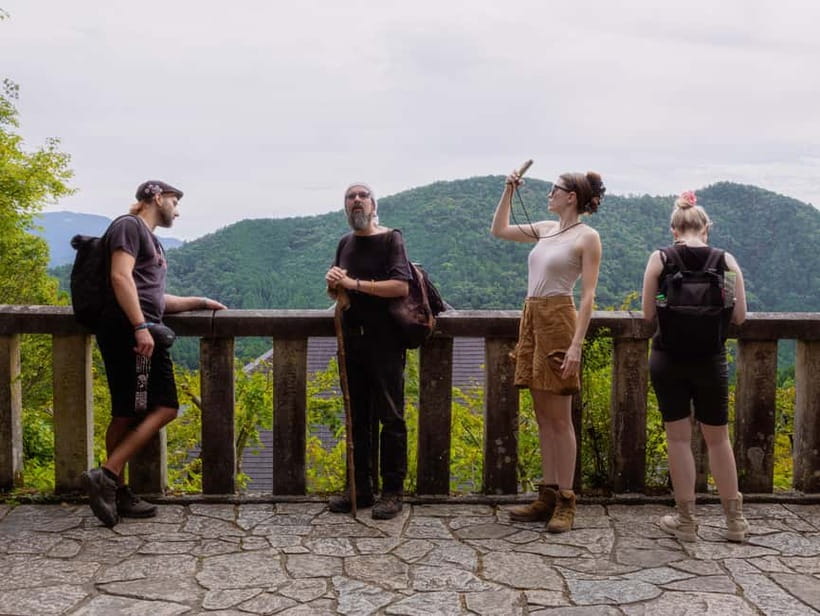
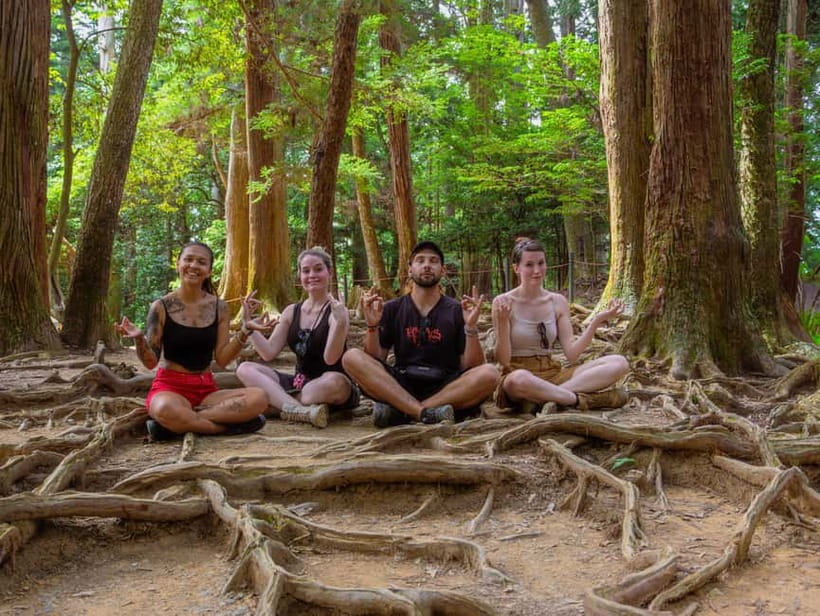
Kurama gives you a very different side of Kyoto: a mountain train, towering cedars, stone steps, old shrines, and a temple linked with local spiritual traditions. The climb to Kurama Temple takes about 30 to 40 minutes, with plenty of worthwhile stops along the way.
I like the mix of quiet forest and living religion, and I like that the guide adds stories about the shrines, deities, Reiki, and local customs rather than simply leading you uphill. The train ride from Demachiyanagi Station is another treat. The main drawback is the climb: heat, steps, and uneven ground make this a poor choice if you lack hiking experience or fitness.
In This Review
- Key points to know before booking
- Why Kurama makes such a good Kyoto escape
- Meeting at Demachiyanagi and riding into the mountains
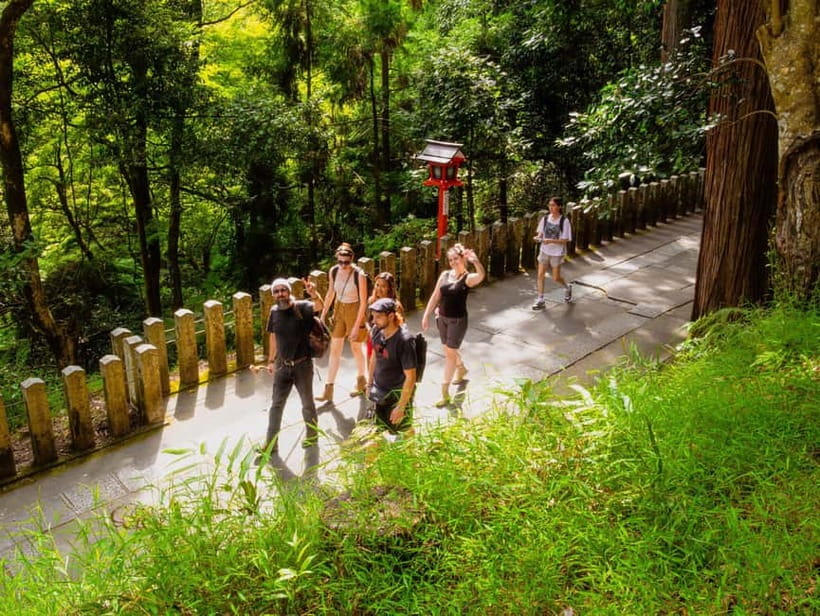
- Climbing Kurama Mountain through the cedar forest
- Kurama Temple and the mountain’s spiritual side
- Descending to Kurama village
- The optional Kurama hot spring
- What the $80 price really covers
- Guide quality and the importance of the right pace
- Who should book this half-day hike
- Practical details before you go
- Should you book the Kurama hike?
- FAQ
- Where does the Kurama hike tour meet?
- How long does the activity last?
- How difficult is the hike?
- Is transportation included?
- Is Kurama Temple admission included?
- Is lunch included?
- Is the hot spring included?
- Can children join the activity?
- What should I bring?
- What languages are available?
Key points to know before booking
- The 30 to 40 minute climb is short but demanding: Expect many steps and a steady ascent to the mountaintop temple.
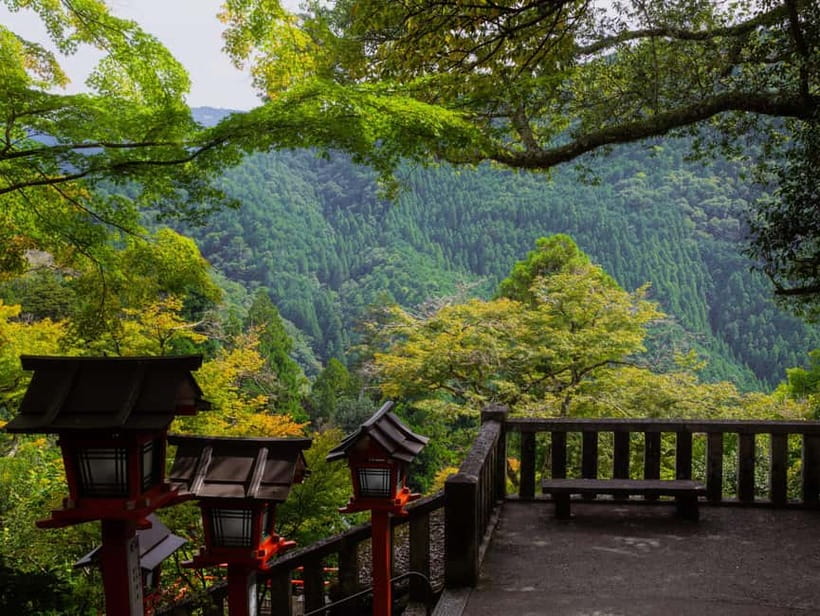
- The forest is the real star: Cedar trees, mountain air, valley views, and occasional wildlife create a strong contrast with central Kyoto.
- Guides add real local context: Philippe is often praised for his stories and route knowledge, while Chris, Kevin, Salome, and others have also led highly rated outings.
- Kurama Temple is more than a photo stop: You can pause for prayers, see distinctive religious features, and learn why the mountain is treated as a spiritual power spot.
- The hot spring is optional but well timed: The tour ends in Kurama village, giving you the choice of lunch, a train ride back, or a bath overlooking the mountains.
- The $80 price includes the guide, temple admission, and transportation: You still pay for lunch, the hot spring, and your return transport to the meeting point.
Why Kurama makes such a good Kyoto escape
Central Kyoto can become a full day of temples, traffic, and polished streets. Kurama feels cooler, rougher, and more rooted in the mountains. The outing takes only four hours, yet it gives you a train journey, a forest hike, two important religious sites, and time to recover in a rural village.
I especially like the change of pace. You are not being hurried from one major sight to another. The trail creates natural pauses, and the guide can explain what you are seeing while you catch your breath. This is useful in Kurama, where a stone stairway, a cedar, or a small shrine can carry more meaning than its size suggests.
The experience also has a strong spiritual angle. Kurama is associated with legends, sacred mountain practice, and Reiki traditions. If that side of Japanese culture interests you, the setting gives the discussion a real sense of place. If you prefer a purely physical hike, you can still enjoy the scenery, but you may find some of the spiritual explanations less compelling.
A few more Kyoto trips to weigh up
- Fushimi Inari Hidden Hiking Tour (Private Option Available)
★ 5.0 · 1,750 reviews - Kyoto: 3-Hour Fushimi Inari Shrine Hidden Hiking Tour
★ 4.9 · 270 reviews - Hiroshima Local guided Hiking Tour&Open-air Tea Ceremony
★ 5.0 · 213 reviews
Meeting at Demachiyanagi and riding into the mountains
The tour begins at exit 7 of Demachiyanagi Station, in front of the Eizan Railway. This matters because the train is part of the experience, not just a transfer. You leave the city behind and ride toward the forested northern hills, with the scenery changing as the route follows the mountain valleys.
You should arrive ready to walk. Comfortable shoes and water are essential, and long trousers are a sensible choice if you want to reduce the chance of bug bites. There is no need to carry a large meal for the hike, since lunch comes later in Kurama and is not included.
The trip lasts four hours, so the schedule has to keep moving. At the same time, the guide normally builds in stops for views, temples, and local features along the trail. A private or small group gives you the best chance of adjusting the pace, asking questions, or spending a little longer at a place that interests you.
Climbing Kurama Mountain through the cedar forest
The walking section begins near a sacred shrine and follows a trail toward the top of Kurama Mountain. The climb is described as moderate, but that label needs a little context. The summit can be reached in roughly 30 to 40 minutes, yet the route includes a long series of steps, and hot weather can make the effort feel much greater.
You do not need to race. The value of this hike comes from the stops. Take time to look back through the trees, enjoy the crisp air, and notice how quickly Kyoto’s urban feel disappears. The forest is quiet and shaded in places, but the route still asks for balance and leg strength.
I would not book this as a casual stroll. The experience is not suitable for people with mobility impairments, wheelchair users, children under 11, or people without hiking experience. Even fit walkers should bring water and wear shoes with good grip. Summer heat was a clear concern for at least one outing, so an early start and light clothing are sensible, although starting times vary.
Your guide is one of the main reasons to choose this tour instead of walking the route alone. Philippe has been particularly praised for explaining temple customs, local legends, Japanese culture, and the connection between Kurama and Reiki. Other guides named for this experience include Chris, Kevin, Salome, and Eric. Guide assignments can change, but the repeated strength of the tour is the personal storytelling.
Kurama Temple and the mountain’s spiritual side
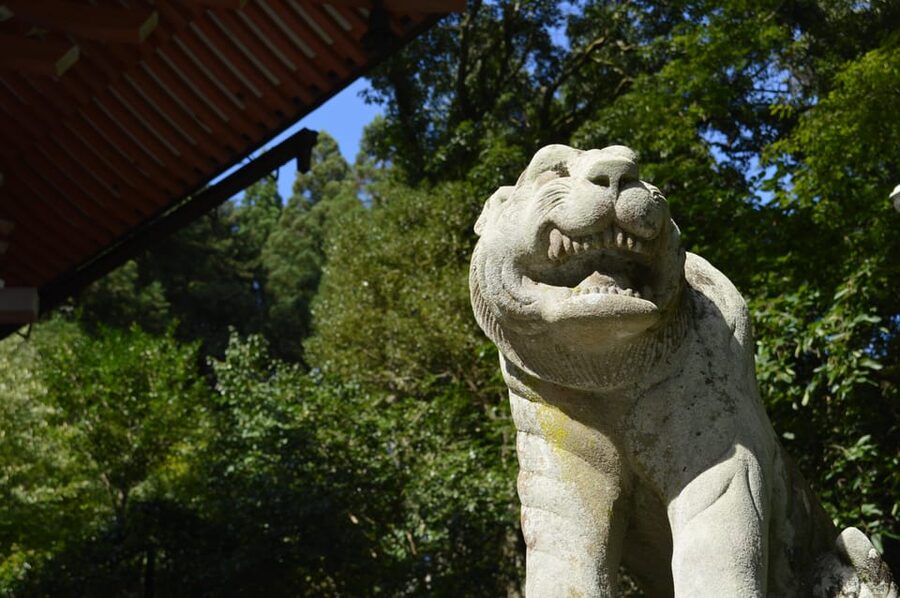
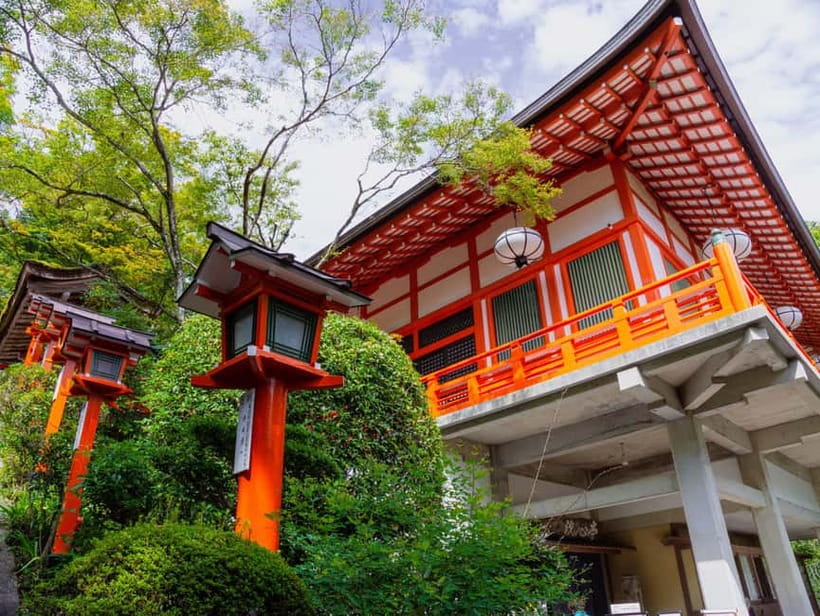
At the mountaintop, you visit Kurama Temple, with admission included in the $80 price. The temple gives the climb a clear destination and a chance to rest while looking across the valley below.
Kurama is treated locally as a spiritual power spot. That phrase can sound vague, but here it points to the mountain’s long religious importance and the feeling of entering a place set apart from ordinary city life. Your guide can help connect the buildings, prayers, legends, and natural setting.
You may encounter distinctive features beyond the main temple area. One private outing included access to a crypt and a maze beneath the temple, though you should not assume those areas will be available on every visit. Maintenance work has also covered the temple with scaffolding at times, which can limit the view of the building. The surrounding mountain, other religious features, and the forest still give the stop plenty of interest, but anyone seeking a perfect temple photograph should allow for possible repair work.
This is also a good point to slow down. After the uphill walk, you can offer a prayer, enjoy the air, and take in the valley. The tour works best when you treat the temple as a place for attention, not just a box to check.
Same city, a completely different kind of day:
- PERFECT KYOTO 1-Day Bus Tour
★ 5.0 · 13,518 reviews - Kyoto: Fushimi Inari, Kinkakuji, Bamboo Grove 1 Day Bus Tour
★ 4.8 · 4,316 reviews - Kyoto: Tea Ceremony in a Traditional Tea House in Kiyomizu
★ 4.9 · 3,519 reviews - Kyoto Geisha Walking Tour: Gion District & Hidden Gems
★ 4.7 · 3,273 reviews
Descending to Kurama village
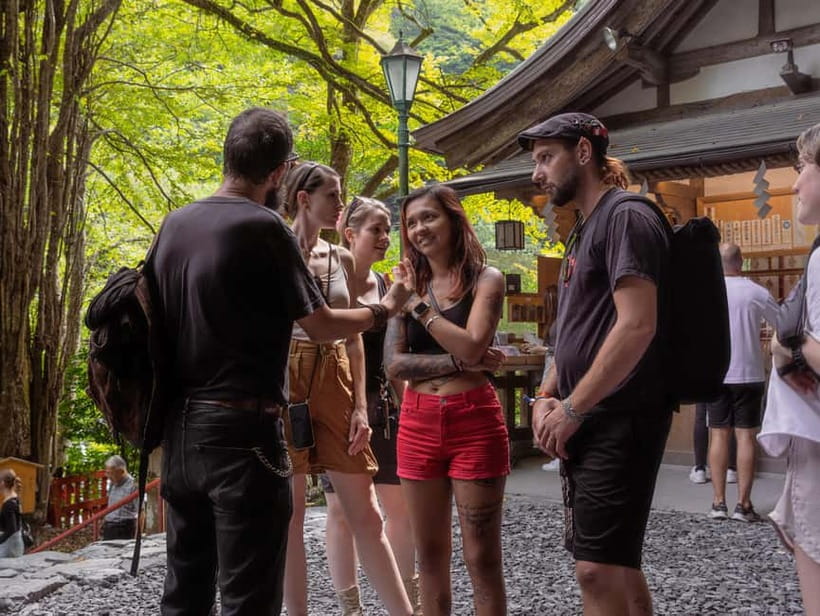
The return follows steps down toward the small town of Kurama. Descending can be easier on your lungs but harder on knees, especially after the climb. Watch your footing and do not assume the downhill portion is effortless.
Kurama village is where the formal tour ends and your choices open up. You can have a late lunch, stroll around, use the hot spring, or take the train back toward Kyoto. The guide provides direction at this point rather than keeping you on a fixed sightseeing program.
That flexibility is valuable. Some people will want food immediately, while others will prefer the bath. A private group can also make the final part feel more personal, but even a small group needs to share the available time. Lunch and return transport are not covered by the tour fee, so keep some money available.
The optional Kurama hot spring
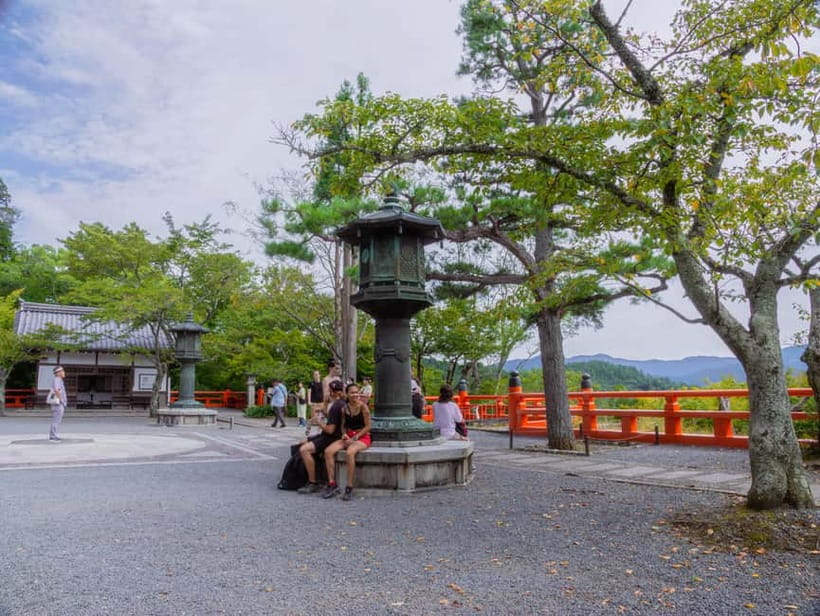
The hot spring is not included, but it is the natural finish to a stair-heavy mountain walk. The bath is known for its outdoor views of the surrounding mountains, giving you a chance to sit still while the effort leaves your legs.
A special discounted bath ticket may be available through the tour, but the hot spring fee remains your responsibility. Ask the guide about the current arrangement during the outing. Do not treat the bath as part of the guaranteed inclusions.
I would strongly consider adding it if your schedule allows. The experience changes character after the hike. Instead of rushing back into Kyoto, you get a quiet recovery period in the village. One guide may finish by showing you the available options, so plan enough time if the bath is a priority.
The hot spring is also a practical reason to carry a small change of clothes and a towel if you know you want to bathe. These items are not listed as included, so you should confirm what the facility provides before setting out.
What the $80 price really covers
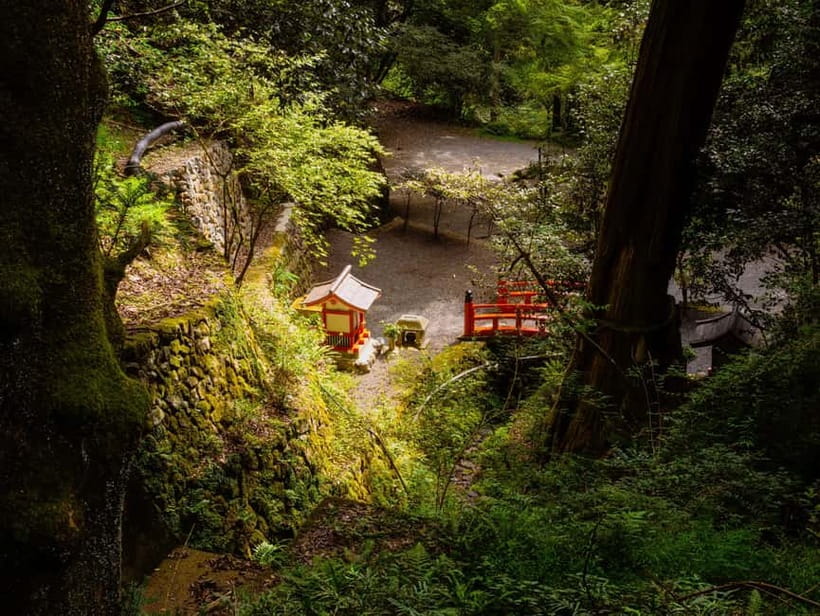
At $80 per person, this is not simply a paid walk to a temple. The price includes the guide fee, transportation during the tour, and temple admission. You are paying for the train connection, route planning, cultural interpretation, and the convenience of having someone manage the mountain visit.
I think the value is strongest for first-time visitors to northern Kyoto who want more context than a self-guided hike provides. A guide can explain why the area matters, point out less obvious places, and adjust the rhythm around the group. The experience also avoids the cost of a full-day excursion while still taking you well beyond central Kyoto.
The price looks less attractive if you plan to walk independently, skip the explanations, and return directly after the temple. You will still need to pay for lunch, the hot spring, and transportation back to the original meeting point. Remember that the tour concludes in Kurama, not at Demachiyanagi Station.
Private and small-group choices can improve the value for couples, families with older teenagers, or friends who want a more flexible pace. The standard activity is not suitable for young children, and the physical demands should be taken seriously.
Guide quality and the importance of the right pace
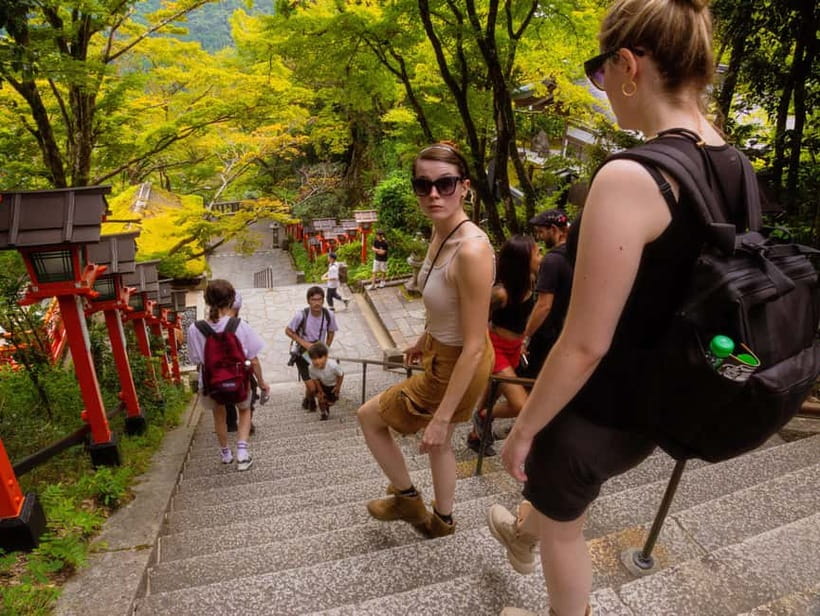
The strongest part of this experience is the guide. Philippe is repeatedly described as funny, attentive, and well informed about Mount Kurama, its deities, religious sites, and Japanese customs. He has also been praised for finding lesser-known spots and planning the route carefully.
Chris has been singled out for an excellent experience involving less familiar places. Kevin is praised for historical and cultural explanations, while Salome and Eric are also named as memorable guides. These details suggest a tour with a strong guiding culture, but you should still remember that your specific guide may differ.
There is one important caution. A guide’s personal habits can affect the day. One outing was let down by smoking during the hike and drinking before the end, so the guiding experience may not be identical every time. That is an isolated concern within an otherwise very positive set of experiences, but it is fair to mention when the guide is such a central part of the value.
A good guide should let you pause, drink, and recover without making the climb feel like a race. If you are concerned about fitness, tell the guide early. The route is not designed for people without experience, but the planned stops can make it manageable for a reasonably fit walker.
Who should book this half-day hike
I would choose this outing if you want:
- A break from Kyoto’s central temples and shopping streets
- A forest walk with a clear cultural purpose
- A guide who can explain legends, shrines, temple customs, and local traditions
- A small-group or private format
- The option of finishing with lunch or an outdoor hot spring
- A short excursion that still feels like a genuine trip into the mountains
I would choose something else if you need flat paths, wheelchair access, a child-friendly activity, or a relaxed sightseeing day with almost no exertion. The climb is not long, but the stairs and heat can make it tough. You should also avoid booking it if you have no hiking experience, since that is specifically listed as a restriction.
The experience is especially appealing in cooler weather, when the mountain air can make the climb feel refreshing. Spring, autumn, and winter offer different moods, while summer can be beautiful but harder on the body. Light snow has even appeared on a sunny winter outing, and deer have been spotted on the way up, though wildlife is never guaranteed.
Practical details before you go
The tour is available with English or French-speaking guides. Private and small-group formats are offered, and start times depend on availability.
Bring comfortable shoes and water. Long pants can help with insects. Wear clothing suited to the weather, and remember that the mountain route is exposed to heat and uneven steps even when the city feels comfortable.
The tour includes transportation during the activity, but not the trip back to the meeting point after it ends. Since the final choices are lunch, the hot spring, or the train from Kurama, bring enough time and money for your preferred finish.
You can cancel up to 24 hours ahead for a full refund, and reserve now while paying later. Those terms are useful if your Kyoto plans are still shifting.
Should you book the Kurama hike?
Book it if you want a physical, spiritual, and scenic half-day outside Kyoto, and if you are comfortable with a real uphill walk. The forest, mountain train, temple setting, and optional hot spring work well together, while the guides add the cultural detail that makes the route more than exercise.
Skip it if you want an easy walk, guaranteed temple views without scaffolding, or a fully inclusive day with lunch and bathing already paid for. For a reasonably fit visitor who packs water, wears proper shoes, and leaves room for the onsen, this is one of the better ways to trade Kyoto’s crowded center for mountain air without giving up the city’s history and traditions.
FAQ
Where does the Kurama hike tour meet?
Meet at exit 7 of Demachiyanagi Station in Kyoto, in front of the Eizan Railway.
How long does the activity last?
The tour lasts four hours.
How difficult is the hike?
The hike is described as moderate, but reaching Kurama Temple requires a steady climb with many steps. The summit can be reached in about 30 to 40 minutes, and a decent level of fitness is needed.
Is transportation included?
Transportation during the tour and the mountain train journey are included. Transportation back to the original meeting point after the tour is not included.
Is Kurama Temple admission included?
Yes. Temple admission is included in the $80 tour price.
Is lunch included?
No. The tour ends in Kurama village, where you can choose a lunch option, but you pay for lunch yourself.
Is the hot spring included?
No. The hot spring fee is separate. A discounted bath ticket may be available through the tour.
Can children join the activity?
Children under 11 are not suitable for this tour.
What should I bring?
Bring comfortable shoes and water. Long pants are recommended if you want to help avoid bug bites.
What languages are available?
Live guides are available in English and French. Private and small-group options are offered.
Just added around Kyoto
- Taste of Nishiki Market Walking Food Tour with Local guide★ 5.0 · 17 reviews
- Kyoto: Sushi Making Class with Sushi Chef★ 4.8 · 64 reviews
- Kyoto: City Secrets eBike Tour★ 4.9 · 196 reviews
- Sacred Pathways: Discover the Philosopher’s Path of Kyoto★ 4.9 · 20 reviews
- Private Tour to Monkey Park and Arashiyama Highlights★ 5.0 · 22 reviews
- Private Nara Tour from Osaka – Meet at Your Hotel★ 5.0 · 22 reviews
- Private Sake Tasting in Central Kyoto with Sake Sommelier★ 5.0 · 13 reviews
- Kyoto : Private Custom Walking Tour With A Local Guide★ 4.6 · 144 reviews
Spa & Hot Springs, compared.
Himeji Castle, Arima Onsen & Mt. Rokko Day Tour
Read our review →
Nara and Uji Day Trip with Deer Park and Hot Spring
Read our review →
Private Tour to Fuji/Hakone – Onsen, Art, Nature
Read our review →
Mt. Fuji, Hakone Private Tour from Tokyo – Onsen, Arts and Nature
Read our review →

Private Nagano 1-Day Tour:Snow Monkeys,Zenko-ji,Obuse,Sake,Onsen
Read our review →
Mt Takao Tour with Ramen and Tattoo-Okay Hot Spring
Read our review →
Snow Monkey & Shibu Onsen Afternoon Tour (Depart: Iiyama & Nozwa)
Read our review →Browse the lists this tour appears in