
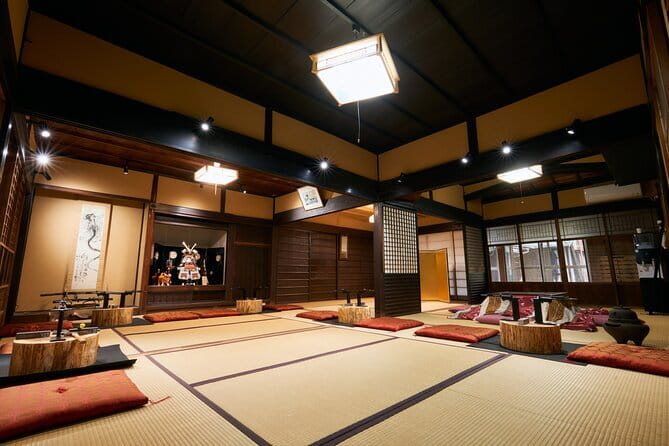
REVIEW · KIMONO & CULTURE EXPERIENCES
Authentic Ninja Weapon Forging Experience in Kyoto
Kyoto has plenty of temples, gardens, and tea houses. This experience gives you something very different: the chance to forge an actual ninja weapon from heated steel. You suit up in a blacksmith uniform, choose a shuriken or kunai, then hammer, sand, engrave, darken, and polish the metal.
I like the way the workshop combines hands-on work with ninja history, rather than treating the weapons as simple props. I also like that you leave with a boxed souvenir made during the session, not a mass-produced trinket from a shop. The main caution is value: at $151.92 per person, it is a costly activity, and one part of the process may feel brief if you expect to do every stage entirely by yourself.
In This Review
- Key points to know before booking
- Why this Kyoto workshop feels different
- Suiting up in samue and choosing your weapon
- Heating the metal at 800°C
- Sanding and shaping the shuriken or kunai
- Adding a kanji character
- Learning about ninja weapons and history
- Blackening and polishing the finished weapon
- Is the $151.92 price fair?
- Getting to studio NIN in Yase
- Who will enjoy this experience most?
- Practical booking advice
- Should you book the Atelier NIN workshop?
- FAQ
- How long does the ninja weapon forging experience last?
- Where does the activity take place?
- Do I need previous blacksmithing experience?
- Which ninja weapons can I make?
- Can I take the finished weapon home?
- Can I cancel the booking for a refund?
Key points to know before booking
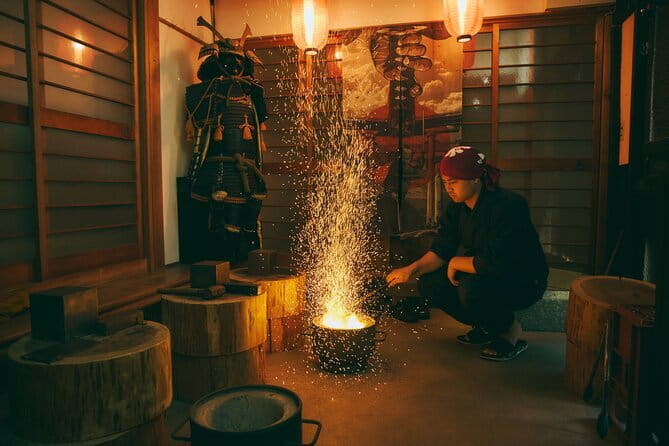
- You really work with heated steel: The metal is heated in an approximately 800°C furnace before you hammer and shape it under supervision.
- You choose your weapon: Pick from three shuriken styles or one kunai, though a kunai may involve an additional 3,000 yen charge.
- You finish the piece yourself: Sanding, blackening, polishing, and personalizing the weapon make this more than a quick photo opportunity.
- Taka and the workshop team keep the mood lively: The instructors are friendly, energetic, and ready to help with shaping and symmetry.
- The studio is outside central Kyoto: Allow time to reach studio NIN in Yase, and consider using a taxi app if the directions feel unclear.
- You need moderate physical fitness: Hammering and filing take some effort, though easier sharpening options are available.
Why this Kyoto workshop feels different
The strongest part of this activity is its physical nature. You do not simply watch a demonstration while a craftsperson makes the souvenir for you. You handle the tools, work the metal, and see the shape change under your hands.
That matters because ninja weapons can seem distant and theatrical when you encounter them in films or museum displays. Here, you gain a better sense of their weight, balance, thickness, and construction. You also hear about their purpose and the techniques linked to them, giving the finished object more meaning.
The workshop lasts about two and a half hours. That is long enough for a real sequence of tasks without taking an entire day from your Kyoto plans. I would place it on a day when you want a break from sightseeing, especially if your group includes older children or teenagers who may appreciate making something instead of looking at another display.
The activity is not a traditional sword-forging apprenticeship. You are making a small ninja weapon with a fixed workshop structure. Still, the process includes enough heat, hammering, shaping, and finishing to feel substantial.
More Kimono & Culture Experiences in Kyoto
- Kyoto Geisha Walking Tour: Gion District & Hidden Gems
★ 4.7 · 3,273 reviews - Kyoto: Gion Magical Night Walking Tour with Geisha Trivia
★ 4.9 · 2,393 reviews - Kyoto: Gion Geisha District Walking Tour – Stories of Geisha
★ 4.7 · 2,187 reviews
Suiting up in samue and choosing your weapon
The session begins with a change into samue, the traditional work clothing associated with Japanese craftsmen. You also wrap a tenugui around your head. It is a simple touch, but it helps set the tone and makes the workshop feel like a working craft space rather than a standard tourist class.
You then choose your weapon. The options include three shuriken styles or one kunai. Each shuriken has a different shape and feel, while the kunai offers a longer, more pointed form. If you have a clear preference, ask about the cost before you begin. One participant specifically paid an additional 3,000 yen for the kunai, so the base price may not cover every weapon choice.
This decision is part of the fun, but it also affects what you take home. A shuriken is compact and easy to display in its box. A kunai has more visual drama and can feel like the more distinctive choice, but it may cost extra.
The staff explain the weapons and their uses before the forging begins. This short teaching section gives the activity context. You are not just picking a shape because it looks good in a photograph. You learn why the forms differ and what they were designed to do.
Heating the metal at 800°C
The forge is the moment when this activity becomes memorable. Your steel is heated in a furnace reaching about 800°C, then brought out for hammering. You work with the glowing metal while the instructors control the process and keep a close eye on safety.
This is also where the physical side becomes clear. Hammering steel is not delicate craftwork. It takes rhythm, attention, and some arm strength. You do not need previous experience, and the staff guide you through the technique, but you should expect to stand, hold tools, and make repeated movements.
The sparks and glowing metal create the best photographs of the session. The workshop team provides plenty of chances for action shots, which makes this a good choice if you want a visual memory as well as a souvenir.
The amount of independent forging can vary. One unhappy participant felt the hammering was limited to only a few blows for the camera, while other descriptions emphasize taking part in the full set of techniques. I would set your expectations sensibly: this is a guided public workshop, not a private blacksmithing course. You will take part in the forging, but the craftsmen must also manage heat, safety, timing, and the final quality of each piece.
Sanding and shaping the shuriken or kunai
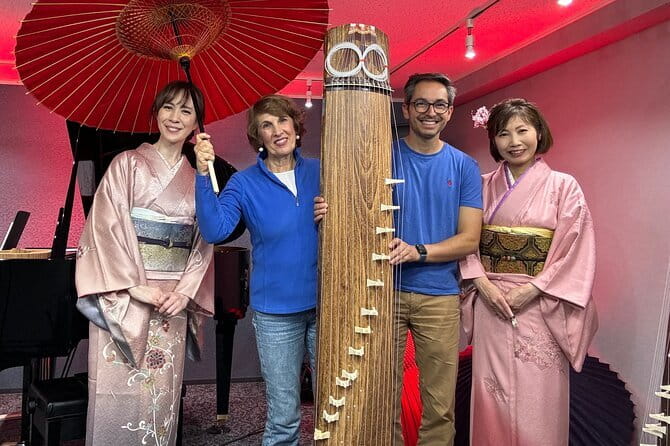
After the hot forging stage, you refine the metal with files and a professional belt sander. This is where the rough shape becomes a finished weapon.
The sanding stage requires care. You are working toward clean edges and a balanced form, not simply removing metal at random. One participant received extra help making a kunai more symmetrical, a useful reminder that the instructors are not just standing back and watching. They step in when a piece needs correction.
The tools are provided, including files for sharpening steel and hammers. The activity also includes easier sharpening options for people who do not have much stamina. That makes the workshop workable for a mixed group, although the moderate fitness requirement should still be taken seriously.
You may find this stage less dramatic than the furnace. There are no sparks and no glowing metal. Yet it may be the point where you feel most involved, because the shape and finish depend on steady work. Small adjustments change the balance and appearance of the piece.
Families can handle this well if children are old enough to follow instructions. A family group with children aged 12 and 15 enjoyed the activity, and 18-year-old twins also found it a good fit. Younger children may need more direct help, and the supplied information does not specify a minimum age.
Same city, a completely different kind of day:
- PERFECT KYOTO 1-Day Bus Tour
★ 5.0 · 13,518 reviews - Kyoto: Fushimi Inari, Kinkakuji, Bamboo Grove 1 Day Bus Tour
★ 4.8 · 4,316 reviews - Kyoto: Tea Ceremony in a Traditional Tea House in Kiyomizu
★ 4.9 · 3,519 reviews - Kyoto: Tea Ceremony Ju-An at Jotokuji Temple
★ 4.9 · 3,207 reviews
Adding a kanji character

Once the weapon has been shaped, you choose a kanji character for engraving. Staff then engrave it onto the metal with precision.
This is one of the best personal touches in the workshop. A souvenir becomes much more memorable when it carries a character you selected during the activity. It also gives you a natural pause after the noisier forging and sanding stages.
If you do not read Japanese, ask the staff to explain your options before choosing. The activity includes the kanji engraving, but the available character choices and translations are not specified in the booking information. Pick something whose meaning you understand rather than selecting a character only for its appearance.
The engraving is handled by the staff, so this is not another stage where you personally operate every tool. That is sensible. Clean engraving takes control and precision, and it gives the final weapon a polished look.
Learning about ninja weapons and history
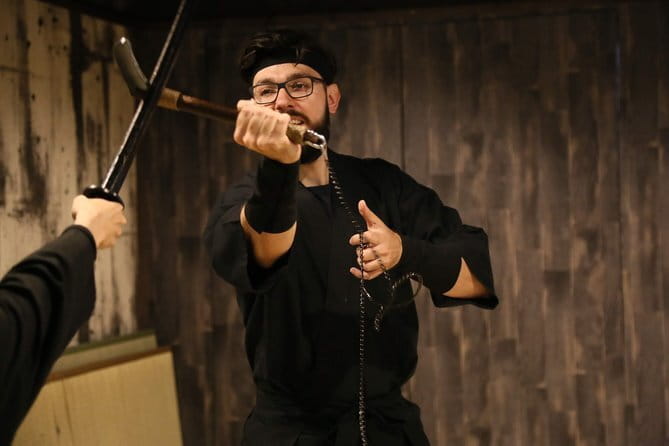
The history session adds useful context to the workshop. You learn about ninja weapons and secret techniques, along with the practical purpose of the shapes you have been making.
I like this part because it keeps the experience from becoming a costume stunt. The weapons are linked to a wider story about ninja culture, tools, and methods. The session will not replace a full museum visit or a serious history course, but it helps you understand what you are holding.
The instructors are described as friendly, enthusiastic, and easy to talk with. English instruction has worked well for participants, though one person found some directions vague at times. If you are unsure about a step, ask immediately. The staff appear willing to demonstrate again or correct your technique.
The workshop team’s energy is a major part of the experience. Taka is singled out by name in several comments, and the brothers running the activity are described as high-energy and welcoming. That style will suit you if you enjoy a lively class. If you prefer a quiet, formal craft lesson, the tone may feel more animated than expected.
Blackening and polishing the finished weapon
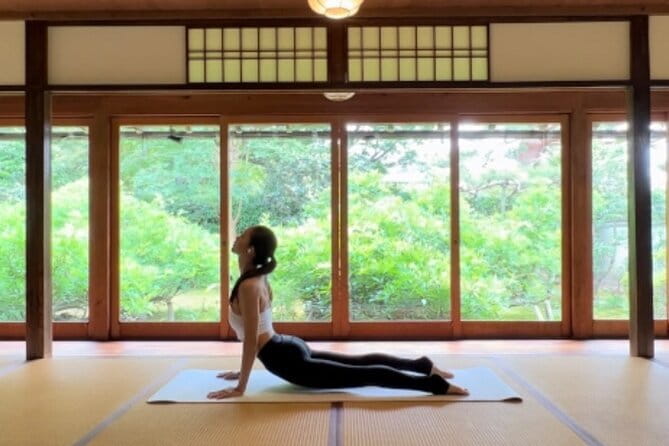
The final treatment has two parts. First, you apply a special solution that protects the metal and gives it a dark finish. Then you polish the weapon to bring out its shine.
This blackening step gives the object a more authentic ninja-tool appearance. It is not just decorative paint. The solution helps protect the metal while creating the dark look associated with the finished piece.
Polishing is the satisfying last stage. You can see the marks from the earlier work settle into a completed form. The weapon may not look identical to a factory-made item, and that is part of its appeal. It carries small signs that you shaped and finished it in a workshop.
The staff prepare a clean box and bag for taking the item home. That is a useful detail, especially if you are carrying several souvenirs through Japan. The box also makes the weapon easier to store until you return home.
Is the $151.92 price fair?
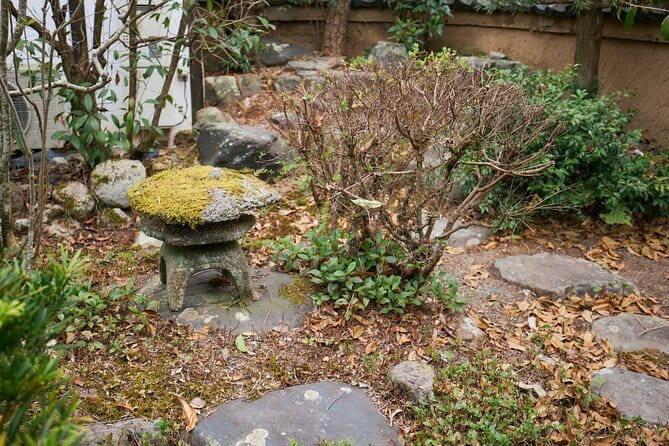
At $151.92 per person, this is not a cheap Kyoto activity. You are paying for specialist equipment, heated metalwork, instruction, protective handling, a personal engraving, finishing materials, and a handmade object to take home.
The value depends on how much you want the process. If you mainly want a ninja souvenir, you can buy something similar-looking for much less. If you want to work with steel, learn the basic steps, and leave with an object linked to your own effort, the price is easier to justify.
The two-and-a-half-hour duration helps. You are not paying a high rate for a ten-minute demonstration. At the same time, the workshop has a maximum of 25 participants, so the experience may feel less personal when the class is full. The instructors provide help, but you should not assume private tuition.
Check the weapon choice carefully before booking. The base price is listed at $151.92, while a kunai has been described as costing an extra 3,000 yen in at least one booking. That supplement could affect your budget.
The strongest value comes for people who enjoy making things. I would book it for a parent and teenager, a group of friends, or anyone who wants a hands-on memory from Kyoto. I would skip it if you dislike repetitive manual work or expect a full blacksmithing course with extensive one-to-one instruction.
Getting to studio NIN in Yase
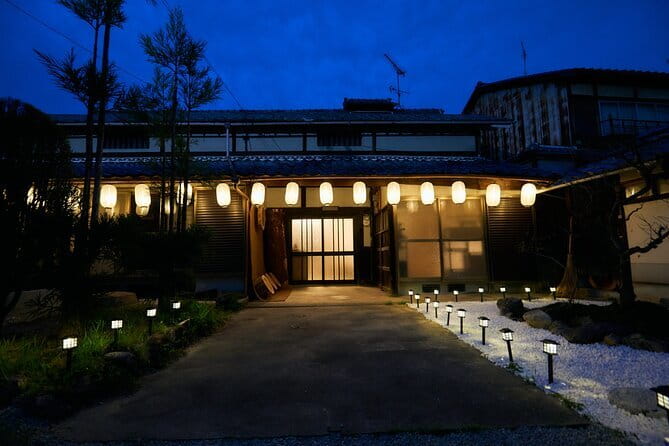
The meeting point is studio NIN at 168-1 Yasenosechō in Sakyo Ward, Kyoto. The activity ends at the same place.
The studio is near public transportation, but it is outside the busiest sightseeing core. That can be a plus if you enjoy reaching a less familiar part of Kyoto, but it requires planning. Several directions have been described as vague, and one person specifically advised being ready to use a taxi app.
Do not leave navigation until the last minute. Check the route before your start time and allow extra time for finding the studio. Private transportation is not included.
Because the workshop runs on a schedule and includes heated metalwork, arriving late could be more disruptive than arriving late at a temple. The exact transport route is not provided here, so confirm the best connection from your hotel before setting out.
Who will enjoy this experience most?
This workshop suits you if you want an activity that is:
- Hands-on rather than mainly observational
- Suitable for beginners
- Appealing to families with older children and teenagers
- Focused on a memorable souvenir
- Connected to ninja culture without being only a performance
- Energetic and social in tone
It is also a good choice for repeat visitors to Kyoto who have already seen many temples and want a different kind of afternoon.
You should think twice if you have limited strength or dislike standing and filing metal. Easier sharpening methods are available, but the experience still involves physical work. You should also think twice if you want a quiet, highly detailed lesson in traditional Japanese metalwork. The class is built for fun, participation, photographs, and a finished object within about 150 minutes.
The maximum group size is 25. That is manageable, but the session will not have the calm pace of a private appointment. The instructors’ friendly, lively manner helps keep things moving.
Practical booking advice
Confirmation is provided when you book, and the activity accepts a mobile ticket. Wear something that allows comfortable movement, though the workshop supplies samue uniforms for participants.
Ask about the weapon supplement before you commit to a kunai. Also clarify any step that seems uncertain. One person found some instructions vague, while others found the staff very helpful. The simplest way to get the best result is to speak up early, especially during sanding and shaping.
You can cancel for a full refund up to 24 hours before the start time. Cancellations or changes made within 24 hours are not accepted for a refund, and the cut-off follows local Kyoto time.
The finished weapon can be packed in the supplied box and bag. Participants have successfully placed it in checked baggage for the journey home. Since it is a metal weapon, pack it in checked luggage rather than carry-on baggage, and confirm the rules for your airline and destination before flying.
Should you book the Atelier NIN workshop?
I would book this experience if you want a distinctive Kyoto memory and enjoy making things with your hands. The strongest reasons are the heated forging step, the chance to choose and personalize your weapon, the kanji engraving, and the fact that you take home a boxed piece you helped create.
I would not book it simply because the word ninja sounds exciting. The price is high, the location takes planning, and the work can be physical. You may also find some steps more guided than fully independent.
For families with older children, couples, and groups of friends, this is one of the better ways to break up a temple-heavy Kyoto schedule. Book it with realistic expectations, confirm the cost of your chosen weapon, and allow extra time to reach Yase. If that sounds like your kind of afternoon, the workshop offers a rare chance to turn a Kyoto souvenir into a story you made yourself.
FAQ
How long does the ninja weapon forging experience last?
The experience lasts approximately 2 hours and 30 minutes.
Where does the activity take place?
It takes place at studio NIN, 168-1 Yasenosechō, Sakyo Ward, Kyoto, 601-1254, Japan. The activity ends back at the same meeting point.
Do I need previous blacksmithing experience?
No. The workshop is designed for beginners, and skilled craftsmen provide instruction and assistance throughout the process.
Which ninja weapons can I make?
You can choose from three shuriken styles or one kunai. A kunai may involve an additional 3,000 yen charge, so confirm the current price when booking.
Can I take the finished weapon home?
Yes. A box and bag are provided for the completed weapon. It can be placed in checked baggage for the trip home, subject to your airline and destination’s baggage rules.
Can I cancel the booking for a refund?
You can cancel up to 24 hours before the experience start time for a full refund. Cancellations or changes made less than 24 hours before the start time are not refunded.
Just added around Kyoto
- Private Guided Traditional Buddhist Cooking in Japan★ 5.0 · 16 reviews
- Kyoto: Gion Geisha District & Sake-in-Hand Walking Tour★ 5.0 · 37 reviews
- Your Private Vacation Photography Session In Kyoto★ 5.0 · 110 reviews
- Kyoto: Zen Meditation at a Private Temple with a Monk★ 5.0 · 25 reviews
- Traditional Japanese Washi Papermaking- Kyoto morning★ 5.0 · 77 reviews
- Kyoto Wagashi(Japanese sweets) Cooking Class near Fushimiinari★ 5.0 · 60 reviews
- Private Pewter Sake Cup Experience with a Kyoto Artisan★ 5.0 · 31 reviews
- Kyoto Private 6 hour Tour: English Speaking Driver Only, No Guide★ 5.0 · 88 reviews
Kimono & Culture Experiences, compared.

Kyoto Geisha Walking Tour: Gion District & Hidden Gems
Read our review →
Gion Magical Night Walking Tour with Geisha Trivia
Read our review →
Gion Geisha District Walking Tour – Stories of Geisha
Read our review →
Best of Kyoto: Gion, Geisha, Pagodas & Cobblestones
Read our review →
Kyoto Gion Geisha District Walking Tour – The Stories of Geisha
Read our review →
Browse the lists this tour appears in