
REVIEW · SUMO EXPERIENCES
Tokyo: Sumo Morning Practice with journalists. Not fake show
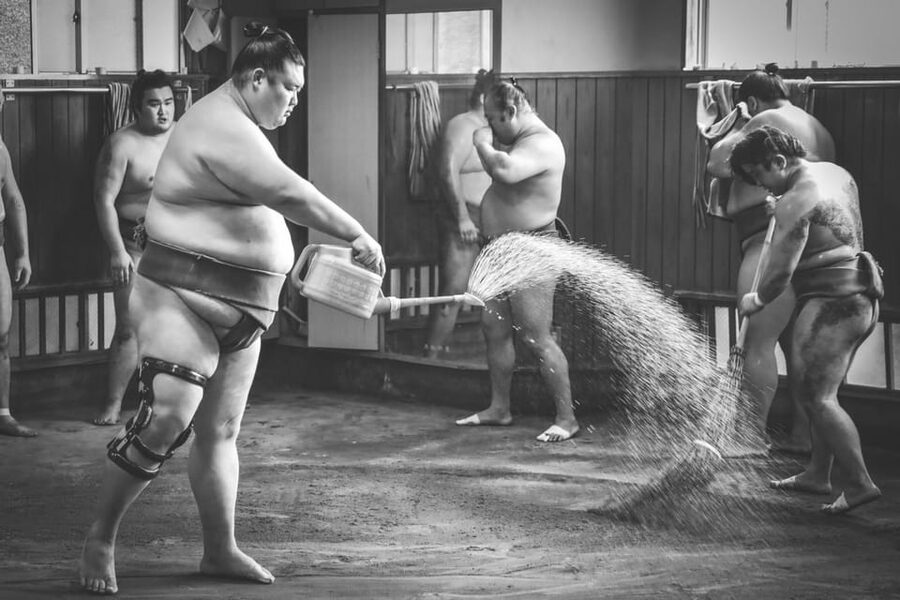
The best thing about this Tokyo experience is simple: you watch real sumo training, not a staged performance. At Takasago-beya, wrestlers follow their normal morning routine while you sit quietly nearby, close enough to see the force, repetition, and discipline behind the sport.
I like the access to a working sumo stable, which is normally difficult for visitors, and I like having a guide who has covered sumo as a national newspaper journalist. The main drawback is that you sit on the floor, and the traditional stable setup can be uncomfortable or unsuitable for some people.
In This Review
- Key points at a glance
- Why real morning practice matters
- Meeting in Ryogoku before the stable visit
- Inside Takasago-beya: two hours of focused observation
- The guide’s stories make the quiet practice easier to understand
- From the stable to Ryogoku Edo NOREN
- The price: good value for serious sumo interest
- Who will enjoy this sumo experience most
- How to prepare for a respectful visit
- Should you book it?
- FAQ
- How long does the sumo morning practice tour last?
- Where is the meeting point?
- Is the sumo practice real or staged?
- Can I take photographs?
- Who leads the tour?
- Can wheelchair users join?
- What should I bring and wear?
Key points at a glance
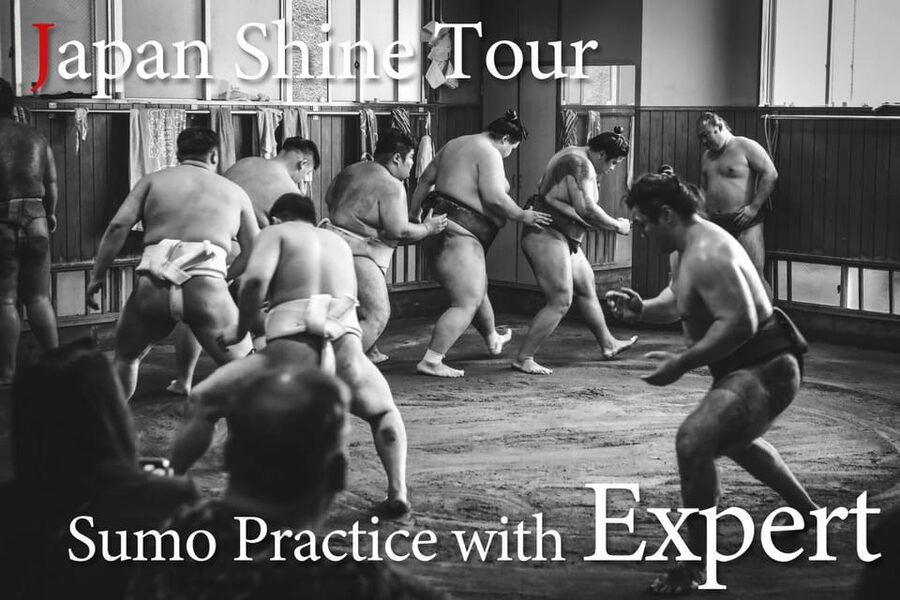
- Watch a genuine morning practice at Takasago-beya, with no theatrical match arranged for tourists.
- Learn from sumo reporter Shinya Setsu, with guides such as Shin, Karen, and Ray also leading sessions.
- See the sport at close range, including the hard training of less experienced wrestlers and established rikishi.
- Take commemorative photos with the wrestlers after practice, subject to the stable’s rules.
- Continue through Ryogoku, including Ryogoku Edo NOREN and a guided look at the local sumo district.
- Plan for floor sitting, quiet observation, and punctuality, since the group leaves the meeting point on time.
Why real morning practice matters
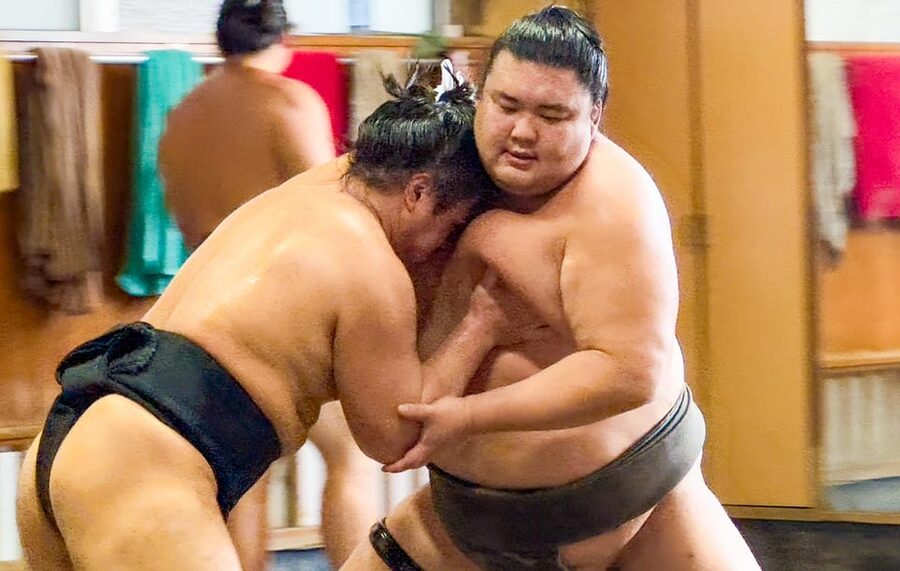
A tournament is polished and public. You buy a ticket, find your seat, and watch bouts under bright arena lights. This experience shows another side of sumo: the daily work before the crowds arrive.
Morning practice is not built around your visit. Wrestlers train because training is part of their daily life. You may see repeated drills, powerful clashes, younger wrestlers working hard, and senior rikishi setting the pace. The point is not to watch a complete tournament-style program. It is to see the physical preparation and strict routine that make tournament bouts possible.
You also need to respect the setting. The stable is a working place, not an attraction designed for noise and movement. Flash photography is forbidden, and you are expected to remain quiet while the wrestlers train. The advance information sent by the operator helps explain the exercises before you arrive, which is useful because you cannot rely on constant commentary during practice.
That quiet can be part of the appeal. Instead of a guide talking over every moment, you watch and listen to the sounds of training. The experience asks you to pay attention. I find that more revealing than a short demonstration staged for an audience.
More Sumo Experiences in Tokyo
- Tokyo: Sumo Show and Dining Experience
★ 4.8 · 2,742 reviews - the SUMO show
★ 5.0 · 1,960 reviews - Tokyo Shinjuku Sumo Show & Experience with Photo
★ 5.0 · 1,750 reviews
Meeting in Ryogoku before the stable visit
The meeting point is near the Toei Oedo Line’s Ryogoku Station, Exit A2, at ground level. It is also about a five-minute walk from the east exit of JR Ryogoku Station.
You should arrive early. The group leaves the meeting point on time, and the stable visit follows a fixed morning schedule. Being late could mean missing part of the practice, so this is not a tour to join casually after breakfast.
The operator sends meeting details before the tour date. Those instructions matter in Ryogoku, where JR and subway stations are close but not identical. Check the station name and exit carefully, especially if you are coming from another part of Tokyo.
The first transfer takes about five minutes. Transportation to the stable is not included, so you should be ready to cover that short journey yourself. The stable itself is Takasago-beya, a respected sumo stable with wrestlers who train in the traditional setting used by the sport.
Inside Takasago-beya: two hours of focused observation
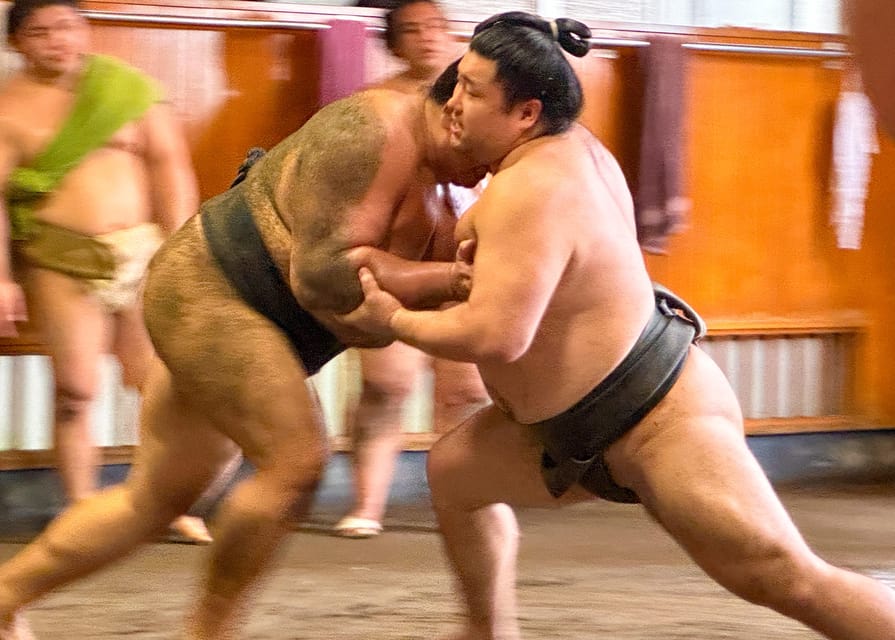
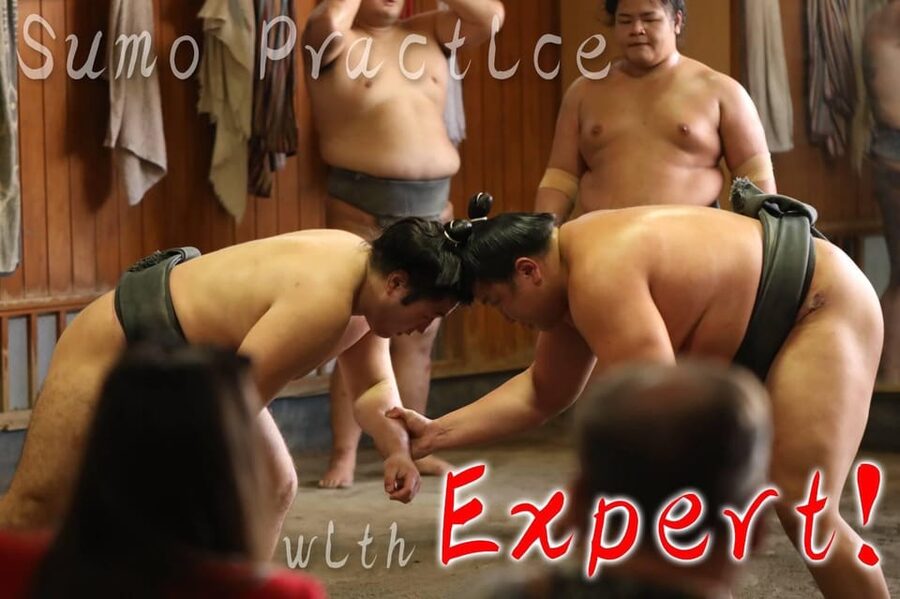
The stable visit lasts about two hours, making it the heart of the morning. You are not rushing in for a quick photograph. The long viewing period gives you time to understand how practice builds from repetition, effort, and concentration.
A sumo practice can look very different from a bout on television. The movements may be slow and deliberate at first, then suddenly explosive. Wrestlers repeat basic actions to develop balance, strength, timing, and control. The guide’s material helps you recognize what you are seeing, rather than treating every collision as the same.
The group is guided by a sumo specialist and journalist. Shinya Setsu is named as a guide in several sessions, and his years covering sumo add useful context to the visit. Other guides, including Shin, Karen, and Ray, have also led tours. Their role is not only to translate or explain rules. They connect the training to the wrestlers’ daily lives, hierarchy, traditions, and the wider culture of sumo.
You may see younger wrestlers training before more established names. That contrast is one of the most useful parts of the visit. A tournament shows the finished product, while practice reveals the work required to reach that level. One session included a former ozeki, Asamoyamo, which gives an idea of the kind of figure you might notice in a reputable stable. The exact wrestlers present can vary, so you should not book this expecting one particular athlete.
The viewing position can offer excellent close views, but the traditional arrangement means you sit on the floor. Wear comfortable clothes that allow you to sit for a long stretch. The rules also prohibit food, alcohol, drugs, baby carriages, electric wheelchairs, fireworks, and shoes indoors. These restrictions are not decorative. They protect the stable’s routine and help keep the atmosphere respectful.
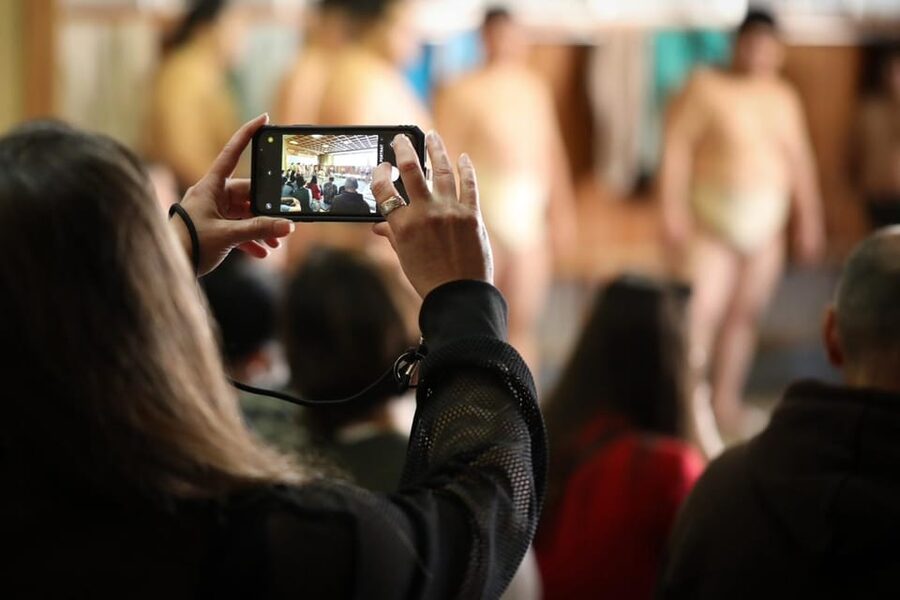
Photography is allowed without flash during practice. Afterward, you may have a chance to take commemorative photos with the wrestlers. That is a special keepsake, but it is still controlled by the stable and the tour staff. Bring a camera, keep it ready, and follow instructions rather than treating the photo opportunity like a casual meet-and-greet.
The guide’s stories make the quiet practice easier to understand
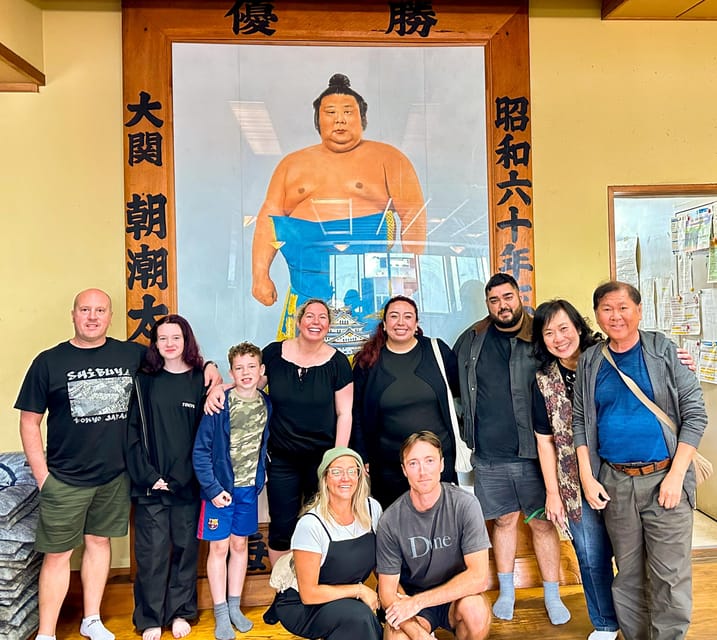
The wrestling itself is powerful, but the explanations after practice give the morning its full meaning. This is where the journalist background becomes especially useful.
You can ask questions about the rules, training, ranks, rituals, stable life, and the hierarchy among wrestlers. If you watch sumo on television, ask about the details you normally miss. If you know almost nothing about the sport, the guide can give you the basic structure before moving into less familiar customs.
Guides have also shared stories from years of reporting on sumo, including humorous incidents and behind-the-scenes details. That personal angle helps prevent the tour from becoming a dry lecture. The explanations cover how wrestlers live, how the sport is organized, and why decorum and respect matter so much.
The operator also provides supporting material before or after the tour. Some participants received links to documentaries and match clips mentioned during the morning. If you want to prepare, use the material before arriving. You will understand the practice better if you already know a little about the warmups and routines.
After the tour, further information may arrive by email. This is a small but useful touch, especially if the practice leaves you wanting to understand the sport in greater detail.
Same city, a completely different kind of day:
- Mt Fuji and Hakone 1-Day Bus Tour Return by Bullet Train
★ 5.0 · 26,383 reviews - 1-Day Tokyo Bus Tour
★ 5.0 · 14,250 reviews - Tokyo: TOKYO SKYTREE® Admission ticket
★ 4.5 · 11,192 reviews - Tokyo: teamLab Planets TOKYO Digital Art Museum Entry Ticket
★ 4.6 · 9,779 reviews
From the stable to Ryogoku Edo NOREN
After the stable, the group makes a short transfer and continues toward Ryogoku Edo NOREN. This part lasts about 30 minutes, followed by a very short transfer to Ryogoku Station, where the tour ends.
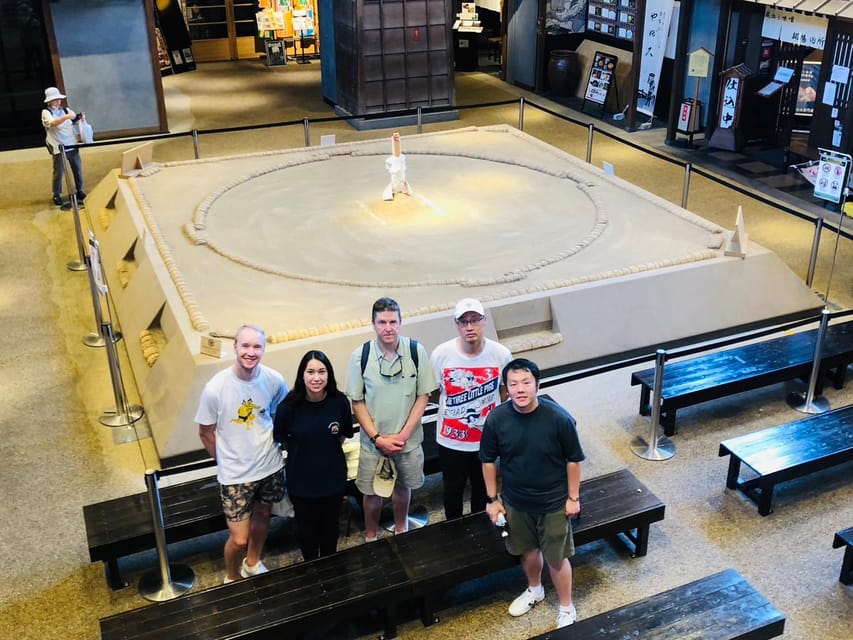
Ryogoku is Tokyo’s sumo neighborhood, so the walk adds useful local context after the intimate stable visit. You may pass sumo-related sights, a shop, or displays connected with the sport. The exact emphasis can vary, but the area helps place sumo within the district where many of its traditions are visible.
Some sessions have included a walk toward the sumo stadium, a souvenir shop, and a sumo museum. Another participant expected to enter the Kokugikan ring but instead saw a replica nearby. That is an important expectation to set: this is not a behind-the-scenes tour of every part of the stadium, and the stadium may be closed.
The stop at a sumo store may feel unnecessary if you are not shopping. You can see it as a practical add-on rather than a central attraction. The real value remains the stable practice and the guide’s explanation. If you prefer a tightly focused schedule, remember that the final half-hour is less essential than the first two hours.
The price: good value for serious sumo interest
At $103 per person, this is not a cheap morning by Tokyo standards. You are paying for access that is difficult to arrange independently, a three-hour guided experience, a specialist guide, and permission from the stable.
Trying to contact stables on your own is not always simple. One participant had spent years trying to arrange a daily practice visit without success. The special permission is the key part of the price. It gives you access to a working stable that is generally reserved for people with a direct connection to the stable, such as sponsors.
The cost makes more sense if there is no tournament during your visit, or if tournament tickets are sold out. It can also be a better choice for you if you want to understand sumo rather than simply watch one or two bouts. The practice lasts much longer than a quick cultural demonstration, and the question time lets you shape the discussion around your interests.
The value is weaker if you only want a staged photo, a short introduction, or a guaranteed look at a specific wrestler. There is no promise of a particular athlete, and the final stop may not include access to the actual stadium ring. Still, compared with other sumo practice visits, the price is within the same general range, partly because stable access requires special arrangements.
Who will enjoy this sumo experience most
I would recommend this tour to you if you watch sumo on NHK, follow Japanese sport, or want a closer look at a traditional institution. It also works well for anyone curious about Japanese customs, discipline, and social hierarchy.
You do not need to be a sumo expert. In fact, beginners may gain the most because the guide explains the rules and routines in clear English. You can ask basic questions without feeling lost, then move into more detailed topics as the morning develops.
Families with older children may enjoy it, but the quiet atmosphere and floor seating require patience. Babies under one year are not suitable for the activity. Baby carriages are not allowed inside, and the stable is not a place for frequent movement.
People with mobility needs should take particular care. The activity information describes the experience as wheelchair accessible in one place, but it also says the traditional stable setup is not suitable for wheelchair users and specifically excludes electric wheelchairs. The practical advice is to contact the operator before booking if you use a wheelchair or need a chair with back support.
How to prepare for a respectful visit
Wear comfortable clothes. You will sit on the floor during practice, and the viewing period can last around two hours. Choose clothing that lets you sit without discomfort and bring only what you need.
Bring a camera, but do not use flash. Keep food and drinks outside the stable, and be prepared to remove your shoes indoors. Follow the guide’s instructions about when you may speak, move, or take photographs.
Read the pre-tour material if it arrives. It can explain the training routines and help you identify why the wrestlers repeat certain movements. Since the practice itself requires quiet, preparation lets you learn more without interrupting the stable.
Most important, arrive early. The tour begins at the Ryogoku meeting point and leaves on schedule. Clear directions are sent before the date, but you still need to allow time to find the correct station exit.
Should you book it?
Book this Tokyo sumo morning practice if you want authentic access, patient observation, and a serious explanation of the sport. The stable visit is the rare part, and the journalist guide adds stories and detail you are unlikely to get from a quick museum stop.
Skip it if you dislike sitting on the floor, need a fully accessible indoor setup, or want a guaranteed stadium visit or particular wrestler. For everyone else, the $103 cost is reasonable for a difficult-to-arrange experience, especially when tournament tickets are unavailable. You leave with more than photographs: you understand the daily work behind the ritual.
FAQ
How long does the sumo morning practice tour last?
The full experience lasts three hours. About two hours are spent at Takasago-beya, followed by a 30-minute guided visit around Ryogoku Edo NOREN and short transfers.
Where is the meeting point?
Meet near the Toei Oedo Line’s Ryogoku Station, Exit A2, at ground level. The location is also about a five-minute walk from the east exit of JR Ryogoku Station.
Is the sumo practice real or staged?
The tour visits a working sumo stable with special permission. You watch the stable’s morning practice rather than a performance arranged for tourists.
Can I take photographs?
You can bring a camera and take photographs without flash during practice. A commemorative photo opportunity with the wrestlers may also be available after training, subject to the stable’s instructions.
Who leads the tour?
The experience is led in English by a sumo specialist who is also a national newspaper journalist. Shinya Setsu is named as a guide, and sessions have also been led by Shin, Karen, and Ray.
Can wheelchair users join?
The traditional stable setup is stated to be unsuitable for wheelchair users, and electric wheelchairs are not allowed. Although the activity information also includes a wheelchair-accessible label, you should confirm your needs with the operator before booking.
What should I bring and wear?
Bring a camera and wear comfortable clothes because you will sit on the floor during practice. Food, alcohol, drugs, baby carriages, electric wheelchairs, fireworks, and shoes indoors are not allowed.
More Morning in Tokyo
- Tokyo: Sumo Morning Practice Viewing Tour
★ 4.8 · 570 reviews - Tokyo: Sumo Morning Training Visit
★ 4.4 · 370 reviews - Tokyo: Sumo Morning Practice Tour at Sumida City
★ 4.8 · 308 reviews - Tokyo Sumo Morning Practice Tour at Stable
★ 5.0 · 298 reviews
More Show in Tokyo
- Mt Fuji & Hakone Cruise, Drum Show Bullet Train 1 Day from Tokyo
★ 4.0 · 7,413 reviews - Mt Fuji & Hakone Cruise, Drum Show Bus 1 Day from Tokyo
★ 4.0 · 1,287 reviews - Tokyo: Sumo Show and Experience in Shinjuku
★ 4.8 · 1,001 reviews - Tokyo:Luxury Sumo Show Experience & Japanese cuisine & Drink
★ 4.7 · 577 reviews
Just added around Tokyo
- Private Memorable Tokyo Tour with English Speaking Driver★ 5.0 · 30 reviews
- Private Tokyo Custom Full-Day Tour by Chartered Vehicle★ 5.0 · 16 reviews
- Private Sightseeing to Mt Fuji and Hakone with English Driver★ 5.0 · 51 reviews
- Tokyo Photography Masterclass – Private Photography Lesson★ 5.0 · 25 reviews
- Private Mt. Fuji Day Trip from Tokyo with English-Speaking Driver★ 5.0 · 33 reviews
- 4 Day Tour – Mount. Fuji, Tokyo, Hakone, Kamakura and Yokohama★ 5.0 · 19 reviews
- Private Unforgettable Mt Fuji Tour with English Speaking Driver★ 5.0 · 142 reviews
- Private Tokyo Food Tour – A Journey Through Time Through Food★ 5.0 · 36 reviews
Sumo Experiences, compared.
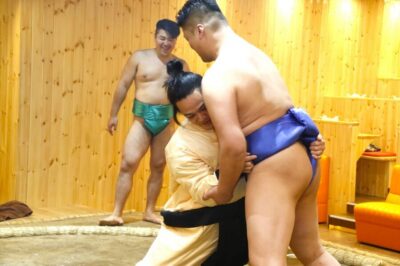
Sumo Show Experience with Chicken Hot Pot and a Photo
Read our review →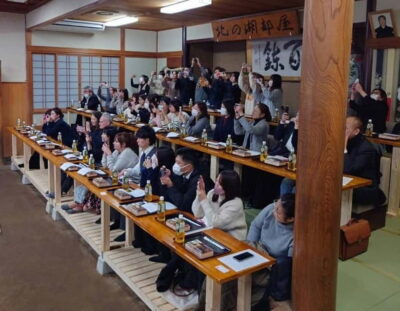
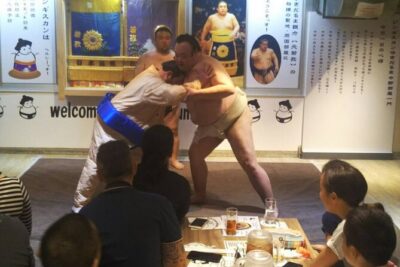
Tokyo Shinjuku Sumo Show & Experience with Photo
Read our review →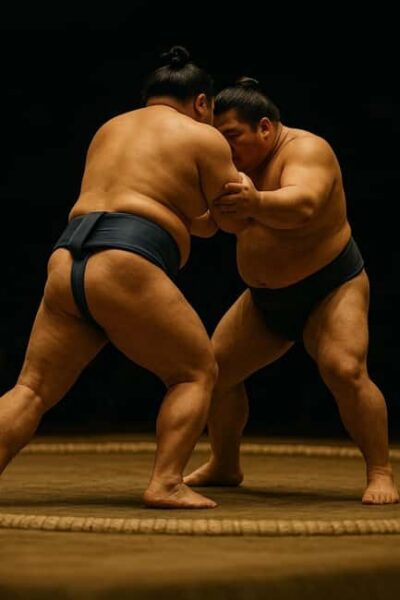
Sumo Show & Experience w/ Optional Kimono & Hot Pot
Read our review →
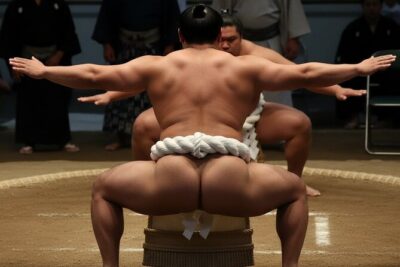
Authentic Sumo Experience in Tokyo: Enter the Sanctuary
Read our review →Browse the lists this tour appears in