
REVIEW · TEMPLE & SHRINE TOURS
Tokyo Morning Tour: Meiji Shrine, Asakusa & Fish Market
Tokyo is at its best early, before the city’s pace hits full stride. This 4.5-hour tour links three very different parts of the city: the calm paths of Meiji Shrine, the food stalls of Tsukiji Outer Market, and old Tokyo around Senso-ji in Asakusa.
I like the smart route and the mix of food with culture. I also like that your guide explains Shinto and Buddhism instead of simply pointing at buildings. The main drawback is the pace: 270 minutes is enough for an introduction, not a leisurely exploration of all three districts.
In This Review
- Key points
- Why this morning route works so well
- Meiji Shrine gives you a calm start
- Tsukiji Outer Market is the tour’s main food stop
- Asakusa finishes with temples and snacks
- The guides make the difference
- What the $83 price really buys you
- Timing, pace, and practical comfort
- Who should book this Tokyo morning tour
- Should you book it?
- FAQ
- How long does the Tokyo morning tour last?
- Where does the tour begin?
- Where does the tour finish?
- Which places are included?
- Is Tsukiji included in the tour?
- Is food included?
- Is public transportation included?
- Is an English-speaking guide provided?
- Are entrance fees included?
- Can I cancel for a full refund?
Key points
- A strong first morning in Tokyo: You cover major cultural and food sights before losing half a day to figuring out trains and neighborhoods.
- Meiji Shrine brings calm first: The forested shrine setting gives you a quiet start and a useful introduction to Shinto customs.
- Tsukiji is the food stop: You have time to taste sushi and sashimi while exploring Tokyo’s famous outer market.
- Asakusa adds old-town flavor: Croquettes, Japanese sweets, Senso-ji, and historic streets round out the morning.
- Guide quality is central: Guides named Yosuke, Lax, Lex, Yo Yo, Remu, Ken, and others have led departures, with especially strong praise for clear explanations and friendly care.
- Budget for local transport: Public transportation is not included and costs about 550 yen.
Why this morning route works so well
Tokyo can feel like several cities stitched together. Harajuku is youthful and fashionable, Meiji Shrine is solemn and green, Tsukiji smells of the sea and lunch, and Asakusa feels tied to an older Tokyo of temple gates and shopping lanes.
Trying to connect these areas alone is possible, but it takes planning. This tour gives you a ready-made morning with an English-speaking guide, historical context, photos, and admissions listed for Meiji Jingu Shrine, Tsukiji Fish Market, and Senso-ji Temple.
The route also has a good rhythm. You begin quietly, move into food and activity, then finish among temples and traditional snacks. I prefer this order to starting with a crowded shopping street. Meiji Shrine helps you settle into Tokyo before the tasting and sightseeing begin.
The tour begins in front of IKEA Harajuku. From there, you travel by public transportation between the districts. The fare is not included, so set aside about 550 yen. That is a small extra cost, but it is worth knowing in advance, especially if you are comparing the tour price with a self-guided morning.
More Food Market Tours in Tokyo
- Tokyo: Shinjuku Food Tour (13 Dishes at 4 Local Eateries)
★ 5.0 · 6,603 reviews - Tokyo Tsukiji Fish Market Food and Culture Walking Tour
★ 5.0 · 3,184 reviews - Tokyo: Shinjuku Food Tour (15 Dishes and 4 Eateries)
★ 4.9 · 2,033 reviews
Meiji Shrine gives you a calm start
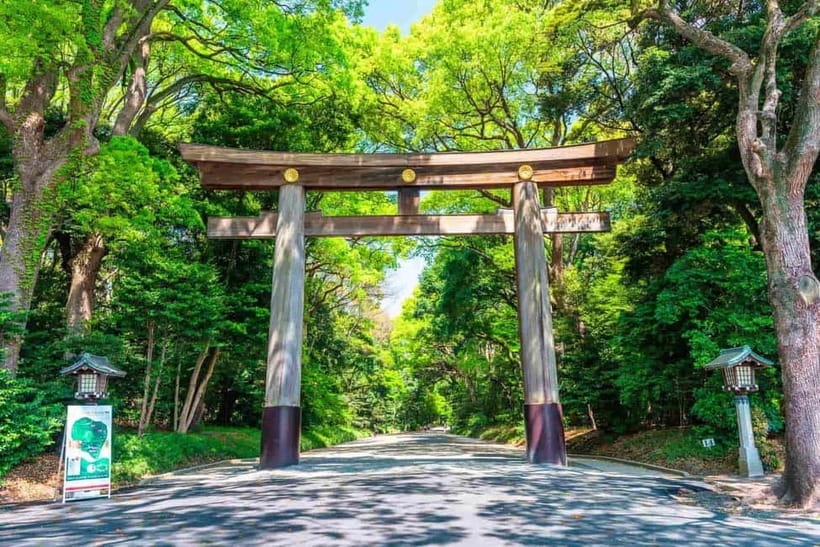
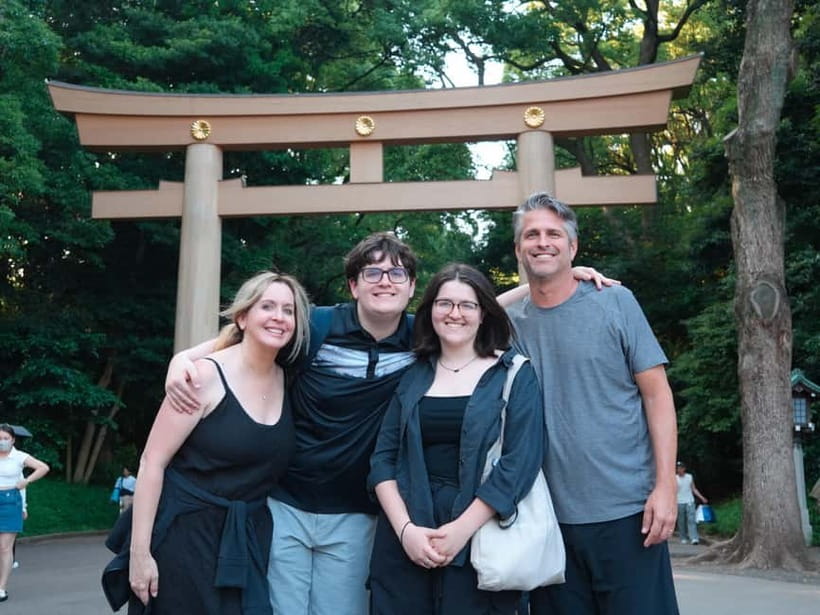
Meiji Shrine is the first major stop, with about one hour scheduled for the visit. The shrine is dedicated to Emperor Meiji and Empress Shoken, but the practical value of the stop is not just the name or date. It is a chance to understand how Shinto shapes Japanese customs, from the approach to the shrine to the way people pray.
The setting makes the visit feel removed from central Tokyo. You walk through a wooded area toward the shrine grounds, a striking change from Harajuku’s nearby shops and busy streets. I like this contrast because it shows how Tokyo protects quiet spaces inside a huge city.
Your guide should explain the basic customs clearly, including what to do at the shrine and how Shinto differs from Buddhism. That cultural explanation is one of the strongest reasons to choose a guided visit. Without it, you can admire the architecture but miss the meaning behind the rituals.
Several guides have been praised for making this part especially clear. Yosuke has been described as warm, energetic, and able to explain Japanese history, culture, and religion in fluent English. Lex has also received praise for explaining shrine customs and history in a way that works well for first-time visitors. Remu is noted for giving a clear introduction to Shinto and Buddhism.
Allow yourself to be present here rather than treating the shrine as a quick photo stop. The hour is not generous, but it gives you time to walk, listen, and take in the change of mood.
Tsukiji Outer Market is the tour’s main food stop
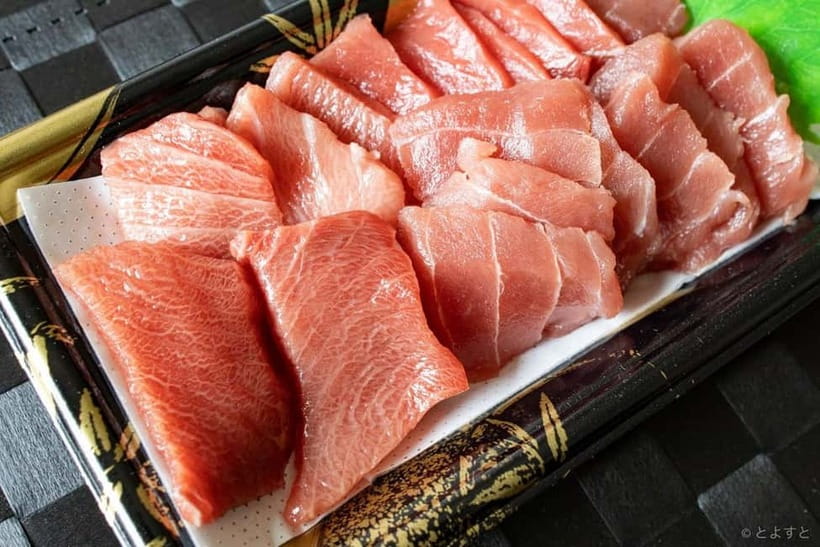
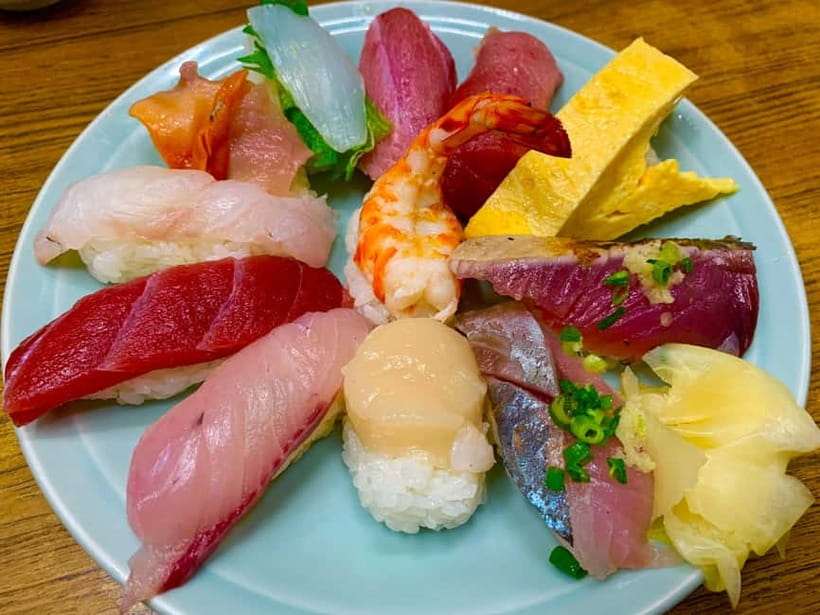
The schedule gives Tsukiji Outer Market about 110 minutes, making it the longest stop. That tells you where much of the morning’s substance lies. You are not simply passing the market for a photograph. You have time to explore and taste fresh sushi and sashimi.
Tsukiji’s inner wholesale market moved to Toyosu, but the outer market remains a popular place for food shops, small restaurants, and stalls. This tour focuses on the outer market, where the experience is more about browsing, eating, and seeing how food fits into daily life.
The included description specifically highlights sushi and sashimi, while the broader tour also includes local bites in Asakusa. Your guide can help you make sense of the market and point out worthwhile stops without leaving you to guess what each counter offers. That assistance matters if you are unfamiliar with Japanese food or unsure how much time to spend at each place.
I would treat the tasting as part of the tour, not as a full breakfast or lunch. The exact amount of food is not specified, so do not assume you will receive a large meal. You may want to eat lightly before meeting the group, then use Tsukiji for fresh seafood and small discoveries.
The market is also the most likely place for the morning to feel crowded and lively. The tour description promises a lively fish market, so this is not the quiet part of the route. Keep your group in sight, listen for meeting instructions, and expect to share narrow spaces with other shoppers.
The 110-minute allocation is a sensible compromise. It gives you enough time to sample food, look around, and hear some context, but it will not cover every lane and shop. If Tsukiji is your main reason for booking, you may want to return on another morning for a slower visit.
Asakusa finishes with temples and snacks
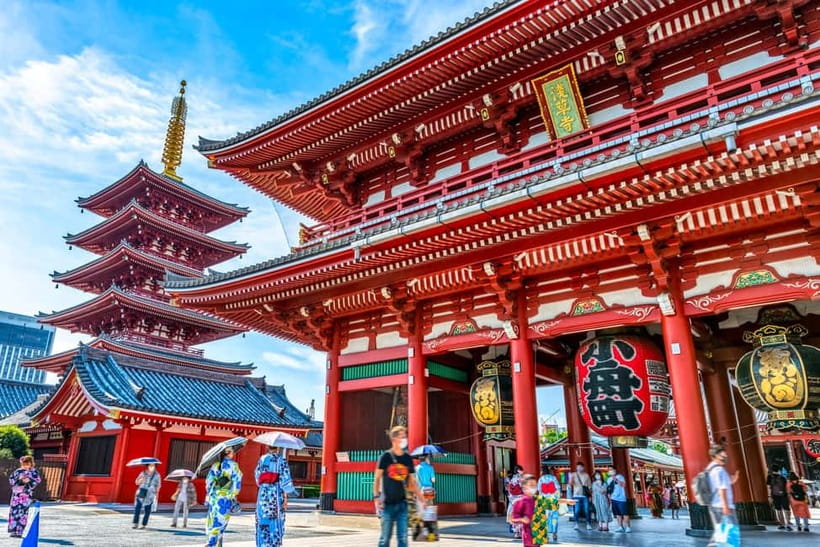
The final stop is Asakusa, with about one hour for walking, shopping, sightseeing, and a visit to Senso-ji Temple. You finish here rather than returning to Harajuku, which is useful if you plan to continue sightseeing in eastern Tokyo.
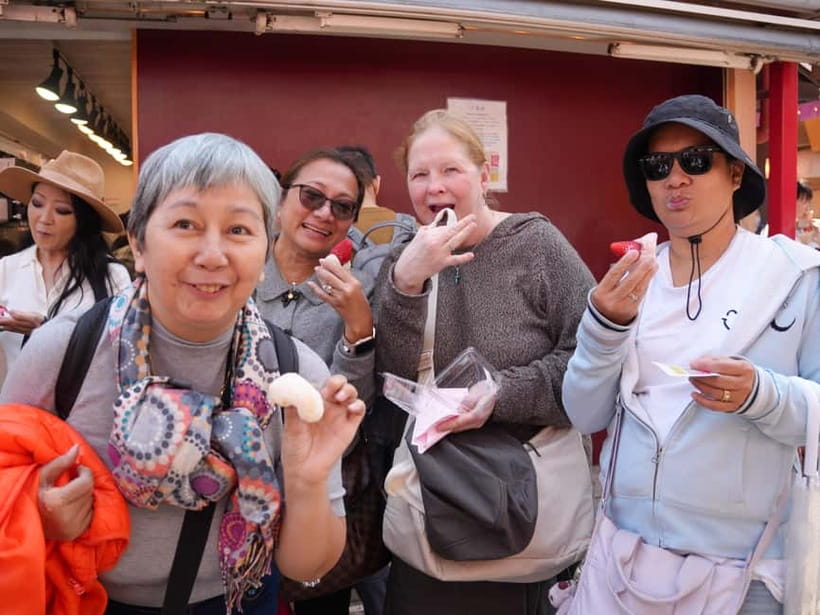
Asakusa offers a different picture of the city. The focus is on historic views, traditional sweets, small shops, and the temple district around Senso-ji. The tour calls out croquettes and Japanese sweets, giving the stop a more casual food angle than Tsukiji.
Senso-ji is one of Tokyo’s best-known Buddhist temples. Here, the guide can help you understand the difference between Buddhist and Shinto practice, a subject that several guides have made central to their explanations. That comparison is useful because the two traditions often appear side by side in Japan, yet they are not the same.
One particularly distinctive detail comes from reports of a fire ceremony during some guided visits. This appears to depend on the guide or departure, so you should not treat it as guaranteed. If it is part of your morning, it can add a striking spiritual element to the Asakusa visit, but the confirmed plan is the Senso-ji stop, not a promised ceremony.
The one-hour limit means you need to keep moving. You can see the temple area, try a snack, and browse some shops, but you will not have time to explore all of Asakusa at a slow pace. I see this as a useful orientation rather than a complete neighborhood visit.
More Temple & Shrine Tours in Tokyo
- Tokyo: Meiji Shrine, Asakusa, Skytree Bus Tour and Cruise
★ 4.7 · 1,986 reviews - Tokyo: Asakusa Walking Tour with Sensoji Temple Visit
★ 4.8 · 1,583 reviews - Nikko: Kegon Falls, Lake Chuzenji & Toshogu Temple
★ 4.6 · 1,577 reviews - Tokyo: Nikko Toshogu Shrine and Kegon Waterfall Tour
★ 4.5 · 1,266 reviews
The guides make the difference
This is a guide-led experience, and the guide matters more than usual because the tour covers religion, food customs, and several major districts in a short time.
The named guides include Yosuke, Lax, Lex, Yo Yo, Remu, Ken, and Mr. Lex. The strongest praise centers on clear English, patience, cultural insight, and care for the group. Yosuke is described as positive, attentive, and especially good at answering questions. Lax is praised for being thoughtful, engaging, professional, and well read about Japan. Yo Yo is described as kind, passionate, and attentive to family groups.
That range of names suggests you may not receive the same person on every departure. The style may vary, too. One guide may focus more on religion, another on food or local recommendations. The shared strength appears to be personal explanation rather than a memorized walk from one landmark to the next.
The guide also takes photos during the tour, which is a useful extra for solo visitors, couples, or families who want a few group pictures without constantly asking strangers. Still, I would bring your own phone or camera. Photos are a pleasant addition, not a replacement for your own sightseeing.
What the $83 price really buys you
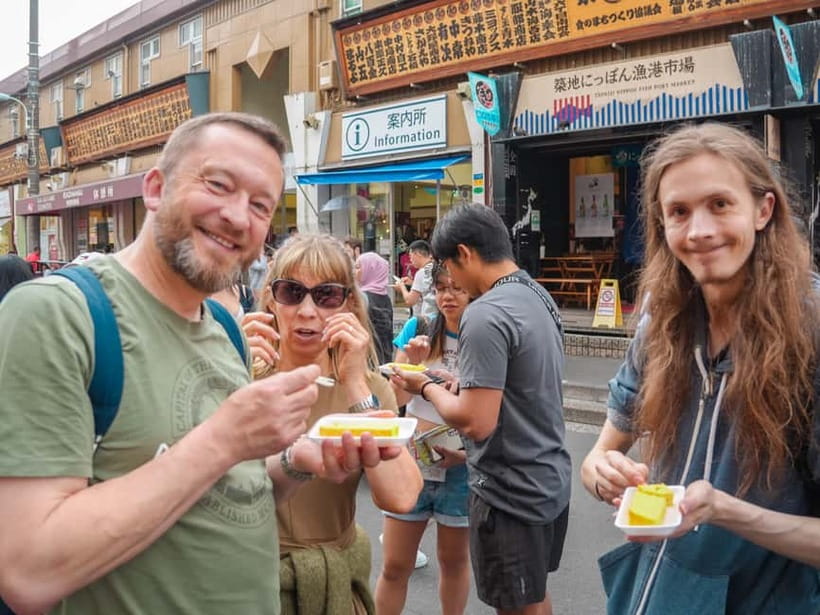
At $83 per person, this is not the cheapest way to see Meiji Shrine, Tsukiji, and Asakusa. You can reach all three by train and visit much of the area without a tour fee.
The value comes from the combination. You get an English-speaking guide, historical explanations, photos, and listed admission for Meiji Jingu Shrine, Tsukiji Fish Market, and Senso-ji Temple. You also avoid spending your first Tokyo morning working out the route, reading shrine etiquette, and deciding what to eat at Tsukiji.
The price makes the most sense if you want cultural interpretation. If you already know Tokyo well, speak Japanese, and enjoy planning food stops alone, a self-guided day may offer more freedom for less money. If this is your first visit, the price can be reasonable because you are buying structure and context, not just transportation.
Remember that local transport costs about 550 yen extra. Food purchases are also not clearly itemized beyond the tasting elements described, so bring some yen or a suitable payment method for snacks and anything additional you want to try.
Timing, pace, and practical comfort
The advertised duration is 270 minutes, or 4.5 hours. The schedule adds up to about four hours of stop time: one hour at Meiji Shrine, 110 minutes at Tsukiji, and one hour in Asakusa. The remaining time is effectively used for meeting, transport, and transitions.
That makes this a true morning tour. Starting times vary, so check the available departure before booking. Meet in front of IKEA Harajuku, and arrive with enough time to find the meeting point.
You will be walking through shrine grounds, market areas, and temple streets. Wear comfortable shoes and avoid bringing more than you want to carry through Tsukiji. Since food is part of the plan, a small bag is easier than a large suitcase or bulky daypack.
The pace suits people who want a broad introduction. It may feel quick if you stop for every shop, take many photos, or need frequent breaks. Families can enjoy it, and one family group specifically found the guide attentive to both parent and child, but you should still be comfortable walking for several hours.
The finish in Asakusa is a useful advantage. You can continue with lunch, more shopping, or further temple-area sightseeing without crossing Tokyo again. That open ending also means the tour works well as the first half of a larger day.
Who should book this Tokyo morning tour
I would recommend it most strongly to first-time visitors who want Tokyo’s major cultural themes explained in plain English. It is also a good fit if you like food but do not want a tour made entirely of tastings.
Families may appreciate the varied route. A shrine alone can feel slow for children, while a food market alone may lack context. Here, the morning changes setting every hour or so, and the snacks give younger participants something concrete to look forward to.
Solo visitors can also get good value from the guide, photos, and built-in company. The private experience reported by one participant happened because that person was the only one booked, but you should not assume your departure will be private.
I would hesitate to book it if your priority is a slow Tsukiji food crawl or a long shopping session in Asakusa. The itinerary is designed to introduce several places, not to let you linger deeply in one. I would also choose another plan if you need a late start, since the appeal of this experience is its morning timing.
Should you book it?
Book this tour if you want a well-organized first morning that combines Meiji Shrine, fresh market food, and Asakusa’s temple district. The best part is the cultural explanation, especially the guide’s help with Shinto, Buddhism, and Japanese customs.
Skip it if you prefer complete freedom, already understand Tokyo’s transport system, or want to spend a whole morning at one market. For everyone else, $83 is a fair price for a guided introduction, provided you are comfortable with the brisk pace and the extra transport and food costs.
FAQ
How long does the Tokyo morning tour last?
The tour lasts 270 minutes, or 4.5 hours.
Where does the tour begin?
The meeting point is in front of IKEA Harajuku.
Where does the tour finish?
The tour finishes in Asakusa.
Which places are included?
The route includes Meiji Shrine, Tsukiji Outer Market, and Asakusa, including Senso-ji Temple.
Is Tsukiji included in the tour?
Yes. The tour includes sightseeing at Tsukiji Outer Market for about 110 minutes, with fresh sushi and sashimi tasting highlighted.
Is food included?
The experience includes tasting fresh sushi and sashimi at the fish market, along with croquettes and traditional Japanese sweets in Asakusa. The exact quantity and any additional food purchases are not specified.
Is public transportation included?
No. Public transportation is not included. The expected fare is around 550 yen.
Is an English-speaking guide provided?
Yes. The tour includes a live English-speaking guide.
Are entrance fees included?
Admission for Meiji Jingu Shrine, Tsukiji Fish Market, and Senso-ji Temple is included.
Can I cancel for a full refund?
Yes. You can cancel up to 24 hours in advance for a full refund. You can also reserve now and pay later.
More Shopping Tours in Tokyo
- Tsukiji Fish Market: Street Food & Culture Walking Tour
★ 5.0 · 669 reviews - Tsukiji Fish Market Small-Group Food Walking Tour
★ 5.0 · 621 reviews - Tokyo: Tsukiji Fish Market Sushi Making Class with Pro Chef
★ 4.9 · 506 reviews - Tokyo Food Tour Taste Fresh Delights at Tsukiji Market
★ 5.0 · 429 reviews
More Markets in Tokyo
- Tokyo: Tsukiji Fish Market Food and Walking tour
★ 5.0 · 1,724 reviews - Tokyo: Tsukiji Fish Market Guided Walking Tour
★ 4.9 · 1,397 reviews - Tsukiji Fish Market Guided Tour and Sushi Making with Pro Chef
★ 5.0 · 775 reviews - Tokyo: Tsukiji Fish Market Food and Culture Walking Tour
★ 4.7 · 757 reviews
Just added around Tokyo
- Private Memorable Tokyo Tour with English Speaking Driver★ 5.0 · 30 reviews
- Private Tokyo Custom Full-Day Tour by Chartered Vehicle★ 5.0 · 16 reviews
- Private Sightseeing to Mt Fuji and Hakone with English Driver★ 5.0 · 51 reviews
- Tokyo Photography Masterclass – Private Photography Lesson★ 5.0 · 25 reviews
- Private Mt. Fuji Day Trip from Tokyo with English-Speaking Driver★ 5.0 · 33 reviews
- 4 Day Tour – Mount. Fuji, Tokyo, Hakone, Kamakura and Yokohama★ 5.0 · 19 reviews
- Private Unforgettable Mt Fuji Tour with English Speaking Driver★ 5.0 · 142 reviews
- Private Tokyo Food Tour – A Journey Through Time Through Food★ 5.0 · 36 reviews
Temple & Shrine Tours, compared.
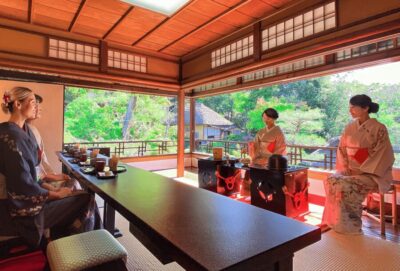
Tea Ceremony in a Traditional Tea House in Kiyomizu
Read our review →
Meiji Shrine, Asakusa, Skytree Bus Tour and Cruise
Read our review →
Asakusa Walking Tour with Sensoji Temple Visit
Read our review →
Kamakura & Enoshima Day Trip including Temple Tickets
Read our review →
Kyoto/Osaka: Nara, Fushimi Inari Taisha, Arashiyama Bus Tour
Read our review →
Nikko Toshogu Shrine and Kegon Waterfall Tour
Read our review →
Tokyo Panoramic 1 Day: Meiji Shrine, Asakusa, Odaiba and SKYTREE®
Read our review →Browse the lists this tour appears in