
REVIEW · TEA CEREMONY EXPERIENCES
The Art of Mindful Living: Tea Ceremony in Kyoto
Kyoto’s tea ceremony is often presented as something formal and mysterious. This experience makes it friendly and hands-on. At Kaze no Waon, host Naomi explains the customs, prepares organic Uji matcha, serves a Japanese sweet, and then lets you make your own bowl of tea. The setting is an old Japanese residence with a garden, not a staged restaurant.
I like two things right away: you learn the meaning behind the gestures instead of simply watching, and you get real time in the garden for photos. Naomi’s calm teaching style, clear English, and willingness to adapt the session for children, vegans, and people with food allergies add practical value. The main drawback is the location. It is outside central Kyoto, in the direction of Kinkakuji and Arashiyama, so allow extra travel time.
In This Review
- Key points to know before booking
- Entering Kaze no Waon in western Kyoto
- Naomi’s introduction to matcha and tea ceremony
- Watching the ceremony, then taking part
- Making your own bowl of matcha
- The garden and photo time
- Who gets the best value for $44.42
- A good choice for families and special diets
- What the excellent feedback tells me
- Timing, cancellation, and booking details
- Should you book this Kyoto tea ceremony?
- FAQ
- How long does the tea ceremony experience last?
- Where does the activity begin and end?
- What is included in the price?
- Is matcha included for children?
- Can the host accommodate vegan diets and food allergies?
- Can I rent a kimono?
- Is hair styling or makeup included with kimono rental?
- Can I book a private tea ceremony?
- What is the cancellation policy?
Key points to know before booking
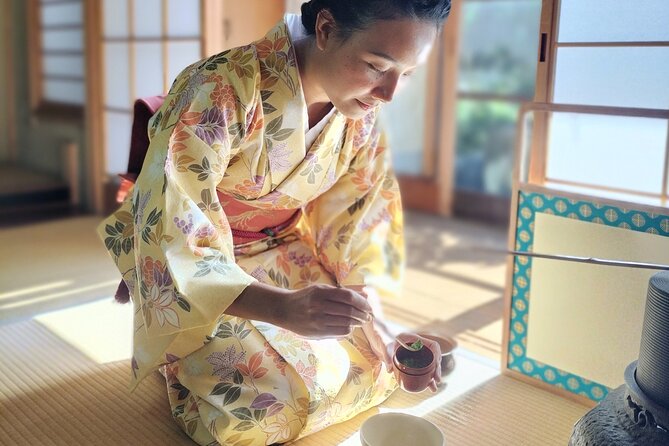
- Organic Kyoto matcha: The tea is organic Uji matcha from Kyoto, served with a traditional Japanese sweet.
- You make your own tea: The session includes a demonstration, tasting, and hands-on matcha preparation.
- A quiet old-home setting: The tea room and rear garden provide a peaceful break from Kyoto’s busy sights.
- Naomi leads the experience: She explains tea history, matcha, tea types, and proper drinking technique in clear English.
- Useful family and dietary options: Cocoa replaces matcha for children, while vegan and allergy-friendly sweets can be arranged.
- Optional kimono photographs: Kimono rental costs ¥4,000, with hakama, baby romper-style kimono, and undershirt rentals also available.
Entering Kaze no Waon in western Kyoto
The meeting point is Kaze no Waon, at 14 Utanokitanoinchō in Kyoto’s Ukyo Ward. It is near public transportation, but it is not a central Kyoto stop, and the location can be inconvenient if you are trying to fit several downtown sights into the same hour.
I would pair this activity with nearby plans around Kinkakuji or Arashiyama rather than crossing the city just for a one-hour appointment. The exact travel time depends on where you start, so check your route before booking and leave some breathing room.
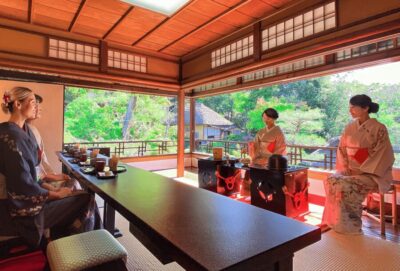
You arrive at a traditional Japanese home, with a dedicated tea room and a garden behind it. The house gives the session a more personal feel than a commercial tea counter. You are not simply handed a bowl and rushed along. The room, garden, and careful movements are part of the lesson.
Chairs are provided, which matters if sitting on the floor is difficult. You can bring a stroller onto the property, but it cannot go inside the building. That makes the experience possible for families, though you will need to manage the stroller at the entrance.
More Tea Ceremony Experiences in Kyoto
- Kyoto: Tea Ceremony in a Traditional Tea House in Kiyomizu
★ 4.9 · 3,519 reviews - Kyoto: Tea Ceremony Ju-An at Jotokuji Temple
★ 4.9 · 3,207 reviews - Kyoto: 45-Minute Tea Ceremony Lesson Experience
★ 4.3 · 2,378 reviews
Naomi’s introduction to matcha and tea ceremony
The first part is an explanation of the ceremony. Naomi covers its history, the effects of matcha, different types of matcha and Japanese tea, and how to drink the tea properly.
That background is useful because the ceremony can otherwise seem like a string of small rules. You learn why the bowl is handled in a certain way, how to receive the sweet, and how to drink matcha with the right sense of respect. This is not an advanced study of tea practice, but it gives you enough context to understand what you are seeing.
Naomi’s approach also keeps the mood light. The ceremony has a serious side, but the session is designed for first-time visitors. Her aim is to connect the ritual with calm attention, almost like a short meditation. That makes it a good choice if you want cultural context without a stiff lecture.
The session lasts about one hour, so the explanation stays focused. You will not receive a full history of every tea school in Japan. Instead, you get a practical introduction that supports the tasting and demonstration that follow.
Watching the ceremony, then taking part
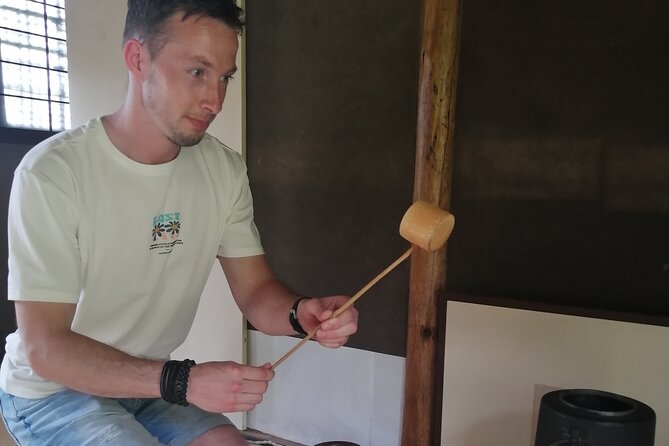
Naomi first prepares the tea while you watch. This gives you a chance to see the rhythm of the ceremony before handling the equipment yourself.
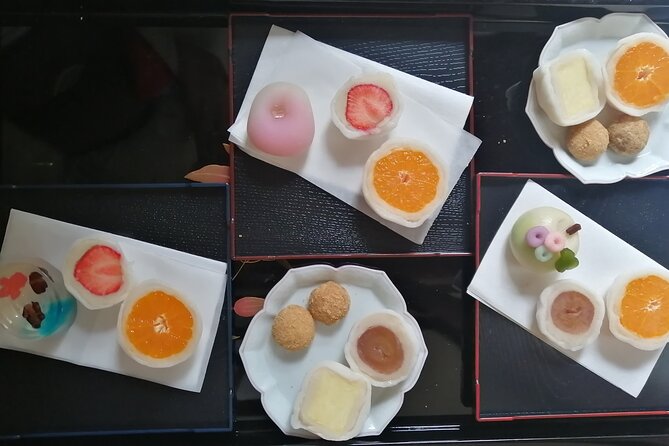
You can enjoy a Japanese sweet and matcha during this part. One sweet is included in the price, and you can choose a traditional bean-paste cake or fresh fruit daifuku. The daifuku is a soft rice-flour sweet with fruit inside, while the bean-paste option offers a more classic pairing with matcha.
If you want to try both sweets, the additional cost is ¥500 per person. That is a small extra, but most people will find one sweet enough for a one-hour session. If you have allergies or follow a vegan diet, tell the host ahead of time so the appropriate choice can be prepared.
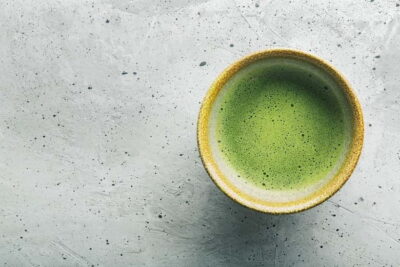
The matcha is organic Uji matcha made in Kyoto. Uji is one of Japan’s best-known tea-producing areas, and using tea from the region makes the tasting more connected to Kyoto. The flavor of matcha can be earthy and strong if you are not used to it, so the sweet is not just decoration. It balances the tea and helps make the first tasting more approachable.
Making your own bowl of matcha
The hands-on part is the heart of the activity. After watching Naomi, you try whisking matcha yourself.
This gives you a better sense of the care behind the drink. Matcha is not brewed like ordinary tea. The powder is whisked into hot water, and your technique affects the texture. Your bowl may not look exactly like Naomi’s, but that is part of the fun. You are learning by doing rather than posing for a staged photo.
I like this format because it gives you something to remember after the ceremony ends. You leave with a clearer idea of how matcha is prepared, not just an image of someone else making it. The experience also works well for families, since children can take part with cocoa instead of matcha.
The ceremony is suitable for beginners. You do not need prior knowledge of tea etiquette, and the explanation comes before your turn. If you are concerned about making a mistake, expect guidance rather than judgment.
Same city, a completely different kind of day:
- PERFECT KYOTO 1-Day Bus Tour
★ 5.0 · 13,518 reviews - Kyoto: Fushimi Inari, Kinkakuji, Bamboo Grove 1 Day Bus Tour
★ 4.8 · 4,316 reviews - Kyoto Geisha Walking Tour: Gion District & Hidden Gems
★ 4.7 · 3,273 reviews - Kyoto: Gion Magical Night Walking Tour with Geisha Trivia
★ 4.9 · 2,393 reviews
The garden and photo time
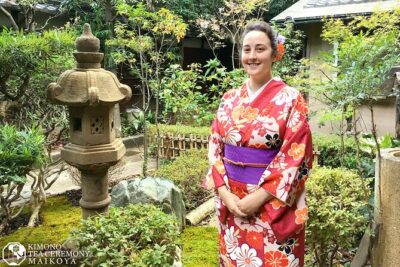
The rear garden is an important part of the experience. You can take photos before the ceremony and during the visit, and the garden offers a quiet setting for portraits and family pictures.
The garden is especially useful if you rent a kimono. The basic kimono option costs ¥4,000 and is worn during the tea ceremony. A hakama rental costs ¥8,000, a baby romper-style kimono costs ¥600, and an undershirt rental costs ¥200.
Hair styling and makeup are not included. The host does provide hair accessories for kimono renters to use freely. That keeps the option simple and less expensive than a full dressing package, but you should not expect a salon makeover.
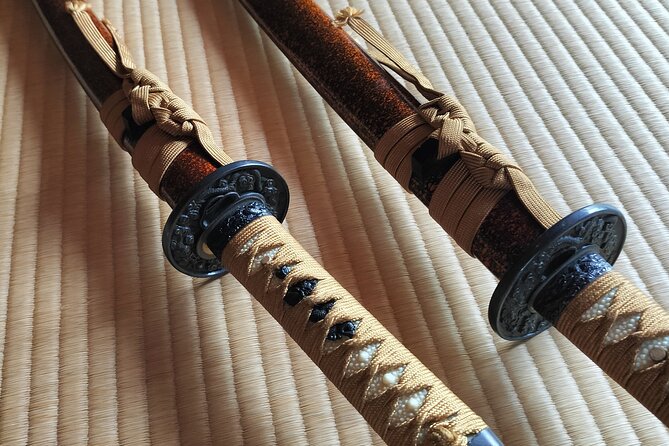
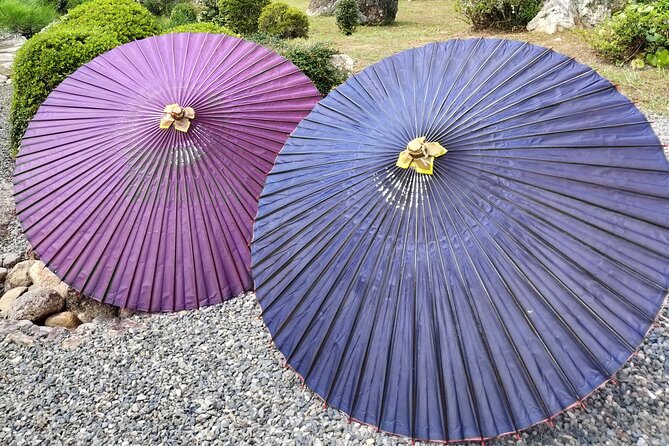
For private tea ceremony sessions, guests can also use a traditional Japanese umbrella and an imitation sword for photos. These are props only. They are not part of the tea lesson, but they can add variety to family or couple portraits.
Rain changes the photo plan. You can take pictures while holding an umbrella, but you cannot take kimono photos outside without an umbrella in wet weather. The experience requires good weather, so poor conditions may lead to a new date or a full refund.
Who gets the best value for $44.42
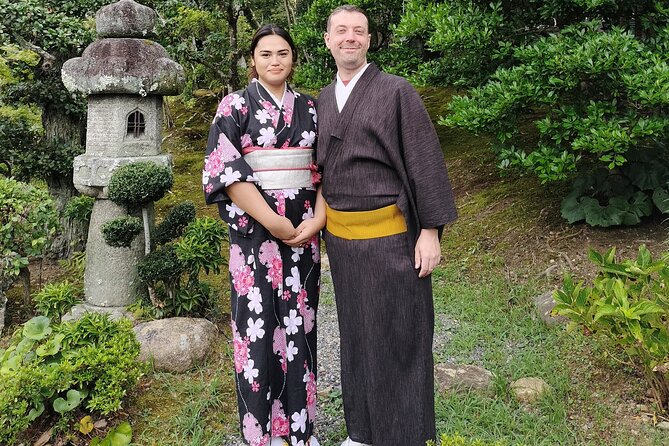
The listed price is $44.42 per person, and the one-hour length makes the value depend on what you want from Kyoto.
If you want a short, focused cultural activity with a real host, the price is fair. You receive an explanation of tea ceremony customs, matcha and a sweet, a demonstration, your own attempt at whisking, and access to a traditional home and garden. The hands-on portion makes it more useful than a simple tea tasting.
The value is even better if you care about context. You learn how to drink matcha and why the ceremony works as it does, rather than treating the tea as a trendy drink. The host’s personal setting also gives the experience a warmer feel than a large group demonstration.
The price does not include a kimono, the second sweet, or other upgrades. A private session may cost extra, and you should confirm all additional fees before agreeing to an upgrade. Clear communication matters here, especially if the host contacts you about private arrangements or costume options.
With a maximum of six people in a standard group, the session should feel fairly small. Larger groups can sometimes be accommodated, but you need to ask in advance. A private booking is available, but you must contact the host before booking it.
A good choice for families and special diets
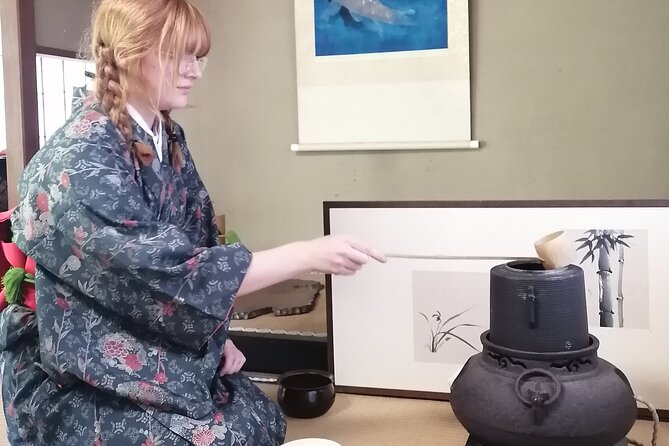
This experience is unusually flexible for a traditional tea activity. Cocoa is available instead of matcha for children, so younger family members can participate without being expected to enjoy a bitter tea.
Food allergies and vegan diets can also be accommodated. The included sweet is normally either a bean-paste cake or fresh fruit daifuku, so communicate your needs before arrival rather than waiting until the food is served.
Chairs make the activity easier for anyone who cannot sit comfortably on the floor. The stroller rule is less flexible: you can bring one onto the property, but not into the building.
The one-hour format also helps families. It is long enough to teach the basics, but short enough that children are less likely to lose patience. Parents should still consider the travel time to western Kyoto when planning the day.
What the excellent feedback tells me
The strongest pattern is the host. Naomi is repeatedly praised for her calm manner, clear English, warmth, and ability to explain the ceremony in an engaging way. That matters because a tea ceremony rises or falls on the person guiding it.
The garden is another major strength. It gives you space for photos and adds a peaceful pause to a busy Kyoto schedule. The setting also makes the optional kimono rental more worthwhile.
The session is not only ceremonial. You learn, taste, watch, and participate. That balance is why it suits people who want a cultural experience rather than a formal performance.
There is one consistent caution: the location is farther from central Kyoto. One booking also led to confusion about the cost of an upgrade, so ask for the full price of any private session, kimono, hakama, or additional sweet before paying. The host has acknowledged the need for clearer communication, but it is still smart to confirm.
Timing, cancellation, and booking details
Confirmation is sent within 48 hours, subject to availability. The activity is usually booked about 13 days in advance, so do not leave it until the last morning of your Kyoto stay if your schedule is tight.
Free cancellation is available up to 24 hours before the start time. Cancellations or changes made less than 24 hours before the experience are not refunded or accepted.
Bad weather can cancel the session, with a different date or full refund offered. The same applies if the minimum number of participants is not met. Since the garden and photography are part of the appeal, a weather-related change can be disappointing, but the policy gives you a reasonable safety net.
Should you book this Kyoto tea ceremony?
Book it if you want a personal introduction to Japanese tea ceremony, especially if you value a quiet old home, garden photos, and the chance to make your own matcha. It is a strong fit for first-time visitors, families, couples considering kimono rental, and anyone seeking an activity with more explanation than a quick café tasting.
Think twice if you are staying only in central Kyoto or want a longer, highly formal tea-school lesson. The one-hour session is an introduction, not an expert course, and the trip to Utano adds planning time.
For most visitors, the combination of Naomi’s teaching, organic Kyoto Uji matcha, Japanese sweets, and hands-on preparation makes the $44.42 cost reasonable. Plan it near Kinkakuji or Arashiyama, confirm any extras in writing, and you will get the most from this calm slice of Kyoto culture.
FAQ
How long does the tea ceremony experience last?
The experience lasts approximately one hour.
Where does the activity begin and end?
It begins at Kaze no Waon, 14 Utanokitanoinchō, Ukyo Ward, Kyoto, 616-8201, Japan, and ends back at the same meeting point.
What is included in the price?
The experience includes snacks, along with the tea ceremony explanation, matcha tasting, a Japanese sweet, and the chance to make matcha yourself.
Is matcha included for children?
Children can have cocoa instead of matcha.
Can the host accommodate vegan diets and food allergies?
Yes. Vegan and food allergy requests can be accommodated. Contact the host before the session with your needs.
Can I rent a kimono?
Yes. Kimono rental costs ¥4,000 during the tea ceremony. Hakama rental costs ¥8,000, a baby romper-style kimono costs ¥600, and an undershirt rental costs ¥200.
Is hair styling or makeup included with kimono rental?
No. Hair styling and makeup are not provided, but hair accessories are available for kimono renters to use.
Can I book a private tea ceremony?
Yes. Private sessions are available, but you must contact the host before booking.
What is the cancellation policy?
You can cancel up to 24 hours before the start time for a full refund. Cancellations or changes made less than 24 hours before the start time are not accepted or refunded.
Just added around Kyoto
- Private Guided Traditional Buddhist Cooking in Japan★ 5.0 · 16 reviews
- Kyoto: Gion Geisha District & Sake-in-Hand Walking Tour★ 5.0 · 37 reviews
- Your Private Vacation Photography Session In Kyoto★ 5.0 · 110 reviews
- Kyoto: Zen Meditation at a Private Temple with a Monk★ 5.0 · 25 reviews
- Traditional Japanese Washi Papermaking- Kyoto morning★ 5.0 · 77 reviews
- Kyoto Wagashi(Japanese sweets) Cooking Class near Fushimiinari★ 5.0 · 60 reviews
- Private Pewter Sake Cup Experience with a Kyoto Artisan★ 5.0 · 31 reviews
- Kyoto Private 6 hour Tour: English Speaking Driver Only, No Guide★ 5.0 · 88 reviews
Tea Ceremony Experiences, compared.
Tea Ceremony in a Traditional Tea House in Kiyomizu
Read our review →

World Heritage Kyoto & Nara Uji Authentic Matcha Experience
Read our review →
Browse the lists this tour appears in