
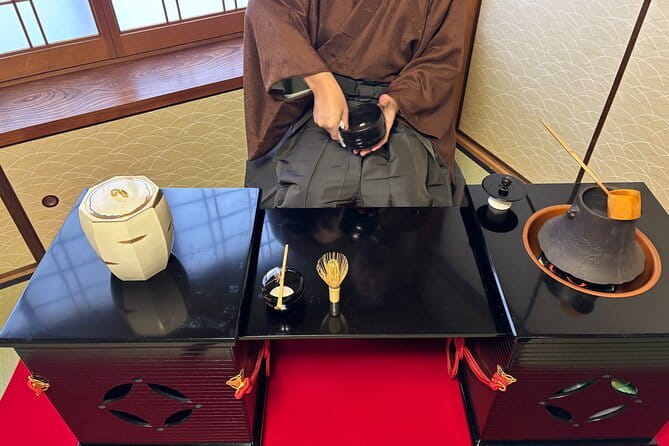
REVIEW · TEA CEREMONY EXPERIENCES
Tea Ceremony in 150 Years Old Townhouse with Tables and Chairs
The best part of this Kyoto experience is that you do not just watch a tea ceremony. You learn the purpose behind the movements, then make your own bowl of matcha in a 150-year-old townhouse near Ninenzaka. The setting gives the lesson a sense of place that a modern classroom cannot match.
I like the clear English guidance and the chance to taste two cups of Uji matcha with two handmade seasonal sweets. I also like that the session stays fairly intimate, with a maximum of 15 people. The main thing to consider is that this is a group activity, not a private ceremony, and a late arrival can hold up everyone.
In This Review
- Key points at a glance
- A tea ceremony in the heart of Ninenzaka
- What happens during the 50-minute session
- Understanding matcha through the tools and rituals
- Two seasonal sweets and the rhythm of the ceremony
- Why the small-group format matters
- What to wear for a respectful visit
- Optional kimono rental and what it really adds
- Is $28.90 good value?
- Who will enjoy this Kyoto tea experience?
- Practical planning for your Kyoto day
- Should you book the Kangetsu tea ceremony?
- FAQ
- How long does the tea ceremony last?
- Where does the tea ceremony take place?
- Is the experience offered in English?
- Do I get to make my own matcha?
- What food and drink are included?
- Is kimono rental included?
- What should I wear to the tea room?
Key points at a glance
- A hands-on tea lesson: You learn how to handle the tools and whisk your own matcha.
- A historic Kyoto setting: The ceremony takes place in a 150-year-old townhouse in Ninenzaka.
- English instruction every day: A tea master demonstrates the process, with an English-speaking assistant explaining each step.
- Seasonal sweets included: You receive two different traditional Japanese sweets, chosen to pair with the tea.
- A short, focused visit: The session lasts about 50 minutes, making it easy to fit around sightseeing in Higashiyama.
A tea ceremony in the heart of Ninenzaka
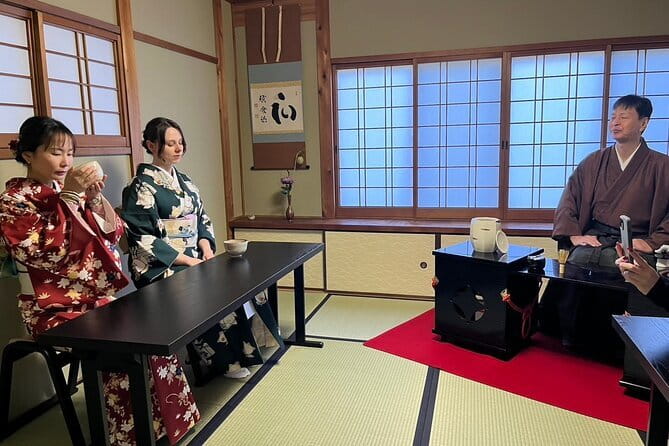
The activity takes place at Tea Ceremony & Cultural Experience Kangetsu Kyoto, at 349-19 Masuyacho in Kyoto’s Higashiyama Ward. That puts you in the Ninenzaka and Sannenzaka area, one of Kyoto’s most atmospheric sightseeing districts.
This matters because you can pair the ceremony with a walk through the old lanes, nearby temples, and traditional shops. The activity itself ends where it begins, so you do not need to arrange transportation between separate parts of the experience.
The townhouse is more than a backdrop. A traditional Japanese tea ceremony depends on mood, restraint, and attention to small details. An old wooden building helps you notice those details, from the room itself to the careful handling of the tea utensils.
The setting also has a practical downside. Ninenzaka is a popular area, and you should allow enough time to find the address and arrive promptly. Staff send directions by text, and the location is near public transportation, but arriving at the last minute is a poor plan for a timed ceremony.
More Tea Ceremony Experiences in Kyoto
- Kyoto: Tea Ceremony in a Traditional Tea House in Kiyomizu
★ 4.9 · 3,519 reviews - Kyoto: Tea Ceremony Ju-An at Jotokuji Temple
★ 4.9 · 3,207 reviews - Kyoto: 45-Minute Tea Ceremony Lesson Experience
★ 4.3 · 2,378 reviews
What happens during the 50-minute session
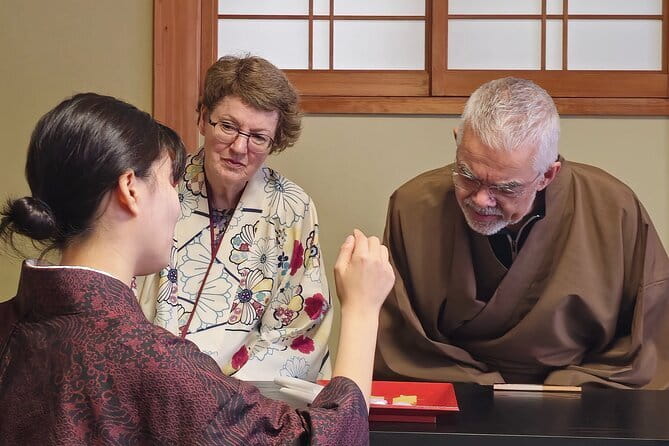
The experience begins with an explanation of Japanese tea culture and the basic ideas behind the ceremony. You learn about etiquette, the tools, the order of the ritual, and why each movement matters.
This introduction makes the ceremony easier to follow. Without it, you might see someone clean a bowl, turn it in a certain direction, or present it with both hands and simply wonder what is going on. Here, the actions have context.
The tea master leads the demonstration, while an English-speaking assistant helps explain the process step by step. Several people have found the English interpretation especially useful because it keeps the ceremony understandable without turning it into a long lecture.
The instruction is intended for first-time participants. You do not need prior knowledge of matcha, Japanese customs, or tea ceremony etiquette. The pace is educational but relaxed, rather than formal in a way that makes beginners nervous.
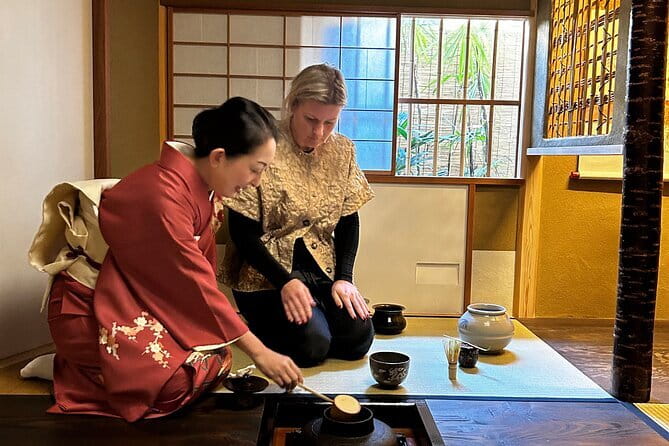
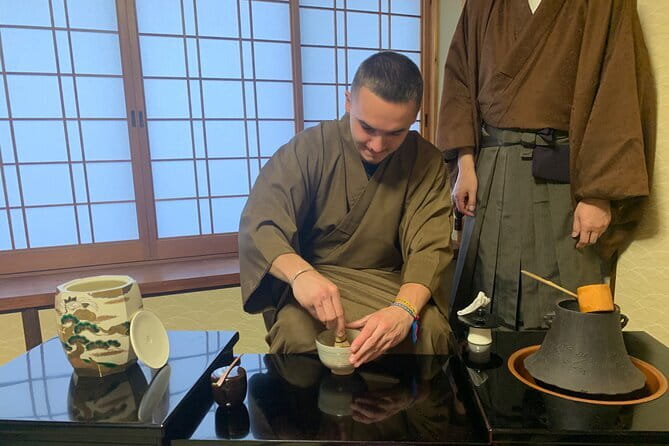
After the demonstration, you prepare your own matcha. This is the part that gives the activity real value. You are not merely sitting quietly while someone else performs a refined ritual. You use the tools, follow the directions, and make a cup yourself.
The instructions are clear enough for beginners, but do not expect to produce a tea master’s perfect foam on your first attempt. That is part of the fun. The point is to understand the method and take part respectfully, not to pass an examination in whisking.
Understanding matcha through the tools and rituals
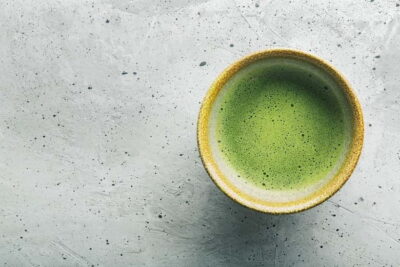
Matcha is made by whisking powdered green tea into water rather than steeping leaves and removing them. The result is a strong, slightly grassy drink with a texture that differs from ordinary brewed tea.
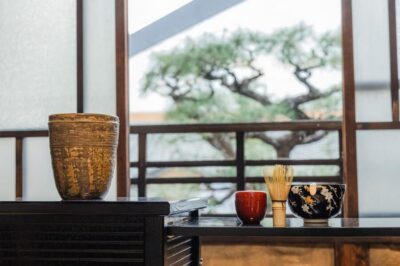
The tea master explains how the bowl, bamboo whisk, scoop, and other tools work together. You also learn tea etiquette, including how to receive and drink the tea properly. These small rules are not meant to intimidate you. They help show respect for the person preparing the tea and for the tradition itself.
I find this practical explanation more useful than a ceremony presented only as a photo opportunity. Once you understand the actions, you can recognize them later in Japan or appreciate the care involved when you order matcha elsewhere.
The experience includes two cups of high-quality matcha from Uji, Kyoto’s best-known tea-growing area. This gives you more than a single taste and lets you focus on the flavor after you have learned how the tea is prepared.
Do not expect matcha to taste like sweetened café drinks. Traditional matcha can be earthy and bitter, with a clean finish. The sweets help balance that flavor and are part of the ceremony, not an unrelated snack.
Two seasonal sweets and the rhythm of the ceremony
You receive two different types of handmade Japanese sweets. They are described as beautiful seasonal sweets, so the exact shapes and flavors may vary with the time of year.
Japanese tea sweets are often designed to prepare your palate for matcha. Their sweetness softens the tea’s bitterness, while their appearance reflects the season. This is one of the ceremony’s most appealing lessons: taste, decoration, season, and hospitality all work together.
The sweets also give the session a pleasant rhythm. You learn first, take part in the preparation, then sit with the tea and food. It feels like a cultural lesson with something to enjoy, rather than a lecture followed by a quick drink.
Coffee, soft drinks, alcohol, and bottled water are not included. The included refreshments are the two cups of matcha and the two traditional sweets. If you want water or another drink, plan to buy it separately.
Same city, a completely different kind of day:
- PERFECT KYOTO 1-Day Bus Tour
★ 5.0 · 13,518 reviews - Kyoto: Fushimi Inari, Kinkakuji, Bamboo Grove 1 Day Bus Tour
★ 4.8 · 4,316 reviews - Kyoto Geisha Walking Tour: Gion District & Hidden Gems
★ 4.7 · 3,273 reviews - Kyoto: Gion Magical Night Walking Tour with Geisha Trivia
★ 4.9 · 2,393 reviews
Why the small-group format matters
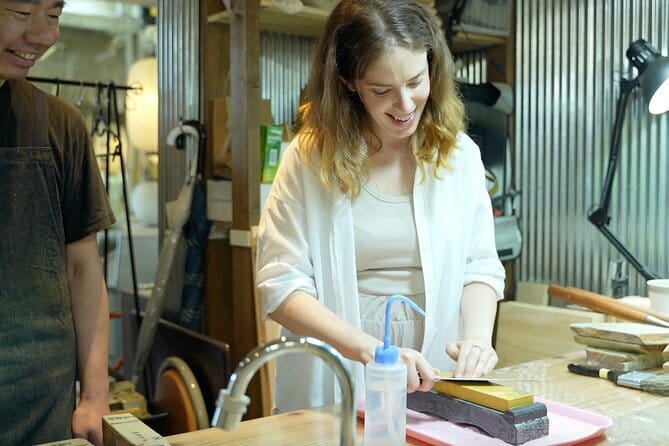
The maximum group size is 15 people. That is not a private one-to-one experience, and you should book with that distinction in mind.
A small group can work well here. You get the atmosphere of a shared cultural activity, while still having a chance to watch the demonstration and prepare your own tea. The English-speaking assistant can help make the instructions clear and answer questions during the session.
There is also a social side to the experience. Families and couples can take part together, and older children have enjoyed both the activity and the explanation of tea culture. Children under seven are not allowed, so this is better suited to families with school-age children and teenagers.
Group etiquette matters. Arrive on time, follow the instructions, and keep your phone use under control. One late group caused a delay for others, which is particularly awkward in a ceremony built around calm and respect.
The provider also explains that the activity is offered as a group session. If you are expecting a private tea master for just you and your companion, this experience may not suit you. Check the booking details carefully before paying, especially if a separate private or costume experience appears elsewhere during your Kyoto planning.
What to wear for a respectful visit
You must wear socks in the tea room. If you forget, you need to purchase a pair separately. This is an easy detail to miss when you are sightseeing in sandals during warm weather, so put socks in your day bag.
Choose clothing that does not expose too much skin. You do not need formal attire, and the activity does not include a kimono, but modest, comfortable clothing is the sensible choice.
Perfume is strictly prohibited. Strong fragrance can interfere with the smell of incense and tea, and scent is an important part of the room’s atmosphere. If you want to follow the spirit of the experience, skip perfume, cologne, and heavily scented products that day.
You may use a smartphone in the tea room, but only smartphones are allowed there. Video recording during the tea master’s demonstration is prohibited. You can take part without treating the ceremony like a film set.
Optional kimono rental and what it really adds
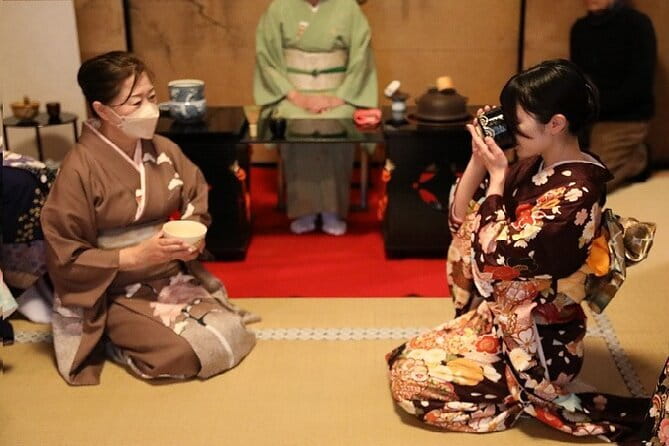
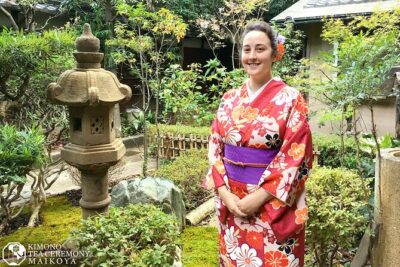
Kimono rental is not included in the $28.90 price. A simple two-piece kimono can be rented for an additional 1,000 yen per person.
This option may appeal to you if you want photographs in the Ninenzaka area or hope to make the occasion feel more festive. It can also help you feel more connected to the visual side of the tradition.
Still, do not book this activity assuming kimono rental is part of the standard package. The included experience focuses on the tea ceremony, matcha preparation, sweets, and instruction. Ask about the rental when arranging your visit if wearing traditional clothing is important to you.
Is $28.90 good value?
At $28.90 per person, this is a reasonably priced introduction to Japanese tea ceremony. The fee covers all taxes and activity costs, the use of the tea tools, two cups of Uji matcha, and two seasonal sweets.
The value comes from the combination of instruction and participation. A simple cup of matcha would cost far less, but it would not teach you how the utensils work, why the rituals matter, or how to prepare the tea yourself.
The 50-minute length also helps the price make sense. You receive a focused cultural activity without giving up half a day of Kyoto sightseeing. It fits neatly before or after visiting the Higashiyama area.
You should keep a few extra costs in mind. Socks are not included, and neither are drinks beyond the matcha. Kimono rental costs an additional 1,000 yen. These are small expenses, but knowing about them prevents surprises.
The experience has a 4.8 rating from 22 reviews, with 95 percent recommending it. That is a strong record, though the sample is not enormous. The repeated praise centers on the friendly instruction, the quality of the tea, the beautiful setting, and the balance between education and participation.
Who will enjoy this Kyoto tea experience?
I would recommend it to first-time visitors who want a direct introduction to Japanese culture without committing to a long formal ceremony. You learn enough to understand what you are seeing, then you get to practice it yourself.
It suits couples, families with children over seven, and anyone who enjoys food and drink with a cultural explanation. The activity is also useful for people who have wondered why matcha is treated so seriously in Japan.
It is a good choice if you want English instruction. The tea master demonstrates the ceremony, and the assistant explains the steps and helps answer questions. That combination makes the process easier to follow than a silent demonstration.
You may want to choose another activity if you need a private session, expect a kimono to be included, or dislike group settings. The maximum of 15 people is modest, but it is still a shared class.
The ceremony also requires a respectful attitude. You do not need to know every rule ahead of time. You simply need to listen, arrive on time, avoid perfume, wear socks, and treat the room and the tea master with care.
Practical planning for your Kyoto day
Plan this as a timed appointment rather than a casual stop. Ninenzaka and Sannenzaka are pleasant places to explore, but the old lanes can take longer to cross than a map suggests.
The meeting point is Tea Ceremony & Cultural Experience Kangetsu Kyoto, at 349-19 Masuyacho, Higashiyama Ward, Kyoto, postal code 605-0826. The activity returns to the same point at the end.
Confirmation is provided when you book, and the activity is near public transportation. Staff also send a text with location information. Read it before setting out, and leave a cushion of time for finding the townhouse.
Free cancellation is available until 24 hours before the start time. Cancellations or changes made less than 24 hours before the activity are not accepted for a refund. The cut-off uses local Kyoto time.
The activity requires good weather. If poor weather forces cancellation, you are offered another date or a full refund. Since the ceremony is indoors, this policy may seem surprising, but it is the stated condition for the experience.
Should you book the Kangetsu tea ceremony?
Book it if you want a short, affordable, hands-on introduction to matcha in an old Kyoto house. The strongest reasons are the clear English instruction, the chance to whisk your own tea, the two Uji matcha servings, and the seasonal sweets.
I especially like the way the activity connects explanation with practice. You learn what the tea ceremony means, then handle the tools and take part. That makes the customs easier to remember after you leave.
Before booking, confirm that a group session suits you and budget separately for socks or the optional 1,000-yen kimono rental. Arrive promptly, leave perfume at your hotel, and treat the 50 minutes as a quiet cultural appointment rather than a quick tourist photo stop.
For most first-time visitors to Kyoto, this is a good-value way to add a thoughtful cultural experience to a day in Ninenzaka.
FAQ
How long does the tea ceremony last?
The experience lasts approximately 50 minutes.
Where does the tea ceremony take place?
It takes place at Tea Ceremony & Cultural Experience Kangetsu Kyoto, 349-19 Masuyacho, Higashiyama Ward, Kyoto, 605-0826, in the Ninenzaka area.
Is the experience offered in English?
Yes. English-language experiences are provided every day, with an English-speaking assistant explaining the ceremony and helping with questions.
Do I get to make my own matcha?
Yes. You use the provided tools and receive guidance as you prepare your own cup of matcha.
What food and drink are included?
The experience includes two cups of high-quality matcha from Uji in Kyoto and two different handmade seasonal Japanese sweets.
Is kimono rental included?
No. A simple two-piece kimono can be rented for an additional 1,000 yen per person.
What should I wear to the tea room?
You must wear socks and clothing that does not expose too much skin. Perfume is prohibited because it can interfere with the smell of incense and tea.
Just added around Kyoto
- Private Guided Traditional Buddhist Cooking in Japan★ 5.0 · 16 reviews
- Kyoto: Gion Geisha District & Sake-in-Hand Walking Tour★ 5.0 · 37 reviews
- Your Private Vacation Photography Session In Kyoto★ 5.0 · 110 reviews
- Kyoto: Zen Meditation at a Private Temple with a Monk★ 5.0 · 25 reviews
- Private Pewter Sake Cup Experience with a Kyoto Artisan★ 5.0 · 31 reviews
- Traditional Japanese Washi Papermaking- Kyoto morning★ 5.0 · 77 reviews
- Kyoto Wagashi(Japanese sweets) Cooking Class near Fushimiinari★ 5.0 · 60 reviews
- Kyoto Private 6 hour Tour: English Speaking Driver Only, No Guide★ 5.0 · 88 reviews
Tea Ceremony Experiences, compared.
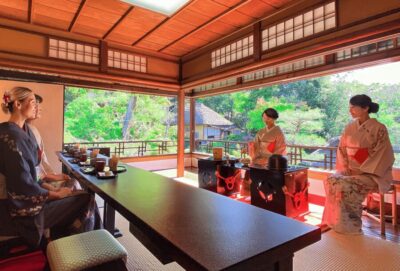
Tea Ceremony in a Traditional Tea House in Kiyomizu
Read our review →
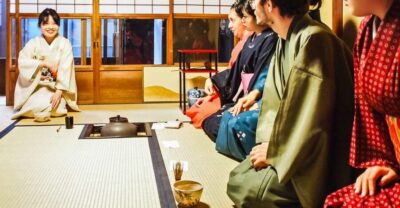
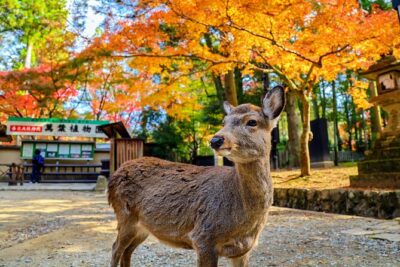
World Heritage Kyoto & Nara Uji Authentic Matcha Experience
Read our review →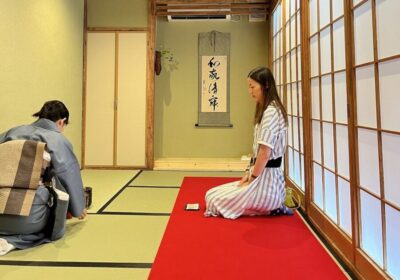
Browse the lists this tour appears in