
REVIEW · TEA CEREMONY EXPERIENCES
Tea Ceremony Experience in Traditional Kyoto Townhouse
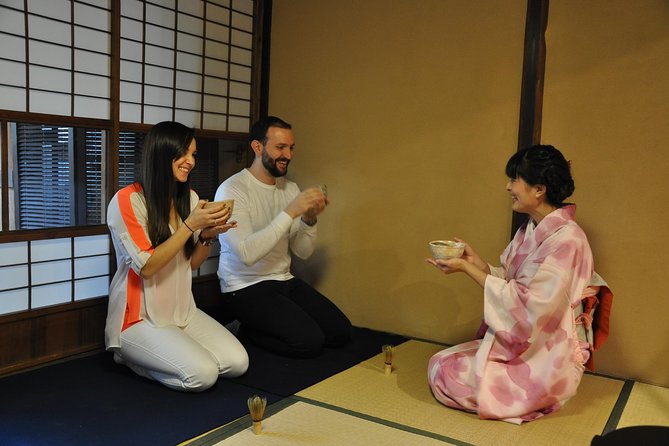
Kyoto’s tea ceremony is not just a lesson in making a bowl of green tea. At Ami Kyoto, you enter an old wooden machiya, watch each deliberate movement, then take part yourself. The setting gives the hour a sense of place that a hotel meeting room simply cannot match.
I like two things in particular: the group is capped at six, so Kimi and the other hostesses can answer questions without rushing, and the tea comes from Uji City, Kyoto’s famous tea-growing area. The Japanese sweets, supplied by a respected Kyoto confectioner, make the experience feel complete rather than like a quick matcha tasting.
The main drawback is practical: the townhouse can be hard to find at first. The address is in a traditional residential area where English street names and numbers may not be obvious, so allow time and use the supplied map link carefully.
In This Review
- Key points at a glance
- Entering a traditional Kyoto machiya
- What happens during the 60-minute session
- Why the demonstration matters
- Making matcha from Uji City
- A small group changes the experience
- Getting to 605 Nishidacho
- Is $27.74 a fair price?
- Who should book this Kyoto tea experience?
- Booking, cancellation, and timing advice
- My verdict on the Ami Kyoto tea ceremony
- FAQ
- How long does the tea ceremony experience last?
- Where does the experience begin?
- Where does the activity end?
- How many people can join the experience?
- Is matcha included?
- Are Japanese sweets included?
- Is hotel pickup or drop-off provided?
- Can I cancel for a full refund?
Key points at a glance
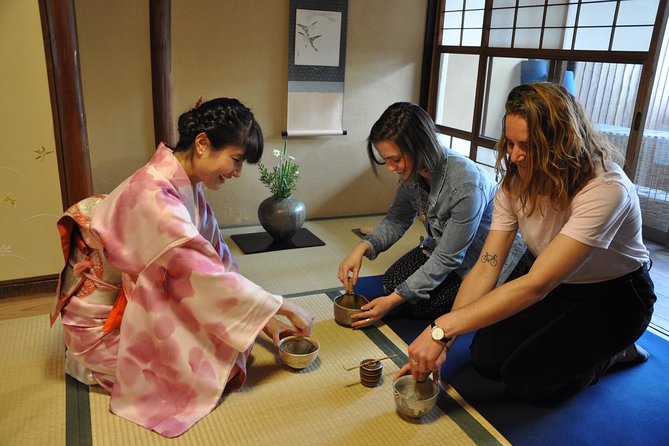
- An 80-year-old Kyoto machiya: Spend the hour inside a traditional wooden townhouse instead of a modern tour space.
- A small group of six or fewer: The intimate format leaves room for questions and personal instruction.
- Hands-on matcha making: Watch the hosts prepare tea, then make and drink your own bowl.
- Uji matcha and Kyoto sweets: The tea and confectionery are chosen to give you a proper pairing.
- A focused one-hour format: You learn the basic ideas, etiquette, demonstration, and practice without giving up half a day.
- A central meeting point without hotel pickup: You make your own way to 605 Nishidacho in Kyoto and finish at the same place.
Entering a traditional Kyoto machiya
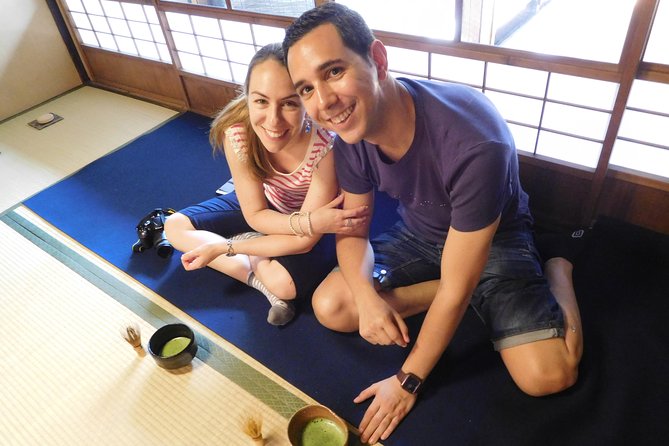
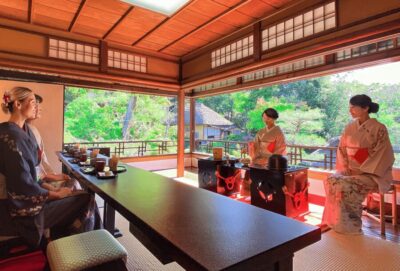
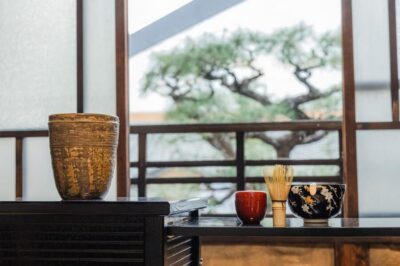
The building is the first part of the experience. Ami Kyoto occupies a traditional machiya, the narrow wooden townhouse style once common across Kyoto. This particular house is described as about 80 years old, and its simple design helps you understand how ordinary city life looked before modern buildings filled the streets.
You do not spend the hour merely admiring the room. The townhouse gives the ceremony a quiet frame. You sit in a space that feels domestic and local, not staged as a large cultural show. That matters because tea ceremony is tied to the room, the objects, the guests, and the movements between them.
The space is small, which works well for this activity. It creates the calm mood needed for the demonstration, though it also means you should not expect a grand tea pavilion or a large museum-style display. The attraction here is closeness and atmosphere.
One practical warning: the venue blends into its neighborhood. A sign is outside, but finding the door can take patience, especially if you are walking through the area for the first time. Kyoto’s older streets do not always make sense to someone reading an English address. Have the full address and Google Maps link ready before leaving your hotel, and avoid arriving at the last second.
More Tea Ceremony Experiences in Kyoto
- Kyoto: Tea Ceremony in a Traditional Tea House in Kiyomizu
★ 4.9 · 3,519 reviews - Kyoto: Tea Ceremony Ju-An at Jotokuji Temple
★ 4.9 · 3,207 reviews - Kyoto: 45-Minute Tea Ceremony Lesson Experience
★ 4.3 · 2,378 reviews
What happens during the 60-minute session
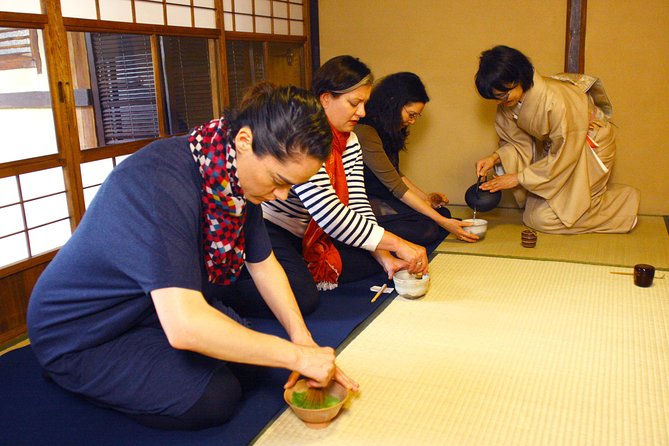
The hour follows a clear pattern. First, the hosts explain the basic ideas behind tea ceremony and the etiquette expected in the room. Then they perform a demonstration, showing the order of actions and the care given to each one.
This explanation is important. Without it, the movements can look slow or mysterious. With it, you begin to see that the ceremony is not simply about whisking powdered tea. The way you enter the room, sit, handle the bowl, receive the sweet, and drink the tea all carry meaning.
The hosts explain both symbolic and practical points. That balance helps the session work for different kinds of visitors. If you are interested in Japanese culture, you get a useful introduction to ritual and hospitality. If you mainly like matcha, you still learn how to prepare and drink it properly.
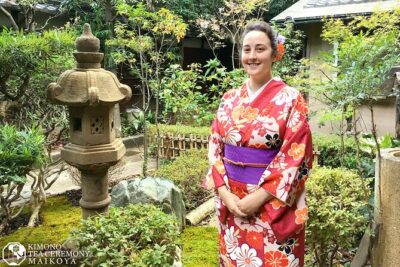
Kimi is named as one of the hosts, and the session is led by her and fellow Japanese hostesses. Their approach is warm and patient rather than stiff. They explain the process, demonstrate it from beginning to end, and make space for questions. The small group size is a real advantage here, since you can ask about an unfamiliar gesture or repeat a step without feeling lost in a crowd.
After watching, you prepare your own bowl. You are guided through the process rather than left to guess what to do. The point is not to train you as a tea master in one hour. It is to let you feel the rhythm of the ceremony and understand the discipline behind the finished bowl.
The session ends back at the meeting point, so you do not need to arrange a second pickup location. At one hour, the schedule also fits neatly between sightseeing stops.
Why the demonstration matters
The most memorable part may be the demonstration before you make tea. Each movement is careful and intentional, and the hosts explain why the actions happen in a particular order.
Tea ceremony can be misunderstood as a fancy way to serve matcha. This experience gives you a better view. The ceremony creates a shared pause. It asks you to pay attention to the bowl, the tea, the sweet, the host, and the people sitting with you.
That does not mean the hour is solemn from start to finish. The hosts keep the mood friendly, and the instruction is described as both informative and entertaining. You can ask questions about the details instead of silently copying a series of gestures.
I especially like the way this format links etiquette with everyday hospitality. You learn not only how to make tea, but also how to receive it. The order helps you understand the relationship between host and guest, which is one of the most useful cultural lessons you can take from the session.
Some people may find the deliberate pace a little formal. If you want a fast tasting with a quick explanation, this may feel slower than necessary. If you are willing to watch closely, the pace becomes part of the appeal.
Making matcha from Uji City
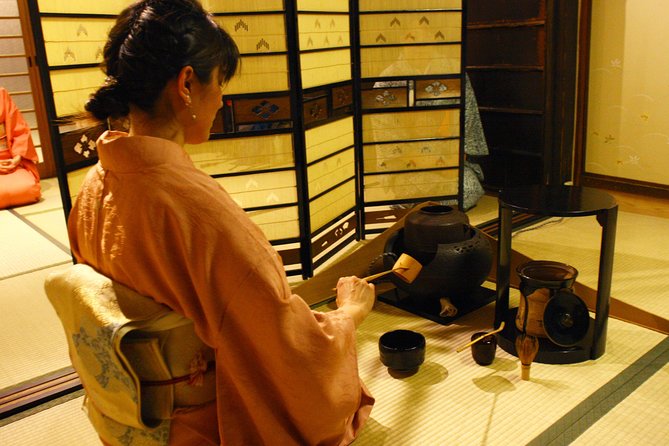
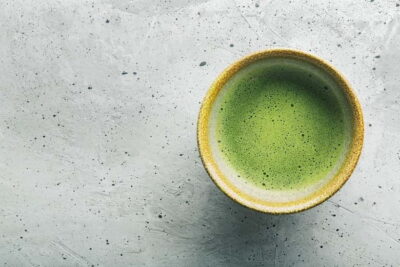
The included tea is high-quality matcha from a farm in Uji City. Uji is closely associated with Japanese tea, so this is more than a generic green tea sample. You get to taste the powder in the context of a traditional preparation.
Matcha is whisked into water rather than steeped like loose-leaf tea. The finished drink has a strong, grassy flavor and a smooth or slightly bitter edge, depending on your palate. The sweet served alongside it helps balance that taste.
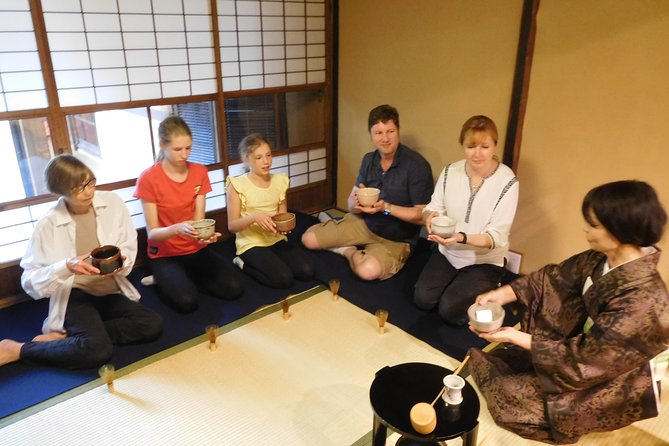
You receive one bowl of matcha and Japanese sweets as part of the price. The confectionery is from a famous Kyoto maker, and one sweet identified by the hosts is suhama. That pairing gives the activity a useful food element without turning it into a full meal.
Making the tea yourself adds value. You are not only watching someone else perform the ceremony and then being handed a cup. You learn the basic method and drink the bowl you prepared. A participant even purchased matcha to take home, and the hosts offer selected tea for sale after the session. Buying extra tea is optional, but the lesson gives you a better chance of using it correctly later.
The sweet is small, as you would expect in a tea ceremony. Do not book this as a snack stop or dessert course. Think of it as a carefully chosen partner for the matcha.
Same city, a completely different kind of day:
- PERFECT KYOTO 1-Day Bus Tour
★ 5.0 · 13,518 reviews - Kyoto: Fushimi Inari, Kinkakuji, Bamboo Grove 1 Day Bus Tour
★ 4.8 · 4,316 reviews - Kyoto Geisha Walking Tour: Gion District & Hidden Gems
★ 4.7 · 3,273 reviews - Kyoto: Gion Magical Night Walking Tour with Geisha Trivia
★ 4.9 · 2,393 reviews
A small group changes the experience
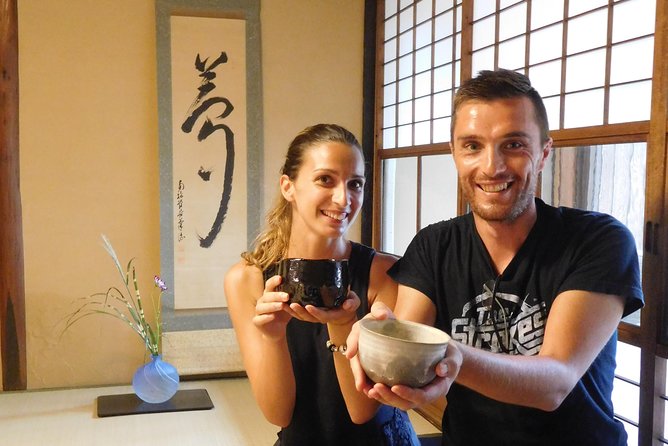
The maximum group size is six. That is one of the strongest reasons to choose this activity over a larger cultural demonstration.
With six people or fewer, you can see what the hosts are doing and follow the explanation more easily. You also get a more personal chance to practice. The atmosphere stays quiet, and the hosts can respond to questions about etiquette, ingredients, or the meaning of a movement.
The small setting suits couples, families, and solo visitors who prefer a direct introduction to Japanese culture. One family with four people found the one-hour length comfortable, and the format also worked well for a party that included someone using a wheelchair. Since individual mobility needs can vary, you should contact the provider before booking if you need specific arrangements, but the experience has shown a willingness to accommodate.
Group size can vary below the stated maximum, so you should not assume a private booking. One account described a group of eight, which differs from the current stated limit of six. Treat six as the official maximum, and check your confirmation if the exact group arrangement matters to you.
Getting to 605 Nishidacho
The meeting point is 605 Nishidacho, Shimogyo Ward, Kyoto, postal code 600-8397. The activity is near public transportation, but hotel pickup and drop-off are not included.
You should plan this as a self-guided arrival. Kyoto’s older neighborhoods can be confusing, particularly where signs are mainly in Japanese. The full address is useful, but the map link is even more important. Save it while you have internet access, then check the building sign when you arrive.
Give yourself extra time. A few minutes spent looking for the entrance is much better than rushing into the room after the demonstration begins. The venue is in a residential setting, so keep your voice low and avoid blocking the street while you orient yourself.
The tour ends at the same meeting point. That makes it easy to continue to lunch, return to your hotel, or connect with another Kyoto activity, though you should still allow a little time to get your bearings after the session.
Is $27.74 a fair price?
At $27.74 per person, this is a good-value cultural activity if you want more than a photo opportunity. The fee includes a bowl of matcha and Japanese sweets, but the real value comes from the setting, the small group, and the chance to prepare the tea yourself.
You are also paying for instruction. The hosts explain the etiquette, demonstrate the ceremony, guide your practice, and answer questions. A larger show might cost less per person, but it would not necessarily give you the same access to the process.
The one-hour length keeps the price sensible. You do not need to commit to a half-day class, and you can fit the experience into a busy Kyoto plan. The tradeoff is that this is an introduction, not an advanced course. You will learn the basic concepts and movements, but you will not leave with mastery of every rule or variation.
For a first tea ceremony, I think the price works especially well. It gives you a proper setting and a hands-on element without asking for a major slice of your sightseeing budget.
Who should book this Kyoto tea experience?
I would choose this for anyone visiting Kyoto who wants a calm cultural activity with clear English-language instruction, assuming the available session is conducted in a language you understand. It suits first-time visitors because the hosts explain the customs rather than expecting you to know them already.
It is a good fit for:
- Couples looking for a quiet shared activity
- Families with older children who can sit and follow a demonstration
- Solo visitors who value a small group and direct conversation
- Matcha fans who want to learn how the drink is prepared
- Anyone interested in Japanese manners, ritual, and hospitality
- Visitors with a free hour between larger sightseeing plans
You may want something else if you expect a long formal ceremony, a large historic tea garden, or a detailed professional certification class. This experience is short, welcoming, and introductory. Its strength is making a traditional practice understandable and participatory.
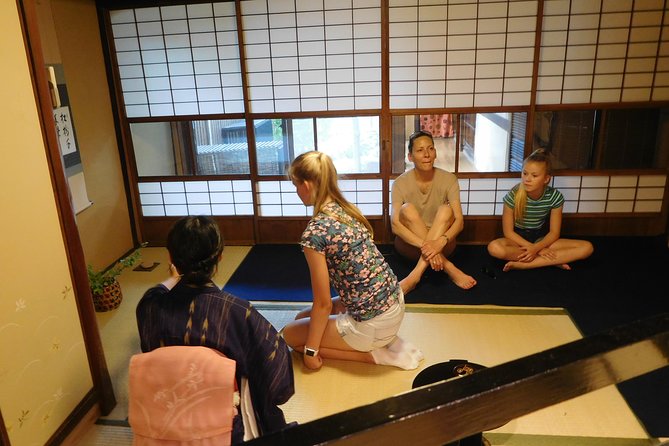
The room may require sitting in a traditional way, although the supplied information does not specify the seating arrangement. If you have knee, back, or mobility concerns, ask Ami Kyoto in advance. The hosts have been accommodating in at least one wheelchair situation, but your own needs should be confirmed before arrival.
Booking, cancellation, and timing advice
The experience is often reserved about 25 days ahead, so popular start times may fill early. Multiple start times are offered, which makes it easier to place the session around temples, meals, and train plans.
Confirmation is sent within 48 hours of booking, subject to availability. The ticket is mobile, so you can show it from your phone rather than printing a paper voucher.
Free cancellation is available if you cancel at least 24 hours before the local start time. Cancellations or changes made inside that 24-hour window are not accepted for a refund. Keep that cutoff in mind when planning around weather, train connections, or a tightly packed sightseeing day.
My verdict on the Ami Kyoto tea ceremony
I like this experience because it gives you three things at once: a traditional townhouse, a clear explanation of tea ceremony, and the chance to make your own matcha. The warm teaching style associated with Kimi and the other hosts helps the ritual feel approachable without stripping away its formality.
The setting is modest, the hour is short, and the entrance may take some finding. Those are fair tradeoffs for a small-group activity priced at $27.74. You get a more personal lesson than a large tourist presentation, along with Uji matcha and a Kyoto sweet.
Book it if you want a focused introduction to Japanese tea culture and can spare an hour to slow down. Skip it only if you are looking for an elaborate full-day ceremony or dislike quiet, highly structured activities.
FAQ
How long does the tea ceremony experience last?
The activity lasts approximately one hour.
Where does the experience begin?
It begins at Ami Kyoto, 605 Nishidacho, Shimogyo Ward, Kyoto, 600-8397, Japan.
Where does the activity end?
The experience ends back at the meeting point.
How many people can join the experience?
The stated maximum is six people.
Is matcha included?
Yes. The experience includes one bowl of matcha green tea.
Are Japanese sweets included?
Yes. Japanese sweets are included with the tea. One sweet identified for the experience is called suhama.
Is hotel pickup or drop-off provided?
No. Hotel pickup and drop-off are not included.
Can I cancel for a full refund?
Yes, if you cancel at least 24 hours before the experience start time. Cancellations or changes made less than 24 hours in advance are not accepted for a refund.
Just added around Kyoto
- Private Guided Traditional Buddhist Cooking in Japan★ 5.0 · 16 reviews
- Kyoto: Gion Geisha District & Sake-in-Hand Walking Tour★ 5.0 · 37 reviews
- Your Private Vacation Photography Session In Kyoto★ 5.0 · 110 reviews
- Kyoto: Zen Meditation at a Private Temple with a Monk★ 5.0 · 25 reviews
- Traditional Japanese Washi Papermaking- Kyoto morning★ 5.0 · 77 reviews
- Kyoto Wagashi(Japanese sweets) Cooking Class near Fushimiinari★ 5.0 · 60 reviews
- Private Pewter Sake Cup Experience with a Kyoto Artisan★ 5.0 · 31 reviews
- Kyoto Private 6 hour Tour: English Speaking Driver Only, No Guide★ 5.0 · 88 reviews
Tea Ceremony Experiences, compared.
Tea Ceremony in a Traditional Tea House in Kiyomizu
Read our review →

World Heritage Kyoto & Nara Uji Authentic Matcha Experience
Read our review →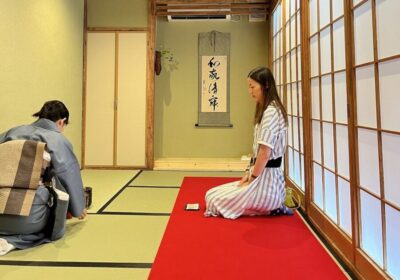
Browse the lists this tour appears in