
REVIEW · TEA CEREMONY EXPERIENCES
Tea ceremony by the tea master in Kyoto SHIUN AN
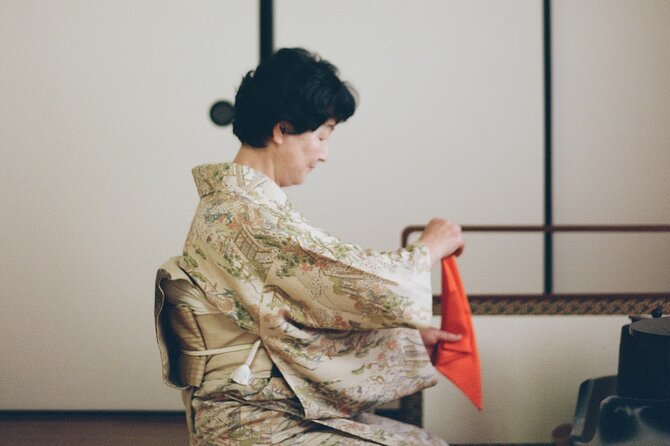
The most appealing part of this Kyoto tea ceremony is its small-group setting, limited to six people in normal periods and eight during peak seasons. You meet near Daitoku-ji, a Zen temple area closely tied to tea culture, then enter a traditional tea room where the scroll, flowers, utensils, and movements all have a purpose.
I like the mix of watching and doing: you see the tea master perform the ceremony, then make your own bowl of matcha. I also like the calm residential setting, plus the English interpreter who helps explain the customs and symbolism. The main drawback is the location. It is north of central Kyoto, not near Gion, and the house can be difficult to find, with stairs and floor sitting that may not suit everyone.
In This Review
- Key points to know before booking
- Why this tea ceremony feels different from a quick Kyoto photo stop
- Arriving near Daitoku-ji Temple
- Entering the tea room
- Watching the formal preparation
- Making your own bowl of matcha
- Understanding the sweets, utensils, and etiquette
- Group size, timing, and the pace of the visit
- Is $33.03 a good value?
- Who should book this SHIUN AN experience?
- Booking, cancellation, and practical details
- FAQ
- How long does the SHIUN AN tea ceremony last?
- Where does the tea ceremony take place?
- Is the activity close to Kinkaku-ji?
- How many people can join each session?
- Are matcha and sweets included?
- Can I make my own matcha?
- Are utensils and socks provided?
- Can I cancel for a full refund?
- Should you book it?
Key points to know before booking
- Two bowls of matcha and two Japanese sweets: You taste tea served by the tea master and prepare another bowl yourself.
- Small group, usually six people: The limited size allows room for questions and hands-on instruction.
- Near Daitoku-ji Temple: The location connects the ceremony with Kyoto’s Zen and tea traditions, and Kinkaku-ji is four bus stops away.
- English support is available: An interpreter explains the ceremony, answers questions, and adds cultural context.
- Traditional items are provided: You receive tea bowls, a tea container, tea scoop, whisk, white socks, and a folding fan for the session.
- Plan your route carefully: The address is in a quiet residential neighborhood, so leave extra time and use a map or local bus directions.
Why this tea ceremony feels different from a quick Kyoto photo stop
Many Kyoto tea activities offer a brief demonstration, a sweet, and a chance to stir powdered tea. SHIUN AN goes a step further by giving you a compact lesson in the thinking behind the ceremony.
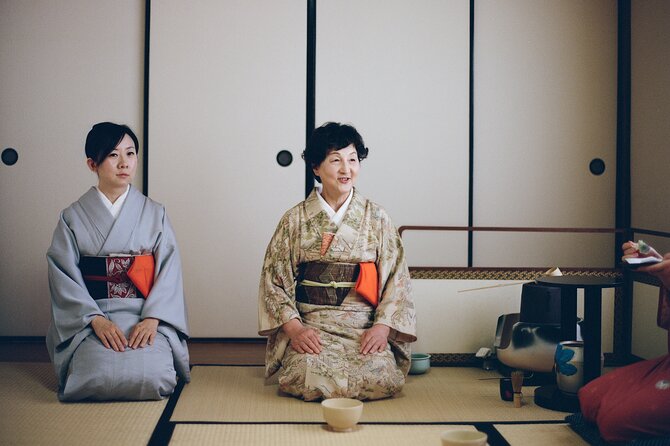
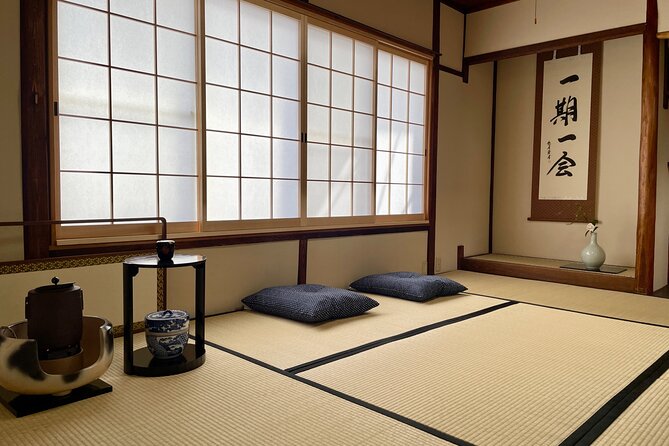
The tea master does not simply hand you a whisk and say to copy the motion. First, you enter the tea room and take in the hanging scroll and seasonal flower arrangement. These details are not random decoration. The room’s layout, the objects chosen for the day, and the way the host moves all help create the mood of the gathering.
That attention to detail is central to Japanese tea practice. The ceremony is often linked with Zen ideas, especially the notion that understanding comes through direct experience rather than a lecture alone. You do not need to be religious or familiar with Zen to appreciate this. The practical lesson is simple: slow down, notice what is in front of you, and give full attention to one carefully made bowl of tea.
The session is also designed for people who know little about matcha. The tea master explains the utensils and the order of events before the formal service begins. The English interpreter is important here, since the ceremony includes gestures and customs that may otherwise be easy to miss.
More Tea Ceremony Experiences in Kyoto
- Kyoto: Tea Ceremony in a Traditional Tea House in Kiyomizu
★ 4.9 · 3,519 reviews - Kyoto: Tea Ceremony Ju-An at Jotokuji Temple
★ 4.9 · 3,207 reviews - Kyoto: 45-Minute Tea Ceremony Lesson Experience
★ 4.3 · 2,378 reviews
Arriving near Daitoku-ji Temple
SHIUN AN is at 955-1 Idacho in Kamigyo Ward, in northern Kyoto. It is close to Daitoku-ji Temple, one of the city’s major Zen temple complexes, and about four bus stops from Kinkaku-ji, the Golden Pavilion.
This setting gives the experience useful cultural context. Daitoku-ji has a long connection with important Zen priests and with the development of Japanese tea culture. You are not attending the ceremony inside the famous temple itself, but the neighborhood places the activity near an area where Zen practice and tea have influenced one another for centuries.
The location also changes the feel of the outing. This is a quiet residential area rather than a busy tourist district. That makes it easier to shift out of sightseeing mode before the ceremony starts, but it also means you should not treat the address as a casual walk-in stop between central Kyoto attractions.
Finding the house may take more time than expected. Use your map before leaving, check the route carefully, and allow a cushion for getting off the bus and locating the entrance. One practical option is to take public transportation to the nearest convenient station and then use a taxi or ride service for the final stretch. The short taxi ride can be inexpensive compared with the cost of missing the start of a timed ceremony.
If you are visiting Kinkaku-ji the same day, the four-bus-stop connection makes this activity easier to pair with the Golden Pavilion. Still, do not assume the two sights are next door. Kyoto buses can be slow, and the tea ceremony begins at a set time.
Entering the tea room
At the start, the host leads you into the tea room and gives you time to notice the room’s central features. The hanging scroll and flower arrangement are selected for the season and help establish the tone before anyone drinks tea.
This is a useful introduction because it shows you that the ceremony is not only about taste. The bowl, scoop, container, whisk, flowers, scroll, clothing, and movements all contribute to the occasion. You begin to see why a tea ceremony can take years of study. The visible actions are precise, but the meaning also comes from the relationship among the objects and the setting.
The tea masters at SHIUN AN hold a Tea Name, described as a full professor qualification in their school of tea. That does not mean the session is stiff or difficult to follow. The teaching is meant for beginners, and the tone is warm and welcoming. You can ask questions through the English interpreter, and the interpreter helps connect the formal movements with everyday explanations.
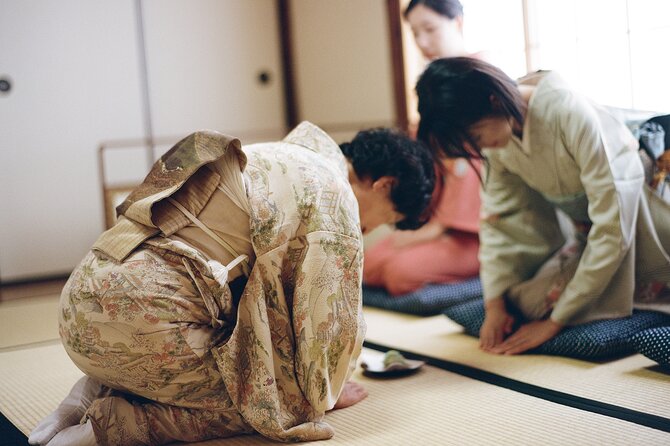
The room is traditional, so expect some of the physical features that come with that setting. Floor sitting is part of the experience, and one person found it difficult to sit in the preferred position for the full time. The host made that participant comfortable, and another couple noted that a husband who could no longer sit on the floor was included with care. If you have knee, hip, or mobility concerns, contact the provider before booking and explain what you need.
White socks are included for use on the tatami floor. A folding fan is also provided. These small touches help you take part in the customs rather than simply watching from the side.
Watching the formal preparation
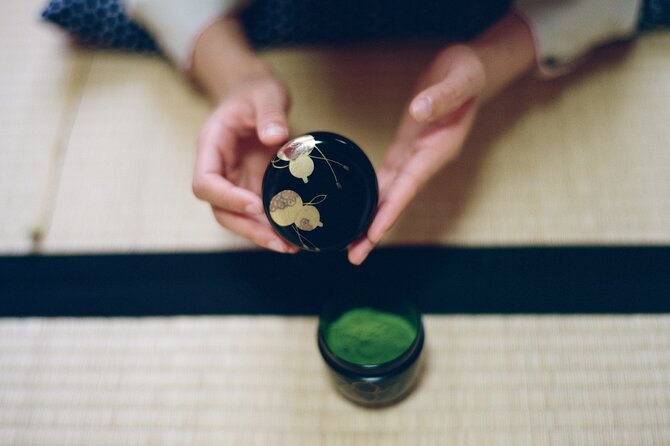
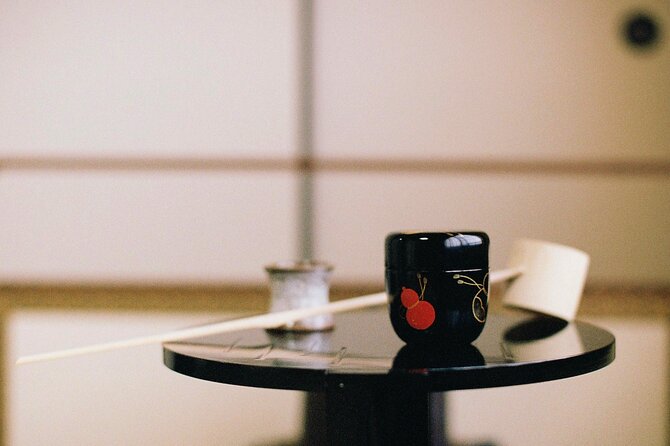
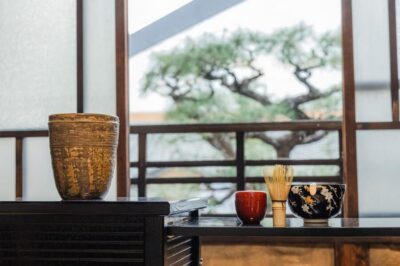
Before serving the tea, the host explains the basic sequence and introduces the main tools. You learn what the tea container, scoop, bowl, and whisk are for, then watch the tea master prepare matcha with deliberate movements.
The formal preparation is slower than making a drink at home. The tea master handles each item with care, and the order of the gestures matters. You will notice that the whisking itself is only one part of the process. The bowl is presented in a particular way, and the host’s movements show respect for the tea, the objects, and the people sharing the room.
This is the section where an interpreter adds real value. Without explanation, you might see a series of graceful actions but miss why the host turns a bowl, pauses, or handles a utensil in a certain manner. The interpreter also helps answer the practical questions that usually arise, such as how matcha is made, why sweets are served, and what the ceremony’s customs mean.
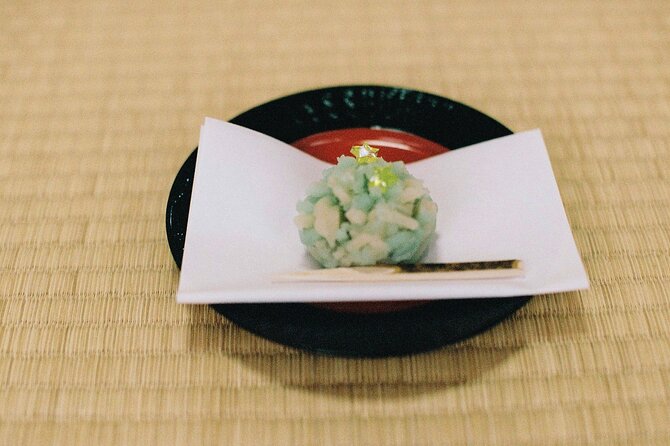
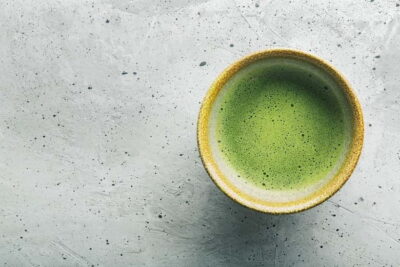
You receive a seasonal Japanese sweet with the first bowl of matcha. The sweet is not just a snack on the side. Its flavor and sweetness balance the bitter, grassy character of powdered tea, preparing your palate for the drink.
You have two kinds of sweets during the session and two bowls of matcha in total. This makes the activity more than a demonstration. You get enough time to taste the tea, observe the host, and then try the process yourself.
Same city, a completely different kind of day:
- PERFECT KYOTO 1-Day Bus Tour
★ 5.0 · 13,518 reviews - Kyoto: Fushimi Inari, Kinkakuji, Bamboo Grove 1 Day Bus Tour
★ 4.8 · 4,316 reviews - Kyoto Geisha Walking Tour: Gion District & Hidden Gems
★ 4.7 · 3,273 reviews - Kyoto: Gion Magical Night Walking Tour with Geisha Trivia
★ 4.9 · 2,393 reviews
Making your own bowl of matcha
The hands-on portion is the most useful part for many first-time visitors. After watching the tea master, you receive the tools and learn the basic method for preparing your own bowl.
Do not expect your first bowl to taste exactly like the tea master’s. The point is not to produce a perfect drink. It is to understand the rhythm of the process and feel how much care goes into something that can look simple from a distance.
The tea master guides you through the steps and answers questions after the demonstration. You handle the tea container, scoop, bowl, and whisk, then prepare your own matcha under instruction. This gives you a clearer sense of the skill involved than simply photographing someone else making tea.
The experience suits children and adults who enjoy learning by doing. A young child who already likes Japanese culture can take part, but the ceremony still requires quiet attention and respectful behavior. It is not a loud, fast-paced activity, and you should choose it for the chance to slow down rather than for entertainment alone.
The second bowl gives you another chance to enjoy matcha and compare your effort with the tea master’s preparation. You may find your tea more bitter, thinner, or less frothy. That contrast is useful. It shows why tea masters spend years practicing small movements that are easy to underestimate.
Understanding the sweets, utensils, and etiquette
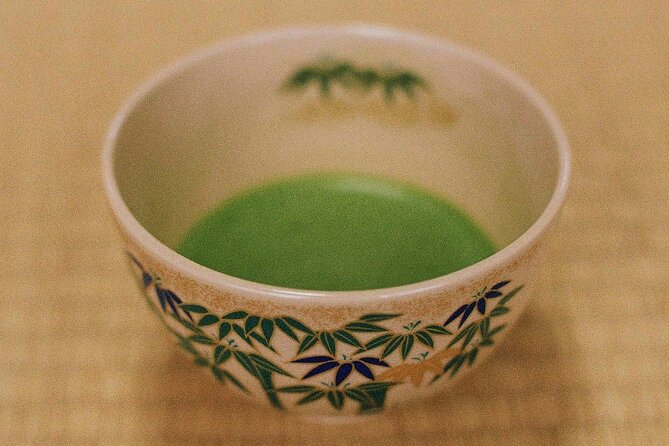
The supplied utensils are practical teaching tools, not just props. The tea bowl gives you a sense of how the drink is presented and held. The scoop shows the controlled amount of powder used, while the whisk turns the tea into the familiar fine foam.
You also learn basic etiquette as part of the ceremony. The tea master explains how the bowl is handled and how to receive the tea. Even if you forget some steps later, you will leave with a better understanding of the respect built into the ritual.
The seasonal sweets add another layer. Japanese sweets served with matcha are often designed to balance the tea and reflect the time of year. The exact sweets can change, so you should expect seasonal variation rather than a fixed menu.
If you have food allergies, tell SHIUN AN in advance. The activity information specifically asks participants to provide allergy details. Do not assume every sweet is suitable for you without checking.
Group size, timing, and the pace of the visit
The stated duration is about 45 minutes, though some descriptions of the experience refer to roughly an hour. Plan for a compact session rather than a long afternoon program. You return to the same meeting point at the end, with no pickup or drop-off included.
The usual maximum is six people, increasing to eight during peak seasons. This is small enough for direct instruction and questions, but the atmosphere can vary depending on the makeup of the group. A quieter group may feel almost private, while a full session will feel more social.
A very small group can be a real advantage. One participant experienced the ceremony alone and found the stillness especially enjoyable. You should not count on a private session, but the small maximum gives the host more room to include each person.
The pace is gentle and deliberate. You will not rush from room to room or collect a long list of sightseeing stops. The reward is concentration. For many people, this makes a welcome break from Kyoto’s busy temples, buses, and shopping streets.
There are physical considerations. You may sit on the floor for part of the ceremony, and the property includes stairs. Participants who cannot use the preferred floor position have been accommodated, but you should communicate your needs before arrival. Service animals are allowed, and the activity is near public transportation.
Is $33.03 a good value?
At $33.03 per person, this is a reasonably priced cultural activity in Kyoto. You receive instruction from a qualified tea master, an English-supported explanation, two bowls of matcha, two Japanese sweets, and use of the traditional utensils.
The value comes from participation. If you only want to taste matcha, you can find less expensive options in Kyoto. If you want to understand the ceremony, learn the basic movements, and make your own bowl in a traditional room, the price is easier to justify.
The small group also matters. A large commercial demonstration can keep the price low, but it gives you less time to ask questions or practice. Here, the six-person limit normally allows the tea master and interpreter to pay attention to individual participants.
I would also count the location as part of the value, though not without a cost in time. You get a quieter northern Kyoto setting near Daitoku-ji, but reaching it takes more planning than visiting an activity in Gion or near Kyoto Station.
The experience is rated 4.8 out of 5 from 76 ratings, with 96 percent recommending it. Those numbers suggest strong satisfaction, but the practical details matter more for your decision: you need to be comfortable with a quiet lesson, a traditional room, floor sitting, and a less central address.
Who should book this SHIUN AN experience?
I would choose this ceremony if you want a cultural activity that explains the meaning behind what you are seeing. It is a good fit for first-time visitors, matcha fans, couples, families with an interest in Japanese culture, and anyone who wants a peaceful pause in a busy Kyoto schedule.
It is also a strong choice if authenticity matters to you. The setting is a small house in a residential neighborhood, not a large performance venue. The tea master has formal qualifications, and the session includes actual preparation rather than a demonstration only.
You may want to choose another activity if you dislike sitting on the floor, have difficulty with stairs, or want a central location that is easy to reach on foot from Gion. You should also avoid booking it as a last-minute filler between tightly scheduled attractions. The route can be tricky, and the ceremony starts at a fixed time.
The experience works best when you allow yourself to be present. Read a little about Japanese tea ceremony before you go, arrive early, and keep your expectations focused on learning rather than taking a quick photograph in a kimono.
Booking, cancellation, and practical details
Your mobile ticket is confirmed at booking. The meeting point is 955-1 Idacho, Kamigyo Ward, Kyoto, and the activity ends there.
Public transportation is available nearby, but the quiet neighborhood can make the final approach confusing. Use Google Maps or another route planner, and allow extra time for stairs, buses, and locating the correct house.
Free cancellation is available up to 24 hours before the start time for a full refund. Changes or cancellations made less than 24 hours before the start time are not accepted for a refund. If the minimum number of participants is not reached and SHIUN AN cancels, you are offered another date or experience, or a full refund.
FAQ
How long does the SHIUN AN tea ceremony last?
The activity lasts approximately 45 minutes. Some descriptions refer to the session as roughly an hour, so allow a little extra time around the stated duration.
Where does the tea ceremony take place?
It takes place at 955-1 Idacho, Kamigyo Ward, Kyoto, 602-8302, Japan. The activity is near Daitoku-ji Temple in a quiet residential neighborhood.
Is the activity close to Kinkaku-ji?
The location is described as four bus stops from Kinkaku-ji, also called the Golden Pavilion. You should still allow time for the bus journey and for finding the house.
How many people can join each session?
The normal maximum is six people. During peak seasons, the group may increase to a maximum of eight.
Are matcha and sweets included?
Yes. You receive two bowls of matcha and two kinds of Japanese sweets during the ceremony.
Can I make my own matcha?
Yes. After watching the tea master, you use a tea bowl, container, scoop, and whisk to prepare your own bowl of matcha with instruction.
Are utensils and socks provided?
Yes. Tea bowls, tea containers, tea scoops, tea whisks, white socks, and a folding fan are provided.
Can I cancel for a full refund?
You can cancel at least 24 hours before the experience start time for a full refund. Cancellations or changes made less than 24 hours before the start time are not refunded or accepted.
Should you book it?
Book SHIUN AN if you want a quiet, hands-on introduction to Kyoto’s tea tradition, with a qualified tea master, an English interpreter, sweets, and time to prepare your own matcha. The price is fair for the personal instruction and small group.
Skip it if you need a central location, cannot manage stairs or floor sitting, or prefer a short photo opportunity over a careful cultural lesson. For everyone else, this is a thoughtful way to connect Daitoku-ji’s Zen setting with one of Japan’s most precise and meaningful arts.
Just added around Kyoto
- Private Guided Traditional Buddhist Cooking in Japan★ 5.0 · 16 reviews
- Kyoto: Gion Geisha District & Sake-in-Hand Walking Tour★ 5.0 · 37 reviews
- Your Private Vacation Photography Session In Kyoto★ 5.0 · 110 reviews
- Kyoto: Zen Meditation at a Private Temple with a Monk★ 5.0 · 25 reviews
- Traditional Japanese Washi Papermaking- Kyoto morning★ 5.0 · 77 reviews
- Kyoto Wagashi(Japanese sweets) Cooking Class near Fushimiinari★ 5.0 · 60 reviews
- Private Pewter Sake Cup Experience with a Kyoto Artisan★ 5.0 · 31 reviews
- Kyoto:Family-Friendly Kimono & Yukata Experience at WARGO★ 5.0 · 147 reviews
Tea Ceremony Experiences, compared.

Tea Ceremony in a Traditional Tea House in Kiyomizu
Read our review →


World Heritage Kyoto & Nara Uji Authentic Matcha Experience
Read our review →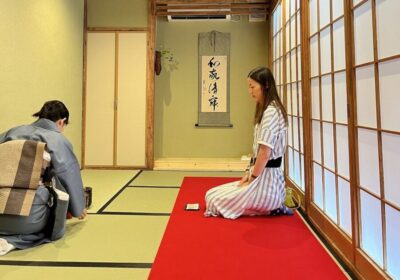
Browse the lists this tour appears in