
REVIEW · TEA CEREMONY EXPERIENCES
Tea ceremony and kimono experience at Kyoto, Tondaya
Kyoto’s Tondaya experience begins with a rare chance to wear a traditional silk kimono inside a Meiji-period wooden townhouse. You are dressed over your own clothes, shown around the old home, and invited to take photos before sitting down for matcha and a Japanese sweet.
I like the setting and the simple flow: kimono fitting first, house tour second, tea ceremony last. I also like that you can see a family-style machiya in the Nishijin district, away from Kyoto’s most obvious sightseeing routes. The main concern is crowding. A small group can enjoy a calm, informative session, while a packed room may make the ceremony hard to see and hear.
In This Review
- Key points to know before booking
- Entering Tondaya, an old Kyoto townhouse in Nishijin
- Getting dressed in a silk kimono
- Photos in the machiya
- What happens during the tea ceremony
- The house tour gives the experience its character
- Group size can change the whole mood
- Is $178.34 a fair price?
- Who will enjoy Tondaya most?
- Practical advice for a smoother visit
- My verdict on this Kyoto tea ceremony
- FAQ
- Where does the tea ceremony take place?
- How long does the experience last?
- Is the activity private?
- What is included in the price?
- Is lunch included?
- Do I need to bring socks?
- Are makeup and hair styling included?
- Are geta sandals included?
- Can I take photographs?
- How many people can join the group?
- Is the site near public transportation?
- Can I cancel for a full refund?
Key points to know before booking
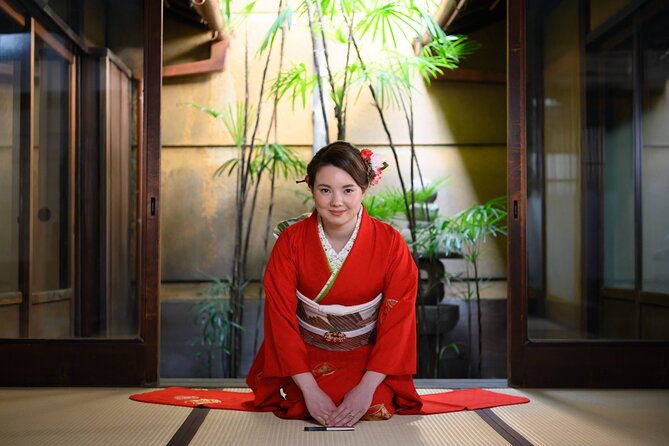
- A Meiji-period machiya: The ceremony takes place in an old wooden townhouse that now operates as the Nishijin Lifestyle Museum.
- Kimono fitting included: Staff dress you in a silk kimono over your own clothing, but makeup, hair styling, socks, and geta sandals cost extra or are not included.
- About 90 minutes: The full visit includes changing, photos, a house tour, and tea, though the actual ceremony may be brief.
- Group size matters: The stated maximum is 20 people, but some sessions have felt much more crowded according to detailed firsthand accounts.
- Bring socks: You must wear socks to help protect the historic building and its furnishings.
- Value depends on your goal: It suits you if you want a cultural introduction and kimono photos, but it may disappoint if you expect a long, formal tea lesson.
Entering Tondaya, an old Kyoto townhouse in Nishijin
Tondaya is at 697 Ishiyakushicho in Kyoto’s Kamigyo Ward. It is near public transportation, but the entrance can be difficult to spot. The building does not necessarily look like a large museum or a polished tourist center, so allow extra time and use your map carefully.
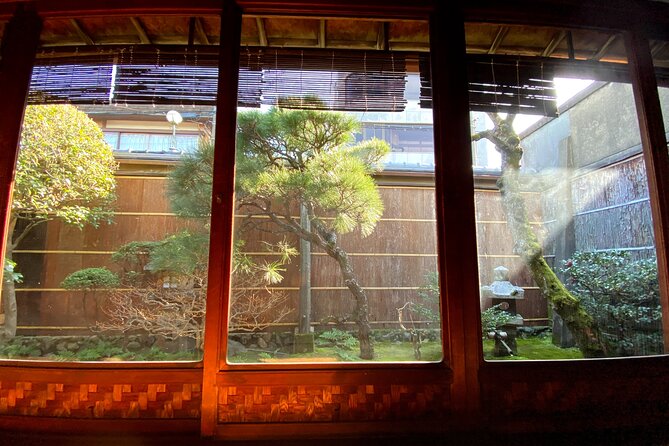
That modest entrance is part of the appeal. You are not walking into a modern attraction built for quick sightseeing. You are entering a traditional wooden house with narrow rooms, timber details, gardens, and an old-fashioned layout. It is the sort of Kyoto setting you could easily miss while moving between the major temples and shopping streets.
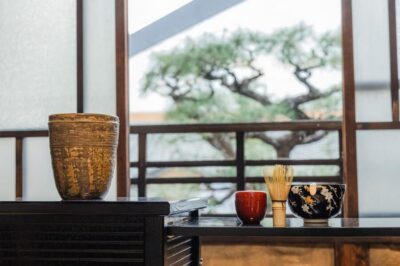
The house dates to the Meiji period and is presented as part of the Nishijin Lifestyle Museum. You may notice seasonal air moving through the building, a small but memorable detail in a house designed before modern climate control. The rooms, furnishings, and household objects help give the tea ceremony a physical setting rather than making it feel like a performance in a hotel meeting room.
You finish where you begin, so the experience does not require a complicated transfer. The activity lasts about one hour and 30 minutes, although the exact time can change with crowd levels and late arrivals.
More Kimono & Culture Experiences in Kyoto
- Kyoto Geisha Walking Tour: Gion District & Hidden Gems
★ 4.7 · 3,273 reviews - Kyoto: Gion Magical Night Walking Tour with Geisha Trivia
★ 4.9 · 2,393 reviews - Kyoto: Gion Geisha District Walking Tour – Stories of Geisha
★ 4.7 · 2,187 reviews
Getting dressed in a silk kimono
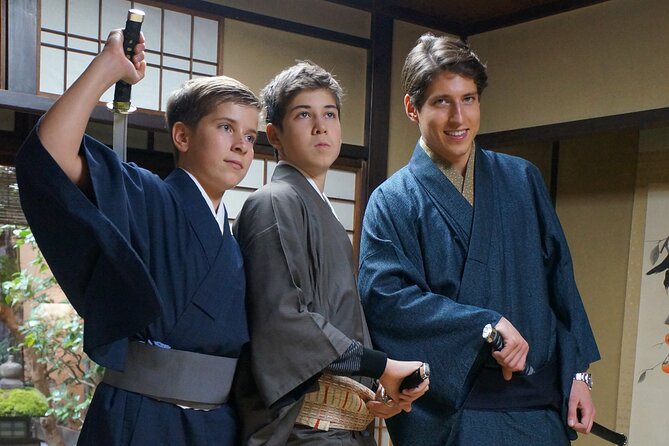
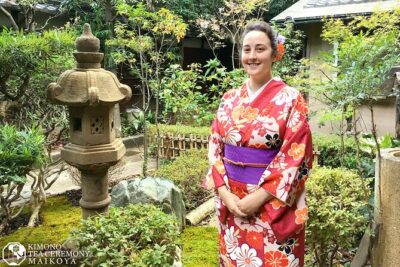
The kimono fitting is the most reliable part of the experience. Staff help you choose colors and dress you over your own clothes. The process is designed to move quickly, so you do not need to know how to tie the garment or arrange its layers.
The result is a complete traditional outfit, not simply a robe thrown over a shirt. You may also wear accessories, depending on the arrangement on the day. The clothing is well made, and the fitting gives you a useful sense of how structured and carefully arranged a kimono can be.
Bring clean socks from home. This is required for cultural and preservation reasons, and socks are not included in the price. You can buy a pair at the venue if necessary, but that is an avoidable extra cost.
The experience does not include makeup or hair styling. Geta, the wooden sandals traditionally worn with kimono, are also not included. You can still enjoy the kimono indoors without them, and the lack of hair and makeup services keeps this from becoming a full studio makeover. Still, it is important to know what you are paying for. This is a quick cultural fitting, not a full beauty package.
The dressing room can become frantic when several groups arrive together. Staff may be kind and patient, but the atmosphere depends on how many people are being prepared at once. If you have mobility concerns, ask before booking, since the house includes stairs and traditional rooms.
Photos in the machiya
After you are dressed, you can take photos around the house. This is a strong part of the visit for anyone who wants a visual memory of Kyoto beyond temple gates and rented street costumes.
The old rooms and gardens provide a more natural setting than a staged photo booth. You can photograph the kimono against wooden interiors, traditional objects, and small garden views. Some sessions also allow photos of the tea equipment and ceremony itself.
Take advantage of this time, since the photo opportunity may be the most flexible portion of the visit. The fitting and ceremony follow a schedule, but the house tour and photo period give you a chance to look around at your own pace.
Do not expect elaborate professional photography, makeup, or hair work. You are welcome to take your own pictures, and the focus is on the house and clothing rather than a formal portrait session. If photos are a main reason for booking, wear simple clothing underneath the kimono and bring a phone with enough battery.
What happens during the tea ceremony
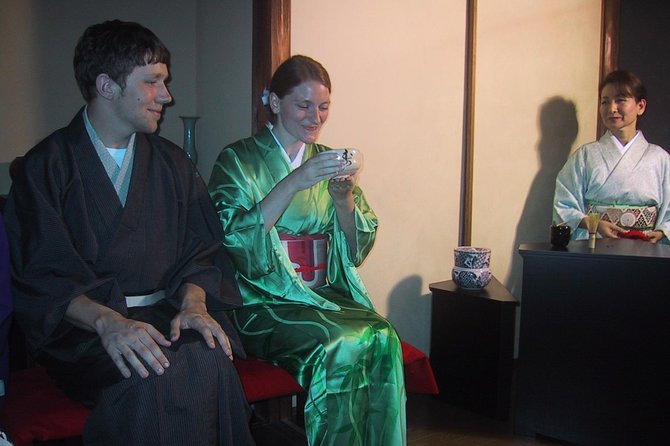
The tea portion introduces you to matcha preparation and the basic manners of drinking tea. You watch the tea being made, receive a bowl, and are shown the proper way to drink it. A small sweet is served with the tea.
A good session explains why the host handles the bowl, utensils, and movements in a particular way. The ceremony can be short, however, and some sessions provide only a brief explanation before the tea is distributed. The first serving may come directly from the person conducting the ceremony, with additional servings brought out on a tray.
This distinction matters. If you want an introduction to Japanese tea etiquette, the experience can be enough. You will see the order of preparation, learn how to accept and drink the tea, and take part without worrying about a serious mistake.
If you want a detailed lesson on the history, philosophy, utensils, schools of tea, and meaning behind every gesture, this may feel thin. The tea ceremony itself can last only a few minutes, leaving the house visit and kimono fitting to fill most of the 90-minute appointment.
The room also affects the experience. A quiet, small group makes it easier to see the tea master’s hands and hear the explanation. In a crowded room, people at the back may see very little. Heat and limited seating can also become uncomfortable, especially when everyone is wearing layered clothing.
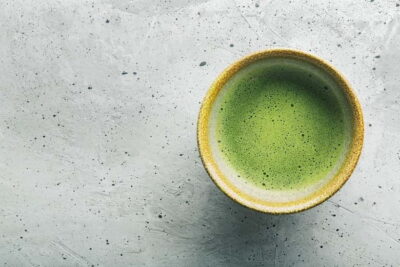
The tea is matcha, which has a grassy, bitter taste that not everyone enjoys. The sweet is meant to balance it, but the quality and freshness may not always meet the expectations of someone paying a premium price. You are receiving a cultural sample, not a full meal, and lunch is not included.
More Tea Ceremony Experiences in Kyoto
- Kyoto: Tea Ceremony in a Traditional Tea House in Kiyomizu
★ 4.9 · 3,519 reviews - Kyoto: Tea Ceremony Ju-An at Jotokuji Temple
★ 4.9 · 3,207 reviews - Kyoto: 45-Minute Tea Ceremony Lesson Experience
★ 4.3 · 2,378 reviews - Kyoto: Table-Style Tea Ceremony at a Kyo-Machiya
★ 4.9 · 1,211 reviews
The house tour gives the experience its character
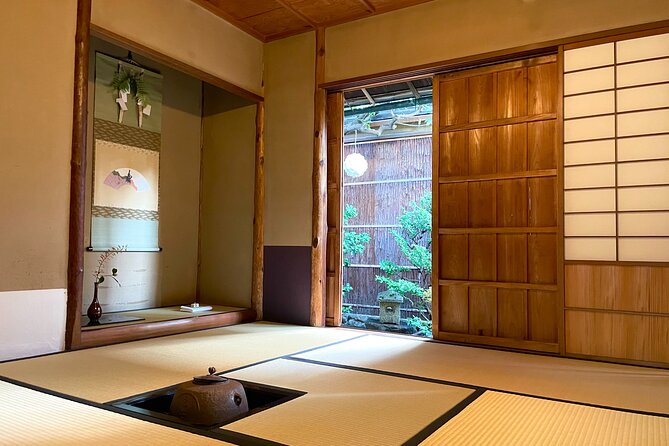
The machiya tour is what separates this activity from a basic kimono rental followed by a cup of tea. You move through a historic Kyoto home and see how rooms, objects, furniture, and gardens work together.
The house itself is compact, so the tour is not long. It can still be informative when the guide explains the purpose of the rooms and the role of the household objects. Some sessions have offered a clear introduction to the home and the ceremony, while others have given only a short walk through the rooms.
The quality of the spoken explanation may vary. English has been clear and useful in some sessions, including one led by a young guide from Holland who was praised for her explanations and personal help after the activity. Other sessions have found the English difficult to follow.
That variation is worth considering if education is your main reason for booking. The physical setting is consistently the reason to come, but the depth of interpretation depends on the staff member and the size of the group.
Group size can change the whole mood
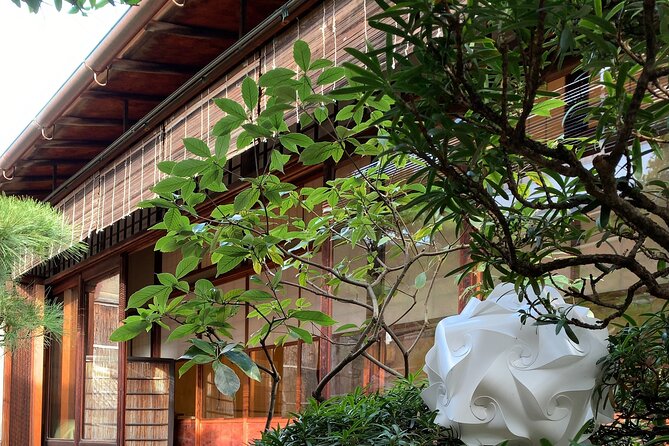
The experience is conducted as a group activity, with a published maximum of 20 participants. Yet some accounts describe much larger, crowded sessions, with more than 30 or even close to 50 people in the building at once. Since those conditions conflict with the stated maximum, I would confirm the expected group size directly before paying if quiet atmosphere matters to you.
A small group lets you sit close enough to watch the tea preparation. You can ask questions, take photos, and move around the house without bumping into people. A large group creates a different experience: dressing becomes hurried, the tea room feels packed, and other groups may pass through while the ceremony is underway.
Late arrivals can also delay the start. Since kimono fitting takes time, one slow group can affect everyone. The activity may run for less than the advertised 90 minutes in a busy session, or the schedule may feel compressed at the end.
Tondaya offers a private option for people who want the room to themselves. It costs more, but this is one of the rare cases where paying extra may directly address the main weakness. A private session gives you a better chance of hearing the explanations, seeing the tea preparation, and keeping the calm that makes a tea ceremony meaningful.
Is $178.34 a fair price?
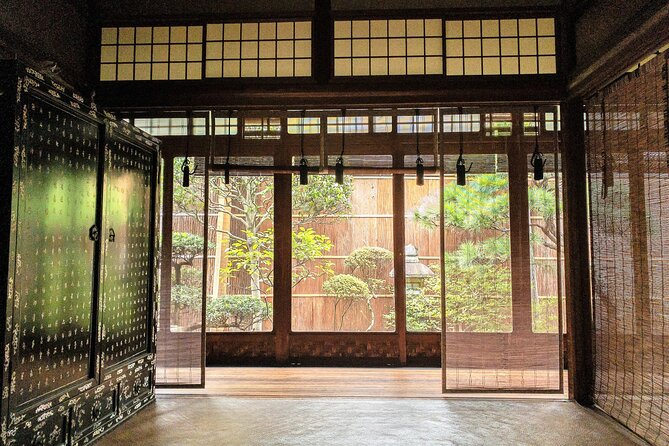
At $178.34 per person, this is not a cheap cup of tea. You are paying for the kimono fitting, entrance to the historic house, the tea ceremony, a sweet, staff time, and access to a traditional setting.
The price makes more sense if you see the activity as three parts: dressing up, visiting an old Kyoto home, and receiving a short cultural introduction. It is less attractive if you mainly want to watch a formal tea ceremony. A few minutes of matcha preparation alone cannot justify this price for most people.
I would also factor in the value of the setting. A rented kimono on a busy shopping street may offer more time for photos, but it will not give you the same house tour or tea ceremony. Tondaya’s appeal is the combination, not any single element.
The value is strongest for a first visit to Japan, for families, or for anyone who wants a gentle introduction without needing prior knowledge of tea etiquette. It is weaker for someone who has already attended a serious tea ceremony or who expects an in-depth cultural lecture.
Because the booking pattern is roughly 27 days ahead on average, popular dates may fill well before your visit. If you choose this activity, check the cancellation terms carefully: free cancellation is available up to 24 hours before the start time, but changes or cancellations inside that window are not refunded.
Who will enjoy Tondaya most?
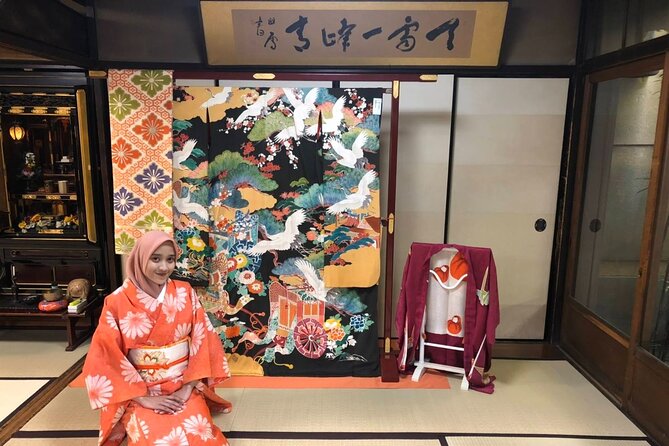
I would choose this for you if:
- You want to wear a real kimono in a historic home.
- You value atmosphere and photographs as much as formal instruction.
- You are visiting Kyoto for the first time and want an easy cultural activity.
- You can manage stairs and sitting in a traditional room.
- You are comfortable with a group setting and a ceremony that may be brief.
I would be cautious if:
- You need a quiet, private, highly formal tea ceremony.
- You expect detailed explanations of every gesture and garment.
- You dislike matcha or want more than a small sweet.
- You are paying mainly for hair styling, makeup, sandals, or professional photos.
- You find crowded rooms uncomfortable.
The experience is also a reasonable choice for people who worry about doing something wrong. The staff guide you through the clothing and tea manners, so you can follow along without knowing Japanese customs in advance.
Practical advice for a smoother visit
Arrive early. The entrance is not always obvious, and the house can be easy to miss before opening. Save the full address in your phone and allow time to find 697 Ishiyakucho.
Wear simple, comfortable clothing underneath the kimono. You will be dressed over your own clothes, and bulky layers may make the fitting less comfortable. Bring socks, even if you think you will remember them later.
Eat beforehand if you need a substantial meal. Lunch is not included, and the tea service gives you matcha and a small sweet, not a full snack.
Keep your phone ready for photos, but listen during the house tour. The building is the part you cannot reproduce elsewhere. If the ceremony is brief, careful attention to the rooms and objects will give you more from the visit.
If you are booking for a special occasion, ask about a private session. The extra cost may be worthwhile for couples, families, or anyone who wants clean photos and a calmer tea room.
My verdict on this Kyoto tea ceremony
Tondaya offers a memorable setting, lovely kimono, and a real look inside an old Kyoto townhouse. The strongest parts are the fitting, photographs, and house itself. The tea ceremony can be graceful and instructive, but it may also be hurried or hard to see when the room is crowded.
I would book it if your main goal is a kimono-and-machiya cultural experience with a taste of tea ceremony. I would choose the private option if your budget allows and peace matters to you. If your priority is serious tea instruction, compare other Kyoto ceremonies before committing to the $178.34 price.
FAQ
Where does the tea ceremony take place?
It takes place at Tondaya, the Nishijin Japanese Cultural Experience Museum, at 697 Ishiyakucho, Kamigyo Ward, Kyoto, 602-8226, Japan.
How long does the experience last?
The maximum scheduled experience time is about one hour and 30 minutes. The actual length can vary depending on crowd levels.
Is the activity private?
No. The standard experience is conducted with other participants. A private experience option is available if you want a more personal setting.
What is included in the price?
The price includes the tea ceremony, kimono experience, and entrance fee to the site.
Is lunch included?
No. Lunch is not included, and the tea service includes matcha and a sweet rather than a full meal.
Do I need to bring socks?
Yes. You must bring socks to help protect the cultural property. Socks may also be purchased at the venue.
Are makeup and hair styling included?
No. Makeup and hair styling are not included.
Are geta sandals included?
No. Geta, traditional Japanese wooden sandals, are not included.
Can I take photographs?
Yes. You are welcome to take photographs around the house, and photographs of the tea ceremony and equipment may also be allowed.
How many people can join the group?
The stated maximum is 20 participants. Since crowd conditions can vary, confirm the expected group size if this is important to you.
Is the site near public transportation?
Yes. The meeting point is near public transportation, though the entrance can be difficult to find because the signage is limited.
Can I cancel for a full refund?
Yes, if you cancel at least 24 hours before the experience start time. Cancellations or changes made less than 24 hours before the start time are not accepted for a refund.
Just added around Kyoto
- Private Guided Traditional Buddhist Cooking in Japan★ 5.0 · 16 reviews
- Kyoto: Gion Geisha District & Sake-in-Hand Walking Tour★ 5.0 · 37 reviews
- Your Private Vacation Photography Session In Kyoto★ 5.0 · 110 reviews
- Kyoto: Zen Meditation at a Private Temple with a Monk★ 5.0 · 25 reviews
- Traditional Japanese Washi Papermaking- Kyoto morning★ 5.0 · 77 reviews
- Kyoto Wagashi(Japanese sweets) Cooking Class near Fushimiinari★ 5.0 · 60 reviews
- Private Pewter Sake Cup Experience with a Kyoto Artisan★ 5.0 · 31 reviews
- Kyoto Private 6 hour Tour: English Speaking Driver Only, No Guide★ 5.0 · 88 reviews
Tea Ceremony Experiences, compared.
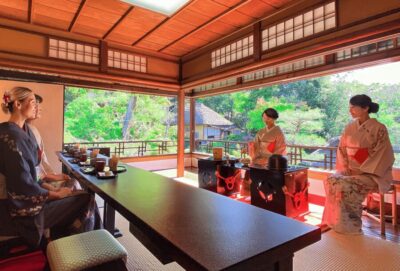
Tea Ceremony in a Traditional Tea House in Kiyomizu
Read our review →

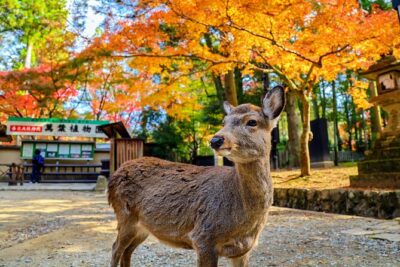
World Heritage Kyoto & Nara Uji Authentic Matcha Experience
Read our review →
Browse the lists this tour appears in