
REVIEW · JAPANESE COOKING CLASSES
Small-Group Wagyu Beef and 7 Japanese Dishes Tokyo Cooking Class
The star here is not simply the Wagyu. It is the chance to build a Japanese meal from its base, starting with dashi and moving through seasonings, knife work, presentation, and a full meal. In about three hours, you prepare up to seven or eight dishes, then sit down to eat what you made.
I like the small class size, capped at eight, because you get help instead of watching from the back. I also like the practical focus: the recipes, tips, and ingredient lessons are meant to follow you home. The main consideration is that not every part of the meal is equally hands-on. Some chopping and mixing are yours, while the instructors prepare certain items in advance or handle parts of the cooking.
In This Review
- Key points to know
- Starting with dashi at Cooking Sun Tokyo
- Seven dishes, several techniques, and a generous pace
- Wagyu, sukiyaki, and the meal at the end
- What makes the teaching work
- Value at about $73 per person
- Who should book this Tokyo cooking class
- My call: book it for food skills, not spectacle
- FAQ
- How long does the cooking class last?
- Where does the class meet?
- How many people are in each class?
- Is the class taught in English?
- What is included in the price?
- Is a vegetarian option available?
- Is hotel transportation included?
Key points to know
- Dashi comes first: You begin with the foundation of Japanese cooking and learn how it appears in later dishes.
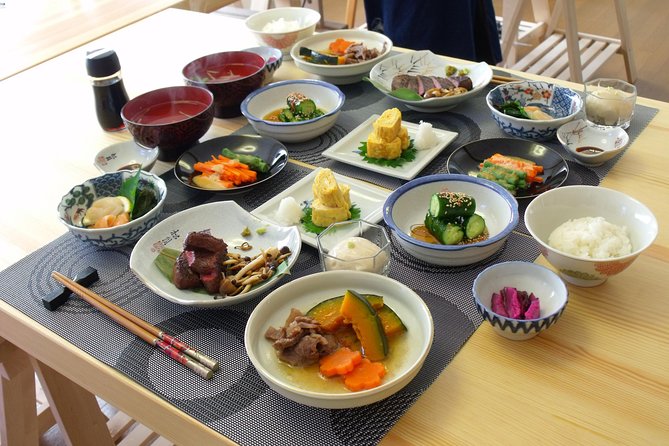
- Wagyu is the main event: The tender beef is prepared as part of a full Japanese lunch, often including sukiyaki.
- Eight-person maximum: The compact group keeps the class personal and gives you room to ask questions.
- English instruction: Local instructors explain techniques, ingredients, and food customs in English.
- A useful home-cooking lesson: You leave with recipes and methods for Japanese dishes that are not always common on restaurant menus.
- Allow extra time to find the studio: The meeting point can be tricky to locate in its residential setting.
Starting with dashi at Cooking Sun Tokyo
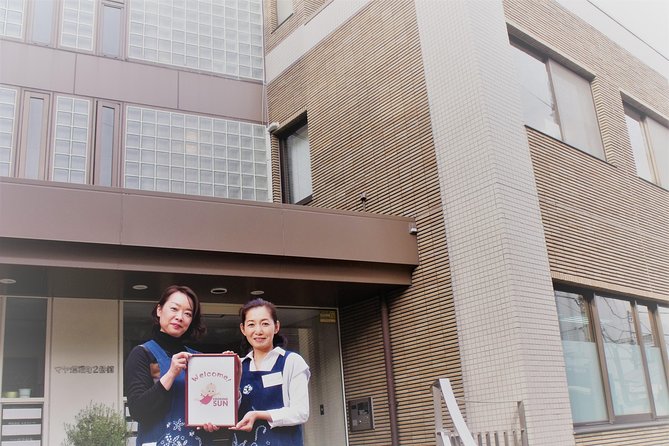
Your morning begins at 9:30 am at Cooking Sun Tokyo, located at 18-39 Shinanomachi in Shinjuku City. The class ends at the same place, and hotel pickup is not included, so you need to make your own way there.
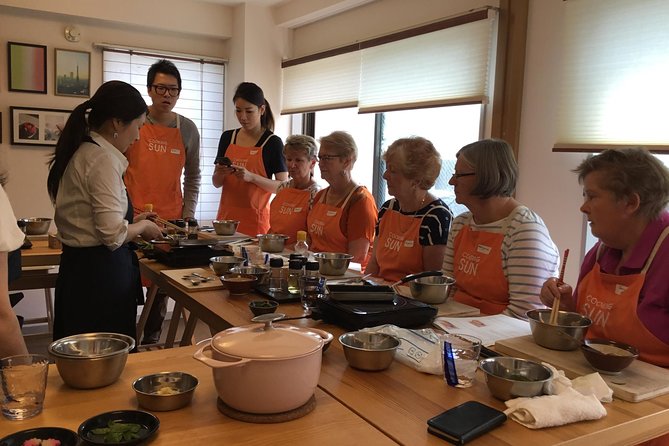
The setting is part of the appeal. This is a cooking studio with a homey feel, not a large commercial kitchen built for a crowd. The room is reported to be clean, and the quiet residential surroundings can make the class feel pleasantly removed from central Tokyo’s constant motion.
Give yourself extra time for the final approach. The building has been difficult for some people to identify, even though the area itself is manageable with a map. A large park nearby and a quieter, tree lined walk can help you orient yourself, but do not arrive at the last minute. If you use a taxi, have the full address ready.
Once you arrive, the instructors provide an apron and towel, along with the ingredients and cooking equipment. You do not need to bring special supplies. The class is taught in English, and the instructors are local Japanese cooks who explain both the practical steps and the cultural role of the food.
The first lesson is dashi, the basic stock used in Japanese cooking. This is a smart place to begin. Dashi is not merely another recipe. It is the quiet foundation behind many Japanese soups, sauces, and simmered dishes. Learning how it is made helps you understand why Japanese food can taste light but still have depth.
The instructor also introduces common Japanese seasonings. This matters if you want to recreate the dishes later, since the flavor depends as much on the balance of stock, soy based seasonings, miso, and other staples as on the main ingredients.
More Japanese Cooking Classes in Tokyo
- Sushi Making Tokyo Roll and Authentic Japanese Sushi Class
★ 5.0 · 3,971 reviews - Tokyo: Roll and Authentic Sushi Making Class in Asakusa
★ 4.9 · 1,957 reviews - Tokyo: Sushi Making Class in a Happi Coat near a Famous Spot
★ 4.9 · 1,377 reviews
Seven dishes, several techniques, and a generous pace
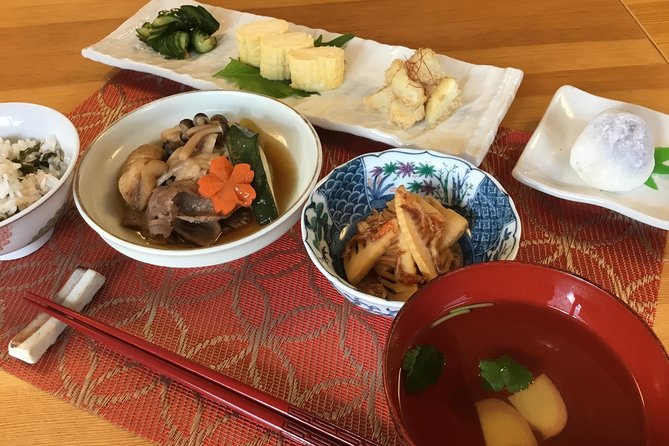
After dashi, the lesson moves through a series of dishes using Wagyu beef, Japanese vegetables, traditional seasonings, and carefully cut ingredients. The exact menu can vary, but the class is built around a full course meal with appetizers, a main dish, and dessert.
You learn more than one cooking method. The class includes chopping, mixing, seasoning, arranging food, and practicing Japanese cutting techniques. The instructors explain why ingredients are prepared in particular ways, not simply where to place them in a pan.
That is useful for home cooks. Japanese food often depends on small details, such as the size of a vegetable cut, the order in which ingredients enter a dish, or the way a sauce is balanced. You may not leave ready to recreate restaurant kaiseki, but you should have a clearer sense of how Japanese home cooking is organized.
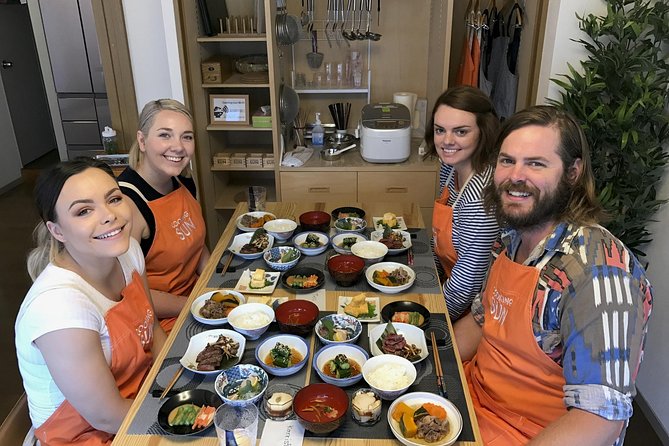
The small group changes the feel of the lesson. With no more than eight people, you are not meant to sit quietly while a chef performs. Instructors can correct your technique, answer questions, and help you keep pace. Two instructors may be working with the group, which gives the class a helpful instructor to student ratio when the kitchen gets busy.
Still, keep your expectations realistic. This is hands-on, but it is not a three-hour test of every Japanese cooking technique. One useful qualification from the class experience is that you may mostly chop vegetables and mix dressings while staff handle items such as miso soup, rice, potatoes, or food prepared ahead. You still take part, but the amount of active cooking can vary by dish.
That arrangement has a benefit. It allows the group to produce a large meal in a short morning without turning the class into a frantic race. If your main goal is to cook every component from raw ingredients yourself, ask for clarification when booking. If you want a relaxed introduction with plenty of recipes, the format makes good sense.
Wagyu, sukiyaki, and the meal at the end
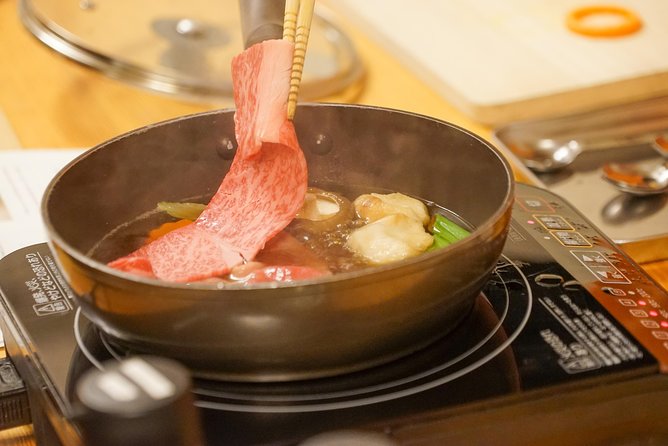
Wagyu is the headline ingredient, and the class uses it as the main dish in the meal. The beef is described as tender and beautiful, and sukiyaki is one of the dishes repeatedly singled out as a favorite part of the meal.
Sukiyaki is a good choice for this kind of lesson. It shows how Japanese cooking can combine thin, tender beef with a carefully balanced sauce and vegetables. You also see how a premium ingredient fits into a wider meal rather than arriving alone on a plate.
The Wagyu is only one part of the value. You prepare a range of dishes that may include appetizers, vegetables, soup, rice, and dessert. The result is closer to a Japanese home meal or small kaiseki style spread than a single recipe class.
At the end, everyone sits down to eat. The meal is served with green tea and, according to the tour description, sake. One account hoped for a small cup of sake, so the amount or availability may not always be something to count on. Treat the food as the main reward.
The instructors use the meal to bring the lesson together. You can see how dashi, seasonings, cuts, and presentation work as a group. There is also time to talk about the dishes and Japanese food customs, including the familiar itadakimasu before eating.
The food is intended to be eaten in the studio, not packed up for later. That shared table is a strong part of the experience. You have spent the morning working beside people from other places, and the lunch gives the class a natural, unhurried finish.
What makes the teaching work
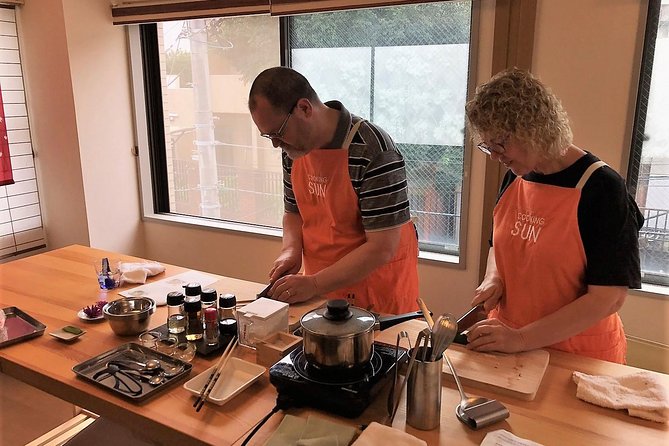
The strongest feature is the teaching style. Instructors such as Aya, Hidemi, Kaori, Megumi, and Yoko have been praised for being patient, warm, clear, and easy to follow. The teaching is aimed at people with ordinary kitchen skills, not only confident cooks.
You get short explanations rather than long lectures. That keeps the pace moving while still giving you context about ingredients, recipes, and food history. English is used throughout, and the instructors are happy to explain a step again when needed.
This is especially helpful for people who want to understand Japanese cooking rather than simply eat it. You learn why dashi matters, how staple seasonings function, and how a Japanese meal can contain many small dishes with different textures and flavors.
The class also has a relaxed social side. Several people have enjoyed talking with the instructors and other class members while cooking. It is a friendly option for couples, families, and solo visitors who want an activity with conversation built in.
Children and inexperienced cooks are not specifically covered in the supplied details, so I would not assume a special youth format. The clear instructions and small class should suit beginners, but anyone with specific needs should contact the provider before booking.
Same city, a completely different kind of day:
- Mt Fuji and Hakone 1-Day Bus Tour Return by Bullet Train
★ 5.0 · 26,383 reviews - 1-Day Tokyo Bus Tour
★ 5.0 · 14,250 reviews - Tokyo: TOKYO SKYTREE® Admission ticket
★ 4.5 · 11,192 reviews - Tokyo: teamLab Planets TOKYO Digital Art Museum Entry Ticket
★ 4.6 · 9,779 reviews
Value at about $73 per person
At $72.96 per person, this is a fair price for Tokyo if you value instruction, a full meal, and a small group. The fee includes the local instructor, recipes, ingredients, apron, and towel rental. You are not paying extra for a premium room or a long sightseeing route. You are paying for a concentrated food lesson and lunch.
The value improves if you will actually use the recipes at home. You may learn seven dishes in one morning, along with dashi and seasoning basics, so the class can give you several ideas instead of one souvenir recipe. That is more practical than a short demonstration followed by a tiny tasting.
The price is less compelling for someone who wants a chef led performance or a highly technical restaurant kitchen session. Since some components may be prepared by staff, you are not controlling every stage of every dish. The class is best judged as a well organized introduction to Japanese home cooking with a premium beef centerpiece.
The strong overall rating, listed at 5 out of 5 from 190 ratings with 99 percent recommending it, fits the experience as described. The repeated strengths are consistent: clear English, good food, patient instruction, small groups, and a relaxed atmosphere. The repeated weakness is also clear: finding the building can take effort.
Who should book this Tokyo cooking class
I would choose this class if you want to do something active during a Tokyo morning and care about food beyond restaurant ordering. It suits you especially well if you want recipes you can use after Japan, or if you want to understand ingredients such as dashi and Japanese seasonings.
It is also a good fit for families and mixed skill levels. The instructions are approachable, and no advanced cooking background is required. Couples and solo visitors can expect a social setting rather than a private lesson.
You may want another type of class if you have a very narrow goal. The menu is broad, so it is not solely a Wagyu lesson, ramen lesson, or sushi workshop. One account refers to making ramen, but the core description centers on a multi dish Japanese meal, so confirm the menu if one particular dish matters to you.
Vegetarian options are available if you request one at booking. You should also provide any allergies or dietary requirements in advance. Do not wait until the morning of the class, since substitutions may need planning.
The three hour length works well for a morning plan. You start at 9:30 am and finish back at the studio, leaving the rest of the day open. Just remember that the stated duration is approximate, and do not schedule something immediately afterward if you dislike rushing.
Cancellation is free up to 24 hours before the start time. Inside that window, the payment is not refunded, and changes are not accepted. The cut off follows Tokyo local time.
My call: book it for food skills, not spectacle
I would book this for the small group, practical recipes, and dashi first approach. The class gives you a real meal, not just a taste, and the Wagyu adds a special touch without making the experience feel like a luxury beef sampling.
The main caution is simple: find the studio early and understand that hands-on work is shared with instructor preparation. If that sounds fair, this is a strong value for a friendly, English language introduction to Japanese cooking. If you want every dish cooked entirely from scratch by your own hands, ask about the current menu before paying.
FAQ
How long does the cooking class last?
The class lasts approximately three hours and begins at 9:30 am.
Where does the class meet?
It meets at Cooking Sun Tokyo, 18-39 Shinanomachi, Shinjuku City, Tokyo 160-0016, Japan. The class ends back at the same meeting point.
How many people are in each class?
The class has a maximum of eight participants.
Is the class taught in English?
Yes. The local instructors provide English language instruction.
What is included in the price?
The price includes a local cooking instructor, recipes, ingredients, an apron, and towel rental.
Is a vegetarian option available?
Yes. A vegetarian option is available, but you must request it when booking. You should also provide any specific dietary requirements at that time.
Is hotel transportation included?
No. Hotel pickup and drop off are not included. You must travel to and from the Cooking Sun Tokyo meeting point yourself.
More Workshops in Tokyo
- Tokyo Shinjuku Chopsticks Making Class
★ 5.0 · 1,763 reviews - Chopstick Making Workshop in Ginza
★ 4.8 · 1,366 reviews - Tokyo Sushi Making Class in Tsukiji with Professional Chef
★ 5.0 · 1,177 reviews - Matcha Making Class in Tokyo with Authentic Japanese Sweets Set
★ 5.0 · 744 reviews
More Cooking Classes in Tokyo
- Ramen & Gyoza Cooking Class in Tokyo with Local Supermarket Visit
★ 5.0 · 823 reviews - Tokyo: Easy Ramen Cooking Experience in Kabukicho, Shinjuku
★ 4.6 · 321 reviews - Ramen and Sushi Cooking Class with Sake Pairing Set in Tokyo
★ 5.0 · 291 reviews - Tokyo: Wagyu and 7 Japanese Dishes Cooking Class
★ 4.9 · 273 reviews
Just added around Tokyo
- Asakusa’s Historic Treasures★ 5.0 · 30 reviews
- Flavours of Tokyo: A Journey Through Time – Small Group Food Tour★ 5.0 · 149 reviews
- Small Group Tour Mount Fuji and Lake Kawaguchi from Tokyo★ 5.0 · 23 reviews
- Tokyo Your Way A Tailored Full Day Friendly Food Tour With Guide★ 5.0 · 16 reviews
- Small Group Cycling Tour in Tokyo★ 5.0 · 184 reviews
- Bar Hopping Tour with a local Guide in Shinjuku★ 5.0 · 21 reviews
- Tokyo life after 5 – Foods & Drinks★ 5.0 · 32 reviews
- Private Shinjuku Nightlife Walking Tour & Golden-Gai Bar Crawl★ 5.0 · 50 reviews
Japanese Cooking Classes, compared.

Sushi Making Tokyo Roll and Authentic Japanese Sushi Class
Read our review →
Roll and Authentic Sushi Making Class in Asakusa
Read our review →
Ramen Cooking Class at Ramen Factory in Kyoto
Read our review →
Sushi Making Class in a Happi Coat near a Famous Spot
Read our review →
Sushi Making Osaka Roll and Authentic Japanese Sushi Class
Read our review →
Tokyo Sushi Making Class in Tsukiji with Professional Chef
Read our review →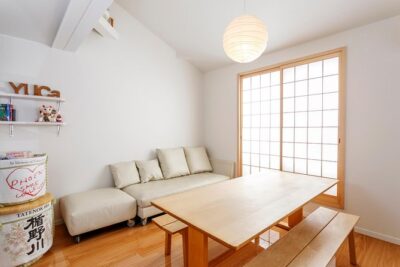
Ramen & Gyoza Cooking Class in Tokyo with Local Supermarket Visit
Read our review →
Tsukiji Fish Market Guided Tour and Sushi Making with Pro Chef
Read our review →Browse the lists this tour appears in