
REVIEW · FOOD MARKET TOURS
Flavours of Tokyo: A Journey Through Time – Small Group Food Tour
Tokyo’s food story comes into focus on this 5.5-hour walk through Nihonbashi, Ginza, Tokyo Station, and Akihabara. You will taste 14 items, from dashi ingredients and yakitori to tamagoyaki, fruit sandwiches, and modern Japanese sweets, while your guide links each bite to a different period of the city’s past.
I like the small maximum group of nine, which gives guides such as Yasu, Miko, and Keiko room to answer questions and handle little transit problems. I also like the mix of ordinary food and big-city history, especially the under-railway restaurants in Yurakucho and the contrast between old shrine customs and Akihabara’s pop culture.
The main catch is time. This is not a quick eat-and-go food crawl. You walk about 6.5 kilometers, climb many subway stairs, and spend time listening to stories, so anyone seeking a short list of restaurant stops may find the pace too gentle.
In This Review
- Key points to know before booking
- Why this Tokyo food tour feels different
- Nihonbashi: starting with dashi and old Tokyo
- Ginza and Yurakucho: food beneath the railway tracks
- Tokyo International Forum and Marunouchi: a change of pace
- Tokyo Station: the commuter foods of modern Japan
- Akihabara: traditional sweets meet new food culture
- What is included, and what the $176 price really buys
- Walking, stairs, weather, and timing
- The guide can make or break the day
- Who should book this experience
- Should you book Flavours of Tokyo?
- FAQ
- How long does the Flavours of Tokyo food tour last?
- How many people can join the tour?
- Which Tokyo districts does the tour visit?
- How much walking is involved?
- Are subway fares included?
- What food and drinks are included?
- Is alcohol included?
- Where does the tour start and finish?
- What happens if the tour is canceled because of weather or too few participants?
Key points to know before booking
- Four districts, one historical food story: Follow Tokyo from old Nihonbashi through postwar Ginza and Tokyo Station to futuristic Akihabara.
- Fourteen tastes are included: Expect dashi, yakitori, tempura soba, tamagoyaki, fruit sandwiches, daifuku or dorayaki, and several sweets.
- The group is capped at nine: A smaller group makes it easier to talk with your guide and keep up during subway transfers.
- The walking is real: Plan on about 6.5 kilometers, a reasonable pace, and many stairs in two subway stations.
- The $176 price includes food and one alcoholic drink: You pay separately for the two short subway rides.
- This is part food tour, part city lesson: The value is strongest if you want context, not just a full stomach.
Why this Tokyo food tour feels different
Many food tours stay in one neighborhood and build the afternoon around restaurants. This one uses food as a timeline. Nihonbashi represents older Japanese cooking, Ginza and Yurakucho show the postwar city, Tokyo Station brings in commuter habits, and Akihabara points toward food shaped by anime, games, and new combinations.
That plan gives the outing a useful sense of direction. You are not simply hopping between unrelated snacks. The guide explains why certain ingredients matter, how work culture changed eating habits, and why familiar Japanese foods appear in such different settings.
The food is varied rather than focused on one style. You may taste simple pantry ingredients such as kombu and katsuobushi, then eat lunch items such as yakitori and tempura soba, followed by sweet foods and a lemon sour. That range is helpful if you are still learning what you like in Japan.
The tour has a maximum of nine people. That matters in small eateries and at crowded stations. Guides named in the tour’s feedback include Yasu, Miko, Keiko, Paiva, Pavia, and Sidney, though your guide will depend on the date. The strongest part of the guiding is the combination of warmth, cultural explanation, and practical help. Yasu, for example, has been praised for handling a forgotten Suica card and a tricky station exit without letting the group lose its rhythm.
More Food Market Tours in Tokyo
- Tokyo: Shinjuku Food Tour (13 Dishes at 4 Local Eateries)
★ 5.0 · 6,603 reviews - Tokyo Tsukiji Fish Market Food and Culture Walking Tour
★ 5.0 · 3,184 reviews - Tokyo: Shinjuku Food Tour (15 Dishes and 4 Eateries)
★ 4.9 · 2,033 reviews
Nihonbashi: starting with dashi and old Tokyo
Meet at the Nihonbashi 1-chome Mitsui Building at 11:30 a.m. The meeting point is near public transportation, but give yourself extra time. The address is clear, yet the building can be harder to identify than the nearby Nihonbashi subway exit. Exit B12 is useful to know, but you should still check your map before leaving the station.
Nihonbashi is the right place to begin because the tour first deals with the building blocks of Japanese cooking. You learn about dashi, the stock used in many Japanese dishes, and taste its main ingredients, including kombu and katsuobushi. This is more useful than it may sound. Once you understand the smoky, savory taste of dried bonito and the sea flavor of kelp, soups, sauces, and noodles on the rest of your trip become easier to read.
The opening food section also includes satsuma-age, amazake, imo kenpi, and either daifuku or dorayaki. These foods give you several textures and levels of sweetness, from fried fish cake to candied sweet potato and soft rice-flour sweets.
Some portions are intended for sharing. The tour includes a pot of pickles and a bag of candied potato, which are tasting portions rather than individual servings. Most other foods are served separately, and the operator has changed the alcoholic drink from a shared portion to a full bottle each after feedback.
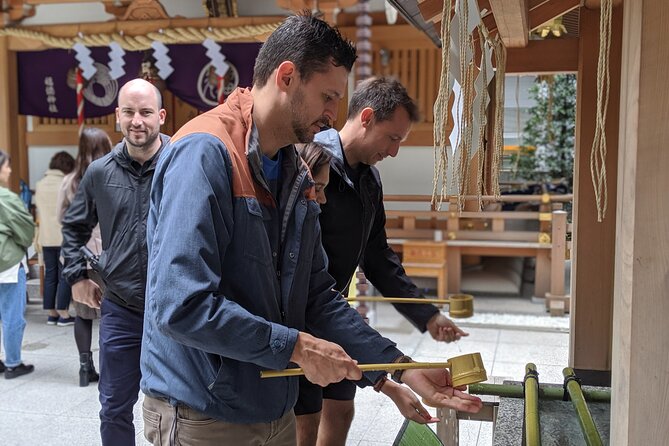
You then stop at Fukutoku Shrine for about 10 minutes. Your guide explains the difference between a Shinto shrine and a Buddhist temple, then shows you how to cleanse yourself and pray. It is a short stop, but it adds cultural footing before the tour moves into the commercial districts.
Ginza and Yurakucho: food beneath the railway tracks
From Nihonbashi, the tour heads toward Ginza and Yurakucho. The discussion turns to Japan’s industrial growth after the war and the rise of the salaryman. That social change shaped the small bars and eateries built beneath the railway tracks, often called gado shita.
This is one of the tour’s more revealing parts because the food is tied to working life. You are not only looking at famous department stores or polished shopping streets. You are seeing how commuters and office workers helped create a practical dining culture around railway stations.
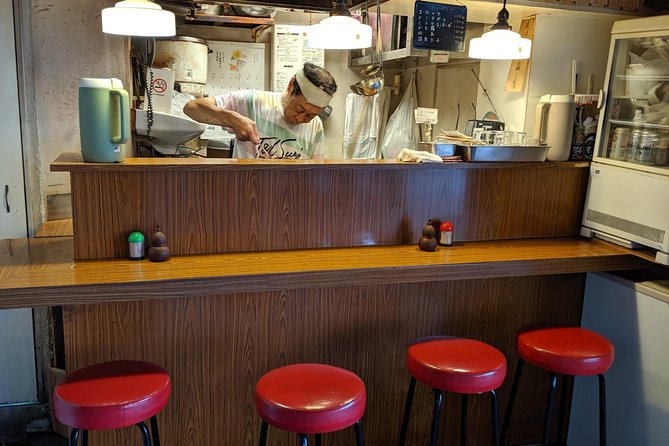
The Ginza and Yurakucho portion lasts about 1 hour and 10 minutes. Expect food stops along the way, including yakitori and a lemon sour, a Japanese alcoholic drink. Yakitori is a fitting choice here: grilled chicken and skewers are easy to eat, familiar to many first-time visitors, and closely linked with casual drinking spots.
The lemon sour is alcoholic, so tell your guide if you do not drink. The supplied tour details do not list a replacement drink, so it is sensible to ask before booking if you have dietary or alcohol concerns.
The route is not only about eating. You stroll through the station area and learn how railways, work, and postwar urban growth changed Tokyo. If you want a rapid sequence of restaurant visits, this section may feel slow. If you like knowing why a neighborhood looks and eats the way it does, the extra time earns its place.
Tokyo International Forum and Marunouchi: a change of pace
The walk from the railway tracks toward Tokyo Station includes the Tokyo International Forum. The stop lasts about 15 minutes and gives you a chance to look at one of central Tokyo’s striking modern buildings.
You also pass through the Kitte Marunouchi building before reaching Tokyo Station’s Marunouchi Ekimae Hiroba. These stops help break up the food portions and show how the city moves from older transport corridors to the large office and shopping zone around the station.
This is where the tour’s theme of past, present, and future becomes easy to follow. Nihonbashi provided the older cooking foundations. Yurakucho showed postwar working culture. Marunouchi brings you into the modern commuter city, where food is often bought quickly on the way home.
Same city, a completely different kind of day:
- Mt Fuji and Hakone 1-Day Bus Tour Return by Bullet Train
★ 5.0 · 26,383 reviews - 1-Day Tokyo Bus Tour
★ 5.0 · 14,250 reviews - Tokyo: TOKYO SKYTREE® Admission ticket
★ 4.5 · 11,192 reviews - Tokyo: teamLab Planets TOKYO Digital Art Museum Entry Ticket
★ 4.6 · 9,779 reviews
Tokyo Station: the commuter foods of modern Japan
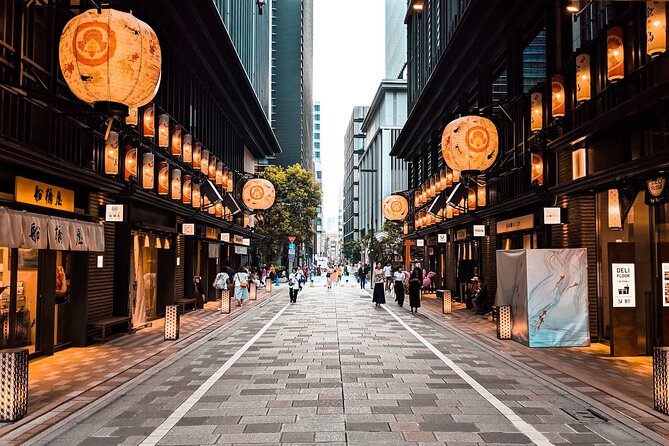
At Tokyo Station, the tour focuses on foods commonly eaten during the journey home. You try tamagoyaki, a Japanese omelette, and a fruit sandwich made with Japanese milk bread, fresh fruit, and whipped cream.
Tamagoyaki is a savory or lightly sweet omelette with a soft layered texture. The fruit sandwich is more surprising for many people. It looks like a dessert, yet it is treated as a familiar convenience food in Japan, with tender bread, cream, and fruit in neat layers.
These are small but smart choices for a food tour. They show that Japanese food culture is not limited to sushi, ramen, and tempura. Department stores, train stations, and commuters have their own food traditions, and the sandwich gives you a clear example of how Japanese shops adapt familiar ingredients into something distinctive.
The included lunch also features tempura soba. Soba gives the meal a warm, filling center, while the tempura adds crisp texture. Along with yakitori, tamagoyaki, and the fruit sandwich, it is enough variety to make the tour feel like more than a string of samples.
Still, appetite varies. One person may leave comfortably full, while another may want a larger lunch. Portions are not described as a restaurant-style multi-course meal, and some foods are tasting portions. If you are tall, have a large appetite, or prefer a sit-down meal, plan to eat again later.
Akihabara: traditional sweets meet new food culture
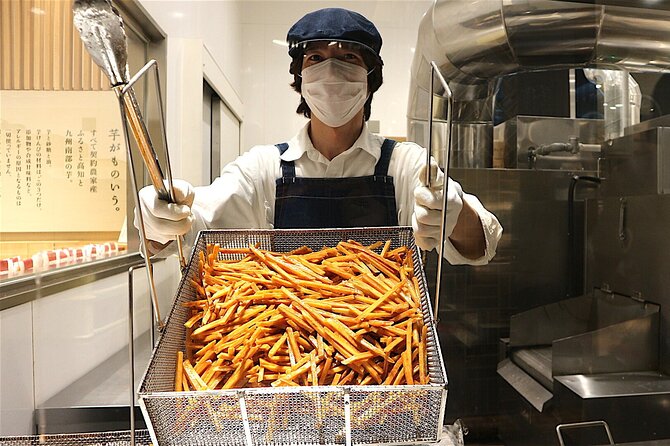
The final district is Akihabara, known for electronics, maid cafes, and anime culture. Here the guide asks what Japanese food may look like in the future and serves desserts that combine older ingredients with modern presentation.
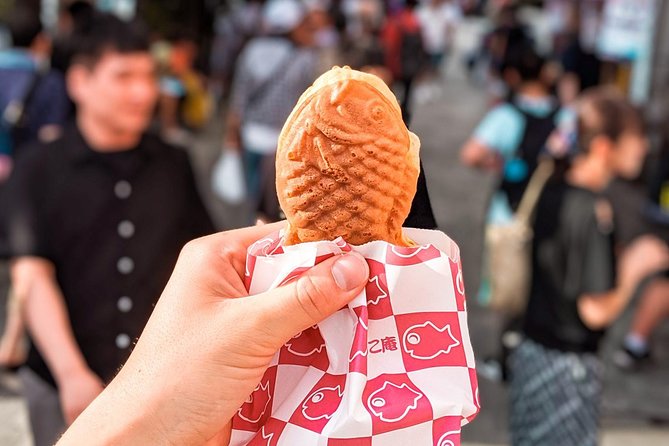
The sweets include Pokemon taiyaki and either matcha bubble tea or matcha ice cream. Taiyaki is a fish-shaped cake traditionally filled with sweet bean paste, but the Pokemon version connects the familiar snack with contemporary character culture.
You may also try daifuku or dorayaki earlier in the tour, along with the other listed sweets. The point is not simply to collect sugary samples. Akihabara shows how Japan keeps old food forms alive by giving them new designs, flavors, and cultural associations.
This final 45-minute section is playful, and it gives the day a lighter finish. It also makes clear why the tour is not designed as a purist examination of traditional cuisine. You are tasting both long-established foods and the modern products that help Japanese food culture keep changing.
The tour ends at Akihabara Station on Sotokanda 1-chome. That is convenient if you want to continue exploring electronics shops or anime-related sights, and it avoids sending you back to the starting point.
What is included, and what the $176 price really buys
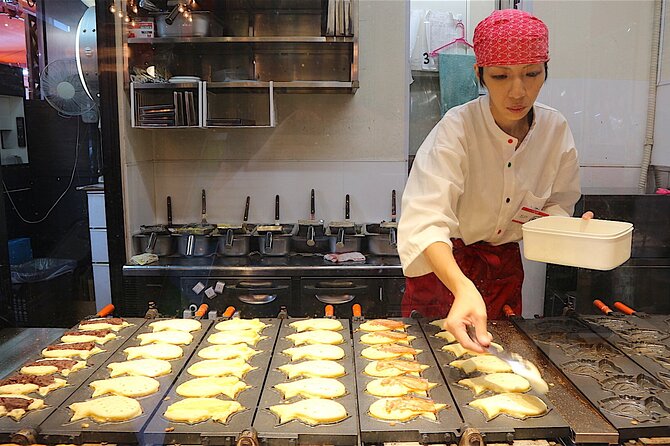
The price is $176 per person. That is not cheap for a food outing, but the comparison depends on what you want from it.
You are paying for 5.5 hours of guiding, food across four districts, historical and cultural explanation, and a small group capped at nine. The included list covers 14 tastes and meal items:
- Dashi ingredients, including katsuobushi and kombu
- Satsuma-age
- Amazake
- Imo kenpi
- Daifuku or dorayaki
- Yakitori
- Tempura soba
- Tamagoyaki
- Fruit sando
- Pokemon taiyaki
- Matcha bubble tea or matcha ice cream
- A lemon sour
You pay separately for the two short subway rides. You will need a transport card or another way to pay for those trips, and you should not arrive assuming all movement is covered by the tour price.
The value is best if you would otherwise pay for a separate food walk and a central Tokyo orientation. You see several districts in one afternoon, and the guide gives meaning to foods you might otherwise pass without noticing.
The value is weaker if your only goal is maximum food volume. One person found the portions too small and the pace too slow, while the operator’s response indicates that most groups find the amount filling. The safest reading is this: the tour provides a generous range of food for many people, but it is not built around large individual servings at every stop.
Walking, stairs, weather, and timing
The tour begins at 11:30 a.m. and lasts about 5.5 hours. You should expect roughly 6.5 kilometers, or four miles, of walking at a reasonable group pace.
The two subway rides involve many stairs. You need moderate physical fitness and should be comfortable walking steadily with a group. This is not a good match if you need frequent long breaks or want to minimize stairs. The operator says a private tour may be possible for people who cannot meet the walking requirement, so contact them before booking rather than arriving unprepared.
Wear comfortable shoes and carry water. The supplied details do not specify seating at every stop, so assume you will spend much of the day on your feet.
Weather matters. The experience requires good weather, and a weather cancellation offers either another date or a full refund. The tour also requires a minimum number of participants, so a cancellation for that reason offers a different date or experience, or a full refund.
The cancellation language supplied with the booking information is not perfectly consistent. One section describes full refunds more than seven days ahead, 50 percent refunds between seven and two days, and no refund within 48 hours, while another says the experience is non-refundable and cannot be changed. Check the exact terms shown at checkout before paying.
The guide can make or break the day
This tour depends heavily on the person leading it. The best guides do more than name dishes. They explain how ingredients are made, connect food to work and transport, and help when a subway gate or meeting point causes trouble.
Yasu is noted for his history explanations and calm handling of small travel mishaps. Miko has used a presentation booklet with ingredient notes and old photographs, then followed up with dish names and group photos. Keiko is described as especially warm and good at explaining culture, while Paiva and Sidney have also been praised for guiding people through central Tokyo.
Your guide may not be one of these people, but the tour clearly allows room for a personal style. A group of six, for example, leaves more space for conversation than a full nine. If you want to ask about etiquette, ingredients, or places to eat later, use the walking time for questions.
Who should book this experience
I would choose this tour if you are visiting Tokyo for the first time and want a food introduction tied to the city’s development. It suits curious eaters who like trying unfamiliar snacks and who want a guide to explain the difference between a shrine and a temple, the role of dashi, and the food habits of commuters.
It also works well for couples or small groups who prefer a social outing without a large coach group. The small group makes it easier to meet fellow participants and talk during the long route.
I would think twice if you need a brisk schedule. The tour’s 5.5 hours include walking, eating, station transfers, architecture, shrine customs, and stories. It is not realistic to compress the full experience into 90 minutes without removing much of what gives it purpose.
I would also ask about dietary needs before booking. The supplied information lists a broad range of foods but does not explain vegetarian, vegan, gluten-free, allergy, or alcohol-free substitutions. Do not assume that a replacement will be available.
Should you book Flavours of Tokyo?
Book it if you want Tokyo explained through food, not just a pile of samples. The route gives you old ingredients in Nihonbashi, railway dining in Yurakucho, commuter foods at Tokyo Station, and pop-culture sweets in Akihabara. That is a useful cross-section of the city in one afternoon.
Skip it if you want a short, restaurant-heavy food crawl or a large sit-down lunch. At $176, the tour asks you to pay for guiding and context as much as for food. For the right person, that is good value. For someone counting every bite, it may not be.
FAQ
How long does the Flavours of Tokyo food tour last?
The tour lasts approximately 5 hours and 30 minutes. It starts at 11:30 a.m. and ends at Akihabara Station.
How many people can join the tour?
The tour has a maximum of nine participants, making it a small-group experience.
Which Tokyo districts does the tour visit?
The route includes Nihonbashi, Ginza, Yurakucho, the Tokyo Station and Marunouchi area, and Akihabara.
How much walking is involved?
You should expect to walk about 6.5 kilometers, or four miles, over the course of the tour. You also need to walk at a reasonable pace and manage many stairs in subway stations.
Are subway fares included?
No. The tour uses two short subway rides, and you pay those transport costs yourself.
What food and drinks are included?
Included items include dashi ingredients, katsuobushi, kombu, satsuma-age, amazake, imo kenpi, daifuku or dorayaki, yakitori, tempura soba, tamagoyaki, fruit sando, Pokemon taiyaki, matcha bubble tea or matcha ice cream, and a lemon sour.
Is alcohol included?
Yes. A lemon sour, a Japanese alcoholic drink, is included. The provided information does not specify an alternative for people who do not drink alcohol.
Where does the tour start and finish?
The tour starts at the Nihonbashi 1-chome Mitsui Building, 1-chome-4-1 Nihonbashi, Chuo City. It finishes at Akihabara Station, 1 Chome Sotokanda, Chiyoda City.
What happens if the tour is canceled because of weather or too few participants?
If bad weather causes cancellation, you are offered another date or a full refund. If the minimum number of participants is not reached, you are offered another date or experience, or a full refund. Check the booking terms for the exact cancellation rules that apply to your reservation.
More Food in Tokyo
- Tokyo Night Foodie Tour in Shinjuku – Seasonal Sushi, Wagyu Beef
★ 5.0 · 1,161 reviews - Tokyo: Tsukiji Fish Market Food and Culture Walking Tour
★ 4.7 · 757 reviews - Tsukiji Fish Market: Street Food & Culture Walking Tour
★ 5.0 · 669 reviews - Tsukiji Fish Market Small-Group Food Walking Tour
★ 5.0 · 621 reviews
More Food & Drink in Tokyo
- Best of Shinjuku: Izakaya Food Tour (4 Stops, 14+ Tastings)
★ 5.0 · 1,863 reviews - Tokyo: Tsukiji Fish Market Food and Walking tour
★ 5.0 · 1,724 reviews - Eat and Drink Like a Local: Tokyo Ueno Food Tour-Taverns&Ramen
★ 5.0 · 957 reviews - Tokyo: Shibuya Food Tour (13 dishes and 4 Eateries)
★ 5.0 · 770 reviews
Just added around Tokyo
- Asakusa’s Historic Treasures★ 5.0 · 30 reviews
- Small Group Tour Mount Fuji and Lake Kawaguchi from Tokyo★ 5.0 · 23 reviews
- Small-Group Wagyu Beef and 7 Japanese Dishes Tokyo Cooking Class★ 5.0 · 190 reviews
- Tokyo Your Way A Tailored Full Day Friendly Food Tour With Guide★ 5.0 · 16 reviews
- Small Group Cycling Tour in Tokyo★ 5.0 · 184 reviews
- Bar Hopping Tour with a local Guide in Shinjuku★ 5.0 · 21 reviews
- Tokyo life after 5 – Foods & Drinks★ 5.0 · 32 reviews
- Private Shinjuku Nightlife Walking Tour & Golden-Gai Bar Crawl★ 5.0 · 50 reviews
Food Market Tours, compared.
Shinjuku Food Tour (13 Dishes at 4 Local Eateries)
Read our review →
Tokyo Tsukiji Fish Market Food and Culture Walking Tour
Read our review →
Shinsekai Food Tour with 13-15 Dishes at 5 Eateries
Read our review →
Osaka Food Tour: 13 Dishes at 5 Local Eateries
Read our review →
Shinjuku Food Tour (15 Dishes and 4 Eateries)
Read our review →
Best of Shinjuku: Izakaya Food Tour (4 Stops, 14+ Tastings)
Read our review →
Hungry Osaka Street Food Tour:15 Tastings & 3 Drinks with a Local
Read our review →
Browse the lists this tour appears in