
REVIEW · JAPANESE COOKING CLASSES
Small-Group Osaka-Style Okonomiyaki Cooking Class
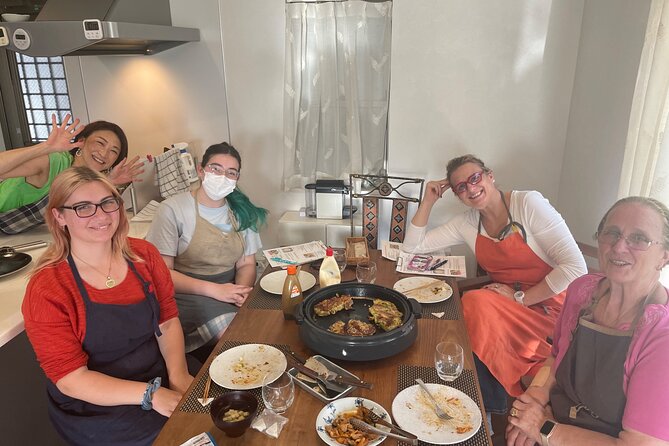
Osaka-style okonomiyaki is part savory pancake, part kitchen project, and this small home class lets you shape it to your own taste. Eri welcomes you into her house rather than a polished cooking studio, explains dashi and sauce, and shows you how to get the mixture light and fluffy.
I like two things right away: the group is capped at five people, and Eri teaches substitutions so you can make the dish after returning home. The bonus pork-and-kimchi stir-fry also gives you another Japanese home-cooking idea during the two-hour visit.
The main thing to consider is the price: $150 per person is a serious spend for a short cooking lesson. You are paying for personal attention, a home setting, a meal, and conversation, not just a recipe class.
In This Review
- Key Points
- Why This Home Class Feels Different
- Meeting Eri at Asagaya Station
- Getting the Okonomiyaki Batter Right
- Choosing Fillings and Flipping the Pancake
- Pork, Kimchi, and the Waiting Time
- Vegetarian and Vegan Adjustments
- What $150 Buys You
- Who Will Enjoy This Most
- Practical Details Before You Book
- Is the Asagaya Okonomiyaki Class Worth Booking?
- FAQ
- Where does the cooking class meet?
- Where does the class end?
- How long does the experience last?
- How many people can join?
- Is the class held in a private home?
- Is the class offered in English?
- Can vegetarians and vegans join?
- Do I choose the okonomiyaki fillings?
- What else do I cook besides okonomiyaki?
- What is the cancellation policy?
Key Points
- A real Tokyo home: Cook at Eri’s house in the Asagaya area rather than in a tourist-style studio.
- Only five people: The small group leaves room for questions and hands-on help.
- Choose your fillings: Okonomiyaki can be adapted to your tastes, with vegetarian and vegan adjustments available.
- Learn the technique: Eri explains dashi, sauce, substitutions, flipping, toppings, and ways to keep the pancake fluffy.
- Two dishes in about two hours: You make okonomiyaki while pork and kimchi cook as a savory side dish.
- Asagaya meeting point: Begin outside the JR Asagaya Station ticket gates at the NewDays Japan shop and return there at the end.
Why This Home Class Feels Different
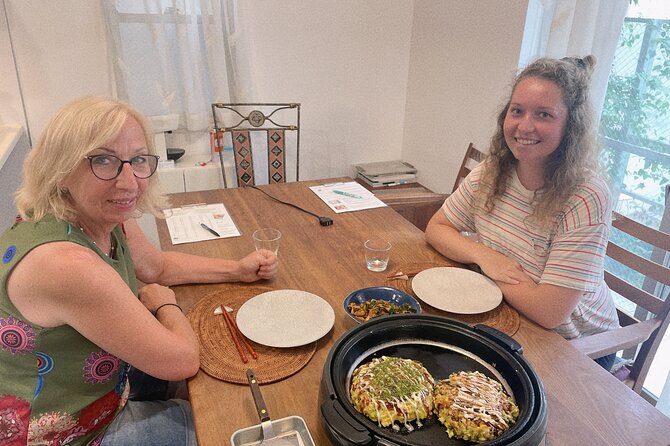
Many Japanese cooking classes take place in a classroom made for tourists. This one takes place in Eri’s home, giving the visit a more personal shape. You meet at JR Asagaya Station, then go with Eri to her house for the lesson. One participant described a short drive from the station, while another said Eri picked them up and returned them afterward because her house was a little farther away.
That detail matters. You are not simply shown a prepared demonstration, then sent on your way. You enter someone’s everyday setting, ask questions about food and daily life, and cook with a host who enjoys talking with people from other countries. The class is still a structured activity, but it has the relaxed feel of a home visit.
The experience is limited to five people. That is a useful size for a dish that requires mixing, shaping, turning, and topping. Eri can watch what you are doing and correct small mistakes before they become a problem. One returning-home lesson even helped a participant notice several things they had been doing incorrectly when making okonomiyaki on their own.
More Japanese Cooking Classes in Tokyo
- Sushi Making Tokyo Roll and Authentic Japanese Sushi Class
★ 5.0 · 3,971 reviews - Tokyo: Roll and Authentic Sushi Making Class in Asakusa
★ 4.9 · 1,957 reviews - Tokyo: Sushi Making Class in a Happi Coat near a Famous Spot
★ 4.9 · 1,377 reviews
Meeting Eri at Asagaya Station
Your meeting point is NewDays Japan, outside the JR Asagaya Station ticket gates, on the second-floor concourse. The listed address is in Asagaya-kita, Suginami City, Tokyo, with the postal code 166-0004.
Pay close attention to the wording: you meet outside the gates, not on a platform. If you are arriving by train, allow enough time to find the correct concourse and the NewDays shop. Asagaya is served by JR, and the station meeting point keeps the start simple, but Tokyo stations can still be confusing when you are watching the clock.
From there, Eri takes you to the house. The exact transfer is not described in detail, so you should follow her directions rather than assume the home is right beside the station. The meeting and return arrangement may include a pickup and drop-off, as it did for at least some bookings.
The activity ends back at the original meeting point. That is helpful if you have another plan afterward, but keep the full two-hour window in mind. The cooking itself is only part of the visit, and the journey to and from the home is included in the overall experience.
Getting the Okonomiyaki Batter Right
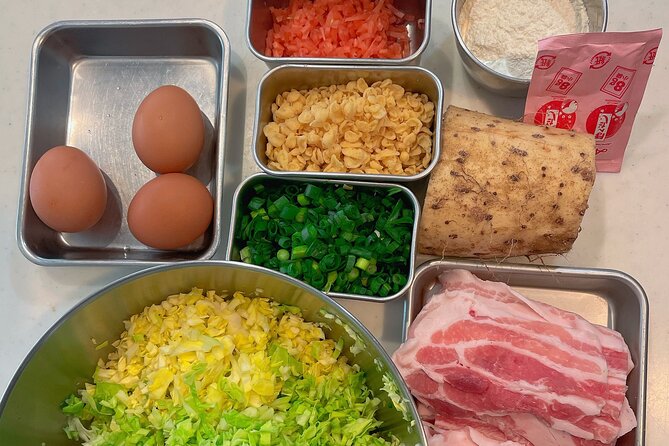
The first useful lesson is not the dramatic flip. It is the foundation of the dish. Eri explains Japanese ingredients such as dashi and sauce before you start, then shows you how to build a fluffy okonomiyaki.
Okonomiyaki has a forgiving format because you can choose what goes inside. Still, the texture depends on how you combine and cook the ingredients. Eri points out the small techniques that make the pancake light and tasty, rather than dense or soggy.
This is where the class earns its practical value. You do not just learn a list of ingredients that may be difficult to find at home. You also learn what to use when a Japanese ingredient is unavailable in your country. Those substitutions can make the difference between a recipe you enjoyed once in Tokyo and a dish you can actually repeat in your own kitchen.
The lesson is conducted in English, which Eri describes as good enough for questions and explanations. The available information does not promise a formal language course or a detailed recipe booklet, so ask questions while you cook if a step is unclear.
Choosing Fillings and Flipping the Pancake
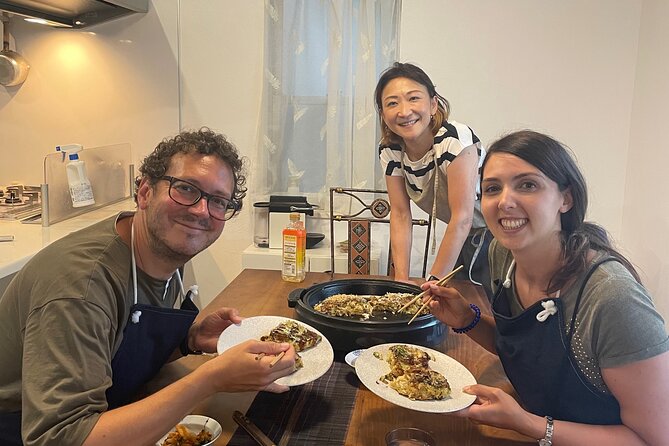
Once the batter is ready, you choose what to fill your okonomiyaki with, with Eri’s support. The freedom is part of the appeal. You are not locked into one fixed version, and you can adjust the dish to suit your preferences.
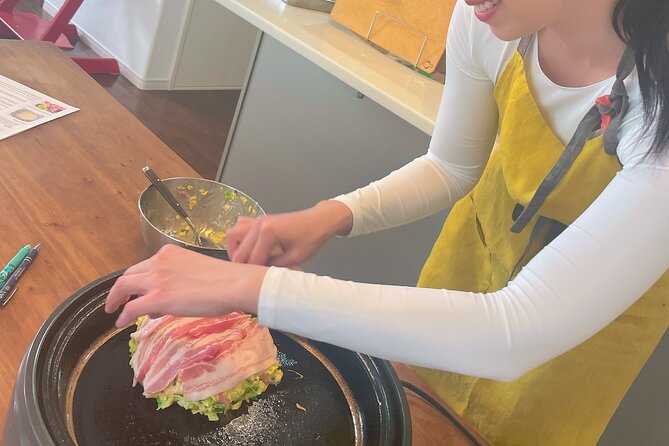
The most entertaining moment comes when the pancake is ready to turn. You layer the ingredients, wait for the cooking stage, then flip the okonomiyaki over. It is a simple act, but one that can go wrong if you rush it. Eri’s hands-on guidance is especially useful here.
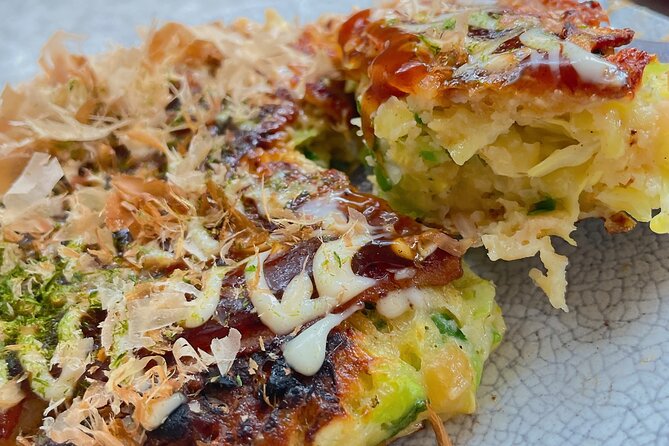
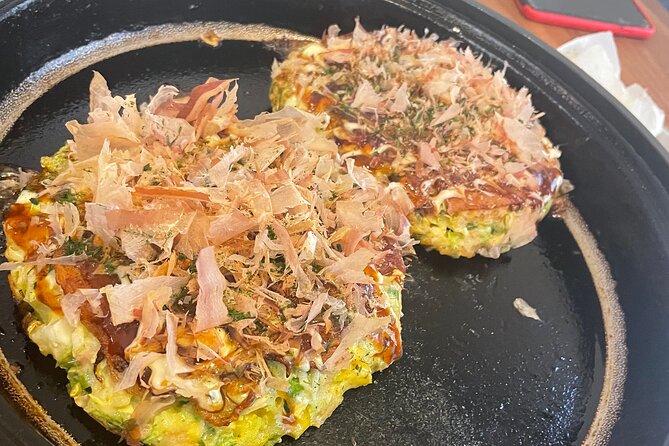
After cooking, you add the toppings. The experience description does not specify every topping, so you should expect instruction on the topping stage without assuming a fixed selection. The point is to finish the dish in a way that suits your taste, then sit down and say Itadakimasu before eating.
I like this balance between instruction and choice. You get a clear technique, but the final dish is not treated as sacred or rigid. Okonomiyaki is designed to accept variations, and the class makes that flexibility part of the lesson.
Same city, a completely different kind of day:
- Mt Fuji and Hakone 1-Day Bus Tour Return by Bullet Train
★ 5.0 · 26,383 reviews - 1-Day Tokyo Bus Tour
★ 5.0 · 14,250 reviews - Tokyo: TOKYO SKYTREE® Admission ticket
★ 4.5 · 11,192 reviews - Tokyo: teamLab Planets TOKYO Digital Art Museum Entry Ticket
★ 4.6 · 9,779 reviews
Pork, Kimchi, and the Waiting Time
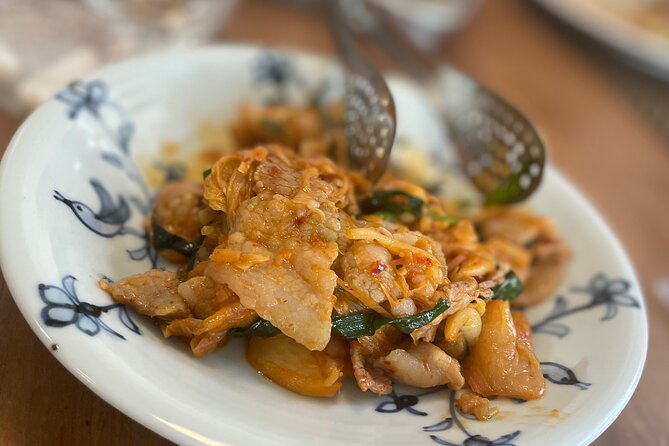
While the okonomiyaki cooks, you make stir-fried pork and kimchi. This keeps your hands busy while you wait and adds a second dish to the meal.
The pork and kimchi are described as savory and popular with many people who take the class. It is also a useful contrast to the okonomiyaki. The pancake is the main project, while the stir-fry gives you another straightforward home-cooking idea that can fit into a regular meal.
The class therefore provides more than one recipe without turning into an overloaded menu. In about two hours, you learn the ingredients and method for okonomiyaki, practice the cooking and flip, add toppings, prepare the stir-fry, and eat both dishes.
Because the class takes place in a private home, the pace may feel more personal than strictly timed. That can be pleasant if you like conversation and questions. If you prefer a fast, tightly scripted workshop, this setting may feel less formal.
Vegetarian and Vegan Adjustments
Vegetarians and vegans can request adjustments. The same applies to other dietary restrictions, though you should communicate them clearly before the experience so Eri can plan the ingredients.
The class also covers substitutions, which makes the dietary discussion more useful than a simple yes or no. You can ask which ingredients matter most, what can be replaced, and how to keep the dish tasty when certain products are not available.
Do not assume that every version of okonomiyaki will automatically meet your needs. The description confirms that adjustments can be made, but it does not list every ingredient or promise that every allergy can be accommodated. If you have a serious restriction, explain it at booking and confirm the details before you arrive.
What $150 Buys You
At $150 per person, this is not a bargain cooking demonstration. For a two-hour activity, the price is high compared with a casual meal or a basic group class.
The value comes from the format. You receive a small-group lesson limited to five, use a private home rather than a commercial studio, prepare two dishes, and get guidance aimed at helping you cook okonomiyaki after your trip. You are also paying for the personal exchange with Eri, who welcomes questions about Japanese ingredients and daily life.
That value makes the class a better fit for someone who wants a personal food memory than for someone seeking the cheapest way to eat okonomiyaki. If you are comparing it with a restaurant meal, the class costs much more. If you are comparing it with a private cooking lesson and cultural visit, the price becomes easier to understand.
The class is particularly appealing if you plan to cook the dish at home later. Eri’s advice about substitutes can save you frustration when you return to a kitchen without Japanese supermarkets nearby.
Who Will Enjoy This Most
I would choose this experience for you if you like active, social activities and want to meet a local host in a home setting. It suits solo visitors, couples, families, and small groups who enjoy making their own meal rather than simply watching someone else cook.
It also works well for people who are new to Japanese food. Eri explains dashi and sauce, then walks you through the main technique. You do not need to arrive as an expert cook. The small group gives you a chance to ask questions and receive corrections.
The class can be a thoughtful choice for a multigenerational outing. One booking included a grandmother and grandchild, and the visit was described as patient and warm. The activity involves mixing, waiting, flipping, and eating, so it has a more relaxed rhythm than a strenuous sightseeing tour.
You may want to skip it if you dislike home-based activities, need a precisely timed schedule, or consider $150 too much for a short lesson. The experience is also less suitable if you want a large group with lots of other people to meet. Five is the maximum, and the small size is the whole point.
Practical Details Before You Book
The activity lasts approximately two hours and ends where it begins. Plan around that full period rather than counting only the cooking time.
Confirmation normally arrives when you book. If you reserve within nine hours of the start time, confirmation comes as soon as possible and depends on availability. That short-notice rule is worth noting if your Tokyo plans are changing quickly.
The activity is near public transportation, and service animals are allowed. Group discounts may be available, and the ticket is mobile, so you can use your phone rather than print a voucher.
Cancellation is free up to 24 hours before the start time. Cancel at least 24 hours ahead for a full refund. Inside that window, you receive no refund, and changes made within 24 hours are not accepted. The cut-off follows Tokyo local time.
The experience has received a five-star rating with 100 percent recommendation from 18 ratings. That is a small sample, so I would treat it as encouraging rather than decisive. The repeated strengths are more useful: Eri’s patience, her cooking instruction, her willingness to help with vegetarian food, and the personal feel of cooking in her home.
Is the Asagaya Okonomiyaki Class Worth Booking?
Book it if you want a personal home visit with a practical recipe and are willing to pay a premium for a five-person group. Eri’s class gives you more than a plate of okonomiyaki: you learn the texture, the flip, the toppings, and the substitutions that can help you recreate it at home.
Think twice if you only want a cheap introduction to the dish or have a packed sightseeing schedule. The $150 price requires you to value the conversation, the home setting, the second dish, and the individual attention.
For food-focused visitors, vegetarians who confirm their needs ahead of time, and families looking for a gentle hands-on activity, this is a strong choice. Meet Eri at Asagaya with an appetite, a few questions, and enough time to enjoy the meal rather than rush back to the station.
FAQ
Where does the cooking class meet?
It meets at NewDays Japan outside the JR Asagaya Station ticket gates, on the second-floor concourse in Asagaya-kita, Suginami City, Tokyo.
Where does the class end?
The activity ends back at the original meeting point.
How long does the experience last?
The cooking class lasts approximately two hours.
How many people can join?
The group has a maximum of five people.
Is the class held in a private home?
Yes. The class takes place at Eri’s home and is intended to feel like a homestay-style visit rather than a tourist studio class.
Is the class offered in English?
Eri speaks English well enough to explain the cooking and answer questions.
Can vegetarians and vegans join?
Yes. Vegetarian and vegan options are available, and adjustments can be made for other dietary restrictions.
Do I choose the okonomiyaki fillings?
Yes. You can choose what to fill the okonomiyaki with, with Eri’s support.
What else do I cook besides okonomiyaki?
While the okonomiyaki cooks, you make stir-fried pork and kimchi.
What is the cancellation policy?
You can cancel at least 24 hours before the start time for a full refund. Cancellations or changes made within 24 hours are not refunded or accepted.
More Workshops in Tokyo
- Tokyo Shinjuku Chopsticks Making Class
★ 5.0 · 1,763 reviews - Chopstick Making Workshop in Ginza
★ 4.8 · 1,366 reviews - Tokyo Sushi Making Class in Tsukiji with Professional Chef
★ 5.0 · 1,177 reviews - Matcha Making Class in Tokyo with Authentic Japanese Sweets Set
★ 5.0 · 744 reviews
More Cooking Classes in Tokyo
- Ramen & Gyoza Cooking Class in Tokyo with Local Supermarket Visit
★ 5.0 · 823 reviews - Tokyo: Easy Ramen Cooking Experience in Kabukicho, Shinjuku
★ 4.6 · 321 reviews - Ramen and Sushi Cooking Class with Sake Pairing Set in Tokyo
★ 5.0 · 291 reviews - Tokyo: Wagyu and 7 Japanese Dishes Cooking Class
★ 4.9 · 273 reviews
Just added around Tokyo
- Private Memorable Tokyo Tour with English Speaking Driver★ 5.0 · 30 reviews
- Private Tokyo Custom Full-Day Tour by Chartered Vehicle★ 5.0 · 16 reviews
- Private Sightseeing to Mt Fuji and Hakone with English Driver★ 5.0 · 51 reviews
- Tokyo Photography Masterclass – Private Photography Lesson★ 5.0 · 25 reviews
- Private Mt. Fuji Day Trip from Tokyo with English-Speaking Driver★ 5.0 · 33 reviews
- 4 Day Tour – Mount. Fuji, Tokyo, Hakone, Kamakura and Yokohama★ 5.0 · 19 reviews
- Private Unforgettable Mt Fuji Tour with English Speaking Driver★ 5.0 · 142 reviews
- Private Tokyo Food Tour – A Journey Through Time Through Food★ 5.0 · 36 reviews
Japanese Cooking Classes, compared.

Sushi Making Tokyo Roll and Authentic Japanese Sushi Class
Read our review →
Roll and Authentic Sushi Making Class in Asakusa
Read our review →
Ramen Cooking Class at Ramen Factory in Kyoto
Read our review →
Sushi Making Class in a Happi Coat near a Famous Spot
Read our review →
Sushi Making Osaka Roll and Authentic Japanese Sushi Class
Read our review →
Tokyo Sushi Making Class in Tsukiji with Professional Chef
Read our review →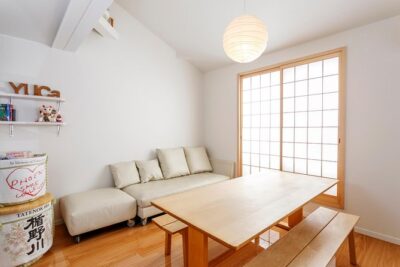
Ramen & Gyoza Cooking Class in Tokyo with Local Supermarket Visit
Read our review →
Tsukiji Fish Market Guided Tour and Sushi Making with Pro Chef
Read our review →Browse the lists this tour appears in