
REVIEW · WORKSHOPS
Sekka Cotton Furoshiki Class
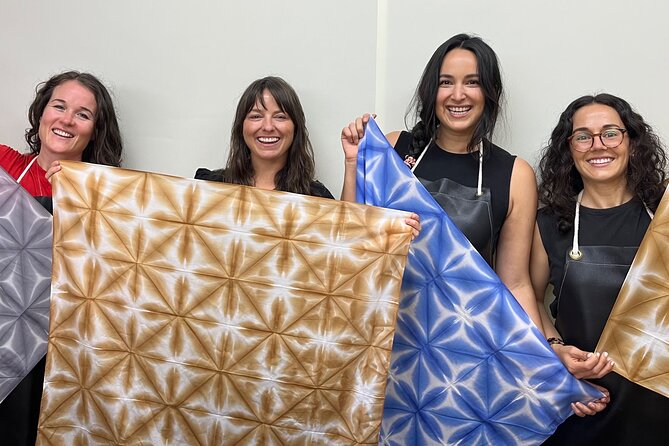
The most memorable part of this Kyoto class is watching a plain cotton cloth become a patterned sekka shibori furoshiki, a traditional Japanese wrapping cloth. You choose the color, fold the fabric, clamp it between boards, and dye it yourself. I like the private format and the fact that your finished piece is useful, not just decorative.
I also like the built-in museum visit, which fills the 30-minute drying wait with textile art, tools, samples, and shibori displays. The main consideration is that the hands-on work is quite structured and straightforward, so experienced crafters may find it easy rather than technically demanding.
- Your own 86 by 89 centimeter furoshiki: You leave with a practical handmade souvenir.
- A private class for your party: The lesson is personal rather than a large group demonstration.
- Sekka shibori technique: Folding and board dyeing create the cloth’s pattern.
- A useful drying break: The fabric dries for about 30 minutes while you explore the museum.
- Kyoto Shibori Museum collection: See textile pieces, tools, samples, and an exhibition featuring work by 50 artisans created over 50 years.
- A short, family-friendly activity: The full visit usually takes 30 to 60 minutes, making it easy to fit into a Kyoto day.
In This Review
- Turning Plain Cotton Into a Kyoto Souvenir
- Choosing a Color and Folding the Fabric
- The Museum Visit While Your Cloth Dries
- What the Private Format Really Adds
- Why the Furoshiki Makes a Better Souvenir
- Exploring the Shop After the Class
- Price, Timing, and Kyoto Planning
- Who Will Enjoy the Sekka Shibori Class
- A Small Class With More Context Than Expected
- Practical Details Before You Book
- Should You Book This Kyoto Craft Experience?
- FAQ
- Where does the Sekka Cotton Furoshiki Class take place?
- How much does the class cost?
- How long does the activity last?
- Is the class private?
- What will I make during the class?
- What is the sekka shibori process?
- What happens while the fabric dries?
- Is the activity near public transportation?
- Can I cancel for a refund?
Turning Plain Cotton Into a Kyoto Souvenir
Kyoto has no shortage of temples, gardens, and famous streets. This one-hour class gives you a different kind of memory: a piece of cloth you make with your own hands.
At the Kyoto Shibori Museum, you learn the basic steps of sekka shibori. The process is simple enough for beginners, but it still gives you a clear look at how Japanese textile artists use folding, pressure, and dye to create repeating patterns.
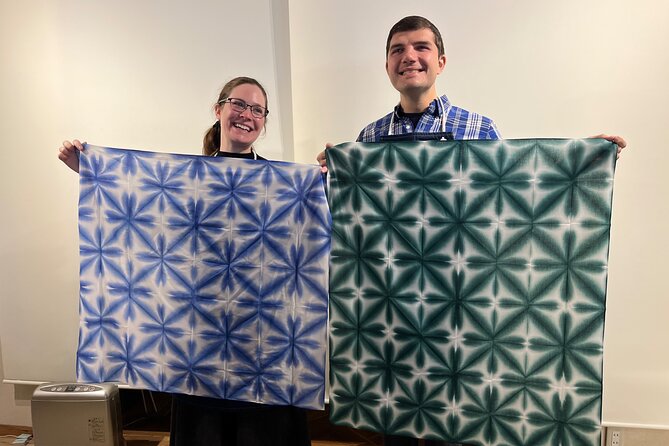
Your material is an 86 by 89 centimeter cotton furoshiki. That is a generous size for a wrapping cloth, so it is more useful than a tiny craft sample. You can use it later for wrapping gifts, carrying small items, or displaying at home as a reminder of Kyoto.
The class is private, meaning only your party takes part. That matters if you are traveling with children, teenagers, or family members who work at different speeds. You can ask questions without competing with a larger class, and the teacher can guide your group through the folding and dyeing steps.
The teaching is also conducted in an English-friendly setting, with staff able to answer questions in English. No individual teacher names are provided for this activity, but the class is led by the museum’s craft instructors.
Choosing a Color and Folding the Fabric
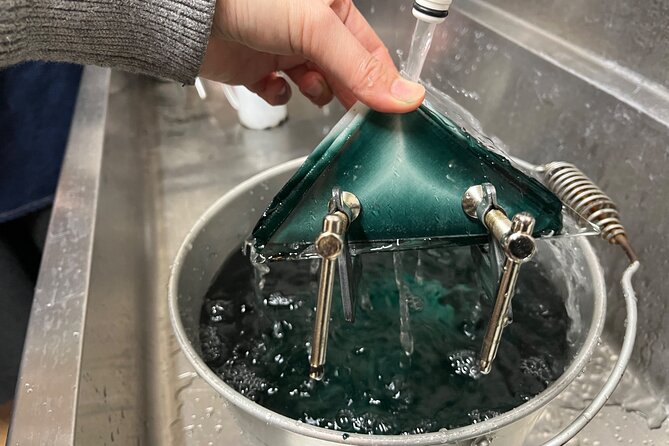
The class begins with a choice of color. This small decision gives you some control over the final piece, although the pattern itself comes from the set folding method rather than free-form design.
Your teacher shows you how to fold the cloth in a particular way. This is the part where careful attention matters most. The folds determine how the dye reaches the cotton, so the finished pattern is partly a surprise when the cloth is opened.
You then place the folded fabric between two boards. The boards hold the folds in place as the fabric is dyed. This is the key sekka shibori action, and it is hands-on without being messy or technically difficult.
I would describe the craft level as beginner-friendly. You are not designing a complex textile from scratch, and you are not spending hours learning many separate stitches or resist methods. Instead, you are following a clear sequence that lets you produce a finished piece in a short time.
That simplicity is a strength for a short Kyoto activity. You can enjoy the satisfaction of making something without giving up half a day of sightseeing. It may feel less satisfying if you want a serious textile workshop with several advanced techniques.
A few more Kyoto trips to weigh up
- Kyoto: 45-Minute Tea Ceremony Lesson Experience
★ 4.3 · 2,378 reviews - Ramen Cooking Class at Ramen Factory in Kyoto
★ 5.0 · 1,937 reviews - Kyoto : Chopsticks Making Workshop in Gion with Engraving Option
★ 5.0 · 958 reviews
The Museum Visit While Your Cloth Dries
After dyeing, your furoshiki needs about 30 minutes to dry. Rather than sitting around, you go upstairs to see the museum.
This second part is important. The class itself can be completed quickly, but the museum gives the activity more substance. You can look at shibori artwork, traditional tools, fabric samples, and displays that explain how the craft connects to kimono making and Japanese textile work.
One particularly striking exhibition features fabric made by 50 artisans over a period of 50 years. That scale gives you a better sense of the patience and labor behind fine textile art. Your own furoshiki will be much simpler, but seeing expert work helps you understand the technique in context.
The museum also includes an educational video and displays about the craft. I would allow yourself enough time to look carefully rather than treating the museum as a quick waiting room. The class may take only 30 minutes to an hour, but the museum portion adds an informative layer to the visit.
This arrangement also works well for families. Younger participants get an active project first, then a chance to see the art produced by skilled makers. Older children and teenagers can appreciate the fact that their own cloth is being made during the visit, not simply handed to them as a souvenir.
What the Private Format Really Adds
A private class is not the same as a private sightseeing guide. The activity centers on one craft project, and the teaching follows a set process.
Still, having only your party in the lesson gives you room to ask questions and work together. It is a good setup for couples, families, and small groups who want a shared activity without strangers at the same table.
The class has also been praised for its warm, helpful staff and clear instruction. The teaching is detailed enough for first-time crafters to fold and dye the cloth on their own. That last point is worth noting: you are not merely watching an instructor create the item for you.
The hands-on portion is standardized. You follow the established folding pattern and dyeing method, rather than choosing from a long menu of designs. I see that as a fair trade for the short duration and reliable result, but it is worth knowing before you book.
If your main goal is creative freedom, this may feel limited. If your goal is to learn one traditional method and leave with a finished cloth, the structure works well.
Why the Furoshiki Makes a Better Souvenir
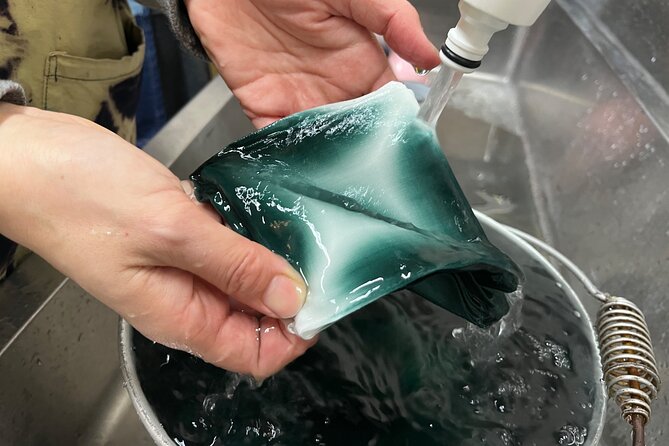
A furoshiki is a wrapping cloth, so it has a purpose beyond sitting on a shelf. The size here, 86 by 89 centimeters, gives you enough fabric for practical use.
You can wrap a gift, carry belongings, or use it as a decorative textile. The result also packs easily compared with pottery, framed art, or larger souvenirs. That makes it a smart choice if you want something connected to Kyoto but do not want to carry a fragile object through the rest of Japan.
The personal connection is the main value. Museum shops sell finished shibori textiles, fabrics, souvenirs, and other goods, but making your own cloth gives it a different meaning. You remember the color you selected, the folds you made, and the moment the pattern appeared.
The final design will not be fully predictable. Since the folding controls the dye pattern, opening the fabric is part of the fun. You should not expect a perfectly identical result to a sample on display. That variation is part of the point of resist dyeing.
Same city, a completely different kind of day:
- PERFECT KYOTO 1-Day Bus Tour
★ 5.0 · 13,518 reviews - Kyoto: Fushimi Inari, Kinkakuji, Bamboo Grove 1 Day Bus Tour
★ 4.8 · 4,316 reviews - Kyoto: Tea Ceremony in a Traditional Tea House in Kiyomizu
★ 4.9 · 3,519 reviews - Kyoto Geisha Walking Tour: Gion District & Hidden Gems
★ 4.7 · 3,273 reviews
Exploring the Shop After the Class
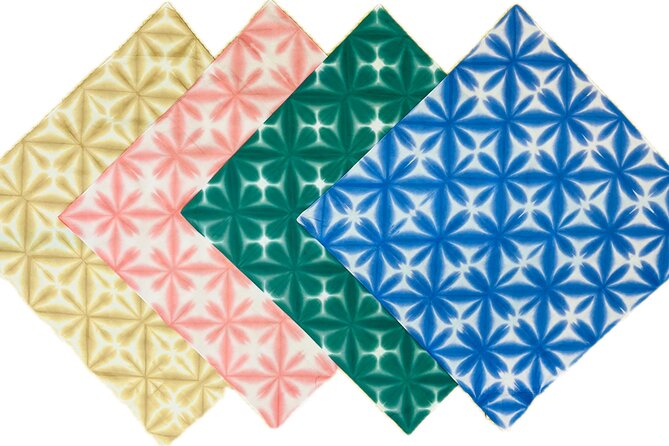
The museum shop offers shibori items, fabric, souvenirs, and other textile goods. Bring your wallet if you enjoy Japanese crafts, because the range of finished work can be tempting.
The shop is useful even if you do not buy anything. It lets you compare your new furoshiki with professionally made pieces and see different colors, patterns, and levels of detail.
I would treat shopping as optional rather than part of the class value. The $43.35 price covers the private activity and your handmade cloth, while purchases in the shop are separate. If you are setting a strict budget, decide in advance how much you want to spend on additional fabric or souvenirs.
Price, Timing, and Kyoto Planning
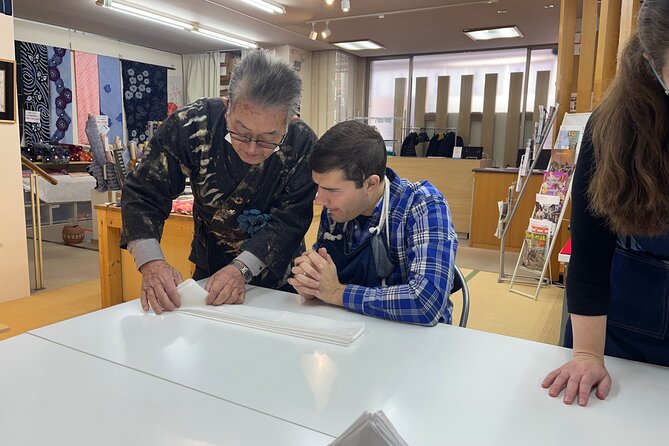
At $43.35 per person, this is reasonably priced for a private craft lesson that includes a finished textile and museum access. The value is strongest if you want an activity rather than a standard museum visit. You are paying for instruction, materials, a private setting, and the chance to take home something you made.
The activity lasts about one hour, though individual classes may run from 30 to 60 minutes. That makes it easy to place between other stops in central Kyoto. The meeting point is Kyoto Shibori Museum at 135-5 Shikiamichō, Nakagyo Ward, Kyoto, 604-8261, Japan.
The museum is near public transportation, and the activity ends back at the meeting point. You do not need to arrange a separate return transfer or change locations during the class.
This is not a full-day cultural program. If you want a long workshop with several dyeing methods, it will feel brief. If you have a busy Kyoto schedule and want one focused craft experience, the short length is a major advantage.
It is commonly booked about 19 days ahead, so I would reserve before your trip if your Kyoto dates are fixed. Confirmation arrives at booking, and mobile tickets make it convenient to keep the booking on your phone.
Who Will Enjoy the Sekka Shibori Class
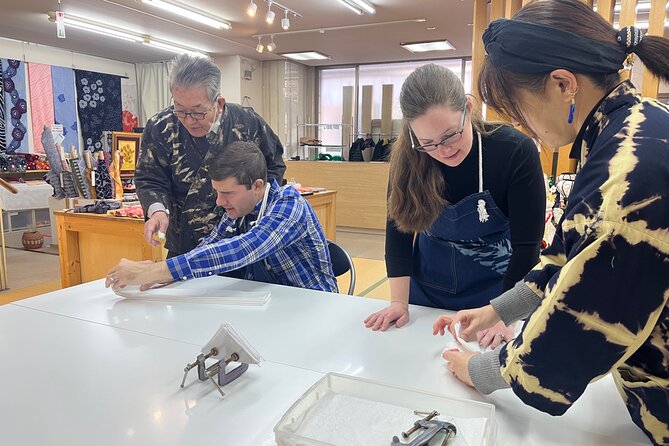
This class suits you best if you want a hands-on cultural activity with a clear finished result. It is especially practical for:
- Families looking for an activity that works for adults and children
- Couples who want a shared souvenir
- First-time visitors interested in Japanese crafts
- Teenagers who may prefer making something to a formal museum visit
- Shoppers who want to understand shibori before buying finished pieces
- Anyone with only an hour free in Kyoto
The private format helps families and small groups stay together. The short lesson also avoids the fatigue that can come with a longer craft workshop.
You may want to skip it if your priority is advanced textile instruction. The folding and dyeing process is easy to follow, and the creative choices are limited. The museum provides added depth, but the actual making session is not a masterclass in every form of shibori.
A Small Class With More Context Than Expected
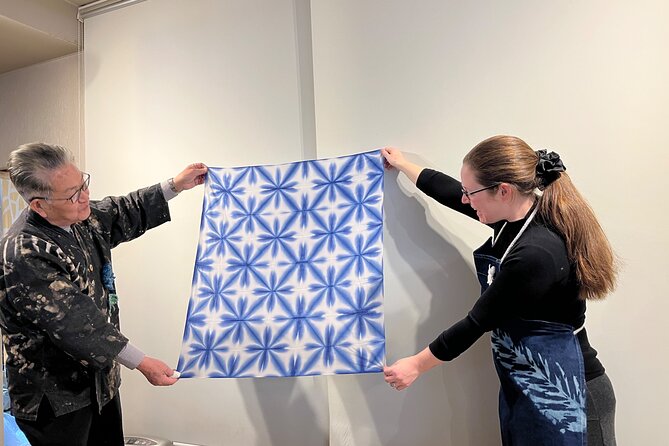
The strongest feature here is the pairing of making and looking. You first handle the cloth yourself, then see the tools, samples, and finished textile art that place the technique in a larger Japanese craft tradition.
That sequence makes the museum easier to appreciate. After folding and dyeing your own fabric, you can look at the displays with a clearer idea of what pressure, folds, and dye placement do to cloth.
I also like that the experience does not pretend to be longer or harder than it is. You learn one method, make one furoshiki, and see a museum collection. The result is focused and manageable.
The main limitation is the same feature that keeps the class accessible. The process is standardized and quick. You will gain an introduction, not the full skill set of a textile artisan.
Practical Details Before You Book
The activity is near public transportation, but the supplied information does not list a specific station, route, or travel time. Plan to use the museum address directly when checking your Kyoto route.
Most people can participate, and the class is private for your party. The activity begins and ends at the Kyoto Shibori Museum.
You can cancel for a full refund up to 24 hours before the local start time. Cancellations or changes made less than 24 hours before the start are not accepted for a refund.
I would wear something comfortable and pay close attention during the folding step. The class is short, so missing the instructions could make the pattern less predictable. Also leave a little room in your schedule for the museum and shop, even though the formal activity lasts about an hour.
Should You Book This Kyoto Craft Experience?
Book it if you want a personal, useful souvenir and a short introduction to Japanese textile craft. The private class, friendly English-speaking setting, museum visit, and finished 86 by 89 centimeter furoshiki make the $43.35 price fair.
I would be more cautious if you are an experienced textile artist seeking complex instruction. The process is deliberately simple and structured.
For most couples and families, though, this is a pleasant change from temple-hopping. You make something, learn why it matters, and leave with a cloth that can keep serving you long after your Kyoto trip ends.
FAQ
Where does the Sekka Cotton Furoshiki Class take place?
The class takes place at Kyoto Shibori Museum, 135-5 Shikiamichō, Nakagyo Ward, Kyoto, 604-8261, Japan.
How much does the class cost?
The listed price is $43.35 per person.
How long does the activity last?
The activity takes about one hour. Individual classes usually last between 30 and 60 minutes.
Is the class private?
Yes. Only your party participates in the activity.
What will I make during the class?
You will dye an 86 by 89 centimeter cotton furoshiki, which is a Japanese wrapping cloth.
What is the sekka shibori process?
You choose a color, fold the fabric in a particular way, place it between two boards, and dye it. The folding and board pressure help create the final pattern.
What happens while the fabric dries?
The fabric dries for about 30 minutes. During that time, you can explore the museum’s art pieces, tools, samples, and textile displays.
Is the activity near public transportation?
Yes. The Kyoto Shibori Museum is near public transportation.
Can I cancel for a refund?
You can cancel at least 24 hours before the experience start time for a full refund. Cancellations or changes made less than 24 hours before the start time are not accepted for a refund.
Just added around Kyoto
- Private Guided Traditional Buddhist Cooking in Japan★ 5.0 · 16 reviews
- Kyoto: Gion Geisha District & Sake-in-Hand Walking Tour★ 5.0 · 37 reviews
- Your Private Vacation Photography Session In Kyoto★ 5.0 · 110 reviews
- Kyoto: Zen Meditation at a Private Temple with a Monk★ 5.0 · 25 reviews
- Traditional Japanese Washi Papermaking- Kyoto morning★ 5.0 · 77 reviews
- Kyoto Wagashi(Japanese sweets) Cooking Class near Fushimiinari★ 5.0 · 60 reviews
- Private Pewter Sake Cup Experience with a Kyoto Artisan★ 5.0 · 31 reviews
- Kyoto Private 6 hour Tour: English Speaking Driver Only, No Guide★ 5.0 · 88 reviews
Workshops, compared.
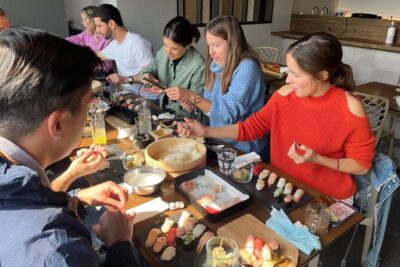
Sushi Making Tokyo Roll and Authentic Japanese Sushi Class
Read our review →
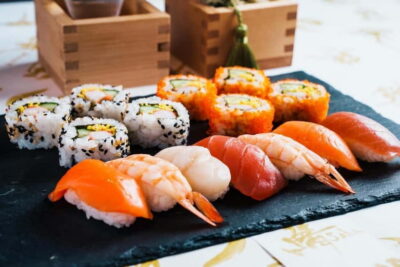
Roll and Authentic Sushi Making Class in Asakusa
Read our review →
Ramen Cooking Class at Ramen Factory in Kyoto
Read our review →
Sushi Making Class in a Happi Coat near a Famous Spot
Read our review →
Sushi Making Osaka Roll and Authentic Japanese Sushi Class
Read our review →
Tokyo Sushi Making Class in Tsukiji with Professional Chef
Read our review →Browse the lists this tour appears in