
REVIEW · TEA CEREMONY EXPERIENCES
Osaka Temple Head Spa &Matcha Facial – Refresh & Glow〈90min〉
The unusual part comes first: you receive a foot bath in front of the temple’s revered Buddha, with incense, quiet views, and the warmth of the water working together. This is not simply a spa appointment. It links Japanese worship, meditation, grooming, and tea in one compact visit. I like the hands-on rituals and the calm head spa, while the main consideration is that the advertised two hours includes more than the 90-minute treatment itself.
I also like the small group limit of three, which keeps the treatment personal, and the complimentary yukata photos, which give you a keepsake beyond a few relaxed muscles. The tea ceremony may be shared with other people, however, so contact the provider ahead of time if you need complete privacy.
In This Review
- Key points at a glance
- A temple visit with a spa built into it
- Finding the right entrance in Osaka
- Changing into a yukata sets the mood
- Incense, bells, and a gentler form of sightseeing
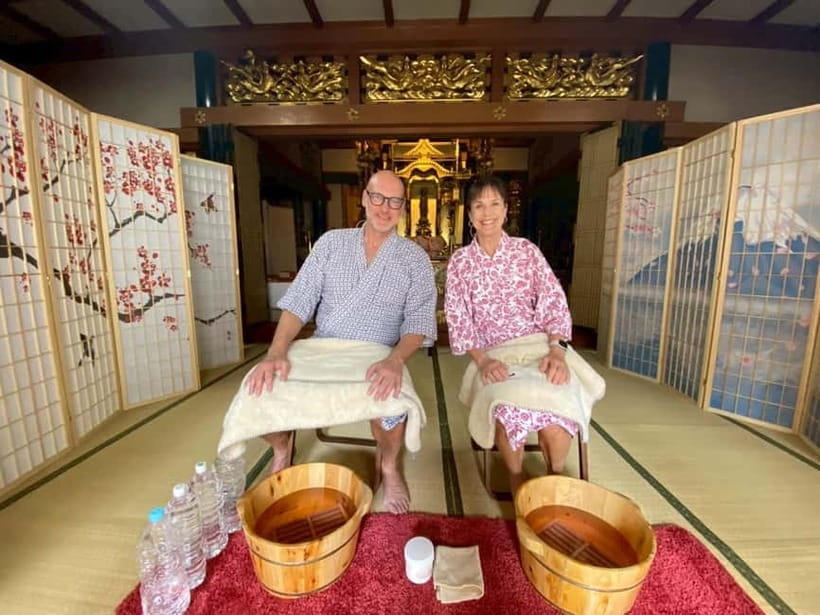
- The foot bath in front of the Buddha
- Head spa and matcha facial
- Tea ceremony with context, not just a cup of tea
- Language and the pace of the visit
- Is $141 a fair price?
- Who will enjoy this most
- Booking details worth knowing
- Should you book the Osaka temple head spa?
- FAQ
- How long does the activity last?
- What treatments are included?
- Is the tea ceremony private?
- Is the temple visit part of the activity?
- Are yukata photos included?
- How many people can join?
- What should I enter into Google Maps?
- Can I cancel for a refund?
Key points at a glance
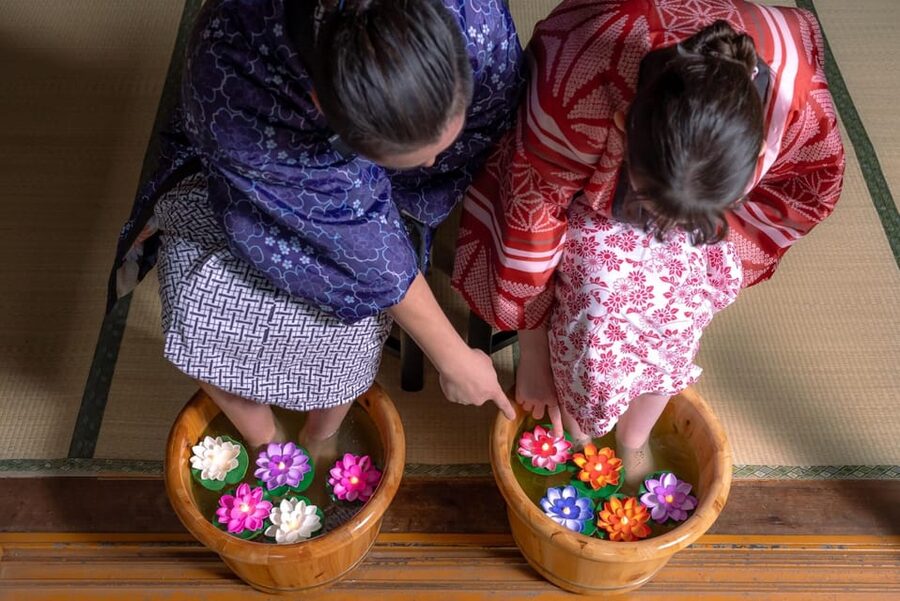
- Foot bath before a revered Buddha: A rare setting that gives the spa portion a clear temple connection.
- A full ritual, not just a massage: Incense, meditation, kneaded incense, worship, tea, and beauty treatments all fit into one visit.
- Head spa and matcha facial: The scalp treatment aims at relaxation, while the matcha pack focuses on skin nourishment.
- Yukata photos included: You can leave with complimentary smartphone pictures taken during your temple visit.
- Limited to three participants: The treatment feels more personal, although the tea ceremony may be shared.
- Clear meeting-point warning: Search Google Maps for Japanese Massage -the one&only-, not only the temple name.
A temple visit with a spa built into it
This Osaka activity makes sense for you if a standard massage feels too ordinary but a formal cultural tour sounds too stiff. The provider, japanese massage 唯一無二 -the one&only-, combines several short Japanese customs with practical relaxation. You do not spend the whole time sitting through explanations, and you do not spend the whole time under a towel either.
The format is carefully layered. You arrive, have a welcome drink, change into a yukata, and then enter the temple setting. From there, incense and meditation lead into the foot bath, head spa, and matcha facial. The tea ceremony closes the visit, followed by complimentary smartphone photos.
That order matters. The temple rituals help you slow down before the massage begins, and the treatment makes the later tea ceremony feel unhurried. I like this balance because it gives the visit a sense of place. You are not simply receiving a beauty treatment in a room that could be anywhere in Japan.
The activity is described as lasting two hours, while the treatment inclusions are marked as 90 minutes. I would allow the full two hours, since changing clothes, receiving explanations, taking photos, and moving between activities need time. This is not a quick appointment to squeeze between two tightly scheduled Osaka attractions.
More Tea Ceremony Experiences in Osaka
- Osaka: Tea Ceremony Experience
★ 4.9 · 1,426 reviews - Tea Ceremony Experience in Osaka Doutonbori
★ 5.0 · 754 reviews - Matcha Making Class in Osaka with Authentic Japanese Sweets Set
★ 5.0 · 509 reviews
Finding the right entrance in Osaka
The meeting-point instruction deserves attention. Enter Japanese Massage -the one&only- into Google Maps. If you enter only the temple’s name, you may be sent to the back entrance, where it is easy to lose time and become confused.
A useful backup is the restaurant Tossa de coracao. The meeting point is right next to it. I would save both names before leaving your hotel, especially if your phone connection is unreliable or you are arriving after a long day of sightseeing.
This is one of those small details that can make a big difference. A temple may have several entrances, and a map pin at the wrong side of the grounds can turn a peaceful visit into a rushed search. Arrive with enough time to locate the correct spot before your scheduled start.
Changing into a yukata sets the mood
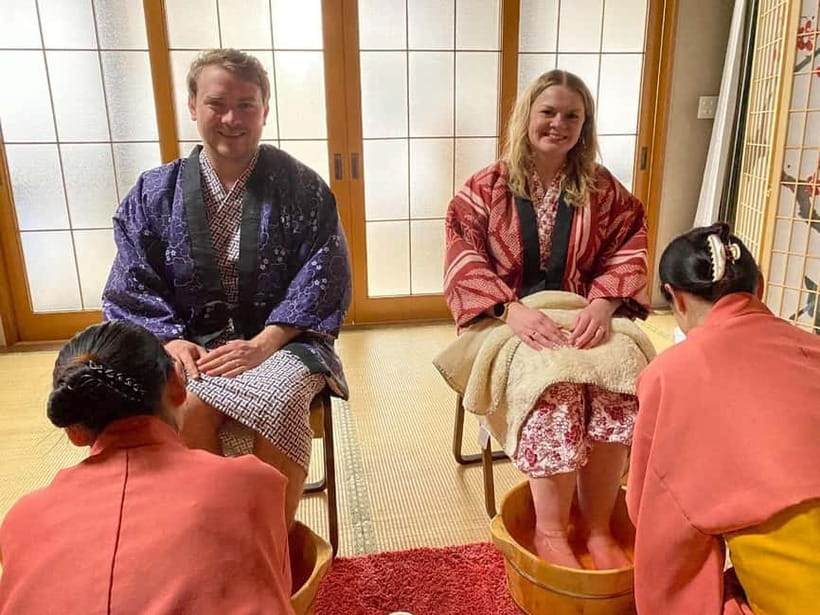
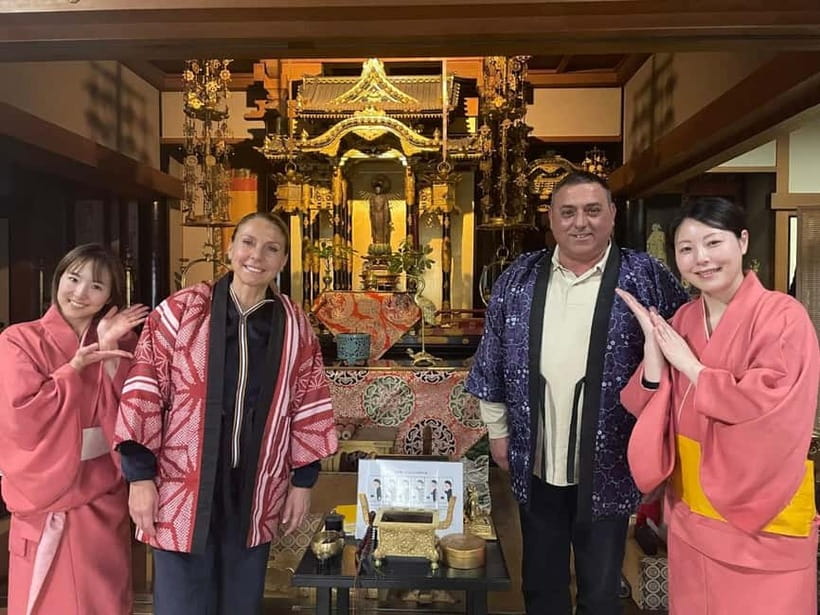
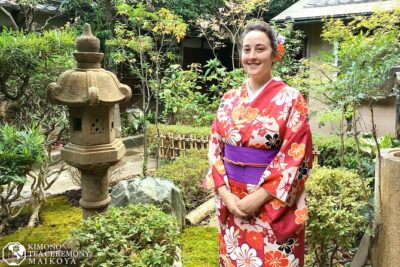
Your visit begins with a welcome drink and a change into yukata. The clothing is not just a photo prop. It marks a shift from ordinary sightseeing into a more traditional setting, and it makes the temple photographs feel connected to the visit rather than added on at the end.
The activity includes complimentary smartphone photos of your time in the temple. The information does not promise a professional photo session or a fixed number of images, so think of this as a helpful keepsake rather than a formal portrait package.
Still, it is a thoughtful inclusion. A massage disappears into your afternoon, but a photo in a yukata gives you something concrete to take home. If you are visiting with a friend, partner, or family member, the pictures also provide a shared record of the occasion.
Incense, bells, and a gentler form of sightseeing
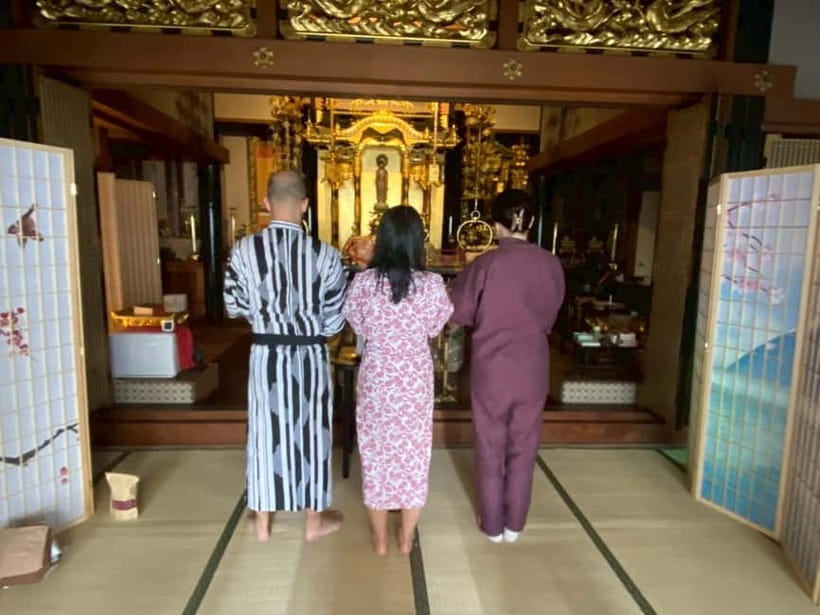
The temple portion includes an incense offering, an introduction to the temple’s history, and an explanation of Japanese worship culture. You then take part in meditation with a bell and kneaded incense.
These details give the visit more meaning than a quick look at a religious building. You learn how the setting is used, then take part in simple actions rather than standing outside as a spectator. Kneaded incense is especially suited to a slow activity because its scent becomes part of the memory of the place.
The meditation is not presented as a long retreat. It is one element in a short cultural program, so you should expect an introduction suitable for a first-time visitor rather than an advanced religious lesson. That is a strength for most people on a busy Japan trip. You get a small, understandable window into worship without giving up an entire day.
The presence of a revered Buddha also changes the tone. This is still a bookable wellness activity, but it takes place in a sacred environment. Follow the host’s instructions, keep your voice low, and treat the rituals as customs to observe respectfully rather than as entertainment.
More Temple & Shrine Tours in Osaka
- Osaka: Minoh, Katsuoji Temple, & Minoh Falls Full-day Tour
★ 4.9 · 172 reviews - Sagano Romantic Train & Arashiyama, Kiyomizudera, Fushimi Inari Taisha Day Tour
★ 4.5 · 171 reviews - Full Day Kyoto Tour : Bamboo Forest, Golden Temple, Fushimi Inari
★ 5.0 · 84 reviews - Osaka Temple Cool Foot Bath & Matcha Experience〈45min〉
★ 4.9 · 82 reviews
The foot bath in front of the Buddha
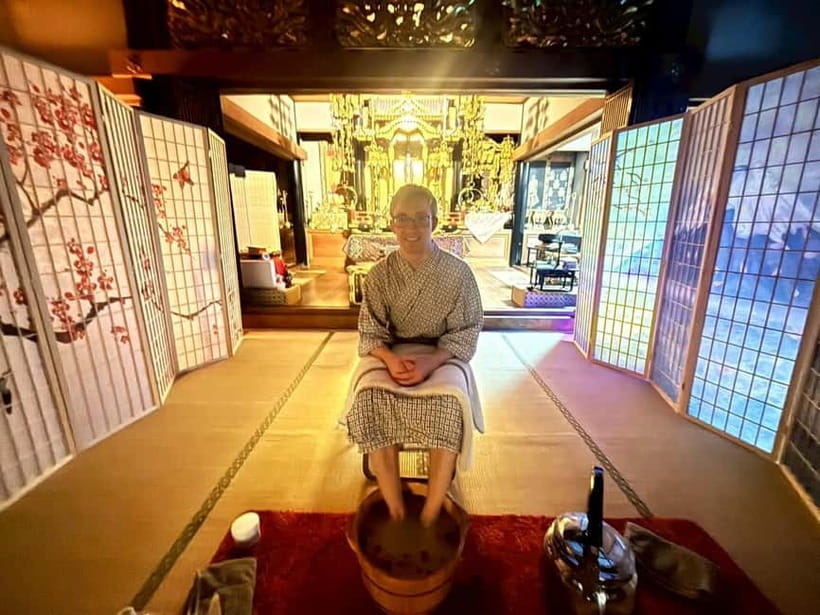
The foot bath is the most location-specific part of the visit. It takes place directly in front of the revered Buddha, rather than in an ordinary spa room. Warm water, scent, and the view of the temple are meant to work together, giving you a pause that is both physical and sensory.
A scrub massage is included with the foot bath. This makes the section more than a simple soak, though you should not confuse it with a full-body treatment. The activity focuses on the feet, scalp, and face, with the temple rituals filling out the rest of the time.
I like this part because it uses the setting well. Many spa treatments could be moved to a hotel without changing much. A foot bath before a Buddha gives this one a specific Osaka identity. It also makes a good reset after walking around the city.
If you are sensitive to foot treatments or do not enjoy shared wellness settings, ask questions before booking. The supplied information does not give details about water temperature, seating style, or special accommodations. The safest approach is to mention any concerns when you contact the provider.
Head spa and matcha facial
The head spa is the main relaxation treatment. It includes a scalp massage designed to ease tension and help you settle into the quieter pace of the visit. The descriptions emphasize scalp relaxation, and the strongest praise centers on the massage.
Do not expect a full-body massage based on the information provided. The treatment is specifically a head spa, with the foot scrub massage adding another focused element. If your priority is shoulder, back, or leg work, this may not replace a conventional full-body appointment.
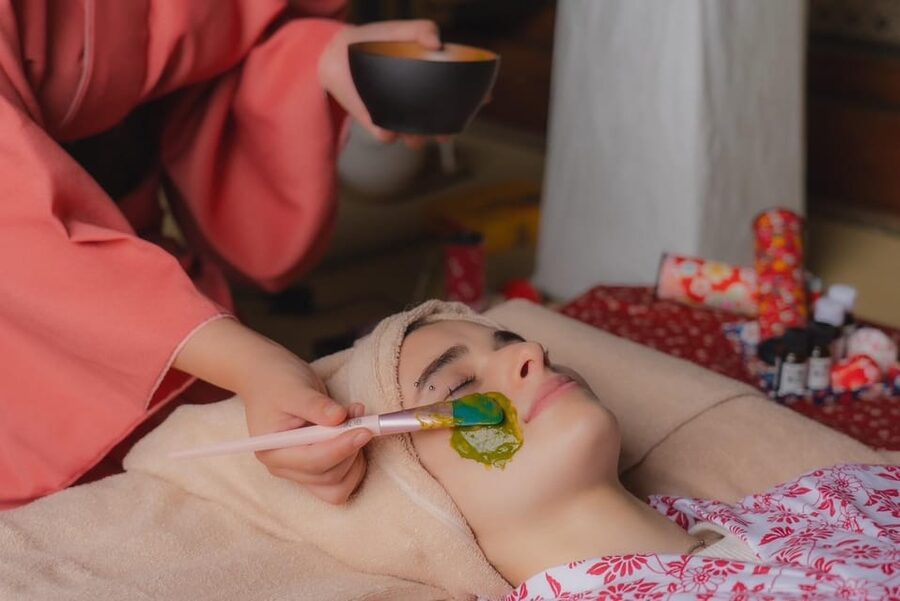
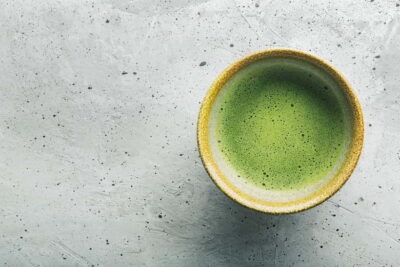
The matcha facial adds a beauty component. A matcha facial pack is applied with the stated aim of nourishing the skin, while the scalp treatment focuses on relaxation. Together, they create the refresh and glow part of the program without turning the activity into an elaborate salon visit.
I would keep your expectations sensible. A matcha pack can be a pleasant ritual and a memorable Japanese touch, but the activity does not promise a medical skin treatment or a guaranteed cosmetic result. Its value comes from the combination of scent, touch, rest, and setting.
The treatment is individual, which is important if you are visiting with a companion. You can share the broader visit while receiving your own head spa and facial. The tea ceremony is the part that may be shared with other people.
Tea ceremony with context, not just a cup of tea
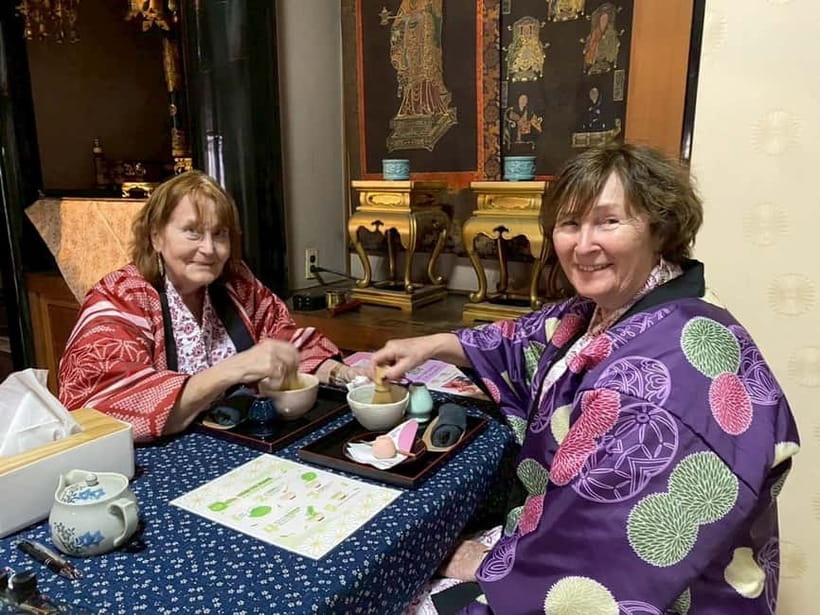
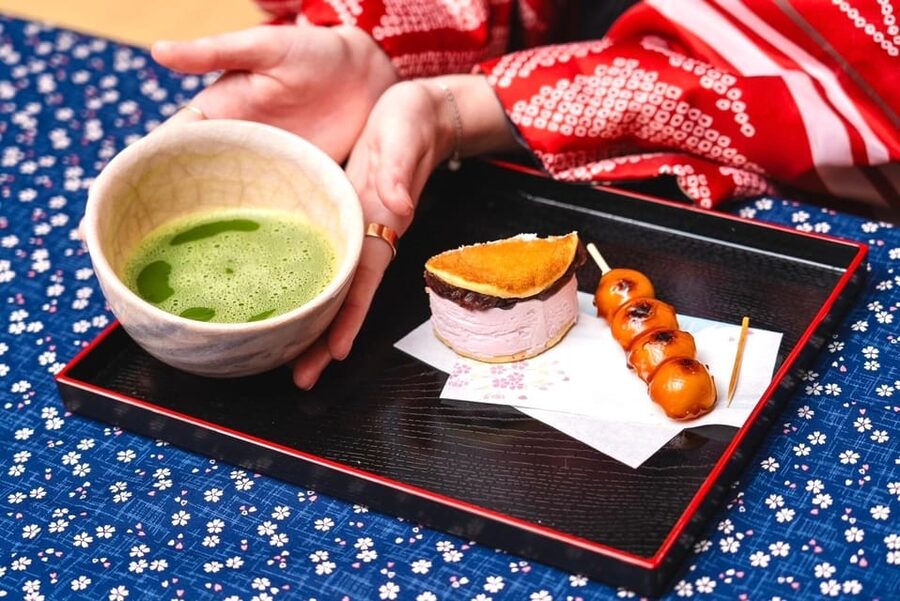
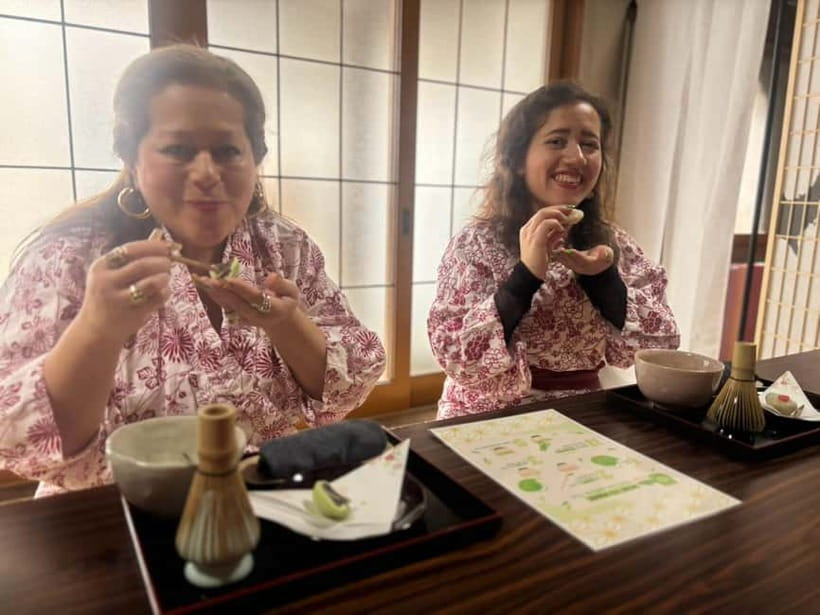
The traditional Japanese tea ceremony follows the treatment. Cultural and historical explanations are included, so you are given some context for the movements and customs instead of simply being handed a drink.
This is a good ending. After the incense and massage, tea gives the visit a calm final chapter. It also connects the activity’s wellness side with a familiar Japanese cultural practice. You get to watch and participate at a measured pace, rather than rushing through a tasting.
The tea ceremony may be shared with other participants. That is the one clear limit on privacy, and it is worth considering if you are booking this as a romantic or personal retreat. The treatment itself is individual, but the tea portion does not necessarily belong only to your party.
The available information does not identify the tea host by name or specify which tea is served. You should therefore book this for the ceremony and explanation as a whole, not for a particular tea variety or named instructor.
Language and the pace of the visit
The activity information does not clearly list the operating language. One person who attended found that a host spoke little English and used a translation app successfully. That suggests you should be comfortable with a little nonverbal communication and simple translated explanations.
This is less serious here than it would be on a complicated history lecture. Much of the visit involves watching, following gestures, resting, and enjoying the treatment. Still, if you want detailed answers about worship customs or the tea ceremony, prepare a few questions in advance and keep your translation app ready.
The friendly, accommodating service is a repeated strength of the available feedback. That matters in a small wellness activity because the host guides you through clothing, temple etiquette, treatment steps, and tea. A warm welcome can make the difference between feeling awkward and settling in quickly.
Is $141 a fair price?
At $141 per person, this is not a bargain massage. You are paying for a package that combines a temple visit, cultural instruction, incense, meditation, a foot bath and scrub, head spa, matcha facial, tea ceremony, yukata use, and smartphone photos.
The value depends on what you would otherwise book. If you only want a scalp massage, a less expensive spa appointment may suit you better. If you want a temple visit plus a tea ceremony plus a beauty treatment, this bundled format saves you from arranging several separate activities and gives them a common setting.
The small group limit also supports the price. With no more than three participants for the group activity, the visit is more focused than a large cultural demonstration. The private element has limits, though, since tea may include other people.
I see the price as reasonable for a special-occasion activity, a relaxed afternoon, or a thoughtful gift. It is less compelling if your Osaka schedule is packed and you would feel rushed. You are paying for time and atmosphere as much as for massage products.
Who will enjoy this most
I would recommend this to you if you want a gentle cultural activity that does not require a full day. It suits first-time visitors who want to take part in Japanese customs without signing up for a long formal tour.
It also works well for:
- Friends who want a shared but quiet activity
- Couples looking for yukata photos and a calm break
- Parent and adult child visits
- Anyone who enjoys scalp massage more than a full-body spa
- People seeking a pause from Osaka’s city noise
- Visitors interested in worship customs, incense, and tea
The experience may not suit you if you dislike foot baths, facial products, or changing clothes. It also may not be the right choice if you need a fully private appointment, since the tea ceremony can be shared.
The strongest praise is directed at the relaxation, massage, kind service, and complete flow from arrival through tea. If those are your priorities, the activity makes a good case for itself. If your main goal is temple architecture or a long historical tour, this is better viewed as a wellness visit with cultural elements, not a major sightseeing tour.
Booking details worth knowing
Free cancellation is available up to 24 hours in advance for a full refund. You can also reserve now and pay later, which helps if your Osaka plans are still shifting.
The activity has a two-hour duration, with starting times dependent on availability. Since the treatment details are described as 90 minutes, keep a little breathing room before your next booking.
The group is limited to three participants, but the tea ceremony may include other people. If a completely private visit matters to you, contact japanese massage 唯一無二 -the one&only- before reserving.
Bring a charged phone if you want to make the most of the complimentary photos or use a translation app. Most importantly, use the correct map search term: Japanese Massage -the one&only-. That small preparation can save you from arriving at the wrong temple entrance.
Should you book the Osaka temple head spa?
Book it if you want more than a massage and less than a full-day cultural program. The foot bath before the Buddha, the incense and bell meditation, the matcha facial, and the tea ceremony form a distinctive two-hour visit. The yukata photographs are a useful bonus, and the three-person limit keeps the setting intimate.
Skip it if you want a conventional full-body massage, complete privacy, or a detailed temple tour. At $141, the value comes from the full combination of rituals, treatment, clothing, tea, and setting. For a restful break that still feels connected to Japan, I think that combination is the reason to go.
FAQ
How long does the activity last?
The advertised duration is two hours. The treatment inclusions are marked as 90 minutes, with the remaining time covering activities such as changing into a yukata, temple rituals, explanations, tea, and photos.
What treatments are included?
The activity includes a foot bath with scrub massage, a head spa with scalp massage, and a matcha facial pack.
Is the tea ceremony private?
The treatment is individual, but the tea ceremony may be shared with other people. Contact the provider if you want a completely private experience.
Is the temple visit part of the activity?
Yes. The visit includes an incense offering, an introduction to the temple’s history and Japanese worship culture, meditation with a bell, and kneaded incense.
Are yukata photos included?
Yes. Complimentary smartphone photos of your experience in the temple are included as a keepsake.
How many people can join?
The activity is limited to three participants. The tea ceremony may still be shared with other guests.
What should I enter into Google Maps?
Enter Japanese Massage -the one&only-. Searching only for the temple name may take you to the back entrance and make it difficult to find the meeting point. Tossa de coracao is a nearby restaurant and another useful reference.
Can I cancel for a refund?
You can cancel up to 24 hours in advance for a full refund. Reserve now and pay later is also available.
More Massage & Relaxation in Osaka
- Osaka Temple :Warm Bamboo Oil Massage – Deep Restore〈90min〉
★ 5.0 · 14 reviews
More Spa & Hot Springs in Osaka
- From Osaka: Himeji Castle, Arima Onsen & Mt. Rokko Day Tour
★ 4.6 · 339 reviews - Osaka: Solaniwa Onsen Hot Spring Visit
★ 4.6 · 51 reviews - Osaka: Tennen Onsen Naniwa-no-Yu, the famous hot spring spa
★ 4.7 · 19 reviews - Osaka: Nara and Uji Day Trip with Deer Park and Hot Spring
★ 4.4 · 302 reviews
Just added around Osaka
- (Ticket Included) Explore Osaka Castle & Museum of History★ 4.8 · 21 reviews
- Hidden Osaka – Yukaku Red Light Tour & Culinary Adventure★ 4.8 · 96 reviews
- Osaka: Walking Tour and Top Highlights★ 4.8 · 104 reviews
- Osaka: Private Ceramic Painting Workshop★ 5.0 · 13 reviews
- Pickleball in Osaka, Kobe & Kyoto with Locals!★ 4.7 · 80 reviews
- Eat Like a Local in Osaka – Private Custom Street Food Tour★ 4.3 · 33 reviews
- Osaka:SUMO BEATS SHOWCASE: Taiko Drum and Wagyu burger!★ 4.2 · 37 reviews
- Kimono photoshoot-Includes 100 photo data★ 5.0 · 21 reviews
Tea Ceremony Experiences, compared.
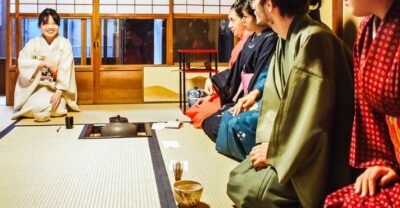
Tea Ceremony in a Traditional Tea House in Kiyomizu
Read our review →
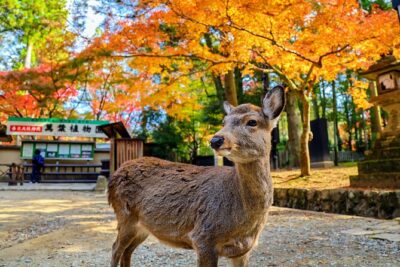
World Heritage Kyoto & Nara Uji Authentic Matcha Experience
Read our review →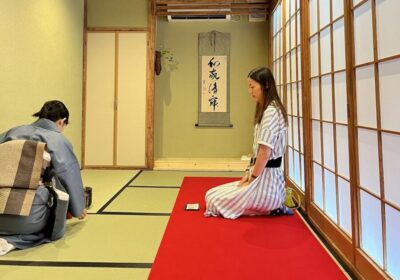
Browse the lists this tour appears in