
REVIEW · NARA DAY TRIPS
Nara Deer Park, Uji Matcha, & Hot Spring Full-Day Tour from Osaka
Nara’s friendly deer, Uji’s green-tea sweets, and a warm bath at day’s end make this a smart way to see several Japanese highlights in one sweep. You get temples, snacks, open-air scenery, and a distinctly Japanese hot spring without having to sort out regional trains.
I especially like the good mix of experiences and the fact that round-trip transport from Osaka is included. The guides Etta, Leo, Joe, and Yao have each drawn praise for their humor, helpfulness, and local tips. The main drawback is that some guides provide only brief instructions, and a small group may mean the guide is also driving.
- Feed Nara’s free-roaming deer near the foot of Mt. Wakakusa and learn how to handle their persistent appetites.
- See Todaiji’s Great Buddha, one of Japan’s most important Buddhist monuments, with about 40 minutes set aside.
- Taste your way along Uji Matcha Street, where ice cream, cakes, drinks, and even green soba await.
- Visit Byodo-in Temple, a UNESCO World Heritage site associated with Uji’s famous tea culture and graceful architecture.
- Finish at Genji-no-Yu, a natural hot spring fed from 1,111 meters underground.
- Expect a shared group tour, multilingual announcements, and extra charges for lunch, Todaiji, and the onsen.
In This Review
- One Day, Three Very Different Sides of Japan
- Meeting in Nipponbashi Before the Nara Run
- Nara Park and the Deer at 9:50
- Todaiji Temple and the Great Buddha
- Uji Matcha Street and Green Tea Without Ceremony
- Byodo-in Temple and the Image on the Ten-Yen Coin
- Genji-no-Yu, a One-Hour Japanese Hot Spring
- What the Guide Service Is Really Like
- Is $49.84 a Fair Price?
- Who Will Like This Day Trip
- Practical Tips for a Better Day
- Should You Book the Nara, Uji, and Hot Spring Tour?
- FAQ
- How long does the tour last?
- Where does the tour begin?
- What time should I arrive?
- What is included in the tour price?
- Is lunch included?
- Is admission to Todaiji Temple included?
- Is the hot spring entry fee included?
- Can people with tattoos use the hot spring?
- What happens if the group has fewer than 13 people?
- What happens if I arrive late?
One Day, Three Very Different Sides of Japan
This nine-hour outing links three experiences that feel quite different from one another. Nara gives you ancient temples and semi-wild deer. Uji gives you tea shops and a refined old-town feel. Genji-no-Yu gives you the quiet ritual of a Japanese bath.
That variety is the tour’s main strength. You are not spending the entire day inside museums or temples. You are also not left to build a complicated route through southern Kyoto and Nara on your own. The bus handles the long connections, while you walk and explore at each stop.
The tradeoff is pace. Nara Park, Todaiji, Uji, and the hot spring all require careful timing. This is a sampler, not a slow, private tour. If you want long temple visits, a full lunch, and hours of tea tasting, you may feel hurried.
The published price is $49.84 per person. For a full day of shared transport from Osaka, that is attractive value, especially if you would otherwise pay separate train fares and spend time changing lines. You still need to budget for the $5 Todaiji admission, $9 hot spring entry, lunch, and purchases in Uji.
Meeting in Nipponbashi Before the Nara Run
The meeting point is at 1-chome-3-6 Nipponbashi in Osaka, near Nipponbashi Exit 2 and the Namba Shinsaibashi area. The details give an 8:30 am start, while the meeting instructions specify 8:40 am at Nipponbashi Exit 2. Because those times do not perfectly match, check the final message sent before departure and arrive at least 15 minutes early.
Look for the guide holding a yellow Gogoday flag. This is important because the meeting point is in a busy part of Osaka, and the group cannot wait indefinitely. There are no refunds for a late arrival or no-show.
The ride is in an air-conditioned vehicle, with vehicle size based on the number of people. The stated vehicle range is 10 to 45 seats, with a maximum tour size of 40. A large coach offers more room but can make group movement slower. A smaller group may get a more personal feel, but if fewer than 13 people join, the guide may also drive. In that case, expect basic commentary rather than a full running lecture.
The guide provides explanations in English, Japanese, and Traditional Chinese. The quality of English commentary can vary. Guides such as Etta have been praised for being funny, lively, and helpful, while other departures have had very limited English explanation after longer Chinese announcements. I would treat this as a transport-and-orientation tour first, with guiding that depends heavily on the individual assigned that day.
More Nara Day Trips in Osaka
- Ancient Capital Tour: Kyoto and Nara Highlights from Kyoto/Osaka
★ 4.5 · 332 reviews - Kyoto and Nara Day Trip from Osaka
★ 4.0 · 175 reviews - From Osaka or Kyoto: Kyoto and Nara 1-Day Bus Tour
★ 3.5 · 141 reviews
Nara Park and the Deer at 9:50
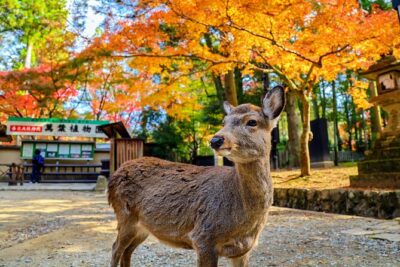
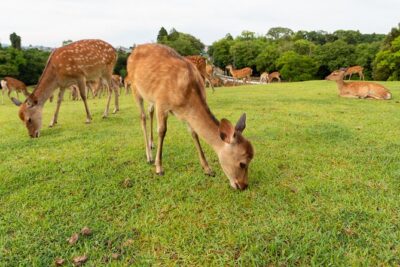
The first major stop is Nara Park, reached at about 9:50 am. The park is home to thousands of deer that roam freely around the temples and paths. This is not a zoo encounter. The deer wander through a historic public park, and that mix of wildlife and old Japan is what makes the stop memorable.
You can buy special deer crackers and offer them by hand. Feed carefully. Some deer are gentle, while others can be playful, quick, and remarkably persistent once they spot food. Keep your hands open after the crackers are gone, and avoid teasing an animal with an empty hand.
The tour allows about 90 minutes here, which gives you time to find deer, take photographs, and walk toward the temple area. Still, the clock matters. Several people have found the Nara section short once walking time is counted. The bus may stop some distance from the deer and temple area, so you should not spend the entire visit at the first attractive group of animals.
I recommend getting your bearings quickly. Take a few deer photographs, feed only as much as you want, and then make your way toward Todaiji. If your main goal is deer photography, use the early part of the stop for that. If your main goal is the Great Buddha, keep moving rather than lingering at the park entrance.
Nara’s autumn foliage can add color to the visit, though seasonal conditions naturally vary. Even without peak leaves, the open park and mountain setting give you a welcome change from central Osaka.
Todaiji Temple and the Great Buddha
Todaiji is reached after the park visit, with about 40 minutes allotted. Admission is not included and costs $5 per person. Bring cash because some attractions and shops may not accept cards.
The temple is one of Japan’s best-known Buddhist complexes and a UNESCO World Heritage site. Its great draw is the enormous Great Buddha statue inside the main hall. Even a short visit gives you a strong sense of the scale and ambition of historic Japanese temple building.
Forty minutes is enough for the essential interior visit and a quick look around. It is not enough for a relaxed study of every building, garden, and historical detail. You will need to follow the guide’s return time closely, especially if the walk from the bus takes longer than expected.
This is one stop where the quality of the explanation makes a real difference. Some guides, including Leo and Yao, have been praised for sharing historical facts and useful directions. Other departures have felt more like a drop-off, with instructions limited to where to go and when to return. If your guide gives only a short introduction, use the temple visit for the Great Buddha and accept that this is a brief encounter rather than a full cultural lesson.
Uji Matcha Street and Green Tea Without Ceremony
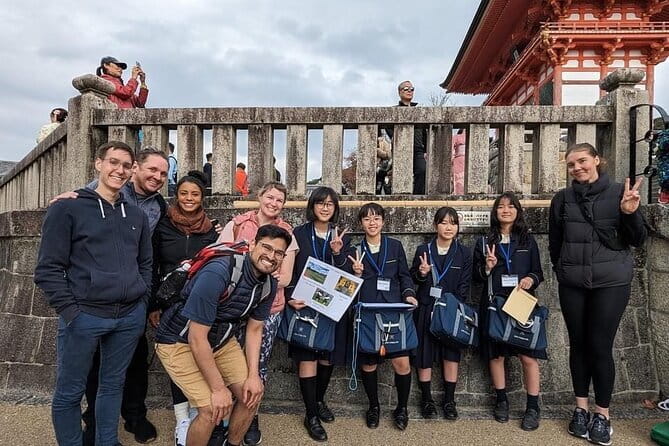
After Nara, the group heads to Uji, a city strongly associated with Japanese matcha. You get about 90 minutes to explore the matcha street area, often called Byodo-in Omotesando Street.
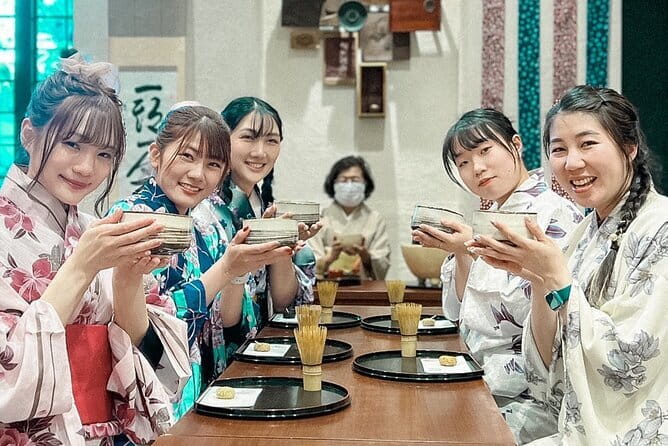
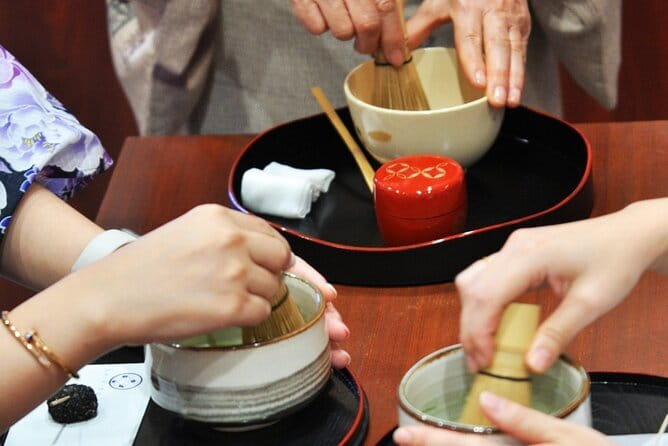
This is a food stop as much as a cultural one. Shops sell matcha ice cream, cakes, drinks, and other sweets. You may also find savory items, including soba noodles colored green with matcha. The experience is informal and easy to enjoy at your own pace. You do not need to understand tea ceremony etiquette to appreciate it.
The street is a good place to try one or two small items rather than commit to a large meal. Matcha flavors can be pleasantly bitter, especially in stronger sweets and drinks, so a creamy matcha ice cream may be the gentler introduction. Lunch is not included, and the timing may require you to choose between a proper meal, shopping, and Byodo-in.
The guide may point out long-established tea shops and suggest local specialties. That kind of advice is useful because Uji offers more than a generic green-tea snack. You can compare different textures and levels of bitterness, then take packaged tea home if your luggage allows.
The limitation is time. Ninety minutes sounds generous, but it must cover food, browsing, walking, and the temple visit if the group moves through both areas in one Uji stop. I would decide in advance whether your priority is eating, buying tea, or seeing the temple. Trying to do everything slowly will be difficult.
More Tea Ceremony Experiences in Osaka
- Osaka: Tea Ceremony Experience
★ 4.9 · 1,426 reviews - Tea Ceremony Experience in Osaka Doutonbori
★ 5.0 · 754 reviews - Matcha Making Class in Osaka with Authentic Japanese Sweets Set
★ 5.0 · 509 reviews - Osaka: Matcha Making Experience with Japanese Sweets
★ 5.0 · 146 reviews
Byodo-in Temple and the Image on the Ten-Yen Coin
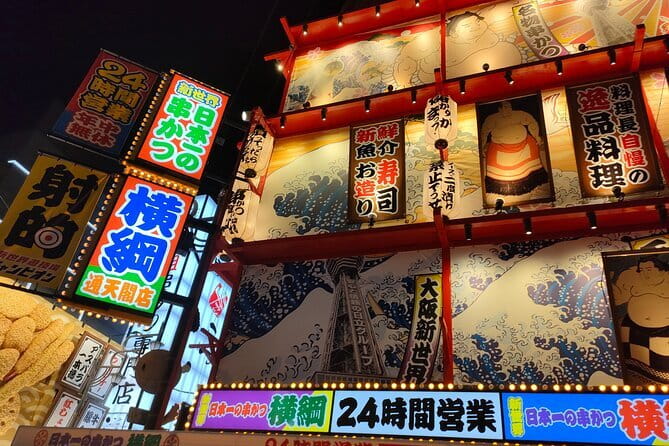
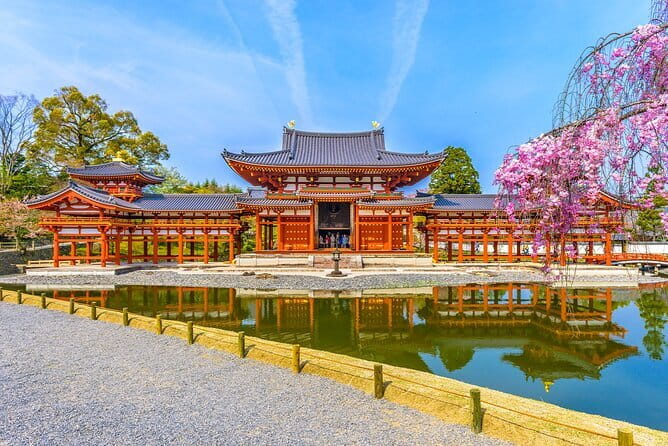
Byodo-in is one of Uji’s most recognizable sights and a UNESCO World Heritage site. Its Phoenix Hall sits over the water in a carefully arranged temple setting. The building is so familiar in Japan that it appears on the ten-yen coin.
The grounds give you a calmer counterpoint to Nara’s deer and Uji’s snack street. Look for the temple’s reflection across the pond and take time to appreciate the balanced shape of the Phoenix Hall. The visit also gives context to Uji’s cultural importance beyond its tea shops.
Admission to the main grounds or special interior viewing is not included in the tour price. One useful decision is whether to pay extra for an indoor viewing of the Phoenix Hall if that option is available during your visit. The regular grounds still provide the classic view, but an added interior visit can make the temple feel less like a quick photo stop.
Do not expect a private guided tour of every room. The schedule and group format favor a short orientation followed by independent exploration. That works well if you like choosing your own photographs and snacks. It works less well if you want sustained historical commentary.
Genji-no-Yu, a One-Hour Japanese Hot Spring
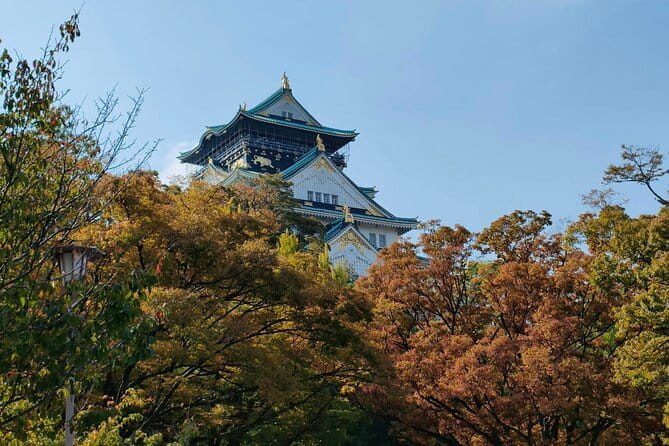
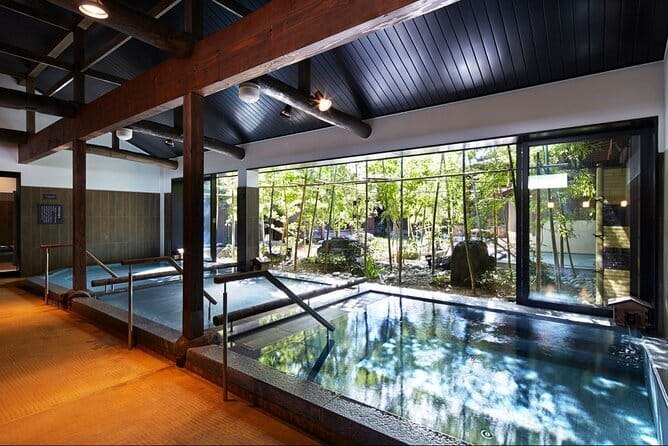
The final stop is Genji-no-Yu, described as Uji’s only natural hot spring, with water rising from 1,111 meters underground. The setting uses traditional Japanese architectural touches, and the bath offers a quiet end to a day of walking.
Hot springs in Japan are enjoyed without clothing. Wash before entering the bath, then soak quietly. Tattoos are not permitted in most Japanese hot springs, and this tour specifically warns that tattooed bathers may not be admitted. If that applies to you, contact the operator before booking rather than leaving the decision until arrival.
The entry fee is not included and costs $9 per person. The planned visit lasts about one hour, which is enough for a proper soak but not a long spa session. You may find the timing especially welcome after the walking at Nara and Uji, though anyone expecting several hours of sauna and pool time will want to adjust expectations.
There is also a practical transport issue. The Uji onsen shuttle bus operates on a fixed schedule. If the group runs late or the day changes because of traffic or weather, the shuttle may not be available at the needed time. The schedule is therefore part of the experience, not a minor footnote.
The bath is a strong finish because it changes the pace completely. Just remember that the tour is not selling a luxury spa day. It is offering a one-hour cultural and physical reset before the ride back to Osaka.
What the Guide Service Is Really Like
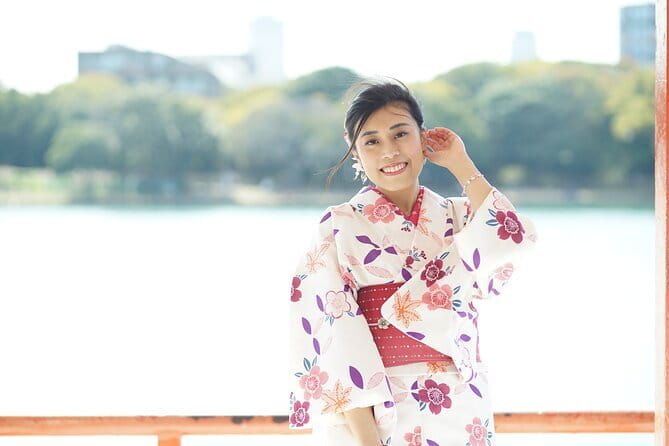
The guide can make or break a shared tour like this. Etta has received especially warm praise for her humor, clear deer-feeding advice, and practical Osaka recommendations. Leo has been appreciated for navigation and temple tips, while Joe has been described as an energetic host who added historical facts and kept the bus lively. Yao has also been praised for explaining Nara’s past and the sites along the route.
Those names are examples from particular departures, not a promise of who will lead your group. The guide assigned to you may have a different style, and the multilingual format means English explanations may be shorter than Chinese commentary on some days.
You should expect orientation, meeting times, directions, and selected facts. Do not automatically expect a detailed walking tour at every temple. Several departures have felt like a well-run shuttle with sightseeing stops, while others have benefited from a lively guide who added humor and useful context.
That distinction matters when you decide what to bring. A phone with maps, a little advance reading, and cash will help you make the most of independent time at Nara and Uji. You will not be stranded, but you may need to guide yourself once the group is released.
Is $49.84 a Fair Price?
At $49.84, the tour offers solid basic value. You get round-trip transport from Osaka, an air-conditioned vehicle, a multilingual guide, and access to three areas that would take more planning by public transport.
The extras are reasonable but easy to overlook:
- Todaiji admission: $5 per person
- Genji-no-Yu admission: $9 per person
- Lunch: not included
- Matcha food, tea, and souvenirs: extra
- Byodo-in admission or special viewing: not included in the stated inclusions
The total cost will therefore be higher than the headline price. Even so, the transport alone can justify the fare if you value convenience and do not want to manage trains, local buses, and timed connections.
The value drops if you want a slow, deeply guided cultural tour. You are paying for coverage and transportation, not a private historian. The tour is best for a first look at Nara and Uji, particularly if your Osaka schedule is tight.
Who Will Like This Day Trip
I would recommend this tour to you if you want:
- A simple way to combine Nara and Uji from Osaka
- A first look at the Great Buddha and Byodo-in
- Plenty of photo chances, deer, tea snacks, and old temple architecture
- A shared tour with transport already arranged
- A hot spring stop after a day on your feet
- The freedom to explore independently after a short introduction
I would be more cautious if you need step-by-step guiding in clear English at every stop. I would also hesitate if you dislike fixed return times, shared vehicles, or walking between bus drop-off points and temples.
Families and first-time Japan visitors may appreciate the range of activities, though deer can be demanding around food. Tea fans will enjoy Uji most, while people interested in Buddhist architecture may wish for more time at Todaiji and Byodo-in.
Traffic, weather, and other unexpected delays can change the order or length of stops. Do not schedule an important evening activity immediately after the planned return to Osaka.
Practical Tips for a Better Day
Arrive early at Nipponbashi and look for the yellow flag. Keep the evening before your tour free enough to check the email with guide and driver contact details.
Bring cash for admissions, deer crackers, food, and shops. Wear shoes that are comfortable for walking, since Nara’s bus-to-temple distance can eat into your sightseeing time.
At Nara, buy a small amount of deer food and finish feeding before trying to take close-up photographs. Deer may follow you or tug at loose clothing once they know you have crackers.
At Uji, choose your food priority before you arrive. If you want matcha sweets, tea shopping, and Byodo-in, you will need to keep each stop focused.
For Genji-no-Yu, carry what you need for a public bath and remember that bathing is without clothing. Tattoo restrictions are strict at many Japanese hot springs, including the warning given for this tour.
Free cancellation is available up to 24 hours before the start time. Changes or cancellations inside that window are not accepted for a refund.
Should You Book the Nara, Uji, and Hot Spring Tour?
Book it if you want a convenient, good-value day from Osaka that covers deer, temples, matcha, and a Japanese bath in one route. The mix is hard to beat for variety, and guides such as Etta, Leo, Joe, and Yao can add plenty of warmth and useful advice when assigned to the group.
Skip it if your ideal day means lingering at one temple, eating a full lunch, or receiving detailed commentary in English from start to finish. The tour’s success depends on timing, traffic, group size, and the guide’s style.
My practical verdict: this is a worthwhile sampler for a first visit, provided you see it as shared transport with sightseeing guidance rather than a fully guided cultural tour. Add the admission fees, carry cash, keep your schedule flexible, and you should get a memorable day for a sensible price.
FAQ
How long does the tour last?
The tour lasts approximately nine hours and ends back at the meeting point in Osaka.
Where does the tour begin?
The listed starting point is 1-chome-3-6 Nipponbashi, Chuo Ward, Osaka, near Nipponbashi Exit 2 in the Namba Shinsaibashi area.
What time should I arrive?
The published start time is 8:30 am, while the meeting instructions identify Nipponbashi Exit 2 at 8:40 am. Arrive 15 minutes early and check the final email for the confirmed details.
What is included in the tour price?
The price includes round-trip transportation in an air-conditioned vehicle, pickup from the designated Osaka meeting point, a multilingual guide, and guide and driver service fees.
Is lunch included?
No. Lunch is not included, so you should budget separately for food in or around Uji.
Is admission to Todaiji Temple included?
No. Todaiji admission costs $5 per person and is paid separately.
Is the hot spring entry fee included?
No. Genji-no-Yu entry costs $9 per person and is not included in the tour price.
Can people with tattoos use the hot spring?
The tour warns that people with tattoos are not permitted in most Japanese hot springs. Contact the operator before booking if this applies to you.
What happens if the group has fewer than 13 people?
If fewer than 13 people participate, the guide may also serve as the driver and provide only basic commentary.
What happens if I arrive late?
The instructions say to arrive early and warn that there are no refunds for late arrivals or no-shows.
More Spa & Hot Springs in Osaka
- Osaka Temple Head Spa &Matcha Facial – Refresh & Glow〈90min〉
★ 5.0 · 24 reviews - Private Car Day Trip to the Kobe Mountains, Gardens and Hot Springs from Osaka
★ 4.5 · 16 reviews - Osaka: Nara and Uji Day Trip with Deer Park and Hot Spring
★ 4.4 · 302 reviews - From Tokyo: Private Tour to Fuji/Hakone – Onsen, Art, Nature
★ 5.0 · 116 reviews
More Onsen & Hot Spring Trips in Osaka
- From Osaka: Himeji Castle, Arima Onsen & Mt. Rokko Day Tour
★ 4.6 · 339 reviews - Osaka: Solaniwa Onsen Hot Spring Visit
★ 4.6 · 51 reviews - Himeji Castle, Arima Onsen & Mt. Rokko: 1-Day Bus Tour from Osaka
★ 4.0 · 28 reviews - Osaka: Tennen Onsen Naniwa-no-Yu, the famous hot spring spa
★ 4.7 · 19 reviews
Just added around Osaka
- Samurai dress-up and shows, plus Tea Ceremony & Calligraphy★ 5.0 · 27 reviews
- Kyoto & Nara Private customized tour with English speaking Guide★ 4.5 · 99 reviews
- Well-balanced BENTO (lunch box) Cooking Class★ 5.0 · 35 reviews
- Urban Canvas: Osaka Street Art Bike Tour★ 5.0 · 47 reviews
- OSAKA:Feel the Power! Learn Taiko Drum from Professionals★ 5.0 · 28 reviews
- Volleyball in Osaka & Kyoto with Locals!★ 5.0 · 21 reviews
- 1.5〜2 Hours Traditional Kintsugi Work Shop in Namba Osaka★ 5.0 · 75 reviews
- Umami Town Street Food Tour★ 5.0 · 120 reviews
Nara Day Trips, compared.
World Heritage Kyoto & Nara Uji Authentic Matcha Experience
Read our review →
Kyoto/Osaka: Nara, Fushimi Inari Taisha, Arashiyama Bus Tour
Read our review →
Nara Half Day Trip Walking Tour (Private Option Available)
Read our review →
Osaka/Kyoto: Arashiyama, Nara & Fushimi Inari Shrine w/Lunch
Read our review →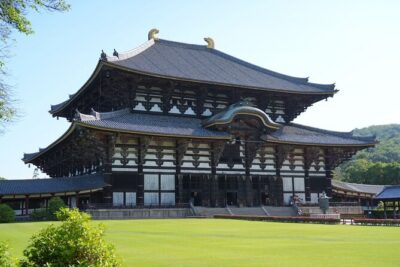
Nara Early Morning Tour (Kyoto or Osaka Departure Available)
Read our review →
Full Day Guided Tour to Kyoto and Nara from Osaka by Van
Read our review →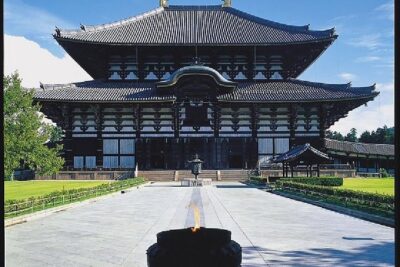
Browse the lists this tour appears in