
REVIEW · NARA DAY TRIPS
Kyoto and Nara Day Trip from Osaka
Kyoto’s gilded Kinkaku-ji, solemn Nijo Castle, and Nara’s enormous Great Buddha all appear in one ambitious day. You meet at Hotel Granvia Osaka at 7:15 a.m., travel by public transport and coach, and finish at Osaka-Namba Station around 6:30 p.m. This is a sightseeing sweep, not a leisurely temple stroll.
I like the English-speaking guide support, especially during the complicated transfers between Osaka, Kyoto, and Nara. I also like the efficient route: you see five major sights without having to work out train tickets, admissions, or bus connections yourself.
The tradeoff is time. With roughly 40 people at most and short visits at several stops, you will often be walking, listening, taking a few photos, and moving on. The price of $198.15 per person also makes this a serious purchase, so the tour works best if seeing the headline sights matters more to you than exploring them slowly.
In This Review
- Key points to know before booking
- A one-day route built around famous sights
- Nijo Castle: shogun power in polished wood
- Kinkaku-ji: Kyoto’s Golden Pavilion
- Kyoto Imperial Palace and the tour’s changing plan
- Lunch choices and a practical warning
- Nara Park and Kasuga Grand Shrine
- Todai-ji and the Great Buddha
- What the transport plan really means
- Price, group size, and overall value
- Who should book this Kyoto and Nara day trip?
- Should you book it?
- FAQ
- Where does the tour start?
- Where does the tour end?
- Is transportation included?
- Are train seats reserved?
- What sights are included?
- Is lunch included?
- What happens if Kyoto Imperial Palace is closed?
- What is the cancellation policy?
Key points to know before booking
- Five major cultural stops: Nijo Castle, Kinkaku-ji, Kyoto Imperial Palace, Kasuga Grand Shrine, and Todai-ji Temple.
- A long but efficient route: Start in Osaka at 7:15 a.m. and finish at Osaka-Namba Station around 6:30 p.m.
- Train travel is part of the experience: Depending on the day, you may use JR trains, the Shinkansen between Shin-Osaka and Kyoto, and Kintetsu Railway back to Osaka.
- Guide quality matters here: Guides such as Momo, KC, Hatchi, and the Nara guide have been praised for clear organization, humor, and useful cultural context.
- Lunch is optional: Choose no lunch, Western lunch, or an Indian thali lunch. Vegetarian requests must be made at booking.
- Expect a quick look, not full exploration: This tour is best for a first visit or a tight schedule.
A one-day route built around famous sights
The appeal is simple: Kyoto and Nara are easy to reach from Osaka, but fitting both into one day takes planning. This tour handles the broad logistics for you, then moves through a set of famous sites in a fixed order.
You begin at Hotel Granvia Osaka, where an English-speaking assistant helps you reach the Kyoto meeting point. The first leg may use a rapid or local train to Shin-Osaka, followed by Shinkansen travel to Kyoto, though the exact transport can change with group size. Seating on public transport is non-reserved, so you are not guaranteed a seat.
At Kyoto Station, you walk to the Sunrise Tours Desk in the Kyoto Avanti basement. From there, the main sightseeing portion continues by bus. This transfer takes time, but it also means you are not trying to navigate Kyoto’s crowded station and local bus network while watching the clock.
The day then heads through Kyoto’s grandest landmarks before continuing to Nara. You return to Osaka by Kintetsu Railway, or by bus if transport arrangements change, with an assistant accompanying you from Kintetsu Nara Station to Osaka-Namba Station.
More Nara Day Trips in Osaka
- Ancient Capital Tour: Kyoto and Nara Highlights from Kyoto/Osaka
★ 4.5 · 332 reviews - From Osaka or Kyoto: Kyoto and Nara 1-Day Bus Tour
★ 3.5 · 141 reviews - Discover Himeji, Kobe and Nara from Osaka
★ 5.0 · 101 reviews
Nijo Castle: shogun power in polished wood
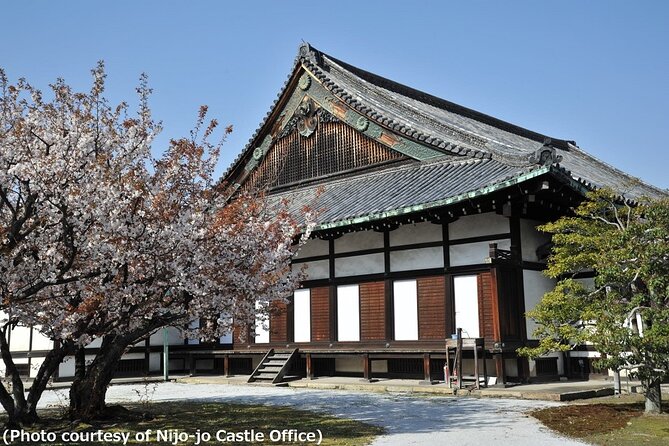
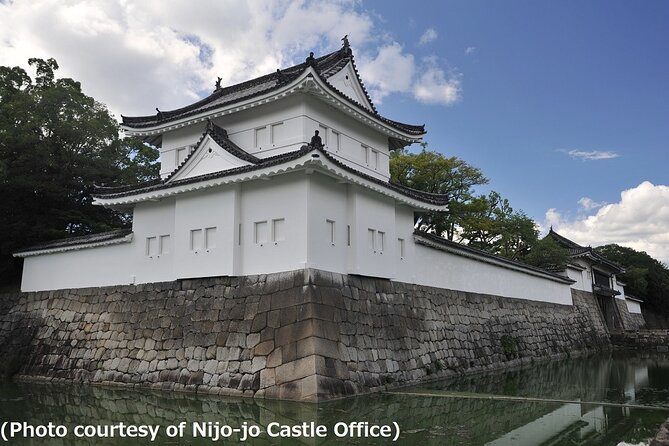
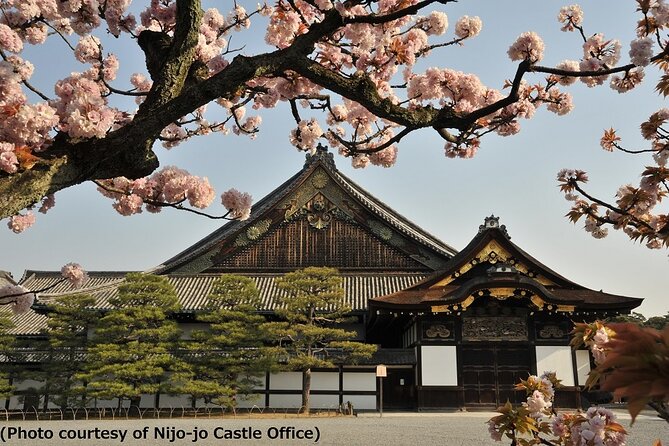
Your first major stop is Nijo Castle, completed in 1626 for the Tokugawa shogun. It served both as a residence and as a protective base near the Imperial Palace, which gives the site political weight beyond its handsome gardens and decorated gates.
You have about 50 minutes, including admission. The castle’s exterior can look restrained from a distance, but the interior brings the old ruling system into sharper focus. Elaborate carvings and opulent rooms show how architecture communicated rank and authority.
The short visit is enough to understand why Nijo Castle belongs on a first Kyoto itinerary. It is not enough for a slow study of every room, garden path, or detail. Stay close to the guide, since the group needs to keep moving to the next stop.
Nijo Castle closes on Tuesdays in January, July, August, and December, with the closure shifting to the following day if Tuesday is a holiday. If that happens, the itinerary substitutes Ryoan-ji Temple, and there is no partial refund.
Kinkaku-ji: Kyoto’s Golden Pavilion
Kinkaku-ji, also called the Golden Pavilion, is the tour’s most instantly recognizable image. The wooden structure is covered in thin layers of gold and reflected in a pond, with a carefully arranged Japanese garden surrounding it.
You receive about 45 minutes here. That gives you time to see the pavilion, walk through the garden, and take photographs, but the area can be crowded. One useful expectation is that you may be sharing the paths with school groups, particularly during busy school-trip periods.
The pavilion itself is a visual stop more than an indoor temple visit. You look across the water, follow the garden route, and take in the relationship between the building and its setting. The guide adds context, but the main pleasure is simply seeing the gold façade in person.
If you want quiet contemplation or a long garden walk, this tour will feel hurried. If your goal is to place one of Kyoto’s essential sights on your personal map, 45 minutes does the job.
Kyoto Imperial Palace and the tour’s changing plan
The Kyoto Imperial Palace was used as the Emperor’s residence until about 150 years ago. Its clean lines and restrained Japanese design offer a useful contrast to Nijo Castle’s more decorative interiors.
The scheduled visit lasts around 40 minutes. That is enough for a guided introduction to the palace grounds and important buildings, but not for an extended architectural study. You will want to listen carefully because the guide’s explanation supplies much of the meaning behind the simple forms.
The palace is closed to visitors on Mondays, or on the following day when Monday is a public holiday. It can also close during Imperial Household Agency events. In those cases, the tour visits Kitano Tenmangu Shrine instead. If the closure falls on the 25th, the substitute is Nishi Hongan-ji Temple.
This matters when choosing your date. The replacement sites may be worthwhile, but the tour price does not change, and refunds are not offered for scheduled alternatives.
Same city, a completely different kind of day:
- Osaka Go Karting Tour with Funny Costume
★ 5.0 · 2,658 reviews - Osaka Castle: Museum and Tower Entry Ticket
★ 4.5 · 2,380 reviews - Osaka: Shinsekai Food Tour with 13-15 Dishes at 5 Eateries
★ 4.8 · 2,204 reviews - Osaka Food Tour: 13 Dishes at 5 Local Eateries
★ 5.0 · 2,149 reviews
Lunch choices and a practical warning
Lunch depends on the option you book. You can choose no lunch, a Western-style set menu, or an Indian thali meal designed for vegetarians. The Indian menu includes several curries, vegetable pakora, yogurt, naan or roti, rice, salad, and a non-alcoholic drink.
The Western lunch has drawn mixed reactions, with some people finding it ordinary and more fried-food oriented than expected. If you want a traditional Japanese meal, check the exact option carefully before paying. The published choices do not promise a classic Kyoto-style lunch.
Vegetarians must request the appropriate meal when reserving. Same-day changes are not accepted. Halal, gluten-free, and other special meal requests are not available, so you should choose the no-lunch option if the listed meals do not suit you.
With no lunch, you receive free time to eat independently in the Kyoto Station area. That gives you more control, but it also means fitting your meal into the schedule without delaying the group.
Nara Park and Kasuga Grand Shrine
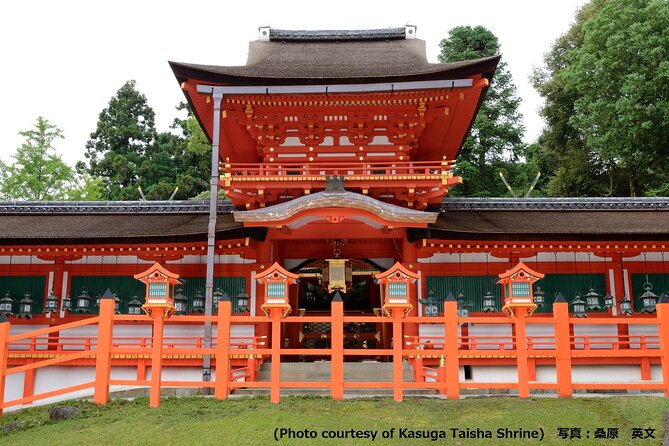
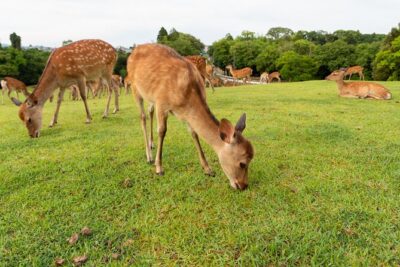
After Kyoto, the tour turns to Nara, the older capital whose sacred sites are woven into a parkland setting. Kasuga Grand Shrine dates from the Nara period and is a World Heritage site. Its deer are regarded as messengers of the shrine, linking the animals to the religious character of the place.
The scheduled stop lasts about one hour. From January 2025, the special visit area of the Main Sanctuary is included when operating conditions allow. If that area cannot open because of an event or other circumstances, the tour visits the Kasuga Taisha Museum or Todaiji Museum instead.
Nara’s deer are a memorable part of the visit, but you should handle the encounter with care. Deer crackers are sold on site, and the animals may crowd around you once food appears. Keep your movements controlled, feed them promptly, and do not assume that a gentle-looking deer will wait patiently.
The Nara guide has a slightly different role from the Kyoto guide. The local explanation, group movement, and return-to-station instructions become especially important after a long morning. Guides have been praised for using quizzes and humor to keep the afternoon lively, though you still need to stay alert and within earshot.
Todai-ji and the Great Buddha
Todai-ji Temple is the grand finale of the sightseeing portion. Its main hall is one of the world’s largest wooden structures, and inside sits the bronze Great Buddha, an imposing work tied closely to Nara’s religious and political past.
You have about 70 minutes, the longest scheduled stop. That extra time helps, but Todai-ji and Nara Park can be crowded, especially during school-trip periods. The scale of the temple is difficult to absorb quickly, so use the approach to look up at the wooden hall before heading inside.
The Great Buddha is the obvious centerpiece, but the building itself deserves attention. The vast timber structure makes the statue feel even more powerful. Your guide provides the basic story and points out key features, while the remaining time allows for photos and a walk through the surrounding area.
Some people find the Nara portion more relaxed than the Kyoto morning. Even so, you should expect steady walking, crowds, and a firm departure time. This is not the place to wander off for a long deer encounter and casually rejoin the group later.
What the transport plan really means
The transport arrangements save you from buying separate tickets and finding several connections, but they do not eliminate the tiring parts of a full day. You may stand during the non-reserved train rides, and station transfers can be busy.
The return ends at Osaka-Namba Station, not at Hotel Granvia or your hotel. That is convenient if you are staying near Namba, but less convenient if your base is in Umeda. Osaka-Namba is a large station complex, so you should allow extra time to find your onward route.
The assistant from Osaka to Kyoto and from Nara back to Osaka may not be the same person as the licensed guide leading the sightseeing. That division is normal for a large regional tour, but it helps to know when to expect detailed commentary and when the priority is simply getting the group from one point to another.
Price, group size, and overall value
At $198.15 per person, this tour costs more than an independent day using ordinary trains and individual admission tickets. The premium pays for an English-speaking guide, arranged transport, entrance fees, and a tightly managed route through two cities.
I see the value if you have only one free day and feel uneasy handling Kyoto and Nara on your own. The tour removes the most difficult planning decisions and gives you a reliable way to see the major landmarks. It is also useful for a first visit when you want orientation before returning to a favorite site independently.
The value weakens if you are comfortable with Japanese trains, prefer long visits, or want to choose your own restaurants. A day split between five major stops cannot provide much unscheduled time, and the lunch may not justify its cost.
The official maximum is 40 participants. That is still a substantial group for a temple interior or narrow garden path. Guides praised for keeping people together and explaining clearly make a real difference, but even a strong guide cannot give every person a long private conversation.
Who should book this Kyoto and Nara day trip?
I would choose this tour if you:
- Have only one day for Kyoto and Nara while staying in Osaka.
- Want the major landmarks rather than lesser-known temples.
- Prefer a guide to explain history, customs, and local geography.
- Like having admission and transport handled for you.
- Can manage a long day with frequent walking and fixed departure times.
- Are happy with quick visits and limited free time.
I would look elsewhere if you:
- Want quiet gardens and extended time inside each temple.
- Dislike large groups or moving on a strict schedule.
- Need a particular diet beyond the listed lunch choices.
- Are traveling with older relatives who may struggle to keep up.
- Expect a traditional Japanese lunch.
- Prefer to finish near your hotel rather than at Osaka-Namba Station.
Children under five may join free, but they do not receive a bus seat or lunch at that rate. If you need either, book the child rate. Children under 15, or those not yet enrolled in middle school, must be accompanied by a parent or guardian, and anyone under 18 needs written parental permission.
Should you book it?
Book this tour if your priority is coverage. In one demanding day, you can see Kyoto’s shogun castle, golden pavilion, and Imperial Palace, then meet Nara’s deer and stand before the Great Buddha. The guides and organization are the strongest reasons to pay for the package.
Skip it if your priority is time. Kyoto and Nara each deserve more than a quick introduction, and independent travel gives you control over meals, pacing, and the order of your stops. For a first-time Osaka base with just one open day, though, this is a practical if brisk overview, provided you accept the long hours, group movement, and modest lunch choices.
FAQ
Where does the tour start?
The tour starts at Hotel Granvia Osaka, 3-chōme-1-1 Umeda, at 7:15 a.m.
Where does the tour end?
The tour ends at Osaka-Namba Station at about 6:30 p.m. There is no hotel drop-off service.
Is transportation included?
Yes. Admission fees and transportation costs are included. Depending on group size and operating conditions, the tour may use JR trains, the Shinkansen, buses, or Kintetsu Railway.
Are train seats reserved?
No. Public transport seats are non-reserved, and seating is not guaranteed.
What sights are included?
The main stops are Nijo Castle, Kinkaku-ji Temple, Kyoto Imperial Palace, Kasuga Grand Shrine, and Todai-ji Temple.
Is lunch included?
Lunch is included only if you select a lunch option when booking. Choices include no lunch, Western lunch, and an Indian thali lunch.
What happens if Kyoto Imperial Palace is closed?
The tour visits Kitano Tenmangu Shrine instead. If the closure falls on the 25th, the substitute is Nishi Hongan-ji Temple.
What is the cancellation policy?
You can cancel for a full refund up to 24 hours before the experience start time. Cancellations or changes made less than 24 hours before the start are not accepted for a refund.
More 1-Day Tours in Osaka
- From Kyoto/Osaka: Kyoto Top Highlights 1-Day Guided Bus Tour
★ 4.5 · 714 reviews - From Osaka: Hiroshima and Miyajima Day Trip by Bullet Train
★ 4.6 · 83 reviews - Osaka: Kyoto and Nara Private Day Trip
★ 4.6 · 15 reviews - Mt Fuji and Hakone 1-Day Bus Tour Return by Bullet Train
★ 5.0 · 26,383 reviews
Just added around Osaka
- (Ticket Included) Explore Osaka Castle & Museum of History★ 4.8 · 21 reviews
- Hidden Osaka – Yukaku Red Light Tour & Culinary Adventure★ 4.8 · 96 reviews
- Osaka: Walking Tour and Top Highlights★ 4.8 · 104 reviews
- Osaka: Private Ceramic Painting Workshop★ 5.0 · 13 reviews
- Pickleball in Osaka, Kobe & Kyoto with Locals!★ 4.7 · 80 reviews
- Eat Like a Local in Osaka – Private Custom Street Food Tour★ 4.3 · 33 reviews
- Osaka:SUMO BEATS SHOWCASE: Taiko Drum and Wagyu burger!★ 4.2 · 37 reviews
- Kimono photoshoot-Includes 100 photo data★ 5.0 · 21 reviews
Nara Day Trips, compared.
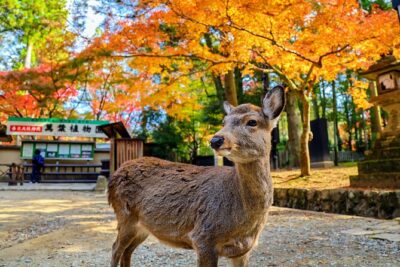
World Heritage Kyoto & Nara Uji Authentic Matcha Experience
Read our review →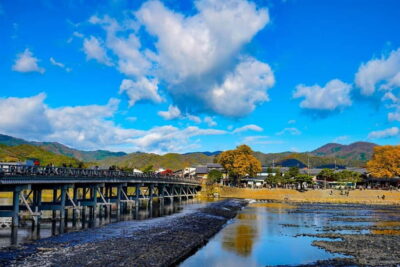
Kyoto/Osaka: Nara, Fushimi Inari Taisha, Arashiyama Bus Tour
Read our review →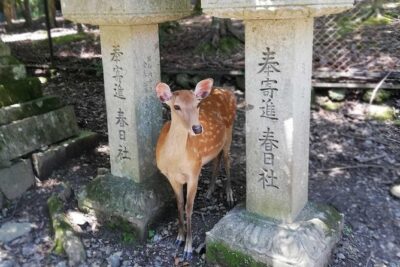
Nara Half Day Trip Walking Tour (Private Option Available)
Read our review →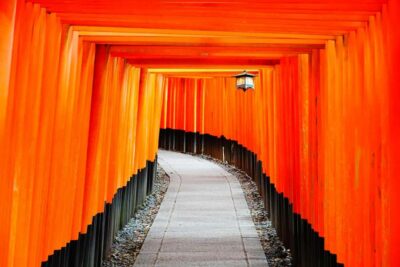
Osaka/Kyoto: Arashiyama, Nara & Fushimi Inari Shrine w/Lunch
Read our review →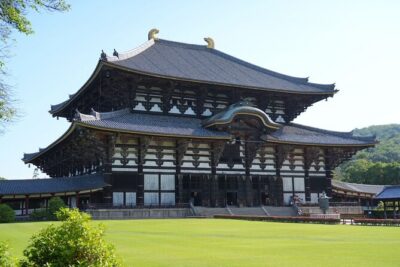
Nara Early Morning Tour (Kyoto or Osaka Departure Available)
Read our review →
Full Day Guided Tour to Kyoto and Nara from Osaka by Van
Read our review →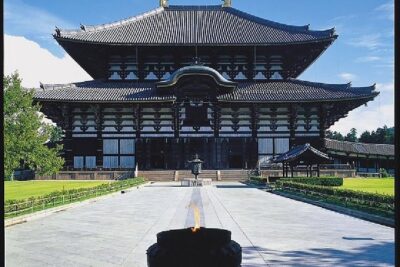
Browse the lists this tour appears in