
REVIEW · NARA DAY TRIPS
Nara Afternoon Tour from Kyoto or Osaka
Nara’s deer are the charming opening act, but Todai-ji’s giant bronze Buddha is the moment that gives this afternoon real weight. I like the simple transport from Kyoto and the chance to see three major Nara sights without arranging trains, buses, and temple tickets yourself. I also like the English guidance, with guides such as Yuki, KC, and Mo Mo praised for making the history easy to follow.
The catch is time. This is a five-hour-forty-minute outing with a group of up to 40 people, and the walk from the coach parking area to Todai-ji takes about 25 minutes each way. If you want a slow hour feeding deer or lingering at the shrine, the schedule may feel tight.
In This Review
- Key points to know before booking
- Why Nara makes a fine afternoon from Kyoto
- The Kyoto meeting point and ride to Nara
- Todai-ji and the Great Buddha Hall
- Meeting Nara’s deer in the park
- Kasuga Grand Shrine and its lanterns
- How the timing affects your day
- Is $102.38 a fair price?
- Who will enjoy this Nara outing?
- Small details that make the day easier
- Should you book the Nara afternoon tour?
- FAQ
- How long does the Nara afternoon tour last?
- Where does the tour depart from in Kyoto?
- Does the tour include hotel pickup and drop-off?
- What admissions are included?
- How much walking is involved?
- Are meals included?
- What happens if the Kasuga Shrine special visit area is closed?
- Can young children join the tour?
- How many people can join the tour?
Key points to know before booking
- Todai-ji is the main event: You get about 1 hour and 10 minutes at one of Japan’s most important Buddhist temples, including the Great Buddha Hall.
- The deer roam freely: Nara Park covers about 1,250 acres and is home to more than 1,000 deer.
- Kasuga Shrine now includes a special area: From January 2025, the route is scheduled to include a closer look at the Main Sanctuary and its hanging lanterns.
- The walking is real: The coach cannot pull up beside Todai-ji, so allow for roughly 50 minutes of walking there and back.
- The price covers the essentials: At $102.38 per person, transportation, admission fees, and an English government-licensed guide are included.
- The pace divides opinion: Organized groups praise the smooth timing, while some people find the stops too short.
Why Nara makes a fine afternoon from Kyoto
Nara was Japan’s first permanent capital, founded in 710 under the name Heijo. The city became a center of government and Buddhism, then lost political power after the capital moved to Nagaoka in 784. What remains is a remarkable concentration of temples, shrines, and old religious traditions.
You can see Nara independently, but this tour removes several small decisions from your day. You meet at the Avanti Tour Desk near Kyoto Station, board a return vehicle, and follow an English-speaking guide through the main sights. That arrangement is useful if you have limited time in Kyoto or Osaka and want a guided introduction rather than a full day spent figuring out local transport.
The afternoon format also has a practical advantage. You can spend the morning in Kyoto, then visit Nara without giving up the entire day. The listed duration is about five hours and 40 minutes, though road traffic and crowd levels can change the order and arrival times.
More Nara Day Trips in Kyoto
- Kyoto/Osaka: Nara, Fushimi Inari Taisha, Arashiyama Bus Tour
★ 4.7 · 1,275 reviews - Osaka/Kyoto: Arashiyama, Nara & Fushimi Inari Shrine w/Lunch
★ 4.4 · 754 reviews - Kyoto and Nara Day Trip from Kyoto
★ 4.5 · 445 reviews
The Kyoto meeting point and ride to Nara
The Kyoto departure is from the Avanti Tour Desk near Kyoto Station. Hotel pickup and drop-off are not included, so you need to reach this meeting point yourself and return there after the visit.
The coach ride makes the trip easy on the legs, especially after several days of walking around Kyoto. A number of guides are praised for giving historical and cultural background during the outing. Yuki is repeatedly described as clear, attentive, and good at keeping the group informed, while KC and Mo Mo are also singled out for friendly, engaging commentary.
If you book from Osaka, the arrangement is different. An English-speaking assistant accompanies the group from Hotel Granvia Osaka to the Sunrise Tours Desk in Kyoto Avanti’s basement level, then helps with the return journey from Kintetsu Nara Station to Osaka Namba Station. This assistant is not the same as a National Government Licensed English Guide Interpreter, so Osaka departures involve an extra transfer arrangement rather than a direct coach from your hotel.
Seats may not be assigned. The maximum group size is 40, which keeps the cost below that of a private tour but can affect how quickly everyone moves between stops. Stay alert for meeting instructions, and keep track of the group when leaving a temple or shrine.
Todai-ji and the Great Buddha Hall
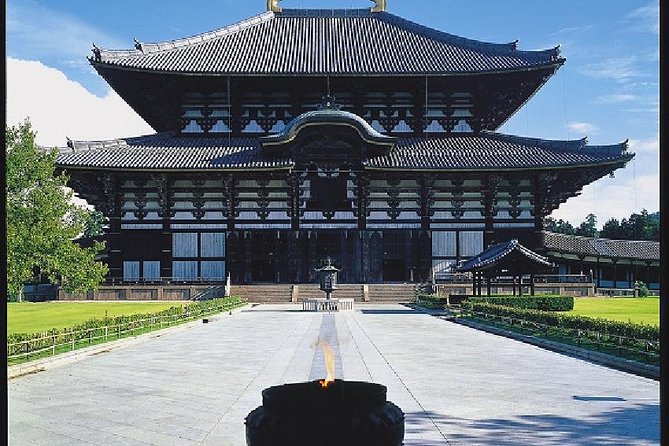
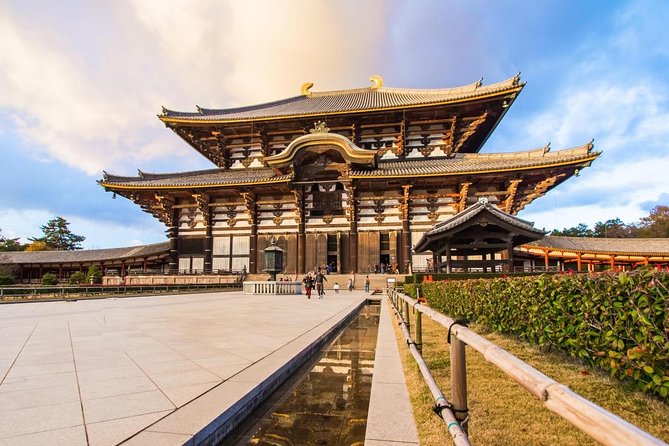
Todai-ji is the emotional center of the tour. The temple dates to the Nara period and is recognized as a World Heritage site. Its Great Buddha Hall is one of the largest wooden buildings in the world, and inside sits the immense bronze Daibutsu, or Great Buddha.
The scale is hard to grasp from photographs. The building is enormous, and the Buddha gives the interior a calm, powerful focus. Even if you have visited many Japanese temples, Todai-ji feels different because of the size of both the hall and the statue.
The scheduled visit lasts about 1 hour and 10 minutes, with admission included. That sounds generous until you account for the walk from the coach parking area. You may spend about 25 minutes walking each way, depending on the group and the route, leaving less time than expected for the temple itself.
This is important for anyone who moves slowly, has small children, or wants to study architectural details. The route is manageable for most people, but it is not a coach-to-door visit. Wear comfortable shoes and avoid treating this as a short stroll from the bus.
The guide adds value here. Todai-ji is far more interesting when you understand its place in Nara’s early capital period and the role of Buddhism in the young Japanese state. Guides praised by name, including Yuki and KC, are noted for making these explanations accessible in English.
Meeting Nara’s deer in the park
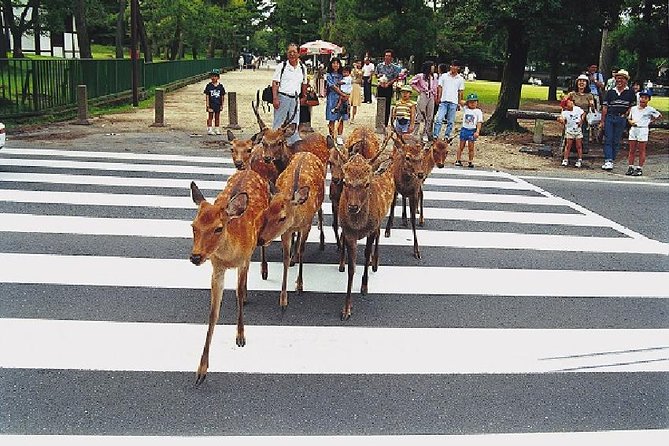
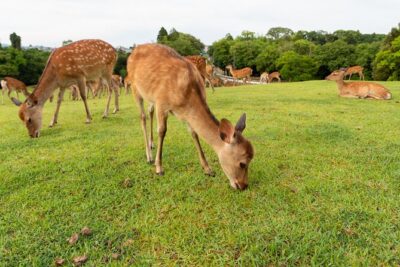
Nara Park spreads across about 1,250 acres, with more than 1,000 deer moving freely through the grounds. They graze near paths, wander around temple areas, and approach people who have food.
The deer are associated with Kasuga Shrine, where they are regarded as messengers. You may see them bow their heads for treats, an endearing behavior that has become one of Nara’s signature sights. The deer are accustomed to people, but do not mistake tame behavior for complete gentleness. Some can be pushy or aggressive, especially when they expect food.
If feeding the deer is important to you, plan carefully. Rice crackers are sold in the park, but the tour schedule may not leave much time to search for them, feed the deer, and get back to the group. One of the clearest weaknesses of this outing is that the deer portion is not a long, free afternoon in the park. It is part of a tightly arranged route that also includes two major religious sites.
The park is still a memorable part of the day, particularly if you have never seen deer moving freely around a historic Japanese setting. Just keep your expectations in check. You are getting a taste of Nara Park, not an extended wildlife visit.
Same city, a completely different kind of day:
- PERFECT KYOTO 1-Day Bus Tour
★ 5.0 · 13,518 reviews - Kyoto: Fushimi Inari, Kinkakuji, Bamboo Grove 1 Day Bus Tour
★ 4.8 · 4,316 reviews - Kyoto: Tea Ceremony in a Traditional Tea House in Kiyomizu
★ 4.9 · 3,519 reviews - Kyoto Geisha Walking Tour: Gion District & Hidden Gems
★ 4.7 · 3,273 reviews
Kasuga Grand Shrine and its lanterns
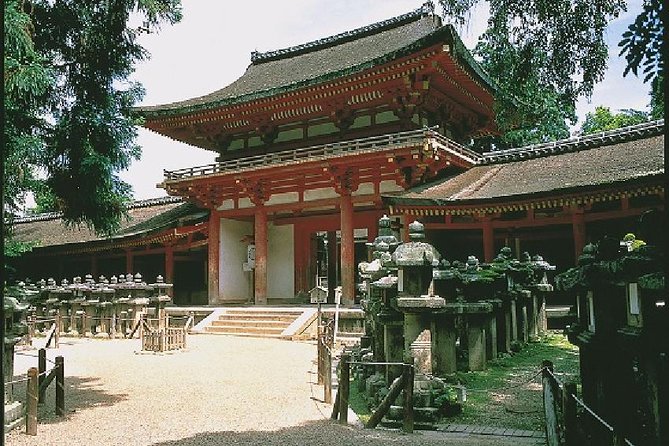
Kasuga Grand Shrine brings a different mood from Todai-ji. It is a Shinto shrine from the Nara period and is also a World Heritage site. Its deer are traditionally linked to the shrine as sacred messengers.
The most distinctive feature is the collection of more than 3,000 stone and bronze lanterns. They line the approaches and corridors, giving the shrine a quiet, ceremonial character. From January 2025, the planned itinerary adds entry to the Main Sanctuary special visit area, where you can get closer to the sanctuary and see hanging lanterns in the corridor.
The scheduled visit is about one hour. That is enough to appreciate the shrine, hear its story, and take photographs, but it may not satisfy you if you want to examine every lantern or wander the surrounding grounds at your own speed.
The Treasures Hall and Manyo Botanical Gardens are not included. Also note the contingency plan: if the Main Sanctuary special visit area cannot open because of an event or operational issue, the tour may visit the Kasuga Taisha Museum or Todaiji Museum instead. No refund is provided if that substitute is used.
This is a useful detail when comparing tours. Admission to the main itinerary is included, but not every attraction within the shrine complex carries no extra cost.
How the timing affects your day

The tour is advertised as an afternoon outing, but the experience depends heavily on traffic, walking speed, and group discipline. The operator notes that the order of activities and arrival times can change because of road conditions and congestion.
A well-run group can move at a good pace. Several guides, including Yuki, are praised for keeping people informed and organized. The bus is also described as comfortable, which matters after the long walk to Todai-ji.
Still, a large group creates friction. If people are late returning to the coach, everyone loses time at the next stop. Some departures have felt rushed, especially when the walk to and from Todai-ji is counted within the temple visit. A few people have also found the instructions about where to rejoin the group unclear.
I would keep your afternoon and evening plans flexible. Do not schedule a hard-to-miss dinner reservation immediately after the expected return. The advertised return time can shift, and an early arrival is possible too, but traffic and delays are outside the guide’s control.
Is $102.38 a fair price?
At $102.38 per person, this is not the cheapest way to see Nara. The price includes return transportation, admission fees, and a National Government Licensed English Guide Interpreter. You are paying for convenience, structure, and explanation rather than simply getting from Kyoto to Nara.
That value is strongest if you are short on time, dislike navigating unfamiliar transport, or want context at Todai-ji and Kasuga Shrine. The coach also helps you avoid arranging the return trip after a tiring afternoon.
The value is weaker if your priority is the deer. You could feel that the tour gives too much time to fixed temple visits and too little time to feeding deer or wandering Nara Park. It is also less appealing if you prefer to stop whenever you like, choose your own lunch, or spend half an hour studying one small corner of a shrine.
Lunch and drinks are not included. The Treasures Hall and Manyo Botanical Gardens at Kasuga Shrine also cost extra if you visit them independently. I see this as a guided highlights tour, not a slow, all-day exploration of Nara.
Who will enjoy this Nara outing?
I would recommend it to first-time visitors who want the essential Nara sights in one organized afternoon. It suits couples, families, and solo visitors who value a guide and comfortable return transport.
It is particularly useful when you are based in Kyoto and want a simple day trip without spending time planning each connection. The Osaka option can also work, but remember that it includes the transfer between Osaka, Kyoto, and Nara rather than a direct Osaka departure.
You should think twice if you have limited mobility or dislike long walks. Most people can participate, and service animals are allowed, but the 25-minute walk each way to Todai-ji is a firm practical consideration.
Families should note that children up to five years old may join free, but they do not receive a bus seat under that arrangement. If you need a seat, book the child rate. Anyone under 18 needs written parental permission, and anyone under 15, or not yet enrolled in middle school, must join with a parent or guardian.
Small details that make the day easier
Wear shoes made for walking, not just sightseeing photos. The route includes the approach to Todai-ji, movement through the temple grounds, Nara Park, and Kasuga Shrine.
Bring water and a light snack because lunch and drinks are not included. An umbrella is sensible in unsettled weather. Guides and drivers have sometimes provided spare umbrellas, but you should not depend on that.
Keep your ticket available on your phone. The tour uses a mobile ticket, and confirmation is sent within 48 hours of booking, subject to availability.
Listen closely when the guide explains the meeting place. The group can lose valuable time if people wander off or return late. If you want deer crackers, make that a priority early rather than assuming there will be plenty of free time later.
Free cancellation is available up to 24 hours before the start time. Changes or cancellations inside that window are not accepted for a refund.
Should you book the Nara afternoon tour?
Book it if you want Todai-ji, the Great Buddha, Kasuga Shrine, and Nara’s deer in one guided package, with transport and admissions handled for you. The strongest part is the combination of major sights and useful historical explanation, especially with a good guide such as Yuki, KC, or Mo Mo.
Skip it if you want a relaxed day centered on deer feeding, independent wandering, or long visits inside each site. The walk to Todai-ji and the group schedule can make the afternoon feel compressed.
For most first-time visitors with only one Nara window, I think the tour is a practical choice. Just book it for the temples and the broad introduction to Nara, then treat the deer as a delightful bonus rather than the whole purpose of the day.
FAQ
How long does the Nara afternoon tour last?
The tour lasts approximately 5 hours and 40 minutes. Actual arrival and return times can change because of traffic and congestion.
Where does the tour depart from in Kyoto?
The Kyoto departure point is the Avanti Tour Desk near Kyoto Station.
Does the tour include hotel pickup and drop-off?
No. Hotel pickup and drop-off are not included.
What admissions are included?
Admission fees for Todai-ji and Kasuga Grand Shrine are included. The Treasures Hall and Manyo Botanical Gardens at Kasuga Shrine are not included.
How much walking is involved?
You will walk from the coach parking area to Todai-ji, which takes about 25 minutes each way. Additional walking is required around Todai-ji, Nara Park, and Kasuga Shrine.
Are meals included?
No. Lunch and drinks are not included.
What happens if the Kasuga Shrine special visit area is closed?
The tour may visit the Kasuga Taisha Museum or Todaiji Museum instead. A refund is not provided for this alternative visit.
Can young children join the tour?
Children up to five years old may join free, but they will not receive a bus seat. If a seat is needed, book the child rate.
How many people can join the tour?
The tour can have a maximum of 40 participants. Seats may not be assigned.
Just added around Kyoto
- Taste of Nishiki Market Walking Food Tour with Local guide★ 5.0 · 17 reviews
- Kyoto: Sushi Making Class with Sushi Chef★ 4.8 · 64 reviews
- Kyoto: City Secrets eBike Tour★ 4.9 · 196 reviews
- Sacred Pathways: Discover the Philosopher’s Path of Kyoto★ 4.9 · 20 reviews
- Private Tour to Monkey Park and Arashiyama Highlights★ 5.0 · 22 reviews
- Private Nara Tour from Osaka – Meet at Your Hotel★ 5.0 · 22 reviews
- Private Sake Tasting in Central Kyoto with Sake Sommelier★ 5.0 · 13 reviews
- Kyoto : Private Custom Walking Tour With A Local Guide★ 4.6 · 144 reviews
Nara Day Trips, compared.
World Heritage Kyoto & Nara Uji Authentic Matcha Experience
Read our review →
Kyoto/Osaka: Nara, Fushimi Inari Taisha, Arashiyama Bus Tour
Read our review →
Nara Half Day Trip Walking Tour (Private Option Available)
Read our review →
Osaka/Kyoto: Arashiyama, Nara & Fushimi Inari Shrine w/Lunch
Read our review →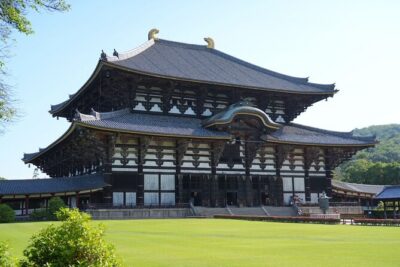
Nara Early Morning Tour (Kyoto or Osaka Departure Available)
Read our review →
Full Day Guided Tour to Kyoto and Nara from Osaka by Van
Read our review →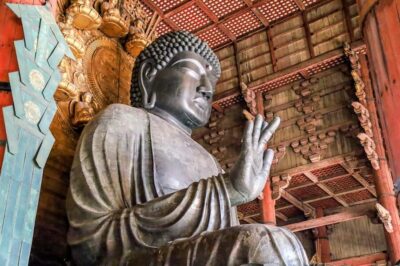
Browse the lists this tour appears in