
REVIEW · WALKING TOURS
Osaka: Five Must-See Highlights Walking Tour & Ramen Lunch
Osaka reveals itself best through its contrasts: a castle tower and ancient temple, a retro entertainment quarter, a covered food market, and the neon signs of Dotonbori. This seven-hour walking tour links all five in one day, using the subway to cross the city and a local English-speaking guide to keep you moving in the right direction.
I like the small groups of no more than eight and the included ramen lunch, which turns a busy sightseeing day into a more local, food-focused outing. Guide Takanobu, usually called Taka, is repeatedly praised for his history, humor, photo help, and careful attention to comfort. The tradeoff is clear: this is a serious walking day, around 11 kilometers, with plenty of subway stairs.
In This Review
- What makes this Osaka tour worth considering
- One day, five faces of Osaka
- Meeting Taka at Tanimachi 4-chome
- Osaka Castle and the Sengoku story
- Ramen lunch near Temmabashi Station
- Shitennoji, one of Japan’s oldest temples
- Shinsekai and the Tsutenkaku view
- Kuromon Ichiba and Osaka’s food culture
- Dotonbori and the famous Running Man
- How hard is the walking?
- Small groups and a personal guide
- What the $56 price really covers
- Who should book this tour?
- FAQ
- How long does the Osaka highlights walking tour last?
- Where does the tour meet?
- Where does the tour end?
- Which five sights are included?
- Is lunch included?
- Are subway fares included?
- Are the entrance fees included?
- How large is the group?
- What should I bring?
- Should you book it?
What makes this Osaka tour worth considering
- Five major sights in one day: Osaka Castle, Shitennoji Temple, Shinsekai, Kuromon Ichiba Market, and Dotonbori.
- A useful first-day orientation: You see old Osaka, merchant Osaka, food-loving Osaka, and modern entertainment Osaka in one route.
- Ramen is included: Lunch follows the castle visit at a popular ramen shop.
- Small-group attention: The group is capped at eight, and some departures have been as small as two to four people.
- Subway guidance included: Your guide handles the city connections, ticket advice, and station changes.
- A full, active schedule: Expect walking, stairs, shopping stops, photo breaks, and roughly seven hours on the move.
One day, five faces of Osaka
This tour is built for you if your time in Osaka is limited and you want a broad first look rather than a slow study of one neighborhood. The route begins near Tanimachi 4-chome Station at 9:00 in the morning and ends in central Namba, near Hozenji Temple.
The day has a smart rhythm. You start with Osaka Castle, move to lunch, then travel south to Shitennoji and Shinsekai before finishing with the food streets around Kuromon Market and Dotonbori. It is not a gentle stroll. It is an efficient city circuit with enough time at each stop to look around, take photographs, and hear the story behind the place.
I especially like the mix of sightseeing and everyday Osaka. The castle and temple provide formal history. Shinsekai, Kuromon, and Dotonbori show the city’s appetite for food, comedy, signs, shopping, and cheerful excess.
More Walking Tours in Osaka
- Osaka Kickstart: Hotspots & Hidden Gems Tour
★ 5.0 · 1,306 reviews - Osaka: Hotspots & Hidden Gems Walking Tour Private or Group
★ 4.9 · 1,300 reviews - Osaka Local Foodie Walking Tour in Dotonbori and Shinsekai
★ 5.0 · 985 reviews
Meeting Taka at Tanimachi 4-chome
The meeting point is in front of FamilyMart near Exit 4 of Osaka Metro Tanimachi 4-chome Station. Look for a man wearing green glasses. That is a useful landmark, but large Japanese stations can still confuse first-time visitors, so allow extra time to find the correct exit.
The scheduled meeting time is 9:00 a.m. From there, you walk for about 30 minutes toward Osaka Castle. Taka has been praised for helping people who arrived confused from Kyoto, including meeting one person at a Starbucks when the station proved difficult to navigate.
That kind of practical help matters. Osaka’s subway is easy once you understand it, but transfers, stairs, and large stations can eat up time. With a guide, you can focus on the city instead of staring at a route map.
Osaka Castle and the Sengoku story
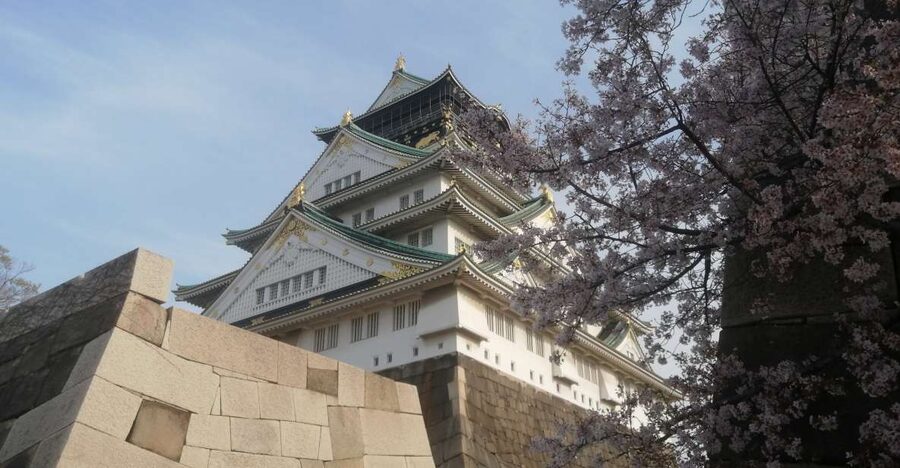
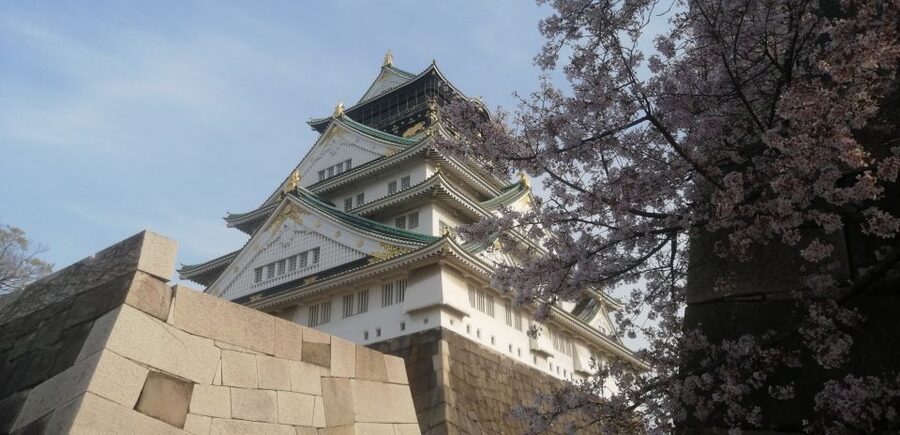
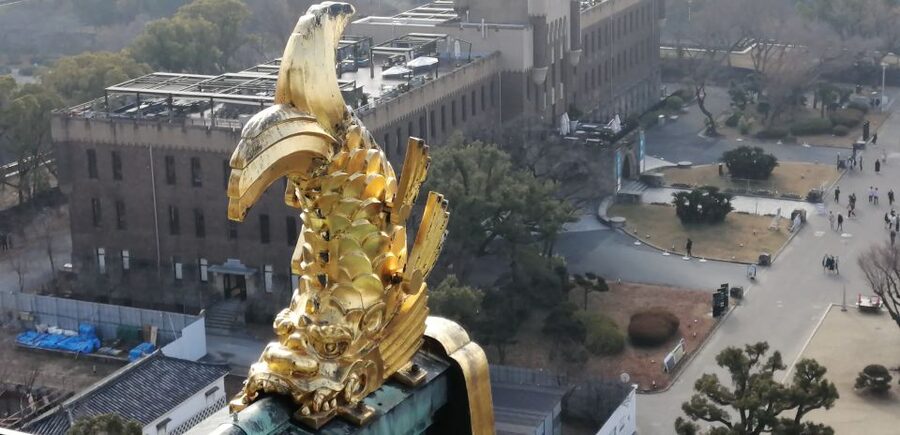
The first major stop is Osaka Castle, with about 75 minutes for a guided visit. The castle tower gives you a high view over the city, while the museum inside explains the castle and the Sengoku period, the era of military conflict that shaped much of Japan.
The castle is one of Osaka’s essential sights, but it is also a place where context improves the visit. A quick photograph outside gives you the familiar postcard image. The museum and guide commentary help explain why this site matters to Osaka and how the city fits into Japan’s political past.
The entrance fee is not included. Expect to pay about JPY 1,080 to 1,430, with the amount changing by season and day of the week. This is one place where an Osaka Amazing Pass or another city pass may be useful, but check the current terms before buying. Taka has helped participants choose tickets and, in some cases, use a pass for a discount or a separate entrance.
You will have time for photographs and a guided explanation, but not the freedom of a half-day museum visit. If Osaka Castle is your main priority, you may prefer to visit it alone at a slower pace. If you want it as one part of a larger city day, the 75-minute stop works well.
Ramen lunch near Temmabashi Station
After the castle, the group walks about 20 minutes to Temmabashi Station, where lunch lasts roughly 45 minutes. The meal is ramen, and it is included in the $56 tour price.
That inclusion gives the tour extra value. Food is central to Osaka’s identity, and ramen makes a practical midday meal after a morning of walking. The meal is not just a break from the schedule. It gives you a taste of the city’s casual restaurant culture without having to choose a shop or manage a Japanese menu on your own.
Past participants have described the ramen as delicious, substantial, and one of the best meals of their trip. Some also received extra food suggestions from Taka for later in their stay. The supplied details do not specify the exact ramen shop, broth, or choices, so do not book this expecting a particular regional style.
The timing is sensible. You eat before the southern half of the route, when the day includes more walking, shopping, and street food opportunities. I would still carry water, especially in summer. Several people found the heat noticeable, and Taka adjusted the route and shade breaks when needed.
Same city, a completely different kind of day:
- Osaka Go Karting Tour with Funny Costume
★ 5.0 · 2,658 reviews - Osaka Castle: Museum and Tower Entry Ticket
★ 4.5 · 2,380 reviews - Osaka: Shinsekai Food Tour with 13-15 Dishes at 5 Eateries
★ 4.8 · 2,204 reviews - Osaka Food Tour: 13 Dishes at 5 Local Eateries
★ 5.0 · 2,149 reviews
Shitennoji, one of Japan’s oldest temples
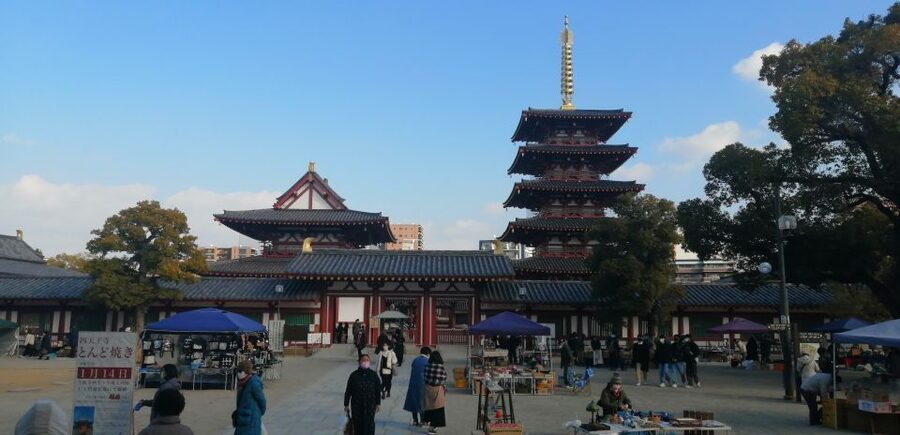
From the lunch area, you take the subway for about 20 minutes to Shitennoji Temple. The temple visit and guided explanation last around 45 minutes.
Founded in 593, Shitennoji is described as one of Japan’s oldest Buddhist temples and the first temple built by the state. Its long connection with Prince Shotoku gives your guide plenty to explain about the temple’s origins and its role in early Japanese history.
This stop changes the mood of the day. Osaka is often introduced through food, neon, and shopping, but Shitennoji shows a quieter and more ceremonial side. The grounds offer a useful pause between the castle and the more energetic neighborhoods that follow.
Admission is separate, usually JPY 400 to 600 depending on the season and day. The schedule gives you enough time to see the main areas and hear the story, though not to study every building in detail. You should also expect more stairs and walking around station connections, which is important if your knees or stamina are limited.
Shinsekai and the Tsutenkaku view
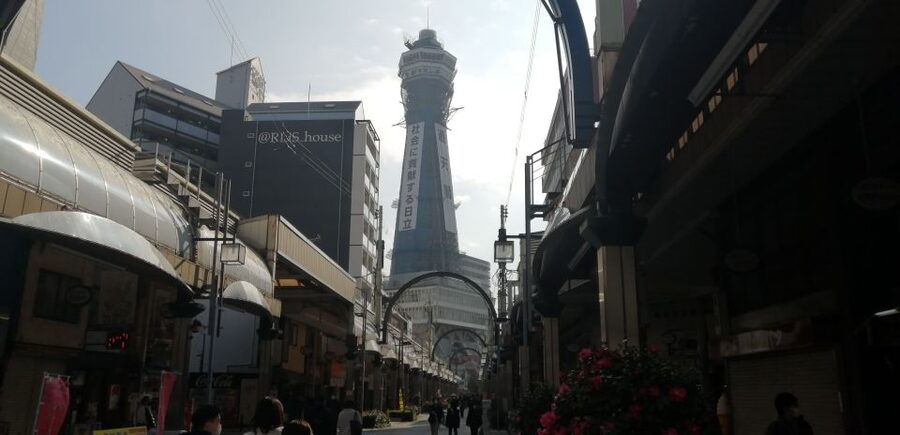
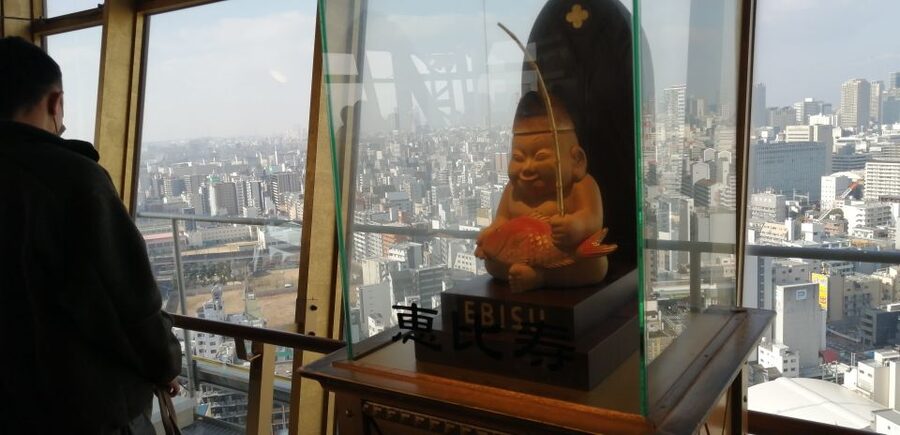
A 15-minute walk brings you to Shinsekai, where the tour allows about 45 minutes for photos, free time, shopping, and a break. The district grew in the early 20th century and is known for its retro streets, colorful signs, Tsutenkaku Tower, and kushikatsu, Osaka’s famous deep-fried skewers.
Shinsekai feels different from the polished image of Osaka Castle. It is playful, old-fashioned, and full of local food references. Your guide can point out places to eat and explain the district’s character, while you get time to take a photograph with Tsutenkaku and explore at your own pace.
Do not expect a long stop for a full meal here. The 45 minutes is better suited to a quick snack, a few photographs, and a look down the side streets. If you want to eat kushikatsu or visit the tower in depth, you may need to return later.
The route’s short free-time periods are one of its strengths and one of its limits. You get a taste of several areas, but you will not have hours to shop or linger. That is the right trade for a one-day introduction.
Kuromon Ichiba and Osaka’s food culture
The subway takes you onward in about 15 minutes to Kuromon Ichiba Market. The visit lasts around 45 minutes, including a guided walk and free time for shopping.
Kuromon is a covered public market with more than 200 years of history. It is a good place to see Osaka’s food culture in action, with stalls selling ingredients, snacks, and ready-to-eat items. Taka recommends local street food and helps you make sense of what is on offer.
This part of the tour works best if you arrive hungry but not stuffed. Ramen is several hours behind you, and the market gives you a chance to sample something small. Your guide can help you avoid wandering past every stall without knowing what is worth trying.
Keep your expectations practical. The exact food samples are not fixed in the tour details, and additional market purchases are your responsibility. Kuromon can also feel crowded, so stay close to the group when moving through narrow sections.
Dotonbori and the famous Running Man
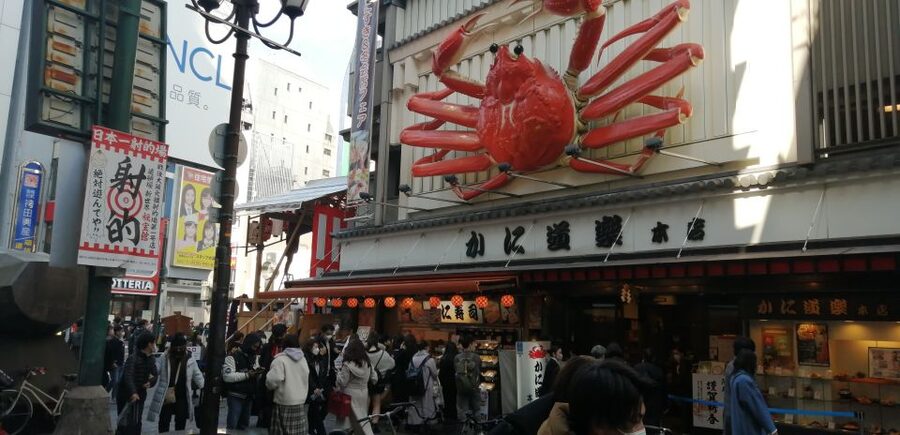
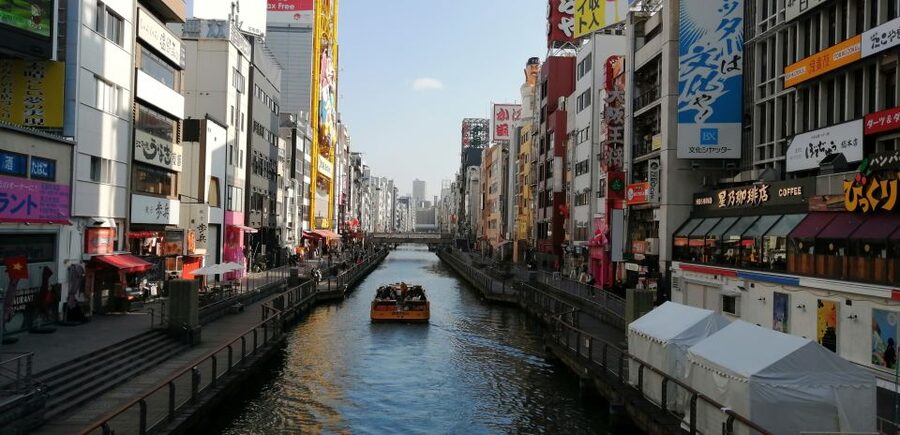
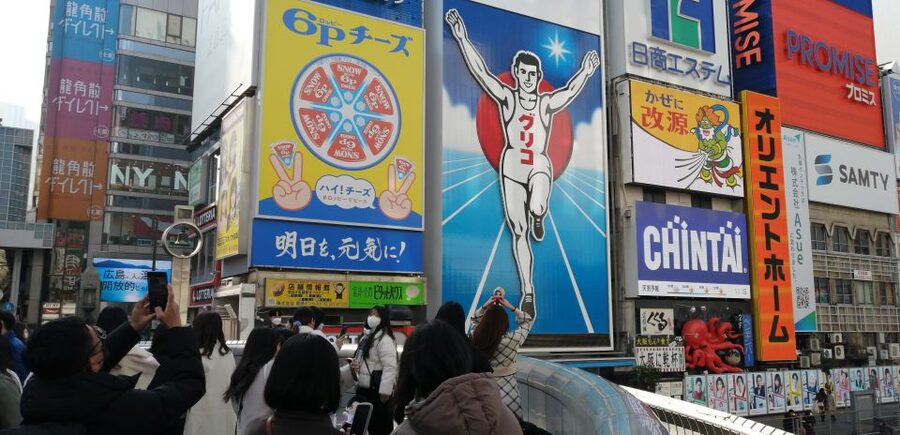
The final subway ride takes about 15 minutes to Dotonbori, followed by a 45-minute visit. This is Osaka’s best-known entertainment and food district, where bright signs, restaurants, waterways, and street-level energy come together.
The key photo is the Running Man above Ebisbashi Bridge. Your guide can help with photographs, and the route gives you time to look around before the short walk to Hozenji Temple.
Dotonbori is a strong finish because it brings together the themes you have seen all day: food, humor, commerce, spectacle, and Osaka’s outgoing personality. It can also be crowded and noisy, so do not expect a peaceful final stop.
The tour ends at Hozenji Temple, a small atmospheric temple in the middle of the entertainment district. This is a more intimate ending than simply stopping beside the canal. It also leaves you in a useful part of central Osaka, with plenty of options for your own dinner or evening plans.
How hard is the walking?
Take the physical warning seriously. The route includes about 11 kilometers of walking, several subway journeys, station stairs, and time on your feet at museums, temple grounds, markets, and shopping streets.
Wear proper walking or hiking shoes. Bring rain gear because the tour continues in wet weather, and carry water and sun protection in hot months. One July participant specifically warned that you will walk a lot, while another described the day as energetic but well paced.
The tour is not suitable for children under 12, pregnant women, people with mobility impairments, people with heart problems, or people with a cold. Those restrictions match the demands of the route. If you tire easily, have trouble with stairs, or need frequent seated breaks, a shorter private tour may suit you better.
The pace is not described as rushed. Taka has adjusted shade stops, bathroom breaks, and route choices for people who needed extra care. Still, considerate guiding cannot remove the distance. You need to arrive ready for a full day outdoors and underground.
Small groups and a personal guide
The maximum group size is eight. That is a meaningful advantage on a route with subway transfers and crowded public spaces. A guide can answer questions, keep the group together, and help with photographs without turning every stop into a long wait.
Some departures have been especially small, with only two, three, four, or six participants. A small group can make the experience feel close to a private tour, though the actual size depends on the date you book.
Taka is the guide name most often associated with this experience. He is described as friendly, patient, organized, and attentive to health concerns. His English is strong enough to explain Osaka’s history, handle questions, advise on subway passes, and adjust the plan when conditions change.
The guide’s value is not just factual information. It is the help with small decisions: which ticket to buy, when a line may be avoided, where to stop for food, and how to navigate a station. That is especially useful if Osaka is your first Japanese city.
What the $56 price really covers
At $56 per person, the tour includes the English-speaking guide, all commentary, photo assistance, and ramen lunch. You pay separately for Osaka Metro travel and admission to Osaka Castle and Shitennoji.
The subway day pass costs about JPY 620 to 820, depending on the day of the week. Add the two attraction fees, roughly JPY 1,480 to 2,030 combined, and the total can rise well above the advertised price. A city pass may reduce some costs, but do your arithmetic before purchase.
Even with those extras, the price is fair if you value a guide and want to cover a wide area without planning every transfer yourself. The included ramen also helps. You are paying for a full day of structure, local explanation, transport guidance, and a meal, not simply entrance tickets.
It is less attractive if you already know Osaka’s subway system, prefer long visits at one or two sights, or want to choose every meal yourself. Independent visitors can spend less, but they will need to build the route, research the history, and manage the timing.
Who should book this tour?
I would choose this tour for a first visit, a short stay, or a free day at the start of an Osaka trip. It gives you a fast but useful sense of how the city fits together, from the castle and temple to the market and neon streets.
It suits solo visitors particularly well because the small group provides company without the scale of a large coach tour. It also works for couples and friends who want local direction but still enjoy short periods of independent browsing.
You should skip it if your priority is a relaxed pace. The schedule covers five separate sights, and you will use every part of the seven hours. It is also a poor match for anyone who cannot manage long walks or subway stairs.
FAQ
How long does the Osaka highlights walking tour last?
The tour lasts about seven hours, beginning at 9:00 a.m. and ending near Hozenji Temple.
Where does the tour meet?
Meet in front of FamilyMart near Exit 4 of Osaka Metro Tanimachi 4-chome Station. Look for a man wearing green glasses.
Where does the tour end?
The tour ends at Hozenji Temple, listed as Tenryuzan Hozenji, in the Dotonbori area.
Which five sights are included?
The route visits Osaka Castle Museum, Shitennoji Temple, Shinsekai, Kuromon Ichiba Market, and Dotonbori.
Is lunch included?
Yes. Ramen lunch is included in the tour fee.
Are subway fares included?
No. Public transportation is separate. An Osaka Metro 1-day Pass costs about JPY 620 to 820, depending on the day of the week.
Are the entrance fees included?
No. Osaka Castle and Shitennoji Temple admission fees are separate. Osaka Castle costs about JPY 1,080 to 1,430, while Shitennoji costs about JPY 400 to 600.
How large is the group?
The group is limited to eight participants. The actual group may be smaller.
What should I bring?
Bring walking or hiking shoes and rain gear. Prepare for a long day of walking, subway travel, and stairs.
Should you book it?
Book this tour if you want to see Osaka’s main sights in one organized day and you like having a local guide handle the subway, history, food suggestions, and photographs. The small group, included ramen, and Taka’s attentive style make it a strong introduction.
Think twice if you want a slow castle visit, extensive shopping time, or a low-effort sightseeing day. For an active first look at Osaka, though, $56 plus transport and admission is a practical deal, and you finish with the city’s biggest food and neon district right outside the temple door.
More Lunch Experiences in Osaka
- Osaka/Kyoto: Amanohashidate & Miyama Tour with Boat & Lunch
★ 4.6 · 207 reviews - 5-Hour Osaka Highlights Bike Tour with Lunch
★ 4.8 · 146 reviews - Osaka: Mino Forest Walk and Giant Waterfall with Local Lunch
★ 5.0 · 22 reviews - Bike Tour Exploring North Kyoto plus Lunch
★ 5.0 · 1,087 reviews
Just added around Osaka
- (Ticket Included) Explore Osaka Castle & Museum of History★ 4.8 · 21 reviews
- Hidden Osaka – Yukaku Red Light Tour & Culinary Adventure★ 4.8 · 96 reviews
- Osaka: Walking Tour and Top Highlights★ 4.8 · 104 reviews
- Osaka: Private Ceramic Painting Workshop★ 5.0 · 13 reviews
- Pickleball in Osaka, Kobe & Kyoto with Locals!★ 4.7 · 80 reviews
- Eat Like a Local in Osaka – Private Custom Street Food Tour★ 4.3 · 33 reviews
- Osaka:SUMO BEATS SHOWCASE: Taiko Drum and Wagyu burger!★ 4.2 · 37 reviews
- Kimono photoshoot-Includes 100 photo data★ 5.0 · 21 reviews
Walking Tours, compared.
Kyoto Geisha Walking Tour: Gion District & Hidden Gems
Read our review →
Tokyo Tsukiji Fish Market Food and Culture Walking Tour
Read our review →
Gion Magical Night Walking Tour with Geisha Trivia
Read our review →
Imperial Palace and Shogun Historical Walking Tour
Read our review →
Gion Geisha District Walking Tour – Stories of Geisha
Read our review →
Asakusa Walking Tour with Sensoji Temple Visit
Read our review →
Kyoto Gion Geisha District Walking Tour – The Stories of Geisha
Read our review →Browse the lists this tour appears in