REVIEW · JAPANESE COOKING CLASSES
Osaka: Cooking Class & Sake Tasting with Local Market Visit
Osaka’s best souvenir may be a recipe you can actually use. This four-hour class takes you to a neighborhood supermarket, then into a cooking studio to prepare niku-sui, okonomiyaki, and gyoza with a local guide.
I like the supermarket visit because it shows you what Osaka residents really buy, not just what appears on a restaurant menu. I also like the relaxed format: simple recipes, three canned drinks, and plenty of time to ask guides such as Chie, Eri, or Emi about food and daily life.
The main drawback is dietary flexibility. Gluten-free meals are not available, and allergy-free cooking cannot be guaranteed. You should also be comfortable with cutting and heating food, and arrive on time because late arrivals cannot join.
In This Review
- Key points at a glance
- Why this Osaka cooking class feels local
- The supermarket stop near Minami Morimachi
- Niku-sui gives the meal an Osaka accent
- Okonomiyaki shows why Osaka takes pride in food
- Folding gyoza brings the group together
- Drinks and conversation make this more than a lesson
- Recipes and photos give the class lasting value
- Who should book this experience
- Timing, meeting point, and useful planning advice
- My call: book it if you want to cook, not just eat
- FAQ
- Where does the Osaka cooking class meet?
- How long does the experience last?
- What dishes will I cook?
- Is lunch included?
- Are drinks included?
- Is the class taught in English?
- How many people can join?
- Can vegetarians and vegans join?
- Is the class suitable for children and people with mobility issues?
Key points at a glance
- Shop before you cook: Visit a local supermarket with your guide and help choose the ingredients for lunch.
- Make three Osaka favorites: Prepare niku-sui beef soup, savory okonomiyaki, and handmade gyoza.
- Small group setting: The class is limited to seven people, so you get direct help at the stove and worktable.
- Drinks are part of lunch: Three canned drinks are included, with alcoholic and non-alcoholic choices, plus tea.
- Take the meal home twice: You eat what you make, then receive recipes so you can try the dishes again.
- English guidance throughout: Guides including Chie, Eri, Emi, Akko, Ayu, and Linda have led sessions, though your guide depends on the date.
Why this Osaka cooking class feels local
Many Japanese cooking classes begin with ingredients already laid out. This one starts at a supermarket near Minami Morimachi Station. That small change matters.
You see the everyday side of Osaka before you cook. Your guide buys the beef, vegetables, wrappers, cabbage, and other ingredients needed for the meal, while explaining the products and the dishes. You are not simply watching a chef perform. You are learning how a home cook might approach lunch.
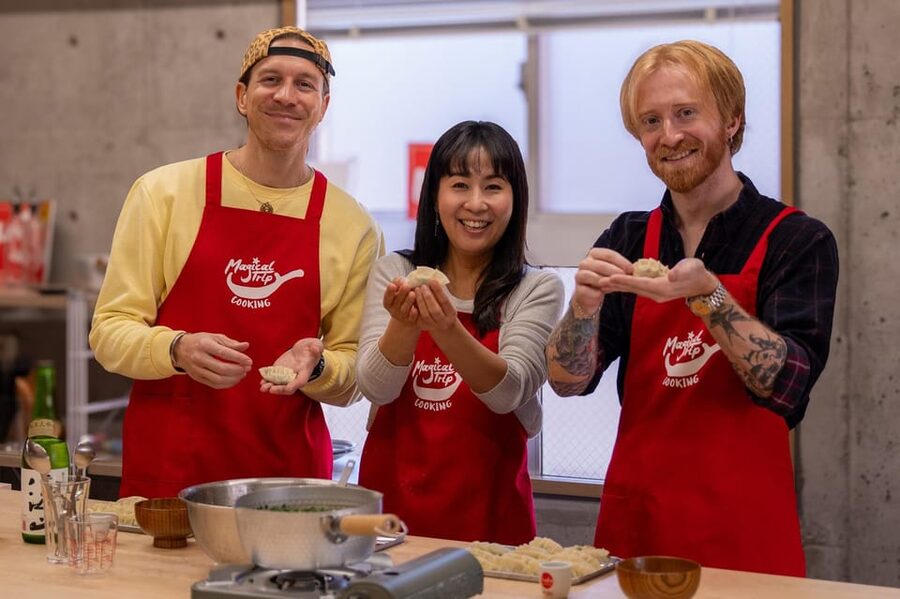
The class takes place at MagicalTrip’s cooking studio, where the mood is designed to be friendly rather than formal. You work through each recipe with an English-speaking guide, chat with the other people at the table, and can even help choose the background music, as one session did.
The group limit of seven is a useful middle ground. You get more social energy than in a private lesson for two, but the class should still be small enough for the guide to see what you are doing. Solo visitors can join without needing to bring a group, while families and couples have room to work together.
The guide makes a big difference here. Chie has led several especially strong sessions, mixing food instruction with stories about Japanese regions, products, and history. Eri has helped create a calm, easygoing class, while Emi has been praised for explaining each dish clearly and answering general questions about Osaka. Akko, Ayu, and Linda have also hosted sessions with a warm, personal touch.
You cannot choose a particular guide unless the booking system allows it, so treat those names as examples of the style you may encounter, not a promise. The common thread is an English-speaking local who teaches the food while helping you feel at home in the room.
More Japanese Cooking Classes in Osaka
- Sushi Making Osaka Roll and Authentic Japanese Sushi Class
★ 5.0 · 1,220 reviews - Osaka Sushi Making Experience
★ 5.0 · 400 reviews - Osaka: Ramen and Gyoza Cooking Class in Dotonbori
★ 5.0 · 378 reviews
The supermarket stop near Minami Morimachi
Meet in front of FamilyMart, a one-minute walk from Exit 4B of Minami Morimachi Station. This is not a sightseeing stop with a special display or a long explanation at every shelf. Its value is its ordinariness.
Your guide takes you through a working neighborhood supermarket and selects the fresh ingredients for the meal. You get a quick look at the products that make Japanese home cooking practical: vegetables, meat, dumpling wrappers, sauces, and other basics.
For visitors who spend most of their time around Osaka’s famous restaurant streets, this is a useful change of pace. You see the ingredients before they become finished dishes. You may also pick up ideas for your own shopping later in the trip.
The stop involves walking and shopping, so wear comfortable shoes. The tour information notes that some locations may not suit wheelchair or stroller users, and people with walking difficulties are advised to choose a private tour instead.
Niku-sui gives the meal an Osaka accent
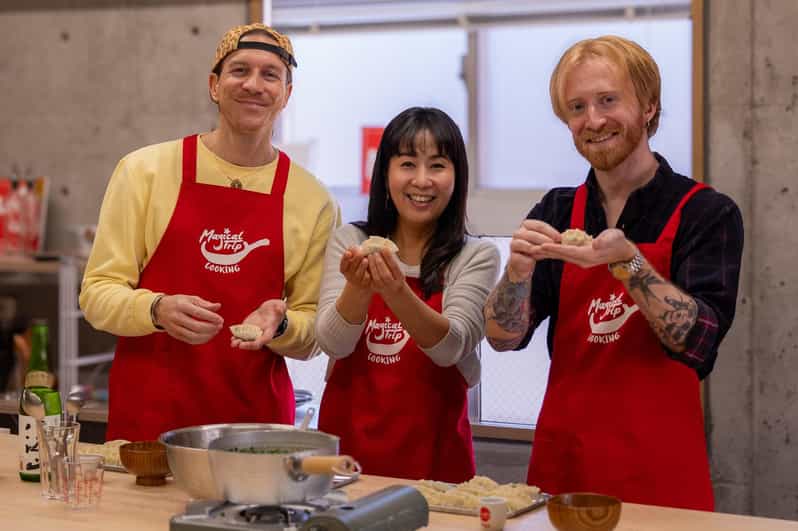
The first dish, niku-sui, is a beef soup made with a savory broth. It is less famous outside Japan than okonomiyaki, which is part of the appeal. You get to prepare a local comfort food that many visitors might miss if they only order the best-known Osaka dishes.
The recipe is intended to be authentic but manageable at home. Your guide walks you through the preparation step by step, so you do not need prior cooking experience.
Niku-sui also helps set the tone for the class. It is not a complicated restaurant plate that demands specialist tools. It is the sort of warm, filling dish you can imagine making again on a cold evening at home.
The exact process may vary with the guide and ingredients available that day. The important point is that you learn the method, not just the name. You can ask questions as you go, then use the downloaded recipe later.
Okonomiyaki shows why Osaka takes pride in food
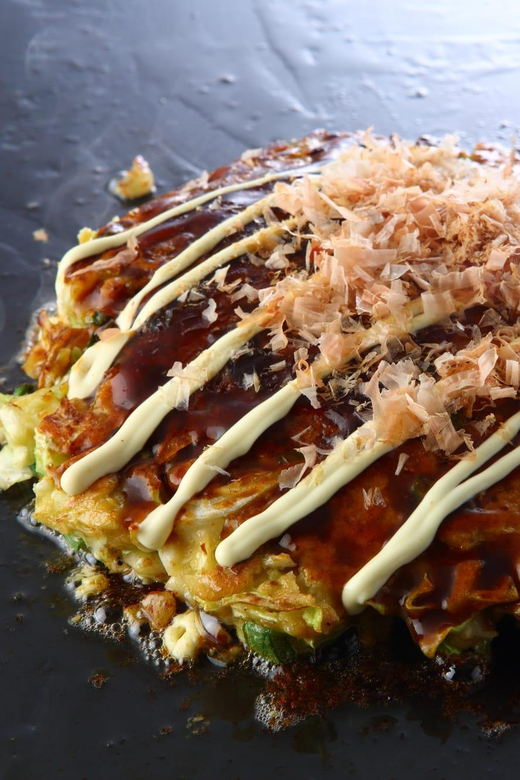
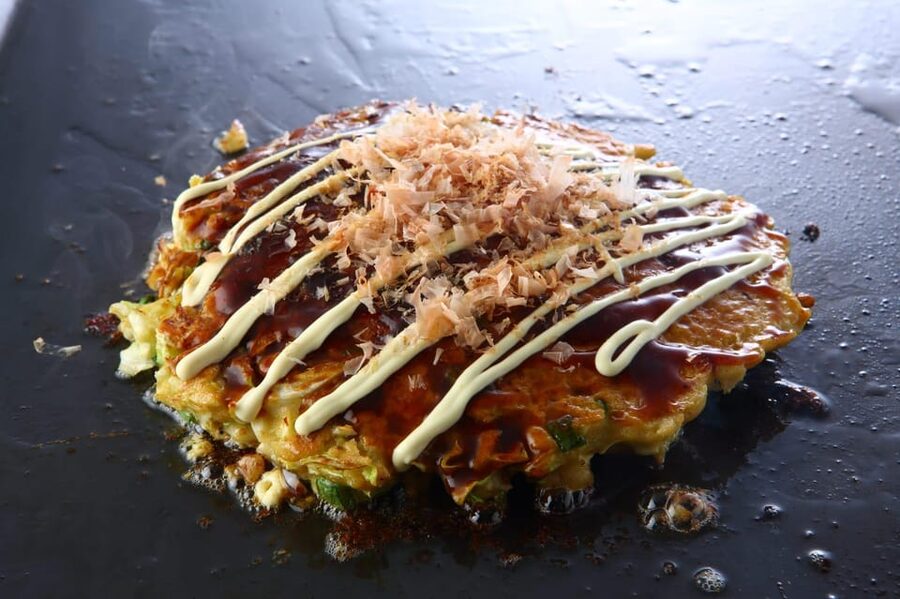
Okonomiyaki is Osaka’s famous savory pancake, usually built around cabbage and a batter with additional fillings. It is an ideal class dish because you can see the food change as you mix, shape, and cook it.
It also leaves room for personal choices. Osaka cooks often have their own preferences about texture, toppings, and additions, so the dish gives your guide plenty to explain. You learn the basic structure first, then begin to understand how small changes affect the result.
I like okonomiyaki as a teaching dish because it is forgiving. A first-time cook does not need perfect knife skills or restaurant timing to produce something satisfying. You still get a sense of Osaka’s food culture, but the recipe remains realistic for a home kitchen.
The class includes lunch, so you eat the dishes while they are fresh. Expect a generous amount of food when all three recipes are finished. If you have a light appetite, pace yourself, especially if you are also sampling drinks.
More Sake & Bar Hopping Tours in Osaka
- Osaka Bar Hopping Night Walking Tour in Namba (3 bars, 6 tastes)
★ 5.0 · 958 reviews - Osaka: Izakaya Bars Guided Walking Tour
★ 4.9 · 385 reviews - Osaka Sake Tasting with Takoyaki Cooking
★ 5.0 · 156 reviews - Osaka Sake Tasting & Takoyaki Cooking Experience
★ 5.0 · 149 reviews
Folding gyoza brings the group together
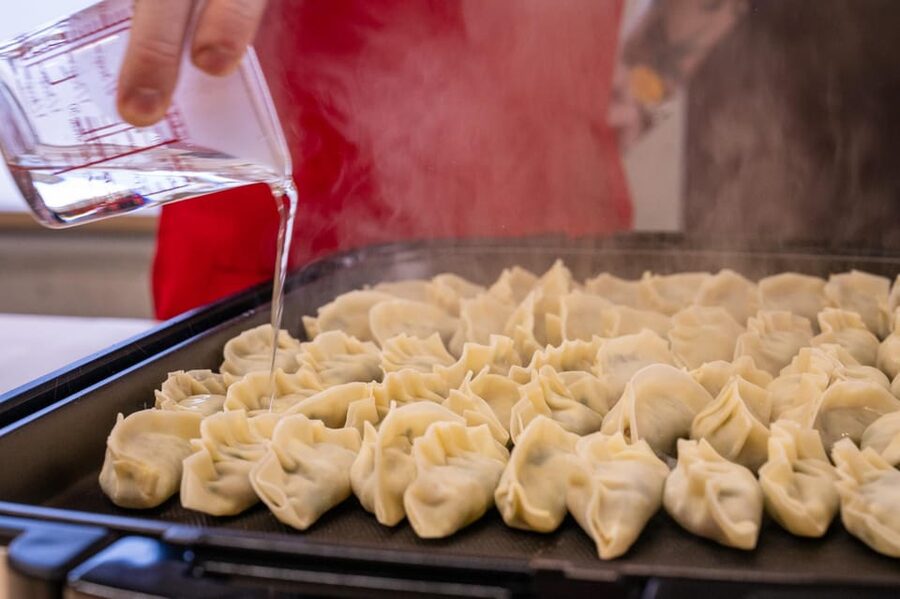
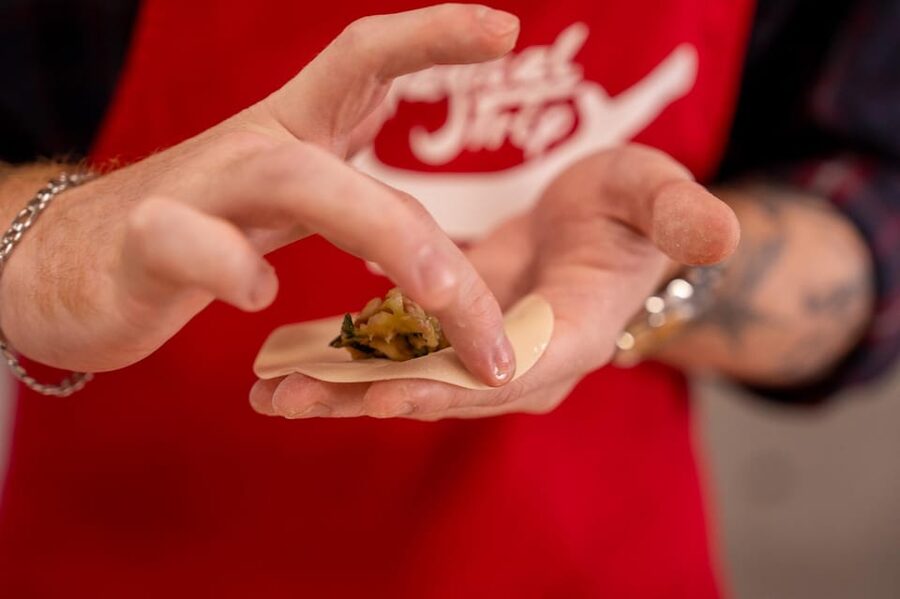
Gyoza is the most hands-on part of the class. You fill and fold the dumplings, then cook them until the bottoms are crisp and the centers are juicy.
Folding can be awkward at first, which is exactly why it works well in a small group. You can compare shapes, laugh at imperfect pleats, and ask the guide to demonstrate again. It gives couples, families, and solo participants a shared task rather than a lecture.
The class does not require you to arrive with cooking skills. Your guide explains the steps clearly and helps you through the practical parts, including handling the filling and wrappers.
Gyoza also travels well as a home recipe. Once you learn the folding method, you can adjust the filling to suit what you find in your own supermarket. The class gives you a technique that has more use than a single vacation meal.
Drinks and conversation make this more than a lesson
Three canned drinks are included. You can choose alcoholic or non-alcoholic options, and tea is served during the experience. The available choices may include local sake and beer, while soft drinks are available for people who do not drink alcohol.
Think of the drinks as part of the social rhythm, not as a separate sake seminar. You are cooking, eating, and chatting at the same time. A guide may explain the drink or help you choose, but this is not presented as a technical tasting focused on brewing regions and tasting notes.
That distinction helps set expectations. If you want a serious sake education, book a dedicated tasting. If you want to sample Japanese drinks while preparing lunch and asking questions about Osaka, the format works well.
The social side is one of the class’s strongest features. You can ask about places to visit in Osaka, Kobe, Japanese food, or regional customs while your guide works beside you. Some sessions include advice about where to go next, which makes the class useful beyond the studio.
Recipes and photos give the class lasting value
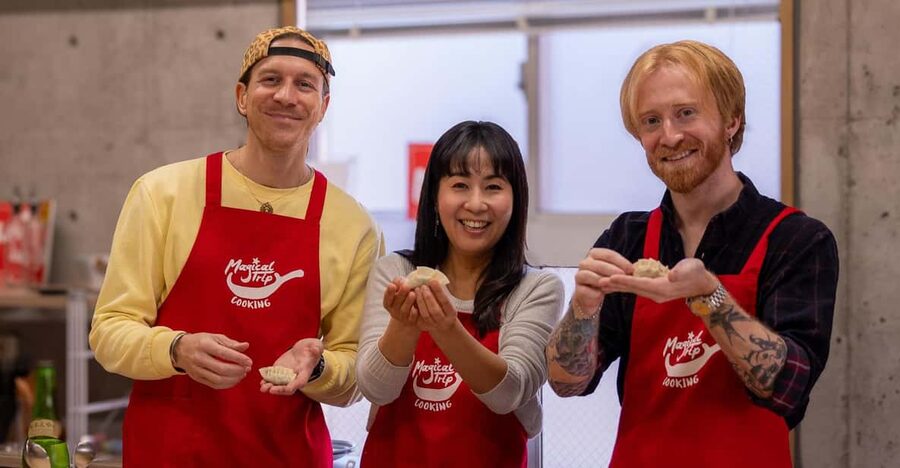
At $90 per person, this is not a cheap meal. But the price includes four hours of instruction, the supermarket visit, all ingredients, lunch, three canned drinks, tea, an English-speaking guide, tour photos, and recipes for future use.
That package compares well with simply paying for lunch, especially if you value the time and personal instruction. You are paying for an activity, a meal, cultural context, and a practical skill.
The recipes are sent or made available afterward so you can recreate the dishes at home. That is a real benefit. A food tour often ends when you leave the restaurant, but this class gives you a way to repeat part of the experience for friends or family.
The photos are also sent by email afterward. They are a nice record of the class, though I would still take your own food photos if that matters to you. Your guide is busy teaching, shopping, and cooking, so the number and timing of the professional tour photos may vary.
Who should book this experience
I would recommend this class to people who want a slower, more personal food activity. It suits couples, adult families, friend groups, and solo visitors who enjoy meeting others around a shared table.
It is also a strong choice for anyone who has already eaten plenty of restaurant food in Osaka and wants to understand what goes into familiar dishes. The supermarket stop and recipes give you a look at food from the home-cooking side.
Beginners are welcome. You do not need to know how to fold gyoza, make okonomiyaki, or prepare Japanese soup before arriving.
Children under 12 cannot join because the class involves knives and heat. Vegetarians and vegans are welcome, but you must report dietary needs or allergies at least one day ahead. Gluten-free options are not available, and the kitchen cannot promise allergy-free meals because food is prepared in external kitchens.
This is not the best choice for someone who wants a polished chef demonstration with no hands-on work. It is also a poor fit if you dislike group activities, cannot walk comfortably, or need strict control over every ingredient.
Timing, meeting point, and useful planning advice
The experience lasts four hours, but starting times depend on the date. Check the available time before booking and plan to arrive early at FamilyMart near Exit 4B of Minami Morimachi Station.
The class starts on time. A late arrival cannot join, reschedule, or receive a refund, so do not cut your train connection close. Give yourself extra time to find the station exit and the convenience store.
Wear clothing and shoes you can work in comfortably. Osaka can be very hot in summer, with temperatures listed as high as 40 degrees Celsius, while winter can fall to minus 5 degrees Celsius. You will want to dress for the walk to the supermarket and the weather outside, not just the cooking room.
The tour offers free cancellation up to 24 hours before the start time, and you can reserve now and pay later. Those terms help if your Osaka schedule is still changing, but they do not soften the late-arrival rule.
My call: book it if you want to cook, not just eat
Book this experience if you want Osaka food with your sleeves rolled up. The supermarket visit, three substantial dishes, drinks, and recipe follow-up make the $90 price reasonable for a four-hour activity.
The best reason to choose it is the mix of ordinary local life and easy home cooking. You see ingredients in a neighborhood shop, learn dishes tied to Osaka, and leave with something you can prepare again.
Skip it if you need gluten-free food, strict allergy control, wheelchair-friendly access, or a formal sake tasting. For everyone else, especially first-time cooks and food-minded visitors, this is a friendly way to put Osaka on your plate and carry part of it home.
FAQ
Where does the Osaka cooking class meet?
Meet in front of FamilyMart, a one-minute walk from Exit 4B of Minami Morimachi Station.
How long does the experience last?
The cooking experience lasts four hours. Starting times vary by date, so check availability when you book.
What dishes will I cook?
You will prepare niku-sui beef soup, okonomiyaki, and gyoza.
Is lunch included?
Yes. The cooking experience and the meal you prepare are included.
Are drinks included?
Yes. You receive three canned drinks, which may be alcoholic or non-alcoholic, as well as tea during the experience.
Is the class taught in English?
Yes. An English-speaking local guide leads the experience.
How many people can join?
The class is limited to seven participants.
Can vegetarians and vegans join?
Yes, vegetarians and vegans are welcome. You must provide dietary information or allergy details at least one day in advance. Gluten-free options are not available.
Is the class suitable for children and people with mobility issues?
Participants must be over 12 because the class involves cutting and heating food. Some locations may be inaccessible by wheelchair or stroller, and the experience is not recommended for people with mobility issues.
More Drinking Tours in Osaka
- Osaka: Namba Pub Bar Crawl with a Local Guide
★ 4.9 · 424 reviews - Osaka: Guided Pub Crawl
★ 4.4 · 331 reviews - Osaka Pub Crawl and Nightlife Tour
★ 5.0 · 293 reviews - Osaka: Bar-Hopping Night Tour in Namba
★ 4.7 · 117 reviews
More Cooking Classes in Osaka
- Osaka Cooking Class: Okonomiyaki &Japanese cuisines experience
★ 5.0 · 261 reviews - Osaka: Cooking Class Ramen & Gyoza Course in Nanba
★ 4.9 · 86 reviews - Osaka: Gluten-Free Ramen and Gyoza Cooking Class
★ 5.0 · 42 reviews - Ramen Cooking Class at Ramen Factory in Kyoto
★ 5.0 · 1,937 reviews
Just added around Osaka
- (Ticket Included) Explore Osaka Castle & Museum of History★ 4.8 · 21 reviews
- Hidden Osaka – Yukaku Red Light Tour & Culinary Adventure★ 4.8 · 96 reviews
- Osaka: Walking Tour and Top Highlights★ 4.8 · 104 reviews
- Osaka: Private Ceramic Painting Workshop★ 5.0 · 13 reviews
- Pickleball in Osaka, Kobe & Kyoto with Locals!★ 4.7 · 80 reviews
- Eat Like a Local in Osaka – Private Custom Street Food Tour★ 4.3 · 33 reviews
- Osaka:SUMO BEATS SHOWCASE: Taiko Drum and Wagyu burger!★ 4.2 · 37 reviews
- Kimono photoshoot-Includes 100 photo data★ 5.0 · 21 reviews
Japanese Cooking Classes, compared.
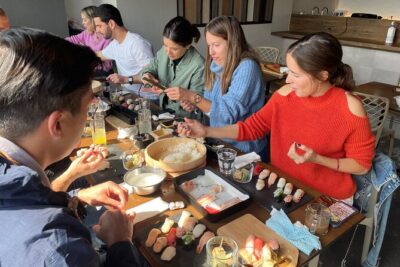
Sushi Making Tokyo Roll and Authentic Japanese Sushi Class
Read our review →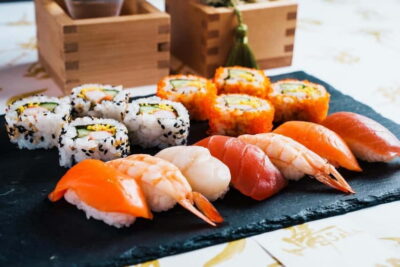
Roll and Authentic Sushi Making Class in Asakusa
Read our review →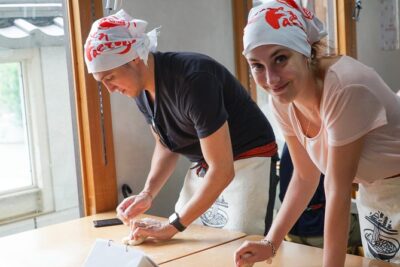
Ramen Cooking Class at Ramen Factory in Kyoto
Read our review →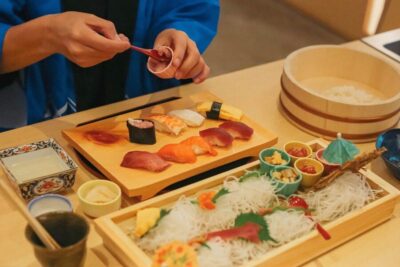
Sushi Making Class in a Happi Coat near a Famous Spot
Read our review →
Sushi Making Osaka Roll and Authentic Japanese Sushi Class
Read our review →
Tokyo Sushi Making Class in Tsukiji with Professional Chef
Read our review →
Ramen & Gyoza Cooking Class in Tokyo with Local Supermarket Visit
Read our review →