
REVIEW · JAPANESE COOKING CLASSES
Okonomiyaki & Gyoza Cooking Class with Local Supermarket Visit
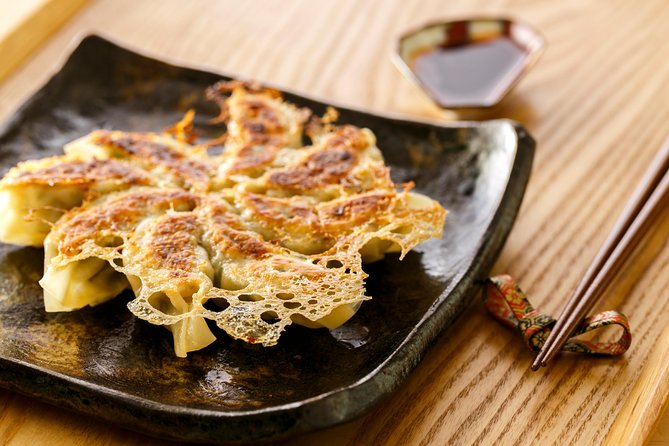
The best part of this Tokyo food experience is that you do not just eat Japanese dishes, you make them yourself in Yuca’s home cooking studio. You’ll prepare okonomiyaki, a savory pancake with vegetables, pork, and egg noodles, then fold and cook gyoza with minced pork and vegetables. I like the small group limit of seven, and I like the local supermarket visit, which helps you recognize Japanese ingredients after class.
The main drawback is the short schedule. Two and a half hours gives you enough time for a satisfying lesson and lunch, but not much room for a slow-paced cooking workshop. The optional supermarket tour also comes at the end, so you should confirm the exact taxi and supermarket arrangements before booking.
In This Review
- Key points at a glance
- Cooking Japanese food in Yuca’s Tokyo home
- The 10:00 am start and first food lesson
- Making okonomiyaki, Tokyo’s savory pancake
- Folding gyoza by hand
- Lunch is part of the lesson
- The local supermarket visit from 12:30 to 1:00
- How the taxi ride fits into the day
- Who will get the most from this class
- Value, timing, and the booking decision
- Should you book Yuca’s okonomiyaki and gyoza class?
- FAQ
- How long does the cooking class last?
- Where does the experience start?
- What dishes will I learn to make?
- Is lunch included?
- How many people can join the class?
- Can I cancel for a full refund?
Key points at a glance
- Two classic dishes in one class: Make both okonomiyaki and gyoza, then eat the lunch you prepared.
- A residential Tokyo setting: The class takes place in Yuca’s home, giving the experience a personal feel rather than a large culinary-school atmosphere.
- Small groups matter: With no more than seven people, you should get a chance to participate instead of simply watching.
- Food culture before the cooking: A short lecture introduces Japanese ingredients and eating traditions before you start chopping and folding.
- An optional supermarket walk: Continue the lesson by seeing Japanese food products in a real local shop.
- A one-way taxi ride is included: This is useful, but check which part of your journey it covers before the day begins.
Cooking Japanese food in Yuca’s Tokyo home
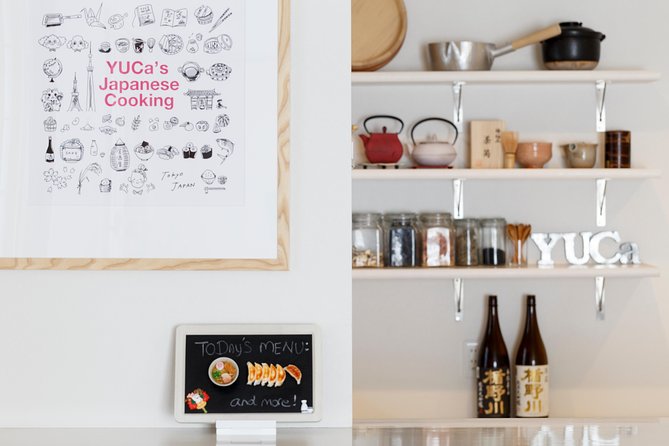
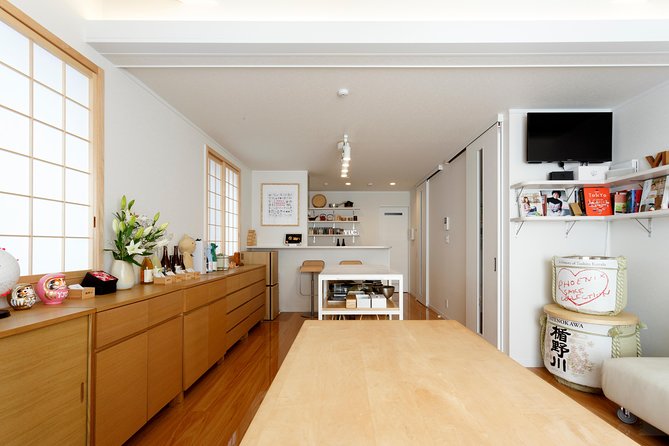
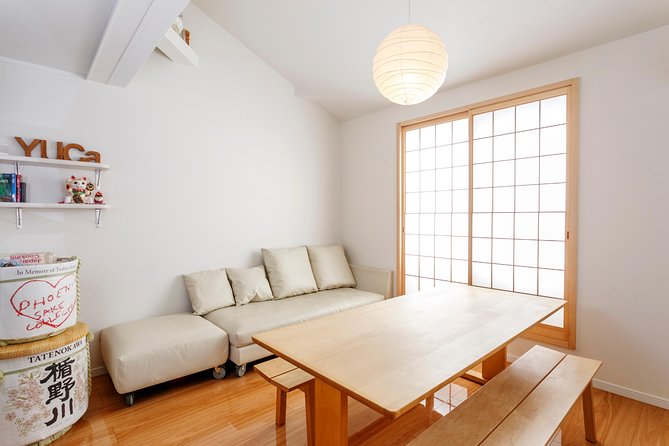
This is a practical class, not a demonstration where you sit at the back and take notes. Yuca leads the session in her own home, in the Nishiogu area of Arakawa City. That residential location is part of the appeal. You are spending time in an everyday part of Tokyo rather than staying only around the major sightseeing districts.
Yuca is the named host and instructor. The class is conducted in English, and her teaching style is described as warm, clear, and easy to follow. That matters when you are handling unfamiliar ingredients or shaping gyoza for the first time. A good cooking class should leave you with enough confidence to repeat the recipe, not just a pleasant meal that disappears after lunch.
The group size is capped at seven people. That is small enough for a more personal lesson, while still giving the class some social energy. Families can take part, and a 10-year-old has previously joined successfully. If you are booking with children, remember that the experience involves hands-on preparation, timing, and attention around cooking equipment. The supplied details do not specify age limits or special arrangements, so ask Yuca if you have particular needs.
More Japanese Cooking Classes in Tokyo
- Sushi Making Tokyo Roll and Authentic Japanese Sushi Class
★ 5.0 · 3,971 reviews - Tokyo: Roll and Authentic Sushi Making Class in Asakusa
★ 4.9 · 1,957 reviews - Tokyo: Sushi Making Class in a Happi Coat near a Famous Spot
★ 4.9 · 1,377 reviews
The 10:00 am start and first food lesson
The meeting window is listed as 9:50 to 10:00, with the activity beginning at 10:00 am. The address is YUCa’s Japanese Cooking, 2-chōme-34-8 Nishiogu, Arakawa City, Tokyo 116-0011. It is near public transportation, though the exact station and walking route are not provided. I would allow extra time, especially because this is a home address in a residential neighborhood rather than a famous landmark that is easy to spot.
The first formal part of the class runs from about 10:15 to 10:30. Yuca introduces Japanese food culture and ingredients before the cooking starts. This short introduction gives useful context to the dishes on your work surface. You learn not only what to do, but also how common Japanese ingredients fit into everyday meals.
The timing is worth noting. There is a gap between the 10:00 meeting and the 10:15 lecture, so the opening may include settling in and getting organized. Do not arrive expecting to begin chopping at exactly 10:00. The class is structured, but it is not a rushed restaurant kitchen shift.
Making okonomiyaki, Tokyo’s savory pancake
Okonomiyaki is one of the more approachable Japanese dishes for a first cooking class. The version here includes vegetables, pork, and egg noodles, creating a filling meal with several textures in one pan. The name is often explained as meaning cooked as you like, which fits the dish’s flexible nature, though this class gives you a set recipe and method to follow.
You should expect to take part in preparing the mixture and cooking the pancake. The exact equipment and toppings are not specified, so I would not assume a particular regional style or final garnish. The important point is that you will learn the basic process rather than simply receive a prepared okonomiyaki.
This is a useful dish to learn because its ingredients can be easier to adapt at home than those in some more specialized Japanese recipes. The egg noodles also make it especially substantial as lunch. If you are cooking with children or with someone who is new to Japanese food, okonomiyaki provides a friendly starting point because it combines familiar elements in a distinctly Japanese format.
Folding gyoza by hand
The second dish is gyoza, Japanese-style dumplings filled with minced pork and vegetables. The folding stage is likely to be the most hands-on part of the class. First-time dumpling makers often need a few tries to get the shape right, and the small group should help Yuca give individual guidance.
The cooking method is not specified in the supplied details, so I would not promise a particular style of pan-fried or steamed gyoza. You can expect to learn the preparation and shaping of the dumplings, then taste the finished food as part of lunch.
Gyoza is also the more useful recipe to take home as a new skill. Once you understand the filling, wrapper handling, and folding method, you can practice with family or friends. One practical tip: do not judge your first dumpling too harshly. The appeal of this class is the process, and a slightly uneven first gyoza is part of learning.
Same city, a completely different kind of day:
- Mt Fuji and Hakone 1-Day Bus Tour Return by Bullet Train
★ 5.0 · 26,383 reviews - 1-Day Tokyo Bus Tour
★ 5.0 · 14,250 reviews - Tokyo: TOKYO SKYTREE® Admission ticket
★ 4.5 · 11,192 reviews - Tokyo: teamLab Planets TOKYO Digital Art Museum Entry Ticket
★ 4.6 · 9,779 reviews
Lunch is part of the lesson
The meal you make is included, so you are not paying for a class and then arranging a separate lunch afterward. That helps the $121.89 price make more sense, especially since the experience also includes instruction, ingredients, and the supermarket portion.
Still, this is not a bargain meal in the usual Tokyo sense. You can find inexpensive okonomiyaki and gyoza elsewhere. You are paying for the teaching, the small group, the home setting, and the chance to prepare the dishes yourself. If you only want to eat these foods, a restaurant will cost less and take less time. If you want a practical food memory and recipes you can attempt again, the price is easier to justify.
The schedule gives two hours for cooking and tasting, from roughly 10:30 to 12:30. That is enough time for a substantial lesson, but it means the pace will have some structure. You may not spend long discussing every ingredient or repeating each technique several times. The advantage is that you get two dishes in one morning rather than leaving with only a single recipe.
The local supermarket visit from 12:30 to 1:00
The supermarket tour is optional and runs for about 30 minutes after the cooking and tasting. This is a smart addition for anyone who wants to understand Japanese food beyond the dining table. A supermarket shows you the everyday side of cooking: packaged products, fresh ingredients, labels, and items you may have noticed in restaurants without knowing how they are used.
The tour can also make your future shopping easier. After seeing ingredients in their normal setting, you may recognize them during the rest of your Japan trip or when looking for substitutes at home. The value is less about buying souvenirs and more about learning what Japanese cooks actually see when they shop.
Because the tour is optional, you can choose based on energy and schedule. Keep it if you want the extra food lesson. Skip it if you have another booking or need to move on. The details do not state the supermarket’s name, exact location, or whether purchases are included, so treat this as a guided orientation rather than a planned shopping excursion.
How the taxi ride fits into the day
A one-way taxi ride is included as an added feature. That can be helpful in Tokyo, where getting across the city may involve several train changes and a home address can take a little more effort to locate. However, the information does not clearly state the taxi’s starting point, destination, or whether it replaces public transport in one direction.
There is also a small point to clarify: the activity is listed as ending back at the meeting point, while the taxi is described as one-way. Before the class, ask Yuca or the booking provider exactly how the ride works. Do not assume it covers your full hotel journey or that it takes you to the supermarket. This is a useful perk, but only if you know where to use it.
The class is available with a mobile ticket, and confirmation is received at booking. Save the address and meeting instructions on your phone, and plan to arrive before the 10:00 start. The setting is a private home, so punctuality and clear communication matter more than they would at a large commercial attraction.
Who will get the most from this class
I would recommend this experience to you if food is one of your main reasons for visiting Japan. It suits people who want more than a restaurant meal, families looking for an activity they can share, and home cooks who want recipes with a chance of being repeated after the holiday.
It also works well for first-time visitors who want a gentle introduction to Japanese ingredients. You do not need to arrive as an expert cook. The class is designed around participation, and the teaching is intended to be approachable.
You may want to choose another activity if you prefer a formal chef-led school, a larger menu, or a long lesson focused on technique. This is a compact home class built around two dishes. It is not presented as an advanced professional course, and the available details do not promise knife-skills training, recipe books, dietary substitutions, or a choice of menu.
Vegetarian, allergy, and other dietary questions should be raised before booking. The listed dishes contain pork, and the available information does not confirm alternative ingredients. Do not wait until the morning of the class to mention a restriction.
Value, timing, and the booking decision
At $121.89 per person, this is a fairly substantial purchase for a 2-hour-30-minute activity. Its value comes from the combination: two dishes, lunch, a small class, a personal setting, food-culture instruction, an optional supermarket visit, and a one-way taxi ride.
The strong booking pattern, with reservations made on average 47 days ahead, suggests that leaving this until the last minute may be unwise. The published rating is 5 from 31 reviews, with 100 percent recommending the experience. The most consistent praise centers on Yuca’s warmth, clear English, family-friendly teaching, delicious results, and the personal feel of cooking in her home.
I would still keep expectations sensible. A perfect rating cannot tell you whether the pace, food, or setting suits your own style. You will spend part of the morning following instructions and working with a fixed menu. The supermarket tour is optional, and the taxi details need clarification.
The cancellation terms are flexible if you plan ahead. You can cancel for a full refund up to 24 hours before the local start time. Changes or cancellations inside that window are not accepted for a refund, and the activity requires a minimum number of participants. If that minimum is not met, you are offered another date or experience, or a full refund.
Should you book Yuca’s okonomiyaki and gyoza class?
Book it if you want a personal, hands-on morning and would enjoy learning dishes you can try again at home. The combination of okonomiyaki, gyoza, lunch, and a supermarket walk gives you more than a single recipe lesson, while the group cap keeps the setting manageable.
I would especially choose it for a family, a couple, or a solo visitor who values conversation and everyday Tokyo over a polished tourist venue. Skip it if you only want a cheap meal, need guaranteed dietary substitutions, or prefer a long professional cooking course. For food-focused visitors willing to pay for instruction and a home setting, this is a strong use of a Tokyo morning.
FAQ
How long does the cooking class last?
The full experience lasts approximately 2 hours and 30 minutes. The schedule includes a 10:00 am start, a food-culture and ingredient lecture from about 10:15 to 10:30, cooking and tasting from 10:30 to 12:30, and an optional supermarket tour from 12:30 to 1:00.
Where does the experience start?
It starts at YUCa’s Japanese Cooking, 2-chōme-34-8 Nishiogu, Arakawa City, Tokyo 116-0011, Japan. The activity ends back at the meeting point.
What dishes will I learn to make?
You will learn to make okonomiyaki and gyoza. The okonomiyaki includes vegetables, pork, and egg noodles. The gyoza includes minced pork and vegetables.
Is lunch included?
Yes. A delicious lunch made during the class is included in the experience.
How many people can join the class?
The activity has a maximum of seven participants.
Can I cancel for a full refund?
Yes, if you cancel at least 24 hours before the experience start time. Cancellations or changes made less than 24 hours before the local start time are not refunded.
More Workshops in Tokyo
- Tokyo Shinjuku Chopsticks Making Class
★ 5.0 · 1,763 reviews - Chopstick Making Workshop in Ginza
★ 4.8 · 1,366 reviews - Tokyo Sushi Making Class in Tsukiji with Professional Chef
★ 5.0 · 1,177 reviews - Matcha Making Class in Tokyo with Authentic Japanese Sweets Set
★ 5.0 · 744 reviews
More Cooking Classes in Tokyo
- Ramen & Gyoza Cooking Class in Tokyo with Local Supermarket Visit
★ 5.0 · 823 reviews - Tokyo: Easy Ramen Cooking Experience in Kabukicho, Shinjuku
★ 4.6 · 321 reviews - Ramen and Sushi Cooking Class with Sake Pairing Set in Tokyo
★ 5.0 · 291 reviews - Tokyo: Wagyu and 7 Japanese Dishes Cooking Class
★ 4.9 · 273 reviews
Just added around Tokyo
- Private Memorable Tokyo Tour with English Speaking Driver★ 5.0 · 30 reviews
- Private Tokyo Custom Full-Day Tour by Chartered Vehicle★ 5.0 · 16 reviews
- Private Sightseeing to Mt Fuji and Hakone with English Driver★ 5.0 · 51 reviews
- Tokyo Photography Masterclass – Private Photography Lesson★ 5.0 · 25 reviews
- Private Mt. Fuji Day Trip from Tokyo with English-Speaking Driver★ 5.0 · 33 reviews
- 4 Day Tour – Mount. Fuji, Tokyo, Hakone, Kamakura and Yokohama★ 5.0 · 19 reviews
- Private Unforgettable Mt Fuji Tour with English Speaking Driver★ 5.0 · 142 reviews
- Private Tokyo Food Tour – A Journey Through Time Through Food★ 5.0 · 36 reviews
Japanese Cooking Classes, compared.
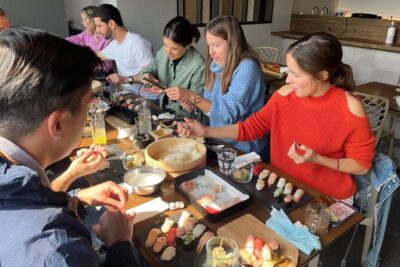
Sushi Making Tokyo Roll and Authentic Japanese Sushi Class
Read our review →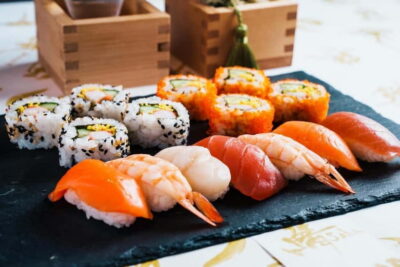
Roll and Authentic Sushi Making Class in Asakusa
Read our review →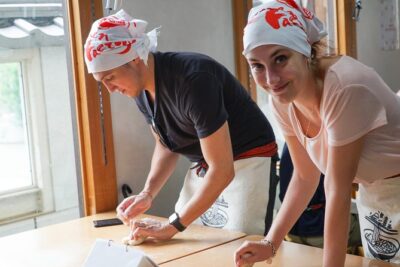
Ramen Cooking Class at Ramen Factory in Kyoto
Read our review →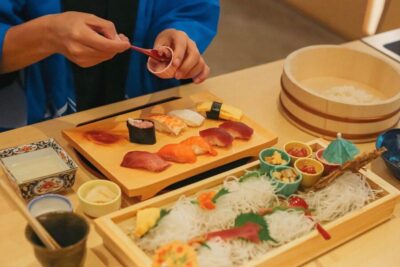
Sushi Making Class in a Happi Coat near a Famous Spot
Read our review →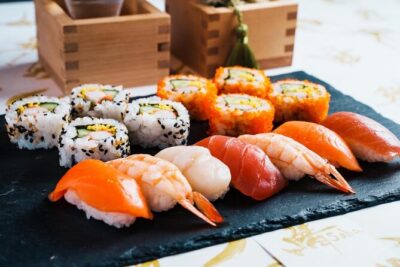
Sushi Making Osaka Roll and Authentic Japanese Sushi Class
Read our review →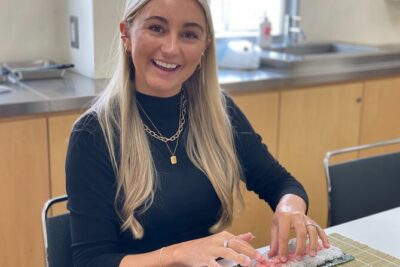
Tokyo Sushi Making Class in Tsukiji with Professional Chef
Read our review →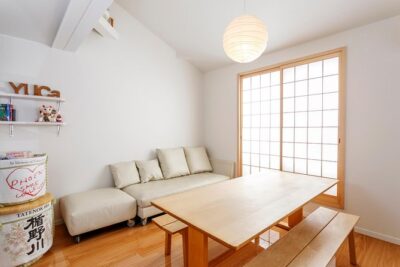
Ramen & Gyoza Cooking Class in Tokyo with Local Supermarket Visit
Read our review →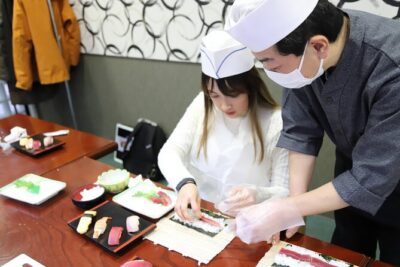
Tsukiji Fish Market Guided Tour and Sushi Making with Pro Chef
Read our review →Browse the lists this tour appears in