
REVIEW · TEA CEREMONY EXPERIENCES
Oboro | Mindful Tea Ceremony in a 100-Year-Old Kyoto Teahouse
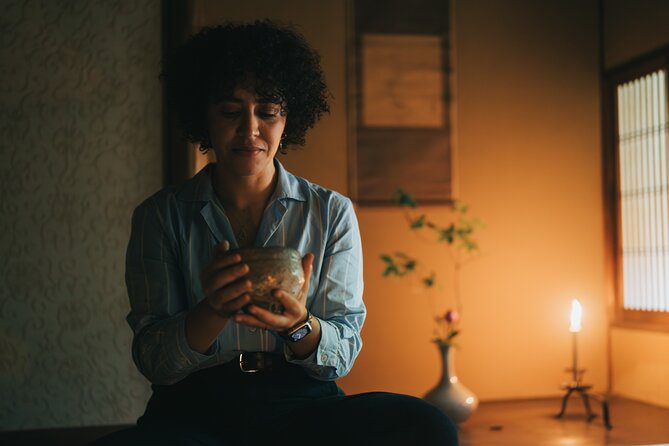
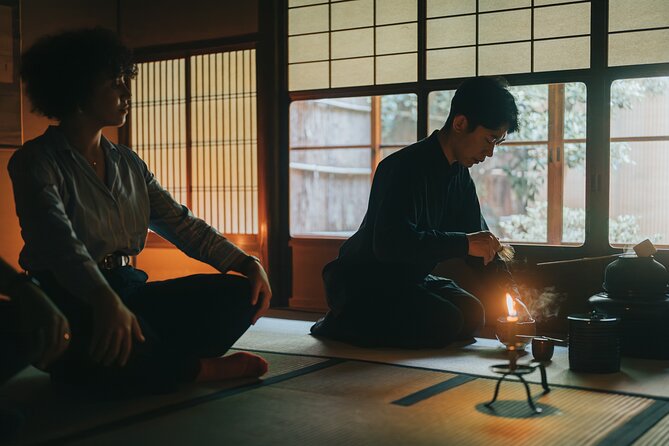
A candlelit tea ceremony in a 100-year-old Kyoto teahouse offers something you will not get from a quick matcha stop in a café. At Oboro, the room is spare and softly lit, the utensils are cleaned with care, and the tea arrives one bowl at a time. The point is not simply to drink green tea. It is to slow down enough to notice the bowl, the scent, the warmth, and the silence.
I like two things right away. First, the small group, capped at eight people, gives the ceremony room to breathe. Second, English guidance from hosts such as Taku and Naoki helps you understand what you are seeing instead of guessing your way through unfamiliar gestures. The welcome sweets, rare organic green tea, and small handmade candle at the end add thoughtful touches.
The main consideration is timing. You cannot join after 10 minutes, so you need to allow time to find the address at 237 Nakaogawachō and arrive early. At about 50 minutes, this is a focused introduction rather than a long tea-school lesson, and the quiet mood may suit you better than a highly formal, heavily explained performance.
In This Review
- Key Details Before You Book
- Entering a Quiet Kyoto Teahouse
- Welcome Tea, Sweets, and a Change of Pace
- Watching the Matcha Preparation
- Why the Candlelight Matters
- A Small Group Makes a Real Difference
- The English Guidance and Teaching Style
- What Makes the Tradition Worth Your Time
- Price, Timing, and Practical Value
- Who Will Enjoy Oboro Most
- Should You Book This Kyoto Tea Ceremony?
- FAQ
- How long does the Oboro tea ceremony last?
- Where does the tea ceremony take place?
- Is the experience offered in English?
- How many people can join?
- What is included in the price?
- What happens if I need to cancel?
Key Details Before You Book
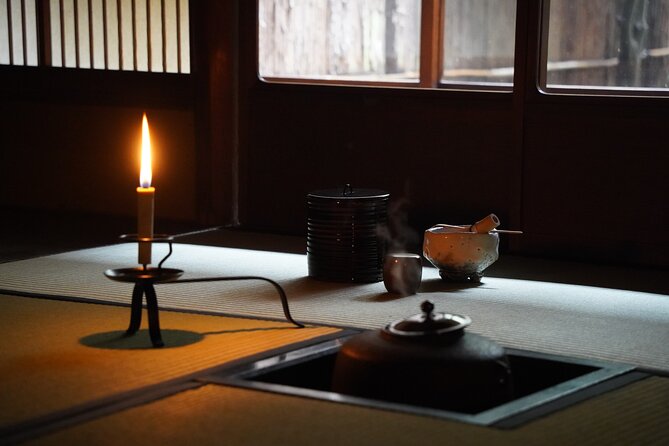
- Candlelit setting: The ceremony takes place in a minimally decorated teahouse with handmade candles and a calm, reflective mood.
- Small groups: The maximum is eight people, making it easier to see the preparation and ask questions.
- English support: An English-speaking guide translates and explains the ritual, with Taku and Naoki specifically praised for their clear, patient instruction.
- A full sensory experience: You begin with tea and sweets, then watch matcha being whisked and served in a traditional bowl.
- Short but substantial: The session lasts about 50 minutes, a useful length for fitting into a Kyoto sightseeing day.
- A meaningful keepsake: You receive a small handmade candle to take away after the ceremony.
Entering a Quiet Kyoto Teahouse
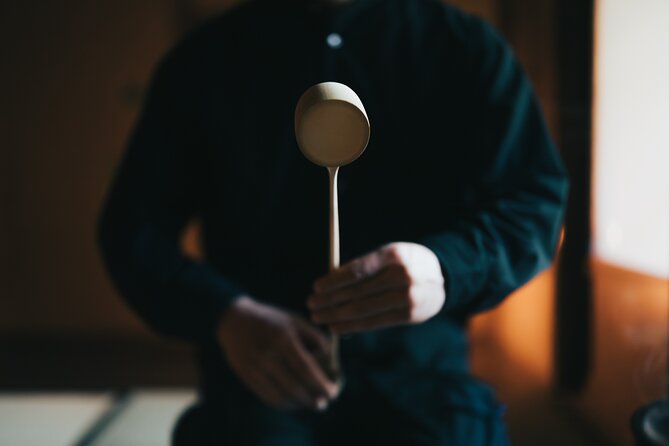
Oboro begins by changing the pace of your day. Kyoto can be crowded, noisy, and full of temples to reach before closing time. Here, you step into a softly lit room with little decoration and gentle sounds. The setting is intentionally simple, so your attention shifts away from sightseeing logistics and toward the ceremony itself.
The teahouse is described as roughly a century old, which gives the experience a sense of place without turning it into a museum display. You are not simply looking at old architecture from behind a barrier. You sit within a working space where tea is prepared and shared.
That setting matters. A tea ceremony depends on small actions, and a busy restaurant would make them easy to miss. At Oboro, the lighting and uncluttered room help you notice the host’s movements, the shape of the utensils, and the rhythm of each step.
You do not need prior knowledge of Japanese tea customs. The English-speaking guide explains what is happening and helps remove the language barrier. Taku is noted for combining clear information with an entertaining manner, while Naoki is described as a soft-spoken tea master whose calm presentation suits the reflective tone.
More Tea Ceremony Experiences in Kyoto
- Kyoto: Tea Ceremony in a Traditional Tea House in Kiyomizu
★ 4.9 · 3,519 reviews - Kyoto: Tea Ceremony Ju-An at Jotokuji Temple
★ 4.9 · 3,207 reviews - Kyoto: 45-Minute Tea Ceremony Lesson Experience
★ 4.3 · 2,378 reviews
Welcome Tea, Sweets, and a Change of Pace
The ceremony starts with a welcome tea and sweets. This opening is not just a snack before the main event. It gives you time to settle in and shift your attention from the street outside to the room in front of you.
The sweet is served before the matcha, following the familiar logic of Japanese tea service. Its sweetness prepares your palate for the tea that follows. One family specifically appreciated the dessert treat, while another found the locally made tea and sweets a pleasant part of the session.
This first stage is also useful if you are unsure about matcha. You can ease into the experience instead of being handed a strong green tea immediately. If you do not usually drink tea, the ceremony still has visual and cultural value. One particularly enthusiastic participant even recommended it for people who do not like tea, because the ritual itself is the main event.
The listed inclusions mention coffee and/or tea, but the central focus is matcha and the preparation of green tea. One person chose black tea instead of matcha, so it may be possible to accommodate different preferences, though you should confirm any specific request when booking rather than assume it is guaranteed.
Watching the Matcha Preparation
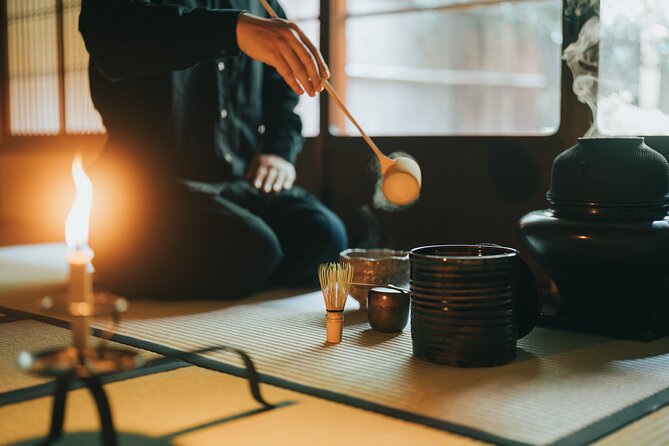
The most memorable part is the preparation itself. Once you move into the tearoom, the host carefully cleans and arranges the utensils before making the tea. These actions can look simple at first, but their order and pace are what turn preparation into ceremony.
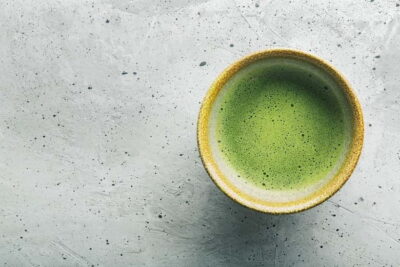
You watch the host measure and whisk a rare organic green tea, then serve it one bowl at a time. That order gives each serving a small moment of attention. Rather than rushing several cups onto a table, the host treats the bowl, the tea, and the person receiving it as part of one connected act.
The English explanation is important here. Without it, you might see only a series of graceful hand movements. With a guide, you can understand why the utensils are handled carefully and how the ritual expresses respect, focus, and hospitality.
The experience is not presented as an intimidating test of etiquette. Its tone is less about strict rules and more about shared respect and quiet wonder. That makes it a good first ceremony for anyone who wants the cultural meaning without feeling worried about making a mistake.
You will likely have time to observe the whisking closely and then taste the matcha yourself. Pay attention to the contrast between the tea’s flavor, the warmth of the bowl, and the stillness of the room. The ceremony asks you to use more than your sense of taste.
Why the Candlelight Matters
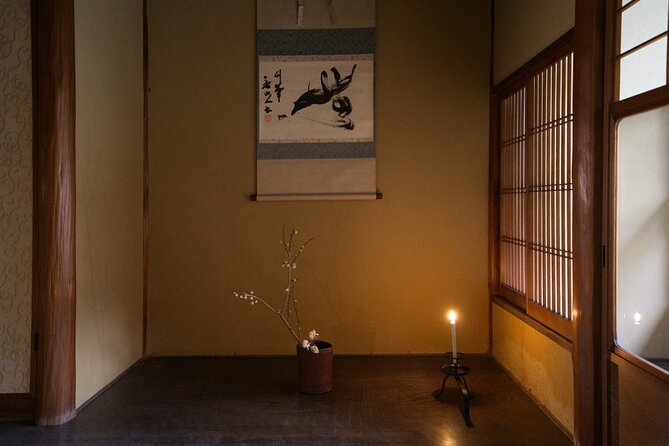
The handmade candles are not only decoration. Their soft light creates a clear contrast with Kyoto’s busy streets and bright sightseeing sites. Flickering light also makes the movement of the host’s hands easier to notice, giving the ceremony a quiet visual rhythm.
The candlelit atmosphere was one of the most praised features of the experience. The room is designed to encourage reflection and gratitude, not photo-taking or constant conversation. If you want a dramatic backdrop for social media, this may feel too restrained. If you want a genuine pause in the middle of a packed itinerary, the mood is a strong reason to book.
At the end, you receive a small handmade candle as a reminder of the experience. It is a modest gift, but it fits the ceremony better than a generic souvenir. The idea is to carry some of that calm into ordinary life, perhaps during a cup of tea at home.
Same city, a completely different kind of day:
- PERFECT KYOTO 1-Day Bus Tour
★ 5.0 · 13,518 reviews - Kyoto: Fushimi Inari, Kinkakuji, Bamboo Grove 1 Day Bus Tour
★ 4.8 · 4,316 reviews - Kyoto Geisha Walking Tour: Gion District & Hidden Gems
★ 4.7 · 3,273 reviews - Kyoto: Gion Magical Night Walking Tour with Geisha Trivia
★ 4.9 · 2,393 reviews
A Small Group Makes a Real Difference
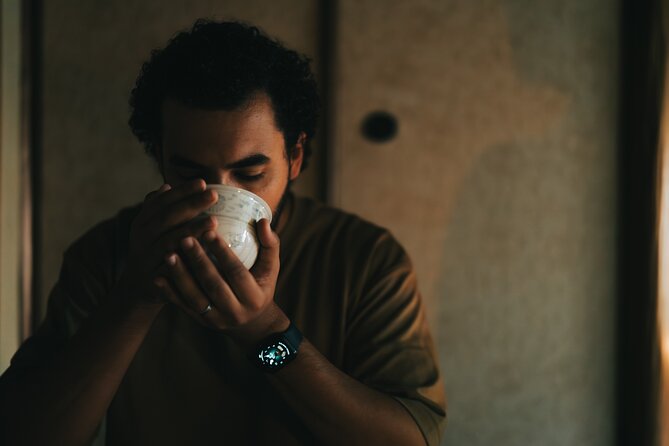
The group limit is eight people. That is still large enough to share the experience with others, but small enough for the host to maintain a calm room and answer questions.
Several participants attended with groups of friends or family, including one group of six that enjoyed the experience together. The size should also help you see the utensils and preparation without fighting for a view.
Small groups do not automatically make an activity intimate, but here the format and the quiet setting work together. There is less chance of the ceremony feeling like a stage show. You remain close to the ritual while the guide explains its meaning.
The trade-off is limited availability. The experience has recorded more than 20 bookings in a recent month, and sessions require a minimum number of participants. If your schedule is tight, book ahead and avoid placing it on the only open slot in your Kyoto plan.
The English Guidance and Teaching Style
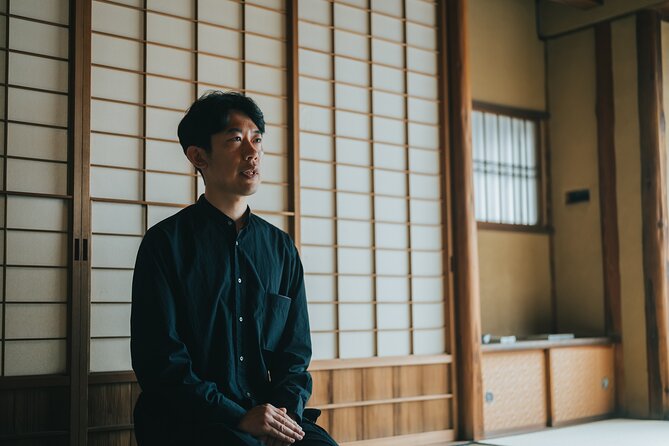
The quality of explanation can make or break a cultural experience. Oboro is designed for international visitors, with an English-speaking guide translating and explaining the ceremony.
Taku Okamoto is the named experience provider, and Taku is specifically praised for being informative, entertaining, and fluent in English. Naoki is also identified as a tea master, with a gentle style that fits the meditative setting. Ryoko is mentioned alongside Taku in connection with the hosting team.
This range of teaching styles may be useful. Some people want historical background and clear answers. Others prefer a quiet demonstration with only enough explanation to follow along. The experience appears to aim for both, explaining the tradition while leaving room for silence.
You should still set your expectations correctly. This is not a formal certification class, nor is it a long lecture about every branch of Japanese tea culture. You will learn how matcha is prepared, gain context for the ritual, and watch ceremonial techniques rarely seen in ordinary restaurants.
What Makes the Tradition Worth Your Time
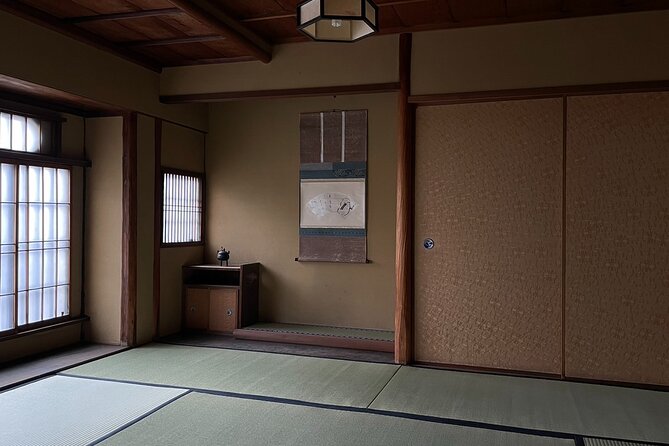
Tea has been part of Japanese culture for more than 1,200 years, and the ceremony reflects a long practice of making an ordinary act deliberate. The value is not limited to the drink. It lies in how the host prepares the room, handles each tool, and gives attention to the person receiving the tea.
That idea can be easy to miss when matcha is sold as a quick modern treat. At Oboro, you see the difference between a powdered green drink and a ritual built around patience and presence.
The ceremony also gives you a practical way to understand Japanese hospitality. Respect is shown through preparation, cleanliness, timing, and care rather than through a long speech. You may leave with a better sense of why tea remains important in Japanese culture.
For me, the strongest appeal is that you do not need to pretend to be an expert. You can simply watch, listen, taste, and notice how the room feels. The host handles the formal knowledge, while you bring curiosity.
Price, Timing, and Practical Value
The experience costs $45.98 per person and lasts about 50 minutes. That is not the cheapest way to drink matcha in Kyoto, but you are paying for far more than a cup of tea. The price covers a guided cultural presentation, the use of a historic teahouse, welcome tea and sweets, matcha preparation, English explanation, and the handmade candle at the end.
The short duration improves the value for many visitors. You can fit it between other Kyoto plans without giving up half a day. It is long enough to feel like a complete activity, yet short enough for families, first-time visitors, and anyone with a busy schedule.
The value is weaker if you only want to taste matcha. Cafés and shops can do that for much less. Book this experience if you want to understand the ritual and enjoy the quiet setting, not if you are looking for a fast beverage stop.
The meeting point is 237 Nakaogawachō in Kyoto’s Kamigyo Ward, at postal code 602-0053. It is near public transportation, and the activity returns to the same meeting point. Since late arrivals cannot join after 10 minutes, use the address carefully and build in extra time.
Mobile tickets make entry simple. Confirmation is provided when you book. Free cancellation is available up to 24 hours before the start time, but changes or cancellations inside that window are not refunded. The experience may also be canceled if poor weather affects the session or if the minimum number of participants is not reached. In those cases, you are offered another date or a full refund.
Who Will Enjoy Oboro Most
I would recommend this tea ceremony to you if you want a calm cultural activity that does not require a full day. It suits first-time visitors to Japan, couples, families with older children, solo visitors, and anyone who wants a break from temples and shopping.
It is also a good choice if you are curious about Japanese customs but worry that a formal tea ceremony will be too difficult to follow. The guide translates, the host explains the process, and the emphasis is on respect rather than perfect performance.
You may find it less satisfying if you want to make the matcha yourself. The central focus is watching the host prepare and serve the tea, not taking a hands-on class. The details supplied do not promise that every participant will whisk a bowl.
The atmosphere is quiet and reflective. That will appeal to you if you enjoy slow experiences, but it may not suit very young children who need constant activity or anyone hoping for a lively group performance.
Should You Book This Kyoto Tea Ceremony?
Yes, if you want a peaceful, well-explained introduction to matcha and Japanese tea culture. The candlelit room, small group size, English guidance, and careful preparation give the experience more depth than a simple tea tasting.
I would especially choose it for a first tea ceremony, a rainy-day alternative if the session is still operating, or a quiet pause after several busy sightseeing days. At $45.98, it earns its price through the setting, instruction, ritual, and personal attention.
Skip it if you only want an inexpensive cup of green tea or a hands-on workshop. Otherwise, arrive early, keep your phone quiet, and allow yourself to follow the ceremony at its own pace. That is where Oboro offers its real value.
FAQ
How long does the Oboro tea ceremony last?
The experience lasts approximately 50 minutes.
Where does the tea ceremony take place?
It starts and ends at 237 Nakaogawachō, Kamigyo Ward, Kyoto, 602-0053, Japan. The meeting point is near public transportation.
Is the experience offered in English?
Yes. An English-speaking guide provides translation and explanations during the ceremony.
How many people can join?
The activity has a maximum of eight participants.
What is included in the price?
Coffee and/or tea and an English-speaking guide are included. The experience also includes welcome tea and sweets, matcha preparation, and a small handmade candle at the end.
What happens if I need to cancel?
You can receive a full refund if you cancel at least 24 hours before the start time. Cancellations or changes made less than 24 hours before the experience are not refunded or accepted.
Just added around Kyoto
- Private Guided Traditional Buddhist Cooking in Japan★ 5.0 · 16 reviews
- Kyoto: Gion Geisha District & Sake-in-Hand Walking Tour★ 5.0 · 37 reviews
- Your Private Vacation Photography Session In Kyoto★ 5.0 · 110 reviews
- Kyoto: Zen Meditation at a Private Temple with a Monk★ 5.0 · 25 reviews
- Traditional Japanese Washi Papermaking- Kyoto morning★ 5.0 · 77 reviews
- Kyoto Wagashi(Japanese sweets) Cooking Class near Fushimiinari★ 5.0 · 60 reviews
- Private Pewter Sake Cup Experience with a Kyoto Artisan★ 5.0 · 31 reviews
- Kyoto Private 6 hour Tour: English Speaking Driver Only, No Guide★ 5.0 · 88 reviews
Tea Ceremony Experiences, compared.

Tea Ceremony in a Traditional Tea House in Kiyomizu
Read our review →

World Heritage Kyoto & Nara Uji Authentic Matcha Experience
Read our review →
Browse the lists this tour appears in