
REVIEW · JAPANESE COOKING CLASSES
Mochi and Nerikiri Wagashi Combination Cooking Class
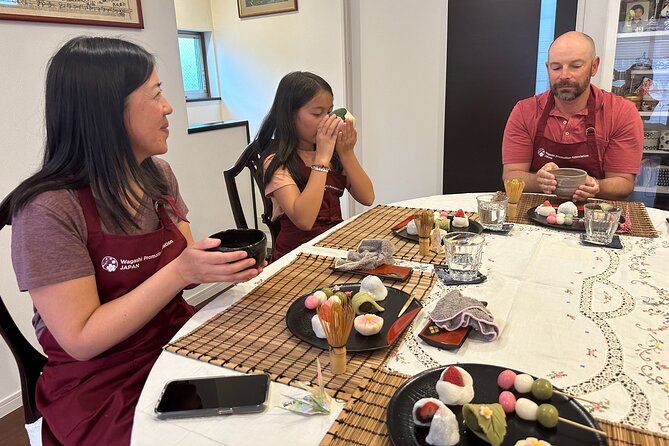
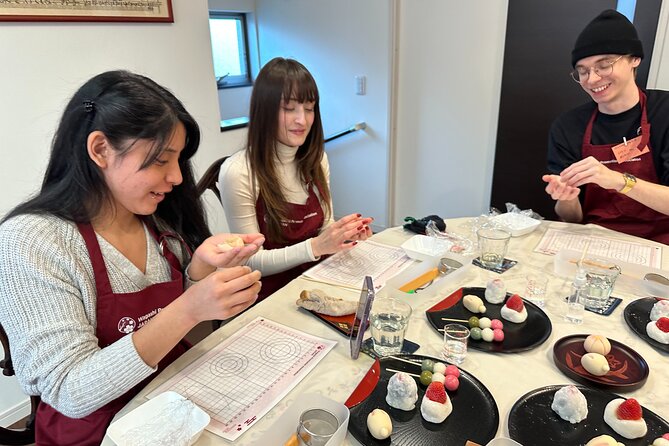
The best part of this class is the setting: you leave central Tokyo behind for a quiet home in Ota City, only about 15 minutes from the city, and learn Japanese sweets at Satoko’s kitchen table. You’ll shape mochi, create seasonal nerikiri designs, and finish with matcha made under her guidance.
I like the private format, since Satoko can give your group her full attention. I also like that the recipes use plant-based ingredients that are easy to find outside Japan, so you can repeat the class at home instead of leaving your new skills behind.
The main consideration is the home setting itself. Two short-haired cats stay in the bedroom during the lesson, but this class is not recommended if you have a strong cat allergy. You’ll also need to make your own way to the meeting point in Ota City.
In This Review
- Key points to know before booking
- A quiet Tokyo home replaces the usual sightseeing rush
- What you make during the 2.5-hour lesson
- Why the seasonal nerikiri matters
- Satoko’s teaching style and the private advantage
- Matcha gives the class a proper finish
- The value of the $85.66 price
- Getting to Kitaminemachi and planning your time
- Dietary notes and the cat allergy warning
- Who will enjoy this class most
- Booking, cancellation, and a few smart tips
- Should you book the Mochi and Nerikiri Wagashi Combination Class?
- FAQ
- Where does the mochi and nerikiri class take place?
- How long does the class last?
- Is this a private activity?
- What sweets will I make?
- What happens if strawberries are out of season?
- Will the nerikiri designs be the same all year?
- Is matcha included?
- Can I take my sweets with me?
- Is the class suitable for vegetarians?
- Are cats present at the home?
Key points to know before booking
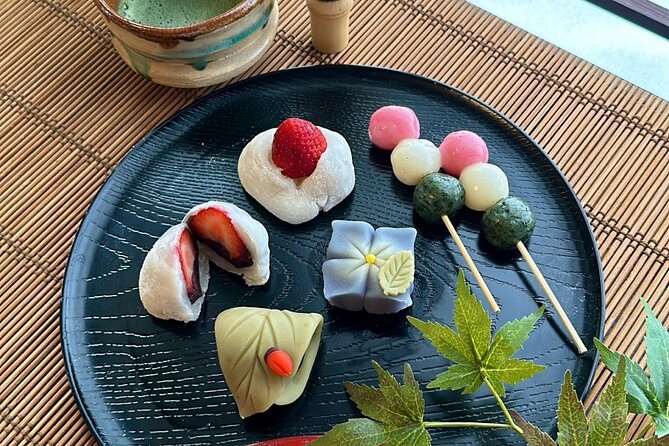
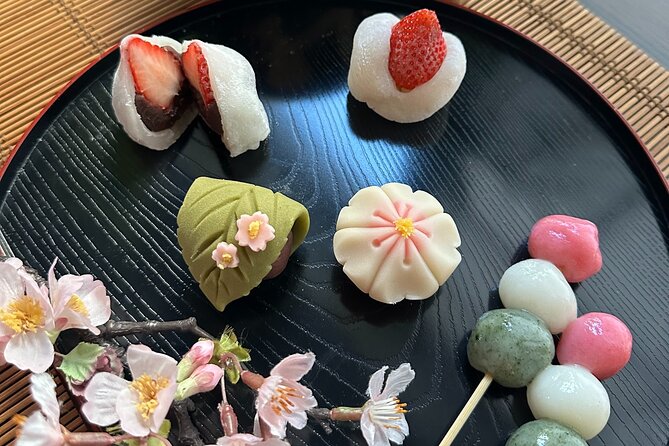
- Learn four Japanese sweets in one class: Make strawberry daifuku, seasonal dango, and two kinds of nerikiri wagashi.
- Work directly with Satoko: This private lesson keeps the pace personal and beginner-friendly.
- Expect seasonal changes: Strawberry daifuku becomes pineapple or kiwi when strawberries are out of season, and nerikiri designs change with the time of year.
- Finish with handmade matcha: Prepare and drink a bowl of green tea with Satoko, or pack your sweets in the provided box.
- Bring home more than photographs: The recipes are simple, plant-based, and designed for you to recreate with family and friends.
- Plan around the location: The class meets at 20-15 Kitaminemachi in Ota City, Tokyo, and ends at the same place.
A quiet Tokyo home replaces the usual sightseeing rush
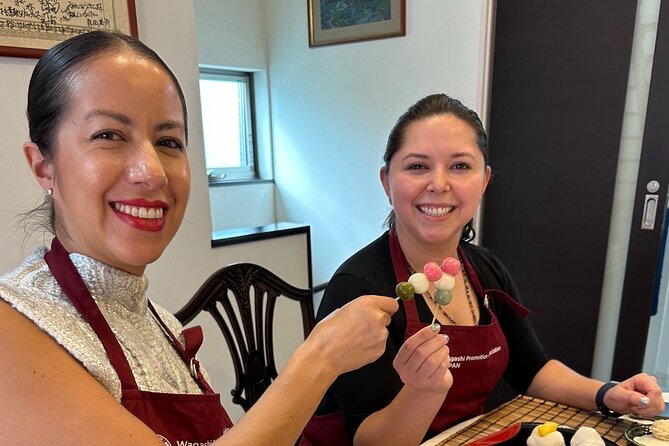
Tokyo can fill every hour with train rides, crowded shopping streets, and one more shrine before dinner. This class gives you a different kind of afternoon. You head to a local home in Ota City, about 15 minutes from the city, and spend roughly two and a half hours making sweets by hand.
That change of pace matters. You are not simply watching someone prepare wagashi behind a counter. You sit down, handle the ingredients, shape the dough, and see how simple forms become recognizable Japanese sweets.
The private format is especially useful if you are new to Japanese cooking. Satoko can slow down, repeat a step, or help you fix a lopsided piece without holding up a larger group. You are cooking with only your own party, so the experience feels more like a personal lesson than a scheduled demonstration.
Satoko’s home also gives the class a warm, local feel. One past participant appreciated her patient teaching, the home setting, and the photographs she took during the process. That last detail is worth noting: Satoko may photograph you as you work and help arrange the finished sweets so they look good on the plate.
More Japanese Cooking Classes in Tokyo
- Sushi Making Tokyo Roll and Authentic Japanese Sushi Class
★ 5.0 · 3,971 reviews - Tokyo: Roll and Authentic Sushi Making Class in Asakusa
★ 4.9 · 1,957 reviews - Tokyo: Sushi Making Class in a Happi Coat near a Famous Spot
★ 4.9 · 1,377 reviews
What you make during the 2.5-hour lesson
The class centers on mochi made with glutinous rice flour. The dough and colors for the nerikiri are prepared in advance, which keeps the lesson moving and lets you focus on shaping, filling, and decoration.
You begin by learning about mochi and the different ways Japanese people eat it. This background gives the cooking a useful frame. Mochi is not just one chewy dessert. It can be filled, skewered, served in different forms, or shaped into seasonal wagashi.
The exact order of the lesson may vary, but the main creations are clear:
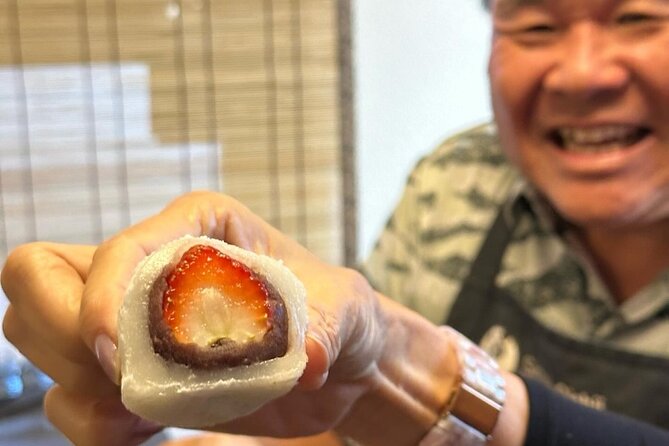
- Strawberry daifuku, or pineapple or kiwi when strawberries are not in season
- Dango, made as mochi balls on skewers
- Two kinds of nerikiri wagashi
- Matcha prepared and enjoyed with your sweets
Strawberry daifuku is likely to be the most familiar item for many first-time students. It combines soft mochi with fruit and filling, and the wrapping step gives you a direct feel for how delicate the dough can be. If you book outside strawberry season, the fruit changes to pineapple or kiwi. That is a small but practical seasonal adjustment, not a loss of the experience.
Dango gives you a different texture and shape. You form mochi balls and place them on skewers, creating a sweet that looks simple but rewards careful handling. It is also an easy recipe to repeat at home because the finished form does not require elaborate decoration.
Nerikiri is the artistic part of the class. You shape the dough into a seasonal motif, with designs changing throughout the year. Since the dough is prepared and colored before the lesson, your attention goes to forming petals, leaves, flowers, or other seasonal patterns rather than spending the entire session on preparation.
You should not expect factory-perfect results on your first attempt. That is part of the appeal. Nerikiri looks precise in a shop window, but shaping it yourself shows how much control comes from a light touch and steady fingers.
Why the seasonal nerikiri matters
Japanese wagashi often reflects the season through color, shape, and small visual details. A seasonal motif can suggest flowers, weather, or a time of year without needing a long explanation.
Here, you do not just buy a finished sweet and move on. You shape one yourself. That gives you a better sense of why wagashi is treated as a small piece of edible art.
The designs change with the season, so the class will not be identical throughout the year. If you care about a particular flower or motif, ask Satoko before booking. The provided details confirm that the patterns change, but they do not specify the exact design for each month.
The pre-made dough is a sensible choice for a short class. Making, coloring, cooling, and preparing the dough from the start would leave less time for the parts you are most likely to remember. You get hands-on work without turning the lesson into a long technical session.
Satoko’s teaching style and the private advantage
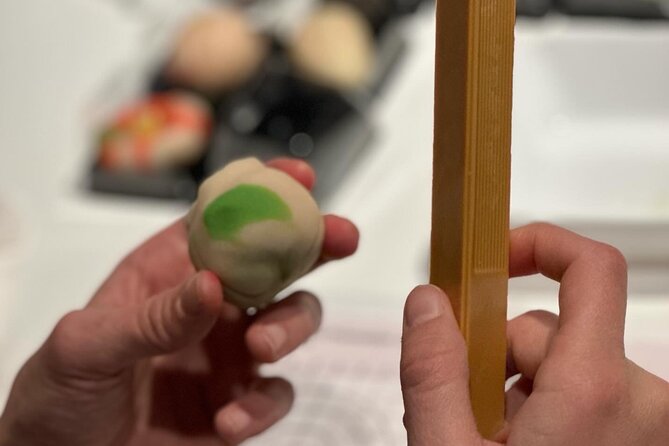
Satoko is the host and teacher, and the class is designed for beginners. You receive hands-on instruction rather than being expected to know Japanese cooking terms or techniques in advance.
A private class also helps if your group has mixed skill levels. One person may enjoy the design work, while another prefers the simple motions of making dango. Satoko can give individual help instead of moving everyone through each step at the same speed.
The supplied information describes Satoko as patient and kind, and one participant specifically praised the way she helped with plating and photographs. I would consider that a real benefit for anyone who wants a polished souvenir image, not just a box of sweets.
There is also a tutorial video available for the dough-shaping portion. Since the dough and coloring are made in advance, that video gives you a useful reference for the techniques you practice in person. Ask how you can access it during or after the class if you want to use it later at home.
Same city, a completely different kind of day:
- Mt Fuji and Hakone 1-Day Bus Tour Return by Bullet Train
★ 5.0 · 26,383 reviews - 1-Day Tokyo Bus Tour
★ 5.0 · 14,250 reviews - Tokyo: TOKYO SKYTREE® Admission ticket
★ 4.5 · 11,192 reviews - Tokyo: teamLab Planets TOKYO Digital Art Museum Entry Ticket
★ 4.6 · 9,779 reviews
Matcha gives the class a proper finish
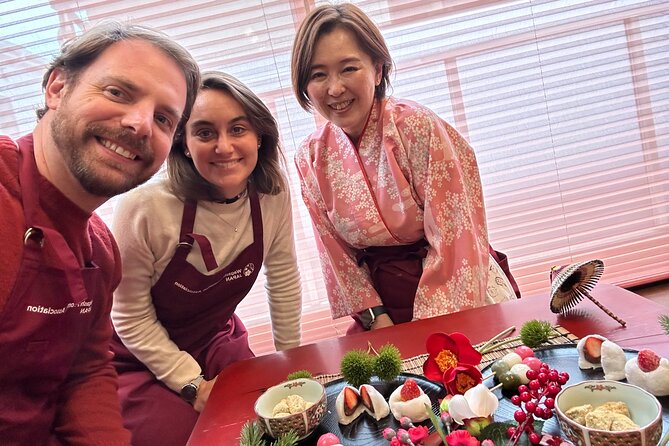
After you make the sweets, you can eat them with a bowl of matcha. You do not simply receive tea from the host. Satoko guides you as you prepare it.
That final step brings the lesson together. Mochi and nerikiri are designed to be enjoyed with tea, and matcha balances the sweetness with its strong, slightly bitter flavor. It also gives you time to look at the pieces you made instead of rushing straight out the door.
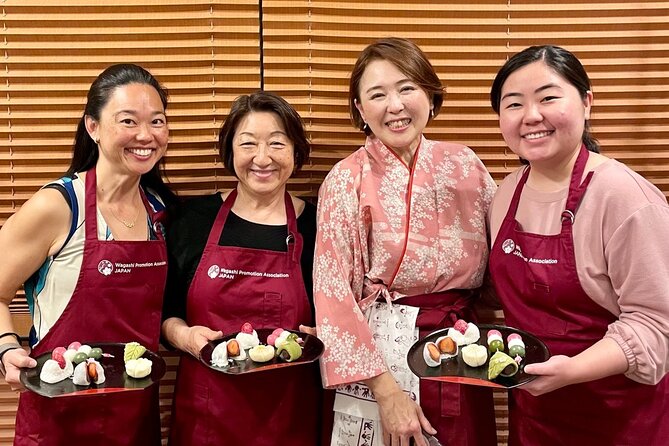
You can either taste your creations with the matcha or pack them in a special takeaway box. If you have more sightseeing planned, the box is useful. It also lets you share the sweets with someone who did not join the class.
A free apron, hand towel, wagashi tools, drinking water, and takeaway box are included. You do not need to pack special equipment. The tools are part of the experience, especially for nerikiri, where the right small instrument can make shaping easier.
The value of the $85.66 price
At $85.66 per person, this is not a budget snack stop. The price makes more sense if you view it as a private cooking lesson, a cultural activity, a tea experience, and a prepared souvenir in one.
You receive about two and a half hours of personal instruction. The cost also covers the ingredients, equipment, apron, hand towel, drinking water, matcha portion, and takeaway box. Since only your group participates, the price can be reasonable for couples, families, and small groups who value privacy.
It is less compelling if you only want to taste mochi. Tokyo has many places to buy wagashi for far less money. The value comes from learning to make several kinds, receiving help as you shape them, and gaining recipes you can use again.
Group discounts are available, so larger private parties should check the final rate before booking. With a group of friends or family, the per-person cost may feel easier to justify, especially when you treat the class as one of the day’s main activities.
The class is booked an average of 51 days ahead, which suggests you should reserve early if your Tokyo dates are fixed. That is particularly sensible for a private activity with limited space.
Getting to Kitaminemachi and planning your time
The meeting point is 20-15 Kitaminemachi, Ota City, Tokyo, postal code 145-0073. The activity ends back at the same meeting point.
The location is near public transportation, but private transportation is not included. You should allow time to reach the address and confirm the route before the class begins. Since the setting is a private home rather than a large public venue, arriving at the correct address matters.
Plan your day around the full two-and-a-half-hour class, plus your travel time to and from Ota City. It works well as a slower afternoon or morning activity. You may prefer not to schedule a major timed attraction immediately afterward, since you will want a little flexibility for transportation and packing your sweets.
A mobile ticket is available, which is handy when you are already carrying a phone rather than printing paperwork. Booking confirmation is provided at the time of reservation.
Dietary notes and the cat allergy warning
The recipes use plant-based products, and the class is suitable for vegetarians. The information provided does not promise that every possible dietary restriction can be handled, so you should contact the provider before booking if you have an allergy or need to avoid a specific ingredient.
The class takes place in a home with two short-haired cats. The cats remain in the bedroom during the lesson, but the activity is not recommended for someone with a strong cat allergy. This is the one practical drawback I would take seriously.
If cats are not a concern, the home setting is part of what makes the class different from a commercial kitchen. If they are a concern, ask the provider for more details before paying.
Who will enjoy this class most
I would choose this experience if you want a personal activity that connects food, craft, and daily Japanese culture. It suits couples, families, and small groups who prefer making something together instead of following a large tour through Tokyo.
It is also a good fit for beginners. The lesson uses straightforward recipes, and the work is guided from start to finish. You do not need professional cooking experience or prior wagashi knowledge.
Children may enjoy the colorful dough and shaping work, but the supplied information does not give a minimum age or specific child policy. If you are booking for young children, confirm the age requirements first.
Vegetarians have a clear advantage here because the recipes are plant-based. The class also works well for anyone who wants a souvenir with a personal connection. A purchased snack is quickly eaten. A box of sweets you shaped yourself carries a different memory.
You may want to skip it if you have a strong cat allergy, dislike sweet foods, or want a fast activity close to Tokyo’s major sightseeing districts. The trip to Ota City and the slower private format are central to the appeal, not minor details.
Booking, cancellation, and a few smart tips
Free cancellation is available if you cancel at least 24 hours before the local start time. Cancellations or changes made within 24 hours are not accepted for a refund, so check your Tokyo schedule before reserving.
I would contact Satoko ahead of time if you want to know the planned nerikiri motifs or if you are booking outside strawberry season. You can also ask about the tutorial video and explain any food concerns before arriving.
Wear something comfortable for hands-on food preparation. An apron is supplied, but you will still want to be ready to work with sticky dough and small shaping tools. Keep your schedule open enough to enjoy the matcha and photographs rather than treating the class like a quick stop.
Should you book the Mochi and Nerikiri Wagashi Combination Class?
Book it if you want private instruction in a local home, several sweets instead of one recipe, and a calm break from Tokyo’s main sightseeing areas. Satoko’s patient approach, seasonal nerikiri designs, matcha finish, and takeaway box give the class more substance than a basic cooking demonstration.
At $85.66, the price is fair for a private, two-and-a-half-hour lesson with equipment and ingredients included, but it is not the right choice for a simple dessert tasting. Check the cat allergy warning, allow time to reach Ota City, and reserve ahead if your dates are limited. For a small group that wants to make, eat, and remember something together, this is a strong pick.
FAQ
Where does the mochi and nerikiri class take place?
The class takes place in Satoko’s private home at 20-15 Kitaminemachi, Ota City, Tokyo 145-0073, Japan.
How long does the class last?
The experience lasts approximately 2 hours and 30 minutes.
Is this a private activity?
Yes. Only your group participates in the class.
What sweets will I make?
You will learn to make strawberry daifuku, dango made from mochi balls on skewers, and two kinds of nerikiri wagashi.
What happens if strawberries are out of season?
Strawberry daifuku uses pineapple or kiwi when strawberries are not in season.
Will the nerikiri designs be the same all year?
No. The motifs change according to the season.
Is matcha included?
Yes. After the lesson, you can prepare and enjoy a bowl of matcha with Satoko’s guidance.
Can I take my sweets with me?
Yes. A special box for takeaway is included. You can either eat your creations with matcha or pack them to take with you.
Is the class suitable for vegetarians?
Yes. The recipes use plant-based products and are suitable for vegetarians. You should contact the provider about any specific allergies or dietary restrictions.
Are cats present at the home?
The home has two short-haired cats. They stay in the bedroom during the lesson, but the class is not recommended for people with a strong cat allergy.
More Workshops in Tokyo
- Tokyo Shinjuku Chopsticks Making Class
★ 5.0 · 1,763 reviews - Chopstick Making Workshop in Ginza
★ 4.8 · 1,366 reviews - Tokyo Sushi Making Class in Tsukiji with Professional Chef
★ 5.0 · 1,177 reviews - Matcha Making Class in Tokyo with Authentic Japanese Sweets Set
★ 5.0 · 744 reviews
More Cooking Classes in Tokyo
- Ramen & Gyoza Cooking Class in Tokyo with Local Supermarket Visit
★ 5.0 · 823 reviews - Tokyo: Easy Ramen Cooking Experience in Kabukicho, Shinjuku
★ 4.6 · 321 reviews - Ramen and Sushi Cooking Class with Sake Pairing Set in Tokyo
★ 5.0 · 291 reviews - Tokyo: Wagyu and 7 Japanese Dishes Cooking Class
★ 4.9 · 273 reviews
Just added around Tokyo
- Private Memorable Tokyo Tour with English Speaking Driver★ 5.0 · 30 reviews
- Tokyo Photography Masterclass – Private Photography Lesson★ 5.0 · 25 reviews
- Private Tokyo Custom Full-Day Tour by Chartered Vehicle★ 5.0 · 16 reviews
- Private Sightseeing to Mt Fuji and Hakone with English Driver★ 5.0 · 51 reviews
- Private Mt. Fuji Day Trip from Tokyo with English-Speaking Driver★ 5.0 · 33 reviews
- 4 Day Tour – Mount. Fuji, Tokyo, Hakone, Kamakura and Yokohama★ 5.0 · 19 reviews
- Private Unforgettable Mt Fuji Tour with English Speaking Driver★ 5.0 · 142 reviews
- Private Tokyo Food Tour – A Journey Through Time Through Food★ 5.0 · 36 reviews
Japanese Cooking Classes, compared.

Sushi Making Tokyo Roll and Authentic Japanese Sushi Class
Read our review →
Roll and Authentic Sushi Making Class in Asakusa
Read our review →
Ramen Cooking Class at Ramen Factory in Kyoto
Read our review →
Sushi Making Class in a Happi Coat near a Famous Spot
Read our review →
Sushi Making Osaka Roll and Authentic Japanese Sushi Class
Read our review →
Tokyo Sushi Making Class in Tsukiji with Professional Chef
Read our review →
Ramen & Gyoza Cooking Class in Tokyo with Local Supermarket Visit
Read our review →
Tsukiji Fish Market Guided Tour and Sushi Making with Pro Chef
Read our review →Browse the lists this tour appears in