REVIEW · TEA CEREMONY EXPERIENCES
Kyoto: Tea Ceremony with Kimono and Photoshoot
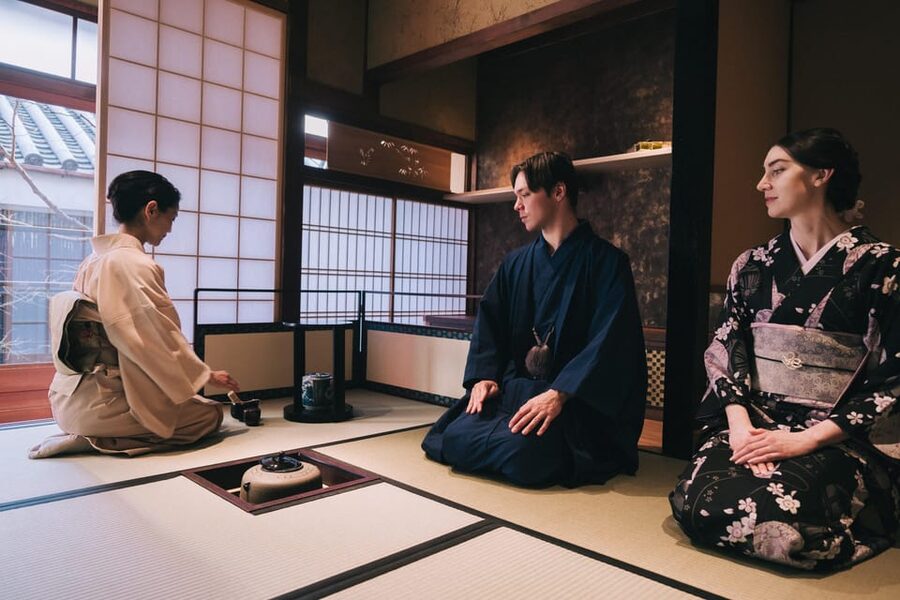
Kyoto’s tea ceremony becomes much more memorable when you are wearing a kimono, sitting in a tea room, and preparing your own bowl of matcha. This 90-minute experience combines the cultural lesson with a professional photoshoot, so you leave with both a better understanding of the ritual and three polished photos.
I like the English demonstration, which makes the small gestures and acts of cleansing easy to follow. I also like the freedom to choose your kimono color and, for women, hair accessories. The main drawback is timing: one booking began dressing at the scheduled time but did not reach the tea ceremony until about an hour later, so do not plan a tight appointment afterward.
In This Review
- Key points at a glance
- Why this Kyoto tea ceremony works so well
- Choosing a kimono and getting dressed
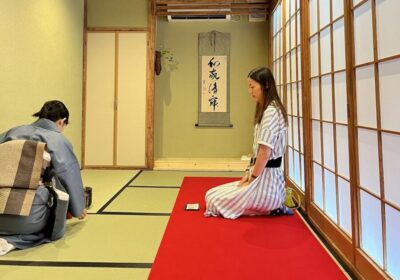
- Entering the tea room and learning the ritual
- Making matcha with Japanese sweets
- Professional photos and time in the kimono
- Nishiki Market or Gion?
- How much value do you get for $127?
- What the schedule may feel like
- Who should book this experience?
- Practical tips for a smoother visit
- Should you book the Kyoto kimono tea ceremony?
- FAQ
- Where does the tea ceremony take place?
- How long does the experience last?
- Is the tea ceremony conducted in English?
- What is included in the price?
- Can I book only the kimono dressing?
- Can I book only the tea ceremony?
- How many people are in the group?
- Can I walk around Kyoto in the kimono afterward?
- When must I return the kimono?
- What happens if I arrive late?
- Are professional photos included?
- When will I receive the photos?
- Are children allowed to join?
- Is the activity suitable for wheelchair users?
- Do I need to provide information before booking?
- What if I have a food allergy?
- Can I cancel for a refund?
- Can I pay later?
Key points at a glance
- Two Kyoto locations: Choose the Nishiki Market or Gion shop when booking, and double-check the address before setting out.
- Kimono choice included: Staff dress you in a traditional kimono, with color and hair accessory choices available.
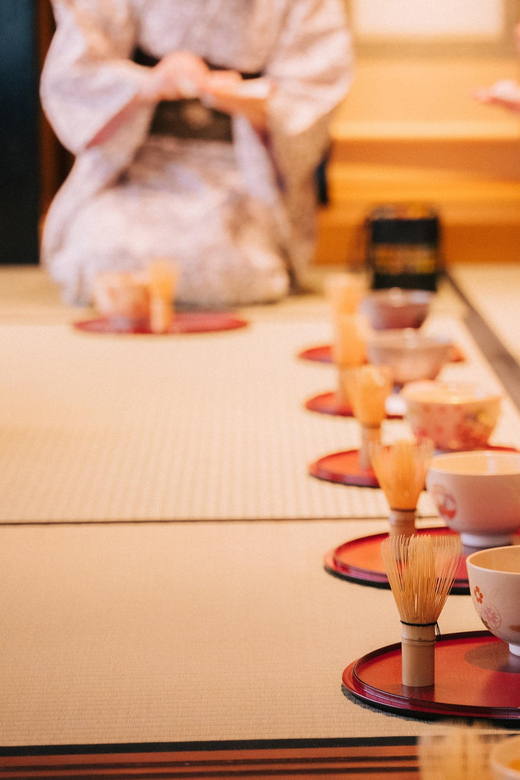
- English tea lesson: Watch a demonstration, learn about purification and the meaning of the ceremony, then prepare your own matcha.
- Small group setting: Groups are limited to 10 people, allowing the instructor to guide you through the process.
- Three professional photos: A photographer captures your time in costume, with the finished images sent as a memento.
- Extra time outside: After the ceremony, you may stroll in your kimono, as long as you return it by the shop’s stated deadline.
Why this Kyoto tea ceremony works so well
Many kimono activities in Kyoto are mainly dress-up sessions. This one adds a clear cultural purpose. You do not simply put on formal clothing and pose. You learn why the tea ceremony uses deliberate movements, how guests take part, and what the acts of cleansing and preparation mean.
That difference matters. The kimono gives the experience a strong visual appeal, but the tea lesson gives it substance. You can enjoy the colors and photographs without losing sight of the ceremony itself.
The format is also easy to fit into a day in central Kyoto. You spend 90 minutes at the shop, then may have time to walk around in the kimono before returning it. The Nishiki Market location gives you a convenient pairing with the market and central shopping streets. The Gion location works well if you are already visiting traditional streets and temples in eastern Kyoto.
You need to choose the location carefully. The two shops are not interchangeable, and arriving at the wrong one means you cannot join the activity.
More Kimono & Culture Experiences in Kyoto
- Kyoto Geisha Walking Tour: Gion District & Hidden Gems
★ 4.7 · 3,273 reviews - Kyoto: Gion Magical Night Walking Tour with Geisha Trivia
★ 4.9 · 2,393 reviews - Kyoto: Gion Geisha District Walking Tour – Stories of Geisha
★ 4.7 · 2,187 reviews
Choosing a kimono and getting dressed
At the start, you meet at the selected shop and provide the height and gender of every participant. This information is needed in advance so the staff can prepare suitable kimono sets. Give accurate details when booking, rather than treating this as a last-minute wardrobe choice.
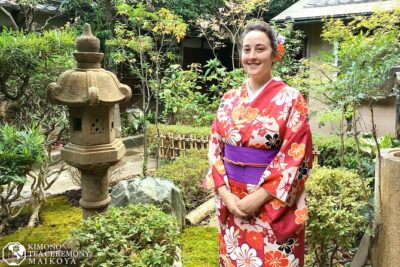
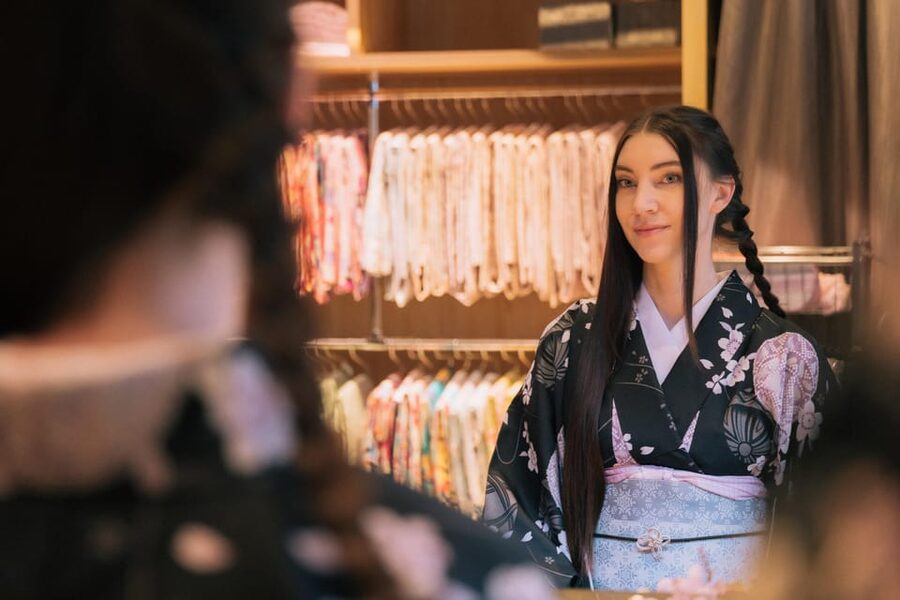
The dressing process is part of the experience, not a quick costume change. Staff guide you into the kimono and help finish the look with suitable accessories. Women can choose the color of the fabric and hair accessories, adding a personal touch to the outfit.
You should expect a properly fitted traditional outfit rather than something designed for fast self-service. The attention to detail has been a major strength of this activity. Staff work together to make the dressing, ceremony, and photo session feel like connected parts of one visit.
Once dressed, you may have a little time in the waiting area to take your own pictures. This is useful because your personal snapshots can be more relaxed than the formal photos. It also gives you a chance to get used to moving in the kimono before entering the tea room.
Wear clothing that is easy to change out of and avoid complicated layers. Shoes are not allowed indoors, so you will remove them before entering the interior spaces. Smoking is also not allowed.
Entering the tea room and learning the ritual
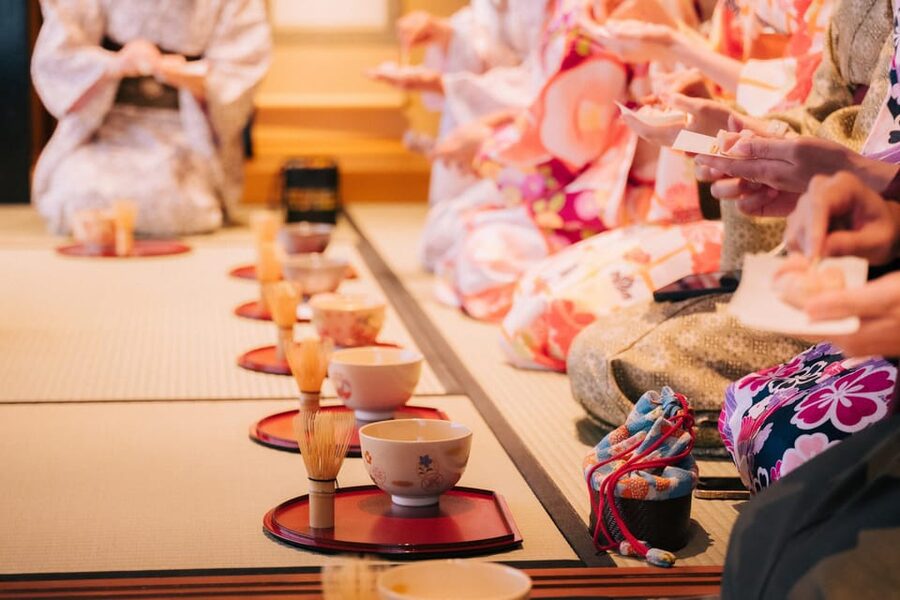
The tea ceremony begins with an English-speaking demonstration. The instructor explains the ceremony in a friendly, accessible way, rather than assuming you already understand Japanese customs.
This is where the experience earns its price. The ceremony is full of quiet actions that can seem mysterious if you only watch from a distance. The explanation helps you notice the order of events, the care given to utensils, and the meaning behind purification.
One particularly useful detail is the explanation of cleansing and blessing the tea. These ideas help you understand that the ceremony is not simply a method for making a drink. The careful pace, respect for the room, and attention to the guest are all part of the custom.
Mami is one of the guides associated with the experience, and the teaching style is warm and clear. The activity is conducted in English, which is important if you want to ask questions and understand the demonstration rather than simply copy the movements.
The group limit of 10 people keeps the lesson fairly personal. It is not a private ceremony, but it is small enough for the instructor to show you what to do and keep the process organized.
Making matcha with Japanese sweets
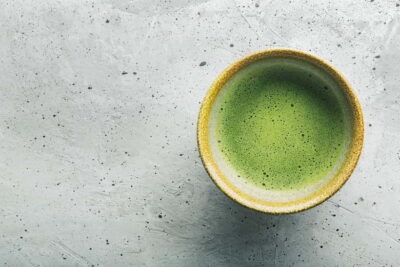
After watching the demonstration, you make your own matcha green tea. This hands-on portion is more satisfying than simply receiving a prepared cup because you take part in the central act of the ceremony.
The process gives you a better feel for the care involved. Matcha has a distinctive flavor, and the Japanese sweets provide a traditional pairing. If you have food allergies, tell the operator in advance so the staff can prepare appropriately.
Do not expect a long tea-tasting session. The entire activity lasts 90 minutes, and that time includes changing, the demonstration, your own tea preparation, and the photography. The value comes from the mix of activities rather than from spending a large amount of time on any one stage.
The tea portion is suitable for first-time visitors. You do not need previous knowledge of Japanese tea customs, and the instructor explains the steps in English. You also do not need to pretend that every movement comes naturally. The relaxed tone makes it easier to enjoy the ceremony without worrying about getting every gesture perfect.
More Tea Ceremony Experiences in Kyoto
- Kyoto: Tea Ceremony in a Traditional Tea House in Kiyomizu
★ 4.9 · 3,519 reviews - Kyoto: Tea Ceremony Ju-An at Jotokuji Temple
★ 4.9 · 3,207 reviews - Kyoto: 45-Minute Tea Ceremony Lesson Experience
★ 4.3 · 2,378 reviews - Kyoto: Table-Style Tea Ceremony at a Kyo-Machiya
★ 4.9 · 1,211 reviews
Professional photos and time in the kimono
A professional photographer takes pictures during the experience, and you receive three photos as a keepsake. This is a practical addition for solo visitors, couples, and families who want more than quick phone snapshots.
The finished images have been praised for their quality, but keep your expectations realistic. You receive three photos, not a full album or an extended studio session. The photos are best viewed as a polished record of the occasion.
You may also have time to take your own pictures. That flexibility is useful because you can capture different poses, group arrangements, or casual moments that are not part of the professional set.
The images are sent by email a few hours later, according to the experience details provided. Check that you give the correct email address and watch for the delivery after the activity.
After the tea ceremony, you may walk around outside in the kimono. This can turn a short indoor activity into a longer Kyoto memory, especially near the chosen location. You must return the kimono to the shop on the same day, though. The Nishiki Market location requires return by 6:00 PM, while the Gion location requires return by 5:00 PM.
Those deadlines are important when planning your day. A late afternoon booking at the Gion location gives you less time afterward than one at Nishiki Market. Ask yourself how much time you want for walking and photographs before you select a start time.
Nishiki Market or Gion?
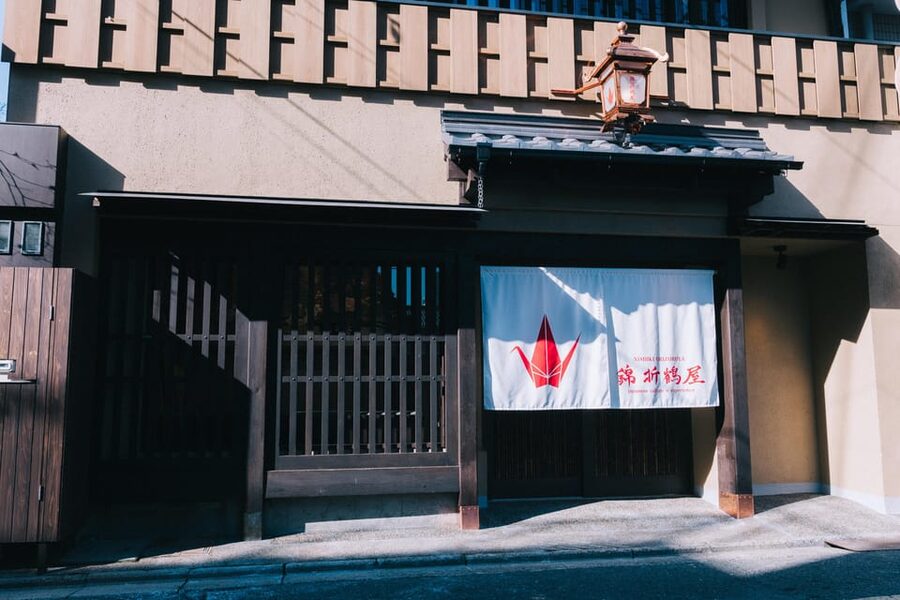
Your choice of location affects the shape of the rest of your day.
The Nishiki Market shop is a useful pick if you want to combine the activity with food stalls, central Kyoto shopping, and nearby streets. Its 6:00 PM kimono return time also gives you a longer window after the ceremony.
The Gion shop suits a day focused on Kyoto’s older streets and eastern sightseeing areas. Its 5:00 PM return deadline is earlier, so plan carefully if you want to walk outside in costume.
The most important practical rule is simple: select the correct location when booking and follow the meeting instructions for that shop. Do not assume you can report to either branch.
The supplied information does not give exact transit directions or precise street addresses, so check the meeting point attached to your selected option before leaving. Allow enough time to arrive. If you are more than 10 minutes late, you cannot join and no refund is available.
How much value do you get for $127?
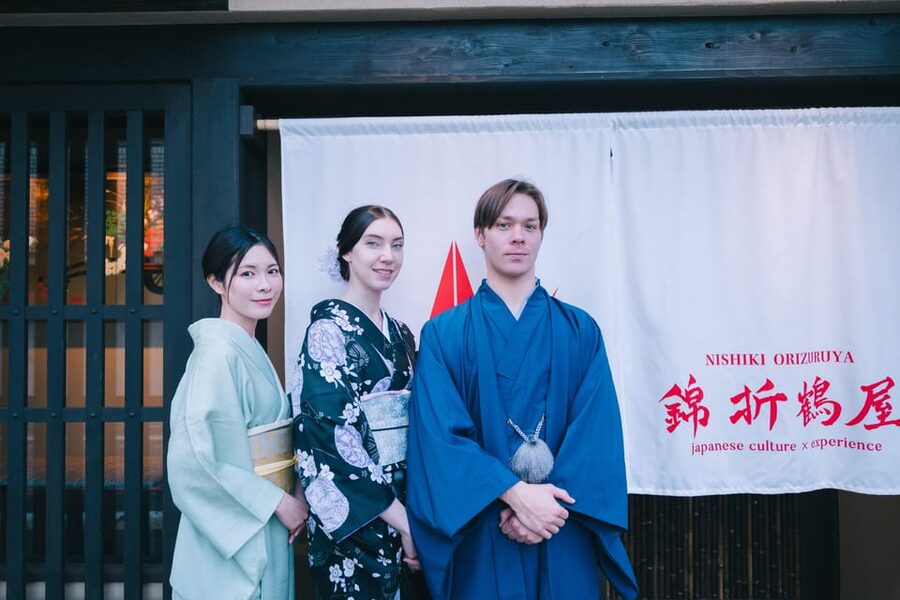
At $127 per person, this is not a cheap photo booth or a quick cultural stop. You are paying for kimono dressing, an English tea ceremony demonstration, matcha and sweets, a hands-on tea preparation, and three professional photos.
I think the price makes the most sense if you want several experiences in one booking. A standard kimono rental may cost less, but it may not include an English cultural lesson or professional photography. A tea ceremony without dressing may offer more time for the ritual, but it will not give you the same visual element.
The package is especially useful for a first visit to Kyoto. You do not need to arrange a kimono rental, find a separate tea instructor, or ask a stranger to take pictures. The staff handle the sequence for you.
The value is weaker if you want only to wear a kimono or only to attend a tea ceremony. This activity cannot be booked as tea ceremony only or kimono dressing only. You are committing to the combined format.
A reserve-now-and-pay-later option is available, and cancellation is free up to 24 hours before the start time. That gives you some flexibility, but the late-arrival rule is strict. Missing the start by more than 10 minutes means losing both the booking and the refund.
What the schedule may feel like
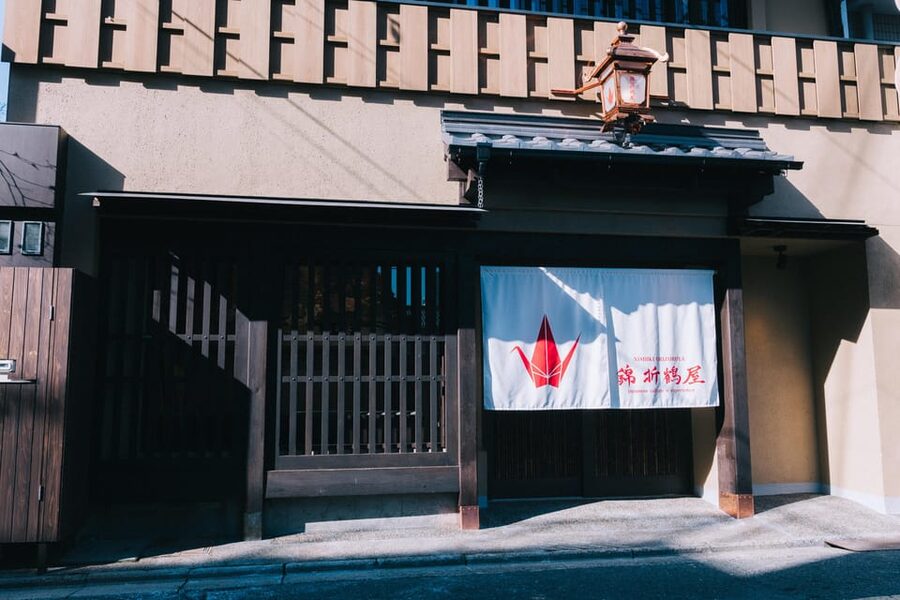
The advertised duration is 90 minutes, but the experience can feel less exact than a museum time slot. You may spend time completing a short survey, changing clothes, waiting for the group, and preparing for the ceremony.
One reported schedule had a 2:00 PM reservation, arrival at 1:55 PM, and a ceremony that began around 3:00 PM. That does not mean every session runs late, but it is a useful warning. Build some breathing room into your Kyoto day and avoid booking a nonrefundable meal, train, or timed attraction immediately afterward.
The small group size helps the staff manage the process, but dressing several people naturally takes time. If you want a quiet, private ceremony with no waiting, this may not be the right format.
On the other hand, the relaxed pace can be helpful. You have time to settle into the kimono, take personal photos, and listen to the explanation without being hurried through each step.
Who should book this experience?
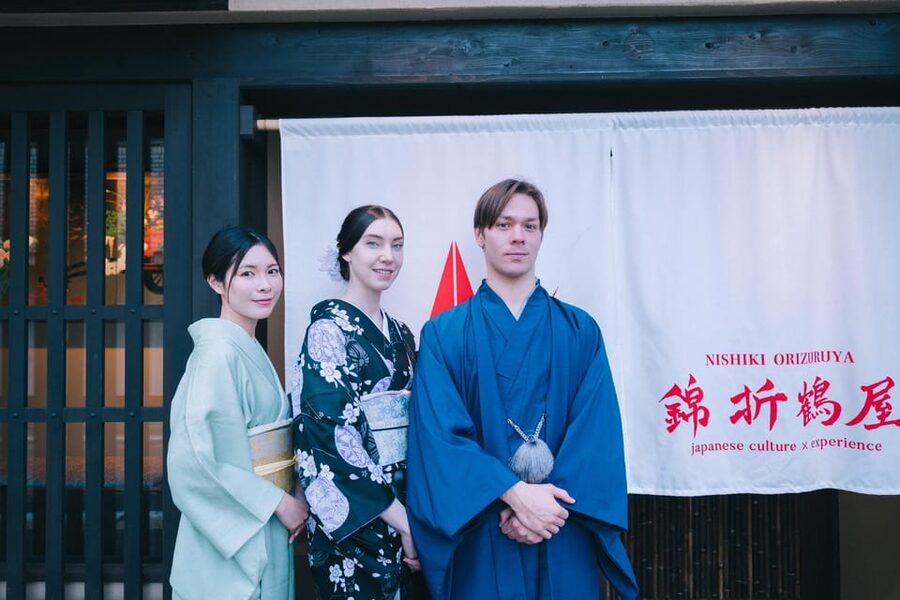
I would recommend it to first-time Kyoto visitors who want an approachable introduction to Japanese customs. It also suits couples, friends, and families with older children who want a shared activity and a set of photos.
It is a good choice if you value explanation as much as appearance. The English instruction turns the ceremony into something you can understand, not just observe.
It may also suit people who want to try a kimono but do not want to spend a full day in one. The 90-minute core activity is manageable, and you can decide how long to walk outside afterward within the return deadline.
Children under 5 cannot join. Wheelchair users cannot take part, so check this before booking. The activity is not designed for guests who need a fully accessible venue or a simplified clothing process.
You should skip it if you dislike group activities, have a tight schedule, or want only one part of the package. You should also think twice if removing shoes indoors or wearing a fitted traditional garment would be uncomfortable.
Practical tips for a smoother visit
- Send height and gender details early: The staff need them to prepare the kimono sets.
- Choose the shop before planning your day: Nishiki Market and Gion have different meeting points and return deadlines.
- Arrive well before the start time: More than 10 minutes late means no entry and no refund.
- Leave space afterward: The ceremony may not begin immediately after your arrival, and the full process includes dressing and photography.
- Tell the staff about allergies: Matcha and Japanese sweets are included, so share food concerns in advance.
- Check your email after the session: The three professional photos are sent later.
- Plan around the kimono return time: Return by 6:00 PM at Nishiki Market or 5:00 PM at Gion.
- Bring patience, not a packed itinerary: The experience works best when you let the staff guide the pace.
Should you book the Kyoto kimono tea ceremony?
Book it if you want a polished, easy-to-understand introduction to Kyoto culture, with the bonus of wearing a kimono and taking home three professional photos. The English lesson, hands-on matcha preparation, small group size, and friendly staff make this more meaningful than a simple dressing appointment.
At $127, the package is best for you if you would otherwise pay separately for a kimono rental, cultural demonstration, and photographs. It is not the best value for a visitor seeking a long, private tea ceremony or a quick costume change.
Choose your location carefully, arrive early, and keep the rest of your schedule loose. If you do that, this is a pleasant way to add a personal cultural experience to a Kyoto sightseeing day.
FAQ
Where does the tea ceremony take place?
You can choose between a Nishiki Market location and a Gion location. The meeting point depends on the option booked, so select the correct location and check its details before arriving.
How long does the experience last?
The scheduled duration is 90 minutes.
Is the tea ceremony conducted in English?
Yes. The demonstration and instruction are provided in English.
What is included in the price?
The activity includes kimono dressing, an English tea ceremony demonstration, matcha green tea, Japanese sweets, and three professional photos.
Can I book only the kimono dressing?
No. The experience is offered as a combined tea ceremony and kimono activity. It is not available as kimono dressing only.
Can I book only the tea ceremony?
No. Tea ceremony only is not available for this experience.
How many people are in the group?
The group is limited to 10 participants.
Can I walk around Kyoto in the kimono afterward?
Yes. You may stroll outside in the kimono after the ceremony, but you must return it on the same day by the stated deadline.
When must I return the kimono?
At the Nishiki Market location, return it by 6:00 PM. At the Gion location, return it by 5:00 PM.
What happens if I arrive late?
If you arrive more than 10 minutes after the start time, you cannot join the activity and no refund is available.
Are professional photos included?
Yes. You receive three photos taken by a professional photographer.
When will I receive the photos?
The photos are sent by email a few hours after the experience.
Are children allowed to join?
Children under 5 are not allowed to participate.
Is the activity suitable for wheelchair users?
No. The activity is not suitable for wheelchair users.
Do I need to provide information before booking?
You need to provide the height and gender of all participants in advance so the kimono sets can be prepared.
What if I have a food allergy?
Tell the operator in advance about any food allergies because matcha and Japanese sweets are included.
Can I cancel for a refund?
You can cancel up to 24 hours in advance for a full refund. The late-arrival rule is separate, and arriving more than 10 minutes late does not qualify for a refund.
Can I pay later?
Yes. A reserve-now-and-pay-later option is available, allowing you to book without paying immediately.
More Photography Sessions in Kyoto
- Kyoto: Maiko Makeover and Photoshoot Experience
★ 4.7 · 239 reviews - Kyoto: Private Photoshoot Service
★ 5.0 · 158 reviews - Kyoto: Private Gion District Photoshoot Experience
★ 5.0 · 79 reviews - Kyoto: Private Photoshoot Experience in Arashiyama Bamboo
★ 4.9 · 55 reviews
Just added around Kyoto
- Taste of Nishiki Market Walking Food Tour with Local guide★ 5.0 · 17 reviews
- Kyoto: Sushi Making Class with Sushi Chef★ 4.8 · 64 reviews
- Kyoto: City Secrets eBike Tour★ 4.9 · 196 reviews
- Sacred Pathways: Discover the Philosopher’s Path of Kyoto★ 4.9 · 20 reviews
- Private Tour to Monkey Park and Arashiyama Highlights★ 5.0 · 22 reviews
- Private Nara Tour from Osaka – Meet at Your Hotel★ 5.0 · 22 reviews
- Private Sake Tasting in Central Kyoto with Sake Sommelier★ 5.0 · 13 reviews
- Kyoto : Private Custom Walking Tour With A Local Guide★ 4.6 · 144 reviews
Tea Ceremony Experiences, compared.
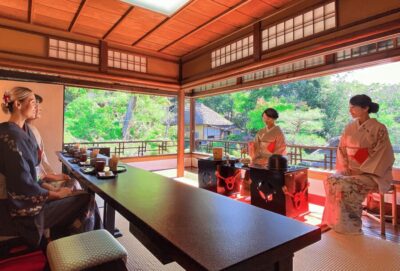
Tea Ceremony in a Traditional Tea House in Kiyomizu
Read our review →
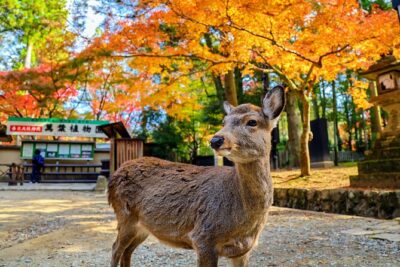
World Heritage Kyoto & Nara Uji Authentic Matcha Experience
Read our review →