
REVIEW · TEA CEREMONY EXPERIENCES
Kyoto: Tea Ceremony Meditation – Make Matcha with Tea Master
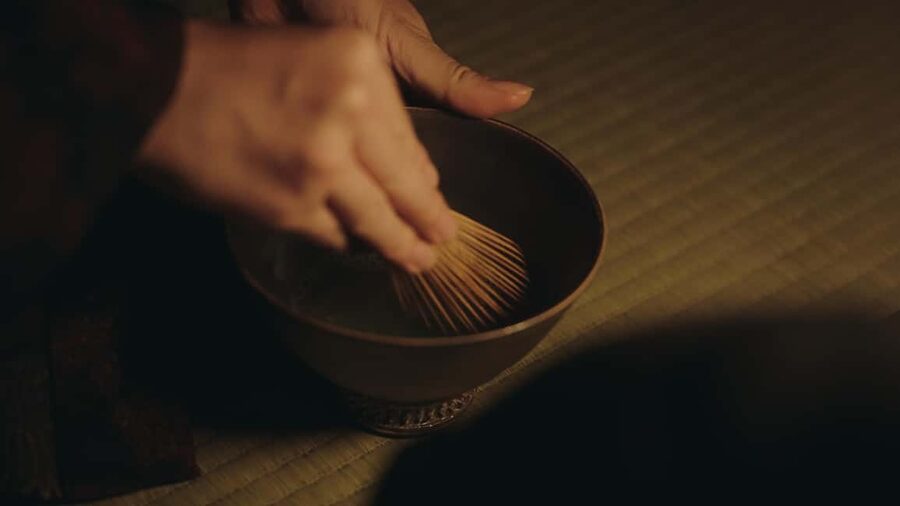
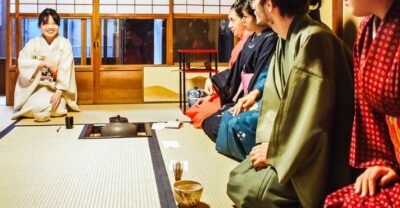
The best part of this Kyoto experience is its hands-on approach. In a 100-year-old townhouse, you do not only watch a tea master prepare matcha. You learn the gestures, whisk your own bowl, and drink the tea with a traditional sweet.
I like the small group size, limited to 10 people, and the warm English-language instruction. Hosts such as Miki, Aki, Yoko, Joko, and Kiyoka have helped make the session friendly and easy to follow. The main consideration is time: 45 minutes gives you a fine introduction, but not a full, formal tea-school lesson.
In This Review
- Key points at a glance
- Entering a 100-year-old Kyoto townhouse
- A gentle introduction to Omotesenke tea tradition
- Whisking your own bowl of matcha
- Why the small group matters
- A modern welcome with traditional roots
- Handmade utensils and thoughtful souvenirs
- Is $45 good value for 45 minutes?
- Practical details before you go
- Who will get the most from this tea ceremony?
- Should you book it?
- FAQ
- How long does the Kyoto tea ceremony experience last?
- What is included in the price?
- Is the experience taught in English?
- Can I wear a kimono during the activity?
- Is the venue wheelchair accessible?
- Can I cancel my booking?
Key points at a glance
- Make your own matcha: You learn how to handle the whisk and prepare your own bowl of tea.
- Traditional Omotesenke setting: The host introduces customs linked to one of Japan’s respected tea schools.
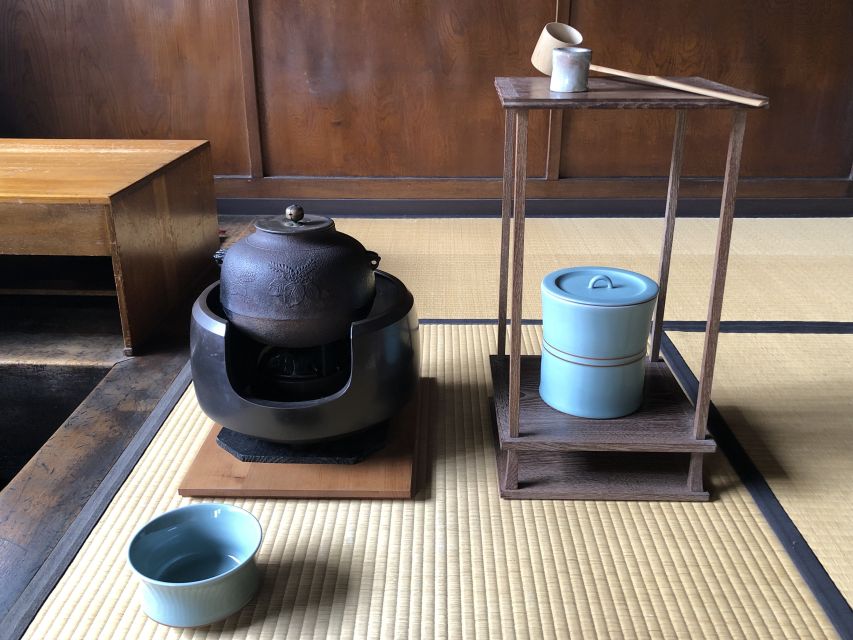
- A 100-year-old Kyoto townhouse: Tatami, quiet rooms, and handmade utensils give the session a sense of place.
- Small group, personal guidance: With no more than 10 participants, you have room to ask questions and practice.
- A sensible $45 price: The fee includes the ceremony, one cup of matcha, and a Japanese traditional sweet.
- Easy cultural stop: The 45-minute format fits neatly between sightseeing in central Kyoto.
Entering a 100-year-old Kyoto townhouse
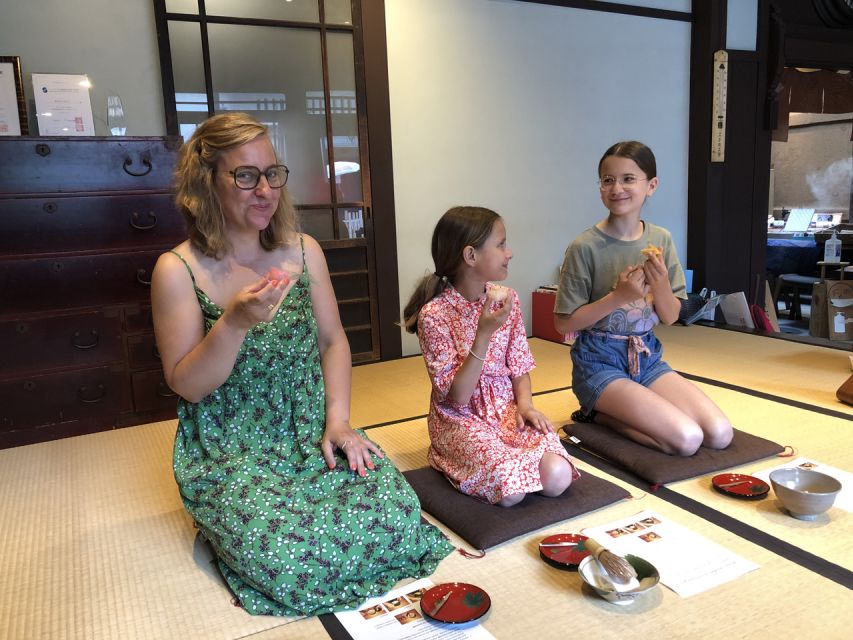
This experience begins in a traditional Kyoto townhouse, known as a machiya. The age of the building matters. The scent of tatami and the quiet interior immediately set a different pace from the busy streets outside.
You are not being asked to spend a whole afternoon in formal silence. The mood is calm, but the teaching is friendly and conversational. That balance makes this a good first meeting with Japanese tea ceremony customs.
The venue is connected with aeru, a culture-focused company whose tea program has received an American Express award. The space also includes selected Japanese crafts and tea items, giving you a chance to look at practical souvenirs after the session.
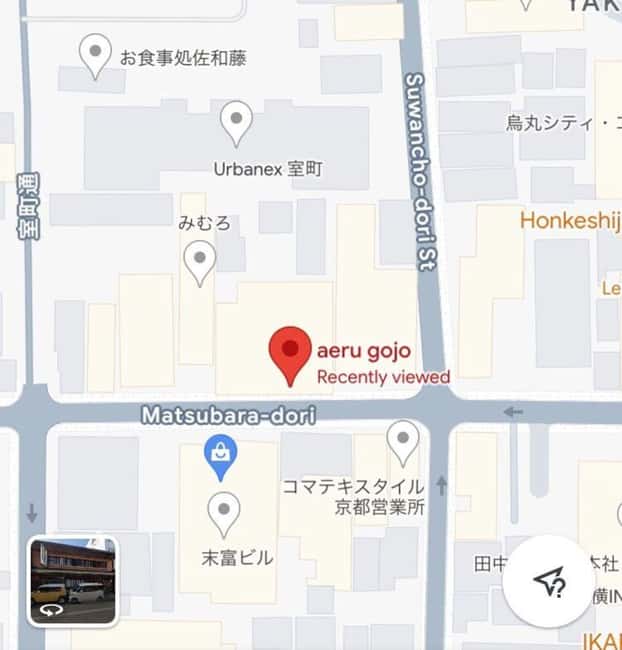
Finding the entrance is fairly simple if you follow the directions carefully. From Karasuma-dori Street, turn at the corner with the Family Mart convenience store, walk straight for one block, and look for the sign for aeru gojo. It is next to Only Corporation and across from Zen Kyoto.
There is no parking lot. If you arrive by rental bicycle, do not bring it into the venue. Use public bicycle parking, with the closest location identified by the operator. This is worth sorting out before you leave, since the activity does not allow bikes inside.
More Tea Ceremony Experiences in Kyoto
- Kyoto: Tea Ceremony in a Traditional Tea House in Kiyomizu
★ 4.9 · 3,519 reviews - Kyoto: Tea Ceremony Ju-An at Jotokuji Temple
★ 4.9 · 3,207 reviews - Kyoto: 45-Minute Tea Ceremony Lesson Experience
★ 4.3 · 2,378 reviews
A gentle introduction to Omotesenke tea tradition
Your English-speaking tea master first explains the basic idea behind the ceremony. The host introduces the tools, the order of the movements, and the meaning behind the quiet gestures.
The instruction follows the Omotesenke tradition, one of Japan’s respected schools of tea ceremony. You will not become a tea-school expert in 45 minutes, but you will begin to see that matcha preparation is more than mixing powdered tea with water.
Small actions matter. How the utensils are placed, how the tea bowl is handled, and how the drink is received all form part of the ritual. The host explains these points without making you feel you need to perform perfectly.
This informal teaching style is one of the activity’s strongest features. Hosts have been praised for clear English, patience, and an easy willingness to answer questions about tea, etiquette, and Japanese culture.
You might be curious about the difference between ordinary green tea and matcha, why the utensils look the way they do, or how the ceremony developed. This is the time to ask. The session is designed for conversation, not just silent observation.
The demonstration itself is slow and focused. You can watch the host prepare the tea before trying it yourself. For many people, this is the most peaceful part of the experience, as the careful movements give you a reason to stop checking the clock.
Whisking your own bowl of matcha
After the demonstration, you make your own tea. This is where the activity earns its place over a simple matcha tasting.
You handle authentic utensils made by skilled artisans and follow the host’s instructions step by step. The experience gives you a basic feel for the whisking motion, the pace, and the care needed to prepare a bowl that is pleasant to drink.
Do not worry about getting every movement right on your first attempt. The hosts are used to working with people who have never attended a tea ceremony. Several sessions have included children and families, and the teaching has been adjusted with patience when younger participants needed extra attention.
The hands-on part also helps you remember what you have learned. Watching a demonstration can be beautiful, but making the tea yourself turns an abstract cultural explanation into something physical and practical.
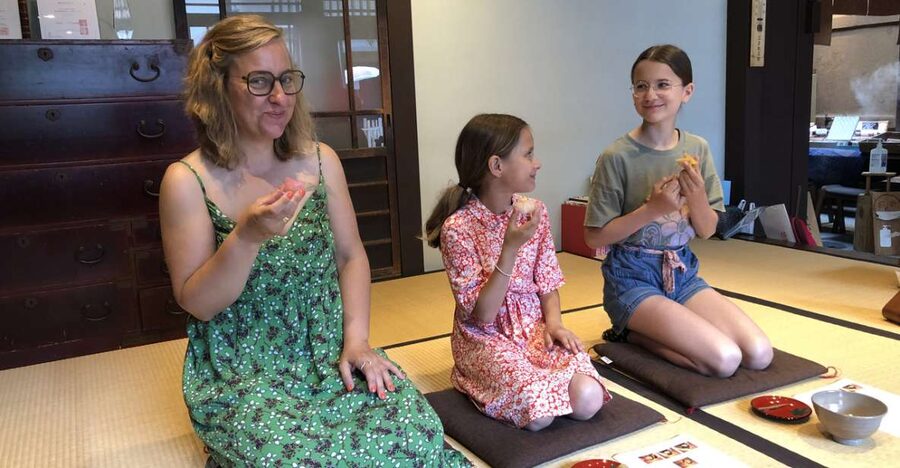
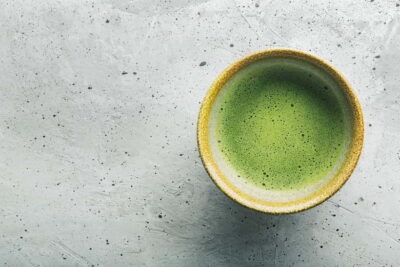
You receive one cup of matcha, prepared as part of the activity. You also enjoy a Japanese traditional sweet alongside it. The sweet provides a gentle contrast to matcha’s bitter, grassy taste and is part of the traditional rhythm of the experience.
There are no free refills included. If you are expecting a café-style tea tasting, this may feel limited. The purpose here is the preparation ritual, the etiquette, and the cultural setting rather than a large amount of food or drink.
Why the small group matters
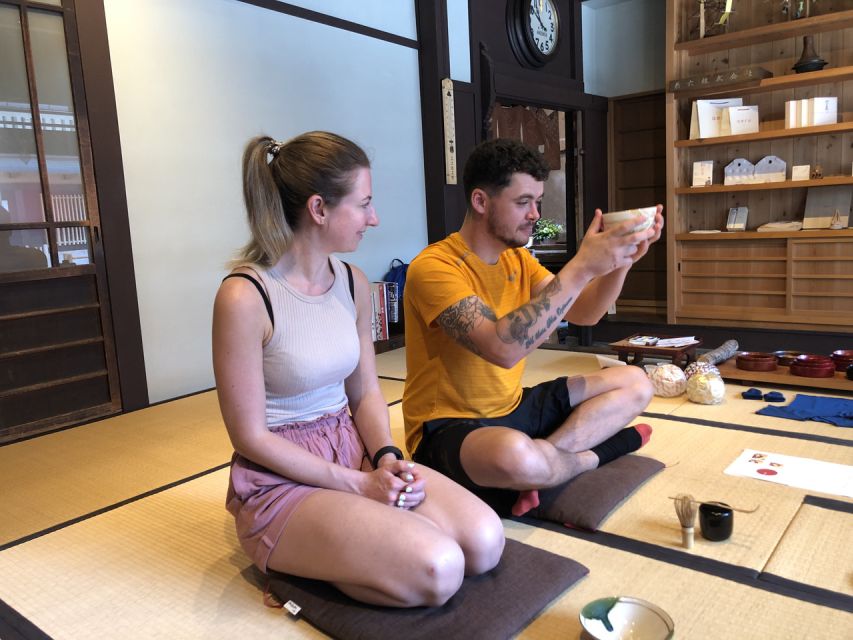
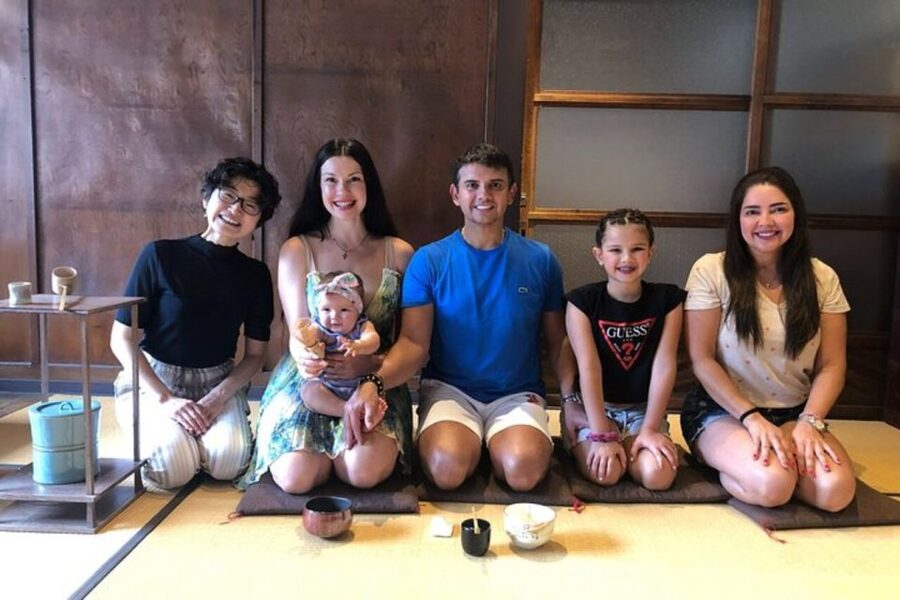
The maximum group size is 10, but some sessions may be much smaller. One couple found themselves alone in the ceremony, while other sessions have included a handful of international participants.
A small group changes the feel of the class. You can see the host’s movements clearly, ask questions without interrupting a large crowd, and receive individual help when it is your turn to whisk the tea.
It also makes the social side easier. You may meet people from several countries while taking part in the same quiet ritual. The setting remains personal without requiring you to book a private ceremony.
Solo visitors should feel comfortable here. The format gives you a natural activity to share with others, but it does not depend on arriving with a group of friends.
Families can also consider it, especially with older children who can listen and take part. Children aged 8 and 10 have found the mix of explanation and practical activity manageable. At the same time, one important point is worth keeping in mind: the atmosphere is peaceful, so very young or restless children may find the quiet format difficult.
Same city, a completely different kind of day:
- PERFECT KYOTO 1-Day Bus Tour
★ 5.0 · 13,518 reviews - Kyoto: Fushimi Inari, Kinkakuji, Bamboo Grove 1 Day Bus Tour
★ 4.8 · 4,316 reviews - Kyoto Geisha Walking Tour: Gion District & Hidden Gems
★ 4.7 · 3,273 reviews - Kyoto: Gion Magical Night Walking Tour with Geisha Trivia
★ 4.9 · 2,393 reviews
A modern welcome with traditional roots
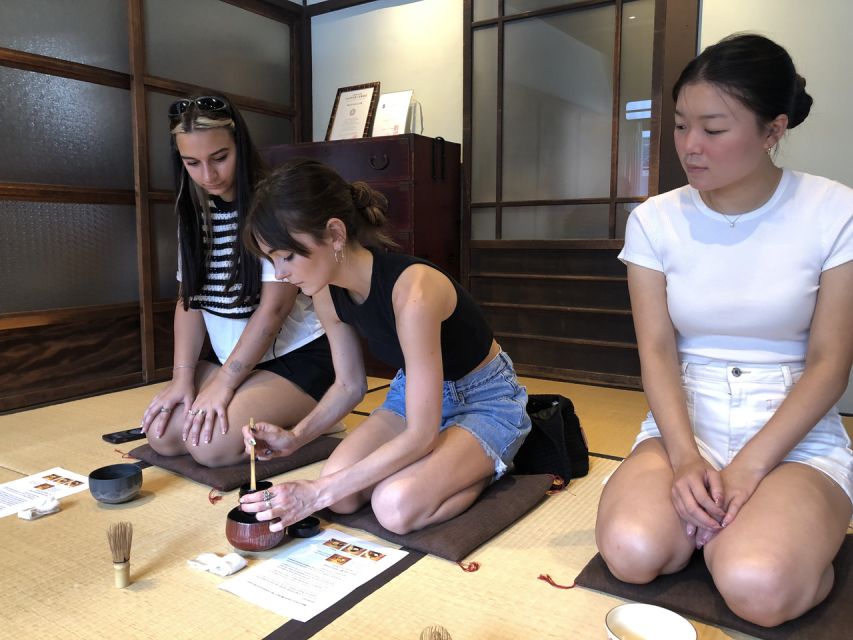
This is not a formal ceremony where you are expected to arrive in a kimono and already understand the rules. It is a visitor-friendly introduction that keeps the key elements of tea preparation while explaining them in plain English.
That makes it useful for first-time visitors to Japan. You get the cultural background without having to decode every movement on your own.
The experience also avoids turning tradition into a stage show. The host demonstrates the ceremony respectfully, then explains how the customs fit into Japanese culture. The friendly tone helps you ask simple questions without feeling awkward.
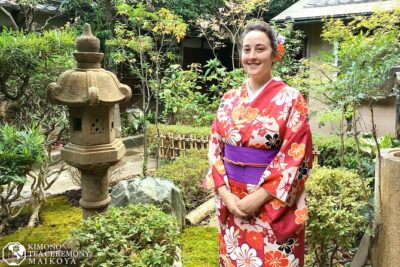
The tradeoff is that this is not a complete, highly formal tea ceremony. Kimono rental and hair setting are not included. If you want photographs in full traditional dress or a longer formal performance, you will need a different type of experience.
For most people comparing short activities in Kyoto, I see that as a sensible choice. You spend less time dressing and posing, and more time learning what the tea ceremony actually involves.
Handmade utensils and thoughtful souvenirs
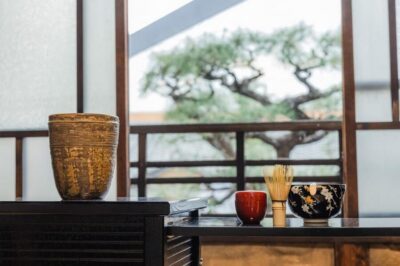
The tea bowls, whisks, and other tools are not just props. The experience uses authentic, handcrafted utensils made by artisans, and the host explains their role in the preparation.
This gives the ceremony a stronger connection to Japanese craft. You see how the tools support the ritual, rather than treating them as decorative objects placed around a room.
After the tea session, you can browse Japanese crafts and tea-related goods available for purchase. The selection gives you an option for a souvenir with more meaning than a generic Kyoto trinket.
Do not feel pressured to buy anything. The main activity is complete once you have prepared and enjoyed your matcha. But if you want to take home a whisk, bowl, or another craft item, the timing is convenient.
This final browsing period also helps you continue the conversation. You can ask about the objects, how they are made, and how to use them at home. The experience can end with a small reminder of the lesson rather than a rushed exit.
Is $45 good value for 45 minutes?
At $45 per person, this is not the cheapest way to drink matcha in Kyoto. A café can serve you a cup for far less.
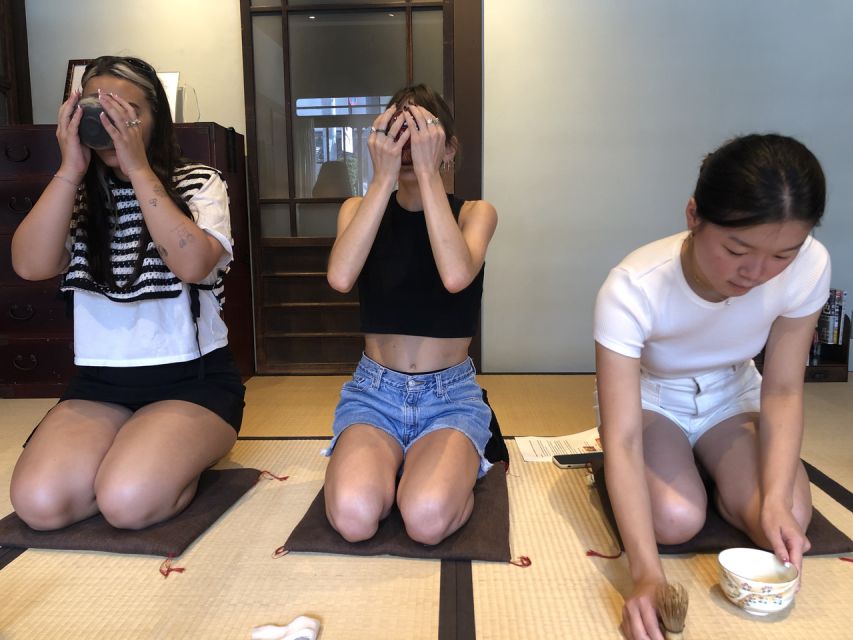
The comparison is not quite fair, though. Your fee includes a guided ceremony, English instruction, hands-on preparation, one cup of matcha, a Japanese sweet, and access to a traditional townhouse setting. You are paying for the teaching and the cultural context as much as the drink.
I consider the price fair for a focused introduction, especially if you have limited time. The 45-minute length is long enough to include a demonstration, explanation, questions, and your own turn at making tea, yet short enough to fit into a busy sightseeing day.
It also works well on the first or last day of a Kyoto visit. Early in your stay, it gives you cultural context for other Japanese customs. Near the end, it offers a quiet pause after several days of temples, shopping, and crowded streets.
If you want several bowls of tea, a full meal, or a long meditation session, the value will feel weaker. If you want one carefully taught cultural activity at a moderate price, it makes good sense.
Practical details before you go
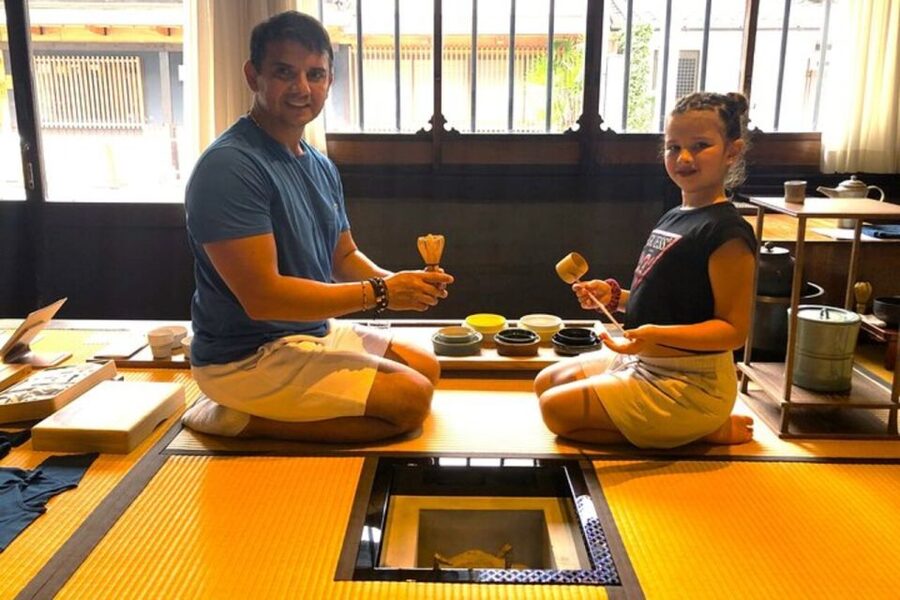
Book a starting time that leaves you unhurried. The operator asks you to arrive no earlier than 10 minutes before your scheduled session because the venue is small. Arriving far ahead will not give you extra time inside.
Do not wear perfume or cologne. Matcha has a delicate aroma, and avoiding strong scents helps everyone enjoy it properly.
Food and drinks are not allowed in the venue, and the space is not suitable for eating. The included Japanese sweet is part of the ceremony, not a replacement for lunch or a snack.
The activity is taught in English. That is a major benefit if you want to understand the reasons behind the movements rather than simply copy them.
The venue is wheelchair accessible. Hotel pickup and drop-off are not included, so you need to make your own way to the townhouse.
Free cancellation is available up to 24 hours before the scheduled time for a full refund. You can also reserve now and pay later, which is useful if your Kyoto plans are still shifting.
Who will get the most from this tea ceremony?
I would choose this for a first tea ceremony in Japan, especially if you want clear explanations and a chance to take part. The activity suits solo visitors, couples, families with children who can manage a quiet setting, and anyone curious about Japanese customs.
It is also a good match for visitors who prefer a small cultural activity over a large group performance. The hosts create room for questions, and the English instruction removes much of the guesswork.
You may want to look elsewhere if your main goal is wearing a kimono, taking formal photographs, or attending a long and highly strict ceremony. Those extras are not part of this booking.
Likewise, matcha lovers seeking a tasting flight or repeated servings should keep expectations in check. You receive one cup, and the lesson is the focus.
Should you book it?
Book this experience if you want an approachable, respectful introduction to matcha in a real traditional setting. The combination of a 100-year-old townhouse, Omotesenke instruction, handmade utensils, a small group, and your own bowl of tea gives the 45 minutes real substance.
I especially like it for visitors who want to understand the meaning behind the ceremony rather than simply watch someone whisk tea. At $45, it offers a fair cultural experience, provided you accept that kimono rental, extra drinks, and hotel transport are not included.
FAQ
How long does the Kyoto tea ceremony experience last?
The activity lasts 45 minutes. It includes the demonstration, cultural explanation, hands-on matcha preparation, questions, and time to enjoy your tea and traditional sweet.
What is included in the price?
The price includes the tea ceremony experience, one cup of matcha tea, and Japanese traditional sweets.
Is the experience taught in English?
Yes. The instructor language is English, and the tea masters explain the ceremony, tea preparation, etiquette, and cultural background in English.
Can I wear a kimono during the activity?
Kimono rental and hair setting are not included. You would need to arrange those separately if you want to attend in traditional dress.
Is the venue wheelchair accessible?
Yes, the activity is wheelchair accessible.
Can I cancel my booking?
You can cancel up to 24 hours in advance for a full refund. The experience also offers a reserve now and pay later option.
Just added around Kyoto
- Taste of Nishiki Market Walking Food Tour with Local guide★ 5.0 · 17 reviews
- Kyoto: Sushi Making Class with Sushi Chef★ 4.8 · 64 reviews
- Kyoto: City Secrets eBike Tour★ 4.9 · 196 reviews
- Sacred Pathways: Discover the Philosopher’s Path of Kyoto★ 4.9 · 20 reviews
- Private Tour to Monkey Park and Arashiyama Highlights★ 5.0 · 22 reviews
- Private Nara Tour from Osaka – Meet at Your Hotel★ 5.0 · 22 reviews
- Private Sake Tasting in Central Kyoto with Sake Sommelier★ 5.0 · 13 reviews
- Kyoto : Private Custom Walking Tour With A Local Guide★ 4.6 · 144 reviews
Tea Ceremony Experiences, compared.
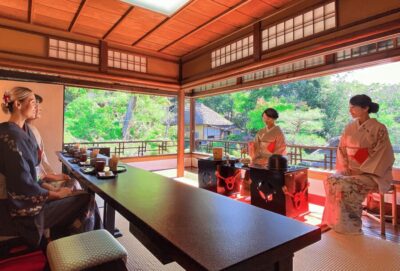
Tea Ceremony in a Traditional Tea House in Kiyomizu
Read our review →
World Heritage Kyoto & Nara Uji Authentic Matcha Experience
Read our review →
Browse the lists this tour appears in