
REVIEW · TEA CEREMONY EXPERIENCES
Kyoto: Tea Ceremony in 100-year-old Kyo-Machiya Townhouse
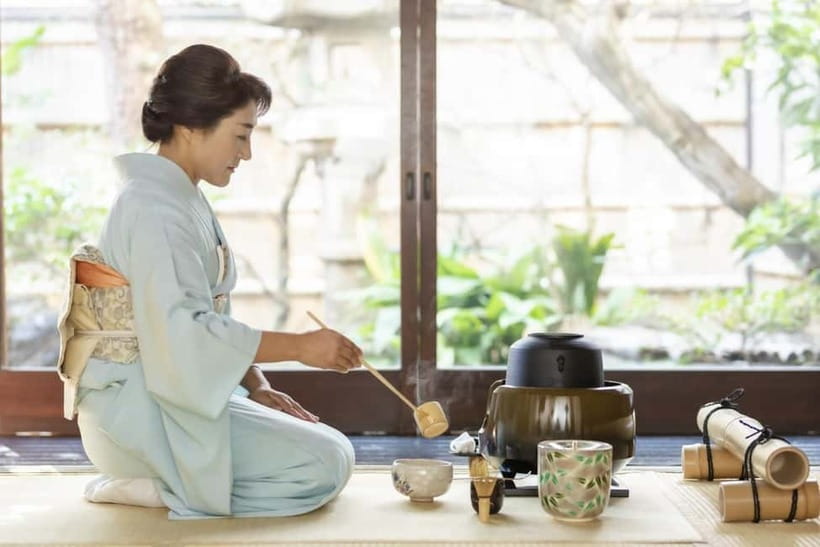
A tea ceremony in a 100-year-old machiya townhouse gives you more than a cup of matcha. You learn why each bow, turn of the bowl, and small gesture matters, then make tea yourself under the tea master’s eye. I especially like the clear explanations and the chance to sit on a small chair instead of the floor. The main catch is timing: the kimono option takes several hours and requires you to travel from the Gojo shop to the tea house on your own.
I also like the calm, well-run feel of the experience. Hosts and interpreters such as Maki, Ling, and Lim have been praised for making the ritual easy to follow without stripping away its formality. Group sessions can reach 20 people, so this is an accessible introduction rather than a private, silent tea gathering.
In This Review
- Key points at a glance
- Why this tea ceremony feels more substantial than a matcha tasting
- Inside the 100-year-old Kyoto machiya
- What happens during the 50-minute tea session
- What you learn from making the tea yourself
- Adding the kimono rental: a longer Kyoto day
- Is the machiya add-on worth 30 more minutes?
- Price and value at about $31
- Who should book, and who should think twice
- Practical ways to get more from the ceremony
- Should you book this Kyoto tea ceremony?
- FAQ
- How long does the Kyoto tea ceremony last?
- Where does the tea ceremony take place?
- Can I wear a kimono during the ceremony and afterward?
- Is transportation between the kimono shop and tea house included?
- Can I sit on a chair instead of the floor?
- What should I bring, and what is not allowed?
Key points at a glance
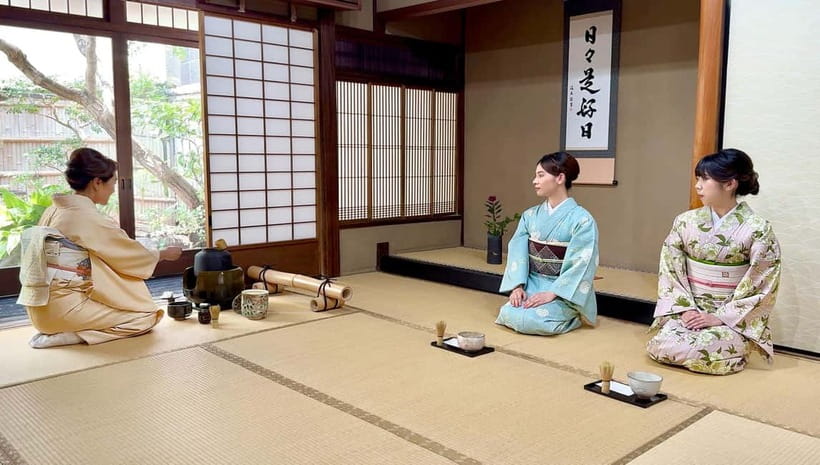
- Make your own matcha: Watch the tea master prepare the first bowl, then whisk your own tea with guidance.
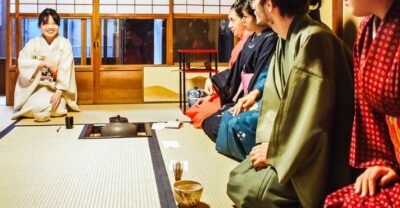
- Tea in a real machiya: Tatami, paper screens, wooden details, and a quiet room give the ceremony a fitting setting.
- History with practical etiquette: Learn how to bow, greet the host, eat the sweet, drink the tea, and appreciate the bowl.
- Optional kimono outing: Choose a casual kimono at the Gojo shop, then wear it around Kyoto until returning it by 5:30 PM.
- Comfortable seating: You may sit on the floor or use a small chair, useful if kneeling is difficult.
- Optional townhouse add-on: Spend another 30 minutes learning about machiya design and taking photographs.
Why this tea ceremony feels more substantial than a matcha tasting
Many visitors first approach a tea ceremony expecting a quick demonstration and a sweet green drink. This experience gives you a clearer sense of the ceremony as a social art, not simply a method for preparing tea.
The session begins with background on tea’s arrival in Japan from China roughly 1,200 years ago. The explanation then moves toward the Japanese Way of Tea as it developed into its familiar form. That context helps you understand why the ceremony prizes restraint, attention, and respect for the particular moment.
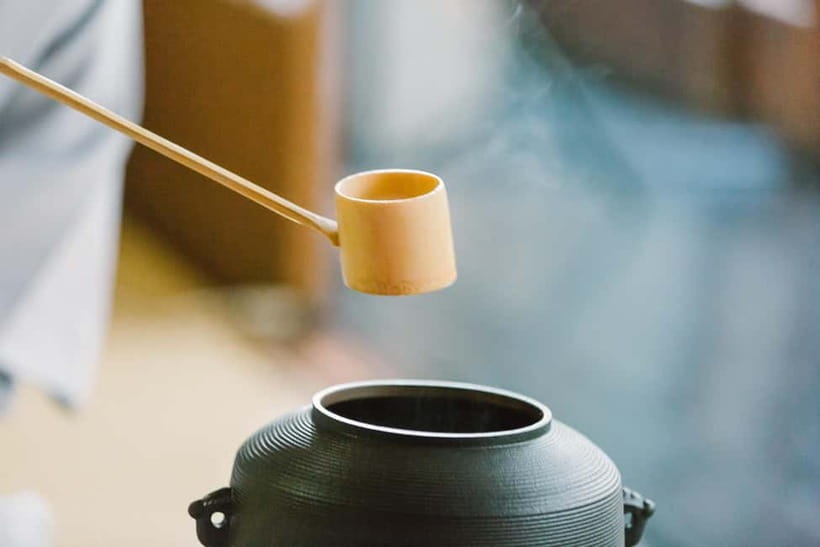
The tea master demonstrates the first service for a chosen participant. You watch the order of movements, the handling of the utensils, and the way the tea bowl is presented. Then the teaching becomes hands-on. You prepare your own matcha under supervision, which turns an impressive performance into something you can attempt yourself.
I find that structure particularly useful. You are not asked to copy a long ritual without explanation. You first learn the basic rules, watch them in practice, and then try them with help nearby. The ceremony remains formal, but the interpreter makes it friendly enough for first-timers to ask questions.
More Tea Ceremony Experiences in Kyoto
- Kyoto: Tea Ceremony in a Traditional Tea House in Kiyomizu
★ 4.9 · 3,519 reviews - Kyoto: Tea Ceremony Ju-An at Jotokuji Temple
★ 4.9 · 3,207 reviews - Kyoto: 45-Minute Tea Ceremony Lesson Experience
★ 4.3 · 2,378 reviews
Inside the 100-year-old Kyoto machiya
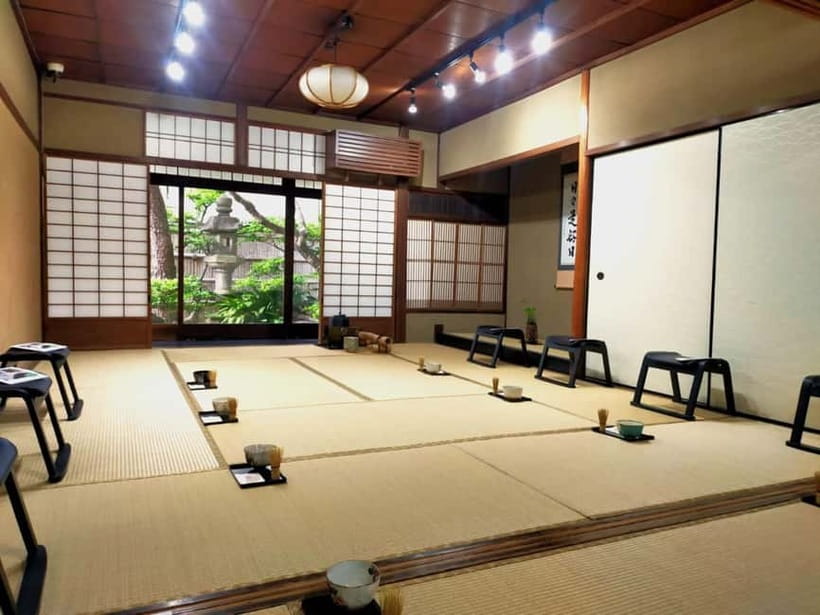
The setting does much of the teaching before anyone speaks. A machiya is a traditional Kyoto townhouse, and this one is about a century old. You sit among tatami flooring, wooden features, paper screens, and the restrained decoration associated with a traditional tea room.
The house is near Kyoto Imperial Palace, in an area tied for centuries to the imperial court and aristocratic culture. The site is also next to the former residence of Nijō Yoshimoto, a fourteenth-century court noble and an important figure in the development of renga, or linked-verse poetry.
That location adds useful context. Tea gatherings, poetry recitals, and artistic discussions were part of the refined culture associated with the Kyoto court. You do not need a background in Japanese history to appreciate the setting, but knowing where you are makes the quiet room feel less like a stage set and more like part of Kyoto’s living past.
The room size can change with the number of people booked. At full capacity, the group may include up to 20 participants, so the atmosphere will be more social and less intimate. Still, the format is designed for explanation, practice, and questions rather than for private study of tea ceremony.
What happens during the 50-minute tea session
For the tea-only option, arrive at Oike Bettei five to ten minutes before the time on your voucher. The tea ceremony itself lasts about 50 minutes, though exact timing depends on the selected session.
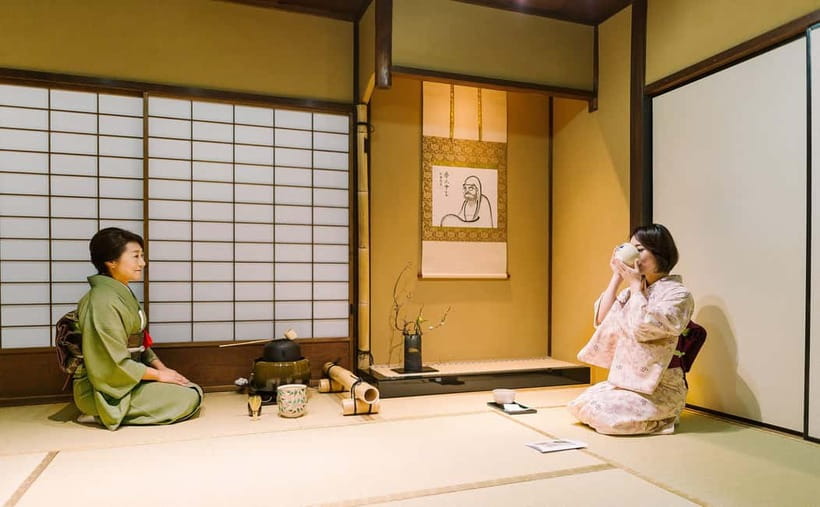
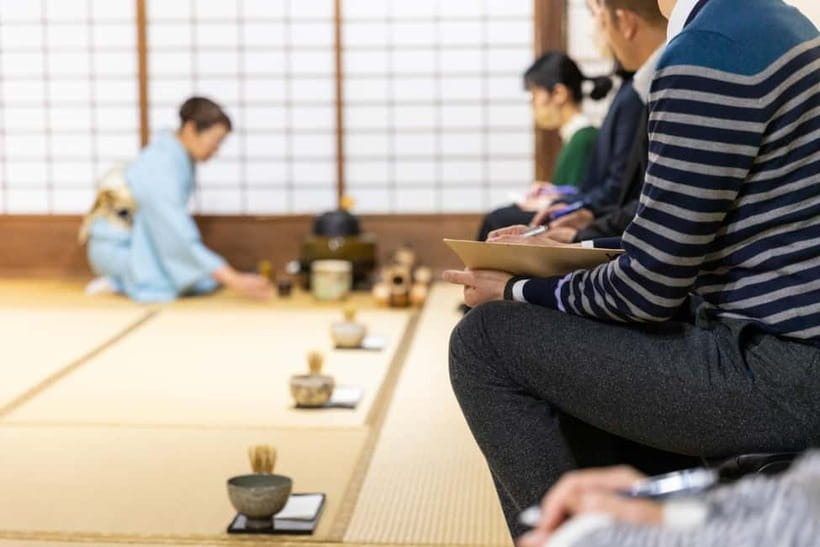
You begin seated on the floor or on a small chair. The chair is an important detail if you are not comfortable kneeling or sitting on your heels. The ceremony requires quiet, so settle in, put your phone away when asked, and be ready to listen.
The instructor explains the basic etiquette first. You learn how to bow, which greeting words to use, how to receive the sweet, and how to drink the matcha. You also learn how to observe the tea bowl, an object that receives real attention in the ceremony rather than serving as a disposable cup.
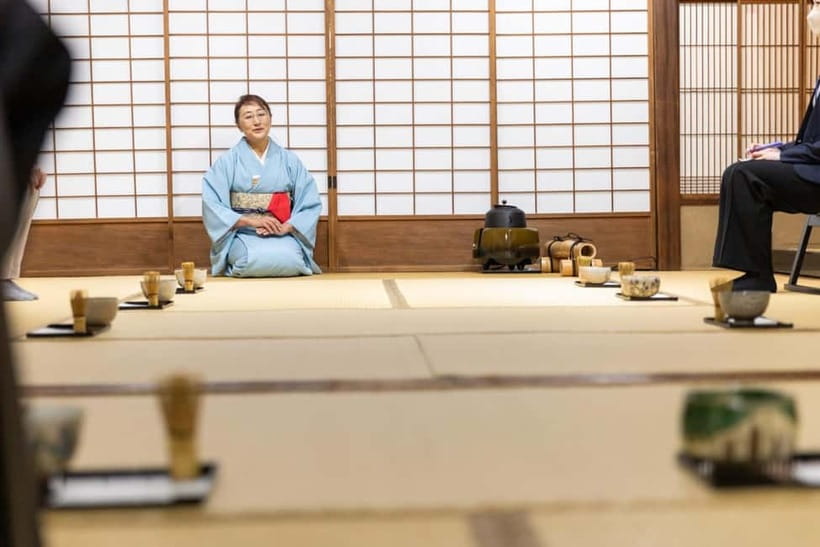
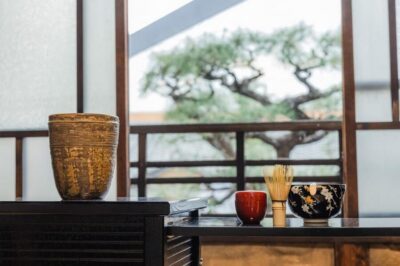
The tea master then brings in the utensils and prepares the first bowl. Watch the controlled movements closely. The point is not speed. Each action has a place, and the careful pace gives you time to notice the tools, the bowl, and the relationship between host and guest.
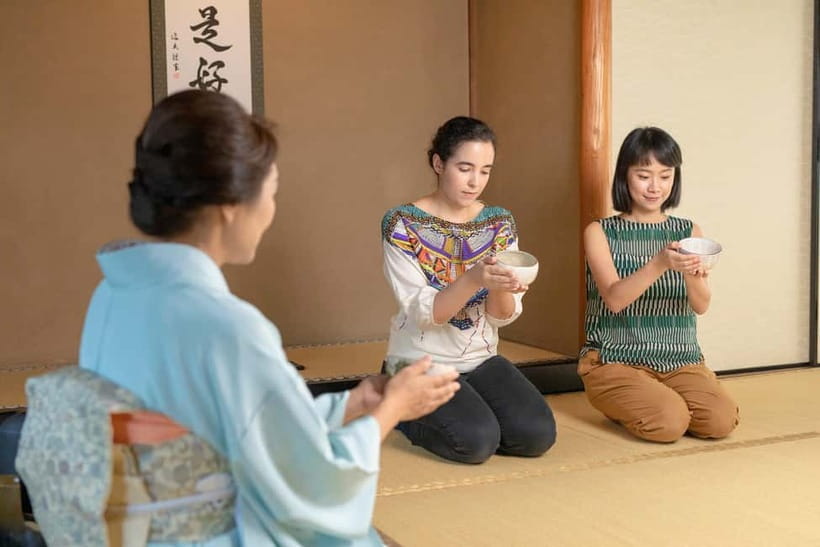
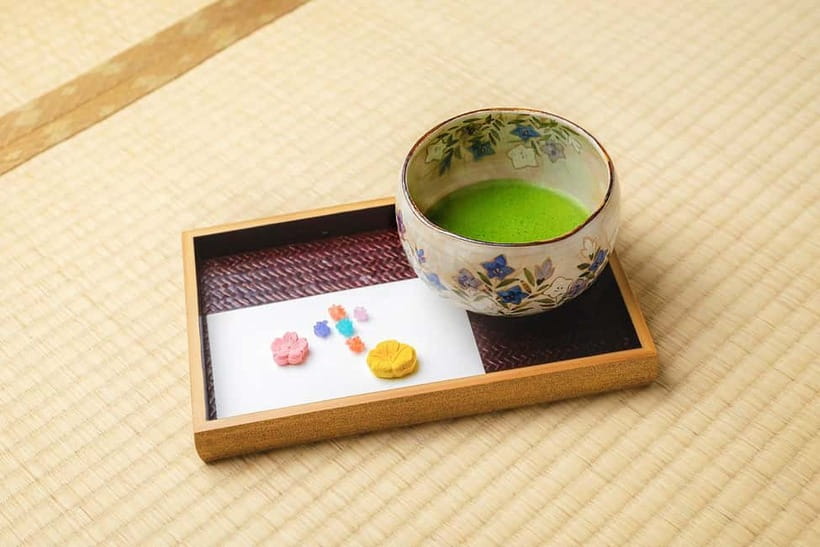
After that first service, you prepare your own tea. The tea master supervises and helps you through the process, so you do not need prior experience. The matcha is served with a traditional Japanese sweet, which balances the tea’s bitter edge and forms an essential part of the tasting sequence.
At the end, the tea master closes the ceremony. You can ask questions before leaving, and photographs are allowed within the stated rules, provided you avoid flash and keep the room quiet. One practical point: arriving late does not extend the session, even if you are allowed to join.
What you learn from making the tea yourself
The hands-on part is the experience’s strongest feature for many people. Watching an expert is interesting, but holding the whisk and preparing your own bowl makes the lesson stick.
You receive instructions on the basic process and can ask for help as you work. Do not worry about producing a perfect bowl on your first try. The value is in understanding the rhythm and care involved, from handling the utensils to serving and drinking the tea properly.
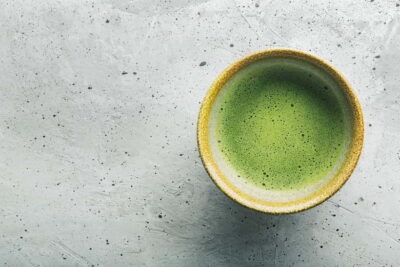
The preparation also changes your idea of matcha. This is not a sweet café drink or a takeaway powder mixed in a paper cup. You taste the tea with a traditional sweet, in a room designed for focused attention. Several sessions have included praise for the quality and flavor of the matcha, but the bigger reward is learning how the drink fits into a wider set of customs.
The English support is generally clear and helpful. The tea master may speak Japanese while an interpreter explains the details in English. One session received a note that the English was not perfect, but the ceremony remained easy to follow. If you want highly technical instruction in advanced tea-school practice, this is not that. For a first introduction, the balance of Japanese demonstration and English explanation works well.
Same city, a completely different kind of day:
- PERFECT KYOTO 1-Day Bus Tour
★ 5.0 · 13,518 reviews - Kyoto: Fushimi Inari, Kinkakuji, Bamboo Grove 1 Day Bus Tour
★ 4.8 · 4,316 reviews - Kyoto Geisha Walking Tour: Gion District & Hidden Gems
★ 4.7 · 3,273 reviews - Kyoto: Gion Magical Night Walking Tour with Geisha Trivia
★ 4.9 · 2,393 reviews
Adding the kimono rental: a longer Kyoto day
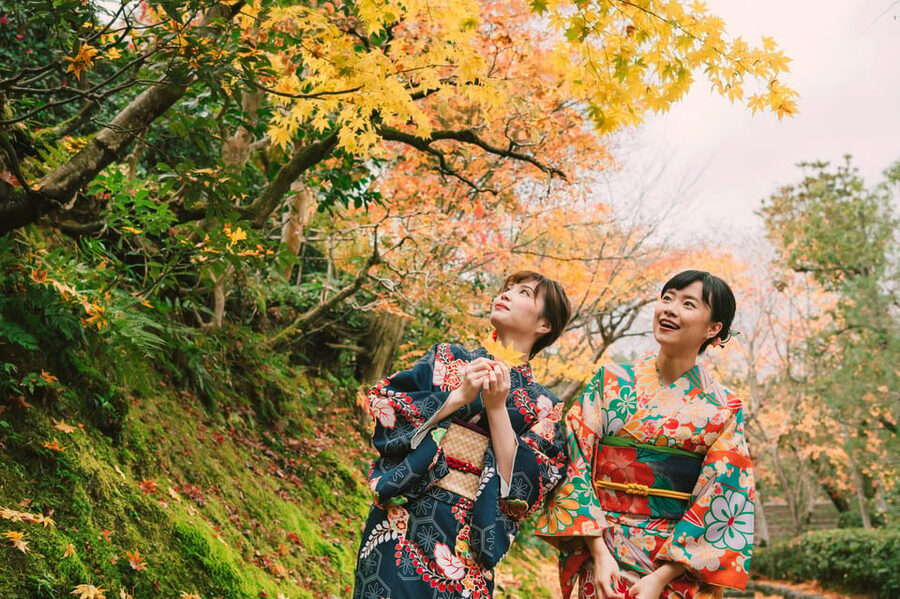
The kimono option changes the schedule. You first go to the Yumeyakata Gojo Shop at the starting time printed on your voucher. There, you choose a casual kimono from a selection of colors, patterns, and sizes.
The tea ceremony begins two hours after that starting time. For example, an 11:00 AM kimono appointment leads to a 1:00 PM ceremony. After dressing, you travel from the Gojo shop to Yumeyakata Oike Bettei by yourself. Transportation between the two locations is not included, so allow enough time and check the route before you leave the shop.
The dressing process is part of the fun, but it is not a quick costume change. A kimono has multiple layers and can feel restrictive, especially in warm weather. One useful piece of advice is to wear socks and comfortable underlayers. Sandals and flip-flops are not allowed, and socks are specifically required for the tea ceremony.
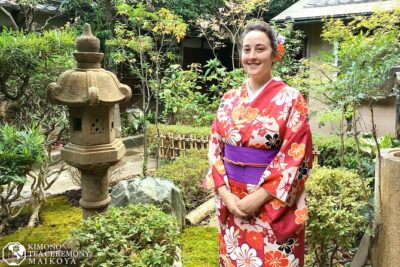
Once dressed, you attend the ceremony and may continue wearing the kimono while walking around Kyoto. You must return it to the Yumeyakata Gojo Shop by 5:30 PM on the same day. That return deadline matters, so do not plan a distant afternoon excursion after the ceremony.
The casual kimono is included only with the relevant plan. Optional upgrades include women’s hairstyling, makeup, a hair accessory, and a formal Houmongi kimono. The upgrade may suit you if dressing up is a main reason for booking, while the basic rental is enough if you mainly want the tea lesson and a few photographs.
Is the machiya add-on worth 30 more minutes?
The optional Kyo-Machiya moment takes place directly after the tea ceremony. It lasts 30 minutes, split into a 20-minute townhouse tour and 10 minutes for photographs.
The tour focuses on the home’s architecture, cultural role, and less obvious functions. That makes it a useful companion to the tea ceremony. Instead of seeing the machiya only as a pretty room, you get more help reading the building and understanding how traditional Kyoto homes were arranged.
The extra photo time is especially appealing with the kimono option. The garden setting and traditional props, including an umbrella and katana for photographs, have been part of the photo experience. Professional photographs and videos are not included, so you should use your own camera or phone.
I would add this option if you care about architecture or want more time in the house. If your schedule is tight and your main goal is to learn the tea ritual, the 50-minute ceremony gives you the essential experience.
Price and value at about $31
At roughly $31 per person for the tea experience, this is fairly priced for a guided cultural activity in central Kyoto. You receive the ceremony, matcha, a traditional sweet, a tea master, an interpreter, and an explanatory leaflet. The setting is a traditional townhouse rather than a modern event room, which adds real value.
The base price does not cover the kimono, hairstyling, makeup, formal kimono upgrade, transportation between locations, or professional photography. Compare the options carefully. The kimono package can become a much larger purchase, but it also turns a short lesson into a half-day activity with time to walk around Kyoto in traditional dress.
For me, the base session offers the best value if you are curious about Japanese culture and have limited time. The kimono plan makes more sense for a special occasion, a couple’s outing, or anyone who wants the clothing and photographs to be central to the day.
Who should book, and who should think twice
I would recommend this to first-time visitors who want a guided introduction to Japanese customs without committing to a full day of formal cultural study. It suits couples, small groups, solo visitors, and anyone who likes learning by doing.
The minimum age is 10. The quiet format is not a good match for very young children or anyone expecting a lively, drop-in activity. Babies under one are not suitable, and disruptive behavior can lead to removal from the session.
The experience is not suitable for wheelchair users, pregnant women, people taller than 200 centimeters, people weighing more than 95 kilograms, or people with visual impairments. Electric wheelchairs are also not permitted. If you need floor seating alternatives, small chairs are available, but check the other restrictions before booking.
Photography is possible, but flash photography, noise, food, and drinks inside are not allowed. Pets are not permitted. Bring socks, arrive on time, and treat the room as a working cultural space rather than a photo studio.
Practical ways to get more from the ceremony
Read the voucher carefully before leaving for the appointment. The meeting point varies by option, and the tea-only plan uses Oike Bettei while the kimono plan begins at the Gojo shop.
If you choose kimono rental, map the route between Gojo and Oike in advance. The ceremony begins two hours after your selected start time, and the kimono must be returned by 5:30 PM. Build your afternoon around that deadline instead of assuming you can keep the outfit until evening.
Wear socks that you would be happy to appear in photographs. You will remove your shoes, and sandals or flip-flops are not allowed. On hot days, remember that the layered clothing may be uncomfortable during a long walk.
During the ceremony, watch the first tea service before worrying about your own performance. Ask questions at the end, when the tea master and interpreter can explain details that are easy to miss. If you want a front-row role, volunteering to receive the first bowl may give you a closer view of the demonstration, though roles depend on the session.
Should you book this Kyoto tea ceremony?
Book it if you want a calm, well-explained first look at the Japanese Way of Tea, especially in a traditional setting. The chance to prepare your own matcha, taste it with a sweet, and learn the meaning behind the gestures gives the activity more substance than a simple tea tasting.
Choose the tea-only plan for the best use of a short Kyoto schedule. Add the kimono if clothing, portraits, and a longer cultural outing matter as much as the ceremony itself. Add the machiya tour if the building interests you.
Skip it if you need a private ceremony, cannot manage the stated physical restrictions, or prefer an informal activity where conversation and movement are encouraged. For most suitable visitors, though, this is a thoughtful way to spend an hour in Kyoto, with a longer version available for those who want the full kimono day.
FAQ
How long does the Kyoto tea ceremony last?
The tea-only session lasts about 50 minutes. Options that include kimono rental and other additions can take between 50 minutes and three hours, depending on the plan.
Where does the tea ceremony take place?
The ceremony takes place at Yumeyakata Oike Bettei, a traditional machiya townhouse near Kyoto Imperial Palace. The exact meeting point depends on the option you book.
Can I wear a kimono during the ceremony and afterward?
Yes, if you choose the kimono rental plan. You select the kimono at the Yumeyakata Gojo Shop, attend the ceremony two hours after the rental appointment, and may walk around Kyoto in it afterward. Return it to the Gojo Shop by 5:30 PM the same day.
Is transportation between the kimono shop and tea house included?
No. You travel from the Yumeyakata Gojo Shop to the traditional townhouse on your own, so plan the journey between the two locations.
Can I sit on a chair instead of the floor?
Yes. The tea room provides small chairs for people who prefer not to sit on the floor.
What should I bring, and what is not allowed?
Bring socks. Sandals and flip-flops, pets, food and drinks, smoking indoors, flash photography, electric wheelchairs, and noisy behavior are not allowed.
Just added around Kyoto
- Taste of Nishiki Market Walking Food Tour with Local guide★ 5.0 · 17 reviews
- Kyoto: Sushi Making Class with Sushi Chef★ 4.8 · 64 reviews
- Kyoto: City Secrets eBike Tour★ 4.9 · 196 reviews
- Sacred Pathways: Discover the Philosopher’s Path of Kyoto★ 4.9 · 20 reviews
- Private Tour to Monkey Park and Arashiyama Highlights★ 5.0 · 22 reviews
- Private Nara Tour from Osaka – Meet at Your Hotel★ 5.0 · 22 reviews
- Private Sake Tasting in Central Kyoto with Sake Sommelier★ 5.0 · 13 reviews
- Kyoto : Private Custom Walking Tour With A Local Guide★ 4.6 · 144 reviews
Tea Ceremony Experiences, compared.
Tea Ceremony in a Traditional Tea House in Kiyomizu
Read our review →
World Heritage Kyoto & Nara Uji Authentic Matcha Experience
Read our review →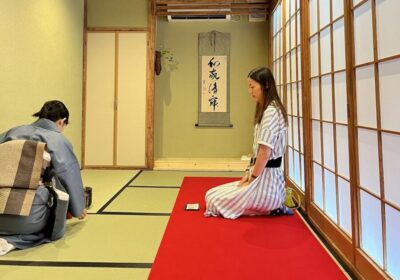
Browse the lists this tour appears in