
REVIEW · TEA CEREMONY EXPERIENCES
Kyoto: Tea Ceremony Experience
Kyoto’s tea ceremony is less about drinking a cup of tea than learning how small actions carry meaning. In this 45-minute session, you watch a host perform the ritual, taste a seasonal sweet, ask questions about Japanese culture, and make your own frothy bowl of matcha.
I like the clear English instruction and the useful hands-on finish. I also like the setting: a traditional machiya in Higashiyama, close to Kiyomizu-dera and Gion. The main drawback is comfort. Much of the session takes place on the floor, and some people find sitting that way for 40 minutes hard on the knees or backside.
In This Review
- Key points to know before booking
- A calm introduction to Kyoto’s tea culture
- Finding the machiya near Ninenzaka
- What happens during the 45-minute session
- Why the instruction matters
- Floor seating, kimonos, and practical comfort
- How much value do you get for $32?
- The best way to fit it into your Kyoto day
- Who will enjoy this experience most?
- Should you book the Camellia Tea Ceremony?
- FAQ
- How long does the Kyoto tea ceremony experience last?
- What is included in the price?
- Is the experience conducted in English?
- Can I make my own matcha?
- Where does the tea ceremony take place?
- Can I take photographs or record video?
- Are chairs available if I cannot sit on the floor?
Key points to know before booking
- You watch before you whisk: The host first demonstrates the ceremony, then guides you through making your own matcha.
- The location is excellent: The teahouse sits down an alley near Ninenzaka, within easy reach of several major Kyoto sights.
- The teaching is in English: Hosts explain the utensils, room arrangement, movements, and cultural meaning in a relaxed format.
- Seasonal sweets balance the tea: The traditional sweet comes before or alongside the matcha and softens its bitter edge.
- The format is short but focused: Forty-five minutes gives you a useful introduction, not full training as a tea master.
- You can sit on a chair: Tables and chairs are available for people who cannot comfortably sit on the floor.
A calm introduction to Kyoto’s tea culture
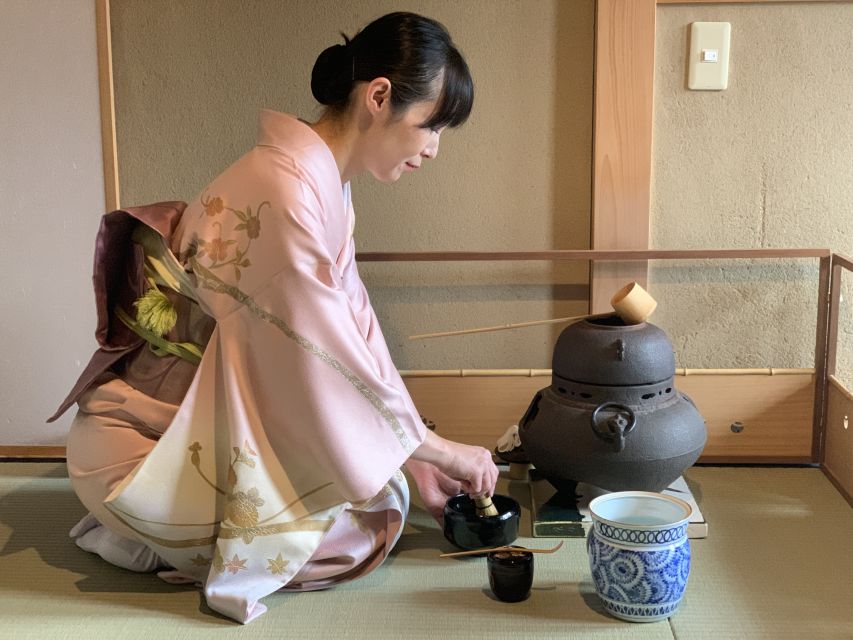
I see this experience as a good first meeting with matcha. You do not simply receive a bowl and pose for a photograph. The host explains why the tea ceremony is arranged as it is, then shows you how the parts fit together.
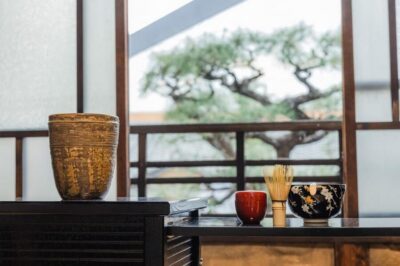
The session covers the utensils, the sequence of movements, the room’s decoration, and the way the layout affects the ceremony. These details matter because the ritual is built around care and attention. The bowl, whisk, scoop, sweets, and even the room are part of the experience rather than background props.
That explanation keeps the ceremony from feeling like a performance with no context. You learn enough to notice the quiet precision in the host’s movements, and you gain a basic idea of the values behind the ritual: harmony, respect, cleanliness, and presence.
The ceremony itself takes roughly 10 minutes, according to one detailed account of the timing. It is a peaceful pause from Kyoto’s crowded sightseeing streets. You sit, watch, listen, and let the pace slow down.
This is not a full tea-master course. You will not learn every movement needed to conduct the entire ceremony by yourself. Instead, you receive a practical introduction, watch a formal demonstration, and prepare one bowl of matcha with guidance.
More Tea Ceremony Experiences in Kyoto
- Kyoto: Tea Ceremony in a Traditional Tea House in Kiyomizu
★ 4.9 · 3,519 reviews - Kyoto: Tea Ceremony Ju-An at Jotokuji Temple
★ 4.9 · 3,207 reviews - Kyoto: 45-Minute Tea Ceremony Lesson Experience
★ 4.3 · 2,378 reviews
Finding the machiya near Ninenzaka
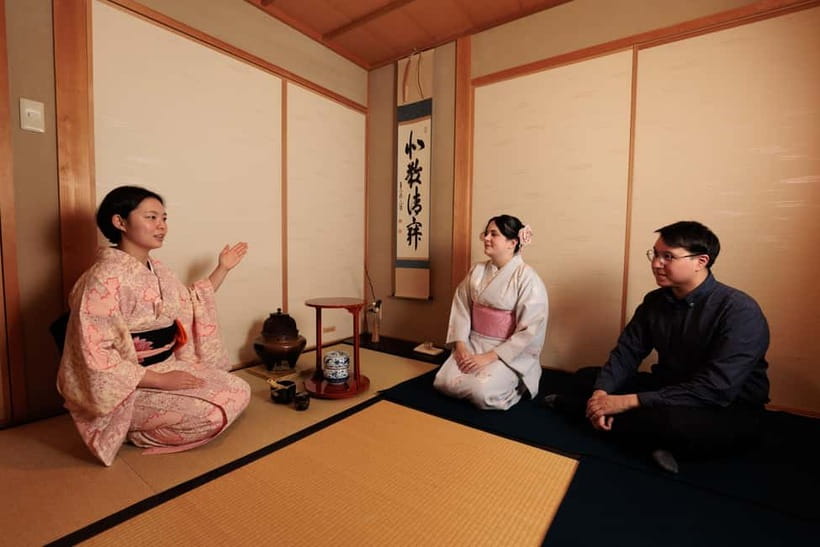
The meeting point is in Kyoto’s Higashiyama district, down an alley branching from the main road of Ninenzaka. This is a lively sightseeing area, so the location is convenient, but the narrow side street can be easy to miss.
The simplest landmark is the Park Hyatt hotel. Across from the hotel is a Studio Ghibli store. Look for the alley just to the left of that store. Clear arrival instructions are important here, and the directions provided for this experience explain the final approach rather than leaving you to search among the side streets.
Once you locate the alley, look for a sign and a person at the door who can direct you upstairs. The tearooms are upstairs, so allow a few extra minutes to get oriented. Restrooms are available.
The position makes this easy to combine with a half-day in eastern Kyoto. Kiyomizu-dera, Kodai-ji, Yasaka-jinja, Maruyama Park, Chion-in, and Gion are all within walking distance. You can visit a temple, wander the old streets around Ninenzaka, and then step into the quiet of the tearoom.
The city center is also reachable by bus from Higashi Oji, about 10 minutes away on foot. If you prefer walking, the route through Gion takes about 25 minutes. I would plan this activity around your Higashiyama sightseeing rather than crossing Kyoto just for a 45-minute appointment.
What happens during the 45-minute session
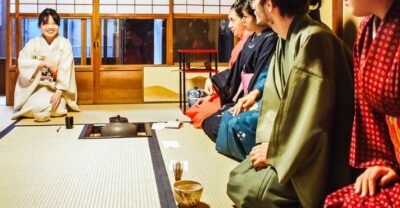
The experience begins with an introduction to matcha and the tea ceremony. Your English-speaking host explains the main utensils and describes the order of the ritual. You also hear why the room is arranged as it is and how decoration contributes to the mood.
This opening is especially useful if Japanese tea culture is new to you. The ceremony can look simple from across the room, but each movement has a purpose. The explanations help you see the difference between casually preparing powdered tea and taking part in a formal tea tradition.
You can ask questions during the introduction. Topics may include the three major schools of tea ceremony, matcha production in Kyoto, tea etiquette, and wider aspects of Japanese culture. The format is friendly rather than stiff, so you do not need prior knowledge or special preparation.
Next, the host performs the ceremony. You watch the precise handling of the utensils and the measured order of the actions. This is the most restful part of the session. The room is quiet, the movements are deliberate, and the pace gives you a short break from the noise and foot traffic outside.
You receive a traditional seasonal sweet with the tea. The sweetness is not an accidental extra. It helps prepare your palate for matcha, which has a strong, grassy bitterness. If you usually drink sweetened tea, expect the flavor to be different. The contrast between the sweet and the matcha is part of the lesson.
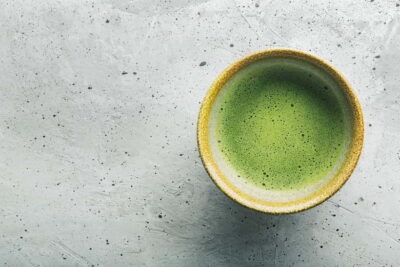
The final stage is your turn. With the host’s help, you add the matcha and water, then use the bamboo whisk to create a layer of foam. You may not reproduce the host’s polished technique on the first attempt, but that is not the point. The hands-on step makes the ceremony easier to remember and gives you a direct feel for the tools.
Some people find the matcha delicious, while others notice its bitter edge first. I would treat the tasting as cultural education rather than a search for a familiar cup of green tea. You are learning how matcha is made and served in Kyoto, not ordering a café drink.
Why the instruction matters
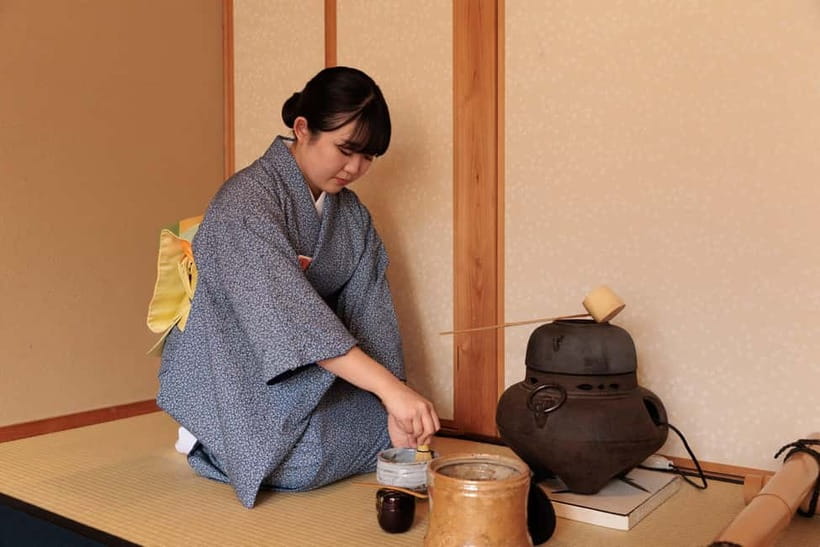
The strongest part of this activity is the host’s ability to explain without making the session feel like a lecture. The instruction is in English, and the hosts are described as fluent, patient, and willing to answer questions.
Ikuko received particular praise for explaining the ceremony clearly and helping a first-time matcha drinker whisk a good foam. Other sessions were led by hosts described as warm, engaging, and precise. The exact person leading your session can vary, but the format centers on personal instruction rather than an audio guide or a large scripted presentation.
That personal contact makes a difference. You can ask why a utensil is used, what a movement means, or how matcha fits into Japanese culture. If you are curious about the three tea schools, this is a good place to raise the subject.
The tone is also approachable. You are not expected to know the correct way to kneel, hold a bowl, or respond to every gesture. The hosts explain what matters and help you take part without turning small mistakes into a problem.
For solo visitors, the setting can be particularly helpful. One visitor who wore a kimono received assistance with photographs, including help from a staff member named Nel. That kind of practical kindness can make the experience easier if you arrive alone and want a few pictures afterward.
Same city, a completely different kind of day:
- PERFECT KYOTO 1-Day Bus Tour
★ 5.0 · 13,518 reviews - Kyoto: Fushimi Inari, Kinkakuji, Bamboo Grove 1 Day Bus Tour
★ 4.8 · 4,316 reviews - Kyoto Geisha Walking Tour: Gion District & Hidden Gems
★ 4.7 · 3,273 reviews - Kyoto: Gion Magical Night Walking Tour with Geisha Trivia
★ 4.9 · 2,393 reviews
Floor seating, kimonos, and practical comfort
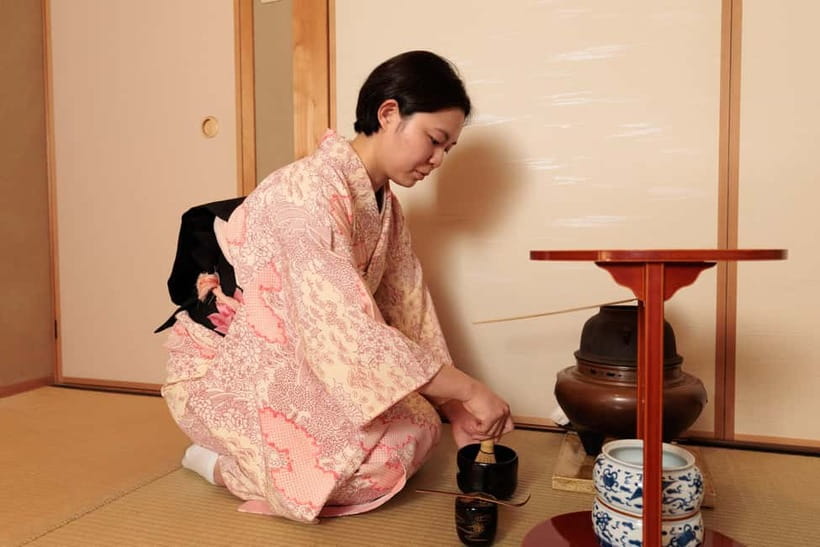
Traditional tea rooms often use floor seating, and this one generally does too. One detailed account warns that sitting on the floor for close to 40 minutes can become uncomfortable, especially for your knees.
You do not have to force yourself into a formal kneeling position. The hosts encourage you to get comfortable, and chairs and tables are available for people who have difficulty sitting on the floor. Tell the staff what you need rather than quietly enduring pain.
The tearooms are upstairs. The Garden Teahouse is wheelchair accessible for people with mobility impairments, so check that the booking is made for the suitable space if accessibility is important.
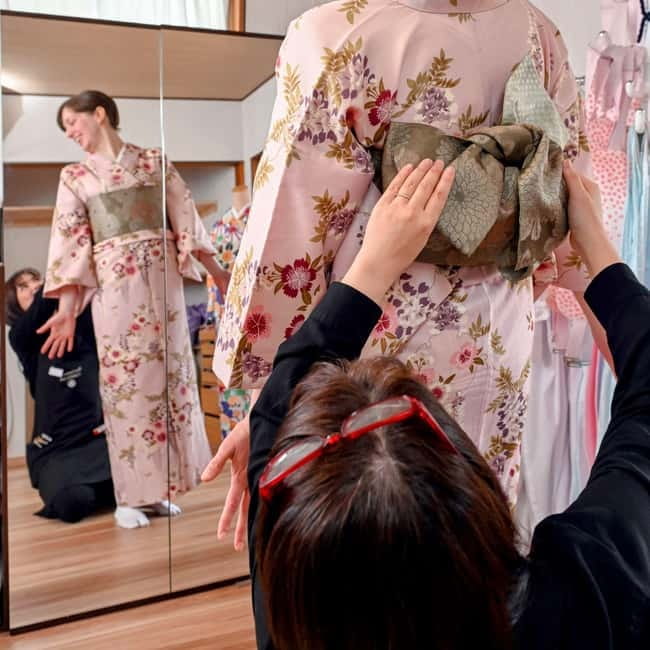
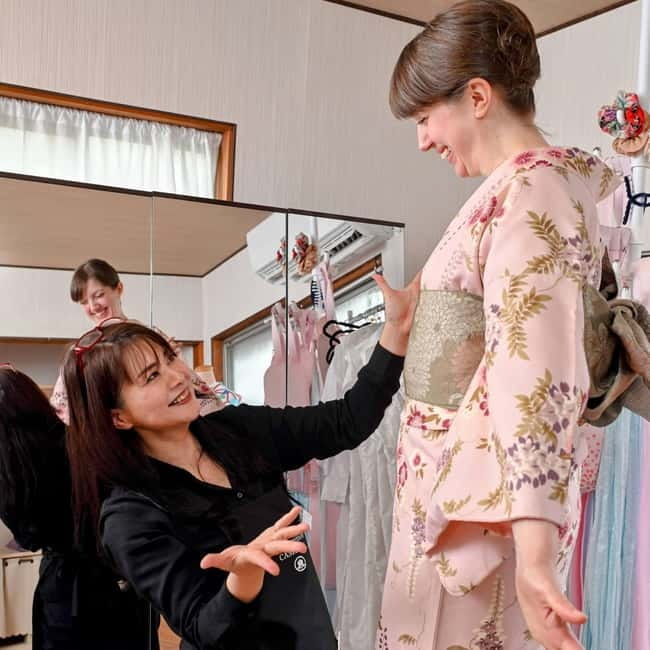
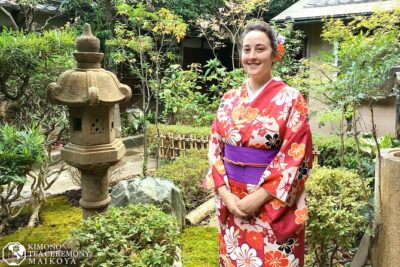
Kimono rental is not included. You can arrange one separately nearby, and several people found that wearing a kimono made the cultural setting feel more special and added fun to the occasion. If you want to do this, allow time before the tea appointment. The rental shop is close, but arriving already dressed is less stressful than trying to fit it in at the last minute.
For families, note the specific rule about young children. If you are bringing a baby or child under 3, book a private tea ceremony at the Garden Teahouse. An interpreter also requires a private booking so the translation does not interrupt a shared session.
Video recording is not allowed. Non-flash still photography is permitted during the workshop, so you can take a few respectful photographs, but you should not expect to film the full ceremony.
How much value do you get for $32?
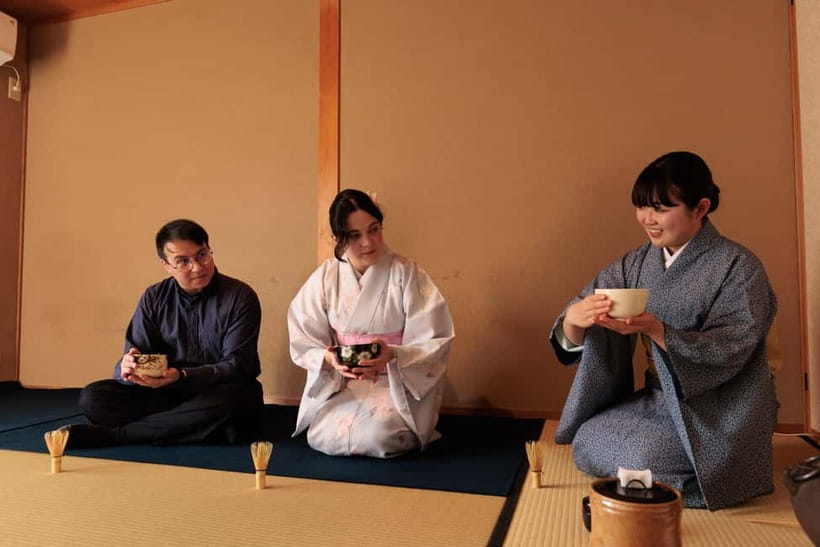
At $32 per person, this is a reasonably priced cultural activity in one of Kyoto’s most expensive sightseeing districts. The fee includes matcha, a seasonal sweet, the tea-making utensils, and an English-speaking personal host.
The value comes from the combination of explanation, demonstration, and participation. A quick cup of matcha would cost far less, but it would not explain the room, the utensils, the ceremony’s structure, or the cultural ideas behind the ritual. A formal private ceremony could cost more, especially if it includes a kimono or a longer lesson.
The 45-minute length is also part of the value. You get enough time to understand the basics without giving up half a day of sightseeing. I would recommend it to people who want a meaningful cultural stop but also have temple visits, shopping, and meals planned.
The limit is depth. If your main goal is to study tea ceremony technique in detail, this session will feel introductory. You watch one demonstration and make your own matcha, but you do not become able to perform the complete formal ceremony.
Private and small-group formats are available. A private session costs more in many activity settings, though no additional price is specified here, so check the current rate before booking. The private option makes the most sense for families with very young children, people using an interpreter, or anyone who wants more time for direct questions.
The best way to fit it into your Kyoto day
Schedule this near Kiyomizu-dera or Gion. The teahouse is close enough to major eastern Kyoto sights that you can make it part of a full day without adding a long transfer.
A practical plan is to visit Kiyomizu-dera first, walk through the Ninenzaka area, attend the tea ceremony, and then continue toward Kodai-ji, Yasaka-jinja, Maruyama Park, Chion-in, or Gion. The exact order depends on your appointment time and energy, but the geography works well.
Arrive with a little time to spare. The alley is close to a clear landmark, but it is still an alley, not a large storefront on the main road. If you have a train connection or a tightly timed meal, leave room for finding the entrance.
The session works in all seasons, and the seasonal sweet adds a small connection to the time of year. Kyoto’s matcha is the central subject, so this activity feels especially appropriate in the city where the tea is grown and prepared as part of local culture.
Who will enjoy this experience most?
I would choose this for first-time visitors to Japan, tea drinkers, couples, families with older children, and anyone who wants a quiet cultural activity between temple visits. It is also a good choice if you want to understand what you are seeing when you encounter tea ceremony references elsewhere in Japan.
It suits people who enjoy learning through a short demonstration and then trying the skill themselves. The whisking is simple enough for beginners, and the host helps you create a respectable bowl even if your foam is not perfect.
It is less suitable for someone looking only for a theatrical show or a long, silent formal ceremony. The session includes teaching, questions, and hands-on preparation. That makes it friendly and useful, but not a complete traditional ceremony course.
People who dislike bitter drinks should still consider it, but come with realistic expectations. The seasonal sweet helps, yet matcha has a strong flavor. You may enjoy the ritual more than the taste, and that is perfectly fine.
Should you book the Camellia Tea Ceremony?
I would book it if you want a compact, well-explained introduction to Kyoto’s tea culture in a beautiful historic district. The hosts make the ceremony understandable, the demonstration adds a peaceful pause to your day, and preparing your own matcha gives you more than a passive show.
Book with the floor seating and upstairs location in mind. Arrange a private session if you need an interpreter or are traveling with a child under 3. If a kimono appeals to you, schedule the rental before the ceremony.
At $32, the experience offers solid value for the time and setting. It will not train you as a tea master, but it can give you a lasting understanding of why the ceremony feels so careful, quiet, and meaningful.
FAQ
How long does the Kyoto tea ceremony experience last?
The activity lasts 45 minutes. The tea ceremony demonstration itself takes about 10 minutes, followed by the chance to prepare your own matcha with help.
What is included in the price?
The price includes matcha, traditional seasonal sweets, tea-making utensils, and an English-speaking personal host or instructor.
Is the experience conducted in English?
Yes. The instructor language is English.
Can I make my own matcha?
Yes. After watching the host’s demonstration, you whisk your own bowl of matcha with guidance.
Where does the tea ceremony take place?
It takes place in a traditional machiya in Kyoto’s Higashiyama district, down an alley just left of the Studio Ghibli store opposite the Park Hyatt hotel near Ninenzaka.
Can I take photographs or record video?
Non-flash still photography is permitted during the workshop. Video recording is not allowed.
Are chairs available if I cannot sit on the floor?
Yes. Chairs and tables are available for people who find floor seating difficult. The tearooms are upstairs, and the Garden Teahouse is wheelchair accessible.
Just added around Kyoto
- Taste of Nishiki Market Walking Food Tour with Local guide★ 5.0 · 17 reviews
- Kyoto: Sushi Making Class with Sushi Chef★ 4.8 · 64 reviews
- Kyoto: City Secrets eBike Tour★ 4.9 · 196 reviews
- Sacred Pathways: Discover the Philosopher’s Path of Kyoto★ 4.9 · 20 reviews
- Private Tour to Monkey Park and Arashiyama Highlights★ 5.0 · 22 reviews
- Private Nara Tour from Osaka – Meet at Your Hotel★ 5.0 · 22 reviews
- Private Sake Tasting in Central Kyoto with Sake Sommelier★ 5.0 · 13 reviews
- Kyoto : Private Custom Walking Tour With A Local Guide★ 4.6 · 144 reviews
Tea Ceremony Experiences, compared.
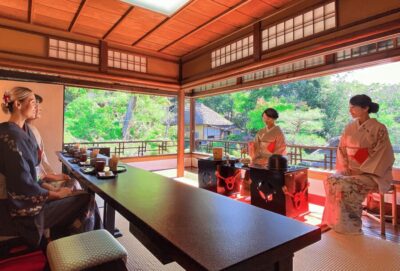
Tea Ceremony in a Traditional Tea House in Kiyomizu
Read our review →
World Heritage Kyoto & Nara Uji Authentic Matcha Experience
Read our review →
Browse the lists this tour appears in