
REVIEW · TEA CEREMONY EXPERIENCES
Kyoto: Quiet and Graceful Tea Ceremony
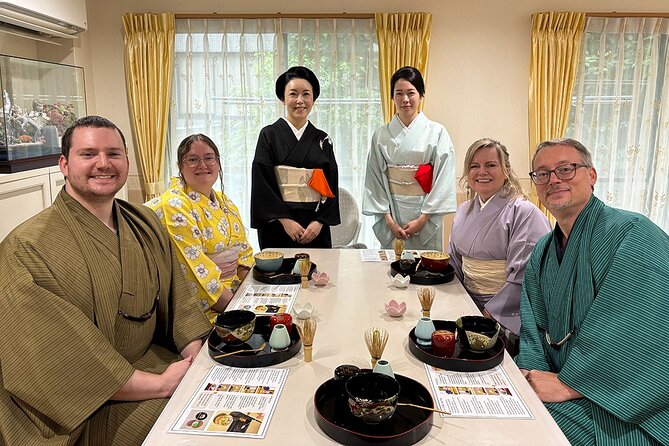
Kyoto’s tea ceremony is less about drinking a cup of matcha than noticing everything around it: the quiet room, the careful gestures, the sweets chosen for the season, and the way the bowl is offered. This 45-minute ceremony gives you a calm introduction in a private tea room, with a tea master explaining the ritual rather than leaving you to guess what each movement means.
I like the small group size, capped at eight, and the chance to prepare your own matcha after watching the demonstration. I also like the warm, personal teaching style reported from hosts such as Mai, including clear English explanations and plenty of time for questions. The main drawback is that this is a simple, home-style setting, not a grand tea house, and kimono rental is not included. The room may also feel chilly in cooler months.
In This Review
- Key points to know before booking
- What the Kyoto tea ceremony actually feels like
- The meeting point in central Kyoto
- Entering the private tatami room
- Watching the tea master prepare matcha
- Making your own bowl of matcha
- The question-and-answer time
- What the private setting adds, and what it does not
- Is $56.49 a fair price?
- Who will enjoy this most?
- Booking, cancellation, and practical expectations
- Should you book the Omotenashi tea ceremony?
- FAQ
- How long does the tea ceremony last?
- Where does the experience begin and end?
- How much does the tea ceremony cost?
- What is included in the experience?
- Is kimono rental included?
- Can I take photographs during the ceremony?
- What is the maximum group size?
- Can I cancel for a full refund?
Key points to know before booking
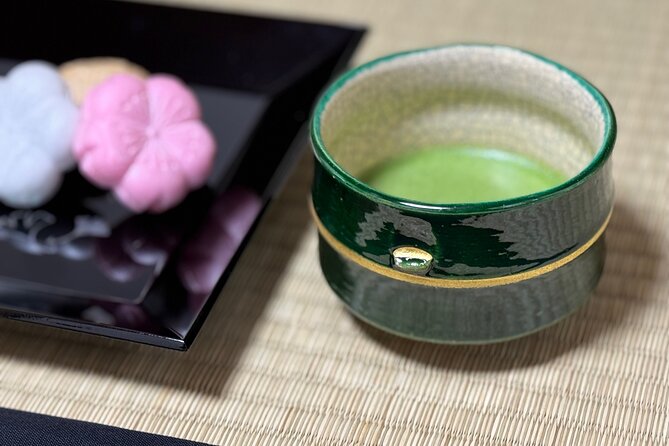
- Watch then make your own matcha: The ceremony includes a demonstration followed by hands-on tea preparation.
- Seasonal sweets accompany the tea: Traditional Japanese sweets balance matcha’s bitter taste and add a small seasonal touch.
- A private, quiet setting: The ceremony takes place in a tea master’s house with a tatami room, rather than in a large tourist venue.
- Small groups keep it personal: The maximum group size is eight, with the experience also suited to couples and private groups.
- No kimono package is included: Dress-up, costume rental, and a staged photo session are not part of the price.
- Photos are restricted during the performance: You can take photos before and after, but the tea preparation itself is intended to remain quiet and undisturbed.
What the Kyoto tea ceremony actually feels like
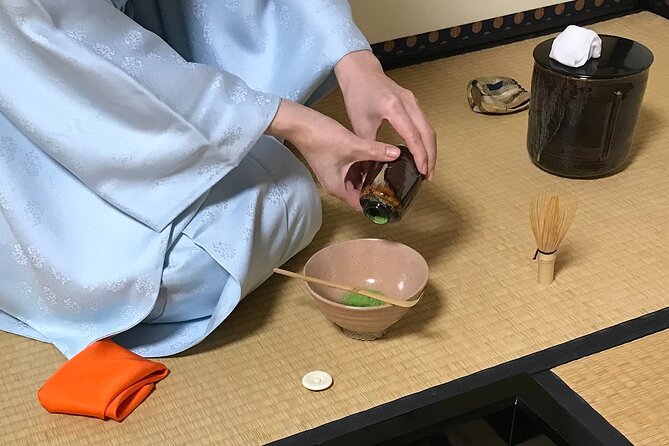
A Japanese tea ceremony, or chanoyu, is a lesson in attention. The host does not simply whisk matcha and hand it over. Each action has a place: cleaning the utensils, handling the scoop, adding hot water, whisking the tea, and presenting the bowl with care.
That precision is the point. You are seeing hospitality expressed through movement. The ceremony asks you to slow down and notice small things, which can feel like a welcome change after Kyoto’s crowded streets and busy sightseeing schedule.
At Omotenashi Tea Ceremony, the tone is quiet and intimate. The setting is a private house designed for tea ceremony, with a tatami room rather than a polished commercial dining room. That gives the experience a more personal feel, though it also means the surroundings may seem modest if you are expecting an elaborate tea pavilion.
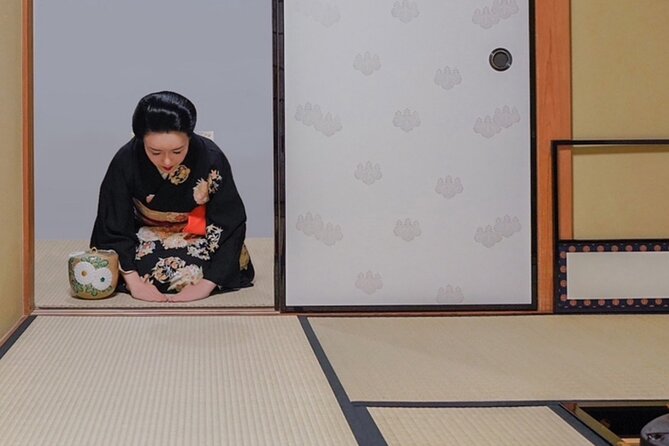
The host explains the etiquette and the meaning behind the actions. You do not need prior knowledge of tea ceremony customs. You will be shown how to enter and sit properly, and the presentation is intended to make first-time participants comfortable.
More Tea Ceremony Experiences in Kyoto
- Kyoto: Tea Ceremony in a Traditional Tea House in Kiyomizu
★ 4.9 · 3,519 reviews - Kyoto: Tea Ceremony Ju-An at Jotokuji Temple
★ 4.9 · 3,207 reviews - Kyoto: 45-Minute Tea Ceremony Lesson Experience
★ 4.3 · 2,378 reviews
The meeting point in central Kyoto
The listed meeting point is 南総合会計事務所, 450-1 Sanbongichō, Nakagyo Ward, Kyoto 604-0871. The activity begins and ends at this same location.
Because the address is presented with the name of an accounting office, I would allow extra time to identify the correct entrance and avoid arriving at the last minute. Your booking confirmation should be close at hand on your phone. The activity provides a mobile ticket, and confirmation is sent when you book.
The location is near public transportation, but exact station directions are not supplied. Check the meeting instructions carefully before leaving your hotel. A tea ceremony depends on a calm start, and rushing in after getting turned around is not the best way to begin.
The experience is often booked about six days ahead. That is useful planning information, especially if your Kyoto schedule is tight. It is not a full-day commitment, but fixed appointment times can fill up during popular travel periods.
Entering the private tatami room
The first part is about settling into the room and learning how to behave in it. The host explains the basic etiquette for entering, sitting, and receiving tea. You are not expected to perform every detail perfectly. The explanations are there to help you understand the ceremony, not to test you.
This introduction matters because the room is not just a backdrop. In tea ceremony, the space, the utensils, the sweets, and the guest’s behavior all form part of the experience. Even a short explanation helps you see why the host moves slowly and why the room remains quiet during the preparation.
The private setting works particularly well for couples, solo participants, families, and small groups who want a direct conversation with the host. One solo participant described the atmosphere as especially warm and personal, while families appreciated that the children could take part without feeling out of place.
English support appears to vary by host, but one host was specifically praised for speaking beautiful English and explaining the process clearly. Mai was also singled out for her careful and graceful presentation. If detailed English instruction is important to you, you may want to confirm the language arrangements when booking.
Watching the tea master prepare matcha
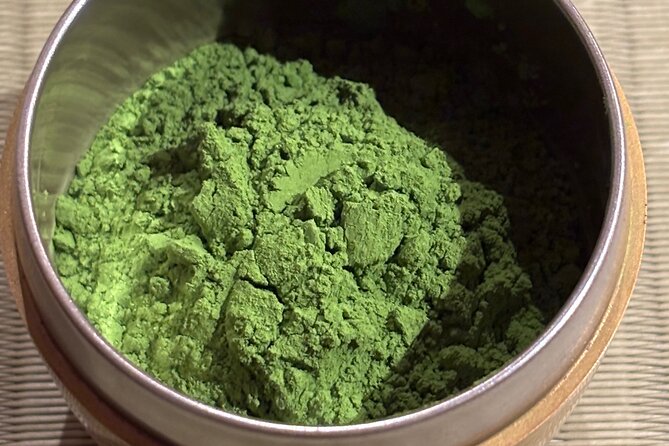
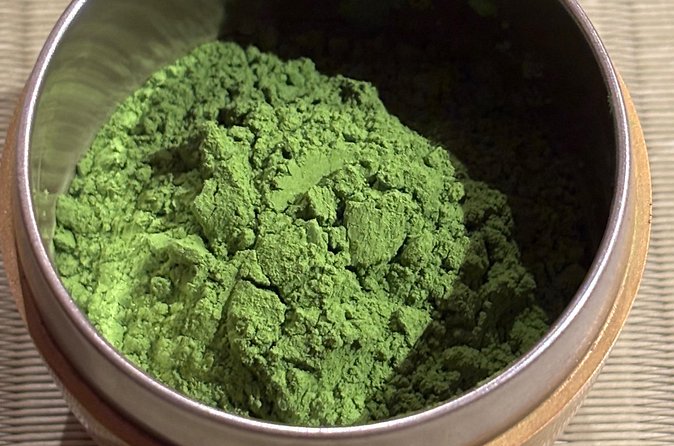
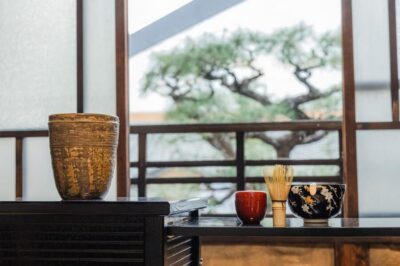
The central demonstration is a study in controlled movement. The tea master handles each utensil with purpose, preparing premium matcha sourced from Kyoto producers. The room becomes quiet while the tea is made, which is one of the most appreciated parts of the activity.
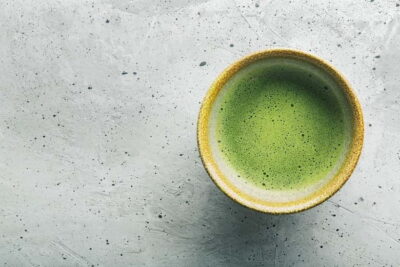
You will see the tea whisked into a smooth, foamy drink. Matcha has a strong, slightly bitter flavor, so it is served with a traditional Japanese sweet. The sweet is not an afterthought. Its sugar and delicate flavor prepare your palate for the tea.
Seasonal Japanese sweets are included, and the exact sweet can vary. That changing element is a nice reminder that Japanese food traditions pay attention to the time of year. The tea and sweets are modest in quantity, but they give you the essential pairing without requiring an additional purchase.
Several accounts praised the flavor of the matcha, with one describing it as the best they had tasted. That is a matter of personal preference, of course, but the tea is presented as a central part of the ceremony rather than as a token refreshment.
Do not expect a theatrical performance. The beauty comes from restraint. If you need constant narration, dramatic scenery, or a large cultural show, this may feel too quiet. If you enjoy watching skilled hands work with precision, the stillness is likely to be the best part.
Same city, a completely different kind of day:
- PERFECT KYOTO 1-Day Bus Tour
★ 5.0 · 13,518 reviews - Kyoto: Fushimi Inari, Kinkakuji, Bamboo Grove 1 Day Bus Tour
★ 4.8 · 4,316 reviews - Kyoto Geisha Walking Tour: Gion District & Hidden Gems
★ 4.7 · 3,273 reviews - Kyoto: Gion Magical Night Walking Tour with Geisha Trivia
★ 4.9 · 2,393 reviews
Making your own bowl of matcha
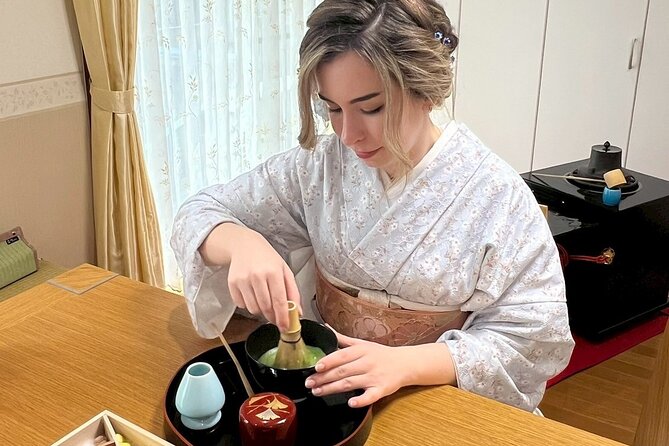
After the demonstration, you have the chance to prepare matcha yourself. This changes the experience from a performance into a lesson.
The host guides you through the process and explains how to handle the tea tools. You will not be left to figure it out alone. The activity is designed for beginners, and the relaxed teaching style helps remove the pressure of getting every movement right.
Making the tea also gives you a better sense of the work involved. Whisking matcha looks simple when a tea master does it, but the texture and rhythm take attention. Even if your bowl is not as smooth as the host’s, that is part of the fun.
Families may find this section especially useful. Children can take part instead of sitting quietly through the whole ceremony. One family found that the children enjoyed making tea, and the hosts even offered Oreos when the provided sweet did not suit them. That small gesture says a lot about the informal, caring side of this experience.
The supplied information gives slightly different photo guidance. The clearest policy is that photos and videos are not allowed during the tea performance so the room can remain calm. Photos are allowed before and after the ceremony, and some accounts indicate that pictures may be possible during the hands-on section. If taking your own tea-making photo matters to you, ask the host before raising your phone.
The question-and-answer time
The conversation after the demonstration is an important part of the short schedule. You can ask about the utensils, etiquette, matcha, or the meaning of particular actions. One especially positive account praised the question-and-answer session as illuminating and fascinating.
This is where the small group limit pays off. With no more than eight people, the host has a better chance to respond to individual questions. A large group would make the activity feel more like a lecture, while this format can remain personal.
The exact pace may depend on the group. Some people found the ceremony informative and unhurried, while others felt the full experience was a little rushed. Forty-five minutes is enough for a clear introduction, demonstration, tasting, and hands-on practice, but not enough for a long formal ceremony with extensive cultural instruction.
I would treat the time as a well-focused sampler. You will learn the basic shape of the ceremony and experience its central elements, but you will not become an expert in Japanese tea practice in one sitting.
What the private setting adds, and what it does not
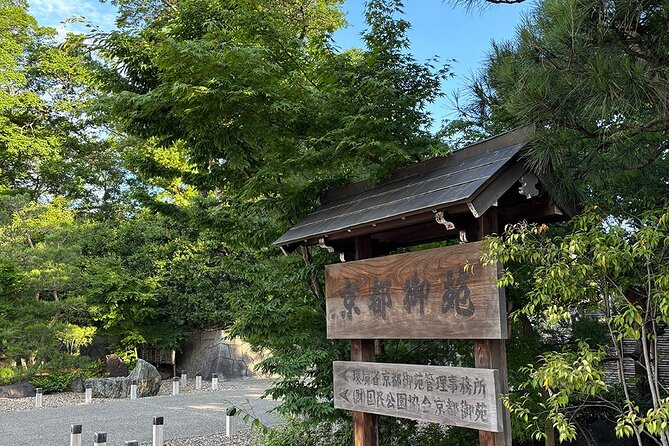
The tea room is in the tea master’s private house, specially designed for tea ceremony. That gives you a genuine sense of entering someone’s working cultural space, rather than attending a large attraction built only for sightseeing.
The trade-off is presentation. Some people described the environment as intimate and authentic. Others found it plain, cold, or a little cumbersome. If you are comparing this with tea ceremonies that include elaborate interiors, garden views, or kimono dressing, this option may seem basic.
That difference should guide your booking decision. The appeal here is quiet instruction and personal contact, not luxury packaging. There is no kimono rental, no promise of a formal costume portrait, and no indication of a grand garden setting.
The room can also be cold in November, according to one account. That is worth remembering if you are visiting during cooler weather. Traditional rooms may feel less heated than a modern hotel lounge, and sitting quietly on a tatami floor can make the temperature more noticeable.
Is $56.49 a fair price?
The cost is $56.49 per person. That is not the cheapest way to taste matcha in Kyoto. You can buy tea and sweets for far less at a café.
The price pays for more than the drink. You receive a demonstration by a tea master, explanations of etiquette and preparation, seasonal sweets, your own chance to make matcha, and a small-group setting. The host’s time and the private room are the real product.
I think the value is fair if you want cultural context and personal guidance. The experience gives you something a restaurant cannot: an understanding of why the tea is prepared in this way and how the guest is meant to receive it.
The price is harder to justify if your main goal is simply to try matcha or take photographs in a kimono. Those features are not included, and one short account considered the cost high compared with other ceremonies offering more visual extras.
A useful way to judge the price is to ask what kind of memory you want. If you want a calm lesson that helps you understand a major Japanese tradition, the fee is reasonable. If you want a lavish spectacle, look for a package that clearly includes costumes, a more elaborate venue, or longer instruction.
Who will enjoy this most?
I would recommend this ceremony to:
- Couples looking for a quiet cultural activity in Kyoto
- Solo participants who appreciate direct conversation with a host
- Families whose children are old enough to follow a short demonstration
- First-time matcha drinkers who want help with etiquette
- Small private groups that prefer a personal setting
- People who value calm, detail, and traditional hospitality over decoration
You may want to choose another experience if you specifically want to wear a kimono, take photos during the ceremony, visit a grand tea house, or spend several hours studying tea practice.
The activity is also a good fit for a day when you have already done plenty of walking. At 45 minutes, it can give you a mental pause without taking over your schedule. Just do not arrive late if you can avoid it. One participant arrived late and was still welcomed warmly, but punctuality is kinder to the host and to the quiet atmosphere.
Service animals are allowed, and the activity is near public transportation. The available information does not provide detailed accessibility information for the tatami room, so ask before booking if floor seating or room access may affect you.
Booking, cancellation, and practical expectations
Confirmation is provided at the time of booking, and you can use a mobile ticket. The maximum group size is eight people, though the experience is also described as suitable for private groups of up to ten. Because the formal additional information gives a maximum of eight, I would use eight as the reliable limit.
Free cancellation is available if you cancel at least 24 hours before the start time. Cancellations made within 24 hours are not refunded, and late changes are not accepted. The cut-off follows Kyoto local time.
Wear clothing that lets you sit comfortably and quietly. The available information does not state a strict dress code, but a tea ceremony is a formal cultural setting, so neat, comfortable clothing is sensible. If you are hoping for kimono photographs, arrange a separate rental experience rather than assuming it is part of this booking.
Should you book the Omotenashi tea ceremony?
Book it if you want a focused introduction to Japanese tea ceremony with a real chance to prepare matcha yourself. The strongest reasons are the quiet tatami room, the small group size, the seasonal sweet and tea pairing, and hosts such as Mai who explain the ritual with warmth and care.
Skip it if you are paying mainly for spectacle. There is no kimono rental, no photography during the performance, and no promise of a grand tea house or ornate setting. The price reflects instruction and hospitality more than visual production.
For the right person, this is a graceful pause in Kyoto: short, personal, and easy to fit into a sightseeing day. Go in expecting a private lesson rather than a show, and the experience is likely to feel worthwhile.
FAQ
How long does the tea ceremony last?
The activity lasts approximately 45 minutes.
Where does the experience begin and end?
It begins at 南総合会計事務所, 450-1 Sanbongichō, Nakagyo Ward, Kyoto 604-0871, Japan, and ends back at the same meeting point.
How much does the tea ceremony cost?
The listed price is $56.49 per person.
What is included in the experience?
The experience includes the tea ceremony, premium matcha, traditional Japanese seasonal sweets, explanations from a tea master, and the chance to prepare matcha yourself.
Is kimono rental included?
No. Kimono rental and dressing are not included.
Can I take photographs during the ceremony?
Photos and videos are not allowed during the tea performance. Photos are allowed before and after the ceremony. Ask the host about photography during the hands-on tea preparation.
What is the maximum group size?
The activity has a maximum of eight participants.
Can I cancel for a full refund?
Yes. You can receive a full refund by cancelling at least 24 hours before the scheduled start time. Cancellations within 24 hours are not refunded.
Just added around Kyoto
- Private Guided Traditional Buddhist Cooking in Japan★ 5.0 · 16 reviews
- Kyoto: Gion Geisha District & Sake-in-Hand Walking Tour★ 5.0 · 37 reviews
- Your Private Vacation Photography Session In Kyoto★ 5.0 · 110 reviews
- Kyoto: Zen Meditation at a Private Temple with a Monk★ 5.0 · 25 reviews
- Traditional Japanese Washi Papermaking- Kyoto morning★ 5.0 · 77 reviews
- Kyoto Wagashi(Japanese sweets) Cooking Class near Fushimiinari★ 5.0 · 60 reviews
- Private Pewter Sake Cup Experience with a Kyoto Artisan★ 5.0 · 31 reviews
- Kyoto Private 6 hour Tour: English Speaking Driver Only, No Guide★ 5.0 · 88 reviews
Tea Ceremony Experiences, compared.

Tea Ceremony in a Traditional Tea House in Kiyomizu
Read our review →

World Heritage Kyoto & Nara Uji Authentic Matcha Experience
Read our review →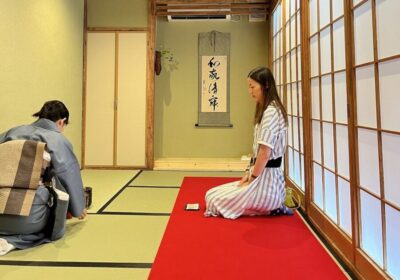
Browse the lists this tour appears in