
REVIEW · TEA CEREMONY EXPERIENCES
Kyoto Private Tea Ceremony with Tea Master at Home
Kyoto’s tea ceremony is best understood up close, in a quiet room where each movement has a reason. At Sakura Experience Japanese Culture Nijo Home, tea master Aya welcomes your private group into a traditional tea room, explains the etiquette, and lets you prepare matcha yourself.
I like the personal setting and the three seasonal wagashi from a long-established Kyoto confectioner. I also like that you receive two bowls of matcha and a small booklet, so the hour feels like a lesson rather than a quick photo stop.
The main consideration is the strict etiquette: you need socks, suitable clothing, no perfume, and punctual arrival. Children aged 13 and under cannot join, and the ceremony is deliberately calm rather than lively or theatrical.
In This Review
- Key points to know before booking
- Entering a private tea room near Nijo Castle
- What Aya explains before the matcha begins
- Three seasonal wagashi before the tea
- Watching the tea master prepare matcha
- Your hands-on matcha lesson
- Why the home setting changes the experience
- Price, duration, and the value of a private class
- Practical rules that can affect your visit
- Who will enjoy this Kyoto tea ceremony
- Should you book the Sakura home tea ceremony?
- FAQ
- Where does the tea ceremony take place?
- How long does the experience last?
- Is the tea ceremony private?
- Who leads the ceremony?
- What food is included?
- How much matcha is included?
- Is kimono rental included?
- What should I wear?
Key points to know before booking
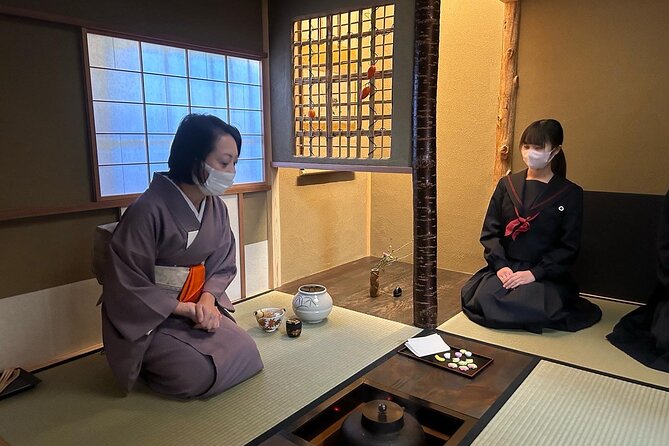
- A private tea room near Nijo Castle: Your group visits a local home rather than joining a large class.
- Aya leads the session: She is a licensed tea instructor who teaches in clear English, according to the experience details and guest feedback.
- You make your own matcha: The lesson includes a demonstration and hands-on whisking with a bamboo chasen.
- Three seasonal wagashi are included: The sweets are handmade, vegan, and gluten-free.
- Two bowls of Uji matcha: The tea is made from an original blend sourced from historic Uji tea gardens.
- Dress rules matter: Wear socks, long pants or a long skirt, and a sleeved top. Arrive no more than 15 minutes late.
Entering a private tea room near Nijo Castle
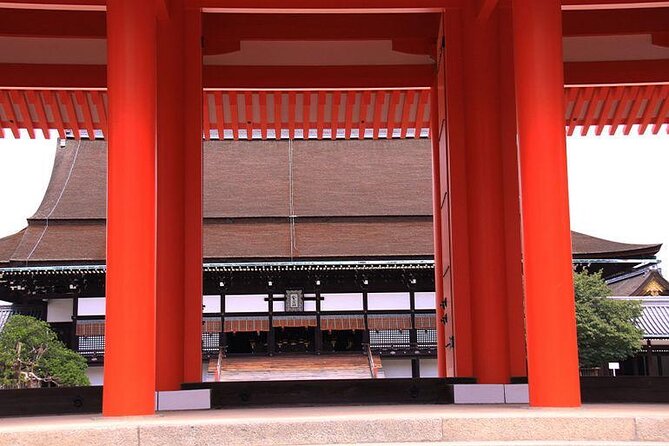
The meeting point is Sakura Experience Japanese Culture Nijo Home at 660 Izumicho, Nakagyo Ward, Kyoto. It is near public transportation and close to Nijo Castle, which makes this a useful morning or afternoon addition to a sightseeing plan in central Kyoto.
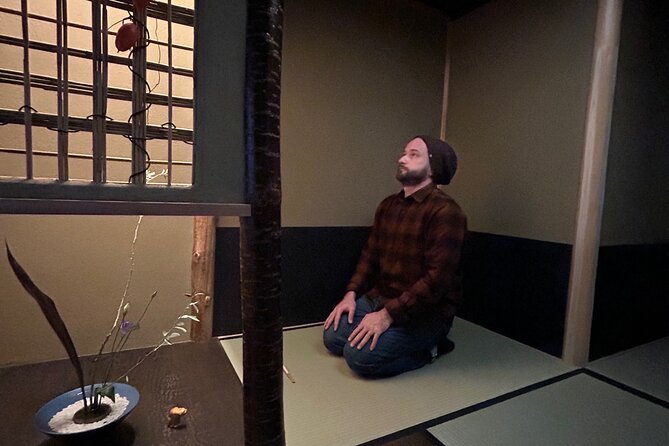
The setting is a private home, not a restaurant or a purpose-built tourist venue. That difference matters. You are not watching a polished stage show with a crowd around you. You enter a real domestic space and sit in one of the traditional tea rooms, Koma or Hiroma, depending on the arrangement for your session.
The home has welcomed cultural figures, museum professionals, and dignitaries, but the appeal for you is simpler: the ceremony takes place in a space where the host practices the art. The atmosphere is quiet, orderly, and personal.
You should allow time to find the address. The punctuality rule is firm. Arriving more than 15 minutes after the start means you cannot participate and will not receive a refund. I would plan to arrive early, especially if you are coming by bus or navigating Kyoto for the first time.
More Tea Ceremony Experiences in Kyoto
- Kyoto: Tea Ceremony in a Traditional Tea House in Kiyomizu
★ 4.9 · 3,519 reviews - Kyoto: Tea Ceremony Ju-An at Jotokuji Temple
★ 4.9 · 3,207 reviews - Kyoto: 45-Minute Tea Ceremony Lesson Experience
★ 4.3 · 2,378 reviews
What Aya explains before the matcha begins
The ceremony is about much more than drinking green tea. Aya introduces the background, purpose, and etiquette of the practice before guiding you through the sequence. That preparation helps you understand why the room, utensils, sweets, gestures, and pauses receive so much care.
You learn how to enter and sit in the tea room, how to show respect, and how to receive the bowl. Some of the movements may seem small at first, but they give the ceremony its structure. The lesson helps you notice details that you might otherwise miss during a formal demonstration.
Aya’s teaching style is one of the strongest reasons to choose this experience. She has been praised for her warmth, patience, clear English, and ability to make international visitors comfortable asking questions. That is important here. Japanese tea etiquette can feel intimidating if you are worried about making a mistake.
The atmosphere is serious, but it is not stiff. You are guided through each step, and the session is designed to help you understand the meaning behind the ritual rather than simply copy hand movements.
Three seasonal wagashi before the tea
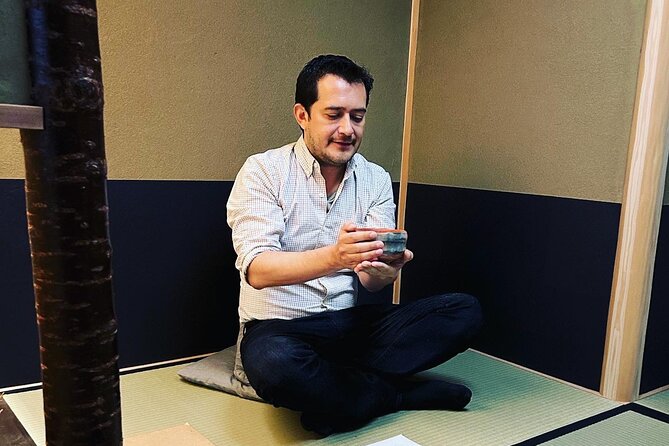
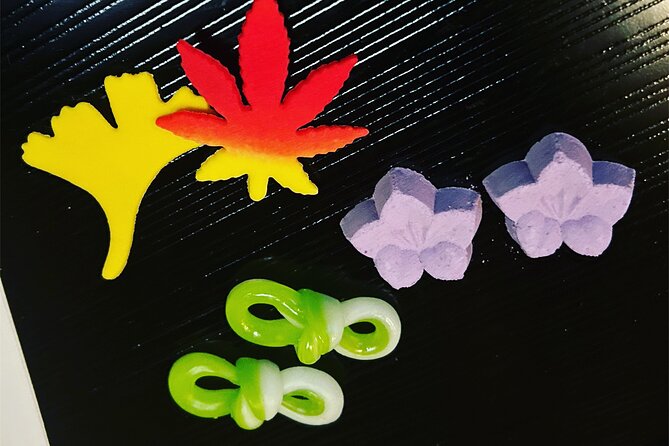
Japanese tea ceremony usually pairs bitter matcha with a sweet. Here, you receive three types of seasonal wagashi made by a long-established Kyoto confectioner.
These are not generic packaged snacks. Seasonal wagashi are part of the ceremony’s visual and culinary language. Their shapes, colors, and ingredients reflect the time of year, and the sweetness prepares your palate for the stronger taste of matcha.
The treats are gluten-free and vegan, which makes this experience practical for many people with dietary restrictions. You should still mention any important needs when booking, but the included sweets already avoid two common problem ingredients.
The sweets also give you a chance to slow down before preparing the tea. This is a small detail, yet it changes the pace of the session. You are not rushing from explanation to drink. You have time to look, taste, and ask why a particular sweet is served.
Watching the tea master prepare matcha
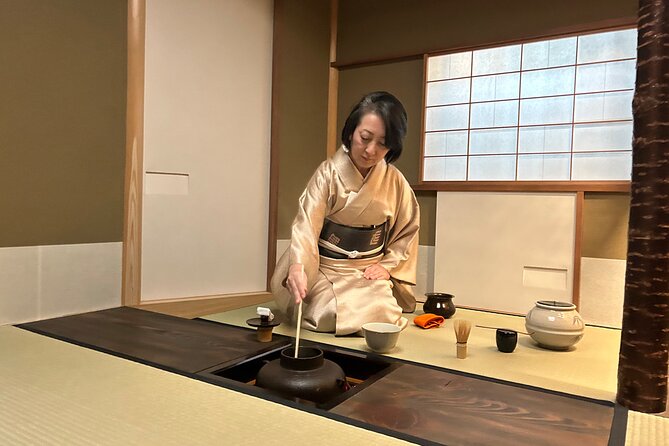
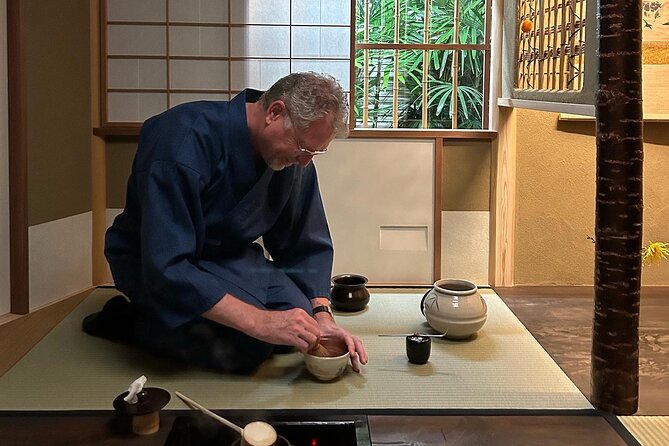
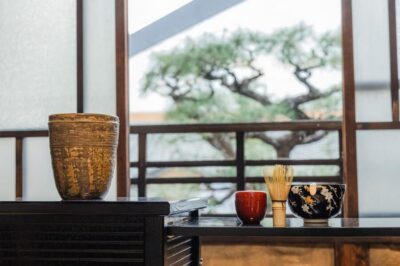
Aya demonstrates the traditional method of preparing matcha with a bamboo whisk. You see how the powder is measured, how water is added, and how the whisk creates the smooth texture associated with properly made tea.
The tools are part of the lesson. The experience uses custom-made tea bowls commissioned from Kiyomizu and Raku potters, along with tea equipment selected for the room and season. You may find yourself paying as much attention to the bowl as to the drink.
That is one of the pleasures of learning tea ceremony in person. A bowl is not just a container. Its shape, glaze, weight, and imperfections affect how the tea feels in your hands. Aya’s collection gives the lesson a direct connection to Kyoto craft.
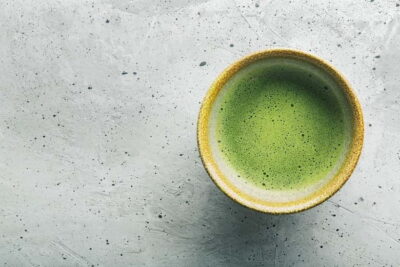
The matcha comes from Uji, the tea-producing area near Kyoto that is closely associated with high-quality green tea. The experience uses an original blend, and two bowls are included. One is prepared for you as part of the ceremony, and you also prepare matcha yourself during the hands-on portion.
Same city, a completely different kind of day:
- PERFECT KYOTO 1-Day Bus Tour
★ 5.0 · 13,518 reviews - Kyoto: Fushimi Inari, Kinkakuji, Bamboo Grove 1 Day Bus Tour
★ 4.8 · 4,316 reviews - Kyoto Geisha Walking Tour: Gion District & Hidden Gems
★ 4.7 · 3,273 reviews - Kyoto: Gion Magical Night Walking Tour with Geisha Trivia
★ 4.9 · 2,393 reviews
Your hands-on matcha lesson
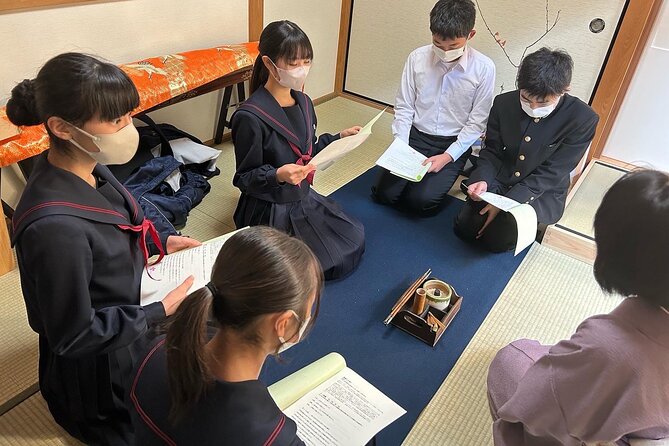
After watching the demonstration, you get to whisk your own bowl. This is the part that turns the session from a performance into a class.
You will not need previous experience. Aya guides you through the technique and helps you adjust your movements. The bamboo whisk is simple to use, but making smooth matcha takes more control than it first appears. The exercise gives you a better appreciation for the precision involved.
I like this format because it gives you a practical memory to take home. You do not only remember the taste or the room. You remember the feel of whisking the tea and the concentration needed to create it.
The one-hour duration is enough for an introduction, but it is not a complete study of tea ceremony. If you already practice Japanese tea or want a long, highly formal ceremony, this may feel brief. For a first encounter, the compact format works well, particularly during a busy Kyoto itinerary.
Why the home setting changes the experience
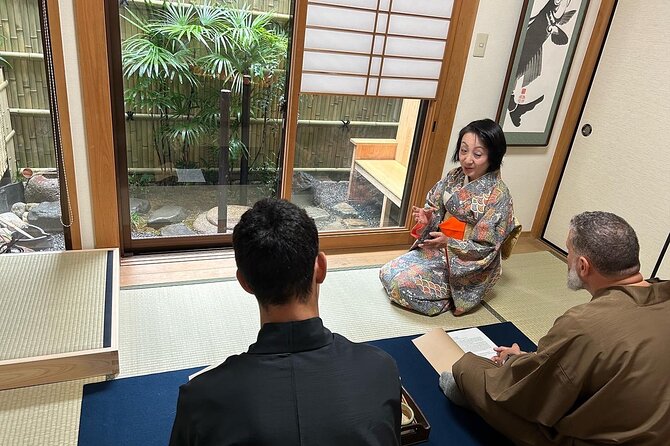
A large group class can explain the basics, but a private home allows for more attention. Your group can ask questions without interrupting a public presentation, and Aya can adjust her explanations to your interests and cultural background.
The setting also preserves a sense of quiet. The experience is intended for people who appreciate traditional etiquette, careful instruction, and a calm room. It is not designed as a loud cultural show with costumes, rapid demonstrations, or a packed schedule.
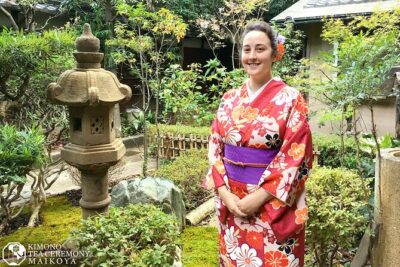
That distinction is worth making before you book. Some people want to wear a kimono, pose for photos, and move quickly through a cultural activity. This program does not include kimono rental, and the emphasis is on tea practice, history, etiquette, and craftsmanship.
Past participants have also appreciated the hosts’ hospitality and photography. Aya’s husband has taken photos during some sessions and sent them while the group was still at the home. This is not listed as a guaranteed inclusion, so I would not book solely for photographs, but it may be a welcome extra.
Price, duration, and the value of a private class
The listed price is $99.08 per person, with group discounts available. For a one-hour activity, that is not the cheapest tea tasting in Kyoto. The value comes from the private format, the licensed instructor, the hands-on lesson, two bowls of Uji matcha, three seasonal sweets, and the setting in a traditional home.
If you are traveling with family or friends, the cost makes more sense because you are paying for a session reserved for your group. A solo visitor or couple should compare the price with larger public demonstrations, but those alternatives may not offer the same personal instruction.
The experience is often booked about 48 days ahead, so I would reserve early if your Kyoto dates are fixed. That is especially sensible for a small private activity, where there are fewer spaces at each start time.
The one-hour length also makes it easy to fit around Nijo Castle. You can schedule the tea ceremony before visiting the castle, after touring it, or as a quiet break between larger sightseeing stops.
Practical rules that can affect your visit
The dress requirements are more important than they may appear. Wear socks because you will be on tatami mats. Bare feet are not allowed, though socks can be purchased on site if you forget.
Choose long pants or a long skirt and a top with sleeves. Sleeveless tops, shorts, and mini skirts are not permitted. These rules protect the tatami and help maintain the traditional tone of the room.
Skip perfume, including musk-based scents. Fragrance can interfere with the tea room’s atmosphere, and you may be asked to remove it before entering. This is a good reason to keep your outfit simple on the day.
Children aged 13 and under cannot participate. The age policy is strict, and bringing a child without advance notice can mean losing the reservation fee. Small chairs are available for anyone who needs them, but you should request one ahead of time.
The activity begins and ends at the home. It is near public transportation, but the supplied information does not specify a particular station or bus route, so check the exact address and allow extra time for navigation.
Free cancellation is available if you cancel at least 24 hours before the start time. Cancellations or changes made within 24 hours are not accepted for a refund.
Who will enjoy this Kyoto tea ceremony
I would recommend this experience to you if you want a focused introduction to Japanese culture and prefer direct contact with a teacher. It is particularly well suited to couples, families with teenagers aged 14 or older, and small groups of friends.
It also suits people who enjoy craft, design, and ritual. The tea bowls, seasonal sweets, utensils, and room are not background decoration. They are part of the lesson, and Aya explains how the details fit together.
You will likely appreciate it if you want an activity that is calm after a busy day of temples and shopping. Kyoto can be tiring, and an hour of quiet attention offers a welcome change of pace.
I would think twice if your main goal is kimono photography, a long formal ceremony, or a casual drink with little instruction. Kimono rental is not included, and the rules about clothing, fragrance, socks, and punctuality are not optional.
Should you book the Sakura home tea ceremony?
Book it if you want to learn by doing. The combination of Aya’s clear instruction, a private traditional room, three seasonal wagashi, two bowls of Uji matcha, and a hands-on whisking lesson offers more substance than a quick tea tasting.
The experience earns its price through personal attention and cultural detail. You leave with a booklet about tea ceremony etiquette, along with a better understanding of why the ritual moves slowly and why every object matters.
For the best visit, reserve ahead, arrive early, wear socks and modest clothing, and leave perfume at the hotel. If those conditions suit you, this is a thoughtful way to spend an hour near Nijo Castle and one of the more personal cultural activities available in Kyoto.
FAQ
Where does the tea ceremony take place?
It takes place at Sakura Experience Japanese Culture Nijo Home, at 660 Izumicho, Nakagyo Ward, Kyoto, 604-0015, Japan. The activity is near Nijo Castle and public transportation.
How long does the experience last?
The tea ceremony lasts approximately one hour. It begins and ends at the meeting point.
Is the tea ceremony private?
Yes. Only your group participates in this activity.
Who leads the ceremony?
Tea master Aya, a licensed tea instructor, leads the demonstration and hands-on matcha preparation.
What food is included?
You receive three seasonal types of handcrafted wagashi from a long-established Kyoto confectioner. The sweets are gluten-free and vegan.
How much matcha is included?
Two bowls of matcha are included. The tea is made from an original blend sourced from Uji, and you prepare matcha yourself with a bamboo whisk during the lesson.
Is kimono rental included?
No. Kimono rental is not included in the experience.
What should I wear?
Wear socks, long pants or a long skirt, and a top with sleeves. Shorts, mini skirts, sleeveless tops, and bare feet are not permitted. Avoid perfume, including musk-based scents.
Just added around Kyoto
- Private Guided Traditional Buddhist Cooking in Japan★ 5.0 · 16 reviews
- Kyoto: Gion Geisha District & Sake-in-Hand Walking Tour★ 5.0 · 37 reviews
- Your Private Vacation Photography Session In Kyoto★ 5.0 · 110 reviews
- Kyoto: Zen Meditation at a Private Temple with a Monk★ 5.0 · 25 reviews
- Traditional Japanese Washi Papermaking- Kyoto morning★ 5.0 · 77 reviews
- Kyoto Wagashi(Japanese sweets) Cooking Class near Fushimiinari★ 5.0 · 60 reviews
- Private Pewter Sake Cup Experience with a Kyoto Artisan★ 5.0 · 31 reviews
- Kyoto Private 6 hour Tour: English Speaking Driver Only, No Guide★ 5.0 · 88 reviews
Tea Ceremony Experiences, compared.
Tea Ceremony in a Traditional Tea House in Kiyomizu
Read our review →


World Heritage Kyoto & Nara Uji Authentic Matcha Experience
Read our review →
Browse the lists this tour appears in