
REVIEW · TEA CEREMONY EXPERIENCES
Kyoto Private Tea Ceremony at a Japanese Inns
Kyoto’s temples may be closed after dark, but this candlelit tea ceremony offers a quiet way to experience Japanese culture in the evening. You meet at a traditional inn and enter a private 20-tatami banquet room normally closed to the public.
I like the complete, well-paced program: you get kimono photos, a short Zen meditation, a tea demonstration, and hands-on matcha making in 59 minutes. I also like the translation devices and the warm help from Matsuda and Mayumi, which make this practical for families and mixed-language groups. The main drawback is the short running time, so this is an introduction rather than a full study of tea ceremony customs.
In This Review
- Key Points
- A Candlelit Kyoto Experience After the Temples Close
- Kimono Photos Come First
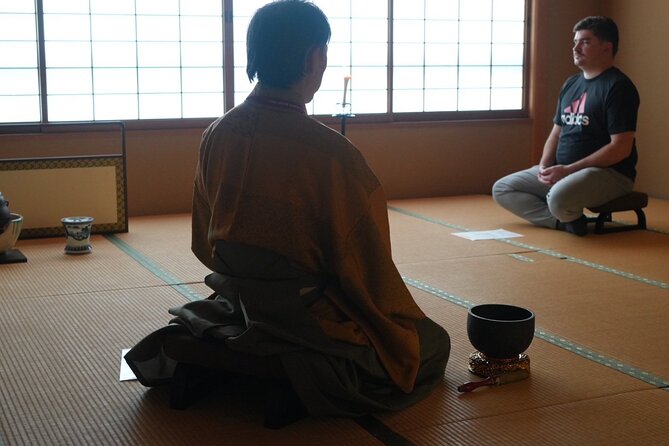
- Four Quiet Minutes of Zen Meditation
- Watching the Tea Ceremony for 20 Minutes
- Making Your Own Matcha
- Why the Private Inn Setting Matters
- Translation Devices Make This Work for Families
- Price, Group Size, and Overall Value
- Who Will Enjoy This Most
- Booking Details You Should Know
- Should You Book This Kyoto Tea Ceremony?
- FAQ
- Where does the tea ceremony take place?
- How long does the activity last?
- How many people can join the private activity?
- What happens during the experience?
- Are costumes included?
- Can I take photographs?
- Do I need to speak Japanese?
- Is matcha included?
- What is the price for children?
- Can I cancel for a full refund?
Key Points
- Candlelit setting: The ceremony takes place in a private 20-tatami room inside a long-established Kyoto inn.
- Four-part program: Allow about 15 minutes for costumes and photos, 4 minutes for meditation, 20 minutes for the demonstration, and 20 minutes to whisk your own matcha.
- Traditional costumes and props: You may wear a bridal uchikake or a men’s haori, with folding fans, swords, and professional lighting for photographs.
- Easy communication: Translation devices let you ask questions and follow the explanations without speaking Japanese.
- Private group format: Only your party of 2 to 6 people takes part.
- Flexible booking: The experience costs $97.98 per person as listed, with adult and child yen prices also provided, and cancellation is free up to 24 hours ahead.
A Candlelit Kyoto Experience After the Temples Close
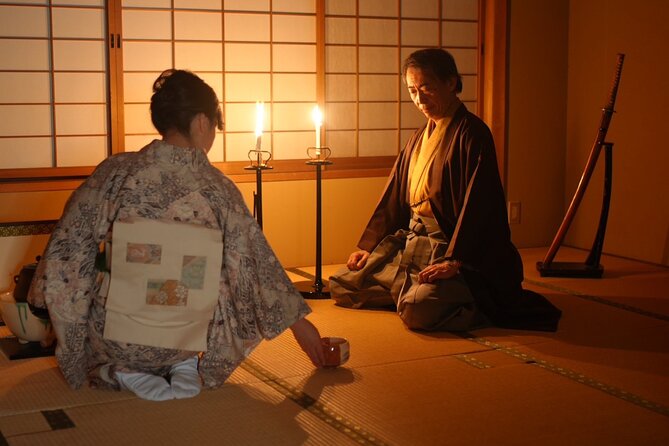
The setting does much of the work here. You leave Kyoto’s evening streets and enter a traditional inn, where the activity takes place in a large 20-tatami banquet room. The room is usually closed to the public, so the experience has a more private feel than a tea demonstration staged in a busy attraction.
The lights are kept low, with candles flickering in an otherwise dark room. That gives the ceremony a theatrical quality, but the program still centers on real elements of a Japanese tea gathering: host and guest, careful movements, matcha, sweets, and the quiet attention associated with Zen practice.
You should think of this as a compact cultural experience rather than a formal tea-school lesson. The schedule is tightly arranged, but every part has a purpose. You see how the ceremony works, take part in the preparation, and leave with photographs that show you in traditional clothing.
The private format matters. Your group will have the room and hosts to itself, with group size limited to 2 to 6 people. That makes it easier to ask questions, take photographs, and move at a comfortable pace. It also means solo visitors cannot book this activity alone unless they join another arrangement, since the stated minimum group size is two.
More Tea Ceremony Experiences in Kyoto
- Kyoto: Tea Ceremony in a Traditional Tea House in Kiyomizu
★ 4.9 · 3,519 reviews - Kyoto: Tea Ceremony Ju-An at Jotokuji Temple
★ 4.9 · 3,207 reviews - Kyoto: 45-Minute Tea Ceremony Lesson Experience
★ 4.3 · 2,378 reviews
Kimono Photos Come First
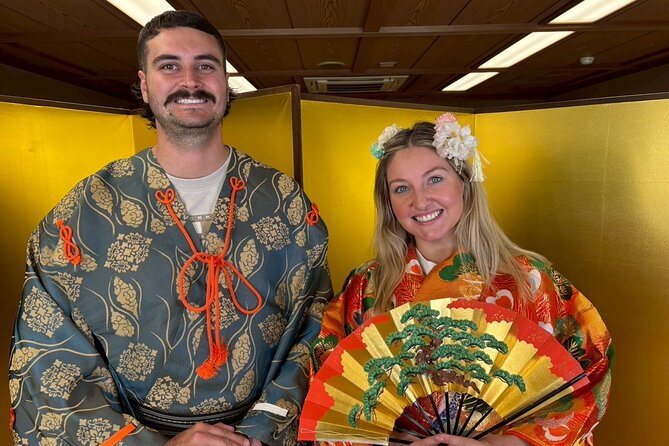
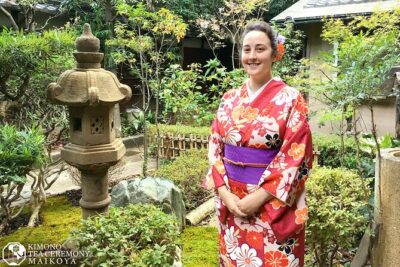
The first 15 minutes are set aside for dressing and photography. Depending on your group, you can wear a bridal uchikake or a men’s haori. These are not ordinary sightseeing clothes, and the inclusion of traditional props such as folding fans and swords gives the photo session a more dramatic look.
Professional lighting is used, and staff assist with photography. That is a useful detail for couples and families. You do not have to depend entirely on a hurried phone snapshot or ask another participant to take every picture.
I would treat this part as a fun introduction rather than a full kimono dressing appointment. The total activity lasts only about 59 minutes, and the listed schedule allows 15 minutes for clothing and photos. If you want an extended styling session, elaborate hair arrangement, or a long portrait shoot, this is not that kind of booking.
Still, the photo session helps you settle into the atmosphere. Wearing a haori or uchikake and holding a fan or sword gives the evening a clear connection to Japanese visual tradition. It also makes this activity a good choice for families with children, especially since the hosts use translation devices that let children ask questions in their own language.
Photos are welcome throughout the experience, not just during the first segment. You should still follow the hosts’ directions during the more formal parts of the ceremony, but the open photo policy makes it easier to record the evening as it unfolds.
Four Quiet Minutes of Zen Meditation
After the photographs, you spend about four minutes in Zen meditation. That is brief, but the short pause helps change the pace of the evening. You have just been dressing up and posing, so a few minutes of stillness prepare you for the tea ceremony.
Do not book this expecting a long meditation class. Four minutes is enough to introduce the idea of quiet attention, not enough for detailed instruction or a sustained practice. I see it as a bridge between the lively photo session and the more deliberate tea presentation.
The candlelit room should make this pause feel distinct from the rest of a busy Kyoto itinerary. You are not being asked to spend an hour in silence or follow a difficult routine. Instead, you receive a simple moment to settle your mind before the hosts begin.
That balance may suit first-time visitors better than a highly formal Zen program. You get a taste of the practice without giving up most of your evening.
Watching the Tea Ceremony for 20 Minutes
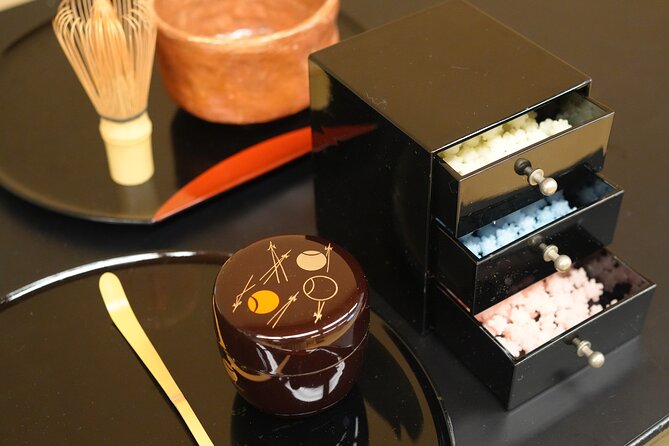
The main demonstration lasts about 20 minutes. You are welcomed as a guest and receive a bowl of matcha and sweets while the hosts show the flow of a traditional tea gathering.
This is the part to watch closely. Tea ceremony is not only about drinking powdered green tea. The order of movements, the presentation of the bowl, and the attention given to the guest all form part of the experience. The ceremony’s slower rhythm can feel quite different from the quick service you encounter elsewhere in Kyoto.
The translation devices are important here. Tea ceremony includes customs and gestures that may not be obvious at first glance, and you can ask questions as the demonstration continues. The hosts, Matsuda and Mayumi, are described as friendly and willing to explain the details, and the translation equipment removes much of the worry about a language barrier.
You receive matcha and sweets during this section. That makes the demonstration participatory without requiring you to perform every movement immediately. You can first see the ceremony as a guest, then move into the hands-on part.
I appreciate this order. If you had to make tea before seeing how the host prepares it, the ritual could feel like a checklist. Watching first gives you a clearer sense of why each step matters.
Same city, a completely different kind of day:
- PERFECT KYOTO 1-Day Bus Tour
★ 5.0 · 13,518 reviews - Kyoto: Fushimi Inari, Kinkakuji, Bamboo Grove 1 Day Bus Tour
★ 4.8 · 4,316 reviews - Kyoto Geisha Walking Tour: Gion District & Hidden Gems
★ 4.7 · 3,273 reviews - Kyoto: Gion Magical Night Walking Tour with Geisha Trivia
★ 4.9 · 2,393 reviews
Making Your Own Matcha
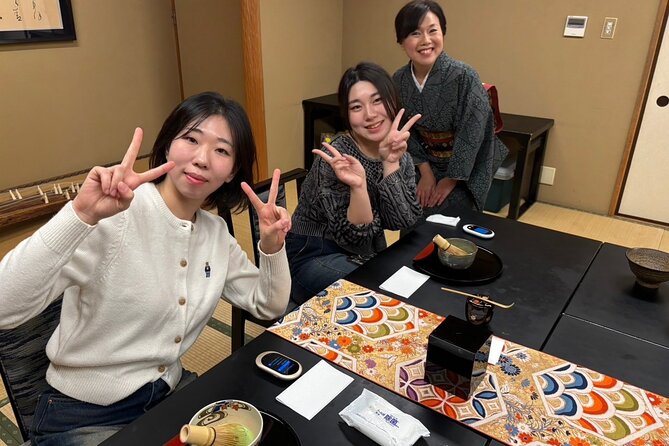
The final 20 minutes let you whisk your own matcha. This is the most hands-on part of the evening, and it gives you something to do beyond watching a performance.
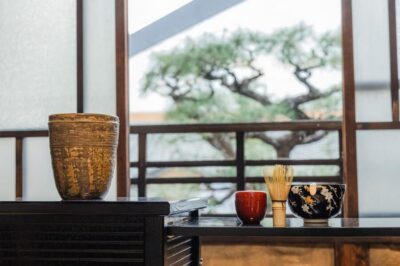
You receive guidance with the tea utensils and prepare your own bowl. The goal is not to produce perfect foam on your first attempt. The value lies in handling the tools, following the method, and noticing how much care goes into a drink that can look simple.
For many people, this will be the most memorable segment. You are not only served tea, you take part in making it. Children can also join in, and the translation devices mean they can ask questions rather than simply copy the adults.
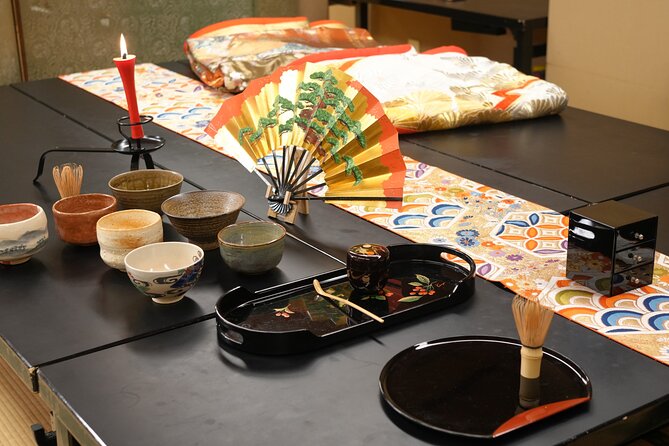
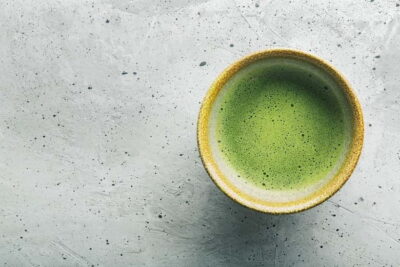
The tea ceremony experience includes matcha and sweets, along with the utensils and costumes needed for the activity. Coffee is also listed under the included refreshments, although the central drink is clearly matcha.
You should expect instruction rather than a technical tea course. The 20-minute time slot gives you enough room to try the process, but not to study every style, utensil, or school of tea. That is a fair trade for visitors who want a compact cultural activity during a short Kyoto stay.
Why the Private Inn Setting Matters
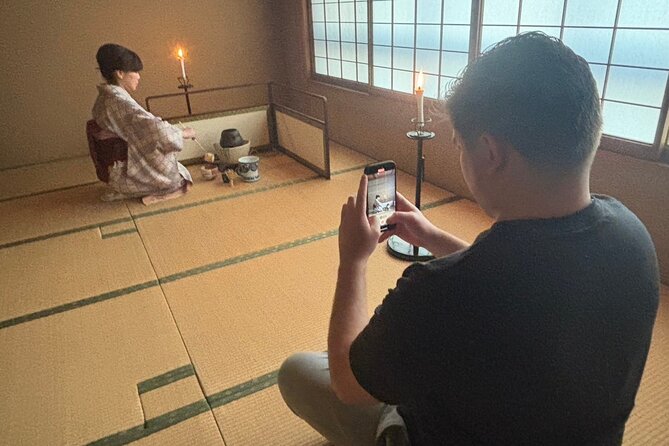
The venue is in a Kyoto ryokan, or traditional Japanese inn, at 490 Kanayacho, Shimogyo Ward, Kyoto 600-8323. The activity takes place on the fourth floor at ZEN: Tea Ceremony Experience in Kyoto.
A ryokan is a fitting place for this program because it adds a sense of place without requiring a long trip outside the city. The private banquet room has 20 tatami mats, giving you room for costumes, photographs, meditation, and the tea presentation.
The room is normally closed to the public. That detail makes the booking feel more special than a quick demonstration in an open lobby. You are not simply passing by a display. Your group is given a dedicated space for the full activity.
The candlelight also changes the character of the room. You should expect a quiet, stylized atmosphere, with the hosts using darkness and soft light to create a sense of occasion. This may appeal to you if you want something different from daytime temple visits. If you prefer bright lighting and a strictly instructional classroom, the theatrical setting may feel less direct.
The end point is the same as the meeting point, which keeps the evening simple. The venue is near public transportation, but the supplied details do not specify a particular station or walking time. I would check the exact route before setting out, especially if you are arriving after a full day of sightseeing.
Translation Devices Make This Work for Families

You do not need to speak Japanese to take part. The hosts use the latest translation devices so you can follow the explanations and ask questions in your own language.
That is more useful here than it might be on a standard sightseeing stop. Tea ceremony depends on small actions and social rules, and missing the explanation could leave you unsure about what to do. The translation equipment lets the hosts keep the focus on the experience rather than on finding a common language.
The format has also proved suitable for children. The activity information specifically notes that even children who do not speak English can ask questions in their own language. That makes this a stronger family option than a silent demonstration where younger children are expected to watch without understanding.
At the same time, a translation device is not the same as a long conversation in fluent English. Some explanations may take an extra moment, and the experience remains tightly timed. You should arrive ready to listen and take part rather than expect an informal, unhurried chat.
Price, Group Size, and Overall Value
The listed price is $97.98 per person. The operator also gives prices in yen: ¥15,000 for adults and ¥3,000 for children under 15. Since the dollar amount and yen amounts can vary with exchange rates and booking conditions, check the final price shown when you reserve.
At first glance, this is not a cheap cup of tea. The value comes from the complete package: a private room, costumes, professional lighting, props, staff photography help, meditation, a hosted tea ceremony, sweets, and your own matcha-making session.
The private group arrangement also affects the price. You are not paying only for admission to a public performance. Your party of 2 to 6 people receives the space and the hosts’ attention, which can make the cost easier to justify for couples, families, or a small group of friends.
For children under 15, the stated ¥3,000 price is much lower than the adult rate. That makes the experience more approachable for families, especially since the program includes dressing up and hands-on tea making rather than a long lecture.
I would compare this activity with other Kyoto cultural programs by asking what you want from the evening. If you only want to taste matcha, you can find cheaper options. If you want costumes, photographs, a private inn setting, a ceremony demonstration, and an activity you can share with your own group, the package offers more substance.
The short duration also affects the value. At about 59 minutes, it fits neatly before dinner or after an early evening meal. You are not committing half a day, but you also should not expect a full traditional tea-school course.
Who Will Enjoy This Most
I would recommend this for couples who want a memorable evening photograph, families looking for an activity that holds children’s attention, and first-time visitors who want a simple introduction to tea ceremony.
It is especially suitable if your daytime schedule is packed with temples and gardens. The evening timing gives you a cultural experience after major sites such as Kinkaku-ji, Ginkaku-ji, and Kiyomizu-dera have closed.
The activity also suits anyone nervous about language barriers. The hosts’ use of translation devices, along with their friendly and welcoming approach, makes the process less intimidating.
You may want to choose something else if you have already studied tea ceremony and want a lengthy, highly technical session. The meditation lasts only four minutes, and the ceremony demonstration and matcha preparation each last 20 minutes. This is a welcoming introduction with a strong visual setting, not an advanced workshop.
It may also be less suitable if you dislike dressing up or being photographed. Costumes and photography are built into the first part of the program, though photos are welcome rather than compulsory according to the activity details.
Booking Details You Should Know
Advance reservation is required, and the activity is typically booked about eight days ahead. I would reserve early if you need a particular evening, especially because the group size is limited to 2 to 6 people.
You receive confirmation at the time of booking, and the ticket is mobile, which is convenient if you are moving around Kyoto with only your phone.
The cancellation policy is straightforward. You receive a full refund if you cancel at least 24 hours before the local start time. Cancellations or changes made within 24 hours are not refunded or accepted.
The activity requires good weather, according to the stated policy, even though the ceremony takes place indoors. If poor weather causes cancellation, you are offered another date or a full refund. If the minimum number of participants is not met, you are offered another date or experience, or a full refund.
Should You Book This Kyoto Tea Ceremony?
I would book this if you want a short, private evening activity that combines ceremony, costumes, photographs, and participation. The candlelit ryokan room gives the experience a clear sense of occasion, while the translation devices make it approachable for families and international visitors.
The strongest reason to choose it is the balance of watching and doing. You receive matcha and sweets, see how the ceremony unfolds, then whisk your own tea. Matsuda and Mayumi add a personal touch, and the private format lets you enjoy the evening with your own group.
I would pass if your main goal is an in-depth study of tea ceremony or a long meditation session. For everyone else, especially first-time visitors and families, this is a well-organized way to add Japanese tradition to a Kyoto evening without giving up an entire day.
FAQ
Where does the tea ceremony take place?
It takes place at ZEN: Tea Ceremony Experience in Kyoto, at 490 Kanayacho, Shimogyo Ward, Kyoto 600-8323, inside the Ryofuso inn on the fourth floor.
How long does the activity last?
The activity lasts approximately 59 minutes.
How many people can join the private activity?
The private group size is 2 to 6 people, and only your group participates.
What happens during the experience?
The program includes kimono dressing and photographs, Zen meditation, a tea ceremony demonstration, and a matcha-whisking session.
Are costumes included?
Yes. The activity includes costumes such as a bridal uchikake or men’s haori, along with props including folding fans and swords.
Can I take photographs?
Yes. Photos are welcome throughout the experience, and staff assist with photography using professional lighting during the costume session.
Do I need to speak Japanese?
No. Translation devices are available so you can communicate and ask questions regardless of language.
Is matcha included?
Yes. The experience includes matcha green tea and sweets. Coffee and/or tea are also listed among the included refreshments.
What is the price for children?
Children under 15 are listed at ¥3,000. Adults are listed at ¥15,000. The supplied booking price is also shown as $97.98 per person.
Can I cancel for a full refund?
Yes, if you cancel at least 24 hours before the local start time. Cancellations or changes made less than 24 hours before the start are not refunded or accepted.
Just added around Kyoto
- Private Guided Traditional Buddhist Cooking in Japan★ 5.0 · 16 reviews
- Kyoto: Gion Geisha District & Sake-in-Hand Walking Tour★ 5.0 · 37 reviews
- Your Private Vacation Photography Session In Kyoto★ 5.0 · 110 reviews
- Kyoto: Zen Meditation at a Private Temple with a Monk★ 5.0 · 25 reviews
- Traditional Japanese Washi Papermaking- Kyoto morning★ 5.0 · 77 reviews
- Kyoto Wagashi(Japanese sweets) Cooking Class near Fushimiinari★ 5.0 · 60 reviews
- Private Pewter Sake Cup Experience with a Kyoto Artisan★ 5.0 · 31 reviews
- Kyoto Private 6 hour Tour: English Speaking Driver Only, No Guide★ 5.0 · 88 reviews
Tea Ceremony Experiences, compared.

Tea Ceremony in a Traditional Tea House in Kiyomizu
Read our review →

World Heritage Kyoto & Nara Uji Authentic Matcha Experience
Read our review →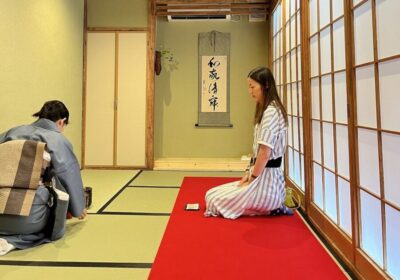
Browse the lists this tour appears in