
REVIEW · GUIDED
Kyoto: Personalized Guided Private Tour
Kyoto’s best feature is its mix of famous sights and small, quiet lanes, and this private tour lets you choose how to balance both. Your guide can build the day around temples, geisha-district streets, food, tea, or local culture. I especially like the one-to-one format and the freedom to visit three or four places at your own pace. Guides such as Taeko, Keiko, Toshi-san, Yoko, and others have received strong praise for adapting the route and adding useful cultural context.
The main drawback is cost. At $459 for a group listed as up to one person, the price needs careful checking before you book, especially if the actual booking covers only one participant. You also pay separately for your transport, entrance fees, and lunch, and the day involves plenty of walking and public transportation.
In This Review
- Key points to know before booking
- A six-hour Kyoto day built around you
- Fushimi Inari and its thousands of red gates
- Kinkaku-ji, the Golden Pavilion
- Kiyomizu-dera and Kyoto’s mountain view
- Gion, machiya, and old Kyoto streets
- Quiet temples and hands-on culture
- What the guides add to the day
- Public transportation and the pace of Kyoto
- Is $459 a fair price?
- Who should book this private tour?
- Should you book it?
- FAQ
- How long does the Kyoto private tour last?
- Is hotel pickup included?
- Which languages are available?
- How many attractions can I visit?
- Which Kyoto sights can I request?
- Are meals included?
- Are transportation and entrance fees included?
- Can children join the tour?
Key points to know before booking
- Choose your own Kyoto mix: Build the day around Fushimi Inari, Kinkaku-ji, Kiyomizu-dera, Gion, food, tea, or quieter cultural stops.
- Private guiding matters: You are not tied to a fixed group route, so the guide can adjust the pace and interests.
- The day links distant sights: A guide can help connect attractions on opposite sides of Kyoto by public transportation.
- Expect walking and stairs: Comfortable shoes are essential, and some stations have limited elevator or escalator access.
- Guiding quality can vary: Many visitors praise the personal attention, while one person found the explanations too brief.
- Book early for specialist languages: French, Spanish, and German guides may be harder to find from March through May and September through November.
A six-hour Kyoto day built around you
This is not a rigid sightseeing circuit. You meet your guide in your hotel lobby, then shape the day around the places and interests that matter most to you.
The plan allows for three or four attractions, depending on how quickly you move and how much time you spend at each stop. That sounds simple, but it is the key value of the tour. Kyoto’s major sights are spread across the city, so a private guide can help you decide when to linger and when to move on.
You might focus on the classic Kyoto set: Fushimi Inari Shrine, Kinkaku-ji, Kiyomizu-dera, and Gion. Or you can trade one of those famous locations for a quieter temple, a calligraphy activity, a miniature garden, a Japanese meal, or green tea.
The six-hour limit is long enough for a serious introduction, but not long enough to see every major sight in Kyoto. I would treat this as a carefully chosen day, not a complete tour of the city.
A few more Kyoto trips to weigh up
- Fushimi Inari Hidden Hiking Tour (Private Option Available)
★ 5.0 · 1,750 reviews - Private Kyoto Tour with a Local, Highlights & Hidden Gems, Personalised
★ 5.0 · 1,543 reviews - Kyoto 6hr Private Tour with Government-Licensed Guide
★ 5.0 · 1,369 reviews
Fushimi Inari and its thousands of red gates
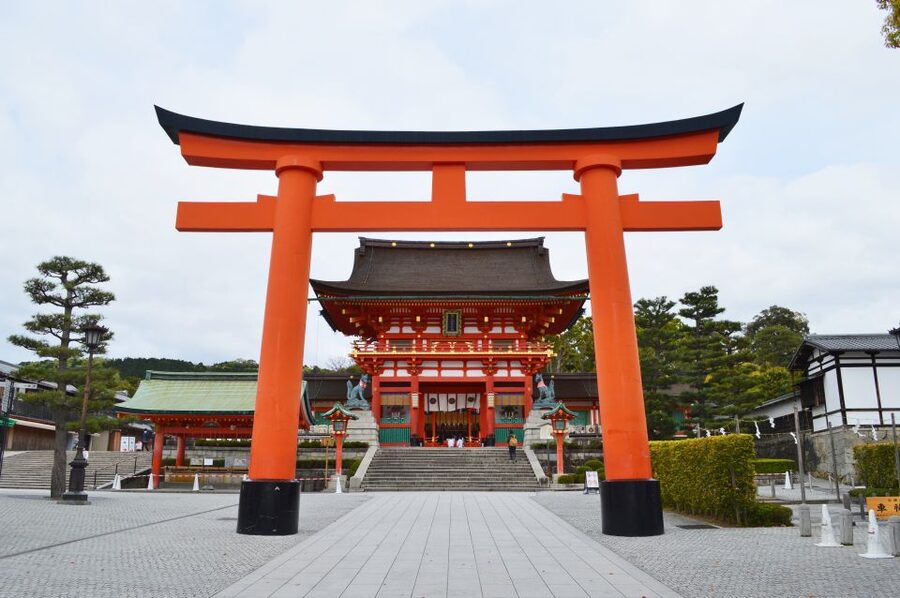
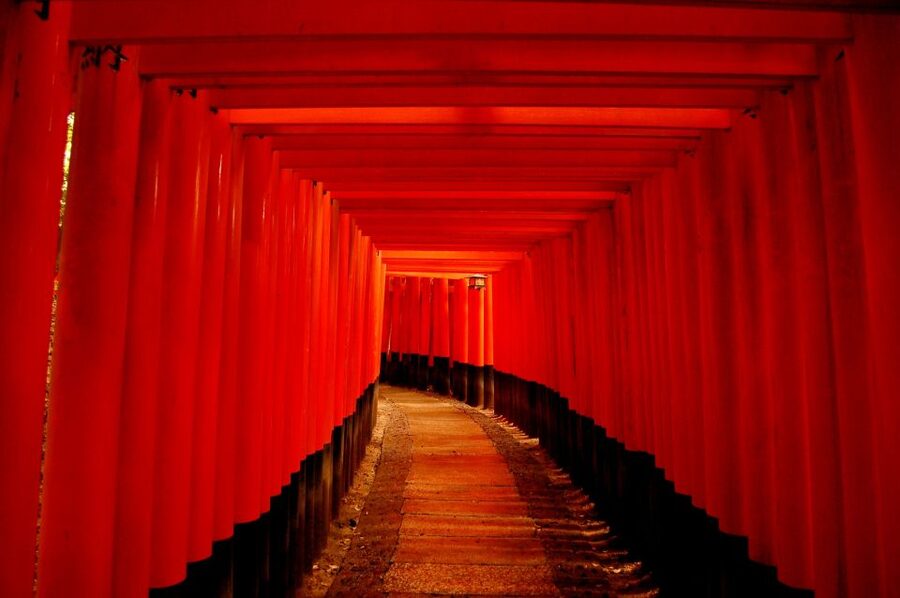
Fushimi Inari is one of Kyoto’s most recognizable sights, with rows of bright red torii gates climbing through the wooded shrine grounds. The repeating gates create a striking path and offer a strong first taste of old Japan.
The scale is the point. You do not simply walk through one decorative entrance, then leave. The torii continue up the mountain, and your guide can help you decide how far to go within the time available.
A full climb would take more time and energy than most six-hour city tours can spare, so do not assume you will see every section. Ask your guide early how much time you want to devote to the shrine. If your priority is photography, quiet walking, or religious context, say so at the start.
Fushimi Inari can also be physically demanding. The tour includes walking, and Kyoto’s stations may require stairs. If you prefer elevators or escalators where available, tell your guide when you meet.
Kinkaku-ji, the Golden Pavilion
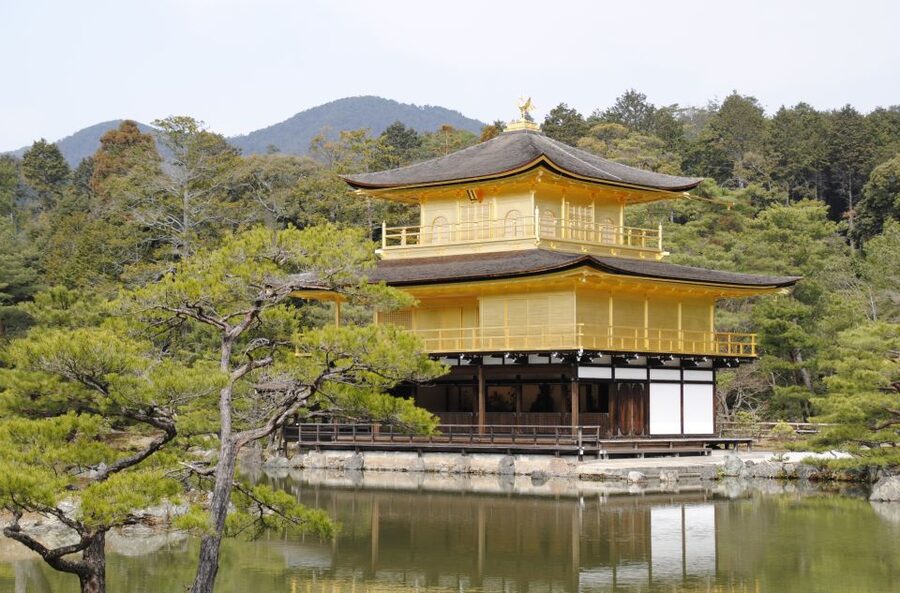
Kinkaku-ji, often called the Golden Pavilion, is the iconic temple many people picture when they think of Kyoto. Its gold-covered exterior and reflective setting make it a quick but memorable stop.
The attraction is visually powerful, but the visit is not designed as a long, leisurely indoor temple tour. You generally see the pavilion from the grounds and continue along the route. Your guide’s role here is useful because a few minutes of context can explain what you are seeing rather than leaving you with only a photograph.
If Kinkaku-ji is high on your list, tell the guide before the tour begins. This helps protect time for it, especially if you also want Fushimi Inari, Kiyomizu-dera, and Gion in one day.
Kiyomizu-dera and Kyoto’s mountain view
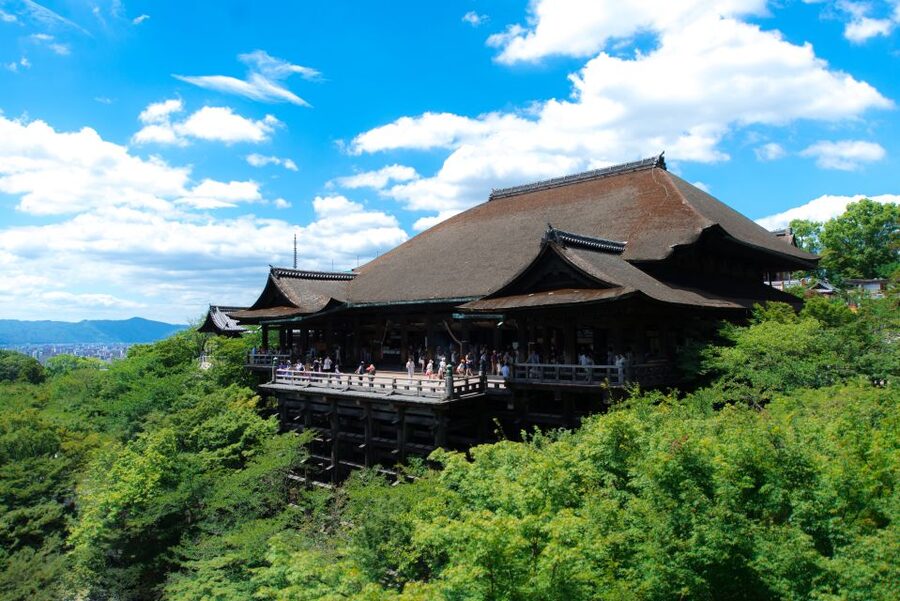
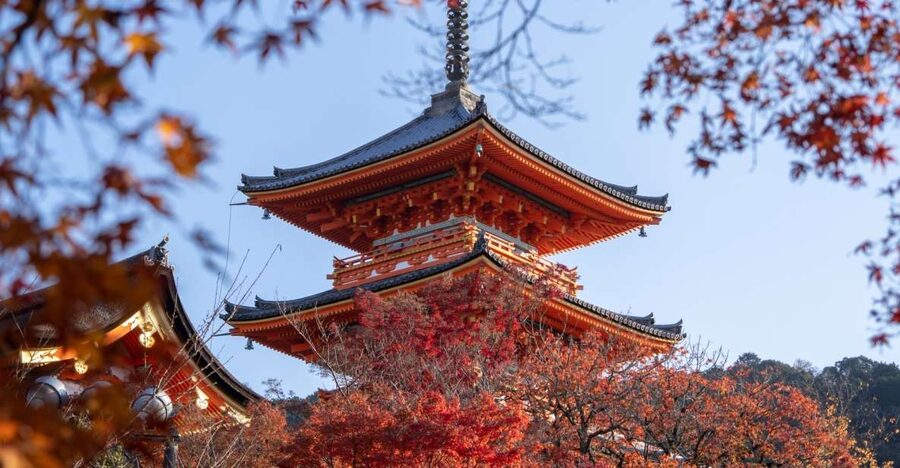
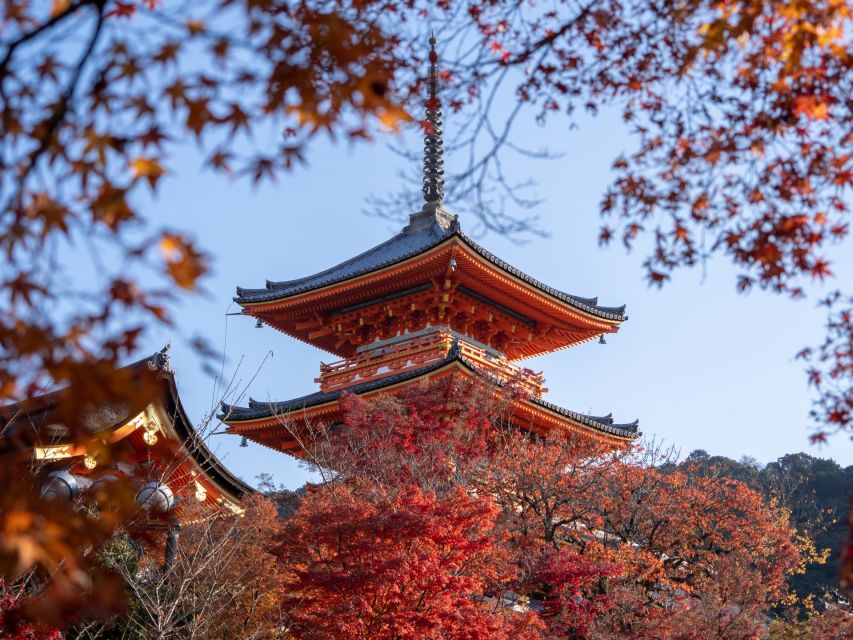
Kiyomizu-dera is one of Kyoto’s UNESCO World Heritage sites, best known for its large wooden veranda built into the mountainside. From the temple area, you can look out across Kyoto and see how the city spreads below the surrounding hills.
I would allow this stop more time than a quick photo visit. The temple setting combines architecture, views, religious tradition, and sloping approaches lined with old-style shops. The walk toward the temple can be busy, and the route includes uneven surfaces and inclines, so good shoes make a real difference.
The veranda is the headline feature, but the wider experience is just as important. You get a sense of how Kyoto’s historic districts sit between the mountains and the modern city. A guide can also help you understand the places you pass on the way rather than treating the temple as an isolated monument.
Same city, a completely different kind of day:
- PERFECT KYOTO 1-Day Bus Tour
★ 5.0 · 13,518 reviews - Kyoto: Fushimi Inari, Kinkakuji, Bamboo Grove 1 Day Bus Tour
★ 4.8 · 4,316 reviews - Kyoto: Tea Ceremony in a Traditional Tea House in Kiyomizu
★ 4.9 · 3,519 reviews - Kyoto Geisha Walking Tour: Gion District & Hidden Gems
★ 4.7 · 3,273 reviews
Gion, machiya, and old Kyoto streets
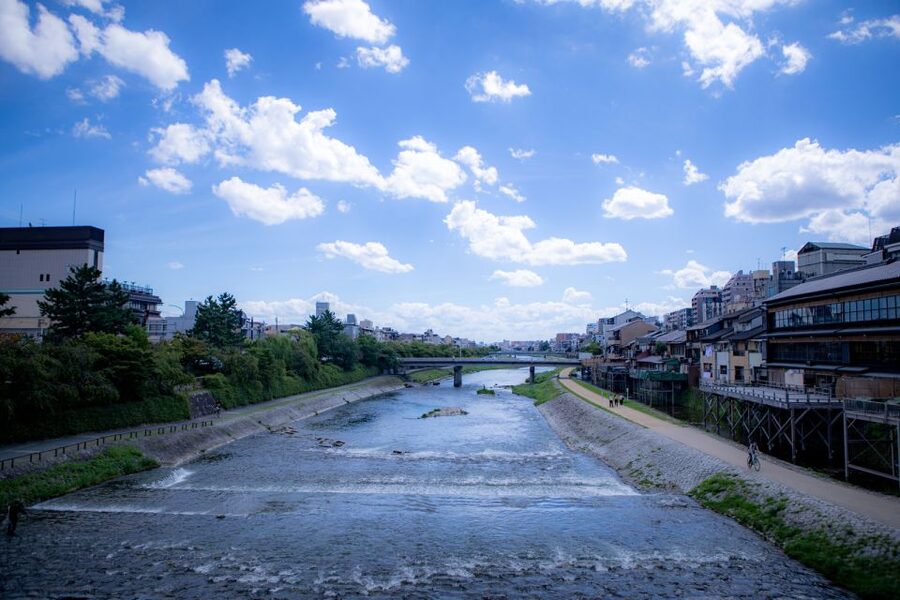
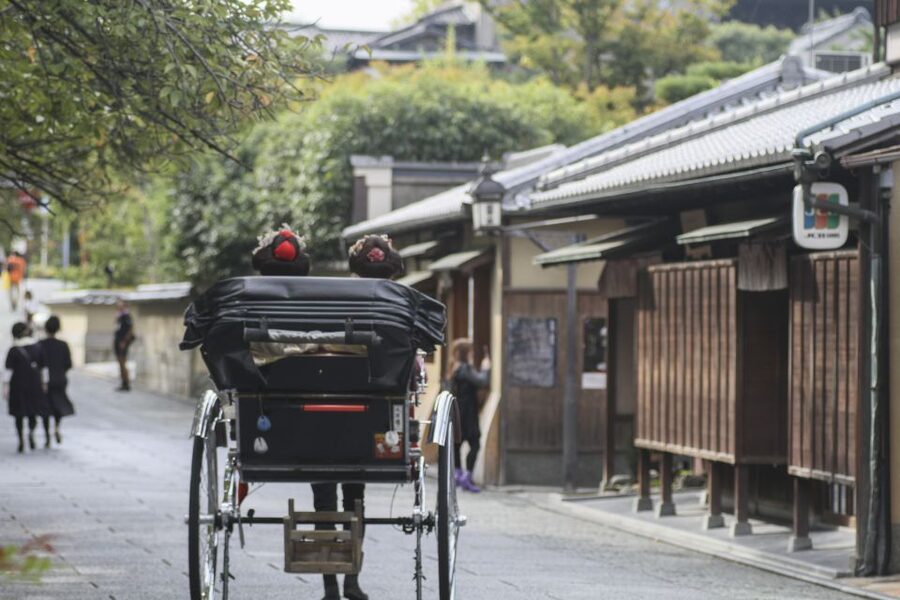
Gion is Kyoto’s most famous geisha district, but it is best approached with restraint. The area is a living neighborhood, not a stage set built only for sightseeing.
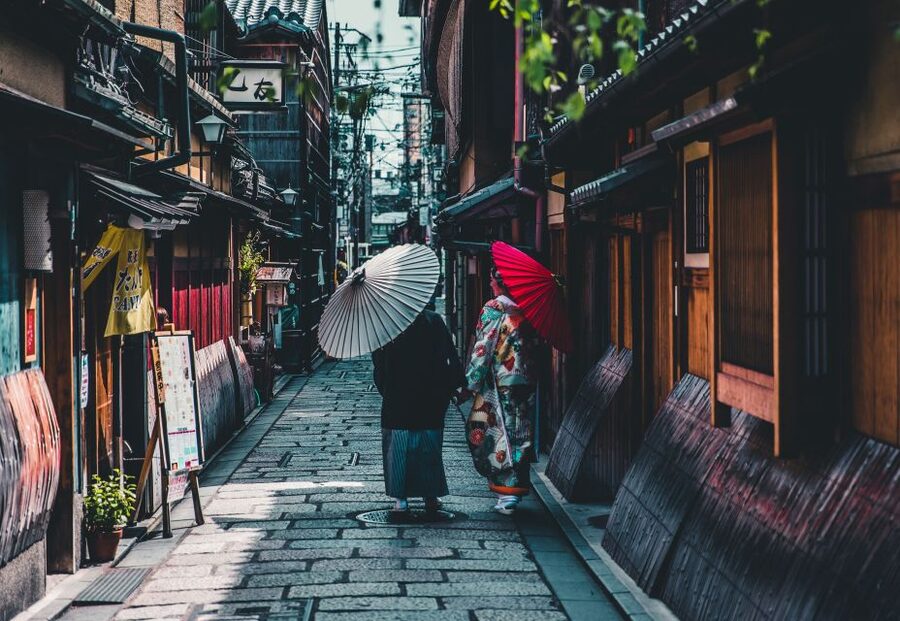
Your guide can take you through streets lined with traditional wooden machiya merchant houses and point out details you could easily miss alone. The appeal is often in the narrow lanes, quiet corners, and changing view of the district rather than in one single monument.
This is where the private format makes the most sense. You can ask about Japanese customs, the role of geisha and maiko, traditional homes, or daily life in the district. You can also make clear that you want a calm walk through the backstreets instead of a fast checklist of photo stops.
Keep your expectations sensible. A walk through Gion does not guarantee a geisha sighting, and the experience should not depend on one. The value is in seeing an historic neighborhood respectfully and with context.
Quiet temples and hands-on culture
The published route includes flexibility beyond the four famous sights. One previous itinerary added a quieter temple, time for peaceful contemplation, calligraphy, and the creation of a miniature garden.
Those activities show what you can gain from giving the guide room to adjust the day. If you have already seen major temples elsewhere in Japan, ask for a less crowded stop or a cultural activity. If this is your first visit, you may prefer to use all six hours for Kyoto’s major landmarks.
You can also ask about a Washoku Japanese restaurant or a green tea experience if those interests fit the schedule. Lunch is not included, so any meal is an extra cost. Still, making food part of the day can be a good use of time if you want more than temple photographs.
Be specific. Rather than saying you want to see everything, tell the guide what matters most: architecture, religion, food, gardens, local life, photography, or history. The clearer you are, the more useful the private format becomes.
What the guides add to the day
The strongest part of this experience is the human element. Past guide assignments have included Taeko, Yoko, Toshi-san, and Keiko. Taeko was praised for fitting major sights into six hours, adapting to requests, and adding information about Japanese life and culture.
Keiko received particular praise for handling requested sights on opposite sides of town while explaining the places along the way. That is an important benefit in Kyoto, where an ambitious route can become confusing without help.
Toshi-san was singled out for outstanding service and strong site knowledge. Yoko was appreciated for giving useful explanations at each location. These names do not guarantee who will lead your tour, but they show the kind of personal service the operator has provided.
There is one useful warning. A Spanish-speaking participant felt the guide gave only basic explanations and acted more like a companion than a full private guide. That is a fair concern, since a private tour costs more partly because you expect interpretation, not just navigation.
At the start, tell your guide how much explanation you want. Ask for stories, history, religious meaning, and local customs if those are important to you. You should not feel awkward asking for more detail during the day.
Public transportation and the pace of Kyoto
Your guide’s public transportation costs are included, but your own transportation is not. You should budget separately for trains, buses, or other public transit used during the tour.
The guide can help with the practical side of moving between districts, which is especially helpful when your chosen sights are far apart. Still, public transportation takes time, and Kyoto’s stations are not always easy for people who avoid stairs.
The tour operates in rain or shine. Bring comfortable shoes and dress for the weather. A wet day may slow the pace, while a hot or crowded day can make four major sights feel ambitious.
I would decide in advance which stop you are most willing to drop if time becomes tight. For many people, that might mean choosing either Fushimi Inari or Kinkaku-ji, then keeping extra time for Kiyomizu-dera and Gion. Your guide can help make that call, but your priorities should lead.
Is $459 a fair price?
The listed price is $459 per group up to one person, which makes the pricing unusual. Check the final booking screen carefully to confirm how the cost changes for your party and exactly what is covered.
The price includes hotel pickup, professional guiding, and your guide’s public transportation fee. It does not include your transportation, entrance fees, lunch, or the guide’s entrance fees when applicable.
That means the real cost is higher than the headline figure. On the other hand, a private guide can be good value if you have limited time, want help linking distant areas, or need a tour in English, French, Spanish, or German.
For a solo visitor, the price is a major commitment. For a larger private party, the cost per person may feel more reasonable if the booking terms allow several people in the group. Since the listed capacity says up to one person, confirm this point before paying.
The strongest value comes from customization. If you simply want transportation between famous sights, this may feel expensive. If you want a guide who can reshape the day, explain cultural details, and help you make smart use of six hours, the price becomes easier to defend.
Who should book this private tour?
This tour suits a first-time visitor who wants to see Kyoto’s main sights without planning every train and bus connection. It also works well for a repeat visitor who has already seen the Golden Pavilion and wants quieter temples, tea, gardens, or local streets.
You will get the most from it if you enjoy asking questions and making choices as you go. Families with children may appreciate the free participation for children under five, though the walking and stairs still require thought.
It is also a good match for visitors who prefer a private guide in a specific language. During March through May and September through November, French, Spanish, and German guide availability may be limited, so book as soon as your dates are firm.
This is less suitable if you want a fixed historical lecture at every stop, a luxury vehicle, or a fully inclusive package. Transportation for you, admission fees, and lunch are extra, and the tour uses public transportation.
Should you book it?
Book this tour if you want Kyoto’s famous sights with room to adjust the day. The best parts are the private pace, the chance to connect distant districts, and the ability to replace a standard stop with a quieter cultural experience.
Before booking, confirm the unusual $459 group pricing and decide how much explanation you expect. Tell the guide your top priorities, ask for deeper historical and cultural context, and be ready for walking in all weather.
I would choose this for a short Kyoto stay, a first visit, or a day when you want a local guide to handle the city’s logistics. I would skip it if you prefer independent exploration and are comfortable paying for your own transport while planning the route yourself.
FAQ
How long does the Kyoto private tour last?
The tour lasts six hours.
Is hotel pickup included?
Yes. You should wait in your hotel lobby at the scheduled pickup time.
Which languages are available?
Guiding is available in English, French, Spanish, and German. Availability in French, Spanish, and German may be limited during busy seasons from March through May and September through November.
How many attractions can I visit?
You can visit three or four attractions, depending on your pace and the choices made with your guide.
Which Kyoto sights can I request?
Possible sights include Fushimi Inari Shrine, Kinkaku-ji, also known as the Golden Pavilion, Kiyomizu-dera, and Gion. You can also ask about quieter temples, Washoku food, green tea, calligraphy, or a miniature garden experience.
Are meals included?
No. Lunch for you and your guide is not included.
Are transportation and entrance fees included?
Your guide’s public transportation fee is included, but your transportation is not. Entrance fees for you and your guide are also not included, although most tourist sights are free of charge for a guide.
Can children join the tour?
Children under five years of age can participate free of charge. The tour includes walking and public transportation, and some stations have few elevators or escalators.
Just added around Kyoto
- Taste of Nishiki Market Walking Food Tour with Local guide★ 5.0 · 17 reviews
- Kyoto: Sushi Making Class with Sushi Chef★ 4.8 · 64 reviews
- Kyoto: City Secrets eBike Tour★ 4.9 · 196 reviews
- Sacred Pathways: Discover the Philosopher’s Path of Kyoto★ 4.9 · 20 reviews
- Private Tour to Monkey Park and Arashiyama Highlights★ 5.0 · 22 reviews
- Private Nara Tour from Osaka – Meet at Your Hotel★ 5.0 · 22 reviews
- Private Sake Tasting in Central Kyoto with Sake Sommelier★ 5.0 · 13 reviews
- Kyoto : Private Custom Walking Tour With A Local Guide★ 4.6 · 144 reviews
Guided, compared.
Kyoto Early Morning Tour with English-Speaking Guide
Read our review →
Tokyo 4hr Private Tour with Government-Licensed Guide
Read our review →
Kyoto 6hr Private Tour with Government-Licensed Guide
Read our review →
Hiroshima / Miyajima Full-day Private Tour with Government Licensed Guide
Read our review →
Early Morning Tour with English-Speaking Guide
Read our review →
Nijo-jo Castle and Ninomaru Palace Guided Tour
Read our review →Browse the lists this tour appears in