
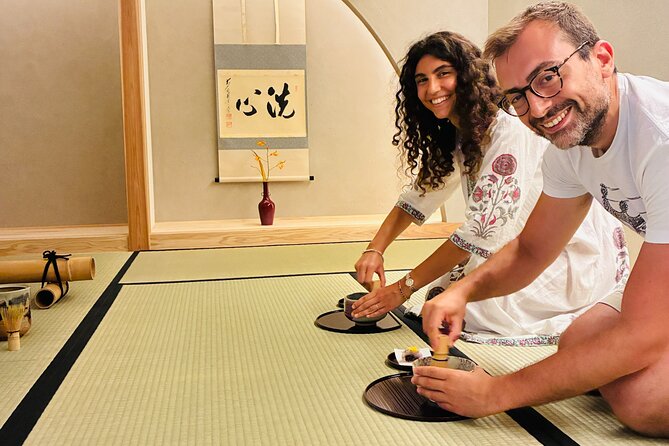
REVIEW · TEA CEREMONY EXPERIENCES
Kyoto: Newly Opened Tea Ceremony – Sanjo Chasuian
Kyoto’s tea ceremony is not just a cup of matcha. At Sanjo Chasuian, you step through a traditional nijiriguchi, a low crawl-in doorway designed to leave the outside world behind, then watch a host prepare tea with careful, measured movements. You receive one bowl made for you and prepare a second yourself, so the ceremony is both performance and hands-on lesson.
I like the short walk from Karasuma Oike Station and the clear English instruction. I also like the balance of tradition and participation: you learn the meaning behind the ritual before sitting quietly through it, then whisk your own matcha. The main consideration is timing. The door is locked once the session begins, and even a one-minute delay means you cannot join or receive a refund.
In This Review
- Key points to know before booking
- Why the nijiriguchi changes the mood
- The first bowl: watch the host prepare matcha
- The second bowl: make your own matcha
- A one-hour introduction that does not feel rushed
- What the $31 price includes
- Location near Karasuma Oike Station
- Clothing, seating, and the optional coat experience
- The English hosts make the difference
- Who will enjoy Sanjo Chasuian most
- Should you book this Kyoto tea ceremony?
- FAQ
- How long does the Sanjo Chasuian tea ceremony last?
- How much does the experience cost?
- How many bowls of matcha do I receive?
- Is the tea ceremony conducted in English?
- Where is Sanjo Chasuian located?
- What is a nijiriguchi?
- Do I need to bring socks?
- Can children join the shared plan?
- Is kimono rental included?
Key points to know before booking
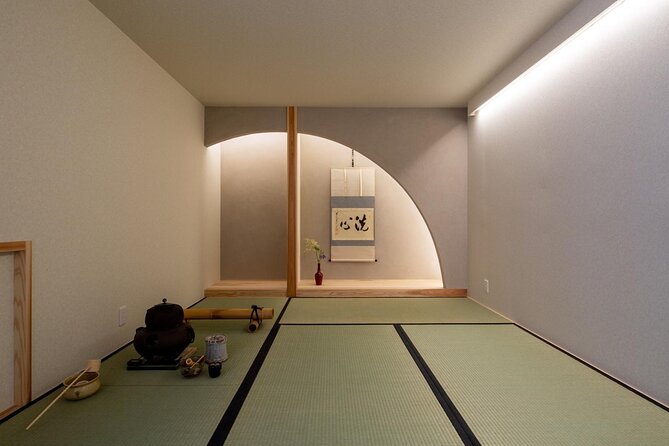
- Two bowls of matcha: One is prepared by the host, and one is whisked by you or a companion.
- A real nijiriguchi: The crawl-in entrance leads into the tea room and gives the experience a strong sense of ceremony.
- Seasonal wagashi included: You receive a traditional sweet from a Kyoto confectioner with more than a century of experience.
- English guidance throughout: Hosts such as Yuko and Reina explain the history, tools, gestures, and etiquette in English.
- Easy central location: Sanjo Chasuian is about a five-minute walk from Subway Karasuma Oike Station.
- Small shared group: The shared plan allows up to 10 participants, so the room stays relatively intimate.
Why the nijiriguchi changes the mood
Sanjo Chasuian’s most memorable feature may be the nijiriguchi, the small entrance traditionally used to enter a tea room. You do not stride through it like a hotel lobby door. You bend or crawl in, physically lowering yourself before entering the room.
That small act has meaning. The entrance was designed to make everyone equal inside the tea room, regardless of rank or status outside. You leave your ordinary pace and posture at the threshold. For an international visitor, it also makes the experience feel like more than a demonstration in a modern activity room.
The ceremony takes place in a calm setting, and the hosts ask you to respect that quiet. The opening explanation is important because it lets you understand what is happening before conversation stops. Once the formal preparation begins, the gestures make more sense: the placement of the bowl, the handling of the whisk, and the deliberate rhythm are no longer random movements.
Chairs are available if sitting on the floor is difficult. This is helpful, but the venue is not suitable for wheelchair users. The nijiriguchi itself may also require bending low, so you should consider your mobility before reserving.
More Tea Ceremony Experiences in Kyoto
- Kyoto: Tea Ceremony in a Traditional Tea House in Kiyomizu
★ 4.9 · 3,519 reviews - Kyoto: Tea Ceremony Ju-An at Jotokuji Temple
★ 4.9 · 3,207 reviews - Kyoto: 45-Minute Tea Ceremony Lesson Experience
★ 4.3 · 2,378 reviews
The first bowl: watch the host prepare matcha
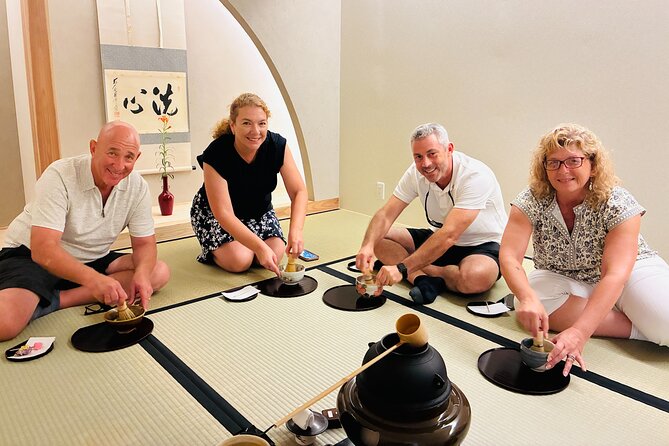
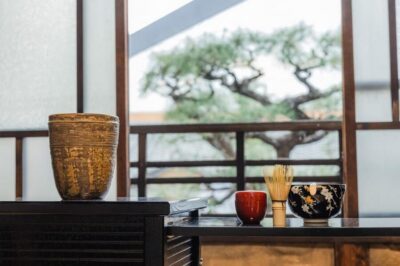
The session begins with an explanation of the tea ceremony and its background. You learn what matcha is, why the ceremony values attention and respect, and how the host uses the tea bowl, bamboo whisk, scoop, and other utensils.
The English guidance is one of the strongest parts of this activity. Yuko, Reina, and other hosts have been praised for explaining the process clearly and patiently. One useful feature is the order of the session: the host explains first, then performs the ceremony without interrupting the quiet flow with constant talk.
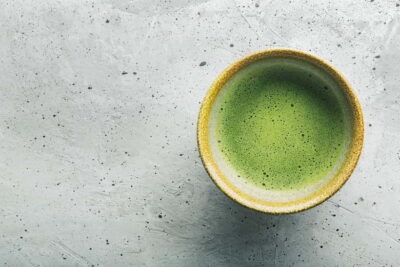
The host prepares your first bowl of matcha. You watch closely as hot water and powdered tea are combined and whisked into a bright green drink. The ceremony is less about speed than control. Every movement is neat and intentional.
You also receive a seasonal Japanese confection, known as wagashi. It comes from a Kyoto confectioner with more than 100 years of history. The sweet is not just a snack on the side. In the tea ceremony, its sweetness prepares your palate for the slightly bitter matcha, and its shape or color may reflect the season.
The combination works well for first-time visitors. If you have never had matcha, the wagashi gives you a gentle introduction. The tea itself can taste stronger and more vegetal than the sweetened green tea sold in cafés, so eating the confection first helps balance it.
The second bowl: make your own matcha
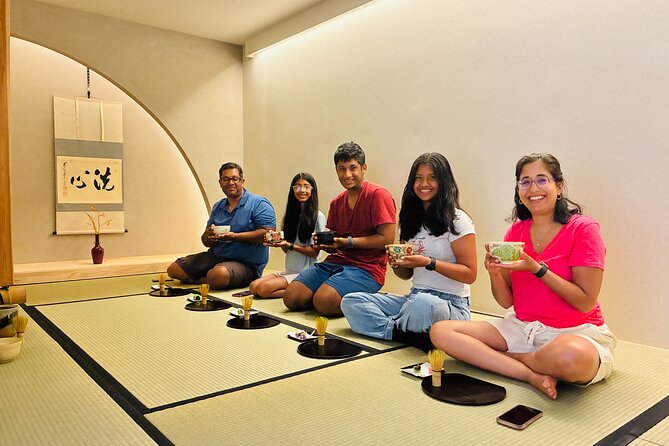
The hands-on portion follows the host’s bowl. You choose a tea bowl, receive the tools, and try to reproduce the basic whisking method. You can make the second bowl yourself or prepare it with a companion.
This is where the activity becomes more useful than a simple ceremonial display. Watching a tea master can be beautiful, but it can also leave you wondering how much skill goes into a bowl of matcha. Once the whisk is in your hand, you notice the focus required to create the right texture.
The hosts guide you through the movements and answer questions. You do not need previous knowledge, and the instructions are designed for beginners. You might produce a foamier or less even bowl than the host. That is part of the fun, and it gives you a better feel for the craft.
Staff may take photos or videos while you prepare the tea. This is a thoughtful touch if you want a record of the experience without constantly stopping to use your own phone. It also lets you remain present during the practical part.
The second bowl is not meant to turn you into a tea master in an hour. Instead, it gives you a physical sense of the ritual. You handle the bowl, whisk the tea, and taste the result. That brief participation makes the earlier demonstration easier to remember.
A one-hour introduction that does not feel rushed
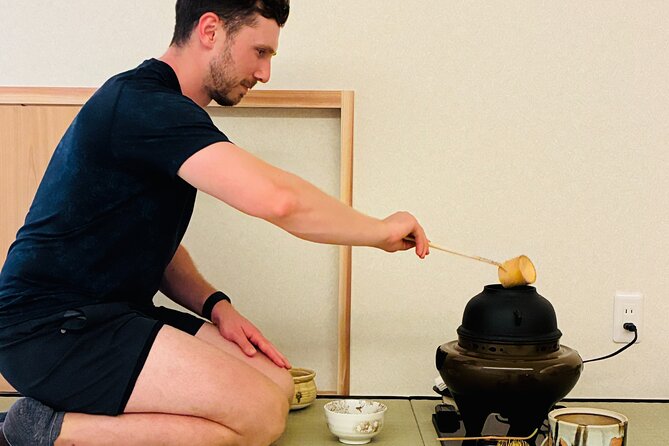
The full experience lasts about one hour. That is enough time for an explanation, a host-prepared bowl, a seasonal sweet, your own matcha, and questions without taking half a day from your Kyoto plans.
I would schedule it before dinner or between visits to nearby sights. One visitor used it as a quiet break during a packed Japan itinerary, and that is a good way to think about the timing. Kyoto can involve long walks, crowded stations, and constant sightseeing. An hour of stillness gives your day a different rhythm.
The short duration also makes this suitable for first-time visitors who are curious about tea ceremony but unsure about committing to a longer formal event. You receive the main ideas and rituals without needing to study etiquette in advance.
There is one strict rule: arrive early. Entry is allowed from five minutes before the start time, and the door is locked when the session begins. The activity will not wait for late arrivals, even if you are only one minute behind. Plan your route carefully from the station, and do not treat the five-minute walk as permission to cut things close.
Same city, a completely different kind of day:
- PERFECT KYOTO 1-Day Bus Tour
★ 5.0 · 13,518 reviews - Kyoto: Fushimi Inari, Kinkakuji, Bamboo Grove 1 Day Bus Tour
★ 4.8 · 4,316 reviews - Kyoto Geisha Walking Tour: Gion District & Hidden Gems
★ 4.7 · 3,273 reviews - Kyoto: Gion Magical Night Walking Tour with Geisha Trivia
★ 4.9 · 2,393 reviews
What the $31 price includes
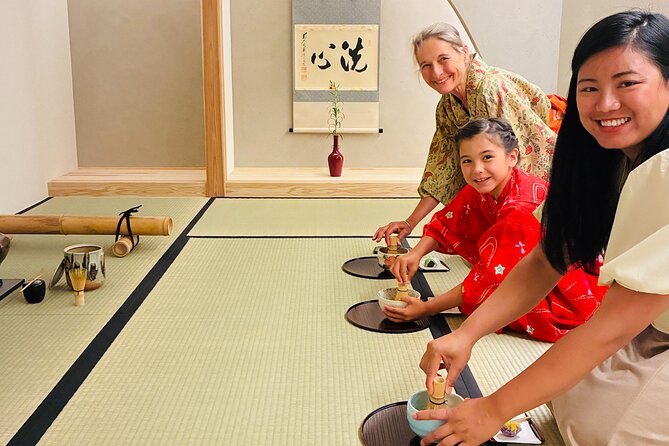
At $31 per person, the experience offers fair value for a central Kyoto cultural activity. The price includes two bowls of matcha and the seasonal wagashi, along with an English explanation and guided participation.
The value is strongest if you want context, not just a drink. A café can give you matcha for less, but it will not usually explain the relationship between the sweets, the utensils, the room, the gestures, and the idea of being fully attentive to the moment.
The small group limit of 10 also matters. A shared session is not private, but it should feel more manageable than a large demonstration. You may share the room with other participants, and the atmosphere depends partly on the group’s ability to stay quiet and follow instructions.
A grand opening discount was offered through September 15. Since promotional dates can change, check the current price when you book rather than relying on that offer. Matcha, tea bowls, and selected tea items are also available for purchase afterward. Purchases are optional, and the experience is not built around shopping.
Some people have bought matcha or tea sets after the session because they wanted to continue the ritual at home. The venue does not necessarily sell every item used in the ceremony, so ask staff if you are looking for a particular bowl or whisk.
Location near Karasuma Oike Station
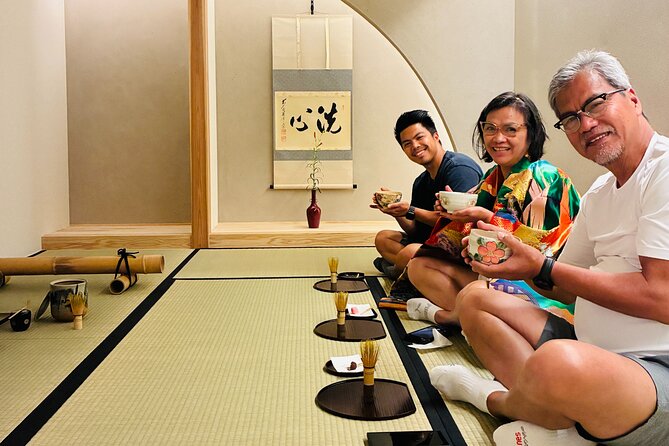
Sanjo Chasuian is about five minutes on foot from Subway Karasuma Oike Station, giving it a useful position in central Kyoto. The venue is also not far from Nijo Castle, making it possible to combine the tea ceremony with sightseeing in that part of the city.
At the address, look for a large plate showing the Sanjo Chasuian logo and name. Open the door, and staff will be waiting inside. This is a simple meeting point, but the sign matters because the facility is newly opened and may not yet be as familiar as Kyoto’s larger attractions.
Allow extra time to find the building, especially if you are unfamiliar with Japanese addresses. The no-late-entry rule makes a few spare minutes worthwhile. You should arrive wearing or carrying socks, as socks are required for the experience.
Clothing, seating, and the optional coat experience
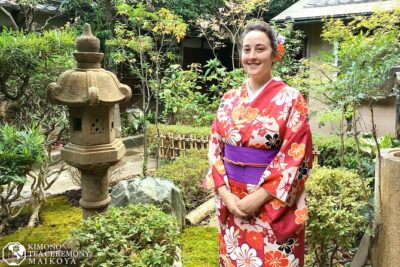
You do not need to rent a kimono for this activity. Standard kimono rental and dressing services are not offered, so do not reserve it expecting a full costume package.
An optional uchikake experience is available for ¥1,500 including tax. An uchikake is a coat-style kimono garment. You can ask about it on the day, but advance reservations are not accepted and quantities are limited, so it is not guaranteed.
Some participants have enjoyed wearing traditional coats during the session. The option can add visual appeal to photographs, but it is best treated as an extra rather than a central part of the tea ceremony.
Wear comfortable clothes that allow you to bend down for the nijiriguchi. Bring socks even if you are wearing sandals. Chairs are available for those who prefer them, but children under six and wheelchair users are not suitable for this activity.
If you are traveling with a child under five or need an interpreter, you must reserve the private plan. The shared plan is conducted with other participants, and an incorrect booking under that plan can mean no participation and no refund.
The English hosts make the difference
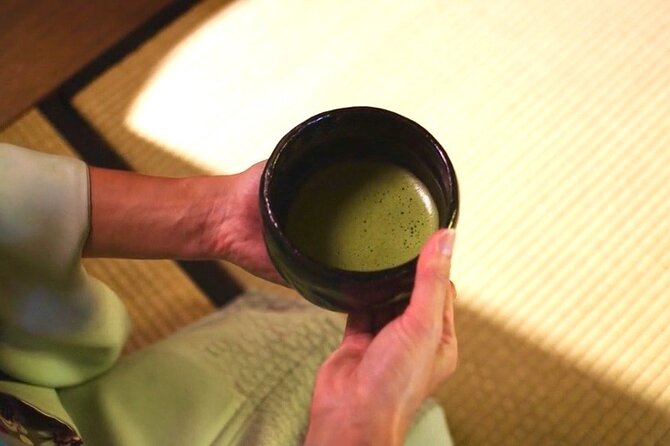
The hosts are central to the experience. Yuko is described as warm, careful, and clear when discussing the history and preparation of matcha. Reina has also guided many sessions, helping with questions, explaining each step, and making participants feel included. Renna has been praised for her friendly English and calm manner.
The strongest pattern is not flashy entertainment. It is patience. You receive enough explanation to understand why the ceremony is done in a certain way, then enough quiet to notice the ceremony itself.
One practical point is worth noting: English pronunciation may vary between hosts. Most instruction is clear, but one participant found a guide somewhat difficult to understand. If you miss a step, ask politely. The hosts are there to answer questions, and asking is better than guessing.
The experience is aimed at international visitors, so all explanations and guidance are given in English. That makes it a comfortable first encounter with tea ceremony for someone who cannot follow a Japanese-language lesson.
Who will enjoy Sanjo Chasuian most
I would recommend this to you if you want a compact cultural experience with real participation. It works especially well for first-time visitors to Japan, couples, solo visitors, and anyone who wants to understand the ceremony rather than simply photograph it.
It is also a good choice for a busy Kyoto schedule. The one-hour format and central subway location make it easy to fit between other plans. You get a quiet pause, a traditional sweet, two bowls of matcha, and a clear introduction to an important Japanese custom.
You may want a different format if you are seeking a long, highly formal tea gathering conducted mostly in Japanese. This is designed for international visitors and beginners, with teaching and explanation built into the session.
It is less suitable if you dislike bitter tea, cannot bend or sit comfortably, are using a wheelchair, or are likely to arrive late. Children under six are not accepted, and an interpreter cannot be added to a shared booking.
Free cancellation is available up to 24 hours in advance, and you can reserve now and pay later. Those policies help if your Kyoto schedule is still changing, but they do not soften the strict late-arrival rule.
Should you book this Kyoto tea ceremony?
Book Sanjo Chasuian if you want an accessible introduction to tea ceremony that gives you both quiet observation and hands-on practice. The nijiriguchi adds a memorable traditional detail, while the two bowls of matcha make the $31 price easier to justify.
I especially like that the host explains the ceremony before the formal movements begin. You are not left guessing why everyone is sitting quietly or why a bowl is handled in a particular way. The seasonal wagashi, central location, small group size, and English instruction round out the experience.
Skip it if you need wheelchair access, are booking with a child under six, or want a full kimono rental and dressing service. For most adults with an interest in Japanese culture, though, this is a thoughtful one-hour stop that brings more meaning to the green powder in your cup.
FAQ
How long does the Sanjo Chasuian tea ceremony last?
The experience lasts one hour. It includes an introduction to tea ceremony history, a bowl of matcha made by the host, a seasonal sweet, and a second bowl prepared by you or a companion.
How much does the experience cost?
The listed price is $31 per person. A grand opening discount was available until September 15, but you should check the current price when booking.
How many bowls of matcha do I receive?
You receive two bowls. The host prepares the first, and you make the second yourself or with a companion.
Is the tea ceremony conducted in English?
Yes. Sanjo Chasuian provides all guidance and explanations in English, and the instructors speak with international visitors in mind.
Where is Sanjo Chasuian located?
The facility is about a five-minute walk from Subway Karasuma Oike Station in Kyoto. Look for the large plate displaying the Sanjo Chasuian logo and name.
What is a nijiriguchi?
A nijiriguchi is a low, crawl-in entrance to a tea room. Sanjo Chasuian has one, and you use it to enter the heart of the ceremony.
Do I need to bring socks?
Yes. You must bring or wear socks during the experience.
Can children join the shared plan?
Children under six are not suitable for this activity. Children under five, or anyone requiring an interpreter, must book the private plan rather than the shared plan.
Is kimono rental included?
No. Standard kimono rental and dressing services are not offered. An optional uchikake, or coat-style kimono, experience costs ¥1,500 including tax, is requested on the day, and availability is limited.
Just added around Kyoto
- Taste of Nishiki Market Walking Food Tour with Local guide★ 5.0 · 17 reviews
- Kyoto: Sushi Making Class with Sushi Chef★ 4.8 · 64 reviews
- Kyoto: City Secrets eBike Tour★ 4.9 · 196 reviews
- Sacred Pathways: Discover the Philosopher’s Path of Kyoto★ 4.9 · 20 reviews
- Private Tour to Monkey Park and Arashiyama Highlights★ 5.0 · 22 reviews
- Private Nara Tour from Osaka – Meet at Your Hotel★ 5.0 · 22 reviews
- Private Sake Tasting in Central Kyoto with Sake Sommelier★ 5.0 · 13 reviews
- Kyoto : Private Custom Walking Tour With A Local Guide★ 4.6 · 144 reviews
Tea Ceremony Experiences, compared.
Tea Ceremony in a Traditional Tea House in Kiyomizu
Read our review →
World Heritage Kyoto & Nara Uji Authentic Matcha Experience
Read our review →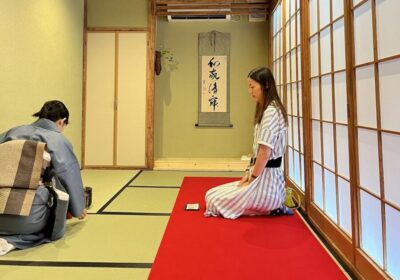
Browse the lists this tour appears in