
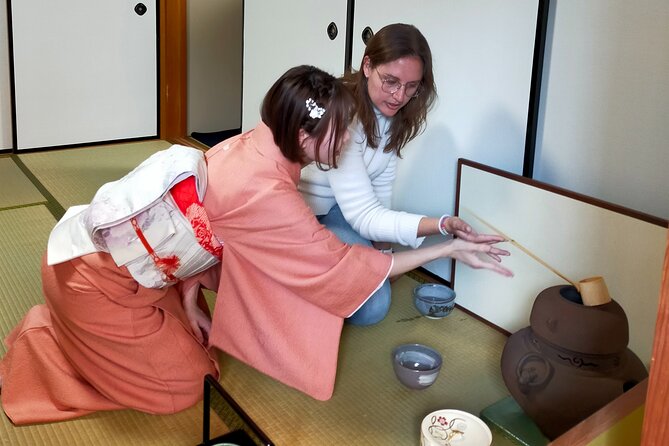
REVIEW · TEA CEREMONY EXPERIENCES
Kyoto near Fushimiinari Wagashi making&Small Group Tea Ceremony
Kyoto’s tea ceremony can feel formal and mysterious until you learn what is happening. This 75-minute experience makes the customs easier to understand by pairing a hands-on wagashi-making class with a small tea ceremony in a local Japanese-style home near Fushimi Inari.
I like two things in particular: you eat the sweets you make, and you prepare your own bowl of matcha rather than simply watching. The small group size, capped at eight, also gives the English-speaking instructor room to explain the meaning behind the scroll, garden, movements, and tea utensils.
The main consideration is the setting. You may sit on a tatami floor, and bare feet are not allowed, so bring socks and wear shoes that come off easily. The activity also includes caffeine and is not recommended if you avoid it.
In This Review
- Key points to know before booking
- A quiet Kyoto experience near Fushimi Inari
- Making wagashi in the kitchen
- Walking through the garden into the tea room
- Learning how to drink matcha
- Preparing your own bowl of matcha
- Why the group size makes a difference
- Timing the class with Fushimi Inari
- What I like most about the experience
- Points to consider before you reserve
- Who should book this Kyoto tea class?
- FAQ
- Where does the tea ceremony and wagashi class meet?
- What time does the activity start?
- How long does the experience last?
- How many people can join the class?
- Is the instruction available in English?
- Do I make the Japanese sweets myself?
- How much matcha do I receive?
- Do I have to sit on the tatami floor?
- What should I wear or bring?
- Can children join the experience?
- Can I cancel for a full refund?
Key points to know before booking
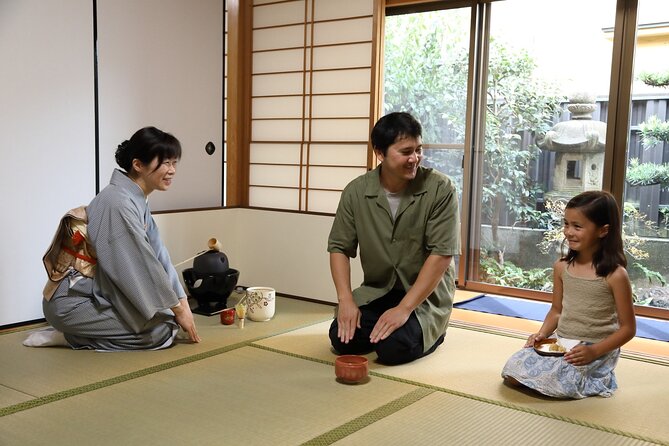
- Make your own wagashi: This is a hands-on kitchen lesson, not just a demonstration.
- Learn tea ceremony customs: The instructor explains how to enter, sit, observe, and drink in the room.
- Enjoy two bowls of matcha: One is prepared for you, and you make another yourself.
- Small group setting: No more than eight people take part, making questions and conversation easier.
- Near Fushimi Inari: The meeting point is about a 10-minute walk from the famous shrine, according to the activity details.
- Tatami or chair seating: Chairs can be arranged if you request them when booking.
A quiet Kyoto experience near Fushimi Inari
The meeting point is at 38-4 Fukaksa Watamoricho in Fushimi Ward, with a 9:45 am start. The house is near public transportation and close to Fushimi Inari Taisha, so you can fit the class into a morning around the shrine.
That location matters. Fushimi Inari is one of Kyoto’s busiest sights, especially around its famous orange torii gates. This activity gives you a quieter, more personal way to spend part of the morning nearby, without turning the class into a large group production.
The experience ends where it begins. There is no hotel pickup or drop-off, so you need to make your own way to the house and plan your route back afterward.
At $52.26 per person, the price is fair for what is included. You are paying for an English-speaking instructor, all taxes and fees, a wagashi lesson, a traditional tea setting, two bowls of matcha, and Japanese confectionaries. The value is strongest if you want participation and explanation, not simply a short photo opportunity in a tea room.
More Tea Ceremony Experiences in Kyoto
- Kyoto: Tea Ceremony in a Traditional Tea House in Kiyomizu
★ 4.9 · 3,519 reviews - Kyoto: Tea Ceremony Ju-An at Jotokuji Temple
★ 4.9 · 3,207 reviews - Kyoto: 45-Minute Tea Ceremony Lesson Experience
★ 4.3 · 2,378 reviews
Making wagashi in the kitchen
When you arrive, an English-speaking host takes you to the kitchen. Here you learn to make one type of wagashi, the Japanese sweet traditionally served with matcha.
This part is practical and slightly messy. The class is hands-on, so you shape and prepare the confection yourself rather than watching someone else do all the work. That makes the sweet more meaningful when it appears later in the tea ceremony.
The activity does not specify the exact wagashi variety, so do not book it expecting a particular design or flavor. The useful promise is simpler: you will learn the process for one traditional sweet and leave knowing how to prepare it for friends at home.
That souvenir value is worth noting. A tea ceremony can be beautiful but difficult to recreate after your holiday. Wagashi and matcha give you something you can explain and repeat, even if your first attempt is not as polished as the instructor’s.
The class also creates a natural introduction to the ceremony. Instead of sitting down cold and trying to understand an unfamiliar ritual, you first handle one of the foods served with the tea. You see how the sweet fits into the larger custom.
Walking through the garden into the tea room
After the kitchen lesson, the host explains how to attend the tea ceremony. This preparation is important because Japanese tea ceremony has its own pace and etiquette, and a little guidance helps you relax instead of worrying about every movement.
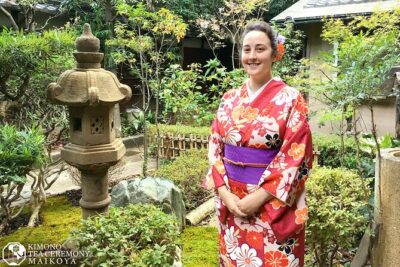
When weather allows, you walk through a tiny garden before entering the authentic Japanese-style room. That short transition is part of the charm. You leave the working kitchen and enter a more restrained space designed for careful attention.
The garden portion depends on weather. If it is raining, the route may change, and the activity requires good weather. If poor weather forces cancellation, you are offered another date or a full refund.
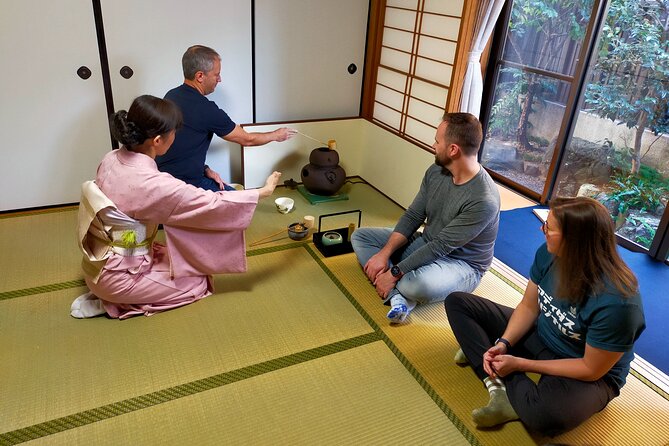
Inside, you sit on tatami while the instructor explains the history of tea ceremony and the meaning of the hanging scroll on the wall. These details give the room context. You are not simply told to sit quietly while tea is made; you learn why the setting includes the elements you see.
Tatami seating may be uncomfortable for some people, particularly during a formal ceremony. Chairs can be prepared instead, but you must request the number of chairs when making your reservation. Bring socks, since bare feet are not permitted in the room.
Learning how to drink matcha
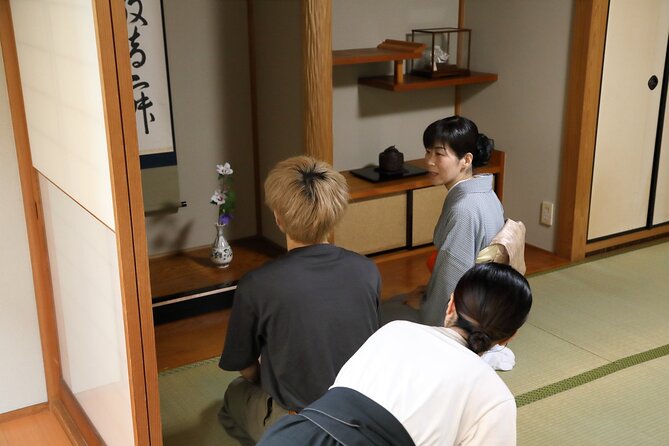
The ceremony begins with a demonstration of how to drink matcha. You first enjoy the wagashi you made, then watch the instructor prepare the tea and explain the correct way to receive and drink it.
This order is more than a pleasant snack break. The sweet balances matcha’s bitter, grassy taste, and the class lets you understand why Japanese confectionary is served before the tea. You are learning through taste as well as through explanation.
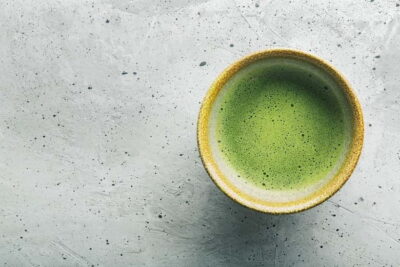
The instructor then prepares a bowl for you to drink. Two bowls of matcha are included in the experience, along with the traditional confectionaries. One bowl is served to you, and the second gives you the chance to take part in the preparation yourself.
The ceremony is formal, but the setting is also presented as a visit to a friend’s home. That balance is useful for first-time visitors. You get the customs and structure of tea ceremony without needing prior knowledge or perfect manners.
The English-speaking instructors are licensed guide interpreters, so the explanations are intended to be clear. Miho is identified as the hostess, and her friendly manner and strong English are important advantages for anyone who wants cultural background rather than a silent demonstration.
Same city, a completely different kind of day:
- PERFECT KYOTO 1-Day Bus Tour
★ 5.0 · 13,518 reviews - Kyoto: Fushimi Inari, Kinkakuji, Bamboo Grove 1 Day Bus Tour
★ 4.8 · 4,316 reviews - Kyoto Geisha Walking Tour: Gion District & Hidden Gems
★ 4.7 · 3,273 reviews - Kyoto: Gion Magical Night Walking Tour with Geisha Trivia
★ 4.9 · 2,393 reviews
Preparing your own bowl of matcha
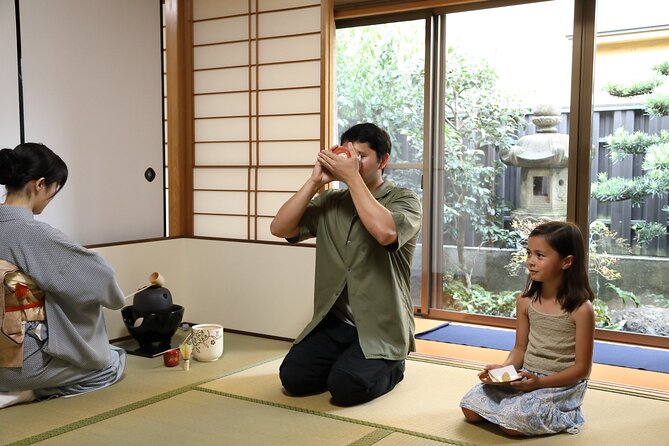
The final practical step is making matcha yourself. The host demonstrates the ceremonial preparation, then gives you the opportunity to prepare a bowl.
For many people, this is the most memorable part. You move from observer to participant and learn enough to serve matcha to friends at home. The activity does not promise a full tea master’s course, of course, but it gives you a basic understanding of the movements and purpose behind the preparation.
You should expect instruction rather than a test. The point is to learn the process, pay attention to the etiquette, and enjoy the experience. If your whisking technique is not perfect, that is part of the fun.
The matcha also means this activity is not ideal for people who do not take caffeine. The exact caffeine level is not provided, so anyone avoiding caffeine should consider skipping this experience rather than assuming the tea will be optional.
Why the group size makes a difference
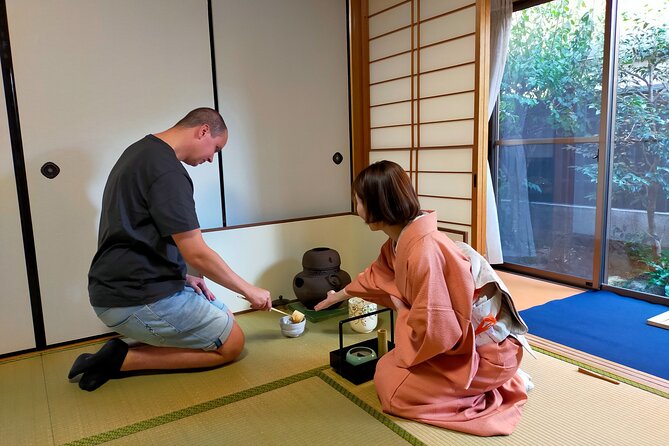
The maximum group size is eight. That is small enough to keep the room from feeling crowded and to make it easier to follow the demonstration.
A small class also suits the subject. Tea ceremony depends on details that can be hard to see or hear in a large group. With fewer people, you have a better chance to watch the instructor’s hands and ask questions in English.
The reservation normally starts with two people. Solo visitors are asked to contact the provider, since a single-person booking may be arranged separately. If you are traveling alone, do not assume the standard booking process will work without checking first.
Families should note the age rules. Children from 8 to 12 must attend with at least one adult. Children aged 7 or younger cannot take part, so this is better for older children and adults who can sit still, listen, and follow the ceremony’s rhythm.
Timing the class with Fushimi Inari
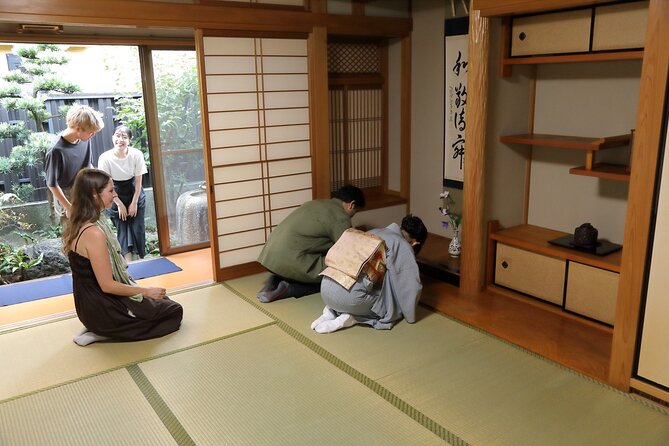
The morning start works well with a visit to Fushimi Inari, provided you plan the order carefully. The activity starts at 9:45 am and lasts about 1 hour and 15 minutes, returning to the meeting point.
The house is described as roughly a 10-minute walk from Fushimi Inari Taisha. You can visit the shrine before or after the class, but you should allow enough time to find the address and arrive promptly.
Starting with the tea experience can be a smart choice if you want a calm introduction to the area. You can then walk among the torii gates afterward. On the other hand, if you want to hike far up the mountain at Fushimi Inari first, the fixed start time may make your morning feel rushed.
The class itself is not a walking tour of the shrine. Its value comes from the home setting, food preparation, and tea instruction. Think of it as a cultural activity that pairs naturally with Fushimi Inari, not a replacement for visiting the shrine.
What I like most about the experience
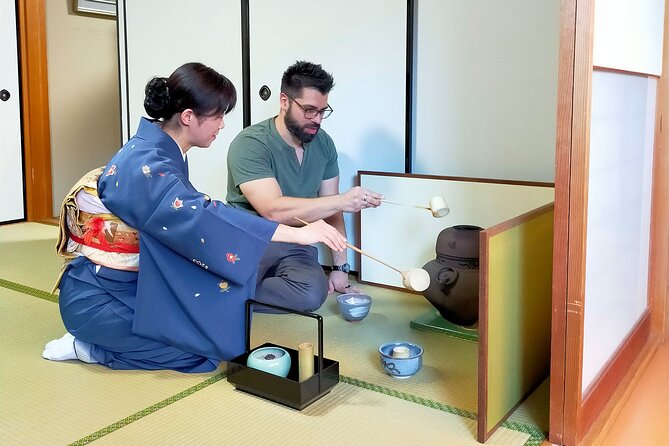
I like the way the activity connects three parts of Japanese culture: food preparation, hospitality, and tea. Making the wagashi gives you a task, the garden and tea room provide the setting, and the matcha preparation explains the ceremony through action.
I also like that the class does not stop at a demonstration. You make a sweet, eat it, drink tea prepared for you, and prepare another bowl yourself. That sequence gives you something to remember beyond the room’s appearance.
The English-speaking instruction is another strong point. Tea ceremony can lose its meaning if you cannot understand the gestures or terminology. Licensed guide interpreters can explain the scroll, the customs, and the history as the activity unfolds.
The setting has received particularly warm praise for being peaceful and traditional while still close to a major Kyoto sight. The contrast is useful: you can spend time near one of the city’s most visited places without spending the whole morning in a crowded sightseeing line.
Points to consider before you reserve
This is a short experience. At about 75 minutes, it offers a clear introduction rather than a long study of tea ceremony. If you want an extensive lesson in tea history or several types of wagashi, this may feel limited.
The activity also depends on your comfort with Japanese-style customs. You need socks, may sit on tatami, and should be willing to follow instructions about entering, sitting, and drinking. Chair seating is available on request, but you should arrange it in advance.
The caffeine issue is straightforward. Two bowls of matcha are included, so this is not the right pick for someone who avoids caffeinated drinks.
There is no hotel transportation. The meeting point is near public transportation, but you are responsible for getting there. Use the address rather than simply searching for Fushimi Inari, since the class takes place at a local house and not at the shrine itself.
Finally, cancellations are free up to 24 hours before the start time for a full refund. Changes or cancellations made later are not accepted, and the local cutoff time applies. Poor weather can lead to a new date or full refund.
Who should book this Kyoto tea class?
I would recommend this experience if you want a small, participatory introduction to Japanese tea ceremony. It suits adults, older children, couples, solo visitors who arrange the booking, and anyone interested in learning a skill instead of only taking photographs.
It is especially useful for a first visit to Kyoto. The instructor explains the customs in English, the group remains small, and the location fits neatly with a Fushimi Inari visit.
I would be more cautious if you dislike caffeine, cannot sit on tatami and do not arrange a chair, or prefer a longer and more specialized tea lesson. The wagashi type is not specified, and the class covers one kind of sweet rather than a broad cooking course.
For $52.26, the experience offers good value when you count the instruction, ingredients, tea, sweets, and private-home atmosphere. Book it if you want to understand what you are seeing and take part yourself. Skip it if you only want a quick ceremonial display or need a fully flexible morning.
FAQ
Where does the tea ceremony and wagashi class meet?
The meeting point is 38-4 Fukaksa Watamoricho, Fushimi Ward, Kyoto, 612-0022, Japan. The activity ends back at the same meeting point.
What time does the activity start?
The start time is 9:45 am.
How long does the experience last?
The activity lasts approximately 1 hour and 15 minutes.
How many people can join the class?
The maximum group size is eight people.
Is the instruction available in English?
Yes. The experience includes an English-speaking instructor, and the instructors are licensed guide interpreters.
Do I make the Japanese sweets myself?
Yes. You learn to make one kind of wagashi in the kitchen through a hands-on class rather than only watching a demonstration.
How much matcha do I receive?
The experience includes two bowls of matcha and Japanese traditional confectionaries. One bowl is prepared for you, and you have the opportunity to prepare another yourself.
Do I have to sit on the tatami floor?
Tatami seating is part of the tea ceremony, but chairs can be prepared if you request them when making your reservation.
What should I wear or bring?
Bring or wear socks because bare feet are not allowed in the room. Easy-to-remove shoes are recommended.
Can children join the experience?
Children aged 8 to 12 must attend with at least one adult. Children aged 7 or younger cannot participate.
Can I cancel for a full refund?
Yes. You can cancel at least 24 hours before the start time for a full refund. Late cancellations and changes made less than 24 hours before the start time are not accepted.
Just added around Kyoto
- Private Guided Traditional Buddhist Cooking in Japan★ 5.0 · 16 reviews
- Kyoto: Gion Geisha District & Sake-in-Hand Walking Tour★ 5.0 · 37 reviews
- Your Private Vacation Photography Session In Kyoto★ 5.0 · 110 reviews
- Kyoto: Zen Meditation at a Private Temple with a Monk★ 5.0 · 25 reviews
- Traditional Japanese Washi Papermaking- Kyoto morning★ 5.0 · 77 reviews
- Kyoto Wagashi(Japanese sweets) Cooking Class near Fushimiinari★ 5.0 · 60 reviews
- Private Pewter Sake Cup Experience with a Kyoto Artisan★ 5.0 · 31 reviews
- Kyoto Private 6 hour Tour: English Speaking Driver Only, No Guide★ 5.0 · 88 reviews
Tea Ceremony Experiences, compared.

Tea Ceremony in a Traditional Tea House in Kiyomizu
Read our review →

World Heritage Kyoto & Nara Uji Authentic Matcha Experience
Read our review →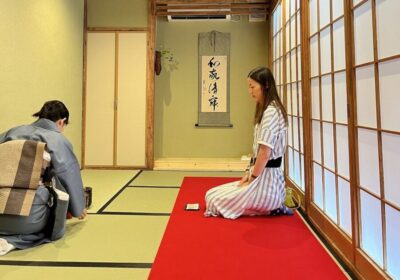
Browse the lists this tour appears in