

REVIEW · TEA CEREMONY EXPERIENCES
Kyoto: Mindful Tea Ceremony in 100-Year-Old Teahouse
Kyoto’s Oboro tea ceremony is less about following a long list of rules and more about learning to pay attention. In a 100-year-old teahouse, candlelight softens the room, the garden frames the quiet, and even the sound of water heating becomes part of the occasion.
I like the calm setting and the small group, limited to eight people. I also like the gentle teaching style, with hosts such as Taku and Naoki explaining the history, tools, matcha, and meaning behind each movement in English. The main consideration is that this is a quiet, seated activity lasting only 45 minutes, so it may not suit children under six, people with back problems, or anyone wanting a longer hands-on workshop.
In This Review
- Key points to know before you book
- Entering Oboro’s 100-year-old teahouse
- A welcome tea and seasonal sweet
- Watching matcha prepared step by step
- Drinking matcha without worrying about perfect etiquette
- Three rooms and a sense of progression
- What makes the atmosphere work
- Is $45 a fair price for 45 minutes?
- Who will enjoy this Kyoto tea ceremony?
- Practical timing and arrival advice
- A thoughtful ending with a handmade candle
- Should you book Oboro?
- FAQ
- How long does the Oboro tea ceremony last?
- How much does the tea ceremony cost?
- Is the tea ceremony conducted in English?
- How many people can join the session?
- What should I wear or bring?
- Can I take photographs during the ceremony?
- What happens if I arrive late?
- Is the activity suitable for children or wheelchair users?
Key points to know before you book
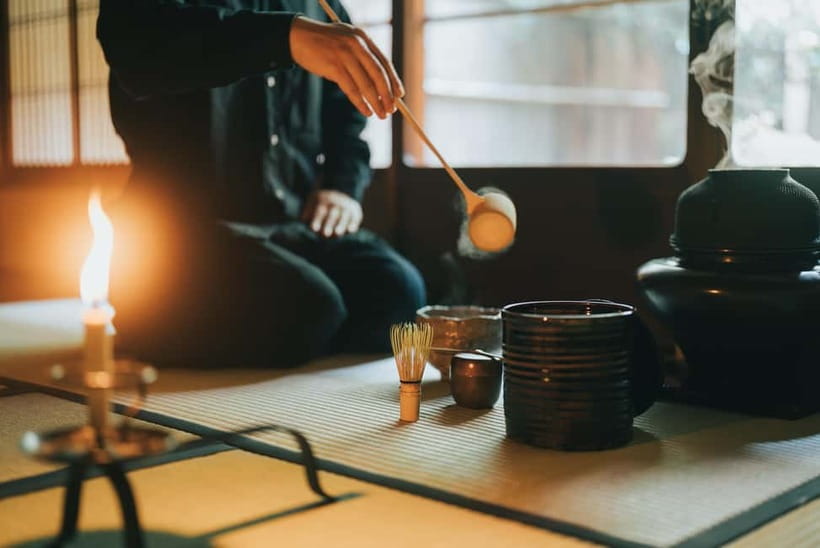
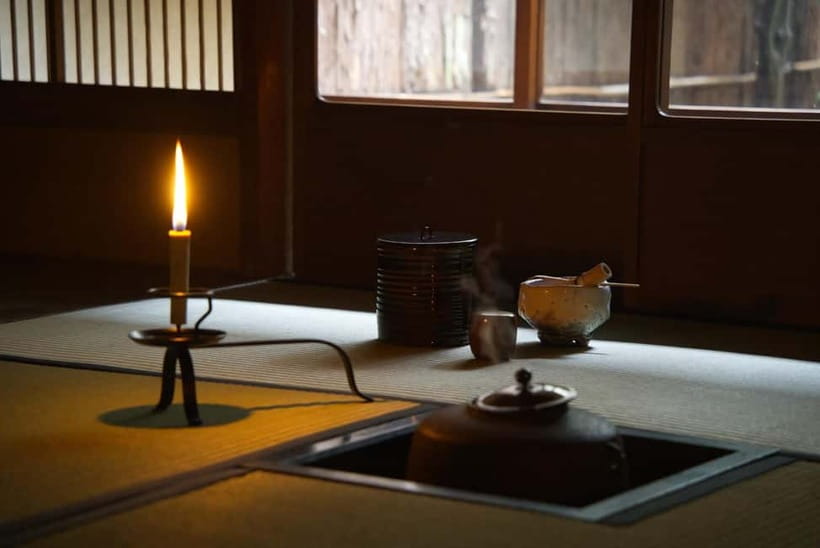
- Candlelight changes the mood: Oboro replaces bright overhead lighting with a soft glow that makes the ceremony feel restful from the moment you arrive.
- The old teahouse is part of the experience: Traditional rooms, a garden view, and simple décor give the ceremony a clear sense of place.
- Instruction stays friendly: You can watch quietly, ask questions, or follow along without worrying about perfect etiquette.
- Two teas may be served: Expect a welcome tea with a sweet, followed by matcha. In summer, the tea ceremony uses chilled water and ice.
- The group is small: A maximum of eight participants gives you a better chance to see the host prepare each bowl and hear the explanations.
- You take home a small candle: It is a thoughtful reminder of the slower pace introduced at Oboro.
Entering Oboro’s 100-year-old teahouse
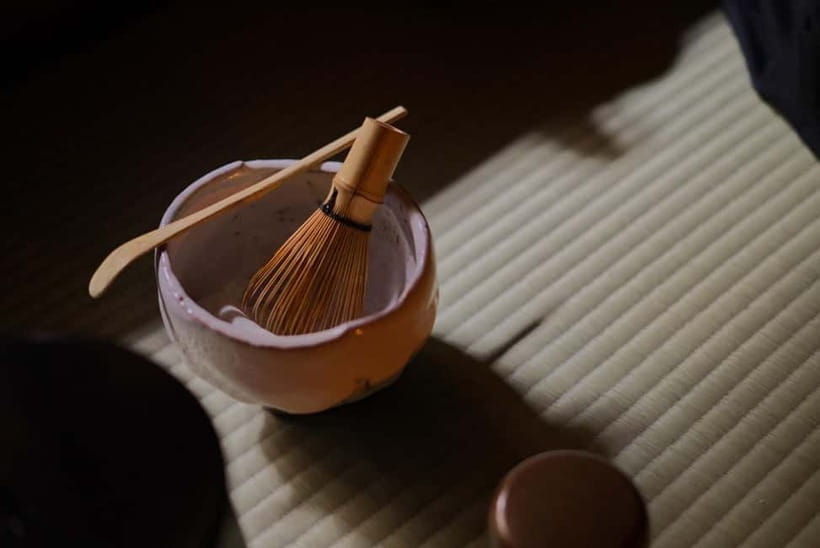
The first surprise is how quickly the setting asks you to slow down. You enter a softly lit room where candlelight replaces harsh ceiling lights. Belongings can be stored if needed, and the host gives a short explanation of how the 45-minute session will unfold.
That simple beginning matters. Kyoto can be a noisy, fast-moving city, especially when your day has included crowded lanes, temples, and train stations. Oboro gives you a clear break from that pace without requiring a full afternoon or a formal retreat.
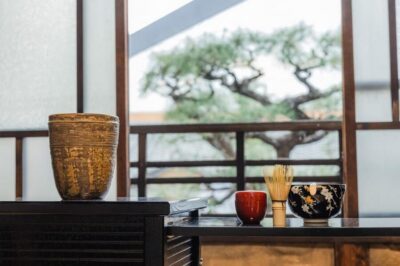
The teahouse itself adds much of the atmosphere. It is a traditional Japanese house said to be about 100 years old, with an interior that helps you notice the building rather than distracts from it. A garden seen through the tea room window provides another quiet focal point.
I would arrive 10 minutes early. Shoes must come off, and socks are required, so wear a clean, comfortable pair. The dress code is otherwise easygoing, but comfortable clothing is the sensible choice because you will spend much of the session seated.
More Tea Ceremony Experiences in Kyoto
- Kyoto: Tea Ceremony in a Traditional Tea House in Kiyomizu
★ 4.9 · 3,519 reviews - Kyoto: Tea Ceremony Ju-An at Jotokuji Temple
★ 4.9 · 3,207 reviews - Kyoto: 45-Minute Tea Ceremony Lesson Experience
★ 4.3 · 2,378 reviews
A welcome tea and seasonal sweet
Before the main ceremony, you settle into comfortable seats and receive a welcome tea with a seasonal sweet. This is not just a snack while you wait. It gives the host a natural way to introduce Japanese tea, flavors, and the idea of taking time with small details.
The sweet is intended to balance the tea, and its seasonal character makes it feel connected to the time of year. One participant particularly enjoyed the unusual snack pairing, while another praised the smooth cold green tea served as the welcome drink. In summer, the ceremony itself uses chilled water and ice, which makes the format more refreshing than the hot matcha ceremony many people picture.
This opening also helps if you are new to matcha. You do not need to arrive already fond of green tea or familiar with Japanese customs. The experience explains what you are drinking and why the sweet is served alongside it.
Watching matcha prepared step by step
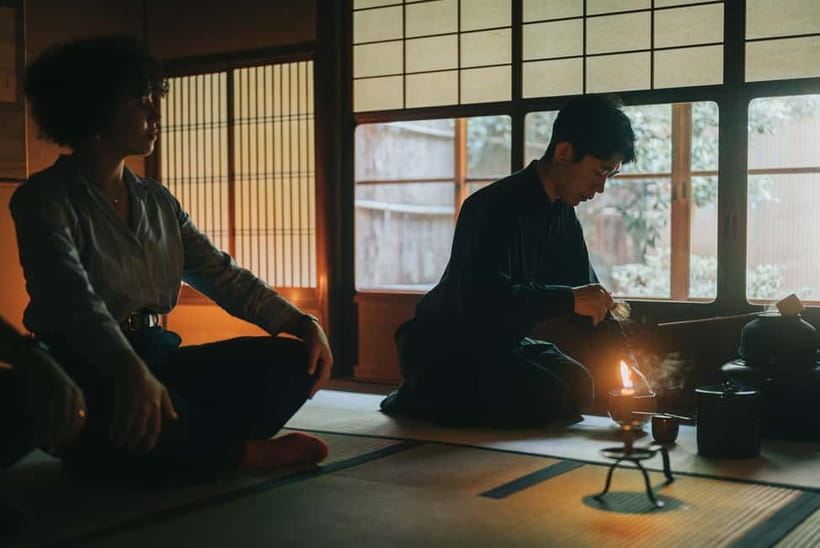
The main tea room is designed to keep distractions to a minimum. You may notice the faint aroma of fresh matcha, the quiet movement of the host, or the water simmering nearby. The ceremony gains much of its force from this close attention to ordinary sounds and actions.
The host purifies the utensils, measures and prepares the matcha, whisks it, and presents each bowl with a graceful bow. The movements are precise, but the tone is not stiff. English instruction helps you understand the purpose of each step instead of watching a ceremony that feels sealed off from you.
Hosts named in the feedback include Taku, Taiku, Naoki, and Noki, so the exact guide may vary by session. The consistent point is clear English guidance and a willingness to explain questions. One host was described as a 21-year-old tea master whose passion for preserving the tradition gave the ceremony a very current, personal feel.
That blend of old practice and young presenters is one of Oboro’s appealing details. You are not simply watching a museum piece. You are seeing people make a traditional form understandable to an international audience.
Drinking matcha without worrying about perfect etiquette
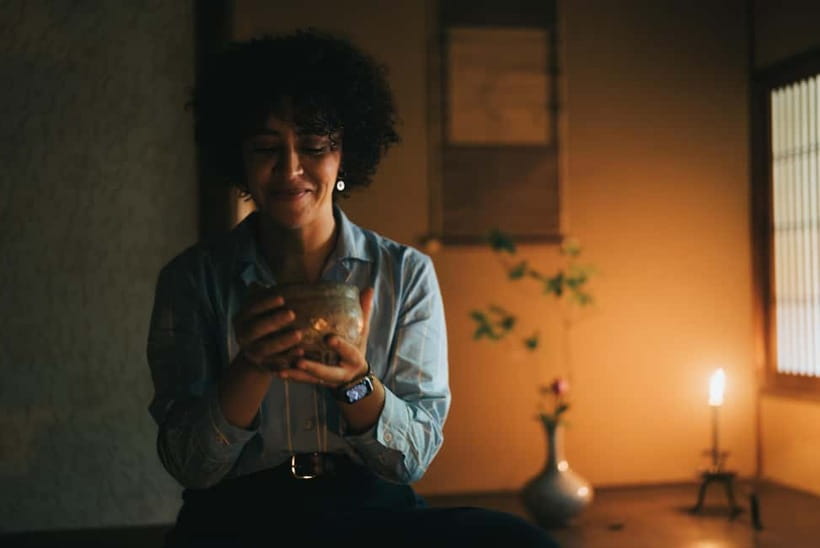
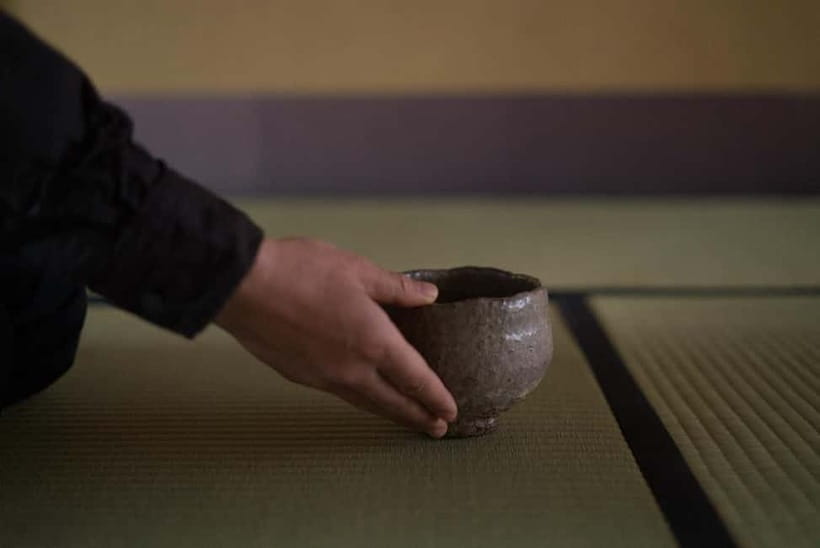
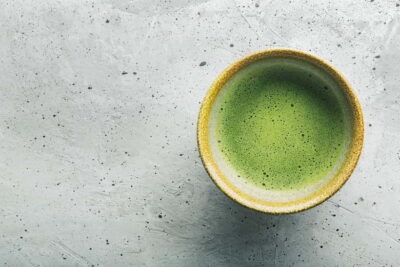
When your bowl is presented, you lift it gently, take in the aroma, and taste the tea. The matcha has a grassy, slightly bitter flavor, but the seasonal sweet helps balance it. If matcha is not normally your favorite drink, the careful preparation and pairing may make it easier to appreciate.
The instructions encourage respect without turning the session into an etiquette test. You can observe quietly, ask questions, or simply enjoy the stillness with the other participants. That flexibility is useful for first-time visitors who may worry about holding the bowl incorrectly or missing a formal cue.
The ceremony still has ceremonial roots. You will see the careful handling of utensils, the bow, the measured pace, and the attention given to the bowl. But the host explains these actions in a relaxed way, so the tradition feels accessible rather than intimidating.
I like this balance. A casual matcha-making class can teach you how to whisk tea but miss the meaning of the ritual. A very formal ceremony can leave you afraid to move. Oboro sits between those two approaches.
Same city, a completely different kind of day:
- PERFECT KYOTO 1-Day Bus Tour
★ 5.0 · 13,518 reviews - Kyoto: Fushimi Inari, Kinkakuji, Bamboo Grove 1 Day Bus Tour
★ 4.8 · 4,316 reviews - Kyoto Geisha Walking Tour: Gion District & Hidden Gems
★ 4.7 · 3,273 reviews - Kyoto: Gion Magical Night Walking Tour with Geisha Trivia
★ 4.9 · 2,393 reviews
Three rooms and a sense of progression
The setting can involve three rooms, each marking a different phase of the visit. The transition from the first room to the main tearoom helps the ceremony feel like a small journey, even though the activity is compact.
You begin by arriving, settling in, and receiving the welcome tea. You then move into the quieter tea room for the main preparation and tasting. The final part includes reflection and the handmade candle that you can take with you.
The rooms are not presented as a sightseeing circuit. Their value is in the change of mood. The first space helps you get comfortable, the central room concentrates your attention, and the closing moment gives the experience a gentle finish.
This structure also explains why the activity feels fuller than its 45-minute duration might suggest. You are not spending the entire time watching one continuous demonstration. The pace changes as you move through the house and from conversation to silence.
What makes the atmosphere work
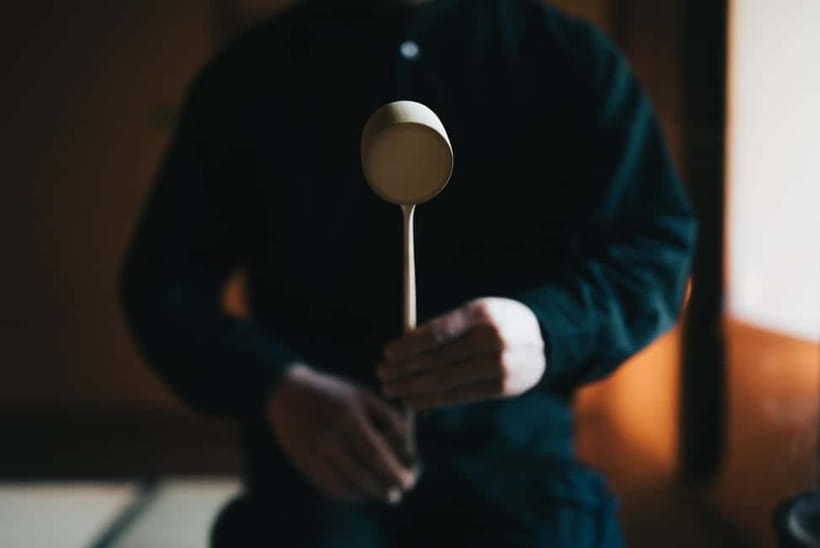
The most praised feature is the sense of peace. That comes from several modest choices working together: low light, minimal decoration, a garden view, soft movement, and a request for silence during the ceremony.
Silence can feel unusual on a group activity, but here it has a clear purpose. You can hear the water, notice the whisk moving through the tea, and give your attention to the bowl in front of you. The quiet is not meant to be severe. It is a way to give the ceremony room to breathe.
The setting also makes this a good choice after a busy sightseeing day. Several participants described leaving feeling calm, refreshed, or mentally reset. If your Kyoto schedule is packed from morning until night, this brief pause may be more useful than adding another landmark.
Photography is allowed without flash. That lets you record parts of the room or ceremony, but you should keep your camera use discreet. Flash photography and smoking are not allowed, and the quiet environment calls for restraint.
Is $45 a fair price for 45 minutes?
At $45 per person, Oboro is not the cheapest way to drink matcha in Kyoto. You can find tea in many cafés for far less. The value here comes from the setting, the instruction, the seasonal sweet, the small group, and the chance to understand the ceremony rather than simply order a beverage.
A group limit of eight is important. In a large demonstration, you may see the host’s hands from a distance and receive little chance to ask questions. At Oboro, the smaller format should make the preparation easier to follow and the explanations more personal.
The price also covers all necessary tea ceremony equipment and English instruction. You are paying for a cultural lesson, a traditional room, a carefully arranged atmosphere, and a short period of quiet. The handmade candle adds a small physical reminder of the visit.
I think the cost is reasonable if you want context and atmosphere, not just matcha. It is less compelling if your only goal is to taste green tea or learn a detailed tea-making technique you can repeat at home.
Who will enjoy this Kyoto tea ceremony?
Oboro suits adults, couples, solo visitors, and older children who can remain quiet and seated. It works especially well for first-time visitors to Japan because the host explains the customs without expecting prior knowledge.
It is also a good fit if you want a cultural activity that does not take half a day. The session lasts 45 minutes, leaving time for a temple visit, a meal, or an evening walk through Kyoto.
You may appreciate it most if you enjoy:
- Traditional Japanese architecture and simple interiors
- Quiet cultural activities
- Matcha, seasonal sweets, and careful presentation
- Learning the reason behind ceremonial gestures
- Small groups rather than large guided outings
- A short break from a packed sightseeing schedule
This is not the right choice for children under six. Shoes must be removed, socks are required, and the quiet setting may be difficult for very young participants. People with back problems should also consider the seated format, and the activity is not suitable for wheelchair users.
Practical timing and arrival advice
Check the available starting times when you book, since the schedule can vary. Plan to arrive 10 minutes early, not at the exact start time. Participants more than 10 minutes late will not be admitted, so allow extra time to find the house.
If the address is difficult to locate, search Google Maps for Oboro: Mindful Tea Ceremony. Hotel pickup and drop-off are not included, and meals are not part of the activity. You are meeting at the teahouse itself.
Wear comfortable clothes and socks. Avoid planning this as a rushed stop between distant parts of Kyoto. The whole point is to change your pace, and arriving breathless would work against the setting.
The experience is offered in English. You can ask questions during the explanatory portions, but expect silence during the more focused parts of the ceremony. Photography without flash is permitted, although constant picture-taking would distract from the very quality that makes the visit appealing.
A thoughtful ending with a handmade candle
The small candle given at the end is more than a standard souvenir. It connects the physical setting with the idea of carrying a little calm into ordinary life. After watching the host work with such care, leaving with a candle gives the final reflection a practical form.
You do not need to treat the ceremony as a spiritual lesson. Its value can be quite simple. You sit still, taste something carefully prepared, listen to a host explain a tradition, and notice details you might normally miss.
That is why the experience can feel meaningful even for people who are not regular tea drinkers. The matcha is the center of the activity, but the larger subject is attention.
Should you book Oboro?
Book this tea ceremony if you want a quiet, well-explained introduction to Japanese tea culture in a traditional setting. The small group, English guidance, garden view, seasonal sweet, and candlelit rooms give the short session real character.
I would especially choose it for a busy Kyoto itinerary, a first visit to Japan, or a day when you need something slower than temple hopping. The main reasons to skip it are practical: you dislike matcha, cannot sit comfortably, need wheelchair access, or prefer a hands-on class with more time for making tea yourself.
Free cancellation up to 24 hours before the activity and the option to reserve now and pay later make it easier to fit into a changing itinerary. For many visitors, the best souvenir will not be the candle or the photographs. It will be the memory of how quiet Kyoto felt for 45 minutes.
FAQ
How long does the Oboro tea ceremony last?
The activity lasts 45 minutes.
How much does the tea ceremony cost?
The price is $45 per person.
Is the tea ceremony conducted in English?
Yes. English instruction is included, and the instructor language is English.
How many people can join the session?
It is a small-group activity limited to eight participants.
What should I wear or bring?
Wear comfortable clothes and socks. Shoes must be removed before entering the session.
Can I take photographs during the ceremony?
Photography is allowed without flash. Flash photography is not allowed.
What happens if I arrive late?
You should arrive 10 minutes early. Participants who arrive more than 10 minutes late will not be allowed to enter the session.
Is the activity suitable for children or wheelchair users?
It is not suitable for children under six, people with back problems, or wheelchair users.
Just added around Kyoto
- Taste of Nishiki Market Walking Food Tour with Local guide★ 5.0 · 17 reviews
- Kyoto: Sushi Making Class with Sushi Chef★ 4.8 · 64 reviews
- Kyoto: City Secrets eBike Tour★ 4.9 · 196 reviews
- Sacred Pathways: Discover the Philosopher’s Path of Kyoto★ 4.9 · 20 reviews
- Private Tour to Monkey Park and Arashiyama Highlights★ 5.0 · 22 reviews
- Private Nara Tour from Osaka – Meet at Your Hotel★ 5.0 · 22 reviews
- Private Sake Tasting in Central Kyoto with Sake Sommelier★ 5.0 · 13 reviews
- Kyoto : Private Custom Walking Tour With A Local Guide★ 4.6 · 144 reviews
Tea Ceremony Experiences, compared.
Tea Ceremony in a Traditional Tea House in Kiyomizu
Read our review →
World Heritage Kyoto & Nara Uji Authentic Matcha Experience
Read our review →
Browse the lists this tour appears in