
REVIEW · TEA CEREMONY EXPERIENCES
Kyoto Matcha Green Tea Tour
Uji is where Kyoto’s matcha story comes alive. On this three-hour walk through Uji, you visit major sights such as Byodoin Temple, sample local food, and learn to make matcha instead of simply drinking it from a pretty bowl.
I like the mix of culture and eating, especially the matcha soba, sweets, and ice cream. I also like the small group size, since a guide such as Karim, Jamelah, Miki, or Raquel can answer questions and adjust the pace. The main drawback is the strict meeting rule: arrive late to Keihan Uji Station and the group may leave after only five minutes.
In This Review
- Key points to know before booking
- Why Uji makes a better matcha stop than a Kyoto shop
- Meeting at Keihan Uji Station, not JR Uji
- Byodoin Temple gives the tour its visual centerpiece
- Uji’s shrines, streets, and river tell different stories
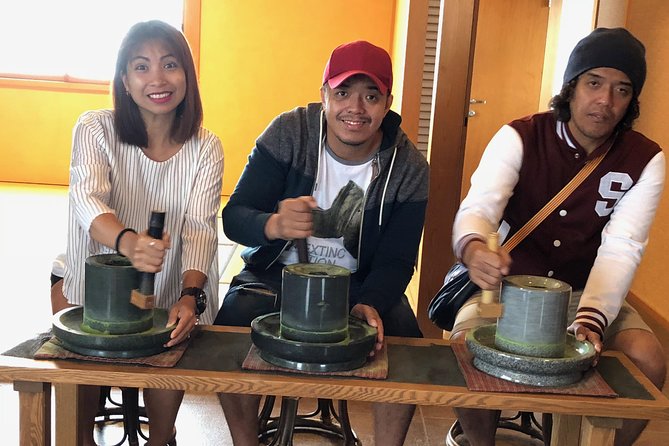
- Grinding tea leaves makes the matcha lesson memorable
- The guides add the human touch
- How much value do you get for $173?
- Who will enjoy this Uji experience most?
- Shopping time is useful, but keep your expectations clear
- Is the Kyoto Matcha Green Tea Tour worth booking?
- FAQ
- Where does the Kyoto Matcha Green Tea Tour meet?
- Is the meeting point JR Uji Station?
- How long does the tour last?
- How far is Uji from Kyoto City?
- Is transportation from Kyoto included?
- What food and drink are included?
- Is shopping included?
- Is the tour conducted in English?
- How large is the group?
- Can children join the tour?
- Is there a minimum booking requirement?
- Can I cancel for a refund?
- Do I need to pay when I book?
- What should I do if I have dietary requirements?
- Is gratuity included?
- Is there an age requirement for drinking?
Key points to know before booking
- Matcha becomes a hands-on experience: You grind tea leaves, whisk your own matcha, and taste it with wagashi sweets and other treats.
- Byodoin Temple anchors the visit: This World Heritage site gives the tour a strong cultural center, rather than making it only a food walk.
- Uji River adds a calm setting: A riverside food stop and old streets break up the temple and tea visits.
- The guide shapes the day: Past guides have included Karim, Jamelah, Miki, Thomas, Sanae, and Raquel, with several praised for flexible, friendly help.
- Use the correct station: The meeting point is Keihan Uji Station, not JR Uji Station.
- The price buys more than a tasting: At $173 per person, the value rests on the guide, several food stops, cultural explanations, and the hands-on tea session.
Why Uji makes a better matcha stop than a Kyoto shop
Kyoto has no shortage of tea counters. Uji gives you the setting behind the cup.
This small town sits about 40 minutes from Kyoto City and is closely tied to Japanese tea culture. The experience takes you through streets lined with tea shops, past the Uji River, and toward temples and shrines that give the town a sense of place. You are not just handed a bowl of green tea and sent on your way. You see how tea fits into Uji’s food, trade, religion, and daily life.
That wider setting matters. A matcha dessert in a shop can be pleasant, but it tells you little about why Uji became famous. Here, your guide connects the tea to the town and points out the people, customs, and old stories that shaped Uji.
The tour is conducted in English and limited to eight people. That is a useful size for a food walk. You can hear explanations, ask questions, and take part in the tea activity without feeling lost in a crowd.
More Tea Ceremony Experiences in Kyoto
- Kyoto: Tea Ceremony in a Traditional Tea House in Kiyomizu
★ 4.9 · 3,519 reviews - Kyoto: Tea Ceremony Ju-An at Jotokuji Temple
★ 4.9 · 3,207 reviews - Kyoto: 45-Minute Tea Ceremony Lesson Experience
★ 4.3 · 2,378 reviews
Meeting at Keihan Uji Station, not JR Uji
The practical detail most likely to cause trouble is the meeting point. You meet at the entrance of Keihan Uji Station, at Otsukata Uji, Kyoto 611-0021. This is not JR Uji Station.
Your guide holds a sign, but the operator allows only five extra minutes after the scheduled start. Once the group leaves, the guide cannot give directions or take calls to help late arrivals. I would treat the meeting time as firm, especially because Uji is outside central Kyoto and the wrong station can cost you precious minutes.
Transportation to Uji is not included. Hotel pick-up is not included either, so you arrange your own trip from Kyoto City. The journey takes about 40 minutes, making this a sensible half-day addition to a Kyoto stay. Allow enough time to find the correct platform and station entrance.
The tour itself lasts three hours. Starting times vary, so check availability when booking. A minimum of two people per booking is required, and children must stay with an adult. Unaccompanied minors cannot join.
Byodoin Temple gives the tour its visual centerpiece
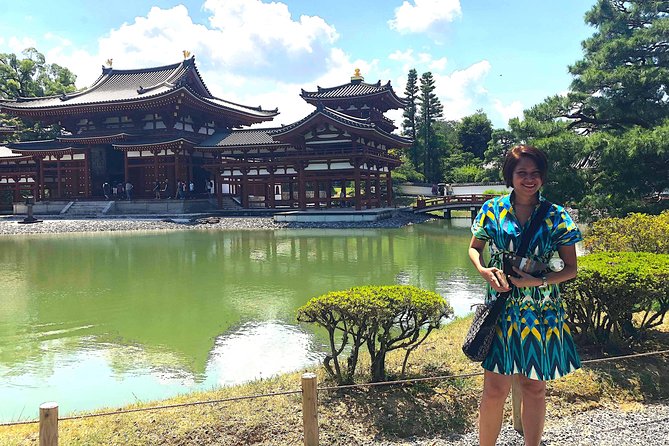
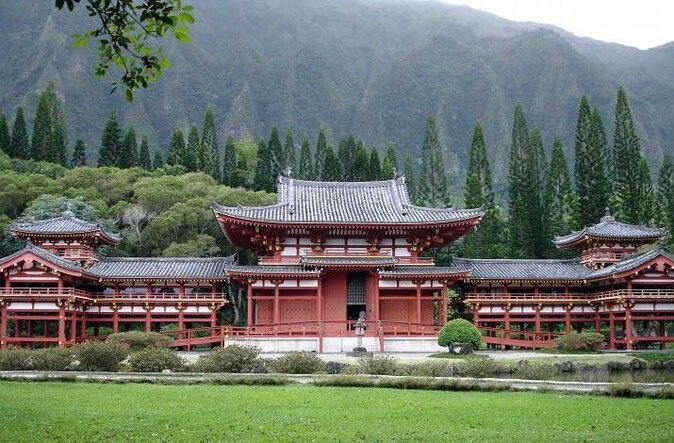
One of the strongest parts of the route is Byodoin Temple. The temple is a World Heritage site and one of Uji’s best-known sights. It gives the tour a quiet, stately stop before the food and tea activities take over.
You should expect your guide to explain the meaning of the site and its place in Uji’s past. The focus is not only on taking a photograph. The temple helps show why Uji became a retreat for Kyoto’s noble families and why the town has long carried a refined, ceremonial reputation.
The temple visit also adds balance. If the tour consisted only of tea shops, the experience might feel like a themed snack crawl. If it consisted only of temples, you might leave without understanding Uji’s tea identity. Byodoin supplies the cultural background, while the later tastings make that background tangible.
The exact time spent at each sight can shift with the group and the guide. Some guides may include another shrine or temple, and one past itinerary included the oldest shrine in the area. Think of the route as a guided introduction to Uji’s key sights, not a full temple-by-temple tour.
Uji’s shrines, streets, and river tell different stories
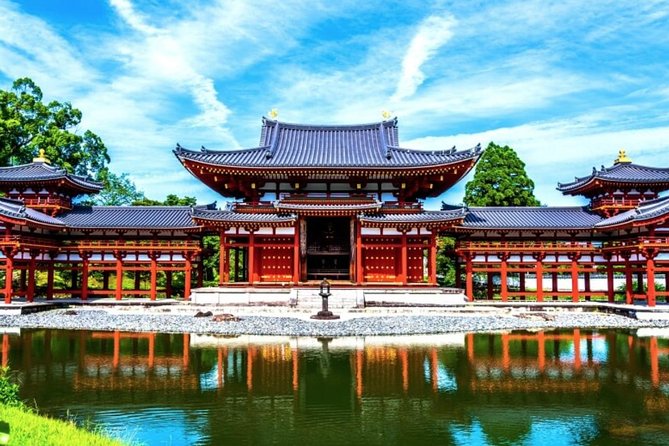
After the major temple, the walk continues through Uji’s streets and local tea shops. These stops give you a look at the town beyond its famous postcard views.
Your guide may explain how to behave at a shrine, including the basic steps for praying. That kind of help is useful if Japanese religious customs are new to you. It also saves you from standing at a shrine gate wondering what everyone else seems to know.
The Uji River is another welcome part of the route. Its sound and open space offer a change from narrow shopping streets. A meal stop along the river has been a highlight for past groups, with soba included on some tours. Matcha soba is a particularly good fit here: the noodles bring tea into the meal without turning the whole lunch into a dessert.
Food stops vary in their exact order and selection, but the package includes a variety of dishes at multiple stops. Matcha ice cream and wagashi sweets are part of the experience. Additional food and drinks are not included, though you can buy them at your own cost.
This arrangement works well if you enjoy grazing rather than sitting through one long meal. It also means you should not assume every extra item is covered by the $173 price. If you have a large appetite, carry some spending money for add-ons.
Same city, a completely different kind of day:
- PERFECT KYOTO 1-Day Bus Tour
★ 5.0 · 13,518 reviews - Kyoto: Fushimi Inari, Kinkakuji, Bamboo Grove 1 Day Bus Tour
★ 4.8 · 4,316 reviews - Kyoto Geisha Walking Tour: Gion District & Hidden Gems
★ 4.7 · 3,273 reviews - Kyoto: Gion Magical Night Walking Tour with Geisha Trivia
★ 4.9 · 2,393 reviews
Grinding tea leaves makes the matcha lesson memorable
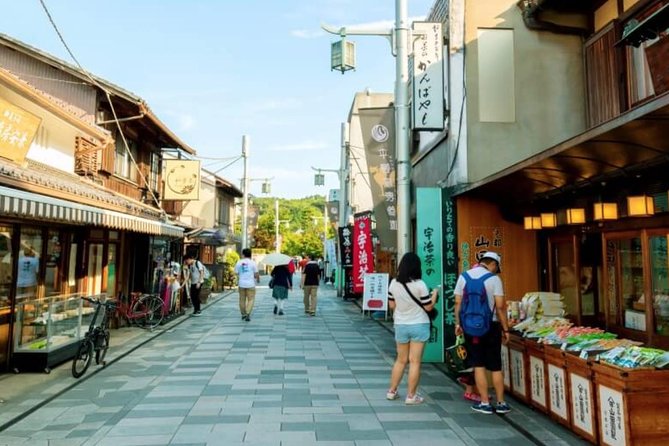
The most distinctive part of the tour is the chance to work with tea yourself.
You learn about matcha and taste it in more than one form. The tea-making activity includes grinding tea leaves and preparing your own matcha. This simple task changes the way you think about the powder in your cup. You see that matcha is not just a green flavor added to cakes and lattes. It is a preparation with its own tools, texture, and method.
The lesson is hands-on but approachable. You do not need prior tea experience. Your guide leads you through the process, and the small group format makes it easier to follow along.
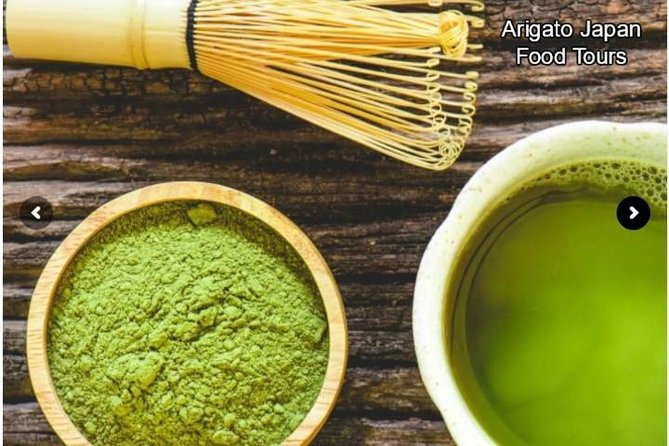
The final tea experience is described as intimate, with matcha served alongside wagashi sweets. The combination is important. The sweetness of the wagashi gives you a useful contrast with matcha’s earthy, slightly bitter taste.
You also get matcha ice cream, which offers a more familiar introduction for anyone unsure about the traditional drink. Tasting tea in several forms helps you compare flavor and texture rather than treating matcha as one fixed thing.
The guides add the human touch
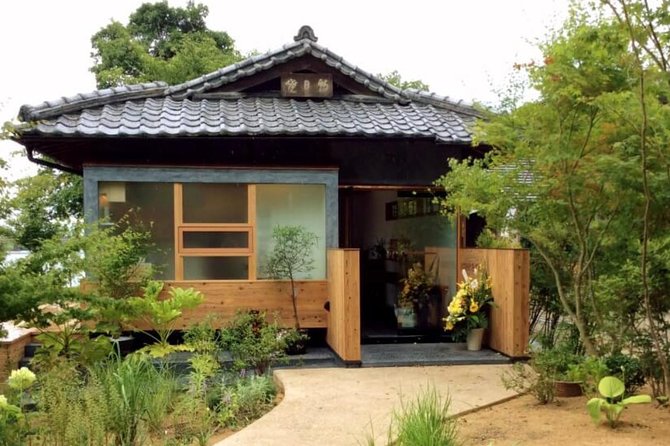
The guide can make or break a short cultural tour. Three hours leaves little room for dull explanations or poor timing.
The named guides connected with this experience include Karim, Jamelah, Miki, Thomas, Sanae, and Raquel. Their backgrounds and personalities may differ, but the tour is designed around a live English-speaking guide rather than an audio recording.
Karim has been praised for explaining Uji’s sights, keeping a relaxed pace, and looking after the group. Jamelah has taken people away from the most obvious path and added plenty of local context. Miki has adjusted the route to individual interests and helped with translation, including at a shrine where a visitor wanted to collect a goshuin stamp.
Raquel has also handled family needs with care, including a tour for parents traveling with an infant. That does not mean every group receives a private guide or the same degree of customization. It does suggest that the human side of the experience matters, particularly if you have questions or need small adjustments.
A private tour is possible by chance if nobody else books the same time slot, but you should not reserve expecting that outcome. The standard format is a small shared group of up to eight people.
How much value do you get for $173?
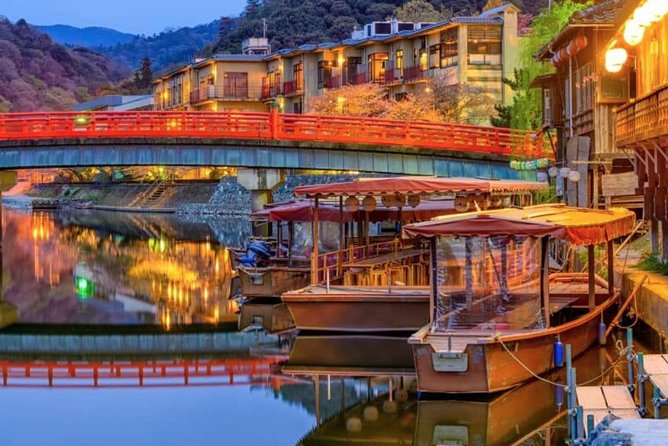
At $173 per person, this is not a cheap way to have a cup of matcha. The price makes more sense when you count what is bundled together: a three-hour guided walk, several food stops, a matcha tasting, tea grinding, matcha preparation, wagashi, matcha ice cream, temple and shrine visits, and time for shopping.
You are also paying for structure. Uji is easy to visit independently, but a self-guided outing requires you to choose the right shops, understand the religious sites, and fit the tea activity into your day. The guide handles that work and adds explanations along the way.
The value is strongest if you want a compact introduction to Uji and prefer to sample many things. It is weaker if you already know Uji well, dislike group schedules, or want a long, formal tea ceremony rather than a broader food and culture walk.
Transportation is extra, as are any additional drinks or food. Gratuity is not included. Factor those costs into your budget before booking.
The reserve-now, pay-later option keeps your plans flexible, and cancellation is free up to 24 hours in advance for a full refund. Those terms help if your Kyoto schedule is still shifting.
Who will enjoy this Uji experience most?

I would recommend this tour to first-time Uji visitors who want more than a quick temple photograph. It is also a good fit for people who enjoy food walks, cultural explanations, and activities where you make something yourself.
Families can consider it, provided children are accompanied by an adult. The experience has worked well for parents with an infant, though the three-hour walking format still requires you to judge your own family’s needs.
It suits curious tea drinkers, but you do not need to be a matcha expert. In fact, beginners may gain the most because the tour explains several forms of tea and gives you a chance to compare traditional matcha with modern treats.
The tour is less suitable if you need hotel transport, want a fully private experience, or have strict dietary restrictions that were not discussed before booking. Specific dietary needs should be given to the supplier at the time of booking. The available information does not promise that every request can be met.
You must also be at least 21 to drink alcohol, though the main focus is tea and food.
Shopping time is useful, but keep your expectations clear
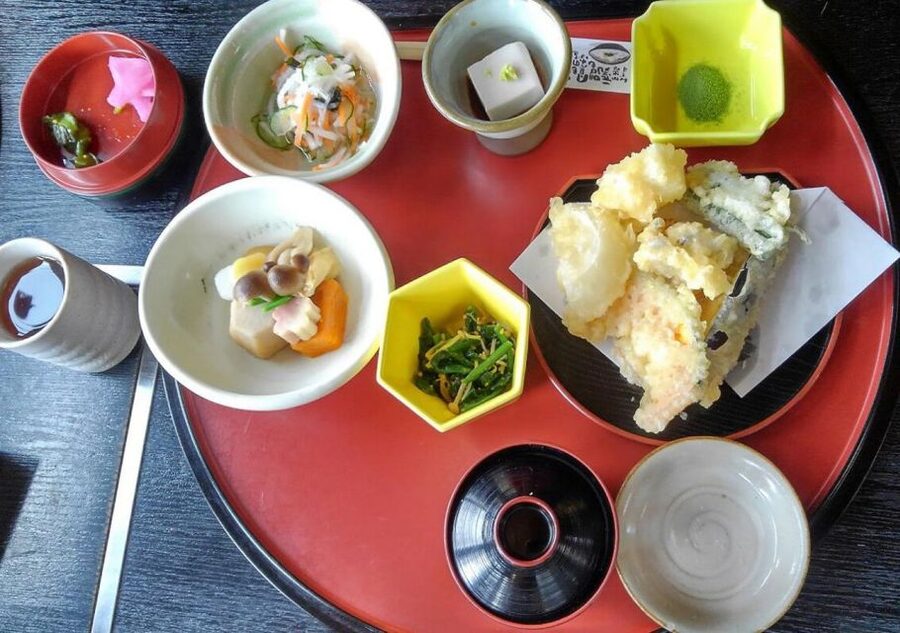
The tour includes time to shop in Uji’s tea stores and streets. This is a practical feature because you can buy matcha or tea-flavored goods after learning how they are made and tasted.
You may find it easier to choose a product after asking your guide about the differences between tea types. The guide can also help you understand what you are seeing in local shops, though specific brands and purchases are not guaranteed.
Shopping time is included within a three-hour schedule, so it is not an open-ended market visit. If you want to spend a long time comparing every tea tin or collecting souvenirs, you may need to remain in Uji after the tour ends.
That is not a bad thing. One past group had enough time at the end to wander around town before returning to Kyoto. The tour can give you a useful orientation, then leave you free to continue exploring on your own.
Is the Kyoto Matcha Green Tea Tour worth booking?
Book it if you want Uji in a compact, well-guided package. The combination of Byodoin Temple, riverfront streets, local food, tea shops, and hands-on matcha preparation is more satisfying than a quick tasting alone.
I especially like that the tour treats matcha as part of Uji’s culture rather than a fashionable drink. You get context, a meal or snacks, sweets, and a practical lesson you can remember after returning home.
Think carefully about the price, the extra transportation cost, and the early meeting requirement. If those fit your plans, this is a strong choice for a first visit to Uji, particularly for couples, families with an adult-led itinerary, and small groups who want a friendly guide and plenty of food along the way.
FAQ
Where does the Kyoto Matcha Green Tea Tour meet?
The meeting point is at the entrance of Keihan Uji Station, at Otsukata Uji, Kyoto 611-0021.
Is the meeting point JR Uji Station?
No. The meeting point is Keihan Uji Station, not JR Uji Station.
How long does the tour last?
The experience lasts three hours.
How far is Uji from Kyoto City?
Uji is about 40 minutes from Kyoto City.
Is transportation from Kyoto included?
No. Transportation costs are not included, and hotel pick-up is not provided.
What food and drink are included?
The tour includes a variety of dishes at multiple food stops, matcha tasting, matcha making, wagashi sweets, and matcha ice cream.
Is shopping included?
Yes. The experience includes time for shopping in Uji.
Is the tour conducted in English?
Yes. It includes a live English-speaking guide.
How large is the group?
The group is limited to eight participants.
Can children join the tour?
Children can join when accompanied by an adult. Unaccompanied minors are not allowed.
Is there a minimum booking requirement?
Yes. A minimum of two people per booking is required.
Can I cancel for a refund?
You can cancel up to 24 hours in advance for a full refund.
Do I need to pay when I book?
The reserve-now, pay-later option lets you book without paying immediately.
What should I do if I have dietary requirements?
Tell the supplier about specific dietary requirements when you book.
Is gratuity included?
No. Gratuity is not included.
Is there an age requirement for drinking?
The minimum drinking age is 21.
Just added around Kyoto
- Taste of Nishiki Market Walking Food Tour with Local guide★ 5.0 · 17 reviews
- Kyoto: Sushi Making Class with Sushi Chef★ 4.8 · 64 reviews
- Kyoto: City Secrets eBike Tour★ 4.9 · 196 reviews
- Sacred Pathways: Discover the Philosopher’s Path of Kyoto★ 4.9 · 20 reviews
- Private Tour to Monkey Park and Arashiyama Highlights★ 5.0 · 22 reviews
- Private Nara Tour from Osaka – Meet at Your Hotel★ 5.0 · 22 reviews
- Private Sake Tasting in Central Kyoto with Sake Sommelier★ 5.0 · 13 reviews
- Kyoto : Private Custom Walking Tour With A Local Guide★ 4.6 · 144 reviews
Tea Ceremony Experiences, compared.
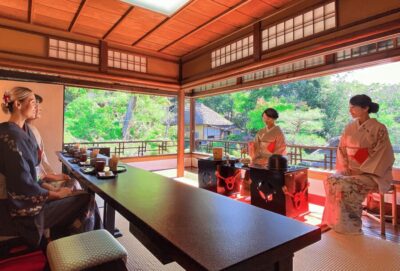
Tea Ceremony in a Traditional Tea House in Kiyomizu
Read our review →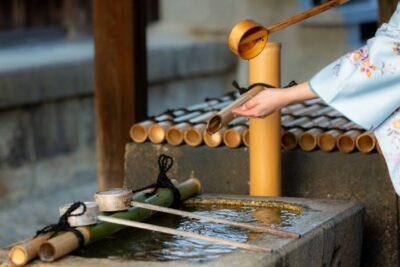
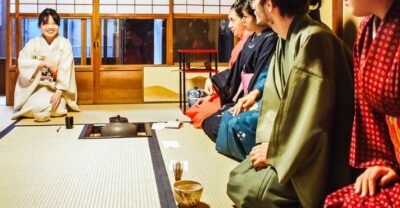
World Heritage Kyoto & Nara Uji Authentic Matcha Experience
Read our review →
Browse the lists this tour appears in