
REVIEW · TEA CEREMONY EXPERIENCES
Kyoto: Maiko, Samurai, or Kimono Rental and Tea Ceremony
Kyoto’s maiko and kimono experience gives you two photo-friendly traditions in one outing: dressing in Japanese clothing at Studio Shiki, then walking three minutes to Akebonotei for matcha tea and sweets. The setting near Kiyomizu-dera makes it easy to pair the booking with temples, pagodas, and the narrow lanes of Higashiyama.
I like the excellent location and the choice of outfits. You can go for a maiko look, samurai style, or a simpler kimono or yukata. I also like the family focus: up to four people age five and older can book together, and the short tea session works better for children than a long formal ceremony.
The main caution is that this is a timed, commercial experience, not a full traditional tea school. A few harsh assessments describe long waits and a rushed, artificial feel, so punctuality and realistic expectations matter.
In This Review
- Key points to know before booking
- Dressing up beside Kiyomizu-dera
- What the 90-minute appointment gap means
- Matcha at Akebonotei
- Wearing the kimono around Higashiyama
- Choosing maiko, samurai, kimono, or yukata
- Location, transport, and timing
- Is $77 a fair price?
- Who will enjoy this experience most?
- Should you book the Kyoto kimono and tea experience?
- FAQ
- How long does the experience take?
- Where does the experience take place?
- What clothing choices are available?
- What is included with the booking?
- Can children join the experience?
- Are pregnant women allowed to participate?
- What happens if I arrive late?
Key points to know before booking
- Three minutes from Kiyomizu-dera: Studio Shiki and Akebonotei sit in one of Kyoto’s most useful sightseeing areas.
- Four outfit choices: Select a maiko costume, samurai style, regular kimono, or a seasonal yukata.
- Matcha and sweets included: The tea portion follows the clothing appointment and takes place at Akebonotei.
- Kimono rental lasts until 5pm: You can use the outfit to visit nearby Higashiyama sights after the tea experience.
- Children must be at least five: Families can book up to four people, while the wider small group is limited to six participants.
- Hair styling costs extra: The rental does not include hairstyling, which has been offered for an additional 1,650 yen.
Dressing up beside Kiyomizu-dera
The clever part of this experience is its setting. Studio Shiki is close to Kiyomizu-dera, one of Kyoto’s busiest and most famous temple areas. Once dressed, you are already near the Yasaka Five-Story Pagoda, Yasaka Koshindo, Ninenzaka, Sannenzaka, Kodaiji Temple, and Yasaka Shrine.
That location changes the value of the booking. You are not spending half a day crossing Kyoto for a costume appointment. You can build the rental into a Higashiyama morning or afternoon, walk through the old lanes, visit a temple, stop at a cafe, and then return the clothing later.
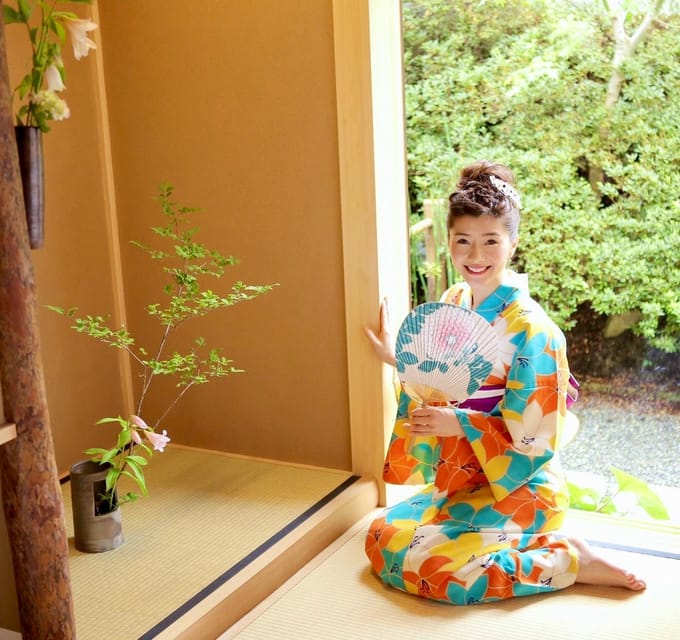
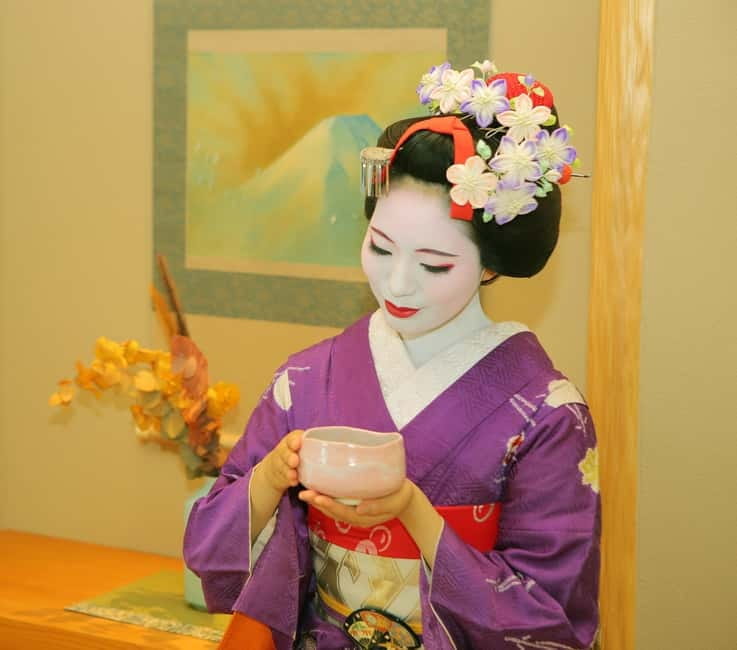
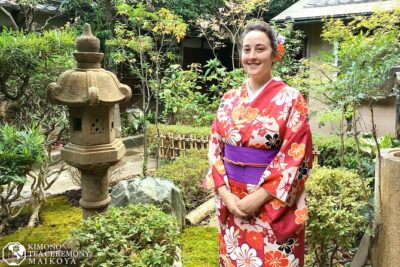
The shop offers four basic directions. A maiko costume gives you the most theatrical look, with the visual style associated with Kyoto’s traditional entertainers. A samurai outfit provides a more playful choice for children or adults who want something different from the usual kimono photograph.
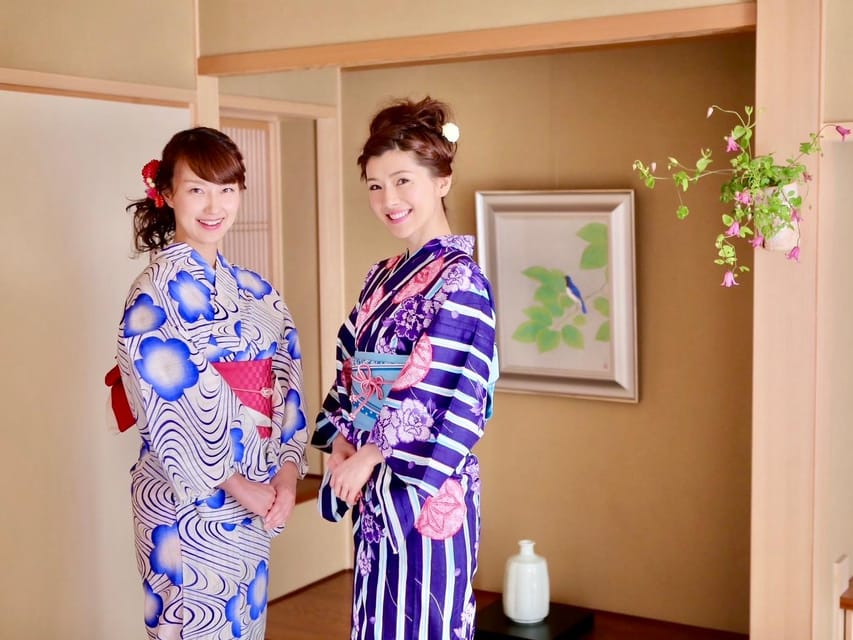
The standard kimono option is the safer pick if you want to walk around for several hours. From June 1 through September 15, the seasonal plan switches to yukata, a lighter summer garment. That is a practical detail for Kyoto’s hot months, when a formal kimono can feel heavy.
The clothing package includes the kimono, obi, underwear, bag, and sandals. That means you do not need to assemble the outfit yourself. Still, allow time for dressing and fitting. The schedule pairs each clothing appointment with tea 90 minutes later, and arriving late can mean joining partway through or missing the tea session altogether.
More Kimono & Culture Experiences in Kyoto
- Kyoto Geisha Walking Tour: Gion District & Hidden Gems
★ 4.7 · 3,273 reviews - Kyoto: Gion Magical Night Walking Tour with Geisha Trivia
★ 4.9 · 2,393 reviews - Kyoto: Gion Geisha District Walking Tour – Stories of Geisha
★ 4.7 · 2,187 reviews
What the 90-minute appointment gap means
The published schedule is easy to follow:
- 9:00am kimono appointment, 10:30am tea
- 10:00am kimono appointment, 11:30am tea
- 11:00am kimono appointment, 12:30pm tea
- 12:00pm kimono appointment, 1:30pm tea
- 1:00pm kimono appointment, 2:30pm tea
- 2:00pm kimono appointment, 3:30pm tea
- 3:00pm kimono appointment, 4:30pm tea
This gap is not dead time. It gives you a chance to finish dressing, walk to Akebonotei, and get settled. It may also leave enough time for a few photographs near the shop, though you should not assume you can wander far and still make the tea appointment.
I would choose an earlier slot if you want to combine the experience with Kiyomizu-dera. The temple and surrounding lanes can take much longer than expected, and the area has enough shops, shrines, and cafes to tempt you into losing track of time.
Late arrivals are a serious issue here. The instructions say you may be forced to join halfway through or be unable to participate if you miss either appointment. That is especially important for families, since dressing several people can take more time than dressing one adult.
The experience lasts from 150 minutes to three hours, depending on the plan and the amount of time connected with the rental. The 90-minute clothing-to-tea schedule gives you the clearest fixed structure. If you keep the kimono for sightseeing until 5pm, your overall outing becomes longer.
Matcha at Akebonotei
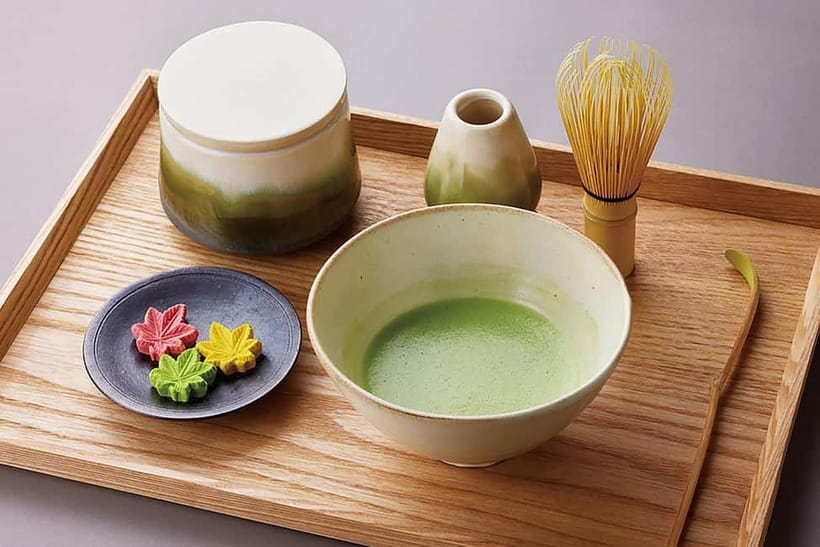
After dressing at Studio Shiki, you walk about three minutes to the tea ceremony parlor Akebonotei. The tea experience includes matcha and sweets, and it is presented as a short introduction rather than an extended study of tea practice.
That short format is useful if you are traveling with children or fitting this between temple visits. One French booking described the ceremony as brief but suitable for a family with children, and noted that the woman leading it spoke English very well. The supplied information does not provide her name, so do not book expecting a named tea master or a private lesson.
You should also keep your expectations in check. This experience is designed for visitors who want to wear traditional clothing and take part in a simple tea ritual. It is not presented as an advanced course in tea ceremony etiquette, nor does the information promise a private room or a long explanation of Japanese tea culture.
That distinction matters. Some people want an easy, polished cultural activity with photographs and a taste of matcha. For them, the short format is a strength. Others want quiet, formal, highly traditional tea practice. They may find this version too staged or too quick.
The critical assessments of the experience focus on this point. Two particularly negative bookings described long waits, heavy tourist handling, and a tea setting that felt artificial and crowded. At the same time, other ratings are strongly positive, including one simple five-star assessment and a French family account that called it an experience worth doing in Kyoto.
The fair reading is that your satisfaction will depend heavily on the pace on the day and on what you think you are buying. Treat it as a costume rental paired with a short cultural demonstration, not as a deep traditional ceremony.
Wearing the kimono around Higashiyama
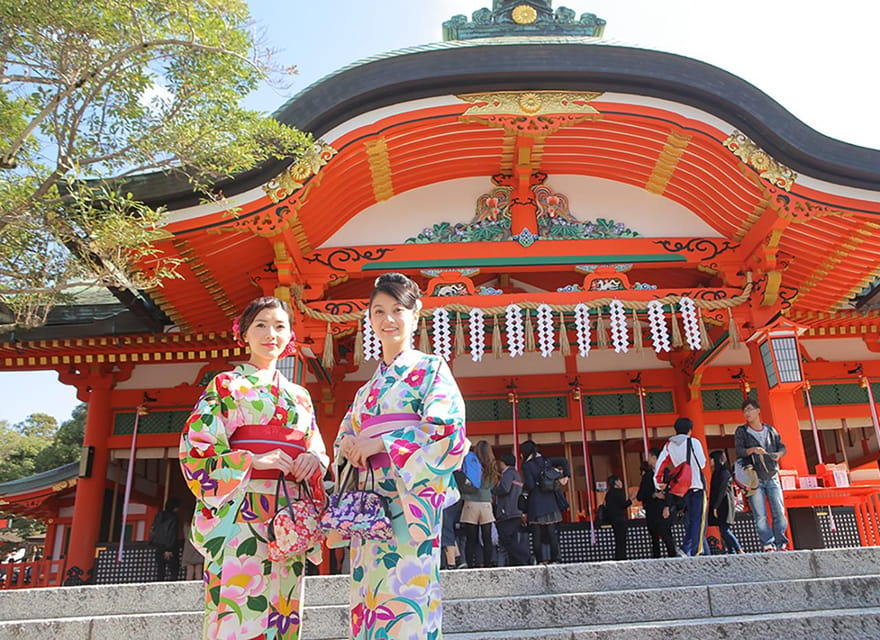
The rental lasts until 5pm, which is the most useful feature for anyone who wants more than a quick indoor photo. You can leave the tea parlor and spend time in the area around Kiyomizu-dera while dressed in your chosen outfit.
The nearby route is packed with classic Kyoto stops. Kiyomizu-dera is only a short walk from the shop. Ninenzaka and Sannenzaka offer sloping stone lanes, traditional-looking buildings, souvenir shops, and cafes. The Yasaka Five-Story Pagoda is a familiar photo subject, while Yasaka Koshindo and Kodaiji Temple provide additional stops within the same broad sightseeing zone.
You can also work toward Yasaka Shrine and the Gion area. The information does not give a required route or guided walking tour, so you are free to plan your own time. That freedom is valuable, but it also means this is not a guided cultural walk. You are renting the clothing and arranging your own sightseeing after tea.
Comfort is worth considering. Kimono and sandals are attractive but not ideal for rushing up temple hills or walking all day. A relaxed Higashiyama route makes more sense than trying to cover half of eastern Kyoto before the 5pm return time.
For a family, the rental period can turn the booking into a full afternoon activity. Children can wear a samurai outfit or colorful kimono, take photographs, and visit a few nearby sights. Just remember that children under five cannot take part, and pregnant women are not allowed to participate.
More Tea Ceremony Experiences in Kyoto
- Kyoto: Tea Ceremony in a Traditional Tea House in Kiyomizu
★ 4.9 · 3,519 reviews - Kyoto: Tea Ceremony Ju-An at Jotokuji Temple
★ 4.9 · 3,207 reviews - Kyoto: 45-Minute Tea Ceremony Lesson Experience
★ 4.3 · 2,378 reviews - Kyoto: Table-Style Tea Ceremony at a Kyo-Machiya
★ 4.9 · 1,211 reviews
Choosing maiko, samurai, kimono, or yukata

The outfit choice should match your plans.
Maiko: Choose this for the most dramatic transformation and the strongest connection to Kyoto’s traditional image. It is likely to suit a short photo session and a tea experience more than a long walking route.
Samurai: This is the most playful option, particularly for a child or anyone who does not want the formal appearance of a kimono. It also gives a family group more variety in photographs.
Kimono: This is the best all-purpose choice if you want to walk through Higashiyama until late afternoon. The rental includes the obi, underwear, bag, and sandals.
Yukata: The summer plan is available from June 1 to September 15. Since yukata is lighter than a formal kimono, it is the sensible seasonal option for Kyoto’s warm weather.
Hair styling is not included. A previous booking recorded the extra price as 1,650 yen, so budget for that separately if the hairstyle is important to your finished look. The base package includes the clothing and accessories, but not hair service.
I would decide before you arrive. A family with limited time should not spend the appointment debating every option. If photographs are your priority, ask about the maiko or samurai styles. If walking comfort and a longer outing matter more, choose a simpler kimono or the seasonal yukata.
Location, transport, and timing
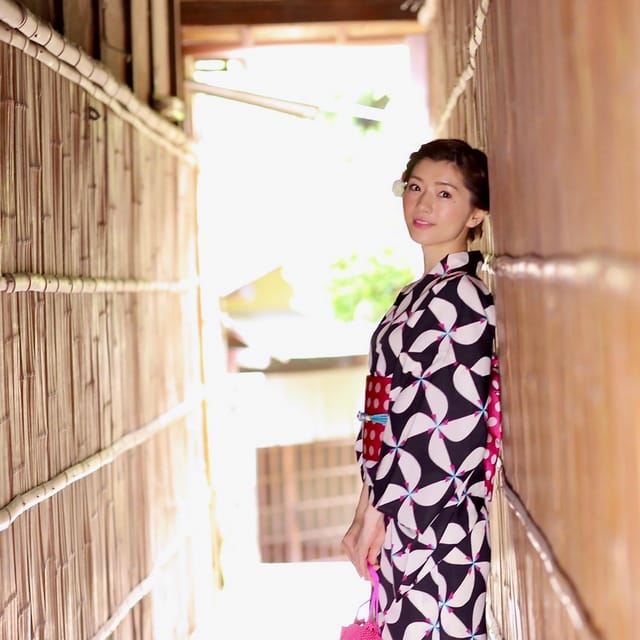
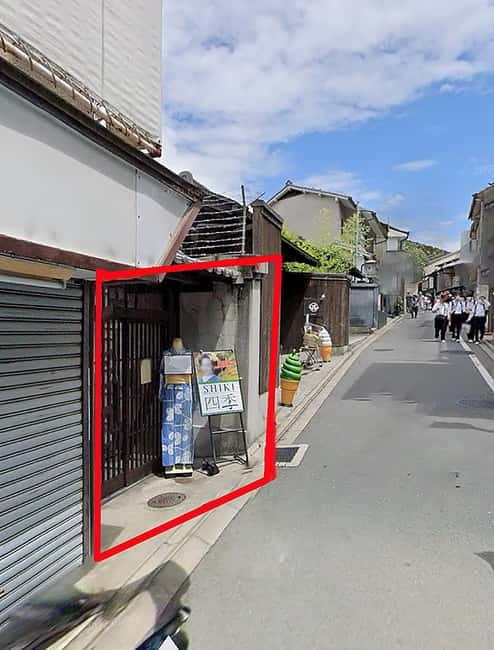
The meeting point is easiest when you are already in the Kiyomizu-dera area. By city bus, the directions say to ride for about 20 minutes, get off at Kiyomizu-michi, and walk about 10 minutes to the store.
Bus timing in Kyoto can vary, and the experience has strict appointment times. I would plan to arrive in the neighborhood early rather than aim for the exact appointment minute. The shop area itself has plenty to occupy you, but the tea session cannot simply be shifted because you stopped for a snack.
The booking is listed as a small group, limited to six participants. The family version allows up to four people and accepts children age five and up. The two limits are worth separating: a family booking can contain four people, while the overall small-group format can reach six.
Because the clothing appointment and tea appointment are in different places, you should allow time for the three-minute walk even though it sounds easy. The route is short, but changing shoes, gathering children, and moving as a group can slow you down.
Is $77 a fair price?
At $77 per person, the price is not simply paying for a cup of matcha. It covers the clothing rental, obi, underwear, bag, sandals, the tea experience, and sweets. The rental-until-5pm feature also gives you time to use the outfit around Higashiyama rather than returning it immediately after a photograph.
That makes the price reasonable for someone who would otherwise pay separately for a kimono rental and a tea activity. The value improves if you already plan to visit Kiyomizu-dera and the nearby lanes, since the shop’s location saves transport time.
The value is weaker if you want a serious tea lesson or a private, quiet ceremony. The format is short, and the harshest accounts describe a rushed and crowded operation. In that case, much of what you are paying for is the costume, convenience, and setting.
You should also add the cost of hair styling if you want it. It is not included in the listed price. Admission fees are also not included for anyone who does not take part in the tea ceremony, so check exactly what your selected plan covers before booking.
Free cancellation up to 24 hours in advance and the option to reserve now and pay later make the financial risk smaller. Still, a flexible cancellation policy does not solve the central question: are you seeking a fun Kyoto activity, or a formal cultural lesson?
Who will enjoy this experience most?
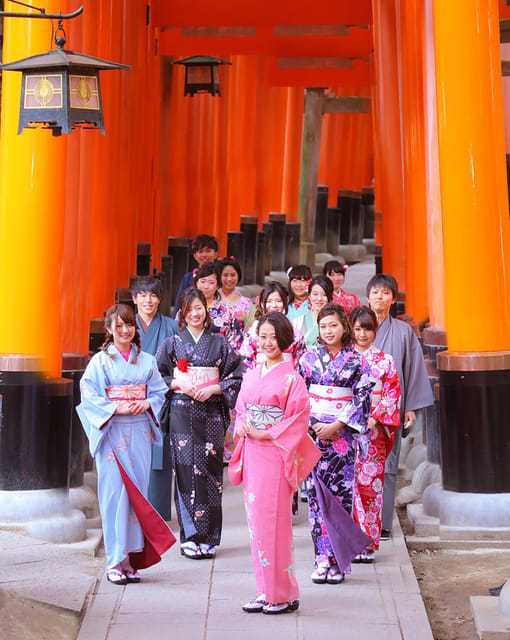
I would recommend it most to first-time Kyoto visitors who want an easy traditional-dress experience close to major sights. It is particularly well suited to families with children age five and older, since the tea portion is short and the samurai option adds variety.
It also works for couples or friends who want photographs in the Kiyomizu-dera area without giving up an entire day. The tea and sweets add a cultural element, while the rental period gives you room to explore on your own.
You may want another option if you dislike staged settings, tight appointment schedules, or tourist-focused activities. The experience is not described as a private ceremony, and the sharpest feedback points to waiting and a lack of authenticity on busy days.
If you book, arrive early, choose your outfit in advance, and treat the tea as a brief introduction. Then use the rental time well: visit Kiyomizu-dera, walk Ninenzaka and Sannenzaka, and allow a comfortable margin before returning the clothing.
Should you book the Kyoto kimono and tea experience?
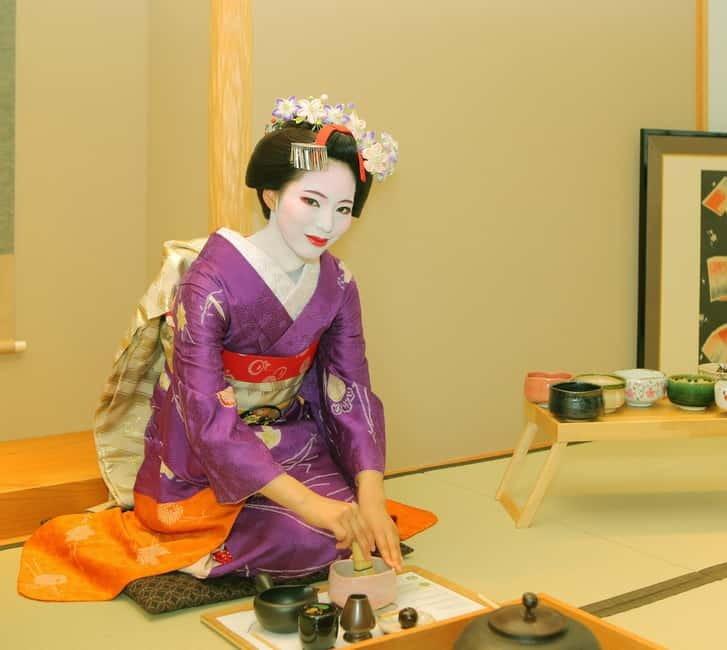
Book it if you want convenience, costumes, matcha, and a prime Higashiyama location in one reservation. The ability to wear the kimono until 5pm gives this more value than a quick dressing-room photo package, and the family limit makes it practical for a group of four.
Skip it if your main goal is a quiet, formal, highly traditional tea ceremony. The short session and occasional reports of waiting or rushed service mean the experience can feel commercial rather than intimate.
My advice is to book the regular kimono or summer yukata for a walking-heavy afternoon, choose maiko or samurai for a more theatrical family photo session, and select an early appointment so Kiyomizu-dera fits comfortably into the day.
FAQ
How long does the experience take?
The activity is listed as lasting from 150 minutes to three hours. The clothing appointment and tea appointment are scheduled 90 minutes apart, and kimono renters can continue using the outfit until 5pm.
Where does the experience take place?
You begin at Studio Shiki, near Kiyomizu-dera Temple in Kyoto. The matcha tea experience takes place at Akebonotei, about a three-minute walk from the rental shop.
What clothing choices are available?
You can choose a maiko costume, samurai style, regular kimono, or yukata. The yukata plan is available from June 1 through September 15.
What is included with the booking?
The package includes the kimono or selected outfit, obi, underwear, bag, sandals, matcha tea, and sweets. Hair styling is not included.
Can children join the experience?
Children age five and older can participate. The activity is limited to families of up to four people, and children under five are not allowed.
Are pregnant women allowed to participate?
No. Pregnant women are specifically not permitted to take part in this experience.
What happens if I arrive late?
You must be punctual for both the clothing and tea appointments. If you arrive late, you may have to join partway through or may be unable to participate.
Just added around Kyoto
- Taste of Nishiki Market Walking Food Tour with Local guide★ 5.0 · 17 reviews
- Kyoto: Sushi Making Class with Sushi Chef★ 4.8 · 64 reviews
- Kyoto: City Secrets eBike Tour★ 4.9 · 196 reviews
- Sacred Pathways: Discover the Philosopher’s Path of Kyoto★ 4.9 · 20 reviews
- Private Tour to Monkey Park and Arashiyama Highlights★ 5.0 · 22 reviews
- Private Nara Tour from Osaka – Meet at Your Hotel★ 5.0 · 22 reviews
- Private Sake Tasting in Central Kyoto with Sake Sommelier★ 5.0 · 13 reviews
- Kyoto : Private Custom Walking Tour With A Local Guide★ 4.6 · 144 reviews
Tea Ceremony Experiences, compared.
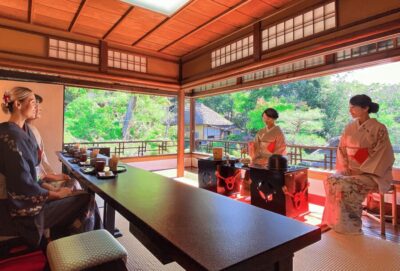
Tea Ceremony in a Traditional Tea House in Kiyomizu
Read our review →
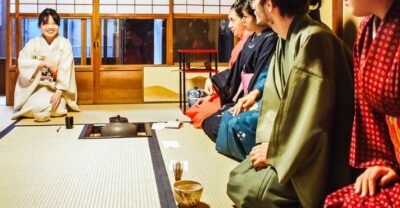
World Heritage Kyoto & Nara Uji Authentic Matcha Experience
Read our review →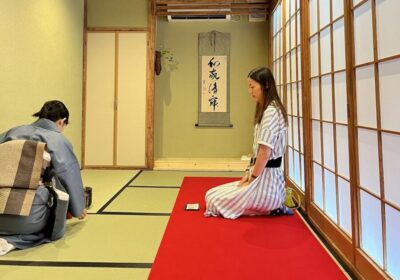
Browse the lists this tour appears in