REVIEW · TEA CEREMONY EXPERIENCES
Kyoto Kiyomizu Tea Ceremony with Scenic Garden Views
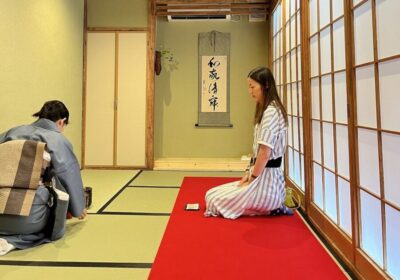
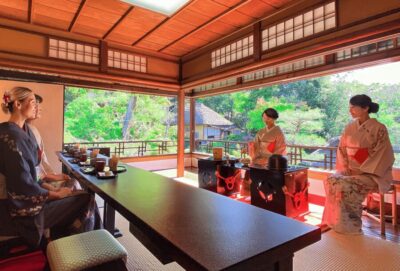
The best part of this Kyoto experience is the setting: you sit in a traditional teahouse with broad garden views while a tea master purifies the utensils, measures the matcha, and whisks each bowl by hand. It is a quiet change of pace from Kiyomizu’s busy streets, with two cups of matcha and wagashi sweets included.
I like the clear explanations, especially the way the English-speaking host helps you follow the ceremony without turning it into a lecture. I also like the small group size, which gives you room to ask questions and prepare your own tea. The main drawback is time: at about 45 minutes, you get a polished introduction rather than a full study of tea ceremony, and some people may find the price a little high for a short activity.
In This Review
- Key points at a glance
- A quiet tea room beside Kyoto’s Kiyomizu district
- What happens during the 45-minute ceremony
- The matcha and wagashi pairing
- Why the garden view matters
- A small group makes the instruction work
- The English explanations add real value
- Price and value at $50.87 per person
- Practical details before you book
- Who should book this Kyoto tea ceremony
- Should you book it?
- FAQ
- Where does the tea ceremony take place?
- How long does the experience last?
- What is included in the price?
- Is kimono rental included?
- Can I record video during the activity?
- How many people can join the group?
- Where does the activity end?
- What is the cancellation policy?
Key points at a glance
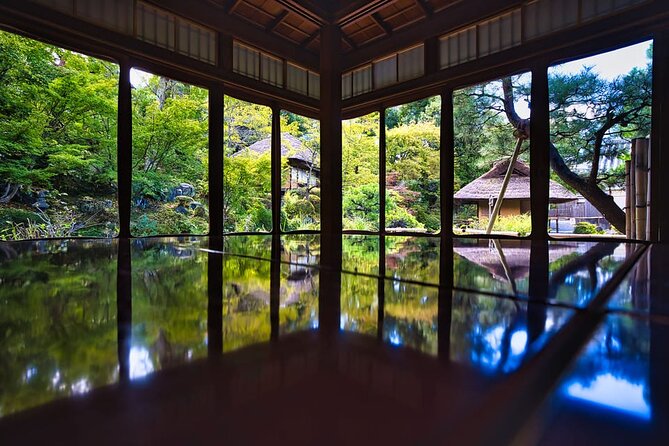
- Garden-facing teahouse: Large windows provide peaceful views of a carefully maintained Japanese garden.
- Two cups of matcha: The tea master prepares the first cup, then you learn to make the second.
- Traditional wagashi pairing: Delicate Japanese sweets are served with the tea.
- Small group setting: The experience accepts no more than 12 people, keeping the room personal.
- Cultural guidance in English: The host explains the movements, history, symbolism, and proper tea etiquette.
- Easy to fit into a Kyoto day: The session lasts about 45 minutes and ends where it begins near Kiyomizu.
A quiet tea room beside Kyoto’s Kiyomizu district
Kyoto’s Kiyomizu area is full of temples, stone lanes, souvenir shops, and people moving toward Kiyomizu-dera. This tea ceremony gives you a different view of the district. Instead of rushing from one sight to the next, you pause in a calm room overlooking a Japanese garden.
That contrast is a big part of the appeal. You are still in one of Kyoto’s most popular areas, but the ceremony asks you to slow down and pay attention to small actions. The turning of a tea bowl, the sound of the whisk, and the careful placement of each utensil all matter.
The setting also helps the ceremony make sense. Japanese tea is not simply a drink served in a pretty room. The room, garden, clothing, utensils, sweets, and movements all work together. You do not need prior knowledge to enjoy it, but the surroundings give you more to notice as the session unfolds.
More Garden & Palace Tours in Kyoto
- Kyoto: Nijo-jo Castle and Ninomaru Palace Guided Tour
★ 4.7 · 1,020 reviews - Kyoto: Nijo Castle, Kiyomizu & Fushimi Inari Guided Tour
★ 4.7 · 700 reviews - Kyoto: Imperial Palace & Nijo Castle Guided Walking Tour
★ 4.7 · 453 reviews
What happens during the 45-minute ceremony
The activity begins at Tea Ceremony SAKAGUCHIAN, written in Japanese as 茶道体験 阪口庵, at 3-chōme-334 Kiyomizu in Kyoto’s Higashiyama Ward. The meeting point is also the end point, so you return there when the session is complete.
Inside, you enter a traditional tea room with views toward the garden. Seasonal changes are part of the experience. The exact view depends on when you visit, but the garden provides a restful backdrop rather than a separate sightseeing stop.
The host starts by explaining the basic meaning of the ceremony and what you are about to see. This introduction is useful because the formal gestures can seem mysterious if you do not know what they mean. You learn how the tea room, utensils, host, and guest each have a role.
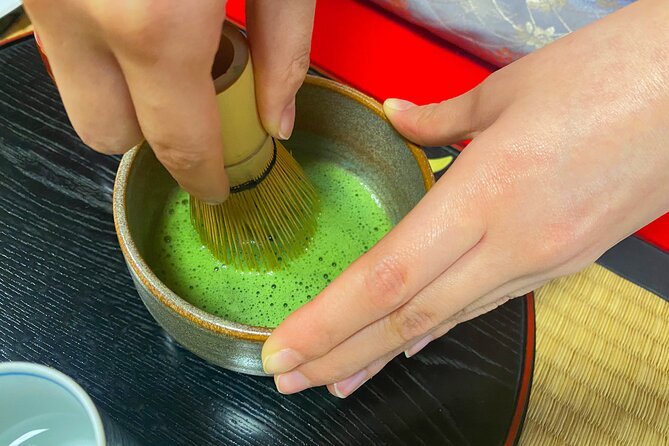
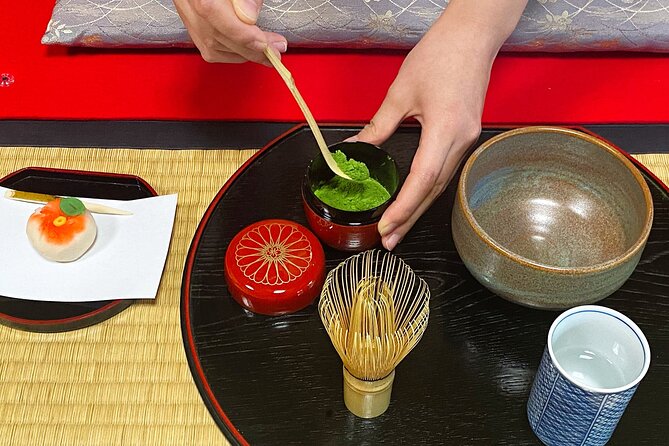
The tea master then performs the first preparation. The movements are slow, exact, and deliberate. Utensils are purified, the matcha is measured, and hot water is added before the tea is whisked into a bright, frothy drink.
You are not simply handed a bowl and left to guess what to do. The host explains how to receive the tea, how to handle the bowl, and how to drink it respectfully. The pace leaves room for questions, so you can ask about the ceremony, the tea, or the meaning of particular gestures.
The first cup is prepared for you. After the demonstration, you get a second cup and learn how to make matcha yourself. That practical part gives the experience more value than a performance alone. You see the finished result, then try to reproduce the process with guidance.
Do not expect to become a tea master in one short visit. You will learn the basic technique, not every rule and variation of the art. Still, making the tea yourself helps you understand the care behind a bowl of matcha.
The matcha and wagashi pairing
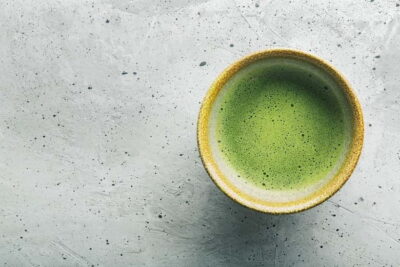
Two cups of matcha are included, along with wagashi, traditional Japanese sweets. The sweet is not just a snack placed beside the tea. It balances matcha’s strong, grassy flavor and prepares your palate for the drink.
The tea served here may taste different from the matcha drinks commonly sold in cafés outside Japan. It can be more direct and less disguised by milk, sugar, or flavored syrup. If you usually order sweet matcha beverages, the first sip may surprise you, but the wagashi helps soften the experience.
The second cup also gives you a useful comparison. The tea master’s preparation shows the ideal method, while your own bowl lets you notice how whisking changes the texture. That small hands-on step is one of the most memorable parts for many people.
If you want a full meal, this is not it. The sweets are delicate and the portions are suited to a tea ceremony. Plan to eat elsewhere before or after, especially if you are scheduling this between major sightseeing stops.
Why the garden view matters
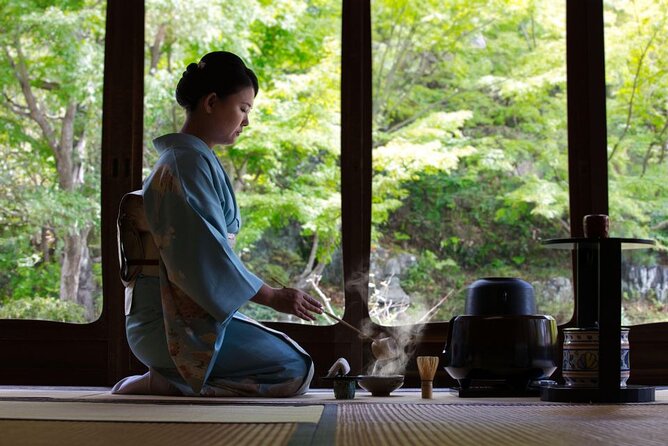
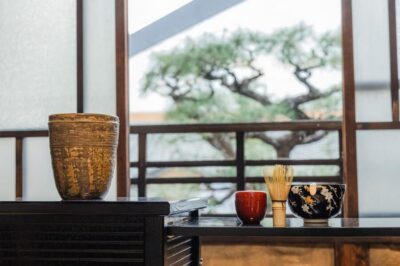
The garden is more than decoration. Japanese tea ceremony places great value on simplicity, season, and attention to the immediate moment. Looking out toward the garden gives you a visual pause while the ceremony unfolds.
The room’s large windows are especially helpful. You can follow the tea master’s hands and still see the garden beyond. On a warm day, air conditioning has also been appreciated, making the indoor setting more comfortable while preserving the view.
The garden setting makes this activity a good choice after a demanding morning at temples. It is not loud or physically active. You spend the time watching, listening, tasting, and taking part.
Keep your expectations sensible, though. This is a view from the teahouse, not a guided garden tour. The main activity remains the ceremony and matcha lesson.
More Tea Ceremony Experiences in Kyoto
- Kyoto: Tea Ceremony in a Traditional Tea House in Kiyomizu
★ 4.9 · 3,519 reviews - Kyoto: Tea Ceremony Ju-An at Jotokuji Temple
★ 4.9 · 3,207 reviews - Kyoto: 45-Minute Tea Ceremony Lesson Experience
★ 4.3 · 2,378 reviews - Kyoto: Table-Style Tea Ceremony at a Kyo-Machiya
★ 4.9 · 1,211 reviews
A small group makes the instruction work
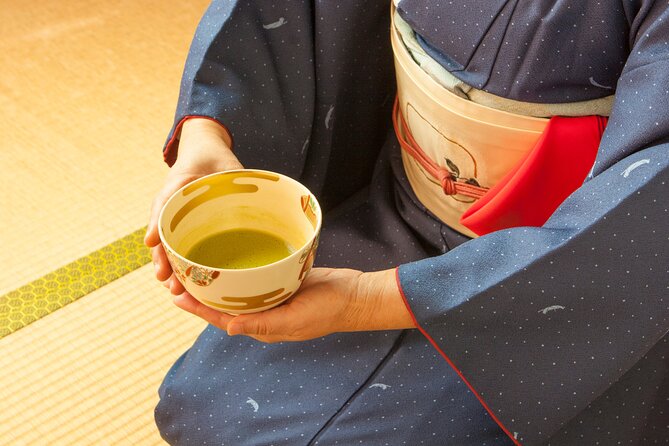
The maximum group size is 12. That is not a private lesson, but it is small enough for the host to explain the process and answer questions without shouting across a crowded room.
The group format also affects the mood. You watch the tea master perform the formal movements together, then take part in the practical preparation. The experience feels social, but the quiet setting keeps it from becoming a loud demonstration.
I would choose this format over a large presentation if you want cultural context. The host can explain points as they arise, including the tea room’s symbolism and the etiquette around receiving and drinking matcha.
The small group is also useful for families and first-time visitors. Several people can share the moment without needing to understand Japanese customs in advance. The activity has been especially well suited to people looking for a gentle cultural experience rather than another major attraction.
The English explanations add real value
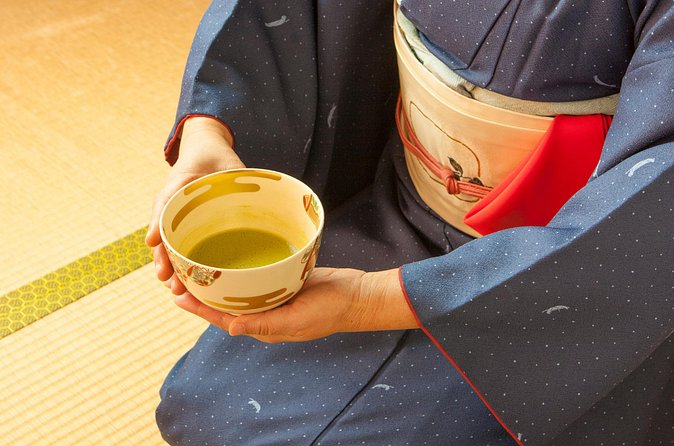
The tea master’s movements are easy to watch, but the explanations help you understand why they matter. The host covers the process, the history of tea ceremony, and the symbolism connected with the art and garden.
English translation is provided, and the host can answer questions about Japanese culture and tea practice. This makes the experience accessible to visitors who would otherwise see only a series of graceful gestures without much context.
The balance is generally good. The ceremony remains the focus, while the spoken explanation fills in the gaps. If you are deeply interested in tea, you may want a longer or more specialized lesson, but this session gives you a useful foundation.
The activity also works well for children and adults who learn by doing. Watching the master prepare the tea gives you the formal side. Preparing your own second cup gives you a direct connection to the craft.
Price and value at $50.87 per person
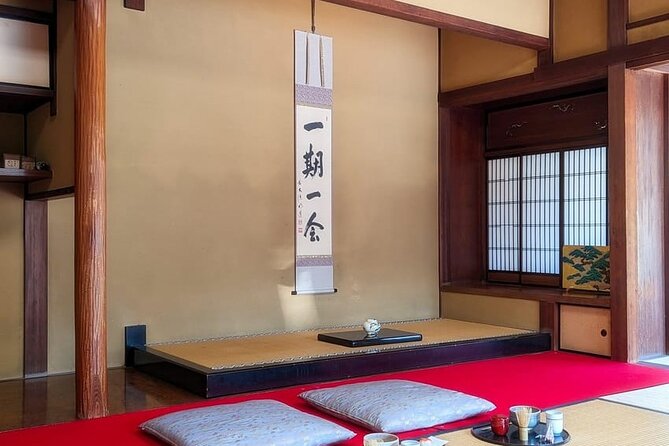
At $50.87 per person, this is not the cheapest way to drink matcha in Kyoto. You can find tea and sweets for less in a café. The price makes more sense when you treat the activity as a cultural lesson in a traditional setting, not as a beverage purchase.
You receive two cups of matcha, wagashi, instruction, an English explanation, garden views, and a photo. The small group size also helps justify the cost. You are paying for the tea master’s preparation and demonstration, as well as access to a setting where the ceremony can be explained properly.
Still, duration matters. The session lasts about 45 minutes, though some descriptions refer to an hour. Either way, it is a compact introduction. One visitor considered it brief and a bit expensive because the ceremony and matcha-making lesson only touched the surface.
I think the value depends on your interest. If you want a quick, well-organized introduction during a first visit to Kyoto, the price is reasonable. If you already know tea ceremony or want an advanced lesson, you may find the experience too short.
Practical details before you book
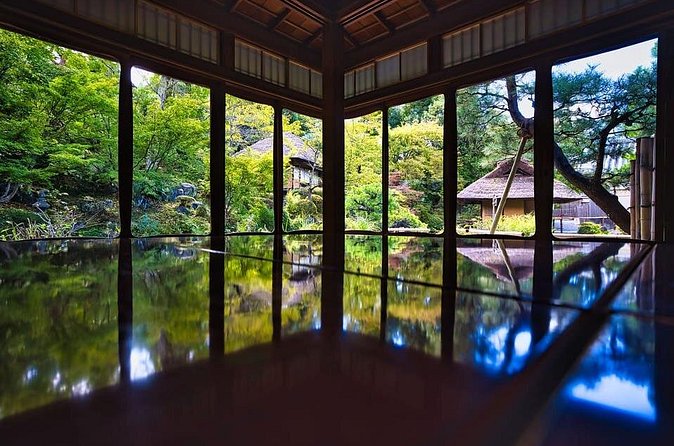
Wear or bring socks. This small point matters in a traditional tea room, and it is an easy thing to forget when planning a day of sightseeing. Comfortable clothing will also make the experience easier.
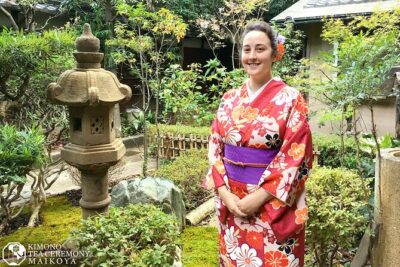
Kimono rental is not included. If wearing a kimono is important to you, you will need to arrange that separately. Video recording is also not included, although a photo is provided.
The activity is not recommended for people with foot or knee problems. The information does not give further seating details, so anyone concerned about comfort should check with the provider before booking.
The meeting point is:
Tea Ceremony SAKAGUCHIAN
3-chōme-334 Kiyomizu
Higashiyama Ward, Kyoto 605-0043, Japan
The activity ends back at this same meeting point. Since the session is short, it can fit before or after exploring the Kiyomizu area, but allow enough time to find the teahouse without rushing.
A mobile ticket is available, and confirmation is provided when you book. Free cancellation is allowed up to 24 hours before the start time for a full refund. Changes or cancellations inside that 24-hour window are not accepted for a refund. The experience also depends on good weather, and a weather cancellation brings the choice of another date or a full refund.
Who should book this Kyoto tea ceremony
I recommend it most for first-time visitors who want cultural context with their matcha. You see the formal preparation, learn the basic etiquette, taste the tea, and make a bowl yourself. That is a useful amount of content for less than an hour.
It is also a good fit for couples, families, and small groups who want a calm break from temple visits. The garden view, careful movements, and traditional sweets create a gentle change of pace.
People with a strong interest in Japanese arts will appreciate the details, but may want more time than this activity provides. The same is true if you are seeking a complete education in tea ceremony. This is an introduction, not an intensive course.
I would skip it if you mainly want a quick drink, dislike quiet demonstrations, or have foot and knee problems. The formal pace is part of the point, so it will not suit anyone hoping for a fast stop with little explanation.
Should you book it?
Book this tea ceremony if you want more than a café matcha and like the idea of learning through both watching and doing. The combination of a garden-facing teahouse, a tea master’s precise preparation, two cups of matcha, wagashi, and clear English guidance makes it a strong cultural stop near Kiyomizu.
The main question is value. At $50.87, you are paying for atmosphere, instruction, and access to a traditional ritual, not just tea. If 45 minutes feels too short for that price, choose another activity. If you want a peaceful, polished introduction to one of Japan’s most distinctive arts, this is an easy one to add to a Kyoto day.
FAQ
Where does the tea ceremony take place?
It takes place at Tea Ceremony SAKAGUCHIAN, also written as 茶道体験 阪口庵, at 3-chōme-334 Kiyomizu, Higashiyama Ward, Kyoto 605-0043, Japan.
How long does the experience last?
The experience lasts approximately 45 minutes. Some descriptions refer to it as about an hour.
What is included in the price?
The experience includes two cups of matcha, traditional wagashi sweets, and a photo.
Is kimono rental included?
No. Kimono rental is not included.
Can I record video during the activity?
Video recording is not included. A photo is provided.
How many people can join the group?
The activity has a maximum of 12 participants.
Where does the activity end?
The activity ends back at the meeting point, Tea Ceremony SAKAGUCHIAN.
What is the cancellation policy?
You can cancel up to 24 hours before the start time for a full refund. Cancellations or changes made less than 24 hours before the start time are not accepted for a refund. If poor weather causes a cancellation, you can choose another date or receive a full refund.
More Temple & Shrine Tours in Kyoto
- Kyoto: Fushimi Inari, Kinkakuji, Bamboo Grove 1 Day Bus Tour
★ 4.8 · 4,316 reviews - Fushimi Inari Hidden Hiking Tour (Private Option Available)
★ 5.0 · 1,750 reviews - Kyoto/Osaka: Nara, Fushimi Inari Taisha, Arashiyama Bus Tour
★ 4.7 · 1,275 reviews - Arashiyama Bamboo, Temple, Monkeys, or Secret Sake Brewery
★ 4.8 · 886 reviews
Just added around Kyoto
- Private Guided Traditional Buddhist Cooking in Japan★ 5.0 · 16 reviews
- Kyoto: Gion Geisha District & Sake-in-Hand Walking Tour★ 5.0 · 37 reviews
- Your Private Vacation Photography Session In Kyoto★ 5.0 · 110 reviews
- Kyoto: Zen Meditation at a Private Temple with a Monk★ 5.0 · 25 reviews
- Traditional Japanese Washi Papermaking- Kyoto morning★ 5.0 · 77 reviews
- Kyoto Wagashi(Japanese sweets) Cooking Class near Fushimiinari★ 5.0 · 60 reviews
- Private Pewter Sake Cup Experience with a Kyoto Artisan★ 5.0 · 31 reviews
- Kyoto Private 6 hour Tour: English Speaking Driver Only, No Guide★ 5.0 · 88 reviews
Tea Ceremony Experiences, compared.
Tea Ceremony in a Traditional Tea House in Kiyomizu
Read our review →

World Heritage Kyoto & Nara Uji Authentic Matcha Experience
Read our review →