
REVIEW · TEA CEREMONY EXPERIENCES
Kyoto: Kimono Tea Ceremony with Matcha and Sweet
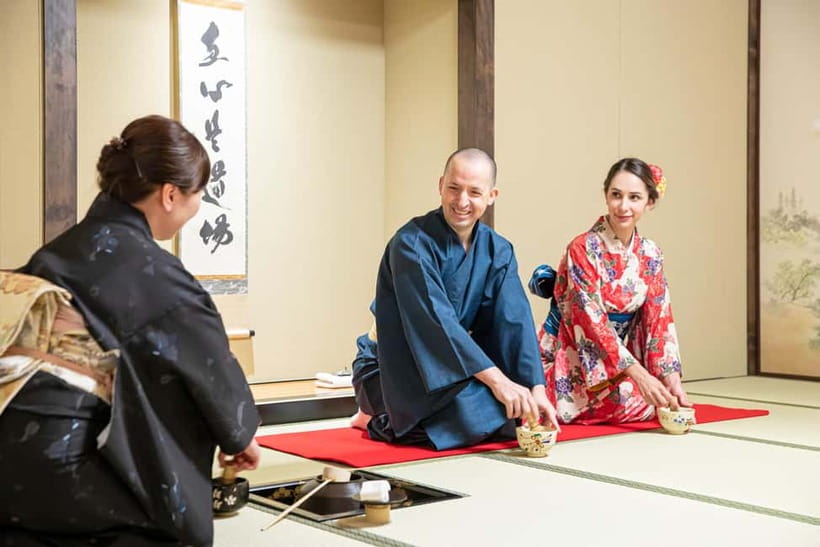
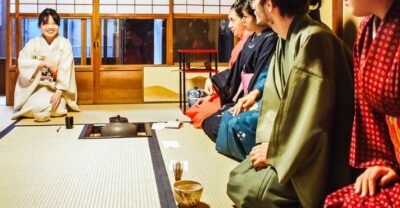
The best part of this Kyoto activity is that it lets you take part in the ritual, not just watch it. You choose a kimono, sit in a tea room, learn why each movement matters, and prepare your own bowl of matcha with seasonal wagashi on the side. Hands-on matcha making gives the experience more substance than a simple photo stop.
I especially like the choice of kimonos and the patient English guidance. Guides such as Maki and Megumi have been praised for explaining slowly and clearly, which matters when the subject involves unfamiliar tools and formal gestures. The main consideration is that the tea portion is a workshop as well as a ceremony, so you may spend more time making your own tea than watching a tea master serve every bowl.
In This Review
- Key points
- Choosing a kimono before the tea begins
- Entering a tea room with room to sit your way
- Learning the meaning behind each tea tool
- Making a bowl of premium matcha yourself
- Seasonal wagashi add a small taste of Kyoto
- Why the kimono makes the lesson more memorable
- How long to plan and what the $66 price covers
- Who will enjoy this Kyoto cultural activity most
- Practical ways to get more from the session
- Should you book this tea ceremony?
- FAQ
- How long does the Kyoto kimono tea ceremony last?
- What is included in the price?
- Is the activity conducted in English?
- Do I make my own matcha?
- Are Japanese sweets included?
- Can I sit on a chair instead of tatami mats?
- Are children allowed to join?
- Is transportation to the venue included?
Key points
- Kimono choice comes first: Staff help with dressing, obi selection, and hair styling for women with long hair.
- You make your own matcha: A tea master demonstrates the process before you whisk a bowl yourself using premium matcha.
- Seasonal wagashi change with the calendar: The sweet’s taste, color, and design may vary with the season.
- English guidance keeps the ritual clear: The lesson covers tea history, utensils, etiquette, and four Zen values: harmony, respect, purity, and tranquility.
- Tatami seating is optional: Bamboo chairs are available if requested in advance.
- Allow 90 to 120 minutes: The advertised duration is 90 minutes, but the full session can run longer.
Choosing a kimono before the tea begins
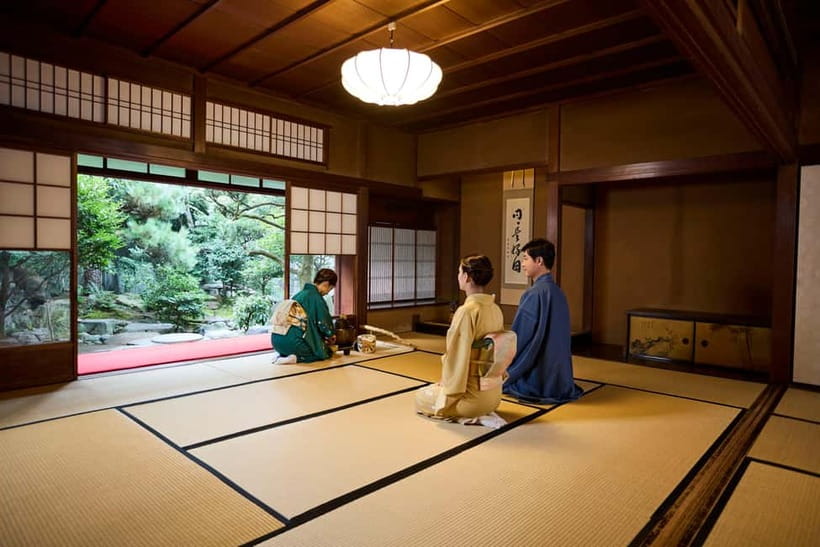
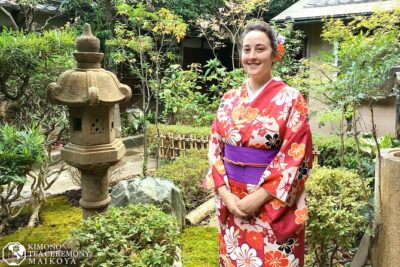
This experience opens with the part many people look forward to most: selecting traditional clothing. You choose from a range of kimonos, sizes, and obi belts, then staff help dress you properly. For women with long hair, hair styling is included, with flowers available as part of the finished look according to one detailed account of the activity.
The dressing is not treated as a quick costume change. Staff adjust the layers and belt so the outfit looks right for photographs and remains comfortable during the ceremony. Still, the process can move quickly, especially when several people arrive for the same start time. If you want photographs before the tea begins, arrive ready and keep your personal preparation simple.
You may also receive kimono socks, a small but useful touch. Some accounts indicate that the kimono can be kept on for photographs and a little time after the ceremony, though the exact amount of time may depend on the session. Ask staff at the venue if you want to walk around or arrange professional photographs nearby.
For couples, friends, and families with older children, this opening section adds a social element. One person can help another choose colors, while the staff handle the difficult work of dressing. Children under seven are not permitted, so this is not an activity for families with very young children.
More Kimono & Culture Experiences in Kyoto
- Kyoto Geisha Walking Tour: Gion District & Hidden Gems
★ 4.7 · 3,273 reviews - Kyoto: Gion Magical Night Walking Tour with Geisha Trivia
★ 4.9 · 2,393 reviews - Kyoto: Gion Geisha District Walking Tour – Stories of Geisha
★ 4.7 · 2,187 reviews
Entering a tea room with room to sit your way
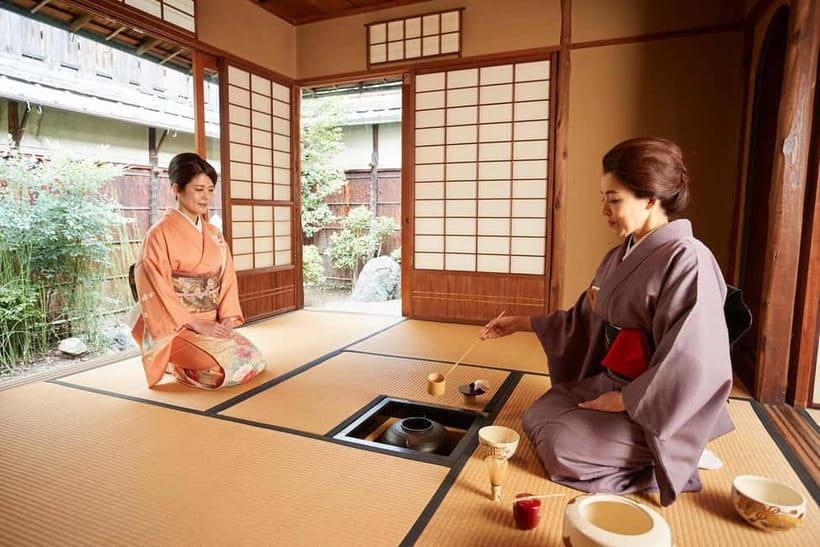
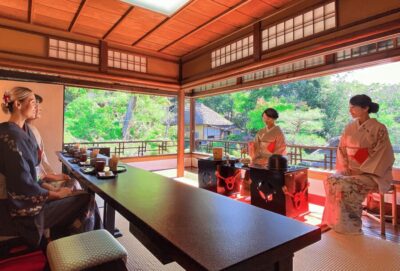
Once dressed, you move into a traditional tea room where the utensils are arranged for the ritual. The setting is designed around tatami mats, and sitting in the traditional way is part of the visual feel. But you do not need to force yourself into an uncomfortable position.
Bamboo chairs are available by advance request. This is worth arranging before you arrive if kneeling or sitting low is difficult for you. The information provided does not promise chairs on the day without notice, so do not leave this request until you are already in the room.
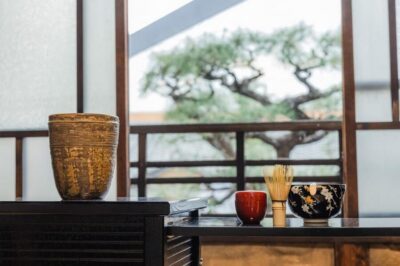
The atmosphere is calm and orderly. That matters because the tea ceremony can seem mysterious when you first see it. The careful placement of the bowl, whisk, scoop, and other tools makes more sense once the guide explains how each item fits into the sequence.
Group size can vary. The general guidance says a session may include about 12 to 14 people because bookings from several sources are combined, while some time slots have been much smaller. A small group allows more attention and easier photographs, but you should not assume every departure will be intimate.
Learning the meaning behind each tea tool
The tea master leads the ceremony in English and explains the history, tools, and etiquette as the process unfolds. This is where the experience earns its cultural value. You are not simply handed matcha and told to stir it. You learn why the host handles the utensils in a certain way and why the order of actions matters.
The guide also introduces four ideas linked to the ceremony:
- Wa, harmony: The host and participants share one carefully ordered moment.
- Kei, respect: Attention is paid to the people, objects, and setting.
- Sei, purity: Clean tools and deliberate actions help prepare the room and the mind.
- Jaku, tranquility: The finished ritual creates a quiet pause in a busy sightseeing day.
These ideas are explained in plain English, making the session approachable even if you know little about Japanese tea culture. Maki and Megumi are among the named hosts associated with especially warm and clear sessions, but the guide for your departure may be different.
The English instruction is a real advantage. The host can explain the reason for a gesture rather than asking you to copy it without context. Several accounts also describe guides speaking slowly and encouraging everyone to participate, which is useful in a mixed-language group.
Making a bowl of premium matcha yourself
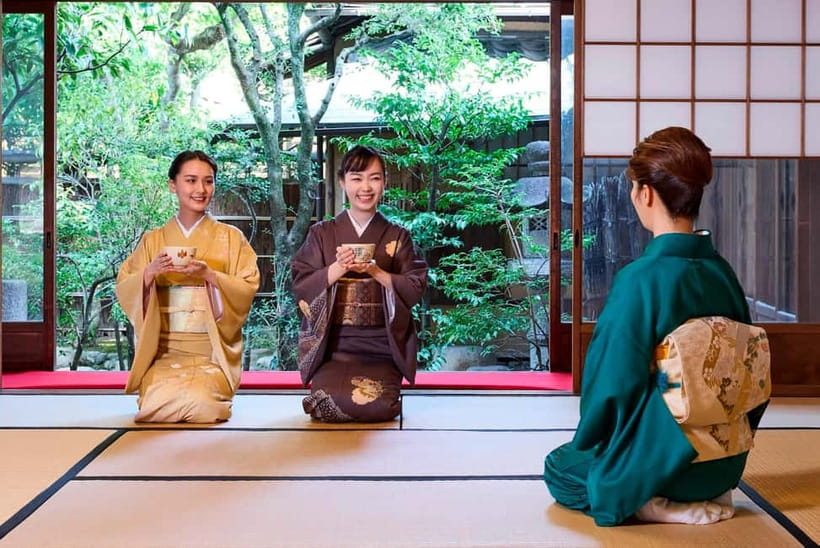
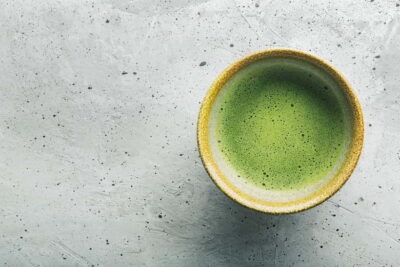
After watching the demonstration, you prepare your own matcha. You use high-quality matcha powder and follow the tea master’s instructions as you whisk. This hands-on stage makes the experience less formal and gives you a practical feel for the effort behind a smooth, foamy bowl.
Do not expect every bowl to look perfect on the first try. That is part of the fun. The guide helps you understand the movement and pace, and you get to taste the result with a traditional sweet.
This is also the point where the activity differs from a more formal tea ceremony in which the host prepares and serves the tea to you. Here, you participate directly. I like that choice for first-time visitors because it turns a distant ritual into something you can understand through your own hands.
If you are seeking a strictly observational ceremony, this format may feel less traditional. One participant specifically preferred the idea of a tea master serving the tea rather than having visitors prepare it themselves. Read the description carefully and book this version if you want instruction and participation, not only quiet observation.
More Tea Ceremony Experiences in Kyoto
- Kyoto: Tea Ceremony in a Traditional Tea House in Kiyomizu
★ 4.9 · 3,519 reviews - Kyoto: Tea Ceremony Ju-An at Jotokuji Temple
★ 4.9 · 3,207 reviews - Kyoto: 45-Minute Tea Ceremony Lesson Experience
★ 4.3 · 2,378 reviews - Kyoto: Table-Style Tea Ceremony at a Kyo-Machiya
★ 4.9 · 1,211 reviews
Seasonal wagashi add a small taste of Kyoto
The matcha is served with wagashi, traditional Japanese sweets whose flavor, color, and design change with the seasons. This gives the tea a useful counterpoint. Matcha can be bitter and grassy, while the sweet balances it and helps you notice the tea’s character.
The changing wagashi also means that the snack is not fixed year-round. You may find different colors, shapes, or flavors depending on when you visit. The activity description does not name the exact sweet served at each session, so do not book expecting a particular design.
The wagashi is more than a food sample. In Japanese tea culture, the sweet is part of the timing of the ceremony and prepares your palate for the matcha. The guide explains the custom while you eat, giving a little seasonal context without turning the session into a cooking class.
Why the kimono makes the lesson more memorable
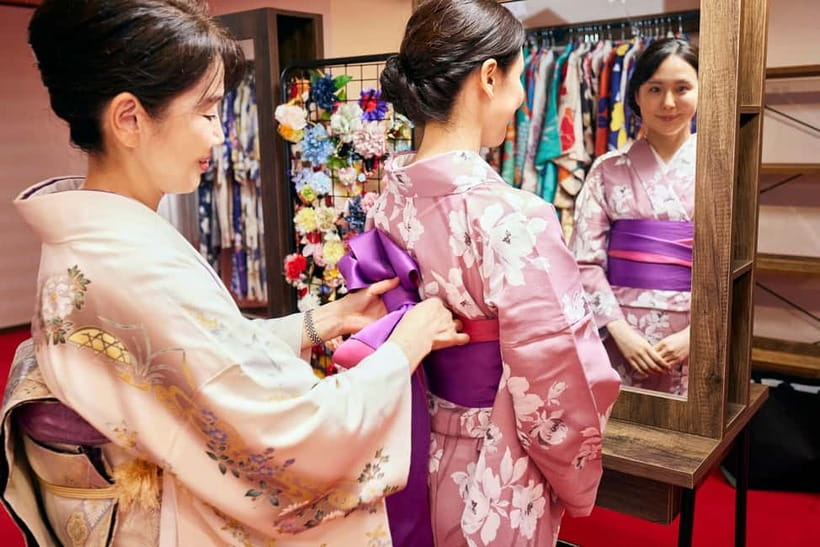
The clothing changes how you experience the ceremony. A kimono is not simply a background for photographs. Its layers, belt, and careful fit make you more aware of posture and movement. You become more conscious of how you sit, turn, and handle the tea bowl.
That said, the outfit can feel overdressed for a hands-on workshop. One thoughtful assessment found the kimono rental and tea lesson enjoyable but wished the tea portion had been a served ceremony instead. This is a fair point. The clothing creates a formal mood, while whisking your own tea makes the event more relaxed and practical.
For many people, that contrast works well. You get the visual pleasure of traditional dress, the calm of the tea room, and the satisfaction of learning a skill. You also have time for photographs before or after the ceremony. Several accounts describe attractive photo spots near the venue, and some participants arranged a professional selfie session nearby.
Bring a camera or make sure your phone is ready before dressing. The staff may help you look polished, but the time for photos can pass quickly if the group is moving through the same steps together.
How long to plan and what the $66 price covers
The listed price is $66 per person. For that fee, you receive kimono dressing, the tea ceremony with a tea master, hands-on matcha preparation, wagashi, bilingual staff help, and long-hair styling for women.
The value depends on what you want from a cultural activity. If you only want to wear a kimono for photographs, a clothing rental may be cheaper and give you more freedom. If you only want to taste matcha, a tea or dessert stop may cost less.
You are paying for several linked parts here: staff dressing, an English lesson, use of the tea room and utensils, the ceremony itself, the matcha, the sweet, and the chance to take part. For a first introduction to Japanese tea culture, that combination makes the price reasonable, especially if you value clear instruction and a ready-made cultural setting.
The session lasts about 90 minutes, though the full experience can run from 90 to 120 minutes. Keep that extra half hour in mind when planning lunch, temple visits, or transport afterward. Transportation to and from the venue is not included, so you must arrange your own way there.
Flexible booking helps if your Kyoto schedule is still changing. You can reserve now and pay later, and cancellation is free up to 24 hours before the activity for a full refund under the stated terms.
Who will enjoy this Kyoto cultural activity most
I would recommend this experience to first-time visitors who want an easy introduction to tea ceremony customs without needing prior knowledge of Japanese etiquette. The English guidance removes much of the guesswork, and the matcha preparation gives you something active to do.
It also suits couples and friends who want photographs with a clear cultural purpose. The kimono is not the whole activity, but it makes the occasion feel special and gives you a visual reminder of the day.
Older children may enjoy it too, provided they are at least seven. The ceremony requires listening, sitting, and following instructions, so very young children would likely find the pace difficult. Bamboo chairs make the experience more comfortable for anyone who cannot sit on tatami mats, but request them ahead of time.
You should think twice if your priority is a private ceremony, a very small group, or a formal presentation in which the tea master prepares and serves everything. Group numbers may reach 12 to 14, and the central workshop asks you to make your own bowl.
Practical ways to get more from the session
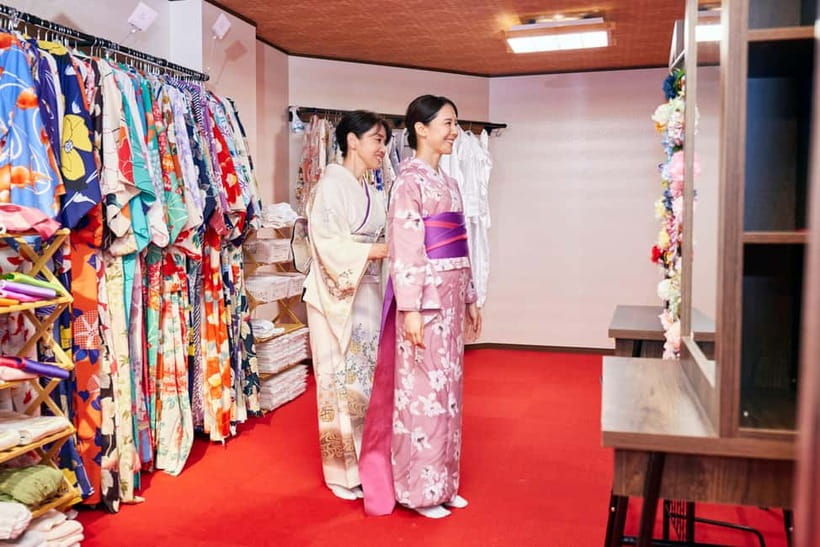
Choose your kimono with photographs in mind, but also consider comfort. You will sit and move in it, so the most elaborate-looking option is not always the best choice.
If you have long hair and want the included styling, allow the staff to work without rushing them. Have your phone, camera, and any small personal items ready before the dressing begins.
Request a bamboo chair before the day if tatami seating is a concern. The activity is more enjoyable when you can focus on the explanation instead of managing an uncomfortable posture.
Listen for the reasons behind the gestures. The strongest part of this experience is not simply learning how to whisk matcha. It is understanding how harmony, respect, purity, and tranquility shape the ceremony.
Finally, leave space in your schedule. The official duration is 90 minutes, but the tea ceremony may last as long as two hours, especially when dressing and photographs are included.
Should you book this tea ceremony?
Book it if you want a friendly, English-guided introduction to Japanese tea culture that combines dressing, history, participation, and seasonal sweets. The consistently high rating, repeated praise for patient hosts, and positive comments about the kimono selection all support it as a dependable choice for a first cultural activity in Kyoto.
The main question is format. This is not only a formal tea ceremony, and it is not only a kimono rental. It is a blend of both, with you preparing your own matcha. At $66, that is good value if you want an active lesson and memorable photographs. Choose another option if you want a private, highly formal ceremony with the tea master serving every bowl.
FAQ
How long does the Kyoto kimono tea ceremony last?
The advertised duration is 90 minutes, but the full experience can last approximately 90 to 120 minutes.
What is included in the price?
The price includes kimono dressing, a traditional tea ceremony led by a tea master, hands-on matcha preparation, Japanese sweets, bilingual staff assistance, and hair styling for women with long hair.
Is the activity conducted in English?
Yes. The instructor language is English, and bilingual staff provide assistance during the experience.
Do I make my own matcha?
Yes. The tea master demonstrates the process, then you prepare your own bowl of matcha using premium matcha powder.
Are Japanese sweets included?
Yes. You receive wagashi, traditional Japanese sweets. Their flavor, color, and design change with the seasons.
Can I sit on a chair instead of tatami mats?
Yes, bamboo chairs are available for people who prefer not to sit on tatami mats. You must request one in advance.
Are children allowed to join?
Children under seven are not allowed to participate.
Is transportation to the venue included?
No. Transportation to and from the venue is not included in the price.
Just added around Kyoto
- Taste of Nishiki Market Walking Food Tour with Local guide★ 5.0 · 17 reviews
- Kyoto: Sushi Making Class with Sushi Chef★ 4.8 · 64 reviews
- Kyoto: City Secrets eBike Tour★ 4.9 · 196 reviews
- Sacred Pathways: Discover the Philosopher’s Path of Kyoto★ 4.9 · 20 reviews
- Private Tour to Monkey Park and Arashiyama Highlights★ 5.0 · 22 reviews
- Private Nara Tour from Osaka – Meet at Your Hotel★ 5.0 · 22 reviews
- Private Sake Tasting in Central Kyoto with Sake Sommelier★ 5.0 · 13 reviews
- Kyoto : Private Custom Walking Tour With A Local Guide★ 4.6 · 144 reviews
Tea Ceremony Experiences, compared.
Tea Ceremony in a Traditional Tea House in Kiyomizu
Read our review →
World Heritage Kyoto & Nara Uji Authentic Matcha Experience
Read our review →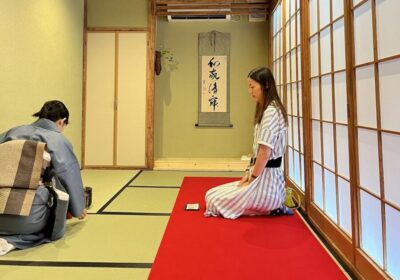
Browse the lists this tour appears in