
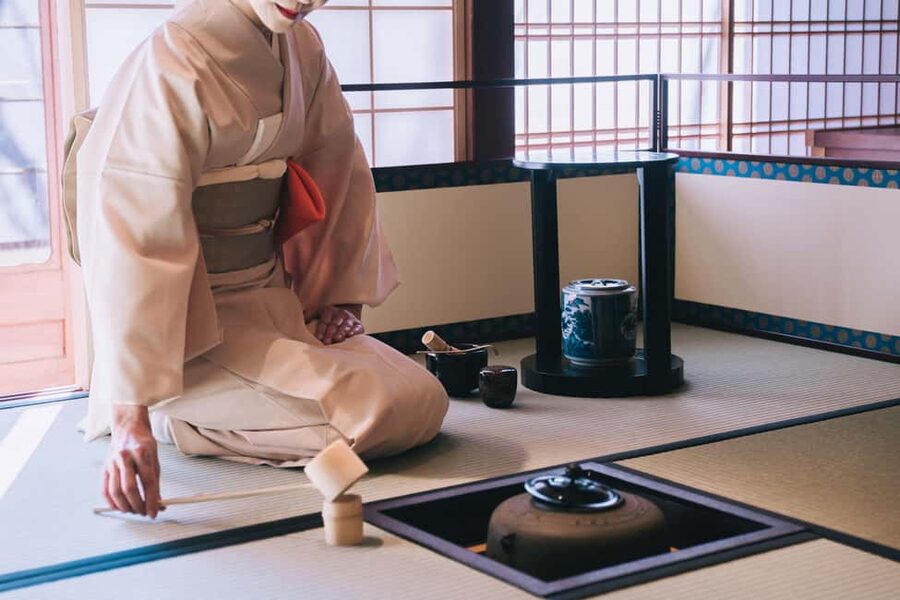
REVIEW · TEA CEREMONY EXPERIENCES
Kyoto: Kimono Tea Ceremony at Orizuruya Gion
Kyoto’s Orizuruya Gion experience turns a formal tea ceremony into something you can comfortably take part in. You choose a kimono, get help with every layer, learn the meaning behind the gestures, and prepare your own bowl of matcha instead of simply watching from the side.
I especially like the choice of more than 200 kimono designs and the calm, clear instruction in English. The small group, limited to 10 people, also gives you room to ask questions. The main thing to consider is that the kimono dressing takes part of the 90-minute to two-hour visit, so this is a cultural activity with a polished presentation, not a full-day study of tea tradition.
In This Review
- Key points
- Choosing a Kimono in Gion
- A Quiet Tea Room and a Clear English Lesson
- Making Matcha With a Bamboo Whisk
- Adding Japanese Calligraphy for Two Hours
- Keeping the Kimono on After the Ceremony
- What the Small Group Adds
- Price, Timing, and Overall Value
- Practical Tips Before You Go
- Who Should Book This Kyoto Tea Ceremony?
- FAQ
- Where does the Kyoto kimono tea ceremony take place?
- How do I reach Gion Oritsuruya?
- How long does the activity last?
- Is the instruction available in English?
- How many people can join the group?
- Is hairstyling included?
- What food and drink are included?
- Can I wear the kimono after the ceremony?
- Can I add Japanese calligraphy?
Key points
- More than 200 kimono designs: Choose your own colors and pattern before a staff member dresses you.
- Simple hairstyling included: Women can add a traditional-looking hair arrangement at no extra cost.
- You make your own matcha: An instructor explains the bamboo whisk, tea powder, and preparation method before you try it.
- Century-old wagashi: Your matcha comes with a Japanese sweet from a long-established confectionery.
- Optional calligraphy session: Add the two-hour version for hands-on brush writing.
- Gion location: The shop is a short walk from both Kyoto-Kawaramachi and Gion-Shijo stations.
Choosing a Kimono in Gion
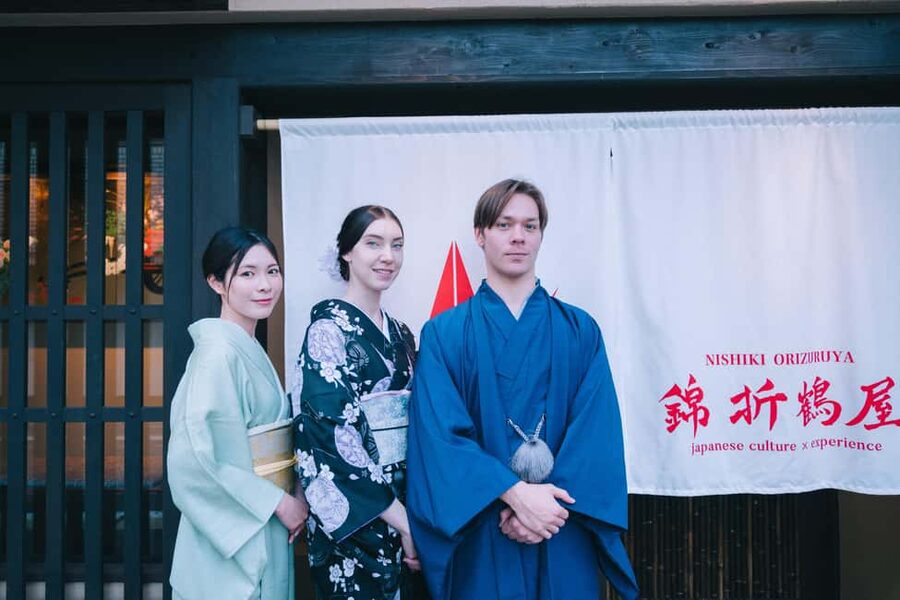
The visit begins at Gion Oritsuruya, at 572-7 Minamigawa in Gion-machi. You are not handed a standard outfit and sent along. Instead, you select from a large collection of more than 200 kimono designs.
That choice is part of the fun, but it can also slow things down if you want to compare every color and pattern. I suggest arriving with a general idea of what you like. Bright floral designs make lively photographs, while quieter colors may feel more in keeping with the tea-room setting.
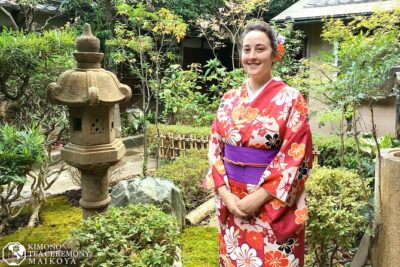
Staff help you with the selection and then dress you in the kimono set. This matters because traditional clothing is not simply a robe you pull on. The fit, layers, sash, and final adjustments all affect how comfortable you feel sitting and moving.
Women receive simple hairstyling as part of the experience. It is a useful finishing touch for photographs and helps the outfit feel complete. The staff are described as professional, gentle, and efficient, though some dressing-room staff speak little English. The warm, hands-on service appears to make up for any language gap.
The clothing is one of the most praised parts of the visit. The kimonos are described as good quality, beautiful, and comfortable to wear. You also get help with photos, so you are not left trying to arrange your own portrait in a narrow dressing area.
More Kimono & Culture Experiences in Kyoto
- Kyoto Geisha Walking Tour: Gion District & Hidden Gems
★ 4.7 · 3,273 reviews - Kyoto: Gion Magical Night Walking Tour with Geisha Trivia
★ 4.9 · 2,393 reviews - Kyoto: Gion Geisha District Walking Tour – Stories of Geisha
★ 4.7 · 2,187 reviews
A Quiet Tea Room and a Clear English Lesson
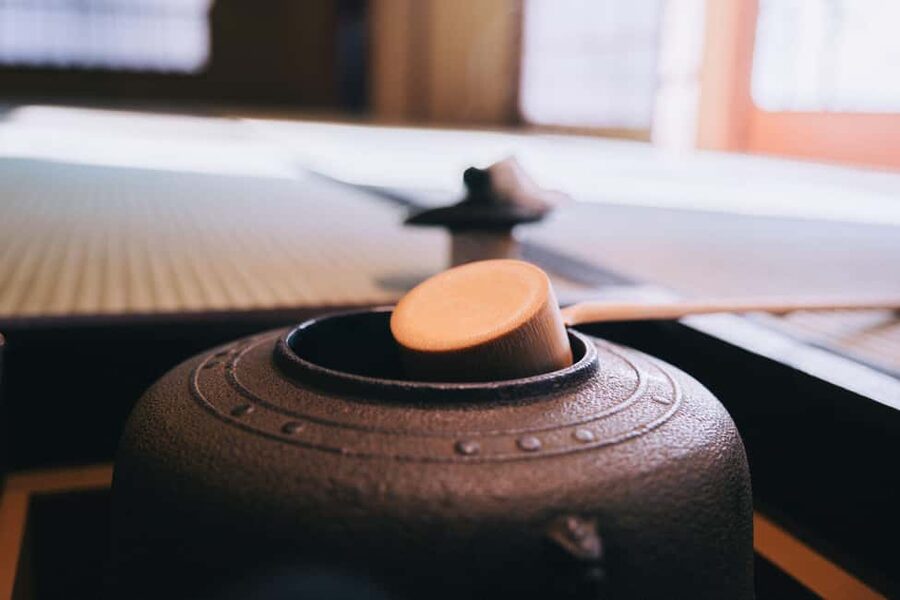
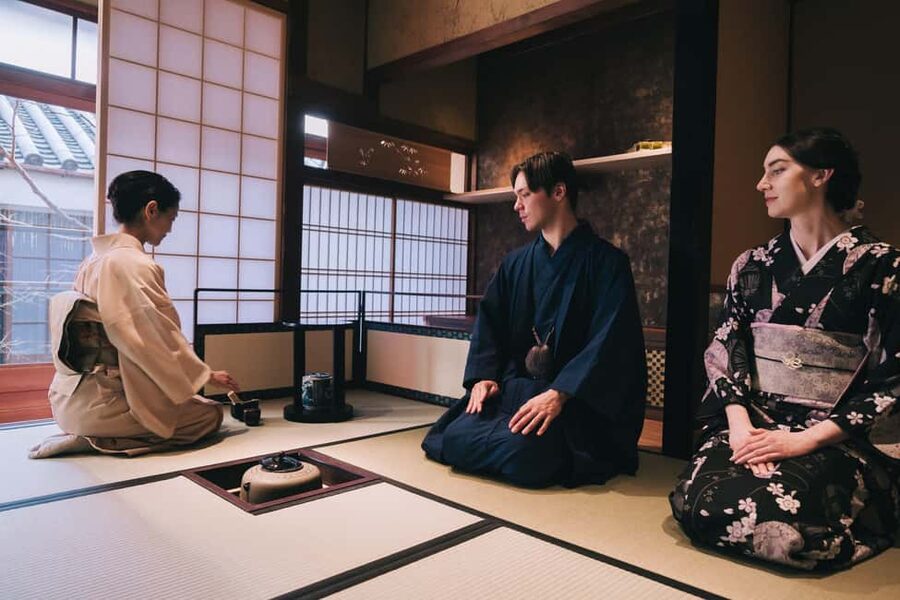
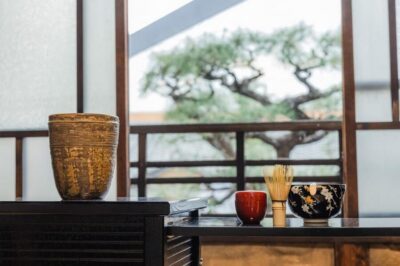
Once dressed, you move into a tea room for the main lesson. An English-speaking licensed guide explains the ceremony step by step, including the purpose of the movements and the meaning of the items used.
This is a good format if you are nervous about making a mistake. You are not expected to know when to bow, how to handle the bowl, or when to drink. The instructor demonstrates first, then gives you a chance to follow along.
The setting is designed to feel calm. Tea ceremonies can look mysterious when you see only the finished performance, but the explanation helps you understand the care behind the order of actions. You learn that the ceremony is not just about drinking powdered tea. It also involves attention, respect, presentation, and a deliberate pace.
I like that questions are welcome. The teaching covers the history of tea ceremonies and introduces matcha itself, including what can make different types of tea taste different. That gives the activity more substance than a quick costume rental followed by a photo stop.
Still, keep your expectations in check. The visit offers an introduction rather than specialist training. If you already study the tea ceremony or expect a long, highly formal ritual, the presentation may feel short. For a first visit to Kyoto, the balance is more practical: you learn enough to understand what you are seeing and then try it yourself.
Making Matcha With a Bamboo Whisk
The hands-on part is where the activity earns its place on a Kyoto itinerary. You receive the traditional bamboo whisk, called a chasen, and learn how to use it to prepare your own matcha.
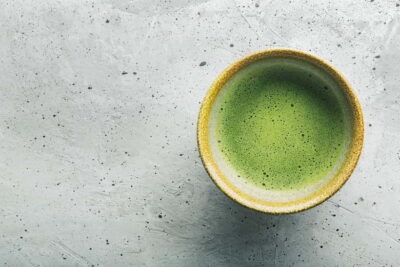
The instructor shows the technique before you begin. You then whisk the tea and drink your own creation with a wagashi, the small Japanese sweet served alongside it.
This simple task gives you a better sense of matcha than ordering a green drink at a café. You notice the texture, the aroma, and the care needed to make a smooth bowl. The sweet also helps balance the tea’s bitter edge.
The sweets come from a century-old confectionery, which adds a small but worthwhile link to Kyoto’s food traditions. The exact sweet can vary, and the supplied details do not identify a particular type, so do not book this expecting a specific wagashi.
The ceremony itself is often described as peaceful and mindful. That quiet mood is a major reason to choose this activity over a faster photo-only kimono rental. You get time to slow down, listen, and perform a small traditional task with guidance.
Adding Japanese Calligraphy for Two Hours
The basic kimono and tea ceremony lasts about 90 minutes. You can choose the longer option, which runs for roughly two hours and adds Japanese calligraphy.
Calligraphy uses a separate set of rented materials and gives you another way to work with Japanese culture rather than just observe it. You receive instruction, practice with the brush, and take part in a lesson that requires patience and steady movement.
Several comments give the calligraphy portion special attention. That makes sense if you enjoy making something with your own hands. The tea lesson is quiet and repetitive, while calligraphy gives the second half a more active focus.
The calligraphy lesson may be challenging, especially if you have never used a Japanese brush. That is part of its appeal, though. The teacher is described as patient, encouraging, friendly, and even funny, which helps take the pressure off.
I would choose the two-hour option if you want a fuller cultural activity or if calligraphy is a personal interest. If your Kyoto schedule is packed with temples, gardens, and meals, the 90-minute version gives you the main experience without taking as much time.
More Tea Ceremony Experiences in Kyoto
- Kyoto: Tea Ceremony in a Traditional Tea House in Kiyomizu
★ 4.9 · 3,519 reviews - Kyoto: Tea Ceremony Ju-An at Jotokuji Temple
★ 4.9 · 3,207 reviews - Kyoto: 45-Minute Tea Ceremony Lesson Experience
★ 4.3 · 2,378 reviews - Kyoto: Table-Style Tea Ceremony at a Kyo-Machiya
★ 4.9 · 1,211 reviews
Keeping the Kimono on After the Ceremony
One of the most useful surprises is the chance to continue wearing the kimono after the indoor activity. Many bookings allow you to keep it until 5 pm, so an early appointment can function partly as a kimono rental for the rest of the day.
This changes the value of the $49 price. You are not paying only for a short lesson. You may also receive professional dressing, hairstyling, the outfit, tea utensils, matcha, wagashi, instruction, and several hours in the kimono around Gion.
The exact clothing-return arrangement should be confirmed when you book, since the supplied activity information describes a time limit rather than promising the same use for every possible schedule. If you want to walk around afterward, choose an earlier starting time and verify the return details.
The surrounding area gives you an easy place to take photographs. The shop is about a 10-minute walk from Hankyu Kyoto-Kawaramachi Station and about seven minutes from Keihan Gion-Shijo Station. One nearby temple is described as roughly a 10-minute walk away, making it a practical photo stop after the ceremony.
Remember that a kimono changes your pace. Walking becomes more deliberate, and sitting or climbing can feel less convenient. That is not a flaw in the activity, but it is worth considering before planning a long day of sightseeing afterward.
Cold weather can also affect your decision. One participant appreciated being able to remain in the kimono indoors and choose how long to wear it outside. In winter, you may prefer a shorter walk and more time inside cafés or attractions.
What the Small Group Adds
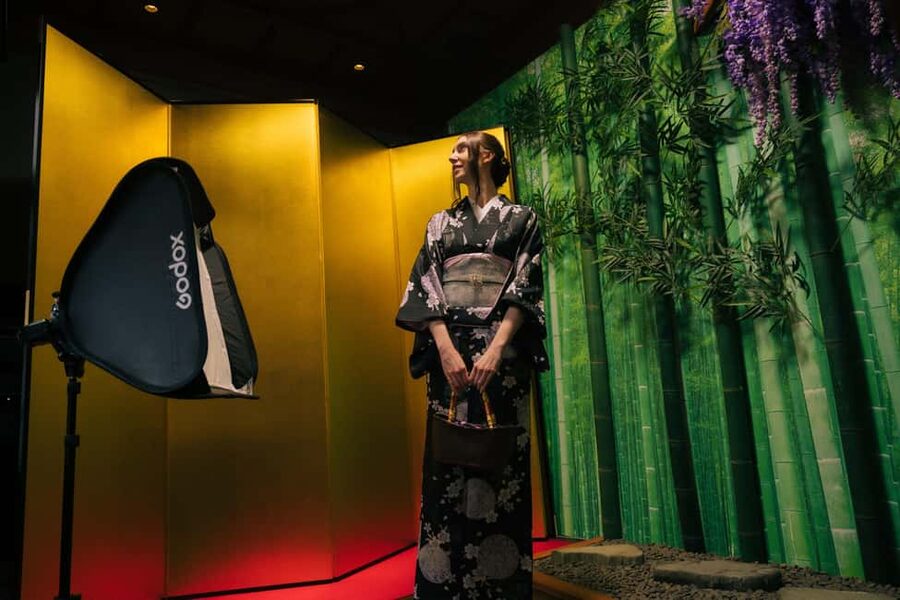
The maximum group size is 10 people. That is small enough for personal instruction but large enough that the room may not feel private.
A small group helps during the tea lesson because the guide can demonstrate the whisking technique and answer questions without addressing a crowd. It also makes the kimono process feel less like a conveyor belt.
The group size may change from one booking to another. On at least one occasion, the activity became a one-on-one visit, which allowed the host to tailor the explanation and conversation. You should not count on having a private ceremony, but a limited group gives you a better chance of individual attention than a large cultural show.
The atmosphere seems to depend heavily on the staff. Their manner is warm, patient, and polite, and several individual staff members receive thanks, including Juki. The guides explain small details rather than rushing through the ritual, and staff also help with photos and directions around the neighborhood.
Price, Timing, and Overall Value
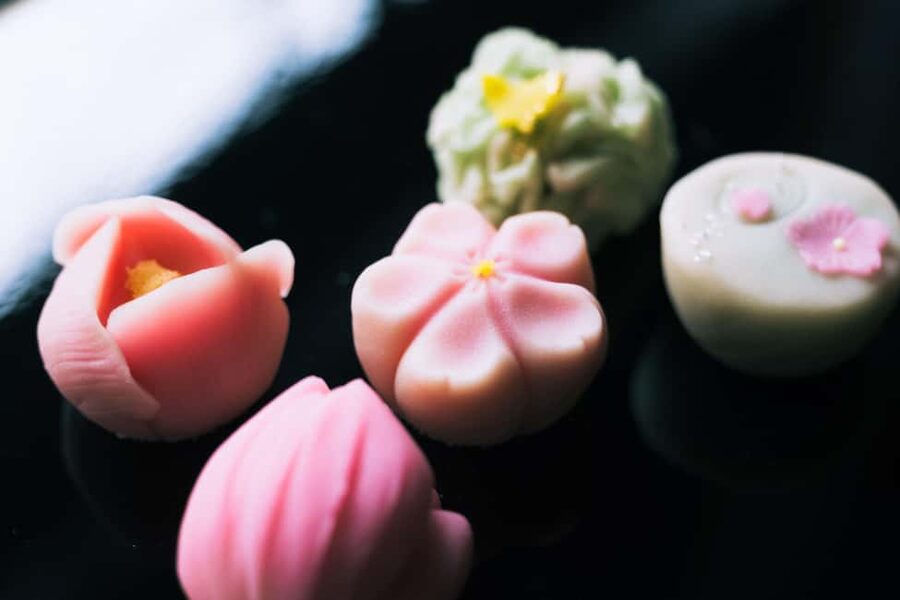
At $49 per person, this is priced above a basic matcha tasting but below many elaborate cultural workshops. The value comes from combining several services in one visit: kimono rental, dressing, simple hairstyling, tea instruction, matcha, wagashi, equipment, and an English-speaking guide.
The tea ceremony alone would make this a reasonable introduction to Japanese customs. The kimono component makes it more memorable, especially if this is your first time wearing one. The possibility of keeping the kimono until 5 pm can make the price particularly attractive with an early booking.
The calligraphy upgrade adds time and a second activity rather than merely stretching the tea lesson. If you enjoy crafts, it is likely worth paying for the longer option. If you mainly want photographs and a taste of matcha, stick with the shorter session.
This is also a useful choice for couples and families with older children. A 14-year-old visitor particularly enjoyed the experience, and the guided format removes much of the worry about etiquette. You can learn by watching, then try each action with support.
I would not choose it if your main goal is a quiet private ceremony with no photography or tourist services. The format is welcoming and accessible, but it is clearly arranged for international visitors. That is exactly why it works well for a first cultural activity in Kyoto, but it may not satisfy someone seeking advanced tea-school training.
Practical Tips Before You Go
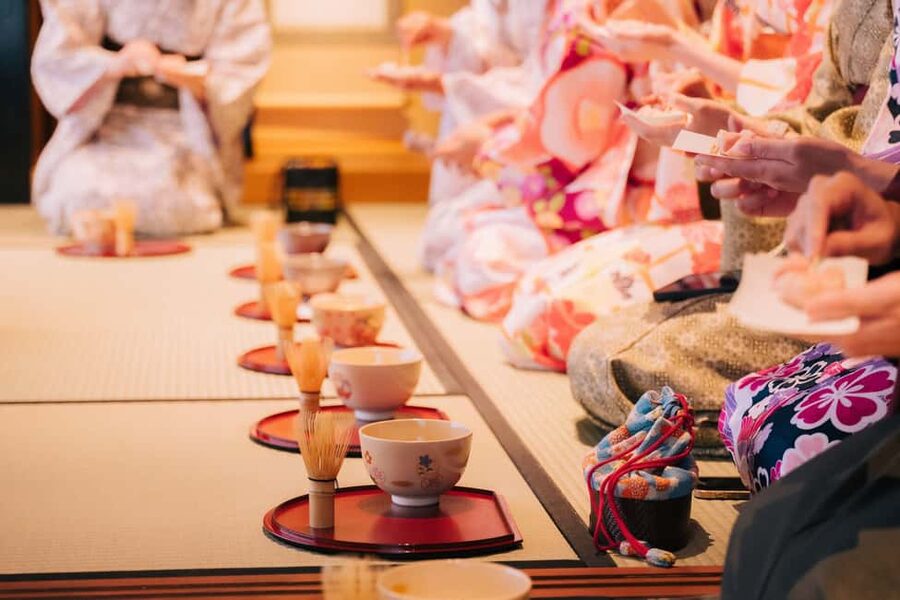
Plan to arrive at Gion Oritsuruya rather than assuming the experience begins at a temple or tea house elsewhere. You pay for your own transportation to the meeting point.
Wear clothing that makes changing straightforward. The supplied details do not specify a required outfit, so you do not need to plan around a strict dress code, but simple layers are sensible when you will be dressed by staff.
Allow extra time if you are particular about your kimono choice or want many photos. The official timing is approximately 90 minutes for the tea ceremony and two hours with calligraphy, but your personal day continues if you keep the kimono afterward.
Book the early slot if you want to walk around Gion in the outfit until 5 pm. Keep the rest of that walk modest, since the kimono is best suited to an unhurried stroll rather than a full day of hills and long distances.
Cancellation is free up to 24 hours in advance, and you can reserve now and pay later. Those terms are useful if your Kyoto schedule is still shifting, especially during a multi-city Japan trip.
Who Should Book This Kyoto Tea Ceremony?

I recommend Orizuruya Gion most strongly to first-time visitors who want a friendly introduction to Japanese culture without worrying about etiquette. You receive enough explanation to understand the tea ceremony, plus enough hands-on time to make the lesson stick.
It also suits couples looking for a memorable shared activity, families with older children, and anyone who wants traditional photographs without arranging a separate kimono rental. The staff’s patient approach makes the experience less intimidating for people who do not speak Japanese.
Choose the calligraphy option if you like making things and want more than a photo opportunity. Choose the shorter version if tea, kimono, and a calm cultural lesson are your priorities.
At $49, this is a strong value when the kimono can be worn until 5 pm. I would book it, especially for an early morning or late-morning slot, then pair it with an easy walk through Gion and a nearby temple. You get a graceful introduction to Kyoto, a new matcha skill, and an outfit that lets the day feel different from ordinary sightseeing.
FAQ
Where does the Kyoto kimono tea ceremony take place?
It takes place at Gion Oritsuruya, 572-7 Minamigawa, Gion-machi, Higashiyama-ku, Kyoto-shi, Kyoto.
How do I reach Gion Oritsuruya?
The meeting point is about a 10-minute walk from Hankyu Kyoto-Kawaramachi Station and about a seven-minute walk from Keihan Gion-Shijo Station.
How long does the activity last?
The kimono tea ceremony lasts approximately 90 minutes. The option that adds Japanese calligraphy lasts about two hours.
Is the instruction available in English?
Yes. The activity includes an English-speaking licensed guide and English instruction.
How many people can join the group?
The group is limited to a maximum of 10 participants.
Is hairstyling included?
Yes. Simple hairstyling is included for women.
What food and drink are included?
You receive matcha and wagashi, a Japanese sweet. The sweet comes from a century-old confectionery.
Can I wear the kimono after the ceremony?
The activity allows kimono use after the ceremony for a limited period, and several arrangements permit wearing it until 5 pm. Check the details for your selected booking and starting time.
Can I add Japanese calligraphy?
Yes. Select the tea ceremony and Japanese calligraphy option. That version includes the calligraphy set rental and takes approximately two hours.
Just added around Kyoto
- Taste of Nishiki Market Walking Food Tour with Local guide★ 5.0 · 17 reviews
- Kyoto: Sushi Making Class with Sushi Chef★ 4.8 · 64 reviews
- Kyoto: City Secrets eBike Tour★ 4.9 · 196 reviews
- Sacred Pathways: Discover the Philosopher’s Path of Kyoto★ 4.9 · 20 reviews
- Private Tour to Monkey Park and Arashiyama Highlights★ 5.0 · 22 reviews
- Private Nara Tour from Osaka – Meet at Your Hotel★ 5.0 · 22 reviews
- Private Sake Tasting in Central Kyoto with Sake Sommelier★ 5.0 · 13 reviews
- Kyoto : Private Custom Walking Tour With A Local Guide★ 4.6 · 144 reviews
Tea Ceremony Experiences, compared.
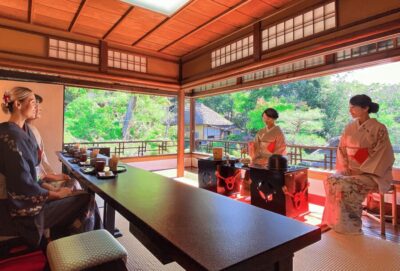
Tea Ceremony in a Traditional Tea House in Kiyomizu
Read our review →
World Heritage Kyoto & Nara Uji Authentic Matcha Experience
Read our review →
Browse the lists this tour appears in