
REVIEW · TEA CEREMONY EXPERIENCES
Kyoto: Kimono and Tea Ceremony Experience at Cultural Asset
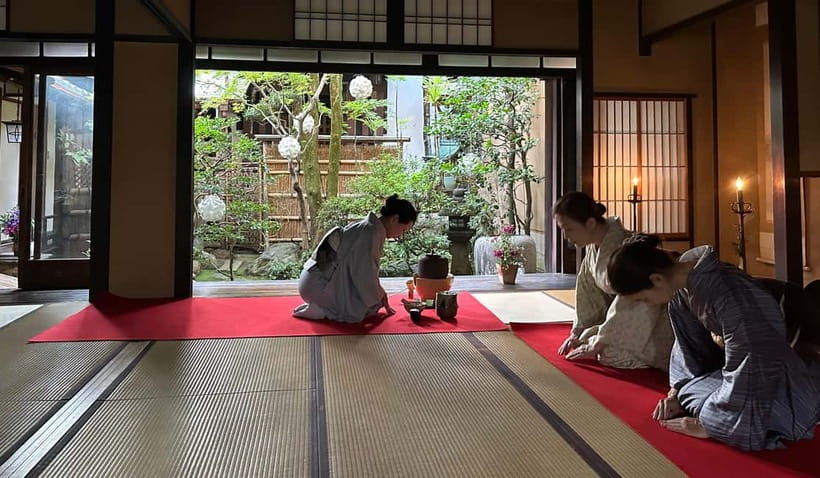
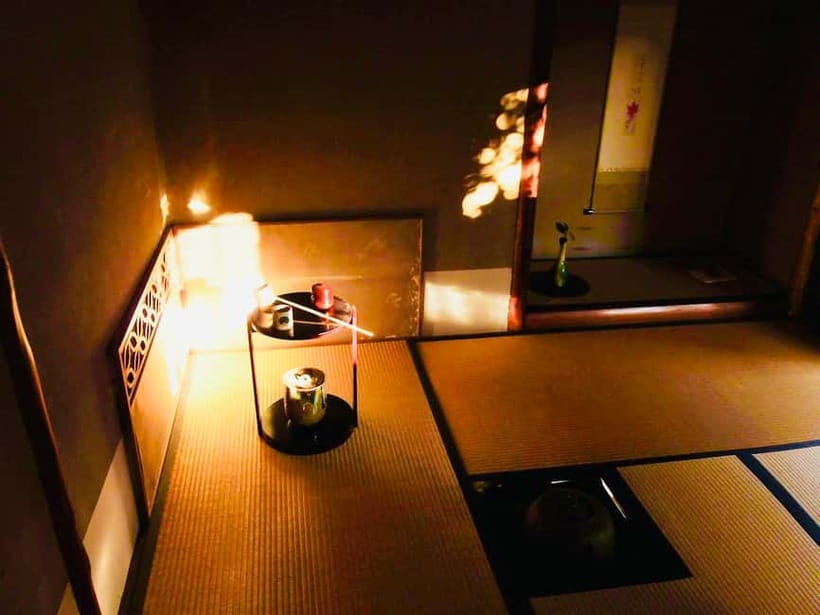
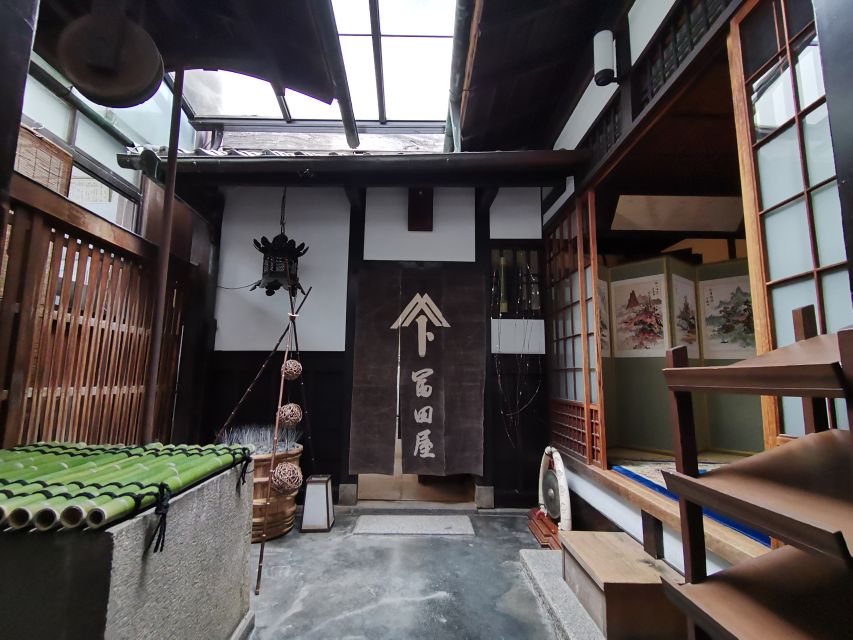
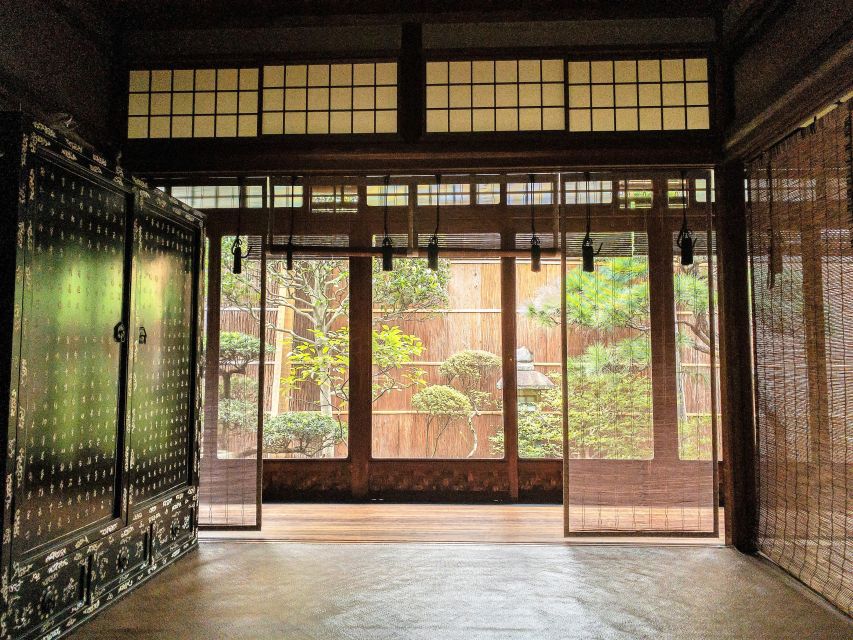
The most memorable part of this Kyoto outing is the setting: Tondaya is a 140-year-old machiya, with polished wood, small gardens, traditional rooms, and old objects that give the tea ceremony a proper sense of place. You are not simply seated in a modern studio wearing a costume. You move through a real historic townhouse before watching tea prepared in the same traditional atmosphere.
I like the combination of silk kimono dressing and the house tour, and I like that you get generous time for photographs after dressing. The main caution is the group format. The ceremony can feel crowded or noisy, and English ability varies among staff, so the private option is worth considering if calm, detailed instruction matters to you.
In This Review
- Key points
- Entering Tondaya, Kyoto’s old Nishijin townhouse
- Choosing and wearing a silk kimono
- The tea ceremony in a traditional room
- Touring the house and finding the best photo spots
- How long the visit really takes
- Group session or private booking?
- Is $222 per person a fair price?
- Who will enjoy Tondaya most?
- My practical tips before booking
- Should you book this Kyoto kimono and tea ceremony?
- FAQ
- Where does the kimono and tea ceremony take place?
- How long does the experience last?
- Are socks required?
- Is the tea ceremony private?
- Is English available?
- Is hair styling or makeup included?
Key points
- A real 140-year-old machiya: Tondaya is a Kyoto City-recognized cultural property, not a purpose-built photo studio.
- Silk kimono dressing: Staff select and fit a high-quality kimono, usually in about five minutes, with additional layers and adjustments.
- Tea ceremony as a performance: You watch a seasoned tea host prepare and serve matcha, with explanations when English support is available.
- Strong photo setting: Wooden rooms, gardens, and traditional details provide much better backdrops than a plain rental shop.
- Group size affects the mood: Shared sessions may involve waiting, limited views, and noisy participants. A private option is available.
- Plan your clothing: Bring socks, avoid stockings and tight necklines, and carry a dry T-shirt if you may arrive hot or damp.
Entering Tondaya, Kyoto’s old Nishijin townhouse
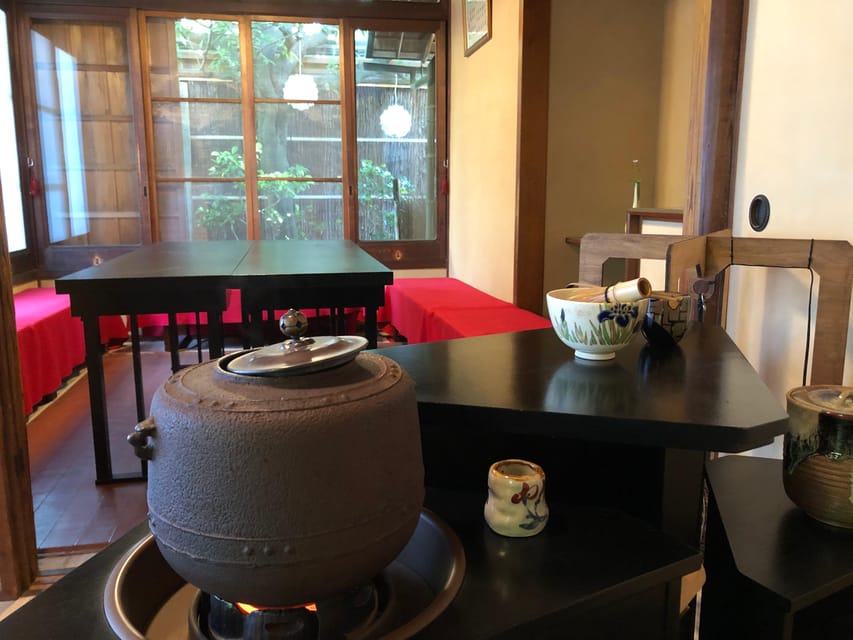
Tondaya is at 697 Ishiyakuchicho in Kamigyo Ward, in Kyoto’s Nishijin area. The location feels more residential and less polished for tourism than central Gion, which is part of the appeal. You come here to enter an old Kyoto home, not to tick off another busy shopping street.
The building has the features that make a machiya memorable: carefully made woodwork, quiet interior gardens, traditional rooms, and objects linked to the home’s long past. The house itself gives you something to look at before the formal ceremony begins. I would allow a little extra time to find the entrance, especially if you are using public transport or a taxi.
One practical warning comes from the location. Getting a taxi back can be awkward, and one person had trouble arranging a ride through Uber from the property. If you plan to continue to another reservation, give yourself a cushion rather than booking the next activity immediately afterward.
Tondaya is officially recognized as a culturally significant property by Kyoto City. That designation does not make every moment feel solemn, but it does add weight to the visit. You are handling the setting with care because it is an old, functioning cultural space, not a disposable stage set.
More Kimono & Culture Experiences in Kyoto
- Kyoto Geisha Walking Tour: Gion District & Hidden Gems
★ 4.7 · 3,273 reviews - Kyoto: Gion Magical Night Walking Tour with Geisha Trivia
★ 4.9 · 2,393 reviews - Kyoto: Gion Geisha District Walking Tour – Stories of Geisha
★ 4.7 · 2,187 reviews
Choosing and wearing a silk kimono
Your first main task is choosing a kimono. Staff help you select one and fit it to your body. The dressing itself is quick, often taking about five minutes, though the full process can take longer as the staff adjust the layers and prepare you for the ceremony.
The kimonos are described as high-quality silk garments, and the clothing is one of the strongest parts of the visit. You get the pleasure of wearing something made for a formal traditional setting, rather than simply putting on a loose robe over ordinary clothes.
Still, the selection is not identical for everyone. Taller participants may receive larger garments in solid colors, while shorter people may find more printed designs available. One person also found that the kimono did not fit quite right. If appearance matters a great deal to you, the private option may offer a better chance for personal attention, although the available sizes and patterns can still vary.
Wear a top with a loose neckline. A tight collar can show in an unhelpful way beneath the kimono and spoil the clean line around your neck. Bring socks, since bare feet are not allowed. The instructions specifically ask for socks rather than stockings.
Kyoto can be hot, and rushing from another activity may leave you sweaty. Staff cannot dress you while you are wearing a wet T-shirt, so bring a spare shirt if you are visiting in warm weather or walking a long distance. These are small details, but ignoring them can make the dressing process uncomfortable.
You cannot take photographs while being dressed or while the kimono is removed. That rule makes sense in a working dressing room and protects your privacy. Once you are dressed and the formal part is complete, you should have ample time to take pictures around the house.
The tea ceremony in a traditional room
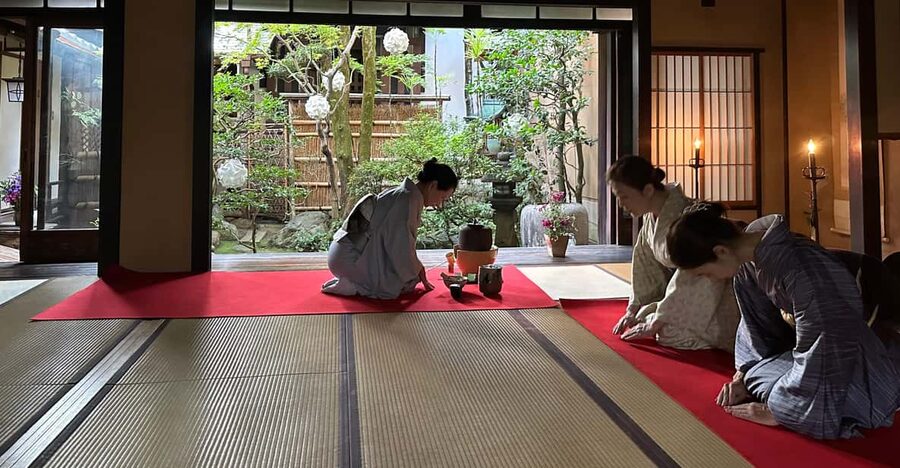
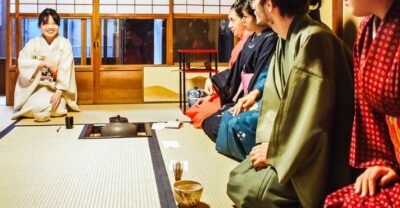
After dressing, you are shown to the tea ceremony. The ceremony is led by an experienced host and follows traditional manners, movements, and presentation. You watch the tea being prepared and served, rather than taking part in every step yourself.
That distinction matters. This is primarily a demonstration and cultural explanation, not a hands-on tea-making workshop. One person particularly enjoyed watching but would have liked the chance to whisk the tea. If you want to make matcha yourself, ask before booking whether a private session changes the format. The supplied details do not promise participant preparation.
The best sessions explain why the host handles the bowl, utensils, sweets, and tea in a particular way. Some English-speaking staff give clear explanations throughout, while other sessions rely on a translation device. The official language support is English and Japanese, but not every staff member speaks fluent English.
I would treat the language issue as a real consideration, not a deal breaker. Several staff members work hard to communicate, and a translation app or device can help with basic explanations. But if you want a long discussion about tea schools, garment design, or the fine points of etiquette, you may find the information more limited than expected.
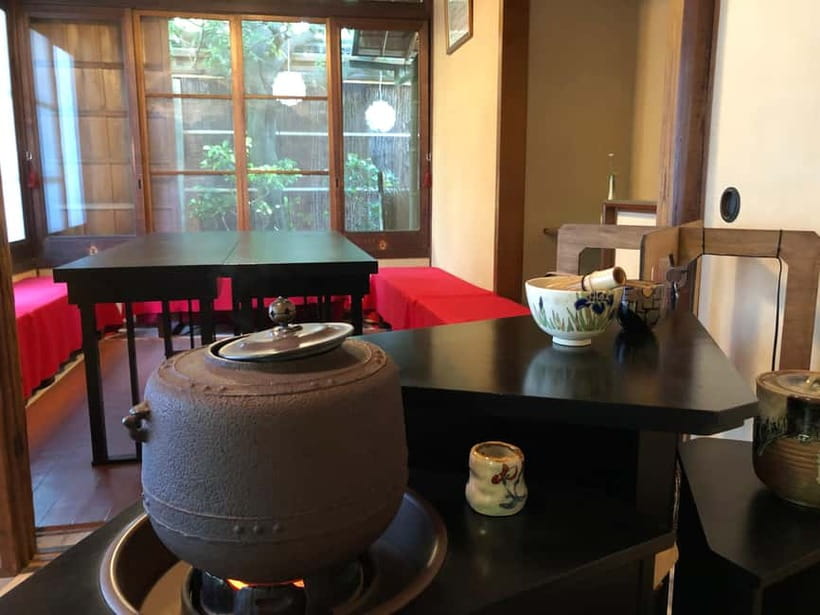
The tea room may be arranged on the floor, and one person found the seating uncomfortable after a short time. A few small chairs may be available, but you should not assume a chair for everyone. Tell staff if sitting on the floor is a concern when you arrive.
The mood depends heavily on the people in your group. A quiet room can make the ceremony peaceful and focused. A large or inattentive group can interrupt the host, block the view, or turn a careful ritual into a noisy presentation. Phones are especially distracting here. You get dedicated photo time later, so put the phone away during the ceremony and pay attention to the host.
Touring the house and finding the best photo spots
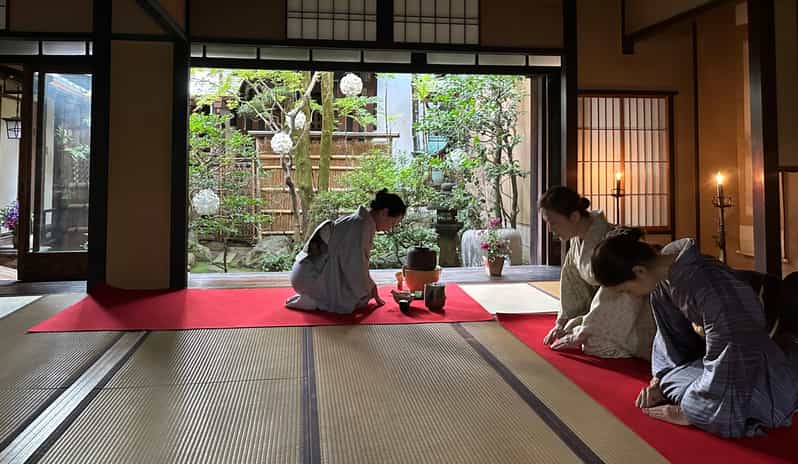
The house tour follows or surrounds the ceremony, depending on the timing of your session. Staff explain the rooms, objects, construction, and old customs connected with Tondaya. The tour gives you a reason to notice the details instead of simply posing in front of them.
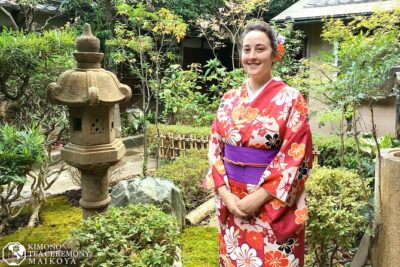
The interior gardens are especially useful for photographs. Traditional wood, garden views, room dividers, and quiet corners create a natural setting for the kimono. You can take your own pictures, and staff may also help take photographs for you. The photo time is one of the clearest practical benefits of this activity, particularly for couples or families who want pictures together.
The results can look intimate even when the building has other people inside. That is useful to know because the actual atmosphere may be more crowded than your photos suggest. You can often frame a shot around one room or garden and avoid the larger group.
Photography is not the only reason to tour the house. Tondaya’s objects and design help explain how traditional Japanese homes worked. You see why the ceremony feels more meaningful in this setting than it would in a hotel function room.
The home may also contain other traditional clothing and cultural displays. One account mentions men dressed in samurai clothing, adding another visual element to the visit. Do not assume that every booking includes a samurai presentation, but the property has more going on than the kimono dressing room alone.
More Tea Ceremony Experiences in Kyoto
- Kyoto: Tea Ceremony in a Traditional Tea House in Kiyomizu
★ 4.9 · 3,519 reviews - Kyoto: Tea Ceremony Ju-An at Jotokuji Temple
★ 4.9 · 3,207 reviews - Kyoto: 45-Minute Tea Ceremony Lesson Experience
★ 4.3 · 2,378 reviews - Kyoto: Table-Style Tea Ceremony at a Kyo-Machiya
★ 4.9 · 1,211 reviews
How long the visit really takes
The advertised duration ranges from 90 minutes to four hours, depending on the booking and timing. A standard session can feel close to an hour and a half once dressing, tea, house touring, photographs, and undressing are included. Arriving early may add time, since staff may begin preparing you before the official start.
Do not arrive late. The dressing, ceremony, and group schedule are linked, so a late arrival can create pressure for you and for the staff. At the same time, arriving very early does not guarantee a private preview. You may be taken straight into the dressing process if the team is ready.
The order of activities can vary. You may dress first, attend tea, tour the house, take photographs, and then change back. Waiting can occur if several groups are being handled at once. That is the main reason the visit can stretch beyond 90 minutes.
If your schedule is tight, choose a starting time with breathing room on both sides. I would not pair this with a train departure, timed museum entry, or hard-to-change dinner reservation. The slower pace is part of the charm, but it is not a clockwork attraction.
Group session or private booking?
The standard arrangement may place you with other participants. This can work well if you enjoy a social setting and do not mind sharing the ceremony or waiting briefly for the dressing team. Some sessions are small and relaxed, even with the group format.
The downside is inconsistency. One session may feel nearly private, while another may have many people in the house. A crowded room can reduce your view of the tea host and make the ceremony less peaceful. It can also make dressing and photography feel less personal.
The private option is the better choice for several types of visitor:
- You want detailed explanations and time for questions.
- You are sensitive to noise or crowded rooms.
- You are celebrating a special occasion.
- You want more control over photographs.
- You need a calmer pace for children or older family members.
A private booking costs more in many tour settings, and this activity is already priced at about $222 per person. Still, the extra cost may make sense if the cultural instruction and quiet atmosphere matter more to you than simply getting dressed and taking pictures.
Check the exact booking choice carefully. The information describes both group participation and a private group option, so the format depends on what you select. Do not assume that a reservation for your own party automatically means a private ceremony.
Is $222 per person a fair price?
At $222 per person, this is not a budget kimono rental. You are paying for more than the garment: entrance to a protected old townhouse, kimono dressing, the tea ceremony, staff assistance, a guided look at the house, and access to a strong photo setting.
The price makes the most sense if you value the building and the setting as much as the clothing. A cheap rental shop may give you more control over colors or more time walking around town, but it will not necessarily give you a tea ceremony inside a 140-year-old machiya.
The value is also better for a first visit to Kyoto when you want several cultural elements in one appointment. You get clothing, architecture, gardens, etiquette, and tea without arranging separate activities. The tradeoff is that the experience can feel commercialized when several groups are present.
I would not book this solely for a long lesson in tea. The activity centers on watching a ceremony, and the depth of explanation depends on the staff member and the language support available. I would book it for the combination of setting, clothing, ceremony, and photographs.
Cancellation is flexible: you can cancel up to 24 hours ahead for a full refund. You can also reserve now and pay later, which helps when your Kyoto schedule is still changing.
Who will enjoy Tondaya most?
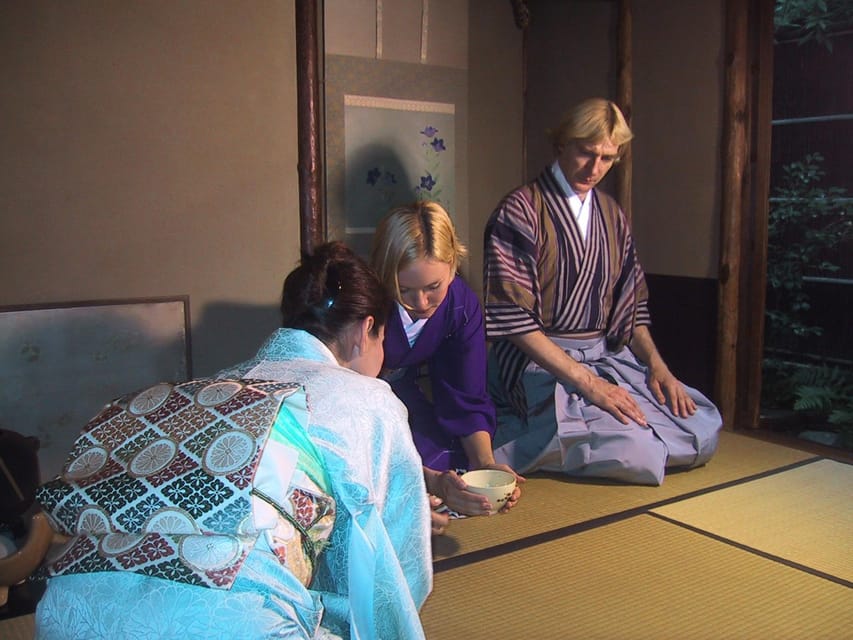
I think this suits you if you want an accessible introduction to Japanese customs, especially if you have never worn a kimono or attended a tea ceremony. The format is gentle and visually memorable, and the staff are described as warm, patient, and attentive.
It is also a good pick for couples. Staff can take photographs, and the old rooms and gardens create a more convincing setting than a standard portrait studio. Families may enjoy it too, provided everyone understands that the ceremony calls for quiet and respect.
You may want another activity if you dislike posed photographs, floor seating, group schedules, or translation through a device. You should also think twice if you expect to walk around Kyoto all day in the kimono. This visit focuses on the property and ceremony, not an extended city stroll.
The experience is best approached with patience. Some hosts speak English clearly, while others use translation help. A friendly attitude makes communication easier, and it gives the staff room to share what they can without feeling rushed.
My practical tips before booking
Bring socks and do not wear stockings. Choose a loose-necked top, and carry a spare T-shirt if you may arrive sweaty.
Arrive on time, but leave room afterward. The visit can last from 90 minutes to four hours depending on the option, group, and pace.
Keep your phone away during the tea ceremony. You will have better chances for photographs once the formal part is finished, and you will show proper respect to the host.
If the tea ceremony is the main reason you are booking, choose private if your budget allows. If the kimono and photographs are your priority, the shared session may offer better value.
Ask for help with photographs. Staff have experience finding useful angles around the house, and couples may need someone else to take pictures.
Do not expect every kimono to have the same pattern or fit. Larger sizes may be plainer, and one person found the fit less than ideal.
Should you book this Kyoto kimono and tea ceremony?
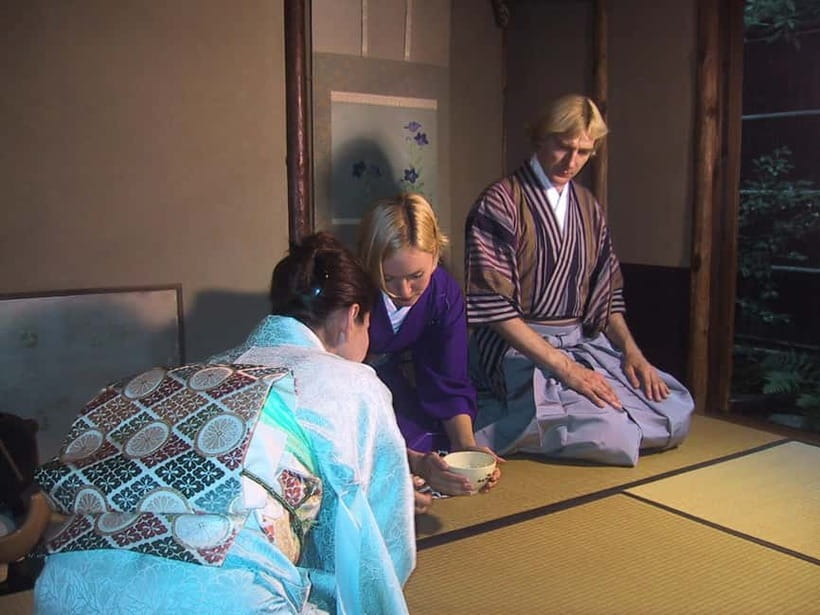
Book it if you want the setting as much as the activity. Tondaya gives you an old Kyoto townhouse, silk kimono dressing, a traditional tea demonstration, and time for photographs in rooms with real character. Those pieces work well together.
At $222 per person, the cost is high for a short cultural appointment. The group format, uneven English support, limited chair seating, and variable kimono selection are fair reasons to hesitate. Still, the friendly staff and memorable property make this a strong choice for a special Kyoto afternoon, especially with a private booking and realistic expectations.
FAQ
Where does the kimono and tea ceremony take place?
The activity takes place at Tondaya, Nishijin Japanese Cultural Experience Museum, at 697 Ishiyakucho, Kamigyo Ward, Kyoto, Japan.
How long does the experience last?
The stated duration ranges from 90 minutes to four hours. The exact length depends on the selected option, starting time, dressing, ceremony, house tour, photographs, and changing process.
Are socks required?
Yes. You must bring socks, and bare feet are not allowed. The instructions ask you to wear socks rather than stockings.
Is the tea ceremony private?
The standard experience may be shared with other participants. A private experience option is available, so check that you select the private option if you want a private setting.
Is English available?
English and Japanese are listed as available languages. Not every staff member speaks fluent English, so a translation device may be used when needed.
Is hair styling or makeup included?
No. The included services are entrance, tea ceremony, and kimono dressing. Hair styling and makeup are not included.
Just added around Kyoto
- Taste of Nishiki Market Walking Food Tour with Local guide★ 5.0 · 17 reviews
- Kyoto: Sushi Making Class with Sushi Chef★ 4.8 · 64 reviews
- Kyoto: City Secrets eBike Tour★ 4.9 · 196 reviews
- Sacred Pathways: Discover the Philosopher’s Path of Kyoto★ 4.9 · 20 reviews
- Private Tour to Monkey Park and Arashiyama Highlights★ 5.0 · 22 reviews
- Private Nara Tour from Osaka – Meet at Your Hotel★ 5.0 · 22 reviews
- Private Sake Tasting in Central Kyoto with Sake Sommelier★ 5.0 · 13 reviews
- Kyoto : Private Custom Walking Tour With A Local Guide★ 4.6 · 144 reviews
Tea Ceremony Experiences, compared.
Tea Ceremony in a Traditional Tea House in Kiyomizu
Read our review →

World Heritage Kyoto & Nara Uji Authentic Matcha Experience
Read our review →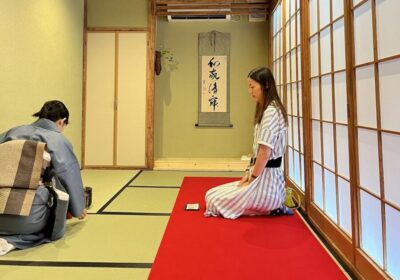
Browse the lists this tour appears in