
REVIEW · TEA CEREMONY EXPERIENCES
Kyoto Japanese Tea Ceremony Experience in Ankoan
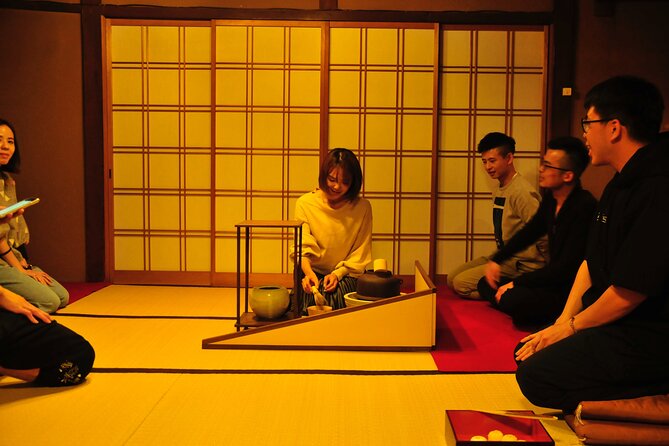
The best part of this Kyoto experience is that you do not just watch a tea ceremony. After a welcome cup and a clear explanation of the customs, you prepare your own matcha and offer it to someone else. That small act gives the ritual a human meaning that a staged demonstration cannot.
I like the relaxed conversation with host Yuka, whose English is strong and whose explanations extend beyond tea to everyday Japanese life. I also like the intimate setting, with no more than eight people and the chance to taste wagashi, learn a few Japanese words, and take indoor photos.
The main consideration is comfort. You sit in a traditional tea-room setting, and the activity is not recommended if you have knee pain. The advertised duration is about an hour, though the fuller description says 90 minutes and some sessions have lasted closer to two hours, so avoid scheduling it tightly against another appointment.
In This Review
- Key points to know before booking
- A calm welcome at Ankoan in Kyoto’s Kita Ward
- From welcome tea to the matcha tearoom
- Preparing matcha yourself, one careful step at a time
- Matcha, wagashi, and the pleasure of a simple tasting
- Why the conversation matters as much as the ceremony
- Timing: allow more than the one-hour headline
- Seating, access, and who should think twice
- Is $32.84 a fair price?
- Booking patterns and cancellation flexibility
- How this tea ceremony fits into a Kyoto day
- Should you book the Ankoan tea ceremony?
- FAQ
- Where does the tea ceremony take place?
- How long does the experience last?
- How much does the experience cost?
- What is included?
- Is transportation included?
- How many people can join?
- Can children participate?
- Is the experience suitable for people with knee pain?
- Can I take photographs?
- What is the cancellation policy?
Key points to know before booking
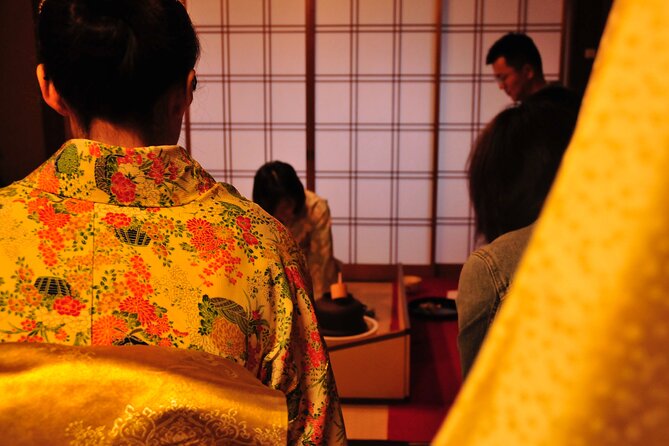
- You make and taste your own matcha: The lesson moves from demonstration to hands-on preparation, with Yuka guiding each step.
- Yuka leads the session: She explains tea customs in English, with Chinese support also available through the experience provider.
- A small group keeps it personal: The maximum is eight people, allowing room for questions and individual help.
- Wagashi is part of the tasting: Matcha is served with a traditional Japanese sweet.
- The lesson includes cultural conversation: You can ask about Japanese customs, daily life, and the meaning behind the ritual.
- Plan for floor sitting: The activity is not recommended for people with knee pain, and the timing may run longer than the one-hour headline suggests.
A calm welcome at Ankoan in Kyoto’s Kita Ward
Ankoan is at Tea ceremonyJapan, 63 Murasakino Monzencho, in Kyoto’s Kita Ward. The studio is near public transportation, but you should still allow enough time to find the address. This is not a hotel pickup experience, and private transportation is not included.
The session begins with a welcome tea from Yuka. That opening matters more than it might seem. Instead of dropping straight into rules and hand movements, you have a chance to sit down, recover from the journey, and talk. You can ask basic questions without feeling that you should already know the etiquette.
Yuka’s friendly manner is one of the strongest reasons to choose this activity. Her good English makes it possible to discuss both the ceremony and wider subjects, including how people live in Japan and how Japanese culture developed. The conversation gives the formal ritual a useful setting rather than treating it as a collection of mysterious gestures.
If you have just come from a busy day of temples and shopping, this slower start can be welcome. It is also a good way to settle children into the experience before asking them to sit quietly and follow a demonstration.
More Tea Ceremony Experiences in Kyoto
- Kyoto: Tea Ceremony in a Traditional Tea House in Kiyomizu
★ 4.9 · 3,519 reviews - Kyoto: Tea Ceremony Ju-An at Jotokuji Temple
★ 4.9 · 3,207 reviews - Kyoto: 45-Minute Tea Ceremony Lesson Experience
★ 4.3 · 2,378 reviews
From welcome tea to the matcha tearoom
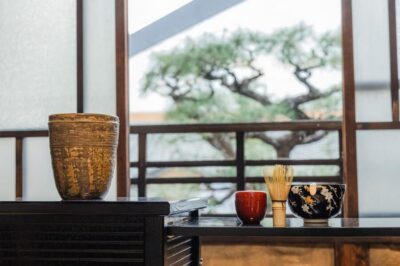
After the opening conversation, you move to a separate matcha tearoom. Here, Yuka explains key parts of Japanese tea culture, including the ideas and manners connected with the ceremony.
The experience is not presented as a full historical lecture. Instead, you learn enough context to understand why the host handles the bowl, whisk, and tea in a careful way. You also get an introduction to the value placed on attention, hospitality, and the shared space between the person making tea and the person receiving it.
Yuka then demonstrates how to prepare matcha. Watch closely, since the session uses a useful watch, copy, and teach approach. You first see the correct movements, then repeat them yourself with guidance nearby. That structure works well for beginners because you are not expected to memorize a long list of rules before touching the equipment.
The demonstration also gives you time to notice the smaller details. You learn how matcha is prepared and traditionally served, along with selected phrases and symbols used during the ceremony. The focus is practical, so you leave with a clearer sense of what to do rather than only a general impression of the ritual.
Preparing matcha yourself, one careful step at a time
The hands-on section is the heart of the activity. You prepare matcha personally while Yuka explains what to do and helps you correct the process. The lesson is designed for beginners, so uncertainty is part of the fun, not a problem.
You will not simply stir a drink and move on. The preparation is treated as a shared act, and the final tea is offered to another participant. In return, someone else makes tea for you. This exchange shows one of the central social ideas of the ceremony: attention is given to another person, and the recipient responds with care and respect.
That small group exchange can be more memorable than watching a professional perform every step perfectly. It gives you a role in the ritual and helps you understand why the ceremony is about hospitality as much as it is about tea.
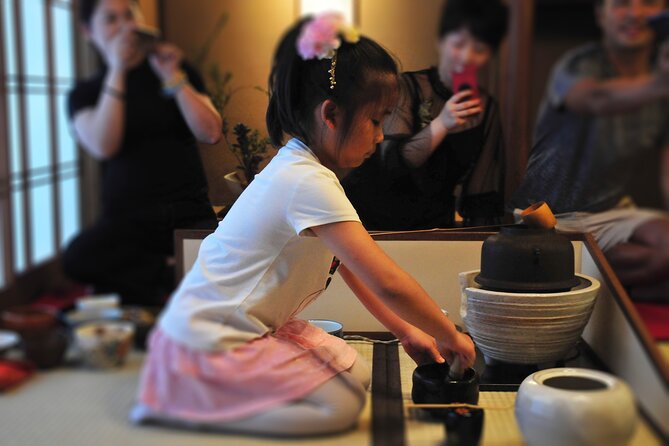
Families can take part as well. The activity has worked with small children, including an eight-year-old who was allowed to make tea with support. Children may not sit with the same stillness as adults, but the chance to whisk, serve, and taste gives them something concrete to do.
Matcha, wagashi, and the pleasure of a simple tasting
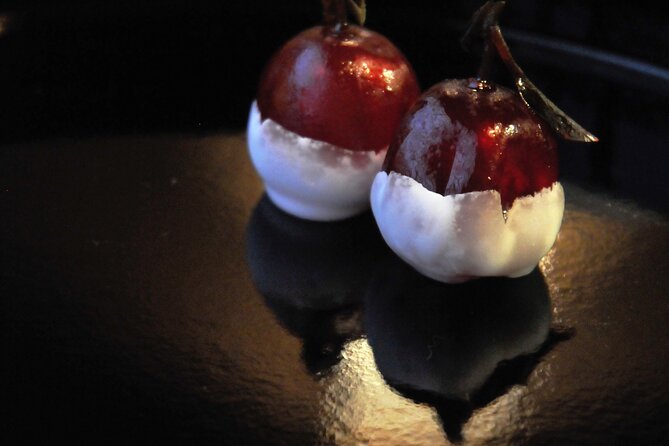
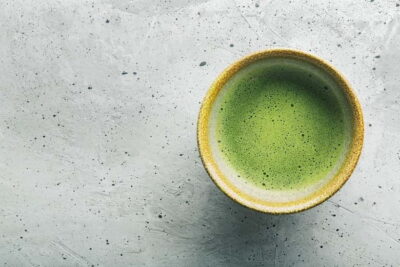
The tea is served with wagashi, a traditional Japanese sweet. The combination is not just a snack break. The sweetness helps balance the sharp, grassy taste of matcha, making the drink easier to appreciate if this is your first encounter with it.
You taste the tea prepared by another participant, then taste the matcha you made yourself. That comparison can be revealing. Even when everyone follows the same basic method, small differences in whisking and preparation can affect the finished cup.
The activity includes coffee and or tea, but the main focus is clearly matcha. If you are looking for a large food tasting, this is not the right choice. The value lies in learning the ritual and taking part in the preparation, with wagashi as a fitting accompaniment.
Indoor photography is allowed, which is useful if you want a few record shots of the room, equipment, or your own tea-making attempt. Be sensible during the formal parts, and let the host’s instructions guide when to pause for pictures.
Same city, a completely different kind of day:
- PERFECT KYOTO 1-Day Bus Tour
★ 5.0 · 13,518 reviews - Kyoto: Fushimi Inari, Kinkakuji, Bamboo Grove 1 Day Bus Tour
★ 4.8 · 4,316 reviews - Kyoto Geisha Walking Tour: Gion District & Hidden Gems
★ 4.7 · 3,273 reviews - Kyoto: Gion Magical Night Walking Tour with Geisha Trivia
★ 4.9 · 2,393 reviews
Why the conversation matters as much as the ceremony
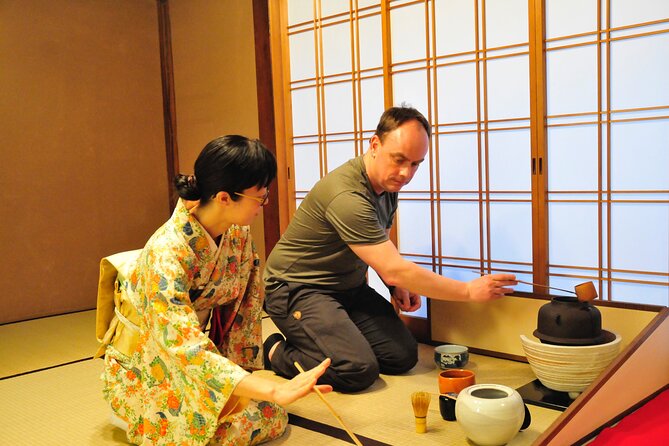
A tea ceremony can feel remote if you only see it as a formal performance. Ankoan works to reduce that distance by leaving room for questions and conversation.
You can ask about Japanese customs, tea traditions, language, and daily life. The discussion is part of the experience, not a separate lecture tacked onto the end. That makes the session useful for people who want cultural context but do not want a long academic presentation.
Yuka’s English ability is especially important here. Clear language lets you ask why a gesture matters, not merely copy it. You can also learn a few Japanese words during the session, which adds a modest but welcome language lesson.
I would choose this experience if you want personal contact with a local host rather than a large, highly scripted show. The small maximum of eight people helps, too. It leaves more room for questions and makes it easier for the instructor to watch each person prepare tea.
The tradeoff is that the conversation-led format may feel less formal than a highly traditional performance. If your main goal is to watch an elaborate ceremony in silence, look carefully at the format before booking. If you want to understand the customs and take part, the relaxed approach is a better match.
Timing: allow more than the one-hour headline
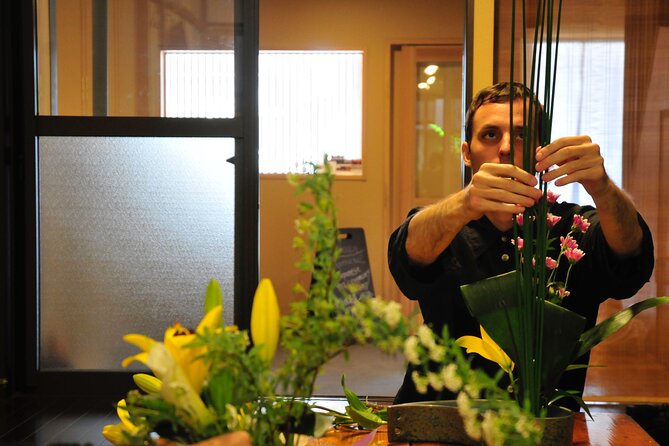
The tour summary lists the activity at approximately one hour. The detailed description calls it a 90-minute service, and reported sessions have sometimes lasted around two hours.
That difference is worth planning for. The schedule includes a welcome tea, conversation, an explanation of customs, a demonstration, matcha preparation, tasting, and shared discussion. Those parts can move quickly in a small group, but questions and children’s participation may add time.
I would set aside at least 90 minutes and avoid booking a train, meal, or timed attraction immediately afterward. The extra margin will also make the experience feel calmer. Tea ceremony is a poor setting for clock-watching.
The activity ends back at the meeting point. Since transportation to and from Ankoan is your responsibility, check the route before leaving your accommodation. The studio is near public transportation, but the address includes a Japanese name and number that you may want to save on your phone.
Seating, access, and who should think twice
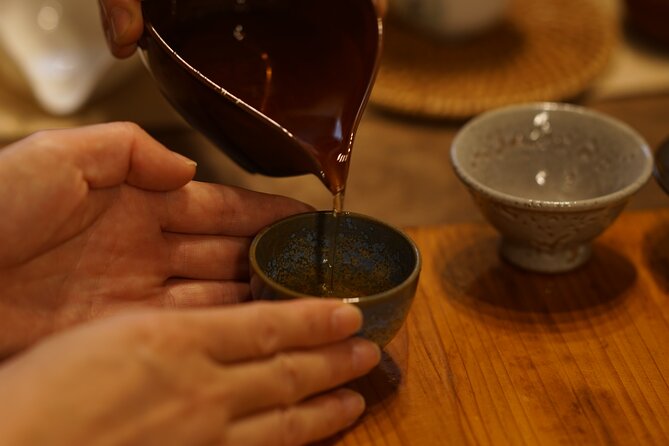
The clearest physical warning is the note about knee pain. Traditional tea-room activities commonly involve sitting low, and the experience provider specifically says this activity is not recommended for people with knee problems.
The supplied information does not describe alternative seating or step-free access. If you need a particular arrangement, ask before booking rather than assuming one will be available.
This is a good choice for:
- First-time visitors to a Japanese tea ceremony
- Couples looking for a quiet cultural activity
- Families whose children want to participate
- People interested in Japanese customs and everyday life
- Small groups who prefer questions and conversation
- Anyone who wants to learn a skill they can repeat at home
It may be less suitable for someone who wants a quick, strictly formal show, or for anyone uncomfortable with floor seating. It is also not the best fit if you need a precisely timed one-hour activity.
Is $32.84 a fair price?
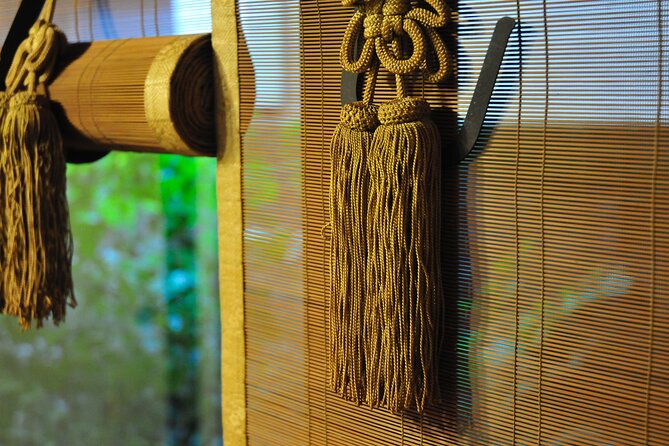
At $32.84 per person, the value comes from participation rather than quantity. You receive a welcome tea, an explanation of tea customs, a demonstration, matcha, wagashi, and guided practice. You also get direct time with the host, which is often the most useful part of a small cultural class.
The price is reasonable if you want to understand what the ceremony means and learn the basic process yourself. A short photo stop at a tea room might cost less, but it would not give you the same chance to whisk tea, serve another person, and taste your own preparation.
The value is also stronger for couples and families because everyone can take part. Children are not simply asked to watch from the side. They can follow the demonstration and make tea with help.
I would compare the cost with the amount of time you expect to spend. If your booking takes about 90 minutes or longer, the price is solid for a guided cultural lesson in a small group. If you need a very short activity, the one-hour label may look attractive, but the flexible timing deserves more weight than the headline.
Booking patterns and cancellation flexibility
The experience is booked an average of 12 days ahead, so reserving before your Kyoto trip is sensible, especially if you have fixed sightseeing plans. Confirmation is sent within 48 hours of booking, subject to availability.
The group limit is eight people. That is small enough for individual instruction, but it also means popular dates may fill before larger activities do.
Free cancellation is available up to 24 hours before the start time for a full refund. Changes or cancellations made less than 24 hours before the start are not accepted for a refund. Cutoff times follow Kyoto local time.
The experience requires good weather. If poor weather causes cancellation, you are offered another date or a full refund. That condition is unusual for an indoor tea activity, so keep the policy in mind when arranging your schedule.
How this tea ceremony fits into a Kyoto day
Ankoan is in Kita Ward, an area that can work well alongside temple visits. One session was paired with temples just around the corner, so you might plan the tea ceremony with nearby sightseeing rather than crossing the city solely for this appointment.
I would place it after a busy morning or between major sights. The opening welcome tea gives you a chance to slow down, and the formal preparation asks for attention without the physical demands of a long walking tour.
Do not treat it as background entertainment. The best result comes when you listen, ask questions, and take the preparation seriously enough to notice the small steps. You can still take photos, but the value is in being present while the tea is made and shared.
Should you book the Ankoan tea ceremony?
Book it if you want a friendly, hands-on introduction to Japanese tea culture. Yuka’s clear English, warm hosting, and ability to explain both ceremony and daily life make the experience approachable. The small group, wagashi tasting, and chance to serve tea to another participant give it more substance than a simple demonstration.
Families can book with confidence if their children are willing to take part, and couples will find it a calm way to share a distinctly Japanese activity. I would also recommend it to anyone who has wanted to learn matcha preparation but felt unsure where to begin.
Think twice if you have knee pain, need a guaranteed one-hour schedule, or want a grand, highly formal performance. For everyone else, $32.84 buys a practical cultural lesson, a thoughtful exchange, and a cup of tea you prepared yourself.
FAQ
Where does the tea ceremony take place?
It takes place at Tea ceremonyJapan, 63 Murasakino Monzencho, Kita Ward, Kyoto, postal code 603-8216, at the Ankoan studio.
How long does the experience last?
The tour summary lists approximately one hour. The detailed description calls it a 90-minute service, and some sessions have lasted around two hours, so allow extra time.
How much does the experience cost?
The listed price is $32.84 per person.
What is included?
The experience includes coffee and or tea. The activity description also includes welcome tea, matcha tasting, wagashi, and guided matcha preparation.
Is transportation included?
No. Private transportation is not included, and you must make your own way to the meeting point. The studio is near public transportation.
How many people can join?
The maximum group size is eight people.
Can children participate?
Yes. The activity has accommodated small children, including an eight-year-old who took part in making tea with guidance.
Is the experience suitable for people with knee pain?
It is not recommended for people with knee pain.
Can I take photographs?
Yes. Indoor photography is allowed.
What is the cancellation policy?
You can cancel up to 24 hours before the start time for a full refund. Cancellations or changes made less than 24 hours before the start are not accepted for a refund. If poor weather causes cancellation, you are offered another date or a full refund.
Just added around Kyoto
- Private Guided Traditional Buddhist Cooking in Japan★ 5.0 · 16 reviews
- Kyoto: Gion Geisha District & Sake-in-Hand Walking Tour★ 5.0 · 37 reviews
- Your Private Vacation Photography Session In Kyoto★ 5.0 · 110 reviews
- Kyoto: Zen Meditation at a Private Temple with a Monk★ 5.0 · 25 reviews
- Traditional Japanese Washi Papermaking- Kyoto morning★ 5.0 · 77 reviews
- Kyoto Wagashi(Japanese sweets) Cooking Class near Fushimiinari★ 5.0 · 60 reviews
- Private Pewter Sake Cup Experience with a Kyoto Artisan★ 5.0 · 31 reviews
- Kyoto Private 6 hour Tour: English Speaking Driver Only, No Guide★ 5.0 · 88 reviews
Tea Ceremony Experiences, compared.
Tea Ceremony in a Traditional Tea House in Kiyomizu
Read our review →
World Heritage Kyoto & Nara Uji Authentic Matcha Experience
Read our review →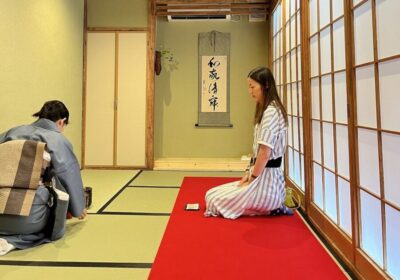
Browse the lists this tour appears in