
REVIEW · KIMONO & CULTURE EXPERIENCES
Kyoto: Gion Hidden Gems & Geisha Culture Tour
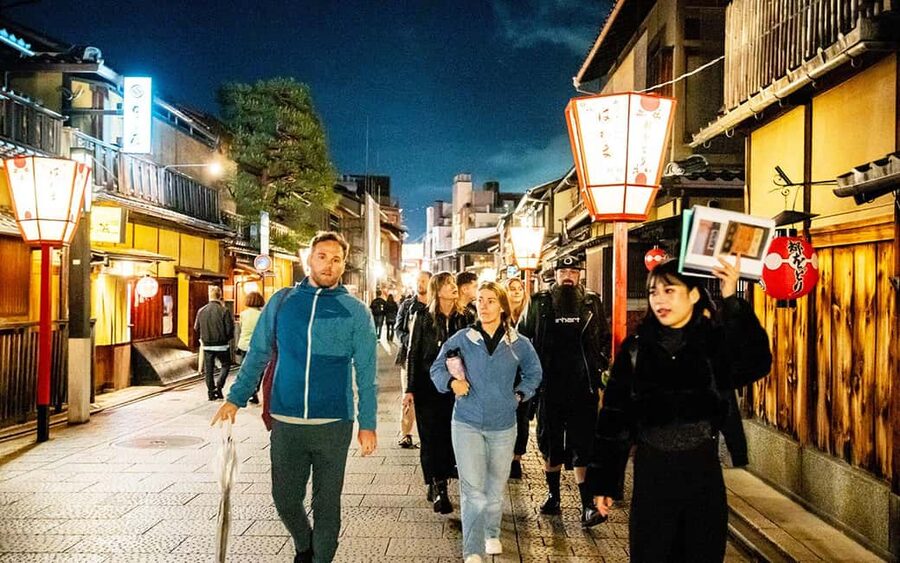
Gion’s most memorable moments often come between the famous sights: a willow-lined canal, a silent shrine, or a wooden townhouse on a lane you might miss alone. This two-hour walk links those quieter corners with the geisha district’s best-known streets. I love the small-scale local details and the chance to learn how geiko and maiko train, dress, and work. I also like the practical restaurant advice that guides such as Dan and Scherp have shared after the walk.
The main consideration is pace. You cover a lot of ground in two hours, including Ninenzaka and Hōkan-ji, so this is not a slow photographic stroll. Some visitors found the walking brisk, and rain or summer humidity can make it harder. You also need comfortable shoes, water, and patience around busy streets.
In This Review
- Key points to know before you book
- Why this short Gion walk works
- Meeting near Shijo Ohashi
- Gion Shirakawa and the Shirakawa Canal
- Tatsumi-jinja, a small shrine with a big role
- Yasaka Shrine and the older Kyoto beneath the city
- Edo-period townhouses and quiet backstreets
- Ninenzaka and Hōkan-ji’s familiar profile
- Yasui Kompira-Gu and the meaning behind the visit
- Hanamikoji Street and the world of geiko and maiko
- What the guides add to the walk
- Price, pace, and practical value
- Who should book this Kyoto tour?
- Should you book the Gion Hidden Gems and Geisha Culture Tour?
- FAQ
- How long does the Gion Hidden Gems and Geisha Culture Tour last?
- What language is the tour conducted in?
- Where is the meeting point?
- What places are visited?
- Will I definitely see a geisha?
- Is photography allowed?
- What should I bring?
- Does the tour operate in rainy weather?
- Is the tour suitable for wheelchair users or people with mobility impairments?
Key points to know before you book
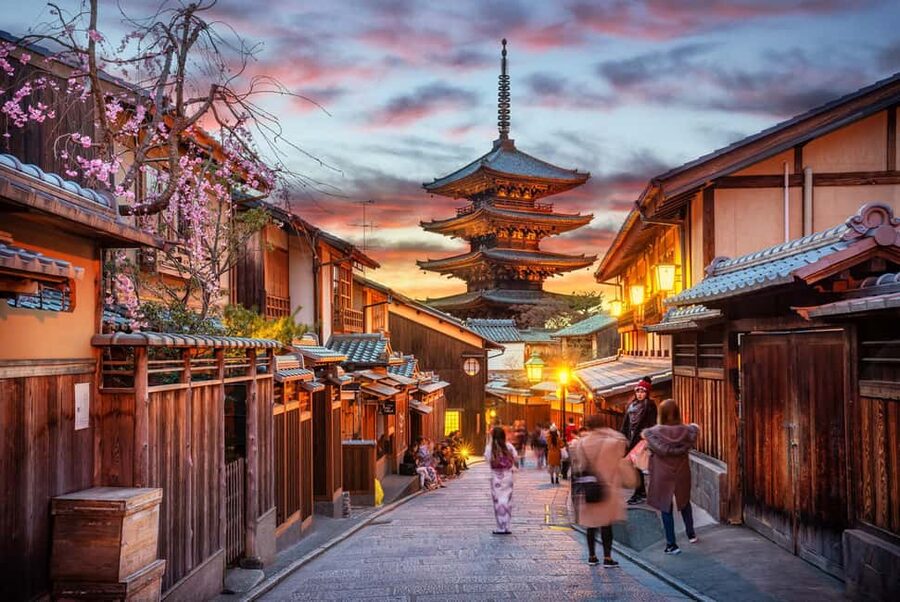
- Gion Shirakawa sets the mood: Start beside the canal, willow trees, stone paths, and traditional tea houses.
- A thousand-year-old shrine adds depth: The walk includes historic shrines rather than only pretty streets.
- The route covers a wide slice of eastern Kyoto: You pass through Yasaka, Ninenzaka, Hōkan-ji, Yasui Kompira-Gu, and Hanamikoji.
- Geisha sightings are possible, not promised: The final stretch gives you a chance to see a geisha or maiko heading to an evening engagement.
- Guides make the difference: Uta, Dan, Wajid, Takumi, Mai, Alex, Noa, and Kenta have all led highly praised walks.
- Two hours means a purposeful pace: This is a useful first look at Gion, but not a complete visit to every temple or lane.
Why this short Gion walk works
Gion can feel confusing at first. Its most famous roads are easy to find, but the character of the district is tucked into narrow side lanes, old wooden facades, canals, shrines, and small approach roads. A good guide gives those pieces a sensible order.
This tour begins near Shijo Ohashi and finishes on Hanamikoji Street. That makes it useful early in a Kyoto visit, when you want to understand how the Gion area fits together before returning on your own.
I like the balance between scenery and explanation. You are not simply walking past old buildings while someone recites dates. The guide talks about geisha culture, shrine traditions, Japanese words, townhouses, clothing, hairstyles, and local customs.
The 4.9 rating from 126 reviews reflects a very consistent strength: the guides are praised for clear English, friendly manners, good pacing, and strong answers to questions. Uta appears often in the feedback, along with Dan, Wajid, Takumi, Mai, Alex, Noa, Kenta, and others. The exact guide depends on your departure, but the pattern is clear: the human guide is the main reason to book this rather than walk the same streets with a map.
More Kimono & Culture Experiences in Kyoto
- Kyoto Geisha Walking Tour: Gion District & Hidden Gems
★ 4.7 · 3,273 reviews - Kyoto: Gion Magical Night Walking Tour with Geisha Trivia
★ 4.9 · 2,393 reviews - Kyoto: Gion Geisha District Walking Tour – Stories of Geisha
★ 4.7 · 2,187 reviews
Meeting near Shijo Ohashi
The meeting point is the McDonald’s Shijo Ohashi store at 105-1 Hashimoto-cho, Shimogyo-ku, Kyoto-shi. Look for a guide holding a sign marked Local Guide Stars at the side of the restaurant.
The front of the McDonald’s can be crowded, so the side entrance matters. Arrive with the address saved on your phone and allow enough time to locate the guide. This is a city walk, not a coach excursion, so there is no transport between stops.
The first short section includes a photo stop and a guided walk. It is mainly a chance to gather the group and move toward the canal. Since the route begins in a busy part of Kyoto, your guide helps get you from the modern meeting point into the older streets of Gion.
Gion Shirakawa and the Shirakawa Canal
Gion Shirakawa is one of the prettiest sections of the tour. The canal is lined with willow trees, traditional tea houses, stone-paved paths, and low, carefully kept buildings. It offers the kind of Kyoto scene many people picture before arriving, but the guide adds context that a quick photo cannot provide.
Expect a photo stop, scenic views, and a short explanation as you walk beside the water. The canal gives you an early sense of Gion’s traditional appearance, with a calmer mood than the large shopping roads nearby.
This is also a good place to listen closely. The streets can be narrow, and the group may need to keep moving. If you want a dozen careful photographs, you may need to take them quickly or return later on your own.
The canal looks different depending on the time of day. An evening departure can bring a quieter, more mysterious feel, while a late afternoon start gives you more light for photographs. The tour offers different starting times, so check availability and choose according to your priorities.
Tatsumi-jinja, a small shrine with a big role
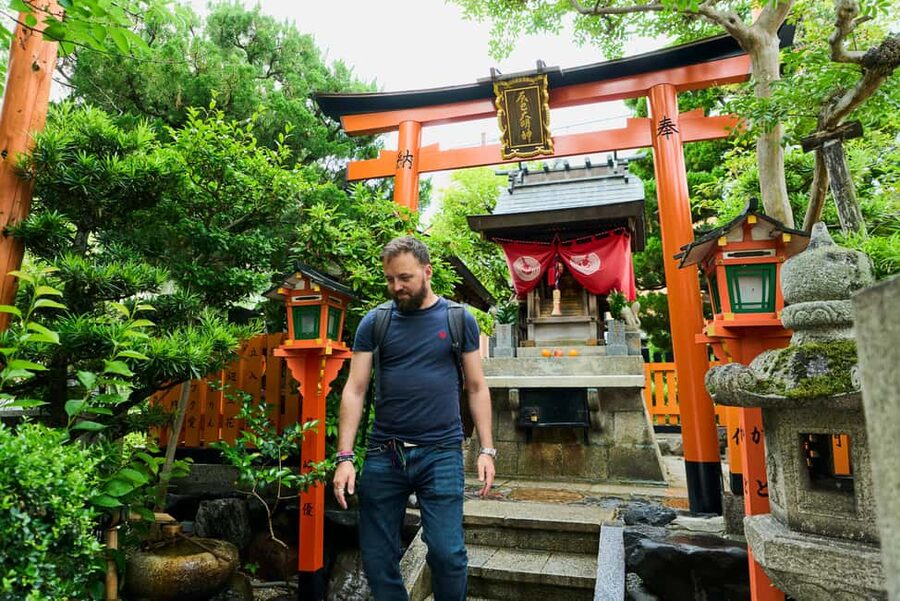
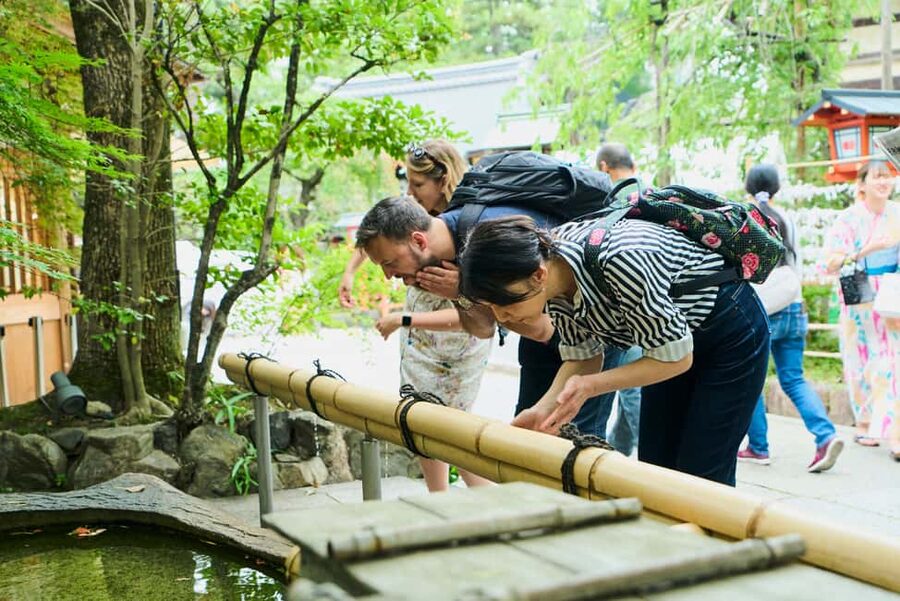
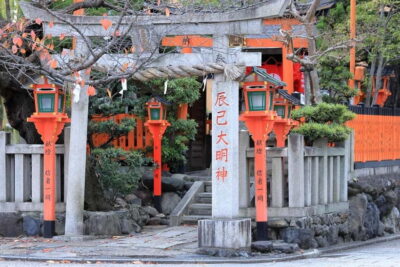
The route continues to Tatsumi-jinja Shrine, where you stop for photographs and a guided visit. This is one of the places that can disappear into the surrounding streets if you are exploring without local direction.
The appeal here is scale. You get a shrine visit without committing to a long temple complex or a separate half-day outing. The guide can explain what you are seeing and connect the shrine to the cultural world of Gion.
The tour description also highlights a shrine with a history reaching back about 1,000 years. That detail gives the walk a useful time span. You are not looking only at Edo-period townhouses and modern Kyoto streets. You are also seeing religious places that belong to a much older layer of the city.
As with the other stops, the visit is brief. The value lies in having the scene explained and placed within the route, not in conducting a long private meditation at the shrine.
More Walking Tours in Kyoto
- Private Kyoto Tour with a Local, Highlights & Hidden Gems, Personalised
★ 5.0 · 1,543 reviews - Kyoto Gion Geisha District Walking Tour – The Stories of Geisha
★ 5.0 · 1,441 reviews - Nishiki Market Brunch Walking Tour (7 Tastings + Brunch)
★ 5.0 · 1,355 reviews - Kyoto Arashiyama Walking Tour: Bamboo, Monkeys, Gardens & Secrets
★ 5.0 · 1,216 reviews
Yasaka Shrine and the older Kyoto beneath the city

Yasaka Shrine is another guided stop. It gives the walk a larger religious and public setting after the smaller lanes around Shirakawa and Tatsumi-jinja.
Here, I would pay attention to the guide’s explanation rather than rush straight to photographs. The strongest guides on this tour have been praised for explaining Japanese words, historical details, and cultural customs in clear English. Kenta, Wajid, Dan, and Alex are all singled out for making the background easy to follow.
Yasaka Shrine also helps you understand the route’s geography. Gion is not a single street or attraction. It is a district connected to shrines, traditional entertainment, shopping roads, temple approaches, and residential lanes. The guide draws those parts together as you walk.
Because the stop is part of a packed two-hour route, you should not expect an extended shrine visit. If Yasaka is high on your personal list, return later when you can explore at your own speed.
Edo-period townhouses and quiet backstreets
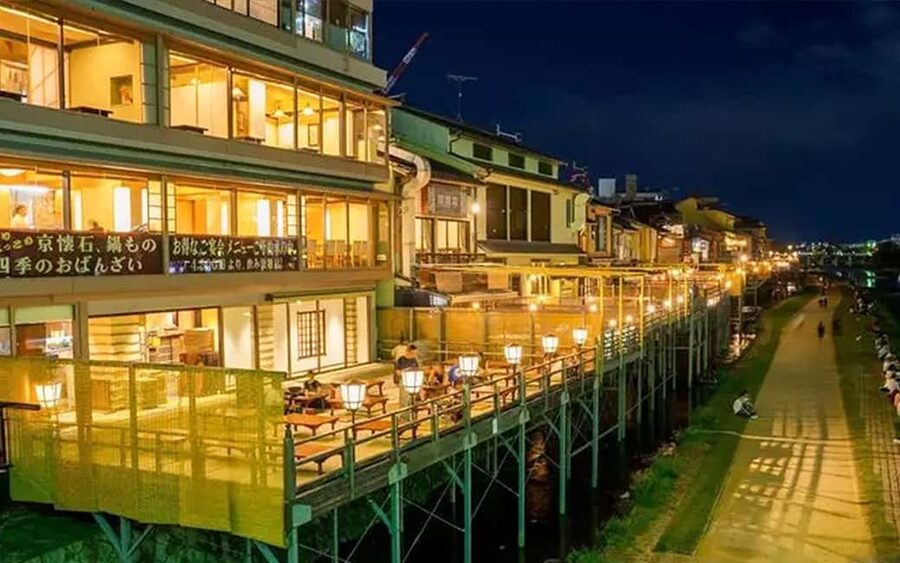
Between the major stops, the tour moves through older streets where Edo-period wooden townhouses show off a more restrained side of Kyoto. These buildings are one of the walk’s best features because they give you a sense of how the district looked and functioned beyond its headline attractions.
Your guide points out details you might otherwise pass without noticing. The narrow fronts, wooden construction, traditional appearance, and close-set buildings help explain why Gion feels so different from newer parts of the city.
The quieter backstreets are especially valuable for first-time visitors. You may find few people there compared with the main roads, and the change in atmosphere can happen within a few steps.
Please remember that these are not theme-park streets. People live and work in this area. Keep voices low, avoid blocking entrances, and follow the guide’s advice about photographs. The tour offers a look at local culture, not permission to treat private doorways as props.
Ninenzaka and Hōkan-ji’s familiar profile
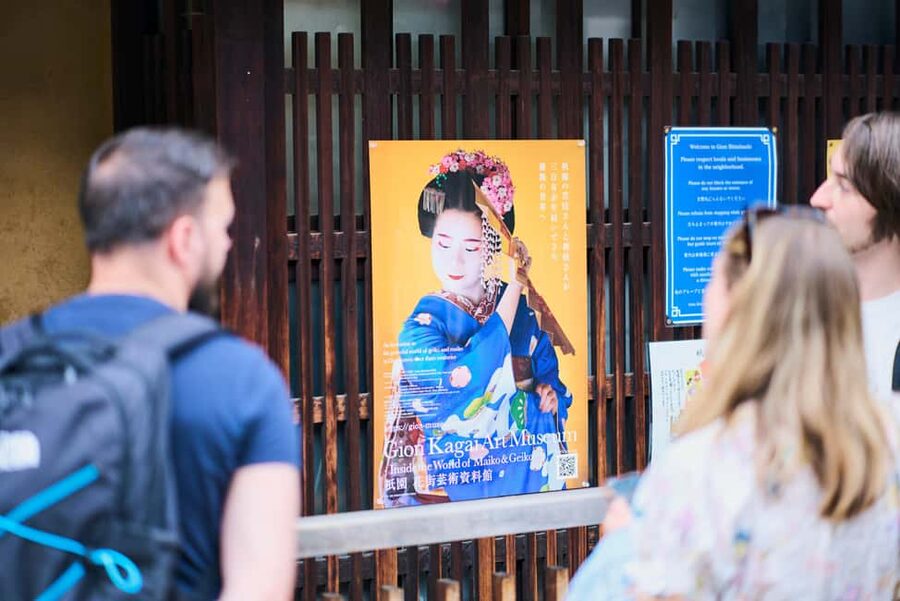
The walk includes Ninenzaka and passes by Hōkan-ji Temple. This section brings you into one of Kyoto’s most recognizable traditional areas, with sloped lanes, old buildings, and strong views toward the temple’s distinctive pagoda.
Ninenzaka is photogenic, but it is also one of the places where crowds can slow the group. The guide’s job is partly traffic control. Noa has been praised for waiting until everyone caught up before starting explanations, while Nicolas was noted for guiding the group skillfully through crowds.
That matters here. You will get more from the stop if you stay close enough to hear the guide rather than drift off for photographs. The path can also be tiring for anyone who has trouble with slopes or uneven walking surfaces.
Hōkan-ji is a photo stop and pass-by rather than a full temple visit. You see the exterior and learn about the setting, but the tour does not promise extended entry time. This keeps the route moving, though visitors wanting a long temple visit should plan a separate return.
Yasui Kompira-Gu and the meaning behind the visit
Yasui Kompira-Gu Shrine is another formal visit on the route. It adds a different kind of shrine experience after the scenic canal, major Yasaka Shrine, and temple approach.
The guide’s explanation is important here because the significance of a shrine is not always obvious from its appearance. You can ask questions and get help with Japanese terms and customs, something several guides are praised for doing well.
This is one of the points where the two-hour format shows both its strength and its limit. You see several places that would otherwise require careful route planning, but each stop receives only a short window. I would treat the tour as an introduction, then return to the places that catch your interest.
Hanamikoji Street and the world of geiko and maiko
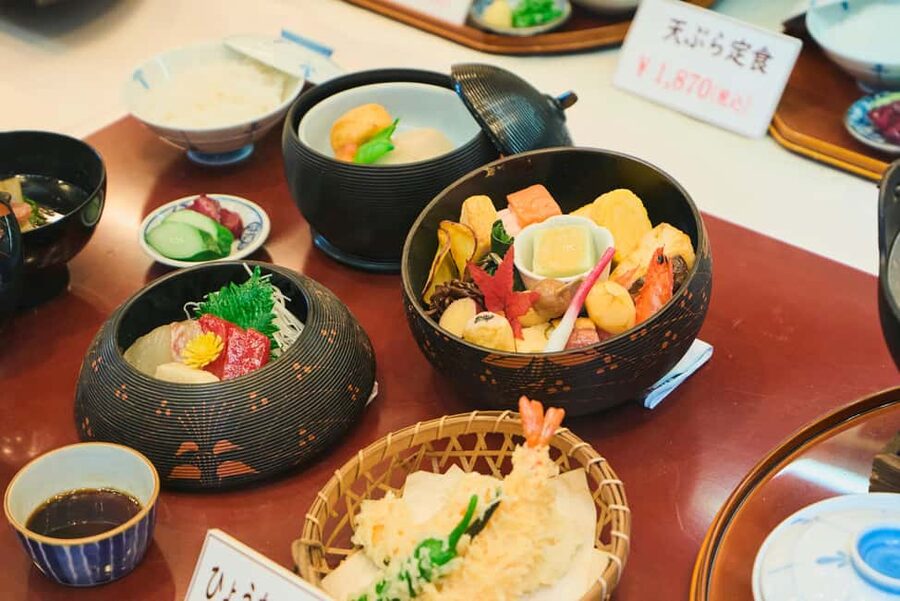
The tour ends on Hanamikoji-dori, the center of Gion’s geisha district. This is where the cultural discussion comes into sharp focus.
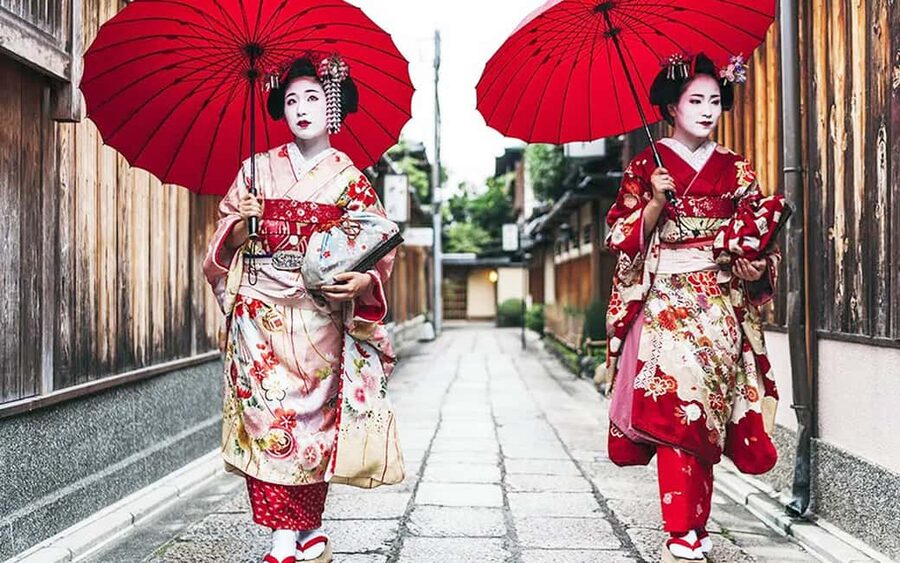
You learn about the demanding training of geisha, known in Kyoto as geiko, and younger apprentices known as maiko. The guide also explains their graceful dances, formal kimonos, carefully arranged hairstyles, and the craft behind their appearance.
A geisha or maiko may pass by on the way to an evening engagement, especially during a later departure, but no sighting is guaranteed. That uncertainty is part of the point. Gion is a working cultural district, not a scheduled performance corridor.
If you do see one, act with respect. Do not use flash photography, and do not crowd, block, follow, or touch anyone. Photography is allowed during the tour, but flash is not permitted inside temples. Your guide can help you understand the right distance and behavior.
The best outcome is not simply checking off a geisha sighting. It is gaining a clearer idea of the work, training, clothing, and social rules behind the brief scene. That makes the district more than a backdrop for photographs.
What the guides add to the walk
The strongest part of this experience is the range of guide styles. Uta is repeatedly praised for warmth, humor, patience, and cultural insight. She has also handled family groups well, including children aged eight and ten.
Dan is praised for historical explanations, restaurant suggestions, and a friendly manner. Wajid is noted for precise English and for breaking down Japanese words. Takumi receives credit for keeping even a large group engaged while explaining geiko and maiko culture.
Alex has been described as bringing the history and spirit of Gion to life, while Mai is praised for making the walk fun and informative. Noa’s attention to group pace is useful for anyone who dislikes being left behind.
The guide assigned to your tour can vary, so you should not book solely for one person. Still, the repeated praise for different guides suggests that Local Guide Stars has built a strong team for this particular route.
Price, pace, and practical value
At $23 per person, this is a strong-value introduction to Gion. You receive two hours with an English-speaking local guide and cover canals, shrines, traditional streets, townhouses, a temple area, and the geisha district. Planning that route alone is possible, but understanding what you are seeing is harder.
The price is especially reasonable for a first day in Kyoto. You get local orientation, cultural background, and restaurant suggestions that can help shape the rest of your stay. One guide even prepared a restaurant recommendation list, and several guides suggested places to eat after the walk.
The tradeoff is speed. Takumi’s route has been described as quick, and that pace is necessary to fit the stops into two hours. You will walk, pause, listen, photograph, and move on. This suits you if you want a broad introduction, but not if you prefer long visits at one shrine.
Wear comfortable walking shoes. Bring water and sunscreen, particularly in warm or humid weather. The tour runs in rain, so pack an umbrella or raincoat. One four-star assessment specifically noted that poor weather affected the experience, though the route still provided useful points for a return visit.
The activity is not suitable for wheelchair users or people with mobility impairments. The walking, slopes, narrow streets, and uneven surfaces around parts of the route are important considerations.
You can cancel up to 24 hours before the tour for a full refund, and the reserve-now, pay-later option keeps your plans flexible. Those policies are useful if your Kyoto schedule may change.
Who should book this Kyoto tour?
I would recommend it most strongly to first-time visitors who want a clear introduction to Gion without spending a full day on formal sightseeing. It also suits you if you enjoy cultural explanation, short photo stops, and side streets more than shopping.
Families can enjoy it, especially with a guide who keeps children involved, but parents should be ready for a brisk two-hour walk. It is also a good choice before dinner, since the final stop is in Hanamikoji and the guides may offer restaurant suggestions.
You may want a different plan if your priority is temple interiors, long photography sessions, or a guaranteed geisha performance. This tour gives you context and the possibility of a sighting, not a staged encounter.
Should you book the Gion Hidden Gems and Geisha Culture Tour?
Book it if you want good cultural context for a low price, especially at the start of your Kyoto stay. The route covers a lot, the English-speaking guides have earned consistent praise, and the mix of canal, shrine, townhouse, temple, and geisha-district stops gives you a useful first look at old Kyoto.
Skip it if two hours of brisk walking sounds tiring or if you need step-free access. For most visitors who can manage the pace, this is a practical way to see Gion’s famous streets while also reaching the quieter corners you might miss alone.
FAQ
How long does the Gion Hidden Gems and Geisha Culture Tour last?
The tour lasts two hours.
What language is the tour conducted in?
The tour is conducted in English by a live local guide.
Where is the meeting point?
Meet at the McDonald’s Shijo Ohashi store at 105-1 Hashimoto-cho, Shimogyo-ku, Kyoto-shi, Kyoto. The guide will hold a Local Guide Stars sign at the side of the restaurant.
What places are visited?
The route includes Gion Shirakawa and the Shirakawa Canal, Tatsumi-jinja Shrine, Yasaka Shrine, Ninenzaka, Hōkan-ji Temple, Yasui Kompira-Gu Shrine, and Hanamikoji-dori.
Will I definitely see a geisha?
No. You have a chance to see a geisha or maiko on Hanamikoji Street, but a sighting is not guaranteed.
Is photography allowed?
Photography is allowed, but flash photography is not permitted inside temples.
What should I bring?
Bring comfortable walking shoes, water, and sunscreen. If rain is forecast, bring an umbrella or raincoat.
Does the tour operate in rainy weather?
Yes. The tour takes place in the rain, so you should bring suitable rain protection.
Is the tour suitable for wheelchair users or people with mobility impairments?
No. The tour is not suitable for wheelchair users or people with mobility impairments.
Just added around Kyoto
- Taste of Nishiki Market Walking Food Tour with Local guide★ 5.0 · 17 reviews
- Kyoto: Sushi Making Class with Sushi Chef★ 4.8 · 64 reviews
- Kyoto: City Secrets eBike Tour★ 4.9 · 196 reviews
- Sacred Pathways: Discover the Philosopher’s Path of Kyoto★ 4.9 · 20 reviews
- Private Tour to Monkey Park and Arashiyama Highlights★ 5.0 · 22 reviews
- Private Nara Tour from Osaka – Meet at Your Hotel★ 5.0 · 22 reviews
- Private Sake Tasting in Central Kyoto with Sake Sommelier★ 5.0 · 13 reviews
- Kyoto : Private Custom Walking Tour With A Local Guide★ 4.6 · 144 reviews
Kimono & Culture Experiences, compared.
Kyoto Geisha Walking Tour: Gion District & Hidden Gems
Read our review →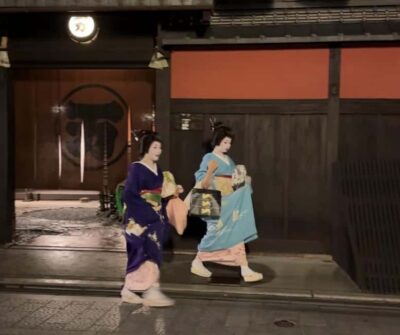
Gion Magical Night Walking Tour with Geisha Trivia
Read our review →
Gion Geisha District Walking Tour – Stories of Geisha
Read our review →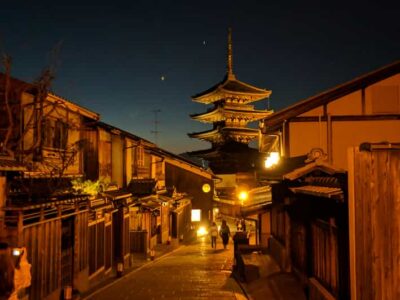
Best of Kyoto: Gion, Geisha, Pagodas & Cobblestones
Read our review →
Kyoto Gion Geisha District Walking Tour – The Stories of Geisha
Read our review →
Browse the lists this tour appears in