
REVIEW · KIMONO & CULTURE EXPERIENCES
Kyoto: Gion and Geisha District Walking Tour
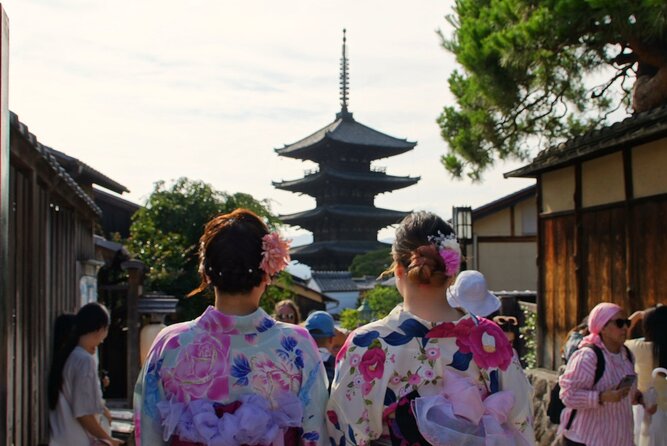
Gion is more than lanterns and wooden teahouses. It is a working Kyoto neighborhood where a guide can explain the customs, architecture, and geisha traditions that are easy to miss when you simply stroll past. This small-group walk links Gion with nearby Higashiyama, so you get both famous lanes and quieter corners.
I like the small group of no more than 10 people, which makes it easier to hear the guide and ask questions. I also like the practical advice about where you might spot geisha, along with stories about maiko training, tea ceremonies, samurai, and local shrine customs. The main consideration is pace: two hours covers six stops, so some visits are brief and there is time for walking on stone lanes and sloping streets.
In This Review
- Key points to know before booking
- Why Gion makes a good guided walk
- Starting at Yasaka Shrine
- Maruyama Park and Kyoto’s changing seasons
- Nene-no-Michi and the quieter side of Higashiyama
- Ninenzaka and Sannenzaka’s old Kyoto atmosphere
- The Power Stone at Yasui-Konpiragu
- Hanamikoji Street and the heart of Gion
- What the guides add to the experience
- Timing, group size, and walking demands
- Is $22.55 a fair price?
- Who should book this Gion walk?
- Should you book the Kyoto Gion walk?
- FAQ
- How long does the Kyoto Gion and Geisha District Walking Tour last?
- How much does the tour cost?
- How many people can join the tour?
- Where does the tour start?
- Where does the tour finish?
- What places are visited?
- Is an English-speaking guide included?
- Are entrance fees included?
- Can I cancel for a refund?
Key points to know before booking
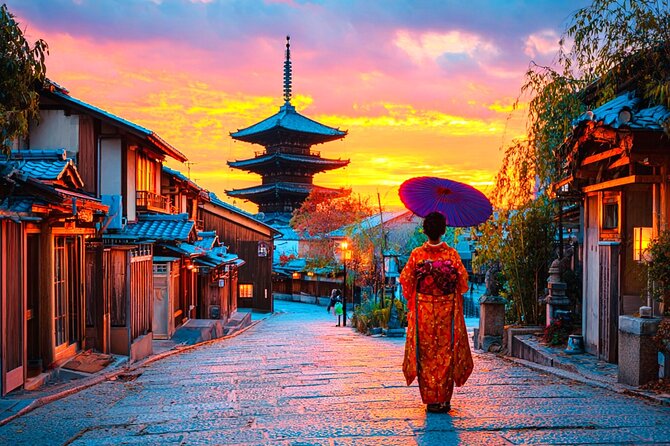
- Six classic Kyoto stops in about two hours: Yasaka Shrine, Maruyama Park, Nene-no-Michi, Ninenzaka, Yasui-Konpiragu, and Hanamikoji Street.
- A small group capped at 10 people: This suits anyone who wants a more personal walk than a large coach-style tour.
- Geisha culture explained with local context: Expect information about teahouses, maiko training, traditional entertainment, and possible places to see geisha.
- Several stops are free to enter: The tour focuses on public streets, shrines, and parks rather than costly attractions.
- Meeting point in central Gion: Start at Starbucks Coffee, Kyoto Gion Hotel, at 555 Gionmachi Minamigawa.
- Guides with strong English and clear storytelling: Named guides praised in the supplied material include Sam, Shin, Amy, Tim, Naoya, and Maria.
Why Gion makes a good guided walk
Gion can look simple at first glance: wooden buildings, narrow lanes, paper lanterns, small shops, and people taking photographs. The details become more interesting when someone explains what you are seeing. A traditional townhouse is not just an attractive backdrop. A teahouse is part of a long-running entertainment world with customs and access rules that are not always obvious from the street.
That is where this tour earns its price. At $22.55 per person, it costs less than many major Kyoto attractions and gives you a local explanation of a concentrated area. You are paying mainly for interpretation and direction, not entrance tickets. If you walked the same streets alone, you could see the buildings, but you might miss the meaning behind the wooden facades, shrine rituals, and geisha districts.
The tour also helps you place Gion on the map. Yasaka Shrine and Maruyama Park sit near Higashiyama, while Nene-no-Michi, Ninenzaka, and Hanamikoji Street form a chain of photogenic streets and cultural sites. You cover a lot of ground, but the route stays within one of Kyoto’s most historic areas.
More Kimono & Culture Experiences in Kyoto
- Kyoto Geisha Walking Tour: Gion District & Hidden Gems
★ 4.7 · 3,273 reviews - Kyoto: Gion Magical Night Walking Tour with Geisha Trivia
★ 4.9 · 2,393 reviews - Kyoto: Gion Geisha District Walking Tour – Stories of Geisha
★ 4.7 · 2,187 reviews
Starting at Yasaka Shrine
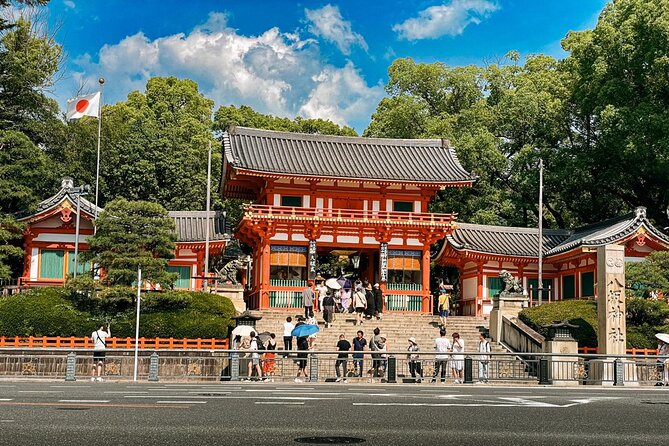
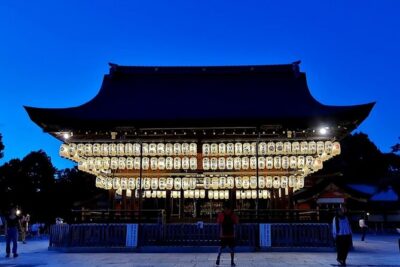
The walk begins at Yasaka Shrine, a major Shinto sanctuary between Gion and Higashiyama. The shrine is known for its vermilion gate and lantern-lit paths, and it gives the tour a useful starting point: before discussing geisha culture, you get a sense of the religious setting that shaped this part of Kyoto.
Allow your guide to explain what you are looking at rather than rushing straight to photographs. Shrine visits have their own customs, and a short explanation can make the gates, pathways, lanterns, and worship spaces feel less like scenery and more like part of daily cultural life.
About 20 minutes are planned here, with no admission charge. That is enough for an introduction, but not a long examination of every corner. If Yasaka Shrine matters greatly to you, return later on your own. The tour gives you orientation and context, then moves on.
Maruyama Park and Kyoto’s changing seasons
Next comes Maruyama Park, Kyoto’s oldest public park. It is especially known for its weeping cherry trees and seasonal beauty, so this stop changes character depending on the time of year.
The park offers a welcome change from narrow streets. You can hear stories about seasonal celebrations and see how public gardens fit into Kyoto’s cultural calendar. I like this pause because it keeps the tour from becoming a nonstop procession of buildings and lanes.
The scheduled visit is about 10 minutes. That is a quick look, not a full park outing. If you are visiting during cherry blossom season, you may want to return for a longer walk, since the time with the guide is focused on the wider Gion route.
Nene-no-Michi and the quieter side of Higashiyama
Nene-no-Michi is a picturesque lane named for Nene, the wife of samurai warlord Toyotomi Hideyoshi. Its preserved buildings, small shops, and teahouses show a more polished and peaceful side of old Kyoto.
This is one of the places where a guide’s comments about architecture can add real value. You can look at a wooden townhouse and notice its shape, but an explanation of how the street developed or how traditional buildings relate to Kyoto’s cultural life gives the view more meaning.
The stop lasts about 10 minutes. The lane is attractive, but it is also a popular walking route, and the surface can be uneven. Wear shoes you can walk in comfortably. Do not expect a long shopping break here. The point is the street itself and the stories tied to it.
More Walking Tours in Kyoto
- Private Kyoto Tour with a Local, Highlights & Hidden Gems, Personalised
★ 5.0 · 1,543 reviews - Kyoto Gion Geisha District Walking Tour – The Stories of Geisha
★ 5.0 · 1,441 reviews - Nishiki Market Brunch Walking Tour (7 Tastings + Brunch)
★ 5.0 · 1,355 reviews - Kyoto Arashiyama Walking Tour: Bamboo, Monkeys, Gardens & Secrets
★ 5.0 · 1,216 reviews
Ninenzaka and Sannenzaka’s old Kyoto atmosphere
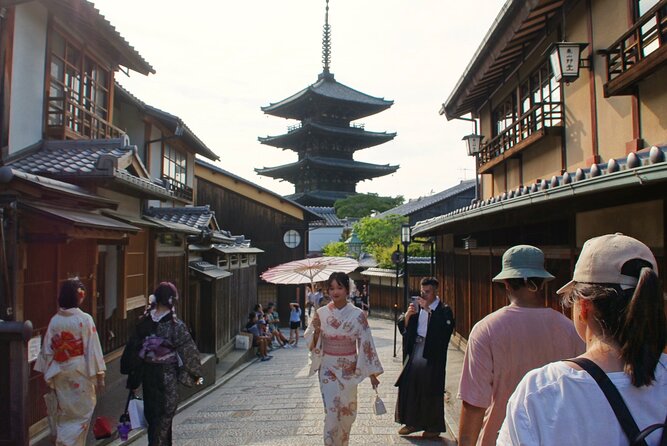
The route continues to the famous Ninenzaka and Sannenzaka area. The supplied schedule calls this stop Sannenzaka Ninenzaka, with about 15 minutes to walk the stone-paved path and see historic wooden buildings, artisan shops, and small businesses.
This is one of Kyoto’s most camera-friendly areas, but it is not only a photo stop. The guide can help you understand why the streets feel so carefully preserved and how the old architecture supports the image of traditional Kyoto. Stories about samurai traditions and earlier life in the city can make the sloping lanes feel less like a film set and more like a real historic district.
There is a practical catch. You will be walking downhill and across stone paving, so comfortable footwear matters. Fifteen minutes is enough to get an introduction, but you will not have time to browse every shop. If you want souvenirs or sweets, note what interests you and come back after the walk.
The Power Stone at Yasui-Konpiragu
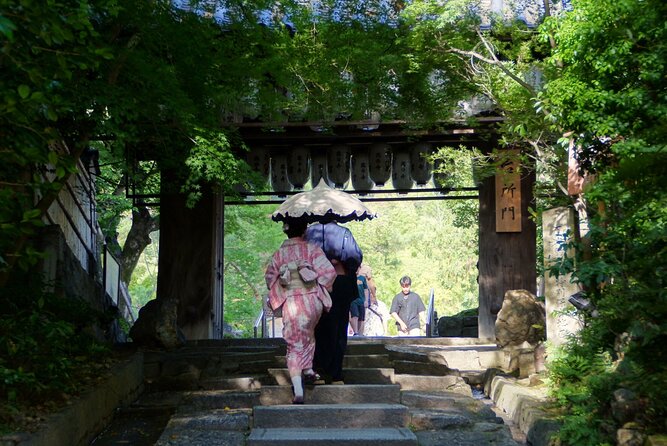
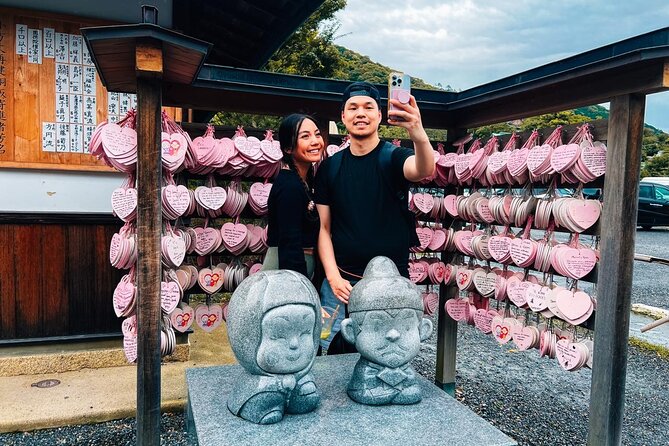
Yasui-Konpiragu offers one of the tour’s most unusual moments. The shrine is known for its Power Stone archway, which people crawl through while praying to strengthen a relationship or break ties with the past.
This custom gives the walk a lighter, more personal turn. Instead of hearing only about grand temples, famous leaders, or formal rituals, you encounter a practice connected to everyday hopes and worries. The guide can explain how the tradition works and why the shrine remains meaningful today.
The stop is scheduled for about 10 minutes and admission is free. The stone archway may not suit everyone physically, so you can decide for yourself how closely to take part. Even if you do not crawl through it, the shrine is worth seeing for its distinctive custom and the conversation it prompts.
Hanamikoji Street and the heart of Gion
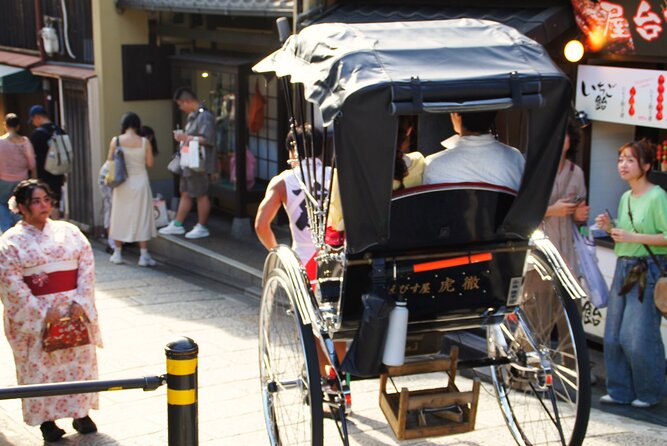
Hanamikoji Street is the tour’s main Gion stop. Preserved wooden machiya houses, exclusive teahouses, and softly lit lanterns create the setting most people picture when they think of the district.
This is where the geisha focus becomes clearest. In Kyoto, geisha are also called geiko, while maiko are apprentice performers. A good guide can explain the difference, describe aspects of maiko training, and give you a clearer idea of how traditional entertainment works. The supplied guide experiences also point to discussions of tea ceremonies, traditional arts, and the customs surrounding teahouses.
The tour does not promise a geisha sighting. That is important. You may receive tips about places where geisha might appear, but these are working people, not performers arranged for photographs. Treat the street respectfully, keep out of private entrances, and follow any local signs or requests about photography.
About 15 minutes are planned on Hanamikoji Street. That is enough for an introduction and some photographs, but not a complete study of Gion. If this is your main reason for booking, consider using the tour to learn the etiquette and layout, then return independently for a slower look.
What the guides add to the experience
The guide is the key variable in any walking tour, and this one appears to depend heavily on strong storytelling. Named guides connected with the experience include Sam, Shin, Amy, Tim, Naoya, and Maria.
Sam is described as accommodating with very strong English. Shin is noted for giving a clear introduction to Gion. Amy receives praise for making history and culture interesting, while Tim is described as friendly and well informed. Naoya is associated with engaging stories about geisha life, and Maria is noted for sending helpful information before the tour and organizing the meeting clearly.
One useful detail is Maria’s handling of hot weather. She kept the group in the shade as much as possible, which matters in Kyoto’s warmer months. The route includes open park space and outdoor streets, so weather can affect comfort. Bring water and dress for the conditions, even though the tour is short.
The best guides on this route do not merely name buildings. They connect the streets to traditional arts, shrine rituals, local legends, samurai stories, and the lives of maiko. That kind of explanation is exactly what makes a short neighborhood walk worthwhile.
Timing, group size, and walking demands
The tour lasts approximately two hours and ends at the starting point. The meeting point is Starbucks Coffee on the first floor of the Kyoto Gion Hotel, at 555 Gionmachi Minamigawa, Kyoto 605-0074.
A maximum of 10 people keeps the walk manageable. You should be able to hear the English-speaking guide, and the small size makes questions more practical. It also means you should arrive ready to walk rather than expect a flexible private tour with unlimited time at every stop.
The route includes stone-paved streets, sloping sections around Ninenzaka and Sannenzaka, and outdoor paths through a park and shrine grounds. The activity information says most people can participate and that it is near public transportation. Still, anyone concerned about hills, uneven paving, or extended standing should take the route’s physical demands into account.
The tour uses a mobile ticket, and booking confirmation is provided at the time of booking. Tips are optional and are not included in the price. Free cancellation is available if you cancel at least 24 hours before the local start time. Cancellations or changes made inside that window are not refunded or accepted.
Is $22.55 a fair price?
For $22.55, I consider this a good-value introduction to Gion. You get roughly two hours with an English-speaking guide, a route through six notable places, and cultural explanation that would be hard to reproduce from street signs alone.
The price is especially sensible if you are new to Kyoto and want help getting your bearings in Gion and Higashiyama. The tour includes no costly admissions, but that also keeps the price low. You are not buying access to a private teahouse, a geisha performance, or an indoor cultural show. You are buying a guided walk through public spaces.
That distinction helps set expectations. If you want a long, slow photography session, extensive shopping time, or guaranteed contact with geisha, this may feel too brief. If you want a compact introduction before exploring on your own, the cost is easier to justify.
Who should book this Gion walk?
I would recommend it to first-time Kyoto visitors, couples, solo visitors, and families who want a clear introduction to the district without committing to a full-day tour. It also suits anyone curious about geisha culture but unsure how to approach the subject respectfully.
It is a good early-trip activity because the guide can point out places to revisit and offer practical advice for the rest of your Kyoto stay. The route also works well for people who prefer cultural context over a long list of landmark interiors.
You may want another option if you dislike walking on slopes or stone paving, need long stops at each attraction, or prefer a private guide. The six-stop format means the experience moves along. It is an overview with useful stories, not an exhaustive study of Gion.
Should you book the Kyoto Gion walk?
Book it if you want a short, affordable introduction to Gion with a real focus on geisha culture, traditional arts, and local customs. The strongest reasons are the small group, the sensible route, and the chance to learn what you are seeing instead of simply photographing it.
I would book early if the timing fits your plans, especially because the group is limited to 10 people. Choose it with realistic expectations: no guaranteed geisha sighting, no major admission included, and only a few minutes at each stop.
For most people, this is a useful first look at one of Kyoto’s most atmospheric districts. Afterward, you can return to Hanamikoji Street or the Ninenzaka area at your own pace, now knowing what deserves a closer look.
FAQ
How long does the Kyoto Gion and Geisha District Walking Tour last?
The tour lasts approximately two hours.
How much does the tour cost?
The listed price is $22.55 per person.
How many people can join the tour?
The activity has a maximum of 10 participants.
Where does the tour start?
It starts at Starbucks Coffee in the Kyoto Gion Hotel, located at 555 Gionmachi Minamigawa, Higashiyama Ward, Kyoto 605-0074.
Where does the tour finish?
The walk ends back at the meeting point.
What places are visited?
The route includes Yasaka Shrine, Maruyama Park, Nene-no-Michi, Sannenzaka and Ninenzaka, Yasui-Konpiragu, and Hanamikoji Street.
Is an English-speaking guide included?
Yes. An English-speaking guide is included.
Are entrance fees included?
Entry to Gion and Hanamikoji Street is included, and the listed stops have no admission charge. Optional tips are not included.
Can I cancel for a refund?
Yes, if you cancel at least 24 hours before the experience begins. Cancellations made less than 24 hours before the local start time are not refunded, and changes within that period are not accepted.
Just added around Kyoto
- Private Guided Traditional Buddhist Cooking in Japan★ 5.0 · 16 reviews
- Kyoto: Gion Geisha District & Sake-in-Hand Walking Tour★ 5.0 · 37 reviews
- Your Private Vacation Photography Session In Kyoto★ 5.0 · 110 reviews
- Kyoto: Zen Meditation at a Private Temple with a Monk★ 5.0 · 25 reviews
- Private Pewter Sake Cup Experience with a Kyoto Artisan★ 5.0 · 31 reviews
- Traditional Japanese Washi Papermaking- Kyoto morning★ 5.0 · 77 reviews
- Kyoto Wagashi(Japanese sweets) Cooking Class near Fushimiinari★ 5.0 · 60 reviews
- Kyoto Private 6 hour Tour: English Speaking Driver Only, No Guide★ 5.0 · 88 reviews
Kimono & Culture Experiences, compared.

Kyoto Geisha Walking Tour: Gion District & Hidden Gems
Read our review →
Gion Magical Night Walking Tour with Geisha Trivia
Read our review →
Gion Geisha District Walking Tour – Stories of Geisha
Read our review →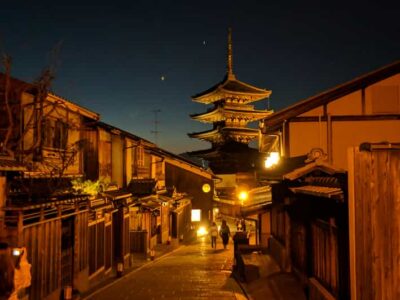
Best of Kyoto: Gion, Geisha, Pagodas & Cobblestones
Read our review →
Kyoto Gion Geisha District Walking Tour – The Stories of Geisha
Read our review →
Browse the lists this tour appears in